
How to Use a Canister Vacuum Without the Hassle

How to use a canister vacuum sounds simple on paper, yet plenty of people end up wrestling with tangled hoses, missed debris, and awkward corners that seem impossible to reach. A canister vacuum behaves differently from an upright model, and that difference can either make cleaning easier or leave you wondering why the job feels harder than it should. Understanding how the hose, wand, floor head, and suction controls work together helps create a smoother experience from room to room. Small adjustments often make a bigger impact than many expect.
Dust hiding under furniture, pet hair gathering along baseboards, and crumbs settling into tight spaces can quickly turn routine cleaning into a frustrating chore. That's where proper vacuum technique matters. Instead of rushing through a room, guiding the floor head steadily and matching the attachment to the surface improves pickup while reducing unnecessary effort. Also, using the correct suction setting can prevent rugs from bunching up and delicate surfaces from being damaged.
Many cleaning headaches start before the vacuum even touches the floor. A full dust container, clogged filter, or blocked hose can reduce performance dramatically. Keeping these components maintained allows the machine to deliver consistent suction throughout the cleaning session. Better airflow means less backtracking and fewer spots left behind.
Flexibility remains one of the biggest advantages of a canister vacuum. The separate canister body allows the cleaning head to reach under beds, around chair legs, and into narrow areas without forcing awkward movements. That extra maneuverability helps tackle spaces that often collect dust but rarely get proper attention. Little by little, those hard-to-reach areas become easier to manage.
Storage habits also play a role in long-term performance. Wrapping the hose carefully, securing attachments, and checking filters regularly can extend the life of the machine while keeping it ready for the next cleanup. Nobody enjoys pulling out a vacuum only to discover reduced suction or tangled accessories. A few simple habits help avoid those annoying surprises.
Efficient floor care isn't about cleaning faster at all costs. It's about moving through each space with the right approach, using the right attachment, and avoiding common mistakes that waste energy. With a better understanding of how to use a canister vacuum, everyday cleaning feels less like a battle and more like a straightforward routine that actually delivers visible results.

- VC Score9.6
BCP Score is a ranking system developed by bestcleanerproducts.com. BCP Score has no relationship or impact from any manufacturers or sales agent websites. Learn more
- BrandAspiron

- VC Score8.8
BCP Score is a ranking system developed by bestcleanerproducts.com. BCP Score has no relationship or impact from any manufacturers or sales agent websites. Learn more
- BrandMiele

- VC Score8.6
BCP Score is a ranking system developed by bestcleanerproducts.com. BCP Score has no relationship or impact from any manufacturers or sales agent websites. Learn more
- BrandEureka

- VC Score8.6
BCP Score is a ranking system developed by bestcleanerproducts.com. BCP Score has no relationship or impact from any manufacturers or sales agent websites. Learn more
- BrandEureka
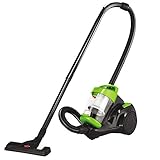
- VC Score8.6
BCP Score is a ranking system developed by bestcleanerproducts.com. BCP Score has no relationship or impact from any manufacturers or sales agent websites. Learn more
- BrandBissell

- VC Score8.6
BCP Score is a ranking system developed by bestcleanerproducts.com. BCP Score has no relationship or impact from any manufacturers or sales agent websites. Learn more
- BrandPKUYIE

- VC Score8.4
BCP Score is a ranking system developed by bestcleanerproducts.com. BCP Score has no relationship or impact from any manufacturers or sales agent websites. Learn more
- BrandKenmore
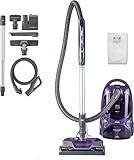
- VC Score8.2
BCP Score is a ranking system developed by bestcleanerproducts.com. BCP Score has no relationship or impact from any manufacturers or sales agent websites. Learn more
- BrandKenmore

- VC Score8.2
BCP Score is a ranking system developed by bestcleanerproducts.com. BCP Score has no relationship or impact from any manufacturers or sales agent websites. Learn more
- BrandKenmore
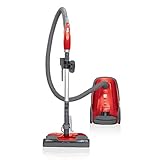
- VC Score8.2
BCP Score is a ranking system developed by bestcleanerproducts.com. BCP Score has no relationship or impact from any manufacturers or sales agent websites. Learn more
- BrandKenmore
Last update on 2026-06-01 / Affiliate links / Images, Product Titles, and Product Highlights from Amazon Product Advertising API
How To Use A Canister Vacuum
Dust has a sneaky way of settling where a quick sweep never reaches, especially behind sofa legs, along baseboards, and under beds. A canister vacuum can make those awkward spots easier to handle, but only if the hose, wand, floor head, and suction settings work together instead of fighting you. Learning how to use a canister vacuum well helps you clean with less tugging, fewer missed crumbs, and better control around furniture. The payoff is simple: cleaner floors, less strain, and a routine that doesn’t feel like dragging a stubborn suitcase through the house.
Canister Vacuum Basics
A canister vacuum separates the motor body from the cleaning wand, and that design changes the whole cleaning rhythm. The canister rolls behind you while the lighter wand does the detailed work in front of you. That setup gives you better reach under furniture and around tight corners without forcing your wrist into weird angles. It’s especially helpful in homes with mixed flooring, rugs, stairs, and furniture that sits low to the ground.
The biggest mistake is treating a canister vacuum like an upright vacuum. An upright pushes as one solid unit, while a canister needs a steadier pull-and-guide motion. Keep the canister behind or slightly beside you, then let the hose move freely without sharp bends. A relaxed setup protects suction power, prevents annoying hose kinks, and makes the machine feel much easier to control.
The wand and floor head should glide, not scrape or bounce. If the head sticks hard to a rug, the suction may be too high or the wrong attachment may be installed. If it skips over crumbs, the brush setting or floor tool may not match the surface. A quick adjustment can save several extra passes and keep floor cleaning from turning into a guessing game.
Start with a simple check before every cleaning session. Make sure the bag or dust bin has room, the filter isn’t packed with dust, and the hose opening is clear. A blocked pathway turns even a powerful vacuum into a noisy machine with weak pickup. Clean airflow is the quiet hero behind strong suction, better debris pickup, and fewer frustrating do-overs.
Set Up The Vacuum Before Cleaning
Good cleaning starts before the plug hits the outlet. Attach the hose firmly, connect the wand, and choose the floor head that fits the surface you’re about to clean. A hard floor tool usually protects wood, tile, and laminate better than a stiff rotating brush. For carpet or rugs, a motorized or brush-style head helps lift embedded dirt instead of just skimming the surface.
Check the suction control before you begin. High suction may be useful for bare floors and heavy debris, but it can grab lightweight rugs and make the wand hard to move. Lower suction gives you better control on curtains, upholstery, and delicate mats. That small dial or slider isn’t decorative, so use it like a steering wheel for different cleaning jobs.
Cord placement matters more than people think. Plug into a central outlet when possible, then work away from it so the cord trails behind instead of crossing your path. This keeps the canister from bumping into table legs and reduces the chance of tripping mid-clean. A safer setup keeps the focus on steady movement, not wrestling with cords and furniture.
Attachments should stay close, not buried in a closet where they’re forgotten. The crevice tool handles baseboards and couch seams, the dusting brush works on vents and shelves, and the upholstery tool helps with fabric surfaces. Using the right piece at the right moment makes the vacuum feel more capable. For households sensitive to dust, compare options built for filtration and sealed airflow through best canister vacuum allergies before relying on suction alone.
Clean Floors With A Steady Pattern
Random vacuuming leaves random results. Pick a starting point and move across the room in overlapping passes, almost like mowing a lawn indoors. Each pass should overlap the previous one slightly so crumbs, hair, and fine dust don’t hide between lines. That pattern gives consistent pickup without making you clean the same area three different times.
Move slowly enough for the vacuum head to do its job. Racing across carpet often leaves grit trapped near the backing, especially in high-traffic paths. A slower forward pass loosens debris, and a controlled backward pass helps collect it. This simple rhythm improves carpet cleaning while keeping your shoulders from doing all the work.
Hard floors need a lighter touch. Use a bare-floor attachment or turn off the brush roll if your model allows it, because spinning bristles can scatter crumbs or scratch delicate finishes. Keep the floor head flat so suction stays sealed against the surface. For sticky residue or greasy buildup before vacuuming, learn the role of alkaline cleaner so dry debris and surface grime don’t get treated like the same problem.
Edges deserve their own pass. Dust and pet hair love baseboards, corners, and the small strip beneath cabinets where the main floor head doesn’t fully reach. Snap on the crevice tool and move slowly along those lines instead of jamming the full head into tight spots. This is where detail cleaning makes a room feel truly finished rather than only halfway done.
Use Attachments Without Guesswork
The crevice tool is built for narrow gaps, not whole floors. Use it between couch cushions, along sliding door tracks, behind appliances, and around baseboard edges. Its narrow opening concentrates suction power into tight spaces where the regular floor head can’t seal properly. Used patiently, it pulls out the kind of grit that makes a room feel dusty again a day later.
The dusting brush works best on surfaces that need airflow with a softer touch. Lampshades, blinds, vents, shelves, and window sills benefit from bristles that loosen dust without rough scraping. Keep suction moderate so lightweight items don’t rattle or shift while you clean. This attachment turns the canister vacuum into a surface care tool, not just a floor machine.
The upholstery tool handles fabric better than a floor head ever will. Use short strokes on sofas, dining chairs, pet beds, and fabric headboards to lift crumbs and hair from textured material. For stubborn pet hair, slow passes help the tool maintain contact long enough to grab fibers. The result feels more controlled, especially where fabric cleaning needs patience instead of brute force.
A motorized brush head can help on carpet, but it isn’t always the right call. Delicate rugs, fringe, and loose woven mats may snag or bunch if the brush is too aggressive. Test a small area first and reduce suction if the tool pulls too hard. Budget-focused homes comparing different vacuum body styles can weigh tradeoffs with upright vacuum under 300 before deciding whether canister control or upright simplicity fits better.
Manage Suction For Different Surfaces
Suction control solves more problems than most people expect. Too much suction can make rugs buckle, curtains cling, and the wand feel stuck to the floor. Too little suction leaves crumbs behind and forces extra passes. The goal is balanced airflow, where the tool moves smoothly while still pulling debris into the hose.
Low-pile carpet usually needs steady suction with a brush head that can agitate the fibers. Thick rugs may need reduced suction so the head can glide without dragging the whole rug across the room. Hard floors often respond well to stronger suction paired with a soft bare-floor tool. Matching the setting to the surface protects floor materials and improves cleaning results without extra effort.
Upholstery, curtains, and lampshades call for a gentler approach. Use the suction slider or bleed valve on the handle if your vacuum has one, then make slow, careful passes. Strong suction on delicate fabric can stretch seams or pull material into the nozzle. A lighter setting keeps fabric care safer while still removing dust, crumbs, and pet dander.
Noise can also signal a suction problem. A sudden high-pitched sound may point to a clog, full bag, blocked filter, or sealed nozzle. Stop and check before pushing through the job, because forcing the motor to work harder can reduce performance over time. Healthy airflow keeps motor strain lower and helps the vacuum stay dependable through regular use.
Best Ways To Use A Canister Vacuum Efficiently
Even a capable vacuum can start feeling disappointing if dust keeps showing up a day after cleaning. Most of the time, the issue isn't weak suction or a bad machine. The real culprit is usually a combination of rushed technique, overlooked maintenance, and using the wrong attachment in the wrong place. A few practical adjustments can dramatically improve cleaning efficiency, dust removal, and overall convenience.
Clean Stairs Without Turning It Into A Workout
Stairs are often where frustration peaks. Carrying a heavy vacuum while trying to clean corners and edges can feel awkward and exhausting. A canister vacuum handles stairs differently because the main body can stay on a stable step while the hose and wand do the detailed work. That setup creates better balance, safer movement, and less strain on your back.
Start at the top and work downward. Gravity naturally pulls dust and debris lower, so cleaning from the highest step helps avoid spreading dirt onto areas you've already finished. Short, controlled movements work better than aggressive sweeping motions. A slower pace improves pickup performance and reduces the chance of missing debris trapped near step edges.
The crevice tool becomes especially useful on stairs. Dust often gathers where the tread meets the riser, creating thin lines of dirt that standard floor heads can miss. Taking a few extra seconds along those seams helps create a noticeably cleaner appearance. Small details often contribute the most to a fresh-looking space.
Loose cords can create hazards on staircases. Keep excess cord behind you and avoid stretching it across steps. Safe positioning protects both the vacuum and the person using it. A simple setup leads to smoother cleaning and fewer interruptions.
Handle Pet Hair More Effectively
Pet hair rarely stays in one place. It drifts into corners, wraps around furniture legs, and settles into carpet fibers where it becomes harder to remove. A canister vacuum can tackle these areas well, but technique matters. Consistent passes help collect embedded hair rather than pushing it around.
Upholstery tools often outperform standard floor heads on couches and chairs. Fabric surfaces trap hair in different directions, so short overlapping strokes usually produce better results. Patience beats speed in these situations. Better contact between the tool and fabric improves hair removal and reduces repeated cleaning.
Pet beds deserve attention too. These areas collect fur, dander, and fine dust that can spread through nearby rooms. Regular vacuuming helps maintain cleaner indoor air while keeping odors from becoming more noticeable. Small maintenance habits can prevent larger cleaning jobs later.
Commercial environments dealing with constant foot traffic and debris often rely on stronger cleaning routines. For heavier workloads and larger spaces, explore best commercial vacuum restaurants to compare equipment designed for demanding conditions.
Maintain Filters For Consistent Suction
Many people blame the vacuum when performance drops. In reality, filters are often the hidden issue. Dust gradually restricts airflow, making the machine work harder while collecting less debris. Keeping filters clean supports strong suction, steady airflow, and longer motor life.
Filter schedules vary by model, so checking the manufacturer's guidance helps avoid unnecessary replacements. Some filters can be rinsed and reused, while others need periodic replacement. Ignoring maintenance usually leads to reduced performance long before mechanical problems appear. Clean filters help preserve overall vacuum efficiency.
Dust containers deserve attention as well. Waiting until the bin is completely packed can restrict airflow and reduce pickup strength. Emptying it before it reaches maximum capacity often keeps performance more consistent. This simple habit supports better cleaning results throughout the entire session.
Hoses should also be inspected occasionally. Small clogs can build slowly and remain unnoticed until suction drops significantly. A quick visual inspection helps identify obstructions before they become frustrating. Prevention is usually easier than troubleshooting later.
Reach Tight Spaces Without Missing Dust
Dust loves neglected areas. Behind appliances, beneath furniture, and along wall edges are common hiding spots that often escape routine cleaning. The flexible hose design of a canister vacuum makes these locations easier to access. Better reach creates more complete cleaning coverage throughout the room.
Move furniture only when necessary. The slim wand can often slide beneath beds, couches, and cabinets without requiring heavy lifting. That advantage saves time while reducing physical effort. Efficient access is one reason many people appreciate canister vacuum flexibility.
Baseboards collect surprising amounts of dust over time. A crevice attachment used slowly along edges can remove buildup that regular floor cleaning leaves behind. Cleaner edges contribute to a more polished appearance. Small improvements often create the biggest visual difference.
Air vents and return grilles benefit from occasional vacuuming as well. Dust accumulation around vents can spread particles back into living areas. Using a dusting brush attachment helps remove buildup without damaging surfaces. Cleaner vents support better airflow and a tidier environment.
Avoid Common Mistakes That Waste Time
One common mistake is moving too quickly. Fast passes may look productive, but debris often remains trapped in carpet fibers or floor seams. Slower, controlled movement allows the vacuum to do the work it was designed to perform. Better technique often produces better results than extra power.
Using maximum suction for every task creates unnecessary challenges. Lightweight rugs, curtains, and delicate fabrics may become difficult to clean if airflow is too aggressive. Adjusting settings for each surface improves control and protects materials from unnecessary stress.
Ignoring small spills can also create bigger cleaning jobs later. Dry debris should be vacuumed before it becomes embedded through foot traffic. For situations involving residue, buildup, or drain-related cleaning concerns nearby, learning how to use enzyme drain cleaner can help address messes that vacuuming alone cannot solve.
Attachment selection matters more than many expect. The wrong tool can reduce cleaning effectiveness even when suction remains strong. Matching the attachment to the surface improves pickup efficiency, reduces effort, and helps maintain cleaner floors over time.
Build A Cleaning Routine That Stays Manageable
Large cleaning sessions often feel overwhelming because too much gets postponed. Shorter, more consistent sessions usually keep dust, crumbs, and pet hair under better control. Regular maintenance creates cleaner living spaces without requiring marathon cleaning days.
High-traffic areas deserve priority. Entryways, hallways, kitchens, and living rooms tend to accumulate debris faster than guest rooms or storage spaces. Focusing on these zones first improves visible cleanliness quickly. Strategic effort delivers better time efficiency.
Weekly attention to filters, attachments, and dust containers prevents small maintenance issues from turning into larger frustrations. Equipment that stays clean generally performs more predictably. Consistency often matters more than intensity.
A canister vacuum performs best when it becomes part of a practical routine rather than an occasional rescue tool. Good habits, proper attachments, steady technique, and regular upkeep combine to deliver stronger cleaning performance, less effort, and more reliable results across every room in the home.


How to Refinish a Fiberglass Pool

How Do You Keep Raccoons Out of Your Pool?

How to Fix Cyanuric Acid in Your Pool

How to Shape a Pool Cue Tip to Stop Miscues

Best Far Infrared Sauna Sauna Heats: Top Picks of 2026

11 Best Far Infrared Sauna Carbon Fiber Heaters of 2026 For Balanced Full-Body Heat

11 Best Carbon Far Infrared Sauna of 2026 For Even Heat

10 Best Bluetooth Speaker For Sauna of 2026 For Heat and Steam


