
How to Use a Big Ball Vacuum Without the Hassle

How to Use a Big Ball Vacuum sounds straightforward until the machine starts pulling in the wrong direction, struggles around furniture, or feels heavier than expected. Plenty of people buy a ball vacuum because of its reputation for maneuverability, yet many never take advantage of the design features that make it different from traditional upright models. A few simple adjustments can completely change the cleaning experience and help maintain stronger suction across different floor types.
Large homes, busy hallways, pet hair buildup, and constant foot traffic create cleaning challenges that demand more than basic vacuuming. The unique steering system of a ball vacuum allows tighter turns and smoother navigation, but only if the machine is guided correctly. Holding the handle too rigidly or pushing with excessive force often creates frustration rather than efficiency. Learning how the ball mechanism responds can make movement feel surprisingly natural.
Floor transitions often create another stumbling block. Carpets, rugs, hardwood, tile, and laminate surfaces each require slightly different handling techniques. Many people assume the vacuum will automatically adapt to every surface, yet brush settings, suction controls, and cleaning attachments can significantly influence results. Paying attention to these details helps remove more debris while reducing wear on delicate flooring.
Maintenance plays a major role as well. A clogged filter, tangled brush bar, or overfilled dust bin can make even a powerful vacuum feel sluggish. Keeping these components clean protects performance and prevents unnecessary strain on the motor. Small maintenance habits often save both time and money over the long run.
Storage and attachment usage deserve attention too. Many owners rarely use the included tools even though they can make stairs, upholstery, corners, and ceiling edges much easier to clean. Knowing which attachment works best for each task reduces effort and delivers a cleaner finish. Little changes like these often turn routine vacuuming into a faster and less frustrating chore.
How to Use a Big Ball Vacuum effectively isn't about working harder. It's about working smarter, understanding how the machine is designed to move, and using its features the way they were intended. Once those habits become second nature, cleaning feels smoother, quicker, and far less tiring from room to room.
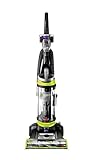
- VC Score9.0
BCP Score is a ranking system developed by bestcleanerproducts.com. BCP Score has no relationship or impact from any manufacturers or sales agent websites. Learn more
- BrandBissell
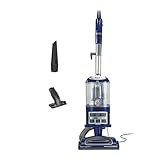
- VC Score8.8
BCP Score is a ranking system developed by bestcleanerproducts.com. BCP Score has no relationship or impact from any manufacturers or sales agent websites. Learn more
- BrandShark
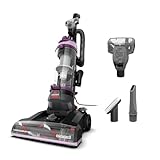
- VC Score8.8
BCP Score is a ranking system developed by bestcleanerproducts.com. BCP Score has no relationship or impact from any manufacturers or sales agent websites. Learn more
- BrandBissell

- VC Score8.6
BCP Score is a ranking system developed by bestcleanerproducts.com. BCP Score has no relationship or impact from any manufacturers or sales agent websites. Learn more
- BrandOreck

- VC Score8.6
BCP Score is a ranking system developed by bestcleanerproducts.com. BCP Score has no relationship or impact from any manufacturers or sales agent websites. Learn more
- BrandDyson

- VC Score8.4
BCP Score is a ranking system developed by bestcleanerproducts.com. BCP Score has no relationship or impact from any manufacturers or sales agent websites. Learn more
- BrandDyson

- VC Score8.4
BCP Score is a ranking system developed by bestcleanerproducts.com. BCP Score has no relationship or impact from any manufacturers or sales agent websites. Learn more
- BrandEnhulk

- VC Score8.4
BCP Score is a ranking system developed by bestcleanerproducts.com. BCP Score has no relationship or impact from any manufacturers or sales agent websites. Learn more
- BrandDyson

- VC Score8.4
BCP Score is a ranking system developed by bestcleanerproducts.com. BCP Score has no relationship or impact from any manufacturers or sales agent websites. Learn more
- BrandDyson

- VC Score8.4
BCP Score is a ranking system developed by bestcleanerproducts.com. BCP Score has no relationship or impact from any manufacturers or sales agent websites. Learn more
- BrandDyson

- VC Score7.6
BCP Score is a ranking system developed by bestcleanerproducts.com. BCP Score has no relationship or impact from any manufacturers or sales agent websites. Learn more
- BrandDyson
Last update on 2026-06-26 / Affiliate links / Images, Product Titles, and Product Highlights from Amazon Product Advertising API
How To Use A Big Ball Vacuum The Smart Way
A bulky vacuum can turn a simple cleanup into a tug-of-war, especially around chair legs, tight corners, and mixed flooring. The good news is that how to use a big ball vacuum gets much easier once you stop forcing it like a regular upright and let the ball steering do its job. The machine is built for smoother turns, better balance, and quicker movement across busy rooms, but the technique matters. Push too hard, rush the passes, or ignore the settings, and even a capable vacuum can feel awkward.
The first habit is simple: keep your grip relaxed and guide the handle with small wrist movements instead of stiff arm pressure. A big ball vacuum responds best to gentle steering, almost like rolling a suitcase through a crowded airport. Sharp corners become easier when you tilt the handle slightly and let the rounded base pivot naturally. That little shift saves effort, especially during longer cleaning sessions.
Floor prep matters more than most people think. Pick up cords, small toys, loose socks, and plant leaves before starting, because the brush bar can grab lightweight clutter fast. For homes with delicate surfaces, a cleaner floor path also reduces scratches and keeps the vacuum moving evenly. A steady route helps protect floor finish, suction flow, and your patience.
Start with the most open areas first, then work toward edges and corners. This keeps debris from being pushed back into clean zones and makes the room feel less chaotic. A slow forward pass followed by a controlled pullback usually collects more than quick, choppy movements. That rhythm gives the vacuum enough time to lift dust, hair, crumbs, and grit from the surface.
Set Up The Vacuum Before The First Pass
Before turning on the vacuum, check that the dust bin is empty or at least not packed tight. A full bin blocks airflow, and blocked airflow makes suction feel weak even when the motor sounds normal. Emptying the bin before cleaning helps keep suction performance steady from room to room. It also prevents dusty blowback, which nobody wants after just wiping down shelves.
Filters deserve the same quick glance. A dirty filter can make the vacuum run hotter, smell stale, or lose pickup power on carpets. Washable filters should be cleaned only according to the manufacturer’s directions, then dried fully before reinstalling. Damp filters can create musty odors and may affect airflow inside the machine.
Check the brush bar for hair, thread, pet fur, or carpet fibers wrapped around it. Long hair can tighten around the roller like a rubber band, slowing rotation and leaving debris behind. Cutting away tangles carefully helps the brush keep proper contact with carpet fibers and hard floors. That small step supports stronger agitation without needing extra passes.
Then look at the hose and wand connections. A loose hose can weaken suction, while a clogged wand can make the vacuum sound strained. Snap each part firmly into place before starting, especially after using attachments. Clean connections make a big difference for consistent airflow and overall control.
Use Ball Steering Without Fighting The Machine
The big ball design works best with smooth, angled movements rather than straight-line shoving. Tilt the handle slightly left or right, and the vacuum will curve around obstacles instead of bumping into them. This is where how to use a big ball vacuum feels different from older upright cleaners. The steering feels odd for a minute, then it clicks.
Furniture legs are easier to clean around when you slow down near them. Swinging too fast can cause the vacuum head to miss dirt tucked beside chair feet or table bases. A controlled S-shaped path lets the cleaner wrap around obstacles with fewer stops. That approach helps remove hidden dust without dragging furniture across the floor.
Open floor areas need a different pace. Use long, steady passes and overlap each row slightly so crumbs and hair don’t sit between cleaning lanes. Think of mowing a small lawn, but indoors and with less sweat. Overlapping passes create even coverage and reduce the need to redo sections later.
For delicate stone or polished surfaces, use a lighter touch and avoid grinding debris under the head. Terrazzo, for example, can look tough but still benefits from careful cleaning habits, so a practical floor-care routine pairs well with guidance on the best stick vacuum terrazzo floors for lighter maintenance between deep vacuuming days. A big ball vacuum can handle larger debris runs, while a smaller stick model may feel easier for quick daily dust pickup. Matching the tool to the floor keeps surface care more realistic.
Match The Settings To Each Floor Type
Carpet usually needs brush contact, but not every carpet likes the same pressure. Thick rugs can cause drag if the suction feels too strong or the cleaner head sits too low. Adjust the setting if your model allows it, then test a small area before cleaning the whole room. The right setup gives you deeper pickup without making the vacuum hard to push.
Hard floors call for a more careful approach. If the brush bar scatters crumbs instead of collecting them, switch to the hard-floor mode or reduce brush aggression if available. Slow passes help the vacuum pull debris inward instead of flicking it across the room. That matters a lot with rice, cat litter, cereal bits, and dry soil.
Area rugs can be tricky because lightweight edges may lift into the vacuum head. Hold the rug edge with your foot, lower suction if possible, and clean from the center outward. Avoid forcing the vacuum over tassels or fringe because they can wrap around the brush bar quickly. A patient pass protects rug fibers and keeps the roller from jamming.
Wet messes are a hard no unless the vacuum is specifically built for liquids. A standard big ball vacuum is made for dry debris, and liquid can damage internal parts or create odors inside the hose. For clogged drains or household liquid problems, keep that job separate and rely on product-specific guidance like how to use liquid fire instead of risking vacuum damage. Separating dry cleaning from liquid cleanup protects motor life and avoids a nasty repair bill.
Clean Edges, Stairs, And Tight Spots With Attachments
The main cleaner head handles open floors, but edges need a more targeted approach. Dust collects along baseboards, behind doors, and under cabinet lips where the wide head can’t fully reach. Attach the crevice tool and work slowly along those lines. This gives you cleaner edges without scraping the vacuum body against walls.
Stairs are safer with the hose and wand than with the full machine balanced on a step. Place the vacuum at the bottom if the hose reaches, or keep it stable on a wider landing. Use the smaller attachment to pull debris from corners where pet hair and grit settle. Stability matters because safe handling beats speed every time.
Upholstery needs short strokes and a softer touch. Couch seams, cushions, and fabric chairs trap crumbs in tiny gaps, especially after snacks, pets, or kids have had their fun. A brush attachment can loosen surface debris without chewing up the fabric. Go slowly and let suction and agitation do the work.
Outdoor cleanup should stay within reason. A home vacuum is not a pool tool, and using it around wet patios, pool decks, or standing water can create real problems. For pool debris, a separate cleaner makes more sense, and a budget-focused guide such as best pool vacuum fits that job far better. Keeping each machine in its lane helps avoid water damage, safety issues, and frustrating cleanup mistakes.
How To Maintain A Big Ball Vacuum For Long Lasting Performance
A vacuum that suddenly loses suction rarely fails without warning. Small issues usually build up over weeks, then show up right in the middle of a cleaning session. Learning how to use a big ball vacuum also means learning how to protect its cleaning power, airflow efficiency, and maneuverability over time. A few minutes of maintenance often prevent hours of frustration later.
Dust bins deserve attention before they become packed solid. Once debris reaches the maximum fill line, airflow starts dropping and pickup performance can suffer. Emptying the container regularly helps maintain consistent suction and prevents excess strain on internal components. That habit becomes especially valuable in homes with pets or heavy foot traffic.
Brush bars should be checked every couple of weeks. Hair, string, carpet fibers, and threads tend to wrap around the roller and reduce its ability to lift debris from carpet. Removing those tangles helps restore brush contact and allows the vacuum to work more efficiently. A clean roller often makes a bigger difference than people expect.
Storage conditions matter too. Leaving the machine in a damp garage or exposed outdoor area can affect hoses, seals, and filters over time. A dry indoor location helps preserve motor health, protects attachments, and keeps the vacuum ready for the next cleaning task.
Common Mistakes That Reduce Cleaning Results
Many people move the vacuum too quickly across the floor. Fast passes may feel productive, but debris often remains trapped between carpet fibers because the cleaner head doesn't spend enough time over the surface. Slower movement allows stronger dirt removal and reduces the need to repeat sections. A little patience usually saves time overall.
Ignoring floor transitions is another common issue. Carpet, hardwood, tile, and laminate respond differently to suction and brush action. Using the same settings everywhere can lead to scattered debris or unnecessary resistance. Matching the vacuum to the surface improves cleaning efficiency and helps protect delicate finishes.
Overfilling attachments creates problems too. Long hoses packed with debris can restrict airflow and reduce performance at the cleaner head. Keeping tools clear supports steady suction and prevents blockages from developing deeper inside the system. A quick inspection after larger jobs is usually enough.
People sometimes treat the vacuum like a broom for oversized debris. Large objects can clog hoses, damage brush bars, or jam internal passages. Picking up bulky items first protects internal components and keeps the cleaning process moving smoothly.
How To Clean Different Rooms More Efficiently
Living rooms tend to collect a surprising amount of dust beneath furniture. Moving lightweight chairs and cleaning beneath tables helps remove debris that often gets missed during quick surface cleaning. The ball steering system makes it easier to navigate around obstacles while maintaining full floor coverage. Small adjustments create noticeably cleaner results.
Bedrooms benefit from a top-to-bottom approach. Dust from shelves, headboards, and window sills often settles onto the floor during cleaning. Vacuuming last helps capture that debris instead of spreading it around. This approach improves dust control and reduces repeated work.
Kitchens introduce a different challenge because crumbs, dry food particles, and tracked-in dirt accumulate quickly. Hard floor settings can improve pickup while preventing debris from scattering. Floors that require occasional steam cleaning can benefit from guidance on the steam cleaner linoleum floors topic between vacuuming sessions, especially where sticky residue tends to build up. Combining methods supports cleaner surfaces and more consistent maintenance.
Entryways often collect grit from shoes, pet paws, and outdoor traffic. Multiple slow passes near doors usually produce better results than a single quick sweep. Focusing on those high-traffic areas improves overall cleanliness and prevents dirt from spreading through the rest of the house.
Using Attachments For Better Deep Cleaning
Attachments exist for a reason, yet many spend most of their lives clipped to the vacuum. The crevice tool works particularly well along baseboards, behind appliances, and beside heavy furniture. These narrow areas often hide dust buildup that standard cleaner heads cannot fully reach. Using the correct tool improves results without extra effort.
Upholstery attachments help remove debris from couches, cushions, and fabric chairs. Pet hair tends to settle deep into seams where the main floor head cannot reach effectively. Gentle strokes combined with strong suction improve fabric cleaning while reducing wear on the material. It also leaves furniture looking fresher between major cleanings.
Dusting brushes serve a different purpose. Shelves, blinds, lamp shades, and electronics often collect fine dust that can be difficult to remove with cloths alone. A soft brush attachment allows controlled cleaning while protecting delicate surfaces. This creates better dust management throughout the room.
Extension wands help tackle ceiling corners and vents. Those elevated spots often go untouched for months because reaching them feels inconvenient. A longer reach improves whole-room cleaning and helps prevent dust from drifting back onto freshly cleaned floors.
Managing Pet Hair Without Constant Frustration
Pet owners often face a different set of cleaning challenges. Fur can settle into carpet fibers, collect beneath furniture, and wrap tightly around brush bars. Regular vacuuming helps control buildup before it becomes overwhelming. Consistency supports better air quality, cleaner floors, and fewer visible hair clusters.
Short daily passes often work better than infrequent marathon cleaning sessions. Hair accumulation becomes easier to manage when it never reaches excessive levels. This approach reduces stress on the vacuum while maintaining steady cleaning performance. Small routines can produce surprisingly noticeable results.
Furniture deserves extra attention in homes with shedding pets. Cushions, corners, and fabric surfaces often trap fur even when floors appear clean. Using upholstery tools regularly helps improve hair removal and keeps living spaces looking more polished. It also reduces the amount of fur transferred back onto floors.
Outdoor pet areas present another challenge. While indoor vacuums should never replace specialized pool equipment, larger outdoor spaces may require dedicated cleaning solutions. For properties with extensive swimming areas, information about a pool vacuum large pools setup can address debris problems that a household vacuum simply isn't designed to handle. Using the right equipment protects vacuum longevity and avoids unnecessary damage.
Signs Your Vacuum Needs Attention Before Problems Grow
Strange noises often provide the first warning sign. A sudden whistle, rattling sound, or unusual vibration may indicate a blockage, loose component, or brush bar issue. Addressing these symptoms early protects long-term reliability and helps avoid larger repairs. Ignoring them rarely makes the situation better.
Reduced suction is another signal that deserves investigation. Full bins, clogged filters, blocked hoses, or tangled brush bars are common causes. Working through those areas systematically usually restores cleaning performance without requiring replacement parts. Simple checks often solve the problem.
Unusual odors can indicate trapped debris or filters that need attention. Dust, pet hair, and organic material left inside the system may create stale smells over time. Cleaning those components improves airflow quality and makes vacuuming more pleasant. Fresh airflow is often a sign that the machine is operating properly.
Steering difficulties should not be ignored either. A big ball vacuum is designed to pivot smoothly around furniture and room corners. If movement suddenly feels stiff or awkward, checking the ball assembly and wheel areas may reveal accumulated debris. Restoring smooth maneuverability helps preserve the very feature that makes the design unique.


How to Refinish a Fiberglass Pool

How Do You Keep Raccoons Out of Your Pool?

How to Fix Cyanuric Acid in Your Pool

How to Shape a Pool Cue Tip to Stop Miscues

Best Far Infrared Sauna Sauna Heats: Top Picks of 2026

11 Best Far Infrared Sauna Carbon Fiber Heaters of 2026 For Balanced Full-Body Heat

11 Best Carbon Far Infrared Sauna of 2026 For Even Heat

10 Best Bluetooth Speaker For Sauna of 2026 For Heat and Steam








