
How to Take Apart a Cordless Vacuum Head to Clear Jams

A spinning roller that suddenly locks up is rarely a fatal breakdown. In most cases, you only need to unclick the floor head and turn the side release latch or coin slot to slide the roller straight out. Doing this clears tight hair tangles in minutes without straining the motor or snapping fragile clips.
The exact steps depend on how your model fastens together and where the clog is hiding. Quick cleanouts usually just involve popping open a simple side lever, while packed debris stuck in the flexible suction joint or motor belt may require taking out a few small base screws. Knowing what to loosen first keeps you from forcing brittle plastic. Here is how to open the casing cleanly and get everything turning again.
How do you prepare your workspace safely?
Working on a motorized floor nozzle requires safety first. Disconnect the floor head completely from the extension wand before touching any latches. Never work on the unit while it is attached to the vacuum body. A sudden squeeze of the power trigger can spin the roller unexpectedly, pinching fingers or tangling cleaning rags. Detaching the head also makes handling easier, especially if you are accustomed to the weight balance found on models like what is the lightest cordless vacuum cleaner in 2026.
Set up your work area on a clean, flat surface like a kitchen table or workbench. Avoid working over carpet where small dropped screws can vanish. Lay down an old towel or silicone mat to catch loose dirt, pet hair, and grit that will spill out as the housing opens.
Gather a few basic household tools before you start:
- A coin, such as a quarter or nickel, to turn plastic locking screws.
- A small flat-head screwdriver for gently lifting tight latch covers.
- A pair of craft scissors or a seam ripper to cut wrapped hair.
- A pair of tweezers to pull packed lint from small gaps.
- A bright flashlight to inspect the dark suction channels.
Having these tools ready keeps you from searching through drawers with a half-open floor head leaking dust onto your floor.
How do you unlock the spinning roller?
Cordless stick vacuums use three common latching styles to hold the spinning roller inside the floor nozzle. Look at the sides and bottom of your floor head to identify the mechanism your vacuum uses.
- The coin-turn slot. Many models place a wide plastic screw slot on the side locking plug or along the bottom cover plate. Insert a coin into the slot. Turn it a quarter turn counterclockwise toward the unlocked padlock symbol stamped into the plastic. Once unlocked, the side locking plug pops outward, or you can gently pull it free. Avoid narrow screwdrivers here, as thin metal edges can strip and deform the soft plastic slot.
- The sliding release switch. Other models use a spring-loaded slider on the underside of the nozzle, near the corner of the housing. Slide the colored button firmly in the direction of the arrow with your thumb. While holding the switch open, lift the edge of the bottom cover plate or swing the end bracket away from the frame.
- The push-button tab. Some floor nozzles feature a push tab on the side or rear casing. Press the tab inward until the retaining gate unlatches. Once the gate pivots open, you have a direct path to slide the spinning roller out.
Apply smooth, steady pressure when opening these mechanisms. If a part resists, stop immediately. Check for hidden latch clips, trapped sand along the seams, or a secondary lock. Floor heads rely on molded plastic clips that can snap if forced.
How do you clear trapped hair and clogs?
Once the side locking plug or bottom plate is off, you can remove the spinning roller from its housing. Follow these steps to clean the brush and clear the suction pathway completely.
- Slide the roller out of the housing. Grasp the free end of the roller and lift it upward at a slight angle. Pull it away from the motorized drive end. The roller should slide smoothly off the spinning drive peg, which is the motorized post that turns the brush.
- Cut wrapped hair along the guide groove. Most spinning rollers feature a narrow groove running along the cylinder between the bristles. Slide the tip of a seam ripper or scissors down this channel. Cut the tangled hair, then peel it away in a clean sheet. Avoid yanking hard on uncut hair, which can pull bristles out of the roller.
- Clean the end cap and bearing cavity. Pull the side locking plug away from the end of the roller if your model separates. Hair wraps tightly around the internal axle bearing hidden underneath this cap. Use tweezers to unwind these threads. Packed hair creates friction that slows the brush down and generates heat that can melt the plastic core.
- Clear the spinning drive peg. Inspect the drive gear inside the empty floor head cavity. Strands of long hair often wrap around the base of the drive peg. Use tweezers to pick these strands out. Avoid poking sharp metal tools into the rubber motor seals behind the peg.
- Inspect the flexible suction joint. Turn the floor head around and bend the flexible neck back and forth. Shine a flashlight down the throat of the joint. Dense clogs made of hair, dust, and paper scraps often jam right at the bend. Hook the blockage out with a bent wire or long tweezers.
Which parts can you safely wash with water?
A common mistake during vacuum maintenance is rinsing the entire floor head under a faucet. Motorized floor nozzles house delicate electronics that suffer permanent damage from water exposure.
The main housing must always stay dry. Cordless floor heads contain an electric motor, electrical contact prongs that connect to the wand, and wiring for front headlights. Washing the main plastic frame can short out the circuit board and corrode the metal pins. Wipe the plastic casing clean using a dry cloth or a lightly damp wipe, keeping moisture away from electrical ports.
The spinning roller can sometimes be washed, but you must check how it is constructed:
- Soft microfiber rollers are usually safe to rinse under cold running water without soap. Gently squeeze the plush material to release trapped dirt, then shake off excess water.
- Bristle rollers with metal bearings should not be submerged. Water seeps into the bearing housing, washes away the grease, and causes the steel balls to rust. Wipe bristle rollers down with a damp cloth instead.
- Detached plastic end caps can be rinsed if they contain no metal springs or bearings.
Let any washed parts dry completely in an open space for at least 24 hours. Reinstalling a damp roller inside the sealed floor nozzle creates sour mildew smells, and leftover moisture can be pulled directly into the motor compartment.
How do you put the floor head back together?
Putting the floor head back together correctly keeps the roller spinning smoothly and prevents broken plastic tabs.
- Wipe leftover grit from the cavity. Before installing the roller, wipe the inside walls of the floor head. Loose sand caught in the roller tracks can cause grinding noises and prevent proper alignment.
- Align the drive end first. One end of your spinning roller has an open socket with a distinct shape, such as a star or a circle with flat edges. Match this shape to the spinning drive peg inside the motor housing. Slide the roller into the cavity and push it firmly onto the drive peg until it sits flush.
- Seat the non-motorized end. Lower the other side of the roller into its cradle on the opposite side of the housing. Turn the roller by hand a few times. It should spin freely with very little resistance. If you feel rubbing or binding, pull the roller out and re-seat the drive end.
- Reattach the side locking plug or bottom plate. Position the end cap or cover plate back over the opening. It should slide into place with minimal effort. If the piece sits crooked or leaves a gap, the roller is not pushed deep enough onto the drive peg. Adjust the roller before pressing down.
- Lock the mechanism. Use your coin to turn the locking screw a quarter turn clockwise toward the locked padlock symbol. If your vacuum uses a sliding switch, press the bracket inward until the latch clicks into place. Tug lightly on the end cap to confirm it cannot shake loose while cleaning.
Why is the roller still not spinning?
If you cleared every tangle and the brush still refuses to turn, check these common causes before assuming the unit is broken.
First, check for an automatic sensor shutdown. Cordless vacuums feature built-in overload protection. If hair jammed the roller earlier, the circuit board cut power to protect the motor from burning out. The vacuum may need an electrical reset. Remove the battery or disconnect the floor head, wait two minutes, reconnect the components, and switch the vacuum back on.
Second, inspect the electrical connection pins. The floor nozzle receives power through two small metal prongs located inside the neck joint where the wand connects. Over time, fine dust can coat these pins and block electrical current. Look inside the neck connector with a flashlight. If you see dust coating the pins, wipe them gently with a dry cotton swab. Verify that the pins are straight and unbroken.
Third, check the drive belt if your vacuum uses one. While many direct-drive heads connect the motor straight to the spindle, some models use a small rubber belt behind an internal cover. If debris jammed the brush hard while running on max suction, the belt may have slipped off its gear or snapped.
Finally, keep in mind that a jammed roller pulls excessive power from the system. If your battery pack was already weak, that extra electrical strain can cause premature shutdowns. If you notice your runtime dropping rapidly, look into how much is a new battery for a cordless vacuum in 2026 to confirm if your battery is reaching the end of its life.
When should you replace the vacuum head entirely?
Regular cleaning fixes most roller stoppages, but physical damage requires a replacement head. If you open the casing and discover cracked plastic screw sockets, broken retaining clips along the pivot neck, or a melted roller core, clearing clogs will no longer restore proper function. A roller that wobbles inside worn socket brackets will quickly strip the drive spindle.
You should also replace the floor nozzle if the internal drive motor burns out. If your stick vacuum provides normal suction through the wand, the contact pins are clean, but the roller motor shows no response and produces a faint burning smell, the internal motor coil has failed. Because motorized floor nozzles are built with sealed plastic casings, repairing the internal motor is rarely practical.
When shopping for a replacement vacuum head, look for complete assemblies designed for your exact vacuum model number. Floor heads vary significantly across different versions of the same vacuum brand, especially in the shape of the neck latch and the width between electrical pins. Make sure the replacement includes the full roller bar, motor housing, and side locking plug so you can simply click it onto your extension wand and resume cleaning.

- VC Score10.0
BCP Score is a ranking system developed by bestcleanerproducts.com. BCP Score has no relationship or impact from any manufacturers or sales agent websites. Learn more
- BrandAlloyMove

- VC Score9.8
BCP Score is a ranking system developed by bestcleanerproducts.com. BCP Score has no relationship or impact from any manufacturers or sales agent websites. Learn more
- BrandPKWIST

- VC Score9.6
BCP Score is a ranking system developed by bestcleanerproducts.com. BCP Score has no relationship or impact from any manufacturers or sales agent websites. Learn more
- BrandRENNBOES
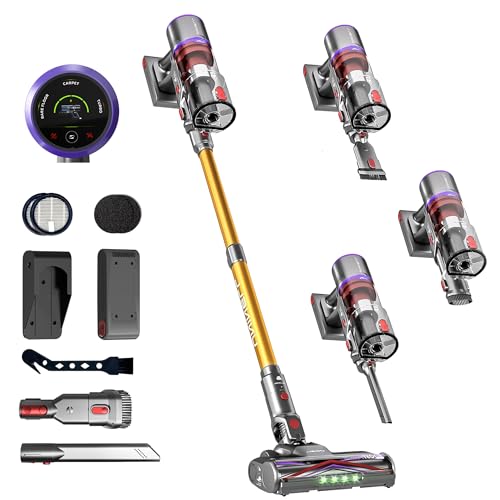
- VC Score9.4
BCP Score is a ranking system developed by bestcleanerproducts.com. BCP Score has no relationship or impact from any manufacturers or sales agent websites. Learn more
- BrandUNINELL HOME
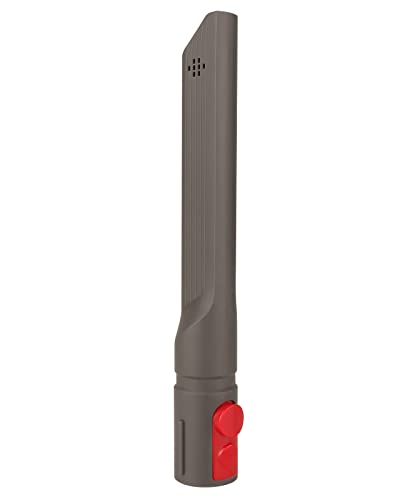
- VC Score9.4
BCP Score is a ranking system developed by bestcleanerproducts.com. BCP Score has no relationship or impact from any manufacturers or sales agent websites. Learn more
- BrandFullclean

- VC Score9.4
BCP Score is a ranking system developed by bestcleanerproducts.com. BCP Score has no relationship or impact from any manufacturers or sales agent websites. Learn more
- BrandUosogi

- VC Score9.4
BCP Score is a ranking system developed by bestcleanerproducts.com. BCP Score has no relationship or impact from any manufacturers or sales agent websites. Learn more
- BrandINTETURE
- VC Score9.2
BCP Score is a ranking system developed by bestcleanerproducts.com. BCP Score has no relationship or impact from any manufacturers or sales agent websites. Learn more
- BrandJELLYPIG

- VC Score9.0
BCP Score is a ranking system developed by bestcleanerproducts.com. BCP Score has no relationship or impact from any manufacturers or sales agent websites. Learn more
- BrandHather
- VC Score9.0
BCP Score is a ranking system developed by bestcleanerproducts.com. BCP Score has no relationship or impact from any manufacturers or sales agent websites. Learn more
- BrandSMOTURE

- VC Score8.6
BCP Score is a ranking system developed by bestcleanerproducts.com. BCP Score has no relationship or impact from any manufacturers or sales agent websites. Learn more
- BrandOTTWL

- VC Score8.0
BCP Score is a ranking system developed by bestcleanerproducts.com. BCP Score has no relationship or impact from any manufacturers or sales agent websites. Learn more
- BrandOTTWL
Last update on 2026-10-01 / Affiliate links / Images, Product Titles, and Product Highlights from Amazon Product Advertising API
Frequently Asked Questions
How do you remove hair wrapped around the end bearings?
Pull the removable side locking plug off the end of the spinning roller to expose the internal axle. Use sharp tweezers or a seam ripper to slice through the hair ring. Work carefully to avoid gouging the soft rubber dust seal located next to the bearing.
What tool turns a stubborn plastic locking screw?
A thick metal coin, like a US quarter, works best because it fills the entire width of the slot without gouging the edges. If the slot is unusually wide, use a flat metal washer. Avoid narrow screwdrivers, which focus pressure on a tiny point and can strip the soft plastic.
Can a jammed floor nozzle drain the vacuum battery faster?
Yes, tangled hair creates friction that forces the brush motor to work harder. This resistance draws higher electrical current from the battery pack, cutting your cleaning runtime short. If the roller binds completely, safety sensors shut the machine down to prevent overheating.
How often should you take the floor head apart?
Inspect the spinning roller every two to three weeks if you have pets or long hair in your home. A quick visual check catches tangles before they pack into the side bearings. Taking the roller out for a full clearing once a month keeps the bearings cool and protects the drive motor.


How to Refinish a Fiberglass Pool

How Do You Keep Raccoons Out of Your Pool?

How to Fix Cyanuric Acid in Your Pool

How to Shape a Pool Cue Tip to Stop Miscues

Best Far Infrared Sauna Sauna Heats: Top Picks of 2026

11 Best Far Infrared Sauna Carbon Fiber Heaters of 2026 For Balanced Full-Body Heat

11 Best Carbon Far Infrared Sauna of 2026 For Even Heat

10 Best Bluetooth Speaker For Sauna of 2026 For Heat and Steam


