
How to Remove Odor From a Vacuum Cleaner

Stopping a sour vacuum stench requires washing the filters and dirt cup, flushing out the hose, and pulling tangled hair off the spinning floor brush. The exact fix changes depending on whether the stink comes from trapped pet dander, damp mildew, or a slipping rubber roller band. Giving every rinsed part a full day to dry before reassembly is just as vital, since trapped moisture will ruin the motor and create new mildew.
The design of the machine also decides what you can safely clean. Bagless clear cups wash easily in warm soapy water, while bagged models usually just need a fresh bag and a wiped chamber. Washable foam pads can be rinsed clean, but paper fine-dust exhaust filters must be replaced once they trap bad odors. Checking these problem areas in the right order will help you clear the stink and keep the exhaust air fresh.
The Short Version
- Unplug your machine and empty the clear dirt cup outside, or toss the full disposable dust bag immediately.
- Wash the dirt cup with warm, soapy water and rinse all washable foam filters, letting them air-dry for a full 24 hours.
- Cut tangled hair and threads off the spinning brush roller, wipe out the floor nozzle cavity, and check the hose for damp debris.
- Use vacuum-safe deodorizer beads or light carpet freshening powders to keep future exhaust air smelling clean.
Pinpointing Where the Odor Lives
When a vacuum cleaner blows foul air into your room, organic debris trapped along the airflow path is almost always to blame. Dust, hair, pet fur, dander, and food crumbs travel from the floor nozzle, through the flexible hose, and into the collection area. Warm exhaust air from the electric motor heats this trapped matter, blowing stale smells directly into your living space.
Different odors tell you where the problem lives inside the machine:
- Sour dog smell: Pet hair and dander are rotting inside the dirt cup or on filter fibers, often accelerated by household humidity.
- Stale basement smell: The fine-dust exhaust filter is packed with old dust and has absorbed ambient moisture.
- Sickly rot smell: Food crumbs or dead insects are lodged inside the ribbed folds of the hose.
- Burning rubber smell: Hair is wrapped around the spinning brush roller, causing the rubber roller band to slip and burn.
Check the collection bin, the filters, the hose, and the floor nozzle in sequence. Cleaning only one spot while ignoring the rest leaves odor trapped in the system.
Emptying and Washing the Canister or Bag Chamber
The collection bin holds everything pulled from your floors. Over time, an oily film of dust and dander coats the inside walls, retaining bad smells even after you dump the loose dirt. Follow these steps to clean the chamber:
- Unplug the power cord. Detach the clear dirt cup, or open the canister door. If your vacuum uses bags, put the full bag directly into an outdoor trash can. For a bagless unit, empty the cup outside over a trash bin so loose dust does not settle back into your room.
- Disassemble the washable parts. On most bagless vacuums, the clear outer cup separates from the central cyclone cone and bottom hatch.
- Wash the plastic parts in a sink with warm water and mild dish soap. Use a soft sponge to wipe away greasy dust films. Avoid chemical bleaches or rough scouring pads, which scratch clear plastic.
- Wipe down the empty bag chamber or canister dock on the vacuum body with a damp cloth. Never submerge the main vacuum body, and keep all moisture away from electrical ports.
- Set all washed plastic parts on a clean towel to dry completely. Wipe rubber seals dry so moisture does not collect underneath.
Cleaning and Drying Filters
Filters trap fine dust, skin flakes, and pollen before air exits the vacuum. When these fibers clog, airflow drops, causing the electric motor to run hot and bake trapped odors into your room. Use this checklist to clean your filters safely:
- Check for washable markings: Look for a tap symbol or the word washable on the frame. Foam pre-motor sponges and felt pads are almost always washable. Pleated paper fine-dust exhaust filters (often marked as HEPA filters) fall apart when wet; if yours has paper fibers, tap it over a trash can or replace it.
- Rinse with cool tap water: Run cool water through washable filters until the water runs clear. Avoid dish soap, detergent, or hot water on pleated media, which leaves a film that ruins airflow.
- Squeeze out excess water: Press foam filters flat between your palms or fold them in a dry towel. Never wring or twist foam pads, as this tears the internal structure.
- Dry flat for a full 24 hours: Lay every filter on a clean towel in a warm room with good air circulation. Never use a hair dryer or radiator, which warps plastic frames and melts fibers.
- Verify total dryness before reassembly: Press firmly into foam pads to check for dampness. If a filter feels cool or damp, let it sit for another 12 hours. Reinstalling a damp filter pulls moisture into the motor, damaging bearings and growing sour mildew within hours.
Clearing the Brush Roller and Floor Head
The floor nozzle handles the dirtiest work. Hair, carpet threads, and dander wrap tightly around the spinning brush roller, while debris coats the intake channel. As the brush spins, friction heats this trapped mess, producing a hot, dusty odor. Follow these steps to clear the floor nozzle:
- Disconnect the floor nozzle from the extension wand, and lay it upside down on a flat surface. Release the bottom soleplate by turning the latches or screws.
- Lift out the spinning brush roller. If the roller is fixed, work through the bottom opening.
- Cut away trapped hair and fibers. Slide small scissors or a seam ripper along the raised groove on the roller. Cut across tangled hair mats, then pull the loose clumps away without cutting the bristles.
- Clean the end caps and spindle bearings. Pull off the plastic caps on both ends of the roller. Pet fur packs tightly into these hidden ends, causing heavy friction and a scorching smell. Pull away all trapped hair rings.
- Clear the intake neck. Shine a flashlight down the nozzle neck where it joins the hose. Pull out stuck pet food or lint balls with a bent wire hanger.
- Flush the suction hose if it has no electrical wires. Detach the hose, run warm tap water through the ribbed interior, and hang it over a shower rod for 24 hours to dry. If your hose has electrical wires for a motorized head, do not wash it with water; wipe the ends with a damp cloth instead.
Deodorizing Beads and Carpet Fresheners
Once your machine is clean and dry, using freshening products helps keep exhaust air pleasant during daily chores. Scent tablets and deodorizer beads sit inside the dirt cup or dust bag. As air moves through the collection area, it picks up a clean fragrance instead of stale dust.
Carpet freshener powders and baking soda blends neutralize odors directly on your floors. When sprinkled across rugs, the powder loosens trapped pet hair and absorbs odors clinging to carpet fibers. Letting the powder rest for 15 minutes gives it time to work before you vacuum.
Use carpet powders with care. Heavy layers of fine powder can clog your fine-dust exhaust filter and lower suction. Sprinkle only a light dusting, and confirm the powder is rated vacuum safe. Never vacuum up damp powder, which forms a thick paste inside the machine.
Avoid spraying liquid room fresheners, perfumes, or essential oils into the vacuum intake, filters, or vents. Liquid drawn into an electric motor can cause electrical shorts, damage the fan, and turn dry dust into muddy grime.
If your carpets have deep pet urine spots or wet messes, dry vacuuming will spread bacteria and ruin your clean machine. For wet messes, using a dedicated machine for tough pet stains removes liquid waste safely without contaminating your household dry vacuum.
Burning Smells and Safety Checks
A burning smell from a vacuum cleaner is an immediate safety concern. Hot smells point to mechanical friction or electrical overheating that can damage the machine or create a fire hazard.
Take these safe steps right away if you smell burning:
- Turn off the power immediately: Switch off the vacuum and unplug the cord from the wall outlet. If using a cordless stick vacuum, release the trigger and remove the battery pack.
- Inspect the rubber roller band: When hair jams the spinning brush roller, the roller stops while the motor shaft keeps turning. The shaft spins against the stuck rubber roller band, creating heavy friction and a strong burning rubber odor. Once the head cools, open the soleplate and replace the rubber band if it is cracked, stretched, or melted.
- Check for motor overheating: If the brush roller turns freely by hand but the vacuum body feels hot and smells like warm plastic, the motor is suffocating. Clogged filters and blocked hoses cut off cooling airflow. Most vacuums have an internal thermal switch that shuts the motor off before it overheats. Let the machine cool for 45 minutes, clean the filters, and clear any clogs.
- Know when to seek professional help: If your vacuum continues to smell like burnt wiring, sounds like metal grinding, or produces sparks after cleaning, stop using it. Contact the manufacturer or an appliance repair technician. If an older cordless vacuum runs hot near the handle, confirm whether replacing a cordless vacuum battery resolves the issue before you consider replacing the whole machine.
Choosing Vacuum Deodorizers and Fresheners
Adding dedicated deodorizers to your cleaning routine helps maintain fresh exhaust air after a deep clean. These accessories come in several styles, including scent tablets, porous deodorizing beads, and shaker powders designed for carpets. Selecting the right option depends on your vacuum design and household preferences.
Before buying a deodorizer, keep these practical points in mind:
- Check for vacuum-safe labels: Make sure the product packaging states that the powder or beads are safe for vacuum cleaners. Coarse deodorizer beads are useful because they sit in the dirt cup without passing into fine-dust exhaust filters.
- Consider household sensitivities: If you have pets or allergies, choose fragrance-free odor absorbers made with activated charcoal or plant-based formulas rather than strong artificial perfumes that only mask bad smells.
- Match the product to your vacuum type: Scent tablets work well in bagged uprights and canister vacuums because the bag holds the scented oils. For cordless stick vacuums with compact dirt cups, drop-in beads or light carpet powders are easier to empty.

- VC Score9.6
BCP Score is a ranking system developed by bestcleanerproducts.com. BCP Score has no relationship or impact from any manufacturers or sales agent websites. Learn more
- Brandbasvacsh

- VC Score9.2
BCP Score is a ranking system developed by bestcleanerproducts.com. BCP Score has no relationship or impact from any manufacturers or sales agent websites. Learn more
- BrandHoover
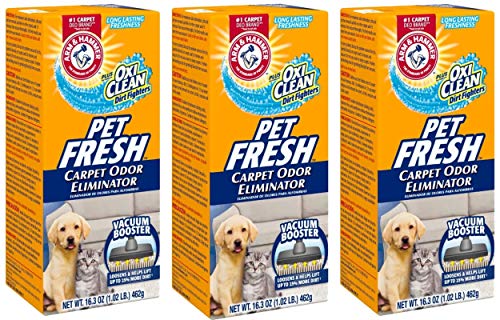
- VC Score9.2
BCP Score is a ranking system developed by bestcleanerproducts.com. BCP Score has no relationship or impact from any manufacturers or sales agent websites. Learn more
- BrandArm & Hammer

- VC Score9.0
BCP Score is a ranking system developed by bestcleanerproducts.com. BCP Score has no relationship or impact from any manufacturers or sales agent websites. Learn more
- BrandEnviroCare
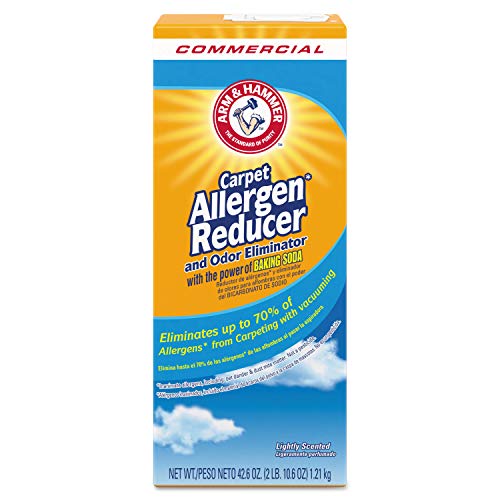
- VC Score9.0
BCP Score is a ranking system developed by bestcleanerproducts.com. BCP Score has no relationship or impact from any manufacturers or sales agent websites. Learn more
- BrandArm & Hammer

- VC Score8.8
BCP Score is a ranking system developed by bestcleanerproducts.com. BCP Score has no relationship or impact from any manufacturers or sales agent websites. Learn more
- BrandHoover

- VC Score8.6
BCP Score is a ranking system developed by bestcleanerproducts.com. BCP Score has no relationship or impact from any manufacturers or sales agent websites. Learn more
- BrandFresh Wave
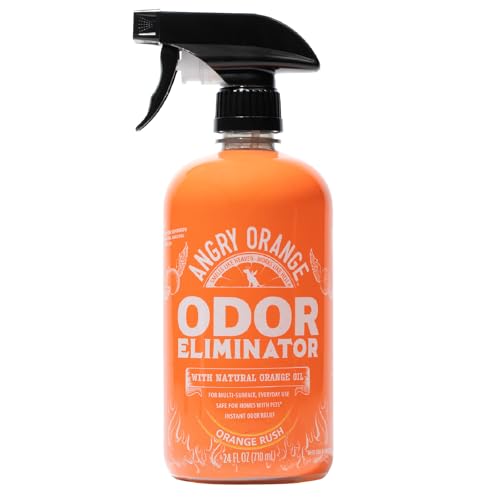
- VC Score8.6
BCP Score is a ranking system developed by bestcleanerproducts.com. BCP Score has no relationship or impact from any manufacturers or sales agent websites. Learn more
- BrandANGRY ORANGE
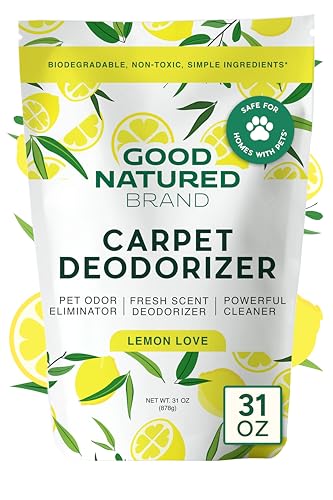
- VC Score8.6
BCP Score is a ranking system developed by bestcleanerproducts.com. BCP Score has no relationship or impact from any manufacturers or sales agent websites. Learn more
- BrandGood Natured Brand

- VC Score8.4
BCP Score is a ranking system developed by bestcleanerproducts.com. BCP Score has no relationship or impact from any manufacturers or sales agent websites. Learn more
- BrandZero Odor

- VC Score8.2
BCP Score is a ranking system developed by bestcleanerproducts.com. BCP Score has no relationship or impact from any manufacturers or sales agent websites. Learn more
- BrandAmazon Basics
Last update on 2026-10-04 / Affiliate links / Images, Product Titles, and Product Highlights from Amazon Product Advertising API
FAQs
Why does my vacuum smell like wet dog even after I empty the bin?
Emptying the dirt cup removes loose fur, but oily pet dander leaves an invisible film across the plastic walls and inside the flexible hose. Warm motor exhaust heats this greasy film during use, blowing the smell back into your room. Scrubbing the clear dirt cup with soapy water and flushing the hose removes this lingering residue.
Can I vacuum up laundry scent beads to make the exhaust smell good?
Avoid vacuuming up laundry scent beads. These beads are made of waxy polymers designed to dissolve in wash water, and vacuum heat can soften or melt them inside the dirt cup and hose. Use specialized vacuum deodorizing beads or dry tablets that are engineered for dry airflow and will not turn sticky.
How can I tell if my fine-dust exhaust filter is washable?
Look for a tap symbol or the word washable printed on the filter frame or in your user manual. Foam pre-motor sponges and felt rings can be rinsed under cool water, but delicate pleated paper filters will deform and choke airflow if washed. If your pleated filter is not labeled as washable, tap it over a trash bin to clear dust, or buy a replacement.
What happens if I put filters back in while they are still slightly damp?
Reinstalling damp filters pulls moisture directly into the high-speed electric motor, which can short out electrical parts and rust metal bearings. Trapped dampness inside the dark vacuum body also breeds mold and mildew within 24 hours. This creates a permanent sour stench that ruins the filter and can destroy the motor.


How to Refinish a Fiberglass Pool

How Do You Keep Raccoons Out of Your Pool?

How to Fix Cyanuric Acid in Your Pool

How to Shape a Pool Cue Tip to Stop Miscues

Best Far Infrared Sauna Sauna Heats: Top Picks of 2026

11 Best Far Infrared Sauna Carbon Fiber Heaters of 2026 For Balanced Full-Body Heat

11 Best Carbon Far Infrared Sauna of 2026 For Even Heat

10 Best Bluetooth Speaker For Sauna of 2026 For Heat and Steam


