
How to Safely Remove Hair from a Vacuum Roller

A burning smell or a stalled cleaner head feels alarming, but tangled hair is an ordinary nuisance that rarely means the machine is ruined. The safest fix is to unplug the power, pop out the roller bar, and slice along the hair bundle using a seam ripper or small scissors. Cutting those tight wraps lets you pull the mess away without snagging bristles or overheating the motor.
How you free the roller depends on how the bottom frame locks together. Some models use quick-release buttons or coin-turn latches, while others require loosening a few screws on the bottom plate. The job also changes if strands have packed into the side end caps or wrapped around the rubber belt that spins the bar. A quick, careful cleanup gets the head turning smoothly again.
Cut the Power and Clear Your Workspace Before Touching the Base
Start by eliminating electrical hazards. If your vacuum runs on wall power, pull the plug from the outlet. Never trust the handle switch, because switches easily flip when you turn the unit over. If you use a cordless stick vacuum, slide the battery pack off the handle before touching the cleaner head. A jammed roller forces electric motors to draw excess current, triggering safety cutoffs. If your machine repeatedly stalled while tangled and now refuses to hold a charge, verify how much a new battery for a cordless vacuum costs to see if electrical strain damaged the pack.
Moving the vacuum to a clear workspace makes the job much simpler. Lay a towel across a hard floor so you do not scratch the plastic housing. Flip the floor nozzle (the wide intake head that rolls over your carpets) upside down so the rotating roller bar faces you. Set a small dish nearby to hold screws, and place a trash can right next to your knee so loose hair does not drift back onto your floor.
Keep these basic tools within reach before opening the base:
- A pair of blunt-nosed scissors or a seam ripper.
- A coin or a flathead screwdriver to unlock bottom latches.
- A small Phillips screwdriver if your vacuum uses screws instead of clips.
- Tweezers or needle-nose pliers to reach narrow side gaps.
- A bright flashlight to see deep inside the roller chamber.
Take Off the Bottom Plate and Unhook the Roller Bar
Opening the cleaner head gives you full access to the hair bundle. You cannot clear packed hair thoroughly while the bar remains locked inside the narrow housing. Follow these steps to remove the bottom cover plate (the protective plastic frame holding the roller in place) and release the bar:
- Locate the fasteners on the bottom cover plate. Check the edges around the roller opening. Many vacuums use two to four rotating dials with coin slots. Others have sliding tabs, while older uprights use traditional screws.
- Release the locking points. Turn coin slots a quarter turn counterclockwise until they click open. If your unit uses slide latches, push them outward toward the edges. If screws are present, back them out completely into your dish.
- Lift away the bottom cover plate. Pry the plate up gently by its tabs. It should lift away smoothly. If one corner resists, check for a hidden latch near the front wheels. Set the plate aside and wipe away loose lint.
- Identify the drive style. Upright vacuums usually feature a rubber belt that spins the roller looped around one side. Cordless stick models often have a motor inside the roller itself, using gear teeth on one end instead of a belt.
- Slide the roller bar out of the housing. If your vacuum has a rubber belt, lift the end opposite the belt first. Angle the bar inward and slip it out of the belt loop. If your vacuum uses a direct-drive gear, lift the free end and slide the bar off the motor spindle.
Slice Along the Guide Channel to Free Wound Strands Safely
Once the rotating roller bar is in your hands, you will likely see a tight wrap of hair and carpet threads. Pulling with bare hands rarely works because hair acts like miniature rope that tightens under tension. Slicing through the bundle frees it immediately:
- Find the cutting groove on the roller. Turn the bar until you spot the recessed channel. Most brands mold a shallow groove running the full length of the roller between the bristle rows. This channel lets blades pass under hair without cutting bristles or gouging plastic.
- Slide your cutting tool into the channel. Insert the blunt tip of your scissors or the fine point of a seam ripper into the groove. Push the blade under the hair bundle, pointing the cutting edge away from your fingers and the bristles.
- Slice cleanly from end to end. Cut straight down the line of the groove. If the hair bundle is thick, cut through a few layers at a time rather than forcing the blades. Work slowly so the blades do not slip.
- Peel the cut bundle away from the bar. Once you slice through the wrap, the tension breaks. Grab the cut edges and pull the entire sheet of hair away in one piece, dropping it straight into your trash bin.
- Clear stray threads from bristle tufts. Comb through the bristles with your fingers or a plastic comb to pull out small threads and pet fur. Avoid yanking hard so you do not pull bristles out of their sockets.
Strip Packed Hair Away from the End Plugs and Bearings
Cleaning the middle of the roller only solves half the problem. Long strands naturally migrate toward the ends of the bar while the vacuum runs. Once there, strands slip into tiny crevices and wrap tightly around the spinning metal ring at the roller tip (the bearing) and hide behind the removable side plug on the roller (the end cap).
When hair packs behind these caps, it acts like a brake pad. The motor works twice as hard to turn the bar, generating friction that melts plastic caps or snaps belts. Inspect both ends of the removed roller. On most models, the end caps pull straight off with firm finger pressure. If yours feel stuck, slip the flat tip of a butter knife under the cap lip and pry gently to pop it loose.
Look at the exposed steel pin and bearing underneath. You will almost always find a dense ring of hair wound into a hard disk. Use tweezers or a seam ripper to cut into this ring and pull every strand away from the pin. Spin the metal bearing with your fingertips after cleaning. It should turn silently and smoothly. If it feels gritty, wipe the pin with a dry paper towel. Never spray household oils onto these parts, because wet oil attracts dust like a magnet, creating a sticky paste that ruins the bearing.
Seat the Roller and Belt Correctly Before Snapping the Cover Shut
Putting the cleaner head back together requires patience so all parts sit flush. Misaligned rollers cause rattling noises, rapid belt wear, and poor suction. Follow these steps to reinstall the assembly:
- Snap the end caps back in place. Push each removable side plug firmly onto the ends of the roller bar until it sits flush. Spin the bar in your hands to confirm both caps rotate freely.
- Position the drive system. If your vacuum uses a rubber belt that spins the roller, inspect the belt surface for cracks or tears. Loop the rubber belt over the metal motor shaft deep inside the cleaner head first.
- Thread the roller through the belt. Slip the roller bar through the open belt loop, centering the belt over the smooth track on the roller body.
- Align the end caps into their cradles. Most end caps have square or flattened sides that fit matching notches inside the housing. Pull the roller against the belt tension and slide the belt-side cap firmly into its slot, then seat the opposite cap.
- Check the rotation by hand. Rotate the roller bar toward you three or four turns with your fingers. Check that the belt stays centered on the track and does not rub the housing walls. The bar should spin smoothly against gentle belt resistance.
- Reattach the bottom cover plate. Hook the front tabs of the bottom cover plate into the front rim of the housing. Lower the plate flat. Turn coin latches clockwise until they lock, or tighten screws until snug without cracking the plastic.
Adopt Quick Cleaning Habits to Stop Hair from Choking Your Machine
You do not need to wait until your vacuum screeches or smells hot to clean the roller bar. Taking thirty seconds after every few cleaning sessions keeps hair from ever building into a solid knot.
Flip the cleaner head over once a week if your home has long-haired family members or heavy-shedding pets. If you catch strands when they first wrap loosely, you can snip them off with scissors in ten seconds without taking the roller out of the housing. Once hair wraps around itself dozens of times, it compresses into a hardened mass that requires a full teardown.
If your home has thick rugs covered in pet hair, consider running a rubber broom or pet squeegee over the carpet before vacuuming. Rubber tools collect surface fur into neat piles that you can pick up by hand. This simple habit keeps heavy hair bundles out of your vacuum's airway, protecting the roller, belt, and motor from strain.
Choose Cleaner Heads and Tools Built to Handle Heavy Hair
If hair wraps around your roller every week, your current floor nozzle may lack features designed for shed-heavy homes. Modern vacuum heads built for pet owners often include comb teeth inside the housing. These teeth comb the rotating roller bar continuously while it turns, guiding loose strands straight into the suction path before they can wrap around the spindle.
When shopping for replacement heads or attachments, check the diameter of the roller bar. Wider bars have a larger circumference, which prevents strands from wrapping as tightly as they do on narrow rollers. Make sure any replacement floor nozzle matches the exact connection fitting on your vacuum wand. Standard household vacuum wands generally measure either 1-1/4 inches or 1-1/2 inches in diameter. Check your vacuum neck or user manual to confirm compatibility before purchasing.
Handheld cleaning tools also speed up regular maintenance. Small cutter tools with recessed blades and built-in bristle rakes slice along roller grooves without nicking bristles. Keeping one of these tools stored near your vacuum makes routine hair clearing fast and painless.

- VC Score9.6
BCP Score is a ranking system developed by bestcleanerproducts.com. BCP Score has no relationship or impact from any manufacturers or sales agent websites. Learn more
- BrandEESC2Y

- VC Score9.2
BCP Score is a ranking system developed by bestcleanerproducts.com. BCP Score has no relationship or impact from any manufacturers or sales agent websites. Learn more
- BrandBLACK+DECKER

- VC Score9.2
BCP Score is a ranking system developed by bestcleanerproducts.com. BCP Score has no relationship or impact from any manufacturers or sales agent websites. Learn more
- BrandSwihauk

- VC Score9.0
BCP Score is a ranking system developed by bestcleanerproducts.com. BCP Score has no relationship or impact from any manufacturers or sales agent websites. Learn more
- BrandTweruna

- VC Score9.0
BCP Score is a ranking system developed by bestcleanerproducts.com. BCP Score has no relationship or impact from any manufacturers or sales agent websites. Learn more
- BrandChomChom Roller

- VC Score8.8
BCP Score is a ranking system developed by bestcleanerproducts.com. BCP Score has no relationship or impact from any manufacturers or sales agent websites. Learn more
- Brandxbaiyanr
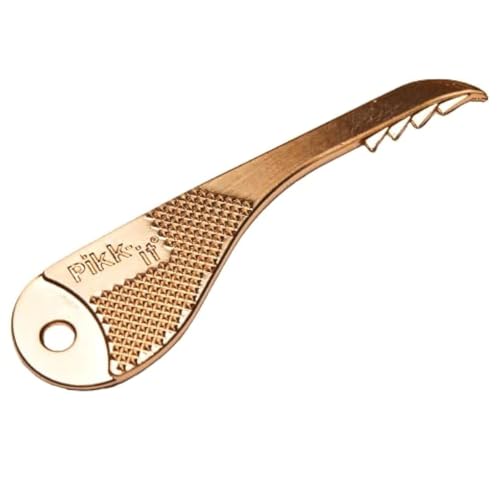
- VC Score8.6
BCP Score is a ranking system developed by bestcleanerproducts.com. BCP Score has no relationship or impact from any manufacturers or sales agent websites. Learn more
- BrandPikk-it

- VC Score8.6
BCP Score is a ranking system developed by bestcleanerproducts.com. BCP Score has no relationship or impact from any manufacturers or sales agent websites. Learn more
- BrandVataim

- VC Score8.4
BCP Score is a ranking system developed by bestcleanerproducts.com. BCP Score has no relationship or impact from any manufacturers or sales agent websites. Learn more
- BrandTweruna

- VC Score8.4
BCP Score is a ranking system developed by bestcleanerproducts.com. BCP Score has no relationship or impact from any manufacturers or sales agent websites. Learn more
- BrandACE2ACE
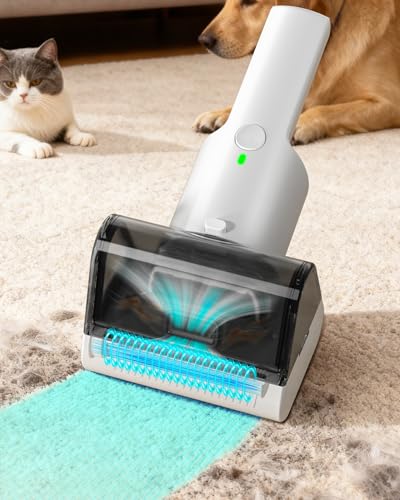
- VC Score8.0
BCP Score is a ranking system developed by bestcleanerproducts.com. BCP Score has no relationship or impact from any manufacturers or sales agent websites. Learn more
- BrandMISFANS
Last update on 2026-10-03 / Affiliate links / Images, Product Titles, and Product Highlights from Amazon Product Advertising API
FAQs
Can I remove hair from the vacuum roller without taking the bar out?
Yes, you can cut and pull hair while the roller stays in the housing if your vacuum has an open bottom design. Slide the tip of small scissors along the roller groove to cut the bundle, then pull the strands away while rotating the bar by hand. You will still need to remove the bar periodically to pull out hidden hair balls packed inside the end caps and bearings.
What causes the burning rubber smell when hair wraps around the roller?
The smell comes from the rubber belt that spins the roller. When tightly wound hair stops the roller bar from turning, the electric motor shaft continues spinning at high speed. The metal motor shaft rubs directly against the frozen rubber belt, creating heavy friction that heats, glazes, and melts the rubber within seconds.
What should I do if my vacuum roller cannot be removed?
Some budget vacuums use sealed cleaner heads where the roller cannot be taken out. For these models, rotate the bar slowly by hand and use a seam ripper to make shallow cuts along the hair bundle. Use tweezers or needle-nose pliers to reach into the side gaps and pluck out hair rings trapped around the spindle ends.
How can I tell if my drive belt needs to be replaced after a hair jam?
Inspect the rubber belt under bright light after removing the roller bar. If the belt looks shiny and slick, shows cracks along its edges, has melted grooves, or feels loose rather than taut, it needs replacement. A stretched or worn belt slips during use, causing the roller bar to stop spinning whenever it touches carpet.


How to Refinish a Fiberglass Pool

How Do You Keep Raccoons Out of Your Pool?

How to Fix Cyanuric Acid in Your Pool

How to Shape a Pool Cue Tip to Stop Miscues

Best Far Infrared Sauna Sauna Heats: Top Picks of 2026

11 Best Far Infrared Sauna Carbon Fiber Heaters of 2026 For Balanced Full-Body Heat

11 Best Carbon Far Infrared Sauna of 2026 For Even Heat

10 Best Bluetooth Speaker For Sauna of 2026 For Heat and Steam


