
How to Remove Dog Smell from Your Vacuum?

The switch clicks on, the motor hums, and a thick cloud of warm, stale dog air suddenly fills the living room. Fixing that stink means washing the plastic dirt cup in warm soapy water, replacing dirty filters, and clearing hair tangled around the spinning floor brush. Motor heat bakes trapped pet oils inside the machine, which then sprays that concentrated scent right back into the house.
The exact steps depend on the type of vacuum and where the dander sits. Bagless bins wash clean in the sink, while bagged models usually just need a fresh dust bag. Washable foam filters rinse clean under the faucet, but pleated paper filters need replacing once pet oils coat the fibers. Clearing hair clumps from the hose and bottom roller cuts off the rest of the odor. Here is how to refresh each piece step by step.
Why Does Your Vacuum Smell Worse When Running?
Dogs produce natural skin oils to protect their coats. When a dog sheds, loose hair and skin flakes called dander drop onto rugs and floors, carrying dried oils with them.
When you vacuum, that oily debris travels through the floor nozzle, down the wand, and into the dirt cup. Fine dander does not just settle in the bin. It coats the plastic interior walls, clings to the flexible hose ridges, and embeds deep inside the filter fibers.
The odor becomes unbearable because of motor heat. Vacuum motors draw heavy electrical power and run hot. To stay cool, the machine pulls air across the motor or directs warm exhaust right past the collection bin and through the warm air outlet.
That warm airflow acts like an oven for trapped pet dander. Motor heat warms the stale oils stuck to the inner walls and filters, blowing a concentrated cloud of dirty dog smell into your room. Tangled hair on the spinning brush roller also heats up from friction, adding a scorched scent.
How Do You Deep Clean the Dirt Cup and Hose?
Removing the smell requires stripping baked oils off the plastic airflow path. Before taking anything apart, unplug the power cord from the wall outlet. If you use a cordless stick model, detach the battery pack so the motor cannot start by accident.
Follow these steps to clean the dirt cup and suction channels:
- Empty the dirt container outside. Take the dirt cup to an outdoor trash can. Press the release latch to dump debris, then tap the sides to knock loose fine dander clinging to the cyclone screen. If your vacuum uses disposable bags, throw the full bag away outside.
- Wash the plastic dirt cup. Unclip the clear dirt cup and remove any washable inner cyclones. Wash the bin in a sink with warm water and mild dish soap. Dish soap cuts through animal grease without clouding clear plastic. Avoid bleach or harsh solvents, which can crack plastic latches.
- Rinse the flexible hose. Unlatch the flexible hose from the body and wand. Look through the hose with a flashlight to verify no clumps of hair are stuck inside. If your hose has no electrical wires, submerge it in warm, soapy water and swish it around to flush the inner ridges. If your hose has built-in electrical wires to power a motorized floor nozzle, do not submerge it. Wipe the inside ends with a damp cloth instead.
- Wipe down the extension wands. Push a damp cloth through your wand pipes using a broom handle to clear sticky dust film.
- Dry every part for 24 to 48 hours. Place all washed plastic parts on a towel in a warm, dry room. Every surface must be bone dry before reassembly. Running a damp vacuum pulls moisture into the motor, causing electrical damage and mold growth that creates a foul mildew smell.
To clean wet pet spills or muddy paw prints, using a dedicated carpet cleaner for pet stains prevents smelly moisture from contaminating your dry vacuum.
When Should You Wash or Replace Vacuum Filters?
Filters catch fine pet dander, but they also absorb animal oils. Most vacuums have two filter stages that require different care:
- Washable foam and felt pre-motor filters: These soft filters sit before the motor inlet to trap loose fur. Rinse foam filters under cold running tap water until the runoff is clear. Squeeze the foam gently to push out trapped grease. Never wring or twist the foam, which tears the sponge material. Avoid hot water, which shrinks the foam. Let them air-dry flat for at least 24 hours before reinstalling.
- Pleated paper fine dust filters: Often labeled as HEPA filters, these capture microscopic dander. Unless the filter specifically says washable on the frame, keep it away from water. Water destroys the delicate paper weave, collapses the pleats, and mixes with dander to form an airtight sludge that chokes the motor. If a pleated paper filter smells sour or turns dark gray, install a fresh replacement.
- Post-motor exhaust filters: Located behind the warm air outlet grille, this filter catches remaining micro-particles right before air leaves the machine. If your vacuum still smells like dog after washing the bin and pre-motor foam, replace this exhaust filter to stop odors from blowing into the room.
How Do You Remove Hair and Oils from the Brush?
The floor head is where pet hair first enters the vacuum. As the spinning brush roller turns against your carpets, it gathers pet fur around the cylinder and packs it tightly into the roller bearings.
Follow these steps to clean the spinning floor brush:
- Remove the bottom soleplate. Lay the floor nozzle upside down on a flat surface. Turn the plastic locking screws with a coin or slide the latches to lift the plate away.
- Take out the spinning brush roller. Lift the roller out from its seat. If your floor nozzle uses a rubber drive belt, slip the belt off the roller pulley. Check the belt for stretching or trapped hair.
- Cut away wrapped hair. Most brush rollers have a narrow groove along the cylinder. Slide the tip of scissors or a seam ripper down this groove to slice through wrapped fur. Pull the cut strands away from the bristles in small bundles. Never yank hair with force, which can pull bristle tufts out of the roller.
- Clear the end caps and bearing pins. Pop off the removable plastic end caps at each end of the roller. Pull away the tight rings of pet hair wrapped around the metal bearing pins. Friction on these pins melts pet sebum into a greasy residue that creates a burning smell whenever the roller turns. Wipe the pins clean with a dry cloth.
- Clean out the suction neck. Check the suction channel directly behind the roller. Clumps of dander often lodge in the throat of the floor nozzle, reducing suction power. Wipe the neck clean before reinstalling the roller.
How Can You Keep the Exhaust Air Smelling Fresh?
Once the vacuum is clean, simple maintenance habits prevent pet odors from returning.
Avoid vacuuming raw baking soda straight from the kitchen pantry. Raw baking soda consists of tiny particles that pass through coarse screens and pack tightly into the pleats of your fine dust filter. This fine dust chokes airflow, causing the motor to work harder and overheat.
Use products formulated specifically for vacuums and carpets instead:
- Vacuum scent tablets and deodorizer beads: These items sit inside your dirt cup or dust bag. As air moves through the bin, it flows over the deodorizer and releases a fresh scent through the warm air outlet. Drop deodorizer beads into the empty bin or crush a scent tablet on hard flooring and vacuum it up so it rests in the airflow path.
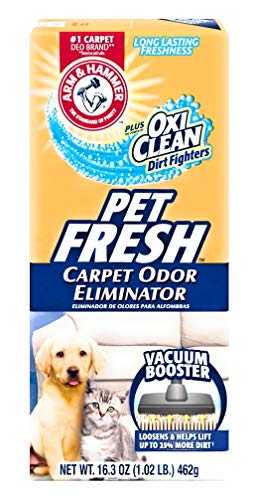
- Dry carpet freshener powders: Powders made from plant-based materials like crushed corn cobs or vacuum-safe carpet fresheners with baking soda and oxygen dirt fighters help loosen pet hair from carpet fibers. Sprinkle a light layer across your rugs, let it sit for 5 to 10 minutes to pull odors from the carpet pile, and vacuum it up. These blends use larger particle sizes that do not clog fine dust filters.
- Odor absorbers for storage spaces: Placing a solid deodorizer gel or an odor-absorbing bag on the shelf where you store your vacuum keeps the surrounding air fresh and prevents plastic parts from absorbing damp odors between cleanings.
What Vacuum Attachments Help Prevent Pet Odors?
The style of floor nozzle you use affects how much pet hair and animal grease sticks to your machine.
When choosing a floor head for pet hair, look for designs that use smooth rubber rollers rather than dense nylon bristles. Bristles behave like hairbrushes, snagging pet hair and holding it against the roller core where oils heat up under friction. Smooth rubber paddles flick pet fur directly into the air path without letting strands wind tightly around the shaft.
Look for floor nozzles with a quick-release brush roller that opens without tools. If removing the roller requires a screwdriver, checking for tangled hair becomes an inconvenient chore. A nozzle with a tool-free latch lets you pop the roller out in seconds to wipe away dog oils after heavy cleaning sessions.
Check the connection diameter of your vacuum wand before buying an attachment. Most household vacuums in the United States use standard 1-1/4-inch or 1-3/8-inch slip-fit wand connections. Make sure any new pet head matches your wand size to maintain strong suction. For cordless stick vacuums used for quick daily pickups, maintaining battery strength is just as essential as maintaining clear airflow; if your runtime drops sharply, replacing a cordless vacuum battery restores the high suction power needed to pull heavy dog fur through the floor head.

- VC Score10.0
BCP Score is a ranking system developed by bestcleanerproducts.com. BCP Score has no relationship or impact from any manufacturers or sales agent websites. Learn more
- BrandGeneric
- VC Score9.2
BCP Score is a ranking system developed by bestcleanerproducts.com. BCP Score has no relationship or impact from any manufacturers or sales agent websites. Learn more
- BrandArm & Hammer

- VC Score9.0
BCP Score is a ranking system developed by bestcleanerproducts.com. BCP Score has no relationship or impact from any manufacturers or sales agent websites. Learn more
- BrandEnviroCare

- VC Score8.8
BCP Score is a ranking system developed by bestcleanerproducts.com. BCP Score has no relationship or impact from any manufacturers or sales agent websites. Learn more
- BrandHoover

- VC Score8.6
BCP Score is a ranking system developed by bestcleanerproducts.com. BCP Score has no relationship or impact from any manufacturers or sales agent websites. Learn more
- BrandFresh Wave

- VC Score8.6
BCP Score is a ranking system developed by bestcleanerproducts.com. BCP Score has no relationship or impact from any manufacturers or sales agent websites. Learn more
- BrandBodhi Dog
- VC Score8.6
BCP Score is a ranking system developed by bestcleanerproducts.com. BCP Score has no relationship or impact from any manufacturers or sales agent websites. Learn more
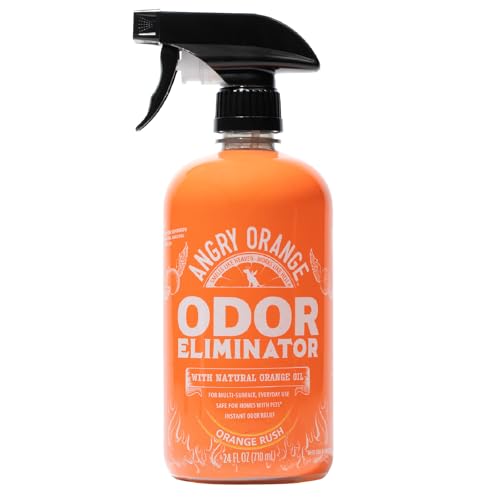
- BrandANGRY ORANGE

- VC Score8.4
BCP Score is a ranking system developed by bestcleanerproducts.com. BCP Score has no relationship or impact from any manufacturers or sales agent websites. Learn more
- BrandUltraScent

- VC Score8.4
BCP Score is a ranking system developed by bestcleanerproducts.com. BCP Score has no relationship or impact from any manufacturers or sales agent websites. Learn more
- BrandArm & Hammer

- VC Score8.0
BCP Score is a ranking system developed by bestcleanerproducts.com. BCP Score has no relationship or impact from any manufacturers or sales agent websites. Learn more
- BrandEarth Care
Last update on 2026-10-04 / Affiliate links / Images, Product Titles, and Product Highlights from Amazon Product Advertising API
FAQs
Can you spray air freshener or disinfectant directly into the vacuum?
No, never spray aerosol air fresheners, perfume, or liquid cleaners into the suction intake or dirt cup. Liquid droplets can reach the electric motor, creating a fire risk or causing short circuits. Liquid sprays can also soften plastic fan impellers and turn dry dust inside the hose into a sticky mud that blocks airflow.
How often should you clean a vacuum if you have dogs?
Empty the dirt cup or replace the dust bag after every major vacuuming session so pet dander does not sit and decompose inside the warm bin. Wash the pre-motor foam filters and inspect the spinning brush roller at least once a month. If you have multiple shedding dogs, remove tangled hair from the brush roller every two weeks.
What happens if you run the vacuum before the parts are completely dry?
Using a vacuum with damp filters, hoses, or bins can ruin the appliance. Suction pulls liquid droplets into the motor housing, leading to internal rust or total motor burnout. Even if the motor survives, damp dust quickly develops mold, making the exhaust smell significantly worse than the original dog odor.
Why does the vacuum smell like burning hair when using the floor head?
A burning hair smell indicates that pet hair has wrapped tightly around the spinning brush roller bearings or drive belt pulley. When tangled fur blocks the roller pins, the motor continues forcing the roller to spin, generating extreme friction heat that melts the hair and plastic casing. Turn off the vacuum immediately, unplug it, and cut away all hair wrapped around the end bearings.


How to Refinish a Fiberglass Pool

How Do You Keep Raccoons Out of Your Pool?

How to Fix Cyanuric Acid in Your Pool

How to Shape a Pool Cue Tip to Stop Miscues

Best Far Infrared Sauna Sauna Heats: Top Picks of 2026

11 Best Far Infrared Sauna Carbon Fiber Heaters of 2026 For Balanced Full-Body Heat

11 Best Carbon Far Infrared Sauna of 2026 For Even Heat

10 Best Bluetooth Speaker For Sauna of 2026 For Heat and Steam


