
How to Remove Dog Smell From a Cordless Vacuum

A warm exhaust breeze suddenly fills the room with the sour stench of wet hound instead of clean carpet. Fixing this problem means taking apart the dust cup and washing the reusable filters with warm dish soap, while clearing trapped hair from the floor roller. Pet oils and fine dander cling to the inner plastic walls, creating a greasy layer that emptying the bin never touches.
What it takes to clear the scent depends on your filter style and your drying routine. Washable foam rings rinse clean, but paper fine dust cartridges trap pet oils permanently and need a fresh replacement. Giving washed components a full 24 hours to air-dry is just as critical, because trapped moisture breeds mildew that can ruin the motor. Here is how to clean every hidden airway safely.
Why does my cordless vacuum smell like a dog?
When you run your stick vacuum, warm air rushes through every internal channel at high speed. If you have pets, that air carries microscopic dander, shed fur, and skin oils straight into the machine. While hair collects in the clear bin, an invisible coat of sticky pet oil clings to the plastic walls and settles inside the fine dust filter (often labeled as a HEPA filter).
As the electric motor runs, it produces heat. That warm motor exhaust blows directly across the trapped oils, dander, and bacteria sitting in the dust cup and filter fibers. The heat warms the organic matter, releasing that sour, wet-dog odor into your room.
Emptying the dirt bin clears the bulky hair, but it leaves that greasy film behind. Bacteria thrive on the trapped dander in the warm crevices of the machine. The stink will continue to blow into your living room on every cleaning run until you break down the vacuum and wash away that oily buildup.
How do you safely wash the dirt cup and wand?
Before taking anything apart, remove the battery pack from your vacuum handle. If your model has a fixed battery, ensure the power switch is off and the charger is unplugged. Water and electrical contacts must never meet, as moisture can short out the circuit and destroy the unit. If you ever face battery problems, check how much a replacement cordless vacuum battery costs before replacing the entire machine.
- Detach the dirt cup. Press the quick-release latch near the handle and pull the plastic canister away from the motor body. Set the motorized handle safely aside on a dry surface. Never rinse the handle, motor housing, or battery.
- Remove the inner cyclone separator. Twist or unclip the plastic cone separator inside the dirt cup. Pull the cone out and tap loose hair into the trash.
- Wash the bin and separator. Submerge the plastic bin and cone separator in warm water mixed with a few drops of dish soap. Use an old toothbrush or a soft cloth to scrub away the oily dander film from corners. Avoid hot water, bleach, or harsh cleaners that could warp the plastic seals.
- Clean the extension wand. Check through the long tube toward a light to spot clogs. If your wand has no electrical pins, rinse it under warm water. If it has electrical pins that power the floor nozzle, do not submerge it. Instead, wrap a damp cloth around a broom handle and slide it through the tube to wipe out the walls.
- Rinse and dry. Rinse the plastic parts under cool tap water to remove soap residue. Place them on a clean towel in a well-ventilated room to air-dry.
When should you wash or replace the filters?
Vacuum filters capture fine pet dander before air exits the exhaust. Because they trap tiny organic particles, they quickly absorb dog oils and become the main source of foul smells. Most stick vacuums have a pre-motor foam filter and an exhaust fine dust filter.
Follow these rules to clean or replace them safely:
- Identify washable versus paper filters. Foam rings, felt pads, and plastic-framed filters marked with a tap icon are washable. Paper-based cartridges cannot get wet because water ruins the paper fibers. Tap paper filters gently over a trash can and replace them every six months.
- Rinse with cool water only. Hold washable filters under running water until it runs clear. Squeeze foam gently with your hands to push out dirty water. Never wring or twist foam filters, which tears the material. Never use soap or detergents, as soap leaves residue that blocks airflow and traps oils faster.
- Protect pleated material. Gently rinse pleated filters under low water pressure. Never scrub the pleats with a brush, which can puncture the delicate paper-like material and let grit enter the motor.
- Dry for 24 to 48 hours. Never reinstall a damp filter. Motor heat creates a humid greenhouse inside the machine, breeding mildew within hours. That mildew permanently ruins the machine and can short out the motor. Lay filters flat on a clean towel away from direct heat. If the foam feels cool or clammy to the touch, let it dry longer.
How do you clean the smelly floor nozzle?
The motorized floor nozzle touches your rugs directly, scooping up hair and floor grime. When hair wraps around the spinning brush roller, friction builds up. That friction heats the trapped oils, creating a burnt-hair odor every time the roller spins.
- Disconnect the floor nozzle. Unclick the floor head from the extension wand and flip it over to access the bottom plate.
- Remove the spinning floor brush. Find the locking switch on the bottom or side of the head, which usually turns with a coin or thumb. Unlock it and slide the brush roller out of its housing.
- Cut away tangled fur. Use scissors or a seam ripper along the roller groove to cut wrapped hair, then peel it away by hand. Check the plastic caps on both ends of the roller, where hair often wraps tightly around the metal spindle, and remove any trapped strands.
- Clear the neck airway. Shine a flashlight down the intake neck where the nozzle meets the wand. Hair clumps often collect in the pivot elbow. Use needle-nose pliers or your fingers to pull out any stuck debris.
- Wipe the housing clean. The floor nozzle contains electric wiring and a motor, so never submerge it in water. Wipe the inside walls of the roller cavity with a cloth dampened with water and a little white vinegar. If your model uses a soft plush roller, wash that removable bar with cool water and stand it upright to dry for 24 hours. Once dry, lock the roller back into the nozzle.
How can you stop dog odors from coming back?
Once your stick vacuum smells fresh, simple cleaning habits will keep pet oils from settling inside the machine again.
Empty the dirt cup after every single use. Do not let pet hair sit in the bin between cleaning sessions. The longer hair sits inside the plastic chamber, the more oils soak into the plastic walls and filters. Dumping the bin right away takes seconds and keeps internal airways clear.
Never vacuum damp carpets or moist pet bedding. Cordless stick vacuums are strictly dry tools. Sucking up damp fur creates a wet sludge that sticks inside the cyclone separator and rots. For wet messes or deep pet stains, clean the carpet with a dedicated machine like a carpet cleaner for tough pet stains instead of your dry stick vacuum.
Consider using vacuum deodorizer beads or scent tablets. Drop a few deodorizing beads or crush a vacuum scent tablet onto the floor and vacuum it into the dirt cup. As you clean, airflow passes over the beads, masking faint dog odors and keeping exhaust air fresh.
Keep a spare filter set on hand. Having two sets lets you wash one set and give it a full two days to dry, while your vacuum remains ready to work with the dry replacement set.
What accessories help control pet smells best?
When choosing replacement floor nozzles, attachments, or accessories for homes with pets, specific design choices help keep bad odors under control. The right design prevents pet hair from packing tightly into the machine, which keeps airflow steady and stops oils from settling into the housing.
Look for a floor nozzle with an anti-tangle spinning brush roller. These heads use built-in combs or angled rubber fins that guide hair directly into the suction stream instead of letting it wrap tightly around the roller axle. Keeping hair off the roller prevents heat buildup and stops oily hair from burning.
Choose floor attachments that feature tool-free release latches. If you must hunt for a screwdriver every time you clean the brush roller, maintenance becomes difficult and hair tangles get ignored. A quick-release latch makes clearing pet hair simple after every few vacuuming sessions.
Inspect the internal air passage of any replacement head or extension tool. Quality vacuum heads have wide, smooth channels without sharp corners or rough seams where fur can catch. Smooth pathways allow pet hair to travel directly into the dirt bin rather than bunching up into smelly plugs.
Always verify connection sizes before buying new accessories. Cordless stick vacuums often use proprietary click-in fittings, while standard universal attachments typically require 1-1/4-inch or 1-1/2-inch round connections. Check your vacuum wand fitting to ensure an airtight seal.

- VC Score10.0
BCP Score is a ranking system developed by bestcleanerproducts.com. BCP Score has no relationship or impact from any manufacturers or sales agent websites. Learn more
- BrandVACMOTOR

- VC Score9.2
BCP Score is a ranking system developed by bestcleanerproducts.com. BCP Score has no relationship or impact from any manufacturers or sales agent websites. Learn more
- BrandBissell
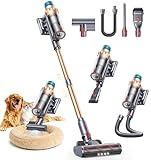
- VC Score9.0
BCP Score is a ranking system developed by bestcleanerproducts.com. BCP Score has no relationship or impact from any manufacturers or sales agent websites. Learn more
- BrandSMOTURE

- VC Score9.0
BCP Score is a ranking system developed by bestcleanerproducts.com. BCP Score has no relationship or impact from any manufacturers or sales agent websites. Learn more
- BrandEnviroCare

- VC Score8.8
BCP Score is a ranking system developed by bestcleanerproducts.com. BCP Score has no relationship or impact from any manufacturers or sales agent websites. Learn more
- BrandGtech

- VC Score8.6
BCP Score is a ranking system developed by bestcleanerproducts.com. BCP Score has no relationship or impact from any manufacturers or sales agent websites. Learn more
- BrandFresh Wave

- VC Score8.6
BCP Score is a ranking system developed by bestcleanerproducts.com. BCP Score has no relationship or impact from any manufacturers or sales agent websites. Learn more
- BrandKARDV

- VC Score8.6
BCP Score is a ranking system developed by bestcleanerproducts.com. BCP Score has no relationship or impact from any manufacturers or sales agent websites. Learn more
- BrandShark

- VC Score8.4
BCP Score is a ranking system developed by bestcleanerproducts.com. BCP Score has no relationship or impact from any manufacturers or sales agent websites. Learn more
- BrandPowools

- VC Score8.2
BCP Score is a ranking system developed by bestcleanerproducts.com. BCP Score has no relationship or impact from any manufacturers or sales agent websites. Learn more
- BrandShark
Last update on 2026-10-05 / Affiliate links / Images, Product Titles, and Product Highlights from Amazon Product Advertising API
FAQs
Can I vacuum up baking soda to kill the smell?
Avoid vacuuming up pure baking soda with a cordless stick vacuum. Baking soda particles are extremely fine and abrasive. They pass through the plastic cone separator, clog filter pores quickly, and can slip past seals into the electric motor, damaging the bearings.
How long do vacuum filters take to dry completely?
Washable filters need at least 24 to 48 hours to dry completely. Place them on a clean towel in a warm room with good airflow. Never use a hair dryer or clothes dryer, as artificial heat can warp plastic frames and shrink the filter material.
Can water ruin the cordless vacuum motor or battery?
Water will cause an electrical short if it enters the motorized handle, battery pack, or floor nozzle wiring. Only wash detachable plastic parts that contain no electronics. Let all parts dry completely before snapping them back into place.
Why does the stink return right after cleaning?
If the stink returns quickly, the fine dust filter is likely saturated with old pet oils. Washing does not remove all trapped dander from deep within dense filter paper. Installing a fresh replacement filter usually solves the lingering odor immediately.


How to Refinish a Fiberglass Pool

How Do You Keep Raccoons Out of Your Pool?

How to Fix Cyanuric Acid in Your Pool

How to Shape a Pool Cue Tip to Stop Miscues

Best Far Infrared Sauna Sauna Heats: Top Picks of 2026

11 Best Far Infrared Sauna Carbon Fiber Heaters of 2026 For Balanced Full-Body Heat

11 Best Carbon Far Infrared Sauna of 2026 For Even Heat

10 Best Bluetooth Speaker For Sauna of 2026 For Heat and Steam


