
How to Operate a Cordless Stick Vacuum Cleaner Right

How to operate a cordless stick vacuum cleaner sounds simple at first glance, yet a few overlooked habits can quietly reduce cleaning performance, shorten battery life, and leave dust behind. Plenty of people rush through the setup, use the highest power setting for every surface, or forget that different floor types deserve different approaches. Small adjustments often make a bigger difference than buying a newer vacuum. That's the good news because a smoother routine usually starts with better technique instead of extra spending.
Every cleaning session begins long before the vacuum touches the floor. A fully charged battery, an empty dust container, and a clean filter all work together to keep strong suction consistent from room to room. Skip those quick checks and the machine may feel weaker even though nothing is actually broken. Little details like attaching the correct floor head or removing tangled hair from the brush roll can save plenty of frustration later.
Movement matters just as much as machine settings. Fast passes might feel productive, but they often leave fine dust trapped deep inside rugs or tucked along baseboards. Slow, overlapping strokes allow the vacuum enough time to lift debris instead of pushing it around. Also, switching between eco mode and higher power only when necessary helps stretch battery runtime without sacrificing everyday cleaning quality.
Different surfaces call for different habits. Hardwood floors usually benefit from moderate suction and smooth forward motions, while carpets often need slower passes and occasional extra power. Tight corners, stairs, furniture legs, and ceiling edges become much easier once the handheld attachment replaces the main floor head. Those quick attachment swaps may seem like extra work, but they often cut overall cleaning time because fewer areas need a second pass.
Maintenance shouldn't wait until performance drops. Emptying the dust bin before it reaches maximum capacity, cleaning washable filters after the manufacturer's recommended interval, and checking air pathways for blockages all help preserve consistent airflow. Dust buildup inside the brush roll can quietly reduce pickup efficiency even though the motor still sounds normal. Keeping these parts clean takes only a few minutes and often prevents much bigger problems later.
Battery care deserves equal attention. Charging after every heavy cleaning session is helpful, but leaving the battery connected indefinitely isn't always necessary unless the manufacturer specifically recommends it. Heat also affects battery health, so storing the vacuum in a cool, dry place helps maintain reliable runtime. These small habits gradually add up, allowing the cordless vacuum to perform more consistently over months of regular use.
Cleaning feels less like a chore once the workflow becomes second nature. Instead of racing through every room, build a rhythm that matches each surface and adjust settings only when needed. How to operate a cordless stick vacuum cleaner isn't about complicated steps or technical tricks. It's about making smarter choices every time the vacuum leaves the charging dock, helping every pass collect more dirt with less effort.

LIBINO Cordless Vacuum Cleaner, 650W 55KPA 70Mins Anti-Tangle Wireless Vacuum,Rechargeable
View on Amazon- VC Score9.4
BCP Score is a ranking system developed by bestcleanerproducts.com. BCP Score has no relationship or impact from any manufacturers or sales agent websites. Learn more
- BrandLIBINO

- VC Score9.4
BCP Score is a ranking system developed by bestcleanerproducts.com. BCP Score has no relationship or impact from any manufacturers or sales agent websites. Learn more
- BrandUosogi
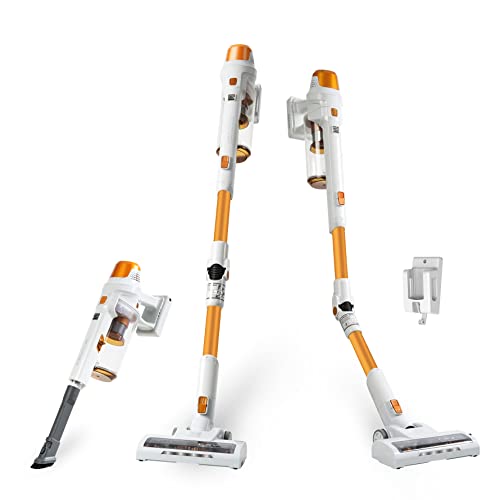
- VC Score9.2
BCP Score is a ranking system developed by bestcleanerproducts.com. BCP Score has no relationship or impact from any manufacturers or sales agent websites. Learn more
- BrandKenmore

- VC Score9.2
BCP Score is a ranking system developed by bestcleanerproducts.com. BCP Score has no relationship or impact from any manufacturers or sales agent websites. Learn more
- BrandCurvymoontech
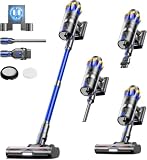
- VC Score9.2
BCP Score is a ranking system developed by bestcleanerproducts.com. BCP Score has no relationship or impact from any manufacturers or sales agent websites. Learn more
- BrandJELLYPIG
- VC Score8.8
BCP Score is a ranking system developed by bestcleanerproducts.com. BCP Score has no relationship or impact from any manufacturers or sales agent websites. Learn more
- BrandBissell

- VC Score8.6
BCP Score is a ranking system developed by bestcleanerproducts.com. BCP Score has no relationship or impact from any manufacturers or sales agent websites. Learn more
- BrandKARDV

- VC Score8.6
BCP Score is a ranking system developed by bestcleanerproducts.com. BCP Score has no relationship or impact from any manufacturers or sales agent websites. Learn more
- BrandEureka

- VC Score8.6
BCP Score is a ranking system developed by bestcleanerproducts.com. BCP Score has no relationship or impact from any manufacturers or sales agent websites. Learn more
- BrandSunSare

- VC Score8.4
BCP Score is a ranking system developed by bestcleanerproducts.com. BCP Score has no relationship or impact from any manufacturers or sales agent websites. Learn more
- BrandLevoit
Last update on 2026-07-22 / Affiliate links / Images, Product Titles, and Product Highlights from Amazon Product Advertising API
How To Operate A Cordless Stick Vacuum Cleaner
A messy floor rarely waits for a convenient moment. Crumbs show up after breakfast, pet hair drifts into corners, and dust collects along baseboards like it pays rent there, so how to operate a cordless stick vacuum cleaner becomes less about pushing a button and more about cleaning smarter without wearing yourself out. A cordless stick vacuum can feel quick and easy, but better suction, longer battery life, and cleaner floors depend on the habits used before, during, and after every pass.
Cordless Stick Vacuum Basics
How to operate a cordless stick vacuum cleaner starts with knowing what the machine is actually built to do. Most cordless stick vacuums are designed for daily debris, quick pickups, and steady floor maintenance rather than heavy renovation dust or soaked messes. That doesn’t make them weak, but it does mean expectations matter. Used the right way, they’re handy for crumbs, hair, dust trails, and those “how did this get everywhere?” moments.
The first smart move is checking the vacuum before turning it on. Look at the dust bin level, glance at the filter area, and make sure the cleaner head is snapped in firmly. A half-clogged vacuum can sound normal while quietly losing airflow. That’s why a quick pre-clean check often saves time compared with dragging the vacuum around and wondering why it’s leaving grit behind.
Battery charge also shapes the whole cleaning session. A cordless stick vacuum usually performs best when the battery has enough power to keep consistent suction from room to room. Starting with a low charge can make the motor slow down right when the floor needs more pickup. So, before tackling carpets, rugs, or a full sweep through the house, give the battery a fair start.
Attachments deserve more respect than they usually get. The floor head handles open spaces, while a crevice tool reaches tight edges, couch seams, and corners where dust loves to hide. A brush attachment can help with shelves, blinds, and soft surfaces, though delicate areas still need a lighter touch. Using the right tool keeps cleaning efficiency high and prevents the vacuum from feeling clumsy.
Set Up The Vacuum Before Cleaning
A good setup keeps the cleaning rhythm from falling apart halfway through. Start by emptying the dust bin if it’s near the fill line, because packed debris can restrict airflow and weaken pickup. Many people wait until the bin is completely full, but that’s usually too late for the best performance. Emptying it early keeps suction steadier and makes the vacuum easier to handle.
Next, check the filter. A dirty filter doesn’t always look dramatic, yet fine dust can clog the material and make the vacuum work harder. Washable filters should only go back into the vacuum once they’re fully dry, since moisture can damage parts or create stale odors. That small habit protects motor performance and keeps the air coming out of the vacuum cleaner.
Then, inspect the brush roll. Hair, thread, and pet fur can wrap around the roller until it spins less freely. A jammed brush roll may still move a little, which tricks people into thinking everything is fine. Cleaning it regularly helps the vacuum lift debris instead of just skating across the floor.
Floor clutter matters too. Pick up socks, coins, cords, plant ties, toy pieces, and anything that could clog the cleaner head. For homes with indoor plants, spilled soil should be handled with care because damp potting mix can clump inside the vacuum. Dry crumbs and dust are fair game, but wet soil, soggy leaves, and sticky messes can turn a quick cleanup into a maintenance headache.
Choose The Right Power Mode
Power mode is where many cleaning routines go sideways. Max suction feels satisfying, sure, but using it on every surface drains the battery faster and can make lightweight rugs bunch up. Eco or standard mode is usually enough for hard floors, daily dust, and scattered crumbs. Save stronger suction for carpets, rug edges, and heavier debris that actually needs the extra pull.
Think of the battery like a watering can in a small garden. Pour it all out at once and the job ends early, even if the whole area didn’t need that much attention. Using moderate power for easy surfaces helps stretch runtime and keeps the vacuum available for tougher spots later. That’s a practical way to balance battery life with real cleaning results.
Carpet needs a slower pace and sometimes a stronger setting. Fibers trap dust, pet hair, and grit, so racing across carpet usually leaves debris behind. A couple of slower passes on standard or high mode often works better than frantic back-and-forth movement. The goal is deep pickup, not just visible lines in the pile.
Hard floors reward control more than raw power. Use smooth, even strokes and let the cleaner head stay flat against the surface. Too much suction on lightweight debris can sometimes scatter crumbs before they’re pulled in, especially near walls or table legs. A steady pace keeps floor cleaning calmer and more precise.
Move With Slow Overlapping Passes
Speed is the sneaky enemy of good vacuuming. A cordless stick vacuum feels nimble, so it’s tempting to zip across the room and call it done. But slow overlapping passes give the brush roll and suction channel enough time to collect debris properly. Rushing often pushes dust forward, especially on smooth floors where fine particles slide easily.
Overlap each pass by a few inches instead of leaving narrow strips untouched. That small overlap matters along traffic paths, kitchen zones, and entryways where grit gets tracked inside. Think of it like mowing a small lawn or watering a row of herbs, with each pass covering the edge of the last one. The result looks cleaner because fewer bits are missed between strokes.
Direction also helps. Move forward to gather loose debris, then pull back slowly so the vacuum can catch what shifted. Around dining chairs or plant stands, short controlled strokes work better than wide swings. For dusty corners, pair the floor head with an edge pass, then switch to a crevice tool if debris still hides along the trim.
Some messes need patience, not more power. Fine dust, dry soil near plant pots, and pet hair around baseboards can cling to surfaces. A second slow pass may do more than instantly jumping to the highest setting. That approach saves battery runtime while still giving stubborn debris a fair shot.
Handle Floors, Rugs, And Tight Spaces
Different surfaces ask for different habits, and ignoring that usually creates frustration. Hard floors need smooth strokes, moderate suction, and a cleaner head that stays flat. Rugs need slower movement, controlled suction, and a bit of patience near the edges. For deeper allergen cleanup beyond daily stick vacuuming, reduce dust buildup with a canister vacuum for dust mites in rooms where fine particles settle often.
Area rugs can be tricky because lightweight edges lift easily. Start from the center and move outward, using one hand or your foot to hold a loose corner if needed. Lower suction may actually clean better here because the vacuum head glides instead of grabbing the rug. That’s a simple fix for rug bunching and uneven passes.
Stairs need a different setup. Remove the long wand and use the handheld mode if your vacuum allows it. A compact attachment gives better control and lowers the chance of knocking the vacuum against walls or stair edges. Keep one hand steady on the railing or step because safe handling beats speed every time.
Furniture, upholstery, and car seats benefit from lighter pressure. Pressing too hard can block airflow or make the tool drag across fabric. For fabric cleaning beyond dry debris, refresh soft surfaces with a steam vacuum for upholstery when the material and care label allow it. A cordless stick vacuum handles dry dust and crumbs, while deeper fabric cleaning needs the right machine for moisture and embedded grime.
Avoid Common Cordless Vacuum Mistakes
The biggest mistake is treating every mess the same. Dry cereal, fine dust, pet hair, potting soil, and lint all behave differently once suction hits them. A smart routine adjusts power mode, attachment choice, and cleaning speed based on the mess. That keeps the vacuum from working harder than necessary.
Another mistake is vacuuming debris that the machine wasn’t made to handle. Wet leaves, damp soil, fireplace ash, sharp glass, and sticky spills can clog or damage parts. Even small bits of moisture can mix with dust inside the bin and create a nasty paste. Keeping the vacuum for dry household debris protects both performance and smell.
People also forget the wall edges. Dust collects where airflow is weak, especially beside baseboards, under cabinets, and behind doors. A floor head might miss these spots if the opening doesn’t reach close enough. Use the crevice tool for edge cleaning instead of repeatedly forcing the main head into tight places.
Cleaning apps and reminder tools can help keep maintenance from slipping, especially in busy homes. To plan filter checks or recurring cleaning tasks, organize routines with the cleaner guru app cost details before adding another subscription to the mix. A reminder only helps if the habit behind it is realistic, so match alerts to how often the vacuum actually gets used.
How To Use A Cordless Stick Vacuum Cleaner For Better Daily Cleaning
Messy floors don’t always need a big cleaning session, but they do need a smarter rhythm. After the basic setup, how to operate a cordless stick vacuum cleaner becomes more about timing, surface control, and knowing when to slow down. A quick pass after breakfast crumbs, dry plant soil, or pet hair buildup can stop dirt from spreading into rugs and corners. Small habits make the vacuum feel more useful because daily debris gets handled before it turns into a bigger chore.
Clean In Zones Instead Of Random Paths
A cordless stick vacuum works best when the room has a simple path. Start near the farthest corner, move toward the doorway, and keep each pass slightly overlapping the last one. This keeps dust control more predictable and stops debris from being dragged back across areas you already cleaned. Random zigzags feel fast, but they often miss edges, chair legs, and small piles of grit.
Kitchen floors usually need a tighter pattern because crumbs scatter under tables, cabinets, and toe-kick spaces. Use slow forward strokes near the mess, then pull back steadily so the cleaner head can collect what moved. For dry coffee grounds, cereal dust, or flour, avoid blasting max suction right away because fine debris can puff or slide. A calm pass with steady suction often works better than aggressive movement.
Entryways need extra attention because grit from shoes behaves like sandpaper on hard flooring. Vacuum the mat first, then clean the floor around it, since dirt often drops just beyond the mat edge. If the cordless vacuum has a brush roll switch or floor setting, use the gentler option for smooth surfaces. That habit protects floor finish while still collecting everyday dirt.
Plant areas need a little patience too. Dry potting mix, leaf crumbs, and perlite can scatter if the vacuum head moves too quickly. Pick up larger leaf pieces by hand first, then use the vacuum on the remaining dry debris. This keeps airflow paths clearer and lowers the chance of clumps getting stuck inside the head.
Use Attachments Without Making The Job Slower
Attachments should save effort, not turn cleaning into a puzzle. The crevice tool is the one to grab for baseboards, couch seams, sliding door tracks, and narrow gaps beside appliances. A dusting brush helps with shelves, blinds, keyboards, and dry plant stands where loose dirt gathers. Smart attachment use makes cordless vacuum operation feel precise instead of fussy.
The handheld setup is better for stairs, upholstery crumbs, car mats, and tight storage corners. Remove the wand before working in close spaces so the vacuum doesn’t feel awkward or top-heavy. Keep the tool moving lightly over fabric because pressing hard can block airflow. Gentle contact keeps suction performance stronger and reduces drag.
Some cleaning jobs belong to other tools, and that’s not a weakness. A cordless stick vacuum handles dry crumbs, dust, hair, and light grit, but it shouldn’t replace a wet cleaner, ash vacuum, or heavy-duty shop vac. For unrelated household cleanup questions, compare fuel cleanup topics through burn cleaner propane natural gas only as a separate reference, not as a vacuuming shortcut. Matching the tool to the mess protects the vacuum from avoidable damage.
Storage attachments also deserve a fixed place. Clip them to the dock, keep them in a small bin, or store them near the vacuum so they don’t disappear. The right tool is more likely to get used when it’s within reach. That simple setup keeps edge cleaning and detail work from being skipped.
Protect Suction With Simple Maintenance Habits
Suction usually fades slowly before anyone notices. The vacuum still turns on, the brush still spins, and the sound seems normal, but debris pickup gets weaker. Empty the dust bin before it packs tight, especially after cleaning pet hair, dry soil, or fine dust. Keeping space inside the bin helps preserve consistent airflow.
Filters need steady care because they catch the fine particles the bin doesn’t hold. Tap dry filters gently over a trash can if the manual allows it, and wash washable filters only as directed. Never reinstall a damp filter because moisture can cause odor and stress internal parts. A dry, clean filter supports battery efficiency because the motor doesn’t have to fight restricted air.
The brush roll tells its own story. Hair wrapped around the roller, thread near the end caps, and dust packed behind the brush can all reduce pickup. Cut away tangles carefully and check the intake opening for hidden clogs. This small routine keeps brush roll movement smoother on rugs and hard floors.
Sealed storage bags, kitchen gadgets, and vacuum accessories can sound similar online, but they serve very different jobs. For food storage projects, use vacuum bags sous vide instead of confusing them with cleaner parts or dust bags. A cordless stick vacuum needs parts made for its own model, especially filters, batteries, and brush rolls. Wrong-fit parts can reduce performance or cause annoying leaks around the bin.
Make Battery Runtime Last Longer
Battery life feels shorter when every room gets the same power setting. Use standard mode for open hard floors, low debris, and quick touch-ups. Save high power for rugs, carpet lanes, pet hair patches, and gritty entryways. That balance keeps runtime management practical without babying the machine.
Heat is rough on batteries. Avoid storing the vacuum near sunny windows, hot garages, or tight spaces with poor airflow. Let the battery cool after a long cleaning session before charging if the vacuum feels warm. This habit supports battery longevity over regular use.
Short sessions can be smarter than one long push. A few minutes after cooking, another quick pass near the sofa, then a final sweep near the entryway can keep floors cleaner with less strain. Cordless vacuums shine in these small routines because there’s no cord to unwind. That convenience pays off when quick cleanup becomes automatic.
Charging habits should follow the manufacturer’s guidance. Some batteries are fine living on the dock, while others benefit from more mindful charging. Read the manual once and keep the charger area clean so dust doesn’t build around contacts. Reliable charging keeps cordless performance ready for the next mess.
Know The Limits Before The Vacuum Struggles
A cordless stick vacuum is handy, but it isn’t built for every cleanup. Wet spills, damp soil, glass shards, fireplace ash, and construction dust can create clogs or damage internal parts. Pick those messes up with the right tool before using the vacuum nearby. Respecting limits keeps motor protection simple.
Large debris can also jam the cleaner head. Dry leaves from indoor plants, chunky cereal, and small toy pieces should be removed by hand first. Then the vacuum can handle the leftover dust and crumbs without choking. This keeps cleaning speed steady instead of stopping for clogs.
Odor is another warning sign. A stale smell often means damp debris, dirty filters, or dust packed somewhere inside the airflow path. Empty the bin, clean the filter if allowed, and check the brush head before using scented products. Covering smells doesn’t fix vacuum maintenance problems.
Noisy operation can point to a blockage, loose attachment, or tangled brush roll. Turn the vacuum off before checking anything, then inspect the head, wand, bin, and filter area. A few minutes of careful checking can prevent bigger wear later. Listening to those small changes helps keep daily cleaning predictable.
Build A Routine That Fits Real Life
The best routine is the one that actually happens. Keep the vacuum charged, empty, and easy to grab so small messes don’t sit around all day. A cordless stick vacuum earns its place by making cleanup feel less annoying, not by replacing every deep-cleaning tool in the house. That’s where how to operate a cordless stick vacuum cleaner turns into a practical habit.
High-traffic areas deserve quick attention more often than quiet rooms. Entryways, kitchens, pet zones, and plant shelves collect debris faster than guest rooms or storage spaces. Give those areas short, focused passes instead of waiting for one big cleaning day. This keeps floor care easier and reduces the gritty buildup that spreads through the home.
Deep cleaning still has a place. Rugs, upholstery, vents, and tight corners may need a slower session with attachments or a different machine. The cordless vacuum handles the daily layer so deeper cleaning doesn’t feel overwhelming. Used this way, cleaning efficiency improves without turning the routine into a full production.
Finish each session by emptying the bin, checking the brush roll, and placing the vacuum back where it belongs. That final minute keeps the next cleanup from starting with a dead battery or clogged head. Clean tools make cleaning less irritating. A little reset after every use keeps cordless stick vacuum performance steady from one mess to the next.


How to Refinish a Fiberglass Pool

How Do You Keep Raccoons Out of Your Pool?

How to Fix Cyanuric Acid in Your Pool

How to Shape a Pool Cue Tip to Stop Miscues

Best Far Infrared Sauna Sauna Heats: Top Picks of 2026

11 Best Far Infrared Sauna Carbon Fiber Heaters of 2026 For Balanced Full-Body Heat

11 Best Carbon Far Infrared Sauna of 2026 For Even Heat

10 Best Bluetooth Speaker For Sauna of 2026 For Heat and Steam


