
How to Open a Dyson V10 Vacuum Head Safely

There is no need to worry when the brush roller suddenly stops spinning, because clearing it out takes only a couple of minutes. To open the cleaner head safely, simply disconnect it from the stick, flip it upside down, and turn the side end cap a quarter turn counterclockwise using a coin. That quick twist unlocks the side piece so the roller tube slides right out of the plastic housing.
The exact release latch depends on which style of floor head sits on the machine. Standard carpet heads rely on that coin-turn slot, while soft roller heads for bare floors use a sliding arrow latch next to the swivel joint. Reaching for a pocket coin or flat washer rather than a screwdriver keeps the soft plastic tabs from snapping. Follow these straightforward steps below to pop the bar free and get everything cleared out.
Which Dyson V10 vacuum head do you have?
Before you grab a tool or twist any plastic parts, take a look at the floor nozzle attached to your machine. Dyson shipped the V10 cordless stick vacuum with two distinctly different full-size cleaning heads, alongside a smaller handheld upholstery tool. Opening the wrong part or turning a latch the wrong direction can snap the plastic tabs, so identifying your specific model first saves you from an expensive replacement.
The most common attachment is the motorized carpet cleaning head, often called the Motorbar or Direct Drive head. You can recognize this head by its clear plastic front window and stiff spiraling bristles designed to agitate carpet fibers. This head uses a coin-turn end cap (a removable side cover holding the roller) located on the outer edge of the casing.
The second style is the Fluffy soft roller head, designed specifically for bare floors like hardwood, tile, and laminate. Instead of stiff bristles, it houses a thick, velvety roller covered in soft nylon felt and carbon fiber strips. This head does not use a coin turn on the side. Instead, it relies on a small red sliding lever or release clip built directly into the underside or edge of the housing.
Finally, your set might include the mini motorized brush tool for stairs and couches. This compact attachment uses a miniature brush bar (a spinning roller tube) and features a flat turn slot on the side casing similar to the full-size carpet head. Regardless of which head you have, start by disconnecting the head from your vacuum wand using the red quick-release button (the red click button that detaches the head) so the motor cannot turn on accidentally while your fingers are near the brush.
How do you unlock the carpet motorbar head?
Unlocking the carpet cleaner head takes less than a minute, but using the wrong tool can permanently strip the plastic screw. Many people reach for a narrow flathead screwdriver or a kitchen butter knife. A skinny metal blade puts all the turning force onto two tiny points in the plastic channel, which can warp or chew up the notch. Instead, use a thick coin such as a US quarter, a nickel, or a wide flat washer. The curved edge of a coin fills the entire curved slot evenly without gouging the plastic.
Follow these numbered steps to release the spinning brush roller safely:
- Press the red quick-release button on the neck of the cleaner head and pull the floor nozzle away from the metal extension wand.
- Place the cleaner head upside down on a clean table or counter so the bristles face upward.
- Look at the side of the housing. You will see a round end cap with a deep center groove and two stamped symbols: an open padlock and a locked padlock.
- Insert your coin into the groove. Hold the housing steady with your free hand and turn the coin a quarter turn counterclockwise toward the open padlock symbol.
- Feel for the soft click as the internal latch releases. The end cap will pop slightly outward from the housing.
- Gently slide the end cap straight off the side. Grip the exposed end of the brush bar and pull the spinning roller tube out of the main cavity.
Never force the coin past a quarter turn. If the slot refuses to turn, check whether sand or fine grit is jammed in the circular seam. A gentle tap on the edge or a quick blast from a can of compressed air will dislodge debris so the mechanism turns smoothly.
How do you open the soft roller fluffy head?
The soft roller head requires a different technique because it does not use a coin-operated twist lock. Dyson designed this head with a spring-assisted latch so you can release the plush roller quickly without searching for a coin. Trying to pry or twist the side cap on a soft roller head will crack the housing.
Follow these steps to unlock the soft roller mechanism:
- Disconnect the head from the vacuum wand by pressing the red quick-release latch button.
- Flip the head upside down on a flat surface with the plush roller facing you and the swivel neck pointing away.
- Locate the red release lever on the underside of the housing, right near the edge where the roller meets the frame.
- Push the red sliding lever firmly in the direction indicated by the arrow toward the unlock position. You may need to use your thumb to overcome the internal spring resistance.
- Watch the end bracket swing outward. As the latch opens, the side retaining arm pivots up and away from the roller core.
- Slide the large plush roller tube straight out of the open side of the housing.
Once the main roller is out, look into the open cavity. Many versions of the soft roller head have a small secondary roller bar tucked beneath the rear plastic lip. If your head has this secondary roller, lift it straight up from its retaining clips to clean beneath it. Check the red sliding lever for packed dust, as pet hair often migrates behind the spring and prevents the latch from locking back down securely.
How do you remove hair and wash the roller?
Once the roller is out of the housing, you can clear wrapped threads and refresh the fibers. Long hair and synthetic carpet fibers naturally wrap tightly around the core, eventually migrating toward the outer edges where they can bind the drive bearings. Taking the time to clear hair properly protects the motor from overheating.
Follow this checklist to clean the roller thoroughly and safely:
- Cut along the groove: Locate the indented guide groove running down the length of the brush bar. Slide the tip of small sewing scissors or a seam ripper down this channel to slice wrapped hair without cutting the brush bristles or plush fabric.
- Unwind strands by hand: Pull the severed hair clumps away from the roller. Never yank violently on wrapped fibers near the ends, because pulling can dislodge the bearing seals.
- Inspect the drive spindle: Look inside the empty vacuum head shell. The motor drive spindle (the spinning metal or plastic cog that drives the brush) frequently collects hair wrapped around its base. Use a pair of tweezers or needle-nose pliers to unwind this hair completely.
- Wash only the fabric roller: You can wash the plush roller from the soft roller head under cold running tap water. Rub the velvety fibers gently with your fingers to rinse out gray floor grime. Never use laundry detergent, bleach, or hot water, and never place the roller in a dishwasher or washing machine.
- Wipe the bristle brush dry: The carpet brush bar with stiff bristles generally does not require washing. If you must rinse heavy mud off the bristles, keep water away from the metal end bearings.
- Keep the main housing dry: Never submerge or rinse the cleaner head body. The housing contains an electric motor and live wiring channels that short out if exposed to water.
- Allow a full dry cycle: Stand the washed soft roller upright on its solid plastic end in a warm, dry area. Let it dry completely for at least 24 hours before putting it back together. Installing a damp roller can ruin the drive motor and cause unpleasant mold odors.
How do you reassemble and check the roller spin?
Putting the vacuum head back together is straightforward, but the internal parts must align precisely. The motor spindle inside the cleaner head has a specific geometric shape, such as a notched cylinder or a flattened peg. The hollow center of the brush bar matches this profile, and forcing the pieces together without proper alignment can strip the drive gear.
Start by sliding the roller back into the housing cavity. Turn the roller slowly with your fingers until you feel the inner cog slide firmly into the motor drive spindle. The roller should slide deep enough into the casing that the outer end sits flush with the housing frame. If the roller sticks out past the edge, it is not seated on the motor spindle. Pull it back slightly, rotate it a fraction of an turn, and press it inward again.
Once the roller sits fully inside, replace the end cap. For the carpet motorbar head, push the end cap flush against the housing, insert your coin into the slot, and turn it a quarter turn clockwise toward the locked padlock symbol until it clicks firmly into place. For the soft roller head, swing the retaining arm back down and press the red lever until it snaps closed into its locking groove.
Always verify the movement before connecting the head to power. Spin the roller with your fingers. It should rotate smoothly with light mechanical resistance from the motor gears, without scraping or rubbing against the outer frame. Finally, snap the assembled head onto your vacuum wand. Switch the vacuum on briefly in an open area to confirm that the brush spins rapidly without rattling or cutting out.
What should you do if the latch or gear breaks?
Over several years of use, the plastic components inside a vacuum head face substantial stress. Dropping the cleaner head on hard tile, running over hidden screws, or forcing a jammed latch can snap the retaining clips or strip the internal drive teeth. When the coin slot strips out completely or the motor gears grind without spinning the brush bar, standard cleaning will not restore performance.
In those situations, replacing the entire floor nozzle or installing a fresh quick-release clip latch is the most reliable solution. When shopping for a replacement vacuum head, make sure the unit specifies direct compatibility with the Dyson V10 series. The V10 shares its clip fitting and electrical pin layout with several related stick models, but it does not fit older generations like the V6. Look for a replacement that includes built-in anti-tangle teeth along the internal comb if you deal with heavy pet shedding, as these teeth automatically redirect hair into the suction stream.
If you primarily clean hard surfaces, picking up a soft roller attachment with wide-angle LED front lighting can make everyday cleaning much easier by highlighting fine dust along baseboards. For those looking to upgrade their cleaning setup or dealing with recurring mechanical issues, checking what is the lightest cordless vacuum cleaner can give you helpful context on modern stick vacuum weights and ergonomics.
Keep in mind that if your vacuum pulses on and off repeatedly even after clearing the head, the issue might not be the cleaner head at all. Cordless vacuum motors shut down automatically when battery cells degrade and fail to deliver continuous power under load. Reviewing how much is a new battery for a cordless vacuum will help you determine whether unexpected motor cutouts stem from a jammed roller or an aging battery pack reaching the end of its lifespan.

- VC Score9.0
BCP Score is a ranking system developed by bestcleanerproducts.com. BCP Score has no relationship or impact from any manufacturers or sales agent websites. Learn more
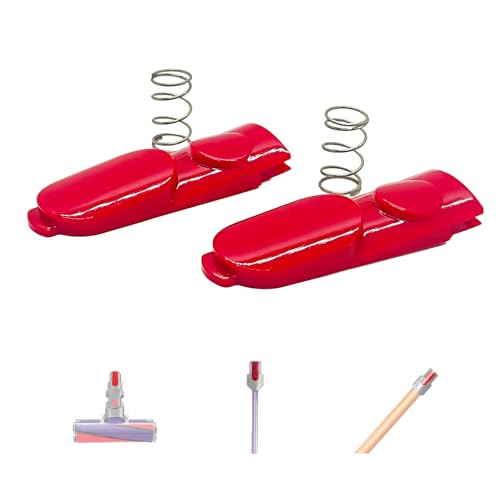
- BrandHoldclean
- VC Score9.0
BCP Score is a ranking system developed by bestcleanerproducts.com. BCP Score has no relationship or impact from any manufacturers or sales agent websites. Learn more
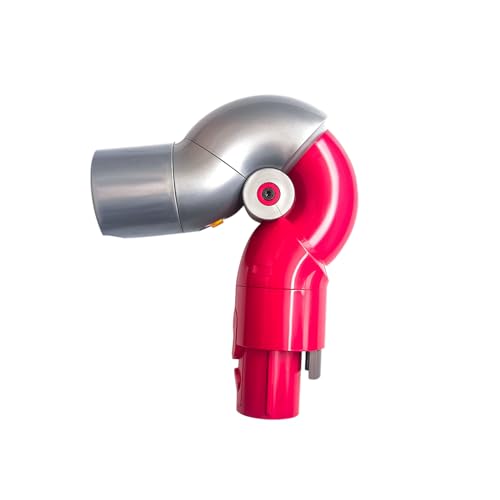
- BrandHather
- VC Score8.8
BCP Score is a ranking system developed by bestcleanerproducts.com. BCP Score has no relationship or impact from any manufacturers or sales agent websites. Learn more
- BrandGeneric

- VC Score8.6
BCP Score is a ranking system developed by bestcleanerproducts.com. BCP Score has no relationship or impact from any manufacturers or sales agent websites. Learn more
- BrandViluona

- VC Score8.6
BCP Score is a ranking system developed by bestcleanerproducts.com. BCP Score has no relationship or impact from any manufacturers or sales agent websites. Learn more
- BrandRULA

- VC Score8.6
BCP Score is a ranking system developed by bestcleanerproducts.com. BCP Score has no relationship or impact from any manufacturers or sales agent websites. Learn more
- BrandOTTWL

- VC Score8.6
BCP Score is a ranking system developed by bestcleanerproducts.com. BCP Score has no relationship or impact from any manufacturers or sales agent websites. Learn more
- BrandAZYM

- VC Score8.4
BCP Score is a ranking system developed by bestcleanerproducts.com. BCP Score has no relationship or impact from any manufacturers or sales agent websites. Learn more
- BrandKlypticfit
- VC Score8.4
BCP Score is a ranking system developed by bestcleanerproducts.com. BCP Score has no relationship or impact from any manufacturers or sales agent websites. Learn more
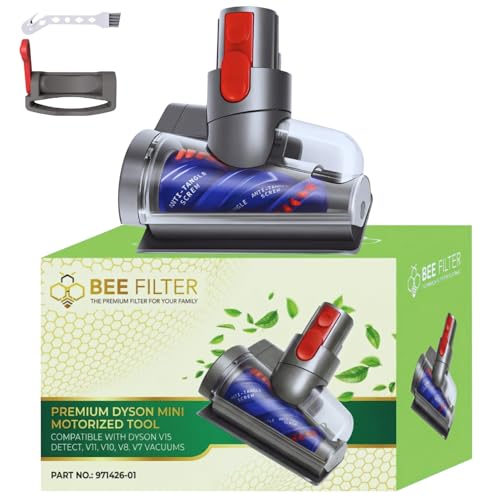
- BrandBEE FILTER

- VC Score7.8
BCP Score is a ranking system developed by bestcleanerproducts.com. BCP Score has no relationship or impact from any manufacturers or sales agent websites. Learn more
- BrandCOGLARING
Last update on 2026-10-23 / Affiliate links / Images, Product Titles, and Product Highlights from Amazon Product Advertising API
FAQs
Why is my Dyson V10 brush bar not spinning after cleaning?
The most common cause is an improperly seated roller core that failed to connect with the internal motor spindle. If the end cap is even slightly loose or turned incorrectly, the head will cut power to prevent mechanical damage. Remove the end cap, reseat the roller on the drive gear, and ensure the locking latch clicks firmly into the locked position.
Can I use lubricant or oil on the roller bearings?
Never spray WD-40, machine oil, or silicone lubricant onto the roller bearings or drive spindle. Liquid lubricants attract household dust and hair like a magnet, creating a thick grinding paste that will ruin the bearings within days. Wipe dirty parts clean with a dry microfiber cloth and run the assembly completely dry.
How often should I open and clean the vacuum head?
Inspect and clear the brush bar every three to four weeks under normal household use. If you have multiple pets that shed or household members with long hair, inspect the roller every two weeks. Removing hair before it packs into the drive spindle prevents motor strain and keeps suction airflow strong.
Why does my vacuum pulse and shut off when the head touches the floor?
A pulsing motor indicates that the vacuum detects an airflow blockage or a motor overload. If heavy rug pile or tangled hair prevents the brush bar from rotating freely, the safety sensor trips and cuts the power. Detach the head, check the short rubber duct behind the brush bar for trapped debris, and verify that the roller spins freely by hand.


How to Refinish a Fiberglass Pool

How Do You Keep Raccoons Out of Your Pool?

How to Fix Cyanuric Acid in Your Pool

How to Shape a Pool Cue Tip to Stop Miscues

Best Far Infrared Sauna Sauna Heats: Top Picks of 2026

11 Best Far Infrared Sauna Carbon Fiber Heaters of 2026 For Balanced Full-Body Heat

11 Best Carbon Far Infrared Sauna of 2026 For Even Heat

10 Best Bluetooth Speaker For Sauna of 2026 For Heat and Steam








