
How to Open a Dyson V7 Vacuum Head Without Breaking It

Pet hair wrapped tight around the spinning roller can suddenly bring the floor nozzle to a dead stop mid-clean. Getting inside to clear the jam takes seconds: turn the side lock a quarter turn with a coin to slide the bristle bar out, or push the small red slider upward on soft-roller models.
The exact motion depends on the attachment on the machine. Carpet heads use a coin slot on the side cap, while soft bare-floor heads use a spring-loaded latch that unlocks by hand. Tangled pet fur can also wedge tightly around the end spindle, making the parts feel stuck. Forcing the plastic with a screwdriver often cracks the housing, but a calm approach releases everything without damage.
Identifying Your Floor Nozzle Attachment Style
Before touching any tools, unplug the floor nozzle attachment from the long wand. Press the red quick-release button on the neck joint and pull the head away from the metal pipe. Working on the attachment while it stays connected to the machine is risky because bumping the power trigger can spin the roller unexpectedly.
Dyson produced the V7 cordless stick vacuum with two main styles of motorized floor heads. Knowing which one you own determines how you open it. Forcing the wrong latch or twisting the wrong piece will crack the plastic casing, turning a simple cleaning job into an expensive repair.
The first style is the carpet brush head. This attachment features red and black stiff bristles spiraling around a firm plastic bar. You will see clear plastic covering the front and a solid colored shell underneath. On the side of this head, you will find a circular plastic cap with a straight groove cut directly across the center. That groove is a coin slot designed specifically for a turn-style lock.
The second style is the soft floor roller, built for hardwood, tile, and bare floors. This head does not have stiff bristles. Instead, it holds a plush roller covered in soft felt-like fabric. On the side of this head, you will find a small red plastic slider clip rather than a coin slot. If you checked what is the lightest cordless vacuum cleaner to keep your hard floors clean with minimal fatigue, this soft roller head is likely the one you use daily.
How to Unlock and Slide Out the Spinning Brush Roller
Once you know your attachment style, opening the housing takes less than a minute. The key is using the right amount of gentle pressure so the plastic tabs stay intact.
Follow these steps to open the carpet brush head:
- Turn the attachment over so the base faces up on a flat table.
- Grab a wide coin, like a US quarter or a flat metal washer. Avoid using a narrow flathead screwdriver. Screwdriver tips put concentrated force on tiny spots of the plastic groove, which strips the edges or snaps the slot completely off.
- Insert the coin firmly into the circular slot on the side of the housing.
- Turn the coin counterclockwise about a quarter turn. You will feel a slight pop as the indicator moves from the locked padlock symbol to the unlocked symbol.
- Pull the removable side lock straight out from the housing.
- Slide the spinning brush roller sideways out of the main cavity.
Follow these steps to open the soft floor roller:
- Flip the floor nozzle over so the plush roller faces up.
- Look near the side edge for the small red release slider.
- Push the red release slider firmly in the direction of the arrow stamped on the plastic.
- Pivot the hinged side panel downward to open the end gate.
- Lift the spinning brush roller up from the free side and slide it away from the motorized drive cog.
What if the roller refuses to slide out? Hair wraps around the ends, and motor friction creates heat. That heat can melt synthetic hair strands into a hard clump that acts like glue between the roller and the inner spindle. If the bar feels stuck after unlocking the latch, never yank on it with pliers. Wiggle the roller gently back and forth while pulling outward. If you can see the tangled hair clump, snip through it with small scissors to release tension before pulling again.
Clearing Trapped Hair and Washing the Roller Safely
Getting the roller out of the housing is only half the battle. Most jams happen because hair creeps behind the removable side lock and wraps around the drive shaft. That trapped debris slows the motor, drains the battery faster, and can eventually melt the plastic spindle.
Run through this quick inspection checklist every time you open the floor head:
- Cut along the roller groove: Slide scissors under hair bands along the roller channel and snip them away from the bristles.
- Clean the drive gear: Pull wound hair strands away from the metal drive cog located inside the empty nozzle chamber.
- Check the side bearing cap: Pop the plastic cap off the tip of the roller and remove hair wound behind the rubber gasket.
- Clear the suction throat: Look down the neck of the attachment toward the swivel joint to confirm no debris blocks airflow.
After clearing the hair, check whether the roller needs washing. The rule here is strict and depends on which roller you own.
Never wash the carpet brush head in water. The carpet roller contains internal metal bearings and a balancing core. Submerging it in water invites rust inside the bearings, which causes loud squeaking and seizes the roller. Simply wipe the bristles and plastic bar with a dry or slightly damp cloth.
The soft floor roller, however, is washable. Hold the plush roller under cold running tap water. Gently rub the fabric with your fingers to rinse out dirt and dust. Never use dish soap, laundry detergent, or hot water, as harsh chemicals can dissolve the glue holding the fabric strips.
If you wash the soft roller, let it dry completely before reinstalling it. Stand the roller upright on an old towel in a warm, dry room with good airflow. Let it air dry for at least 24 full hours. Never put a damp roller back into the electric housing. Water pulled into the motor will short out the electronics. If your vacuum runs out of power quickly even when clean, check your battery health or review how much is a new battery for a cordless vacuum before replacing mechanical parts.
Reassembling the Head and Checking the Motor
Putting the nozzle attachment back together is simple, but lining up the parts properly prevents stripped gears. The motorized spindle inside the housing has a specific keyed shape, so the roller only slides in smoothly at the correct angle.
Follow these steps to reassemble the carpet brush head:
- Align the open end of the spinning brush roller with the motorized drive cog inside the housing.
- Push the roller straight in, rotating it slightly until you feel the drive teeth mesh together. The roller must sit flush inside the housing.
- Fit the removable side lock into the circular opening on the side.
- Press the cap flush against the housing wall.
- Insert your coin into the slot and twist clockwise a quarter turn. Stop turning as soon as the line points to the closed padlock symbol. Never overtighten, or the plastic retention rim will crack.
Follow these steps to reassemble the soft floor roller:
- Slide the drive end of the plush bar onto the motorized post inside the head.
- Lower the other end into the floor nozzle cradle.
- Fold the hinged side panel back up into place.
- Push the red release latch down until you hear an audible click. Pull lightly on the side panel to confirm it is locked securely.
Once reassembled, verify the repair by clicking the floor nozzle back onto the wand and pressing the vacuum trigger for three seconds. The roller should spin immediately without shuddering or squealing. If the roller jerks slightly and stops, you likely have a misaligned drive gear or a hidden hair band still wrapped around the motor spindle.
When to Replace the Floor Nozzle Attachment
Regular cleaning solves most spinning problems, but plastic latches and electric motors do not last forever. In some cases, opening the vacuum head reveals damage that cleaning cannot fix.
Plastic retention tabs can snap off if forced with a screwdriver. Bearings can overheat from tight pet hair, melting the plastic socket that holds the roller in place. Internal electric drive motors can also burn out if the vacuum ran while jammed for several minutes. If your roller sits loose, makes a high-pitched grinding sound, or refuses to turn even when the spindle is completely clear, the internal drive system is likely broken beyond repair.
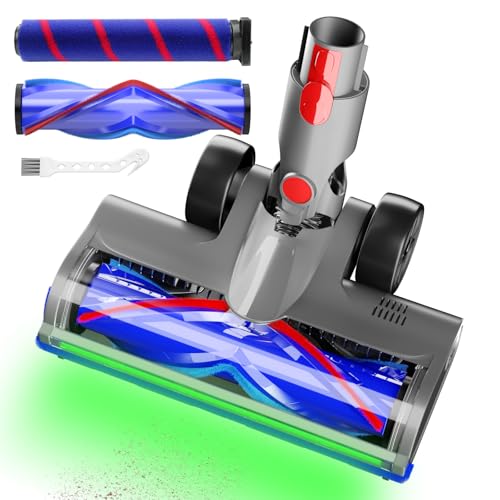
When you need a new floor nozzle attachment, look for a replacement head built with a quick-release neck compatible with your stick. Verify that the connector has the matching two-pin electrical contact port so the vacuum battery powers the motor properly. Many replacement heads offer helpful upgrades, such as front LED lights to highlight dust on dark floorboards or anti-tangle internal combs that reduce future hair wrapping. Always check your specific model number on the vacuum rating sticker before buying to guarantee the neck latch fits securely.

- VC Score9.0
BCP Score is a ranking system developed by bestcleanerproducts.com. BCP Score has no relationship or impact from any manufacturers or sales agent websites. Learn more
- BrandLhhTing
- VC Score9.0
BCP Score is a ranking system developed by bestcleanerproducts.com. BCP Score has no relationship or impact from any manufacturers or sales agent websites. Learn more
- BrandLhhTing

- VC Score8.8
BCP Score is a ranking system developed by bestcleanerproducts.com. BCP Score has no relationship or impact from any manufacturers or sales agent websites. Learn more
- BrandiSingo

- VC Score8.6
BCP Score is a ranking system developed by bestcleanerproducts.com. BCP Score has no relationship or impact from any manufacturers or sales agent websites. Learn more
- BrandAZYM
- VC Score8.6
BCP Score is a ranking system developed by bestcleanerproducts.com. BCP Score has no relationship or impact from any manufacturers or sales agent websites. Learn more
- BrandLhhTing

- VC Score8.4
BCP Score is a ranking system developed by bestcleanerproducts.com. BCP Score has no relationship or impact from any manufacturers or sales agent websites. Learn more
- BrandGeneric
- VC Score8.4
BCP Score is a ranking system developed by bestcleanerproducts.com. BCP Score has no relationship or impact from any manufacturers or sales agent websites. Learn more
- BrandTivcroxs

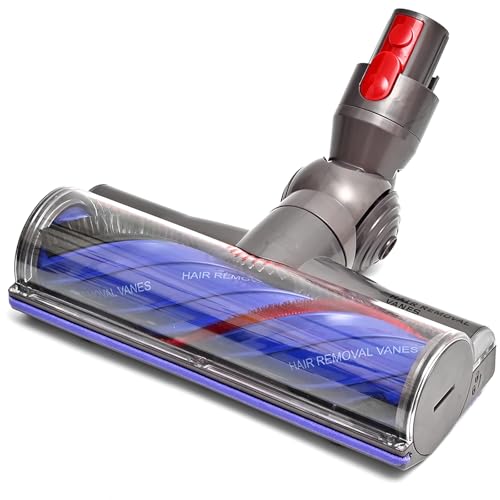
Quick-Release Motorhead Cleaner Compatible with Dyson V7,V8, Cyclone V10,V11,V15 Cordless
View on Amazon- VC Score8.4
BCP Score is a ranking system developed by bestcleanerproducts.com. BCP Score has no relationship or impact from any manufacturers or sales agent websites. Learn more
- Brandkeluke

- VC Score8.0
BCP Score is a ranking system developed by bestcleanerproducts.com. BCP Score has no relationship or impact from any manufacturers or sales agent websites. Learn more
- BrandCoodss

- VC Score7.8
BCP Score is a ranking system developed by bestcleanerproducts.com. BCP Score has no relationship or impact from any manufacturers or sales agent websites. Learn more
- BrandLaymi
Last update on 2026-10-22 / Affiliate links / Images, Product Titles, and Product Highlights from Amazon Product Advertising API
FAQs
What should I use if I do not have a coin to open the lock?
If you do not have a quarter or nickel handy, look for a flat metal washer, the edge of a sturdy metal spoon handle, or a flat key. Avoid butter knives or thin flathead screwdrivers because narrow metal edges slip easily and gouge the soft plastic slot.
Why is my V7 brush roller making a loud grinding noise after opening it?
A loud grinding or buzzing noise usually means the spinning brush roller is not seated all the way onto the internal motorized drive cog. Remove the side lock, take the roller out, and rotate it slightly while pushing it in until the gears mesh completely before locking the cap back in place.
Can I take apart the electric motor housing inside the vacuum head?
You should not attempt to open the sealed electric motor housing located behind the roller cavity. That section contains specialized wiring, factory-sealed gears, and delicate electrical contacts that are easily ruined without specialized tools. If hair or water gets inside the sealed motor section, replacing the complete floor nozzle attachment is the safest solution.


How to Refinish a Fiberglass Pool

How Do You Keep Raccoons Out of Your Pool?

How to Fix Cyanuric Acid in Your Pool

How to Shape a Pool Cue Tip to Stop Miscues

Best Far Infrared Sauna Sauna Heats: Top Picks of 2026

11 Best Far Infrared Sauna Carbon Fiber Heaters of 2026 For Balanced Full-Body Heat

11 Best Carbon Far Infrared Sauna of 2026 For Even Heat

10 Best Bluetooth Speaker For Sauna of 2026 For Heat and Steam


