
How to Open a Stick Vacuum Head Without Breaking the Clips

Disconnect the cleaner head from the long extension wand and place it upside down on a flat surface. Cutting off motor power keeps fingers safe while you turn the side coin slot a quarter-turn or slide the release button to slip the roller brush straight out. This simple motion releases the trapped bar in seconds and avoids putting bending pressure on brittle plastic casing.
The exact way the head opens depends on its latch style, the roller type, and how tightly hair is jammed into the end bearings. Certain floor heads use a single twist-off side cap, while others require unlatching a full bottom base plate. Dense pet hair or melted carpet threads tangled around the spinning gear tip can also make the bar stick, even with the latch fully open. The steps below show how to spot your lock style, cut tangles cleanly, and put everything back together safely.
How should you prep your vacuum before opening it?
Before you touch a single clip or screw, make sure the machine cannot turn on by accident. Stick vacuums put the power switch right near your grip. If you bump a trigger while handling the floor nozzle, the spinning roller brush can pinch fingers or grab loose sleeves instantly.
Follow this quick preparation checklist before you start:
- Disconnect power: Slide the battery pack off the handle. If your model has a built-in battery, make sure the power switch is off and the trigger lock is engaged.
- Detach the floor nozzle: Press the push-button latch on the neck of the cleaner head and pull the metal extension wand straight off. Never twist the neck, as that can bend the small electrical pins that feed power to the brush motor.
- Set up your work area: Place the floor nozzle upside down on a table covered with an old bath towel. The towel stops the plastic casing from sliding and catches loose grit.
- Grab basic tools: Keep a quarter, a pair of small scissors, and a dry microfiber cloth nearby.
When a roller stops spinning, people often assume the motor burned out or worry about how much is a new battery for a cordless vacuum to fix sudden shut-offs. In most cases, safety sensors simply stopped the brush because of a hair jam. Preparing the head properly lets you inspect the parts safely.
What lock style does your vacuum head use?
Turn the floor nozzle over so the bottom base plate faces up. Before applying any pressure, look closely at the side edges and the bottom frame. Vacuum makers use three main designs to secure the roller, and each one opens differently.
The most common design uses a side locking plug, also called an end cap. This is a circular plastic dial set into the outer side of the cleaner head. In the center is a wide slot designed for a coin. This plug does not unscrew like a standard bolt. Instead, it turns just a quarter-turn counterclockwise to pop free.
The second design uses a sliding latch. Instead of a coin dial on the side, you will spot a textured slider button on the bottom base plate or near the side joint. These latches are spring-loaded and marked with an arrow or an open padlock icon. Pushing the slider in the direction of the arrow releases a small retaining gate that swings open.
The third design features a removable bottom base plate. Rotating clips or slide tabs secure this plate over the brush chamber. Releasing those tabs lets you lift off the lower guard, giving you direct access to the spinning roller brush.
Knowing your lock style prevents expensive mistakes. Stick vacuums are built to stay light, which is clear when looking at what is the lightest cordless vacuum cleaner on the market. But lightweight builds use thin plastic tabs. Prying a coin plug with a sharp screwdriver or twisting a sliding latch will snap the plastic ears immediately.
How do you unlock the cap and remove the roller?
Once you spot the lock style, opening the head takes less than a minute. Work under good light and never force stubborn plastic.
Follow these numbered steps to release the roller bar:
- Rest the head flat: Keep the floor nozzle upside down on your towel with the locking cap facing your dominant hand. Hold the main casing firmly with your other hand.
- Fit a coin into the slot: Insert a quarter or nickel into the side locking plug slot. A coin fills the entire width of the groove, preventing stripped plastic. Avoid sharp screwdrivers that chew up soft plastic.
- Turn a quarter-turn: Rotate the coin counterclockwise about ninety degrees until you feel a soft click. Many heads feature small molded dots or unlock icons that line up when it releases. If your head uses a slide latch, push the slider along its groove until the side door pops outward.
- Pull the end cap free: Slide the side locking plug straight out from the housing. On some models, this cap comes off as a separate loose piece. On others, it stays attached to the end of the roller bar.
- Angle the roller up: Lift the unlocked end of the spinning roller brush upward just enough to clear the outer plastic rim.
- Slide off the drive cog: That end sits on a spinning gear tip, which is the motorized drive cog. Pull straight out so you do not bend the drive pin or chip the plastic teeth.
How do you safely clear tangled hair and dirt?
With the roller removed, you can clear the fibers that caused the stall. Hair and carpet threads wrap around the core and tighten with every turn.
Clear tangles safely with these numbered steps:
- Find the cutting groove: Lay the roller on your towel and look along the central plastic tube. Most rollers have a narrow channel running lengthwise between the rows of bristles. This recessed groove is designed to guide a cutting blade under wrapped hair safely.
- Snip along the channel: Slide the tip of small scissors or a hair-cutting tool into the groove beneath the hair. Cut along the channel in short, careful snips. Always cut away from your body and keep the blade flat so you do not trim bristle tufts or slice rubber fins.
- Peel the hair away: Pull the severed hair away from the roller with your fingers. Pull gently in small clumps. Ripping large tangles off with force can yank bristle clusters straight out of their plastic sockets.
- Clear the end spindle: Hair often slips past the outer seal and packs around the metal spindle inside the end cap. Friction creates heat that melts plastic bearing housings. Pop off the end cap and pick out any hair rings around the axle.
- Wipe out the head cavity: Use a dry cloth to wipe out dust, pet dander, and grit inside the floor nozzle casing. Check the spinning gear tip on the drive side to confirm no loose strands have wrapped behind the cog.
How do you wash, dry, and reassemble the roller?
Putting the clean parts back together the right way ensures the head spins freely and avoids electrical damage.
Keep this checklist in mind before locking the cleaner head:
- Check the roller material: Soft microfiber rollers can usually be rinsed under cool tap water. Stiff bristle rollers with metal bearings or drive sockets must stay dry. Wipe stiff rollers with a dry cloth instead.
- Rinse without soap: If you rinse a soft roller, use plain cool water. Detergents and soaps leave a sticky film behind that attracts floor dirt even faster.
- Dry for twenty-four hours: Squeeze out excess water and stand the roller upright in an airy room. Let it dry for at least twenty-four hours. Never install a damp roller, as moisture drawn into the motor will cause electrical shorts.
- Align the drive cog: Look inside the socket at the end of the spinning roller brush. Match the patterned shape to the spinning gear tip inside the head housing. Push the roller onto the cog until it sits flush without a gap.
- Seat the outer end: Lower the opposite end of the roller into its resting cradle on the outer frame.
- Lock the side plug: Slide the side locking plug into place. Turn your coin clockwise a quarter-turn until it clicks into the locked position and sits flush with the outer shell.
- Spin by hand: Turn the roller with your fingers before attaching the head back to the vacuum. It should turn smoothly with light resistance from the motor gears. If it catches or feels stiff, the drive cog is not seated properly.
What replacement parts should you look for if something breaks?
Thin plastic tabs can fatigue over time, and neglected hair jams can melt internal bearing cups. When something breaks, you do not need a whole new vacuum. Buying specific replacement parts restores full cleaning power at low cost.
Here is what to look for when shopping for repair parts:
First, check the model sticker on your stick vacuum, usually found under the battery or behind the dust bin. Brands tweak latch shapes, roller diameters, and neck pins between versions. Matching your exact model ensures replacement pieces fit cleanly.
Second, inspect the condition of your spinning roller brush. If the bristles are splayed flat or the plastic core is gouged, replace the roller bar. You can choose stiff-bristle rollers for carpet, soft rollers for hard floors, or anti-tangle rollers designed with internal ridges that keep hair from wrapping around the bar.
Third, look for replacement latch buttons or side locking plugs if a plastic clip snapped during removal. Many latch kits include fresh internal springs to restore firm locking action to your floor nozzle.
Finally, if the motor has burned out or the neck has cracked, a complete replacement floor nozzle is the quickest solution. Make sure the replacement head matches your stick vacuum series and has the right push-button latch and power connections to fit your wand tube.

- VC Score9.6
BCP Score is a ranking system developed by bestcleanerproducts.com. BCP Score has no relationship or impact from any manufacturers or sales agent websites. Learn more
- BrandD-Baiwade-J
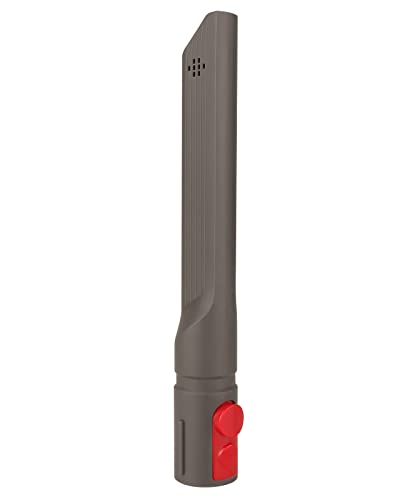
- VC Score9.4
BCP Score is a ranking system developed by bestcleanerproducts.com. BCP Score has no relationship or impact from any manufacturers or sales agent websites. Learn more
- BrandFullclean

- VC Score9.2
BCP Score is a ranking system developed by bestcleanerproducts.com. BCP Score has no relationship or impact from any manufacturers or sales agent websites. Learn more
- BrandFullclean

- VC Score9.2
BCP Score is a ranking system developed by bestcleanerproducts.com. BCP Score has no relationship or impact from any manufacturers or sales agent websites. Learn more
- BrandYRUKOMU

- VC Score9.0
BCP Score is a ranking system developed by bestcleanerproducts.com. BCP Score has no relationship or impact from any manufacturers or sales agent websites. Learn more
- BrandTweruna

- VC Score9.0
BCP Score is a ranking system developed by bestcleanerproducts.com. BCP Score has no relationship or impact from any manufacturers or sales agent websites. Learn more
- BrandHather

- VC Score8.8
BCP Score is a ranking system developed by bestcleanerproducts.com. BCP Score has no relationship or impact from any manufacturers or sales agent websites. Learn more
- BrandANBOO

- VC Score8.6
BCP Score is a ranking system developed by bestcleanerproducts.com. BCP Score has no relationship or impact from any manufacturers or sales agent websites. Learn more
- BrandOTTWL
- VC Score8.6
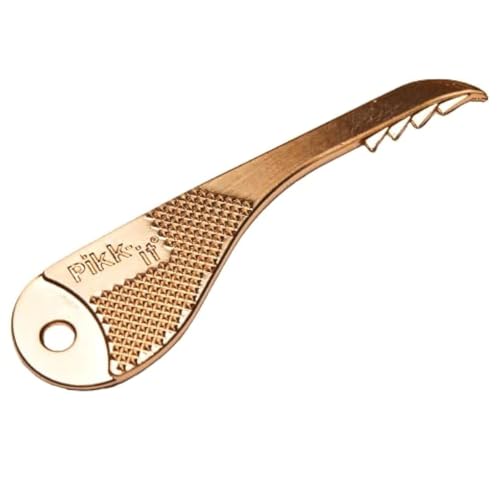
BCP Score is a ranking system developed by bestcleanerproducts.com. BCP Score has no relationship or impact from any manufacturers or sales agent websites. Learn more
- BrandPikk-it
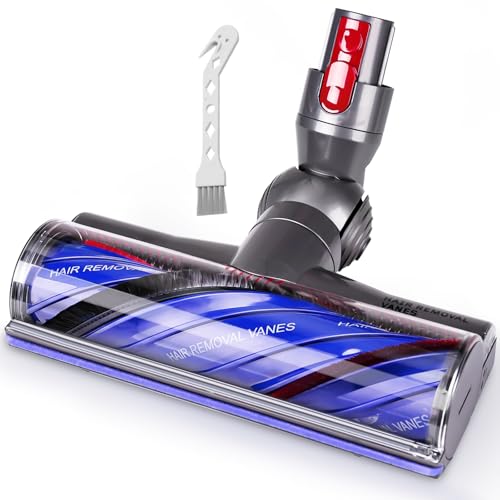
- VC Score8.4
BCP Score is a ranking system developed by bestcleanerproducts.com. BCP Score has no relationship or impact from any manufacturers or sales agent websites. Learn more
- BrandLhhTing

- VC Score8.4
BCP Score is a ranking system developed by bestcleanerproducts.com. BCP Score has no relationship or impact from any manufacturers or sales agent websites. Learn more
- BrandLemige

- VC Score8.4
BCP Score is a ranking system developed by bestcleanerproducts.com. BCP Score has no relationship or impact from any manufacturers or sales agent websites. Learn more
- BrandTweruna
Last update on 2026-10-25 / Affiliate links / Images, Product Titles, and Product Highlights from Amazon Product Advertising API
FAQs
Where is the hidden screw on my vacuum head?
Many stick vacuum heads hide assembly screws beneath small rubber wheels or under flexible squeegee strips on the bottom base plate. You do not need to remove those hidden screws for regular roller cleaning. They are only needed if you are taking the entire motor casing apart to replace internal wiring or a drive belt.
Can you wash the spinning brush roller with water?
You can wash soft, plush microfiber rollers with cold water, but never wash stiff bristle rollers that contain internal metal bearings or motorized sockets. Water seeps into the bearings, causing rust and seizing the bar. If you rinse a soft roller, let it air-dry completely for twenty-four hours before reinstalling it.
Why won't the brush spin after putting it back together?
The roller usually refuses to spin because the patterned end is not aligned with the motorized spinning gear tip. If the socket does not seat all the way onto the cog, the side cap will not close flush and the motor cannot turn the bar. Remove the roller, rotate the drive tip slightly to align the grooves, and reseat it.
Can you cut tangled hair off without scratching the roller?
Yes, by sliding your scissors along the cutting channel molded directly into the roller body. That recessed groove keeps the blade elevated so it cuts hair wraps without gouging the plastic barrel. Avoid bare razor blades or utility knives, which can easily slice into rubber fins or bristle clusters.


How to Refinish a Fiberglass Pool

How Do You Keep Raccoons Out of Your Pool?

How to Fix Cyanuric Acid in Your Pool

How to Shape a Pool Cue Tip to Stop Miscues

Best Far Infrared Sauna Sauna Heats: Top Picks of 2026

11 Best Far Infrared Sauna Carbon Fiber Heaters of 2026 For Balanced Full-Body Heat

11 Best Carbon Far Infrared Sauna of 2026 For Even Heat

10 Best Bluetooth Speaker For Sauna of 2026 For Heat and Steam


