
How to Empty the Canister on a Stick Vacuum Right

How to empty the canister on a stick vacuum sounds like a tiny chore until dust bursts into the air, pet hair clings to every corner, and fine debris refuses to leave the bin. A few small habits can make the whole process cleaner, faster, and far less frustrating. Instead of rushing through it, slowing down for a moment helps protect the filter, keeps suction steady, and reduces the chance of dirt falling back onto freshly cleaned floors.
Dust bins fill differently depending on what gets picked up each week. Fine powder, cereal crumbs, hair, lint, and larger debris often settle into layers that don't always slide out together. Proper canister emptying means giving stubborn debris enough room to fall naturally instead of forcing it loose with excessive shaking. That simple difference helps reduce airborne dust while protecting plastic hinges and release mechanisms from unnecessary stress.
Opening the canister over a trash bag or deep garbage container usually makes the biggest difference. Oops, it seems obvious, yet it's one of the most overlooked details. Holding the vacuum too high allows dust to spread, while keeping the opening close to the trash limits floating particles and makes cleanup easier. Cleaner disposal habits also leave nearby furniture and flooring free from that annoying layer of fine dust.
Some debris won't fall out after one press of the release button, and that's perfectly normal. Hair can wrap around internal parts while sticky dirt sticks to the walls of the container. Rather than banging the canister against the trash can, gently tapping the side or using a soft brush protects the plastic while helping loosen packed material. Little by little, those careful habits reduce wear that often shortens the life of removable bins.
Emptying the container before it reaches the absolute limit also helps maintain consistent airflow. Waiting until debris presses tightly against the filter forces the motor to work harder than necessary. A partially filled canister gives air more room to circulate, making everyday cleaning feel smoother from room to room without any dramatic effort.
Then comes a quick inspection. Checking the seals, release latch, and filter area only takes a few moments, yet it often catches hidden buildup before it becomes a bigger issue. Small maintenance routines tend to save much more time later because clogged airflow usually develops gradually instead of overnight. Keeping everything clean also makes the next emptying session noticeably easier.
Fresh air inside the dust container matters more than many people expect. Leaving damp debris inside for long periods can create unpleasant odors, especially after vacuuming kitchens, entryways, or pet areas. Allowing the canister to dry completely after occasional washing, following the manufacturer's guidance, helps preserve both cleanliness and performance. Routine maintenance doesn't have to feel complicated to make a visible difference.

- VC Score9.8
BCP Score is a ranking system developed by bestcleanerproducts.com. BCP Score has no relationship or impact from any manufacturers or sales agent websites. Learn more
- BrandSCREENTRONICS

- VC Score9.0
BCP Score is a ranking system developed by bestcleanerproducts.com. BCP Score has no relationship or impact from any manufacturers or sales agent websites. Learn more
- BrandSealegend
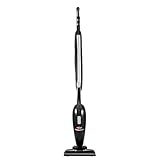
- VC Score8.8
BCP Score is a ranking system developed by bestcleanerproducts.com. BCP Score has no relationship or impact from any manufacturers or sales agent websites. Learn more
- BrandBissell

- VC Score8.6
BCP Score is a ranking system developed by bestcleanerproducts.com. BCP Score has no relationship or impact from any manufacturers or sales agent websites. Learn more
- BrandEureka

- VC Score8.6
BCP Score is a ranking system developed by bestcleanerproducts.com. BCP Score has no relationship or impact from any manufacturers or sales agent websites. Learn more
- BrandVataim

- VC Score8.6
BCP Score is a ranking system developed by bestcleanerproducts.com. BCP Score has no relationship or impact from any manufacturers or sales agent websites. Learn more
- BrandKARDV

- VC Score8.4
BCP Score is a ranking system developed by bestcleanerproducts.com. BCP Score has no relationship or impact from any manufacturers or sales agent websites. Learn more
- BrandLevoit

- VC Score8.0
BCP Score is a ranking system developed by bestcleanerproducts.com. BCP Score has no relationship or impact from any manufacturers or sales agent websites. Learn more
- BrandShark

- VC Score8.0
BCP Score is a ranking system developed by bestcleanerproducts.com. BCP Score has no relationship or impact from any manufacturers or sales agent websites. Learn more
- BrandEureka

- VC Score7.0
BCP Score is a ranking system developed by bestcleanerproducts.com. BCP Score has no relationship or impact from any manufacturers or sales agent websites. Learn more
- BrandOntel
Last update on 2026-07-21 / Affiliate links / Images, Product Titles, and Product Highlights from Amazon Product Advertising API
How To Empty The Canister On A Stick Vacuum
A full dust cup can turn a quick cleanup into a dusty little wrestling match. Crumbs sit near the latch, pet hair clumps around the center cone, and fine powder puffs out the second the bin opens. That is why how to empty the canister on a stick vacuum matters more than it first appears, especially if you want steady suction, less airborne dust, and fewer messes after the cleaning is supposedly done.
Clean Dust Cup Basics
Stick vacuum canisters are small by design, which keeps the vacuum light but leaves less room for debris to settle. Once dirt reaches the max fill line, airflow gets squeezed and the motor has to pull air through a crowded chamber. That is the moment suction starts feeling weak, even though the vacuum may not be broken at all. A cleaner dust cup gives the machine a better chance to pick up crumbs, hair, and grit without sounding strained.
Emptying the canister often also helps avoid the nasty dust cloud that happens after debris packs tightly inside. Fine particles from drywall dust, flour, litter, soil, and ash-like household dust can cling to plastic walls. Pet hair adds another wrinkle because it wraps around the separator and traps lighter debris behind it. So, a quick empty after each heavier cleaning session keeps the bin from turning into a compacted plug.
A good rule is simple: stop before the bin looks stuffed. The max fill line is not decoration, and passing it usually means dirt is already crowding the internal airflow path. Even a powerful stick vacuum can feel wimpy if the chamber is jammed. For homes with pets, rugs, or dusty entryways, emptying sooner is usually the cleaner move.
There is a tradeoff, though. Emptying too casually can send dust back into the room, which feels like wiping a counter with one hand and sprinkling crumbs with the other. People sensitive to dust may want a deeper trash can, a lined bin, or an outdoor garbage area for heavier debris loads. For extra dust control beyond routine stick vacuum care, reduce fine-particle blowback with a cleaner disposal setup and compare a canister vacuum for allergies if household dust keeps coming back fast.
Before Opening The Bin
Power off the vacuum before touching the release latch, even if the job feels harmless. A running motor can pull loose dust toward the filter area or scatter debris if the bin shifts in your hand. Remove the stick or floor head if your model feels awkward over the trash. That small step gives you better control and keeps the vacuum from bumping against the bin.
Choose the trash spot with care. A shallow wastebasket is asking for trouble because fine dust can bounce off the bottom and float right back up. A taller kitchen trash can, outdoor bin, or trash bag held around the dust cup works better. Keep the canister opening low inside the bin so debris falls instead of drifting.
Watch where the release door points. Some stick vacuums open from the bottom, while others require twisting the cup off first. Aim the door away from your clothes, face, and freshly cleaned floor. It sounds obvious, sure, but one careless press can dump a full load of dust exactly where you do not want it.
Check the latch before forcing anything. Dust cup release buttons can feel stiff when debris jams near the hinge, but yanking the door can crack plastic tabs. Press firmly, pause, and let gravity do the work. If nothing moves, remove the canister according to the vacuum design and clear the packed debris gently.
The Right Way To Dump Debris
How to empty the canister on a stick vacuum usually starts with holding the dust cup deep inside the trash can. Press the release button while keeping the opening close to the liner. Let the first wave of crumbs, hair, and grit drop naturally before tapping anything. That slower pace helps keep the dirtiest part of the job contained.
Hair often refuses to leave politely. Long strands, pet fur, and lint can wrap around the center shroud or cyclone cone, leaving a stubborn ring behind. Use a small cleaning tool, an old toothbrush, or a dry paper towel to loosen the clump without scraping the plastic too hard. Gentle debris removal protects the bin and keeps seals from getting nicked.
Avoid banging the canister against the trash can. It feels satisfying for about two seconds, but repeated impact can weaken hinges, loosen seals, or damage the latch. A light tap on the side is fine if the manual allows it, but heavy knocking is a bad habit. Think of the canister as a fitted part, not a bucket.
After dumping the debris, look into the chamber before snapping it shut. Packed dust near the air channel can block suction during the next cleaning session. If you see clumps stuck around the filter screen, loosen them before reinstalling the bin. A clean path inside the cup helps the vacuum breathe the way it should.
Keeping Dust Out Of Your Face
Dust control is the part most people wish they had handled better after the first messy emptying session. Fine debris can rise quickly, especially in dry rooms or after vacuuming powdery material. Hold the dust cup low, open it slowly, and let the trash bag act like a shield. That simple setup cuts down on the dusty puff that makes everyone step back.
People often forget that stick vacuums collect more than visible dirt. The bin may contain pollen, dander, crumbs, fibers, and fine soil tracked in from shoes. Even without exact household numbers, indoor cleaning studies and manufacturer guidance consistently point to airflow and filtration as major parts of vacuum performance. Keeping the bin clear supports better airflow and helps the filter do its job without being buried.
A damp paper towel can help clean the outside of the bin after emptying, but avoid soaking parts that are not meant to get wet. Some canisters are washable, and some are not. The manual wins that argument every time. If the cup is washable, let it dry fully because trapped moisture can cause odors and make dust stick like paste.
Kitchen messes deserve extra caution. Vacuuming near dry food crumbs is usually fine, but sticky residue, damp particles, or spilled cleaners can cling inside the dust cup. Drain areas are a different problem altogether, so clear sink buildup with proper drain care and review how to use sizzle drain cleaner instead of letting wet debris end up inside a vacuum canister. Stick vacuums are happiest with dry messes, not mystery sludge.
Filter Checks After Emptying
Filter maintenance belongs right next to canister emptying because the two affect each other. A full bin pushes more dust toward the filter, and a clogged filter makes the bin seem full even when it is not. Remove the filter only after the canister is empty so loose debris does not spill into the housing. Then give it a careful look for packed dust, hair, or gray buildup.
Some filters can be rinsed, while others need dry cleaning only. Follow the model instructions because guessing can shorten filter life. A washable filter must be completely dry before it goes back in, and that usually means giving it real drying time rather than a quick shake. Moist filters can cause musty smells and may restrict airflow.
Do not brush filter material too aggressively. Pleated filters and foam inserts can tear, stretch, or lose their shape if handled like a scrub pad. Tap loose dust gently over the trash, then clean according to the manual. The goal is clear airflow, not a filter that looks brand new after being roughed up.
Keep a spare filter if the vacuum sees heavy use. That is especially helpful in homes with pet hair, dusty floors, or frequent kitchen crumbs. Swapping in a dry, clean filter keeps cleaning from stalling while the washed one dries. It is a small convenience that prevents the classic mistake of reinstalling a damp filter too soon.
Common Mistakes That Hurt Suction
Overfilling the canister is the big one. Many people keep vacuuming until the cup looks packed, then wonder why the machine leaves crumbs behind. Stick vacuums rely on open airflow, and a crowded bin chokes that airflow quickly. Emptying before the max line is boring advice, but it works.
Another mistake is closing the dust door while debris is still caught in the seal. A tiny clump of hair can stop the door from sitting flush, which may cause leaks or weak suction. Wipe the rim if it looks dusty. A clean seal helps the vacuum hold pressure and keeps dirt from sneaking out during the next pass.
Skipping the brush roll check can also make the canister seem like the problem. Hair wrapped around the roller reduces pickup before debris even reaches the bin. After emptying the cup, glance at the floor head and remove wrapped strands if needed. Canister care and brush roll care work as a team.
Budget vacuums and pricier models both need the same basic respect. A larger upright may hold more debris, while a stick vacuum needs more frequent emptying because it trades capacity for light handling. For bigger homes where bin size and price matter, compare options with stronger dirt capacity through upright vacuum under 300 before expecting a slim stick vacuum to behave like a full-size machine. Smaller bins are convenient, but they do ask for more attention.
How To Empty The Canister On A Stick Vacuum Without Dust Clouds
Dust blowback usually starts with one rushed move. The canister pops open too high, the trash liner shifts, and suddenly the floor you just cleaned has a gray little halo around the bin. Keeping the dust cup low inside a deep trash can gives loose debris, pet hair, and fine dust a shorter drop, which makes the whole job calmer and cleaner.
A lined trash can works better than a bare bin because the bag helps trap floating particles. Hold the canister slightly inside the liner, press the release button, and pause before lifting it back out. That pause matters because light dust keeps moving for a second after the heavier crumbs fall. Quick hands make bigger messes here.
Pet messes can make the dust cup smell worse than expected, especially near baseboards, laundry rooms, or hidden corners. A stick vacuum should stay focused on dry debris, while odor spots need a cleaner made for organic residue. For mouse-related odor cleanup away from the vacuum, handle the source with an enzyme cleaner mouse urine so the canister doesn’t become the wrong tool for a stubborn smell.
After the bin is empty, check the inner wall for stuck dust before snapping everything closed. A dry microfiber cloth or soft brush can loosen the clingy layer without scratching the plastic. Skip wet wiping unless the manual says the canister is washable. Dry maintenance keeps dust from turning into paste inside the cup.
How To Reattach The Stick Vacuum Canister Correctly
A clean canister still causes trouble if it does not click back into place. Line up the tabs carefully, seat the cup evenly, and listen for the latch to lock. That small click protects suction pressure and keeps dust from leaking around the housing. Forcing the cup at an angle can bend plastic tabs over time.
Seals deserve a quick look before reassembly. Hair, lint, or gritty crumbs around the rim can stop the bin door from closing flat. Wipe the sealing edge with a dry cloth and check that the door sits flush. A tight seal gives the vacuum a cleaner airflow path instead of letting air sneak through gaps.
Some stick vacuums feel loose after the bin is emptied because the canister is not fully seated. Give it a gentle wiggle after locking it in place. If it rattles, remove it and attach it again instead of vacuuming anyway. Poor canister alignment can make a strong motor feel weak.
Do not ignore a latch that suddenly feels stiff. Dust can pack around the hinge or release button, especially after vacuuming sand, litter, or fine soil. Clean around the moving parts with a soft brush. Small bits of grit can wear down plastic locking points faster than normal use.
How To Handle Hair And Stuck Debris In The Dust Cup
Hair is the usual troublemaker inside a stick vacuum canister. It wraps around the center separator, grabs lint, and turns loose dust into a stubborn clump. Pulling it out with your fingers can work, but a small brush or disposable towel is cleaner. Wrapped hair should come out gently, not with hard scraping.
Long strands near the cyclone cone can block airflow even if the bin looks mostly empty. That is why a quick glance inside the cup matters after every dump. If you see a ring of hair, loosen it before the next cleaning run. Clear airflow starts inside the dust cup, not just at the floor head.
Car debris can be extra gritty because carpets collect sand, crumbs, dried mud, and hair in tight fibers. A stick vacuum can handle light cleanup, but deep vehicle carpet messes may need stronger wet extraction. For ground-in floor mat grime, use the right cleaning setup and compare a wet vacuum car carpet option instead of pushing a stick vacuum beyond its comfort zone.
Stuck debris should never be forced with sharp tools. Knives, screwdrivers, or metal picks can scratch the bin and damage the separator. A dull plastic tool, soft brush, or dry cloth is safer. Gentle cleaning protects the parts that keep suction moving smoothly.
How Often To Empty A Stick Vacuum Canister
Empty the canister before debris reaches the max fill line. That line exists because airflow needs room to move through the dust cup. Waiting until the bin is packed tight creates weak pickup, louder operation, and more dust near the filter. Frequent emptying is the easiest way to keep performance steady.
Homes with pets usually need more frequent dumping. Fur fills the bin fast because it takes up more space than crumbs or grit. Even a half-full canister can be too crowded if the debris is mostly hair. Pet hair buildup can trick the vacuum into acting full before the cup looks loaded.
Small apartments, quick kitchen sweeps, and light daily touch-ups may not fill the cup every time. Still, leaving old dust inside for days can cause stale odors. Emptying after each noticeable cleaning session keeps the vacuum fresher. It also makes the next job feel less like opening a forgotten junk drawer.
Heavy messes need a different rhythm. After vacuuming entryway grit, fireplace ash residue, dry soil, or pantry crumbs, empty the cup right away. Fine debris packs tightly and can clog filter screens fast. Immediate disposal keeps the dust from settling deeper into the machine.
How To Keep The Canister Fresh Between Cleanings
A stick vacuum canister does not need fancy treatment to stay clean. It needs empty space, dry parts, and a clear path for air. After dumping the debris, leave the door open for a short moment if the bin looks dusty inside. Air drying helps reduce trapped smells after routine cleaning.
Washable dust cups should only be rinsed according to the manual. Some models allow rinsing the bin but not the filter housing or motor area. Let every washable part dry fully before reattaching it. Moisture inside the vacuum can turn leftover dust into sticky buildup.
Odors usually mean something damp or organic was vacuumed by mistake. Dry crumbs and dust rarely smell strong on their own. Check the canister, filter, and brush roll if the vacuum gives off a stale scent. Odor control starts by removing the trapped source, not masking it.
Store the vacuum with an empty cup whenever possible. A full bin sitting in a warm closet can hold smells and push dust deeper toward the filter. Emptying before storage takes less effort than cleaning a stale canister later. Clean storage habits keep the vacuum ready for the next quick sweep.
How To Avoid Canister Damage During Emptying
Plastic dust cups are tougher than they look, but they are not built for rough handling. Hard knocks against a trash can can stress the hinge, latch, and door seal. Tap lightly only if debris is loose and the manual does not warn against it. Careful handling keeps the canister closing the way it should.
Heat can also create problems. Do not rinse the bin with hot water unless the manufacturer allows it. High heat may warp plastic or affect the fit of seals. Room-temperature cleaning is safer for removable vacuum parts.
Sharp debris deserves extra attention. Small glass pieces, hard grit, or dry plant thorns can scratch the dust cup and catch on seals. Empty slowly and avoid pushing debris around with bare fingers. Safe debris removal protects both the vacuum and your hands.
Replacement canisters are not always cheap or easy to find. Treating the bin gently helps avoid that annoying search for model-specific parts. A careful emptying routine costs nothing and saves hassle later. Simple maintenance often beats repair shopping.
How To Know The Canister Is Truly Clean Enough
The canister does not need to look brand new after every use. It just needs a clear air channel, a clean seal, and enough open space for debris. A light dusty film on the plastic is normal. Functional cleanliness matters more than polishing every corner.
Check for three signs before you move on. The bin door should close flat, the separator should not be wrapped in hair, and the filter screen should not be buried in dust. If those areas look clear, the vacuum is usually ready. Canister readiness is about airflow, not perfection.
Weak suction after emptying usually points to another blockage. Look at the wand, brush head, filter, and any narrow air channels. Debris can hide in bends and make the canister seem like the problem. Whole-vacuum airflow depends on every section staying open.
A steady routine makes the job feel automatic. Empty low, clean the seal, check for hair, and reattach the cup until it clicks. Those small moves reduce dust clouds, protect suction, and keep quick cleanups from turning into extra chores. How to empty the canister on a stick vacuum becomes easy once the messy parts have a clear order.


How to Refinish a Fiberglass Pool

How Do You Keep Raccoons Out of Your Pool?

How to Fix Cyanuric Acid in Your Pool

How to Shape a Pool Cue Tip to Stop Miscues

Best Far Infrared Sauna Sauna Heats: Top Picks of 2026

11 Best Far Infrared Sauna Carbon Fiber Heaters of 2026 For Balanced Full-Body Heat

11 Best Carbon Far Infrared Sauna of 2026 For Even Heat

10 Best Bluetooth Speaker For Sauna of 2026 For Heat and Steam


