
How to Clean the Filter on a Dyson Vacuum Cleaner: Quick & Easy Guide

Maintaining your Dyson vacuum cleaner's filter is crucial for keeping it running at its best. Over time, dirt and dust can clog the filter, leading to decreased suction and performance. Don't wait for your vacuum to lose power learn how to clean the filter on a Dyson vacuum cleaner and restore its efficiency. The process is easy and quick, so there's no excuse not to keep it in top condition.
Step one is to remove the filter from your Dyson vacuum. Depending on your model, this might require just a gentle twist. Once you've removed the filter, you'll want to rinse it under cold water. It's important to avoid using any detergent or soap, as these can damage the filter material. Gently tap the filter to shake loose any excess dust and debris, and let the water run through it until it runs clear.
After rinsing, let the filter dry completely. This can take anywhere from 24 hours to a couple of days, depending on the humidity in your environment. Do not attempt to dry the filter in direct sunlight or heat sources like radiators, as this can cause damage to the filter’s structure.
Once dry, reinsert the filter into your Dyson vacuum cleaner and enjoy optimal performance. Regularly cleaning your vacuum’s filter will help to maintain its suction power and longevity. If you notice reduced suction even after cleaning, it could be a sign that the filter needs replacing or that your vacuum needs further attention. Keeping up with regular maintenance will help keep your Dyson vacuum cleaner working like new!

- VC Score9.6
BCP Score is a ranking system developed by bestcleanerproducts.com. BCP Score has no relationship or impact from any manufacturers or sales agent websites. Learn more
- BrandDyson

- VC Score9.6
BCP Score is a ranking system developed by bestcleanerproducts.com. BCP Score has no relationship or impact from any manufacturers or sales agent websites. Learn more
- Brandwhekeosh

- VC Score9.4
BCP Score is a ranking system developed by bestcleanerproducts.com. BCP Score has no relationship or impact from any manufacturers or sales agent websites. Learn more
- BrandInnovaty

- VC Score9.4
BCP Score is a ranking system developed by bestcleanerproducts.com. BCP Score has no relationship or impact from any manufacturers or sales agent websites. Learn more
- BrandDyson
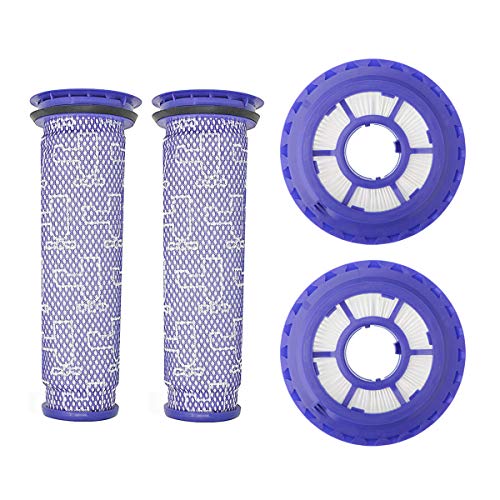
- VC Score9.2
BCP Score is a ranking system developed by bestcleanerproducts.com. BCP Score has no relationship or impact from any manufacturers or sales agent websites. Learn more
- BrandLemige
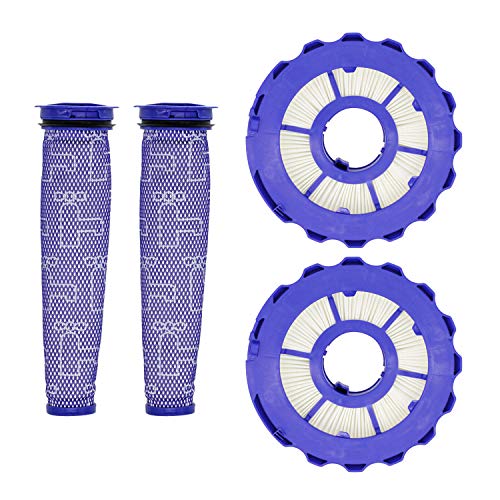
- VC Score9.2
BCP Score is a ranking system developed by bestcleanerproducts.com. BCP Score has no relationship or impact from any manufacturers or sales agent websites. Learn more
- BrandLemige

- VC Score9.2
BCP Score is a ranking system developed by bestcleanerproducts.com. BCP Score has no relationship or impact from any manufacturers or sales agent websites. Learn more
- BrandJiusenhui

- VC Score9.0
BCP Score is a ranking system developed by bestcleanerproducts.com. BCP Score has no relationship or impact from any manufacturers or sales agent websites. Learn more
- BrandLeadaybetter

- VC Score8.8
BCP Score is a ranking system developed by bestcleanerproducts.com. BCP Score has no relationship or impact from any manufacturers or sales agent websites. Learn more
- BrandEnviroCare

- VC Score7.4
BCP Score is a ranking system developed by bestcleanerproducts.com. BCP Score has no relationship or impact from any manufacturers or sales agent websites. Learn more
- BrandVEVA
Last update on 2026-05-01 / Affiliate links / Images, Product Titles, and Product Highlights from Amazon Product Advertising API
How to Clean the Filter on a Dyson Vacuum Cleaner
Vacuuming your home is easy, but how often do you check if your Dyson vacuum cleaner is performing at its best? Many owners struggle with low suction or a dusty environment, not realizing that cleaning the filter is often the solution to restoring full functionality. The filter plays a key role in maintaining airflow and suction power, and cleaning it regularly is crucial. If you’ve been dealing with reduced cleaning power or inefficient suction, it might be time to clean the filter on your Dyson vacuum cleaner. Let’s dive into why this maintenance step matters and how you can perform it easily in just a few steps.
Why Clean Your Dyson Vacuum Filter?
When you use your Dyson vacuum cleaner regularly, dust and debris get trapped in the filter. Over time, this buildup can block airflow, which is a major reason your vacuum might start to lose suction. Without proper airflow, your vacuum can’t reach its optimal performance, which leads to more time spent cleaning. In fact, studies show that regular maintenance, including cleaning filters, can extend the lifespan of your vacuum and improve its efficiency. If you’ve noticed that your Dyson vacuum cleaner seems to be less powerful than usual, cleaning the filter could be the simple fix you need.
On top of performance, maintaining the cleanliness of your Dyson filter also ensures the air quality in your home remains unaffected. A clogged filter can reduce your vacuum’s ability to trap fine particles, meaning that dust and allergens might escape back into the air. So, cleaning your filter isn’t just about your vacuum’s performance it’s also about creating a healthier living space.
Incorporating regular filter cleaning into your routine can save you the hassle of constant repairs or replacements. It’s an easy, cost-effective way to maintain the performance of your Dyson vacuum cleaner. If you haven’t cleaned your vacuum’s filter in a while, you might be surprised by how much better it works after just a few minutes of maintenance.
Pro Tip: Always make sure your Dyson vacuum is turned off and unplugged before you start cleaning the filter. Safety first!
How to Clean the Filter on a Dyson Vacuum Cleaner
Cleaning the filter on your Dyson vacuum cleaner is simple, but it’s essential to follow the right steps to ensure you don’t damage it. First, remove the filter from your vacuum. Depending on the model, this may require twisting or pulling the filter from its compartment. Don’t rush this process take your time to avoid breaking or bending any parts.
Once removed, it’s time to rinse the filter under cold water. Never use any cleaning agents, soap, or detergent as they could damage the material of the filter. Instead, let the water flow through the filter until it runs clear. Gently tap the filter to help dislodge any trapped debris. Avoid using force or scrubbing, as this could damage the filter or reduce its effectiveness.
After you’ve thoroughly rinsed the filter, allow it to air dry completely before reinserting it back into your vacuum. Depending on the humidity and temperature of your environment, this could take anywhere from 24 to 48 hours. It’s critical to let the filter dry naturally. Avoid using heat sources like radiators or direct sunlight, as this could cause the filter material to warp.
Important: Never attempt to vacuum without the filter in place. A Dyson vacuum cannot function properly without its filter, and running it without one could damage the motor.
How Often Should You Clean Your Dyson Vacuum Filter?
The frequency at which you need to clean your Dyson filter depends on how often you use your vacuum and the types of surfaces you clean. If you have pets or live in a dusty environment, your filter may need cleaning more frequently. Dyson recommends cleaning the filter at least once every 1–3 months. However, if you notice a decrease in suction power or if the filter looks visibly dirty, it’s a good idea to clean it sooner.
For homes with heavy foot traffic or pet hair, cleaning the filter once a month may be necessary to maintain top suction power. For more occasional use, every 2–3 months should be sufficient. In some cases, you may even notice the vacuum struggling more if the filter is clogged, signaling it’s time for a clean.
Regular cleaning will help to avoid unnecessary wear and tear on your Dyson vacuum cleaner, which can ultimately extend its lifespan. So, while it may feel like an extra task, it’s a small investment in your vacuum’s future performance.
If you notice that your vacuum still has reduced suction after cleaning the filter, it might be a sign that other parts of your vacuum need attention. In this case, check the hose and brush bar for blockages or debris, as these can also impact suction.
Common Mistakes to Avoid When Cleaning the Filter
While cleaning the filter is simple, some common mistakes can lead to issues or even damage your vacuum. One mistake is attempting to clean the filter with soap or detergent. These cleaning agents can leave residues that damage the filter or block its pores. Stick to cold water for cleaning this is enough to remove most debris.
Another mistake is not allowing the filter to dry completely before reinserting it. It’s tempting to rush and start vacuuming again, but a wet filter can cause mold or mildew buildup, which affects air quality. Always give the filter ample time to dry.
Lastly, some people try to scrub the filter too aggressively. This can tear or distort the filter material, rendering it less effective. Instead, tap it gently to remove any excess debris.
Benefits of Keeping Your Dyson Filter Clean
Regularly cleaning your Dyson vacuum filter ensures optimal suction power, making it easier to clean your floors and reduce the time spent on chores. A clean filter also helps maintain the air quality in your home by trapping dust and allergens, preventing them from circulating in the air. This is especially important for people with allergies or respiratory issues.
Additionally, keeping the filter clean helps prolong the life of your Dyson vacuum cleaner. By preventing the motor from overworking, you can reduce the risk of costly repairs or replacements. It’s a simple yet effective way to keep your vacuum running like new.
Prolonged suction performance is another key benefit. A clean filter means your vacuum can continue picking up dirt, dust, and debris effectively, reducing the need for frequent re-cleaning or using other appliances. This gives you peace of mind, knowing your vacuum is doing its job well.
Overall, maintaining your Dyson vacuum filter is a small investment that leads to better performance, healthier air, and a longer-lasting vacuum. If you haven’t cleaned your filter in a while, now is the perfect time to do so and experience the difference it makes.
What to Do if the Filter Is Still Clogged After Cleaning
Sometimes, even after cleaning the filter, you might still notice poor suction. This could be because the filter is too clogged to be effectively cleaned with water. If this is the case, Dyson recommends replacing the filter. Fortunately, replacement filters are easy to find online and in stores. Make sure you choose the correct filter for your specific Dyson model to ensure proper fit and performance.
If you have already cleaned the filter and are still experiencing suction issues, make sure the rest of the vacuum is in good condition. Check the brush bar for tangled hair or debris, and make sure the hose isn’t blocked. If the problem persists, consider consulting a professional repair service for further troubleshooting.
Replacement filters are available for most Dyson models, and they are designed to restore your vacuum’s performance to like-new condition. If your vacuum has been running inefficiently for a while, a new filter might just be the solution you need to bring it back to full power.
Remember, keeping your Dyson vacuum cleaner filter clean doesn’t take much time but provides a significant boost in performance. Don’t overlook this simple step for maintaining your vacuum’s longevity and efficiency.
How to Maintain Your Dyson Vacuum for Long-Lasting Performance
Now that you’ve cleaned your Dyson vacuum’s filter, it’s time to look at the bigger picture. Regular maintenance is essential to keep your vacuum performing at its best, and this goes beyond just cleaning the filter. While filter maintenance is the most important aspect, a few other simple steps can make all the difference in your Dyson’s longevity. If you want to continue experiencing powerful suction and spotless floors, here’s a guide to maintaining the full health of your vacuum.
Check the Brush Bar for Debris and Hair
One of the main culprits for reduced suction in your Dyson vacuum is a clogged brush bar. Hair, threads, and dirt can easily become tangled around the brush bar, which hampers its ability to clean effectively. To check this, first, turn off the vacuum and detach the brush bar. Using scissors or a small knife, carefully cut away any debris wrapped around the bristles.
It’s not just about aesthetics. A clean brush bar allows the vacuum to perform its best by picking up more dirt and debris from the floor. Neglecting this simple task can lead to diminished suction power, as the vacuum struggles to grab the debris. If you’ve been wondering why your Dyson vacuum seems less efficient, this might be the main reason!
Make sure to check the brush bar at least once a month to ensure it’s free from any buildup. You’ll be amazed at how much better your vacuum works after this small but essential task. A clean brush bar equals improved cleaning performance guaranteed!
Pro Tip: If the brush bar is severely tangled, consider replacing it. Replacement parts are easy to find and fairly inexpensive, making it a great investment for keeping your Dyson in top shape.
Unclog the Vacuum Hose for Optimal Suction
Another critical area to check is the vacuum hose. Over time, the hose can get clogged with debris, dirt, or even pet hair, which restricts airflow and reduces suction. To keep your Dyson vacuum running efficiently, periodically inspect the hose for any blockages. To do this, detach the hose from the vacuum and use a flashlight to check for obstructions. If you spot anything blocking the path, use a broomstick or a similar long, flexible object to push it out.
Regularly clearing the vacuum hose will prevent the vacuum from overheating and ensure that the suction remains strong. This is particularly important if you’ve been vacuuming up larger debris or dealing with a lot of pet hair. Keep in mind that, if you let blockages persist, they can cause damage to your Dyson's motor and other internal components. So, prevention is key!
Important: If your Dyson vacuum hose has persistent blockages that won’t come out, it may be time to replace the hose. Luckily, Dyson offers a variety of replacement parts, which makes this process relatively simple.
Maintain Your Dyson’s Battery and Charging System
If you own a cordless Dyson vacuum, you’re likely concerned about how to maintain the battery for optimal performance. Over time, batteries lose their capacity, and you may find that your vacuum isn’t lasting as long as it used to. Fortunately, there are ways to extend the life of your battery and keep your vacuum running at full power.
First, ensure you’re not overcharging the battery. Once the vacuum is fully charged, unplug it from the charging dock to avoid potential damage to the battery. Similarly, avoid letting the battery run completely dry before charging it. Try to charge the battery when it’s around 20-30% capacity to maintain its longevity.
Another tip is to store your Dyson vacuum in a cool, dry place. Extreme temperatures can negatively impact the battery’s performance, so avoid leaving it in hot areas like a garage or direct sunlight. If you take care of the battery, your Dyson will continue to perform efficiently without the need for frequent recharges.
Clean and Maintain the Dyson Vacuum’s Exterior
While most of the focus is on the performance-related components like the filter and brush bar, keeping the vacuum’s exterior clean is equally important. Regularly wipe down the body of the vacuum with a damp cloth to remove dust and dirt. Don’t use harsh chemicals, as they can damage the plastic finish.
A clean exterior not only makes your vacuum look better but also prevents dust from entering the vacuum’s internal components. Ensure that the vacuum’s vents are clear of any buildup, as blocked vents can reduce airflow and affect performance. Don’t forget the charging dock! Give it a quick wipe to ensure the vacuum charges efficiently and stays in top working condition.
Note: Be sure to dry off any wet surfaces immediately to prevent water damage to the electrical components. Keeping the exterior clean helps maintain your Dyson’s functionality and appearance, and it only takes a few minutes!
best vacuum cleaner for carpet and floor can help maintain your Dyson’s cleaning efficiency by providing an extra layer of cleaning power for your home.
Replace Parts as Needed to Keep Your Dyson Running Smoothly
Even the best-maintained vacuum eventually needs replacement parts. If your vacuum’s performance is still lacking after following all the cleaning tips, it might be time to replace certain parts. Dyson vacuums are designed to last, but components like the filter, brush bar, or hose can wear out over time.
Luckily, Dyson offers a wide range of replacement parts that are easy to install and relatively affordable. Whether it’s a new brush bar, filter, or hose, replacing worn-out parts will ensure your vacuum continues to clean at its best. Don’t wait until your vacuum completely stops working proactively replace parts as needed to avoid major breakdowns.
Tip: Always use genuine Dyson parts when replacing components to ensure compatibility and maintain the vacuum’s performance. Generic parts might seem like a cheaper option, but they could compromise the vacuum’s effectiveness.
Maintain Your Dyson’s Overall Efficiency with Regular Checkups
Maintaining your Dyson vacuum cleaner goes beyond just cleaning the filter or checking for blockages. It’s important to schedule regular checkups for all its components. Set a reminder to inspect the filter, brush bar, hose, battery, and exterior every 1–3 months. This way, you’ll stay on top of any maintenance issues before they become major problems.
Regular checkups don’t have to be time-consuming, and they can make all the difference in keeping your vacuum working at its best. A few minutes of maintenance every few months will save you time, money, and frustration down the road. Plus, by maintaining your Dyson vacuum, you’re ensuring it continues to perform efficiently for years to come.
Don’t forget that maintaining your Dyson vacuum cleaner is an ongoing process. As long as you stay consistent with cleaning, inspections, and part replacements, your Dyson will continue to provide the powerful suction and efficient cleaning you rely on.


How to Refinish a Fiberglass Pool

How Do You Keep Raccoons Out of Your Pool?

How to Fix Cyanuric Acid in Your Pool

How to Shape a Pool Cue Tip to Stop Miscues

Best Far Infrared Sauna Sauna Heats: Top Picks of 2026

11 Best Far Infrared Sauna Carbon Fiber Heaters of 2026 For Balanced Full-Body Heat

11 Best Carbon Far Infrared Sauna of 2026 For Even Heat

10 Best Bluetooth Speaker For Sauna of 2026 For Heat and Steam


