
How to Clean Dyson Cordless Vacuum Filter for Better Performance

Dyson cordless vacuum filters are essential for maintaining top-notch suction power, but they can easily become clogged with dust and debris. Cleaning them regularly is key to extending the life of your vacuum and ensuring it works efficiently. In this guide, we'll walk you through the simple steps for cleaning your Dyson filter, keeping it running like new for longer. It's quick, easy, and necessary for optimal performance.
The process involves removing the filter from your vacuum, rinsing it gently with cold water, and letting it air dry completely before reinserting it. Don't worry, this isn't a complicated task just a few minutes of effort can make a world of difference in maintaining suction power. Once your filter is clean, your Dyson will work better than ever, removing dirt and dust with ease.
Don't neglect your Dyson cordless vacuum filter cleaning it is an important step in vacuum maintenance. Regularly cleaning the filter will ensure your machine runs as efficiently as possible and will help you avoid costly repairs down the line. This easy routine can extend the lifespan of your device, saving you money and keeping your home spotless.

- VC Score9.4
BCP Score is a ranking system developed by bestcleanerproducts.com. BCP Score has no relationship or impact from any manufacturers or sales agent websites. Learn more
- BrandHechuang

- VC Score9.4
BCP Score is a ranking system developed by bestcleanerproducts.com. BCP Score has no relationship or impact from any manufacturers or sales agent websites. Learn more
- Brandkeluke

- VC Score9.4
BCP Score is a ranking system developed by bestcleanerproducts.com. BCP Score has no relationship or impact from any manufacturers or sales agent websites. Learn more
- BrandInnovaty
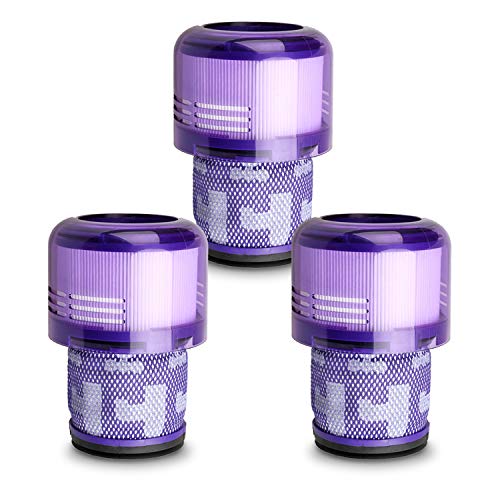
- VC Score9.2
BCP Score is a ranking system developed by bestcleanerproducts.com. BCP Score has no relationship or impact from any manufacturers or sales agent websites. Learn more
- BrandLemige

- VC Score9.2
BCP Score is a ranking system developed by bestcleanerproducts.com. BCP Score has no relationship or impact from any manufacturers or sales agent websites. Learn more
- BrandAPPLIANCEMATES
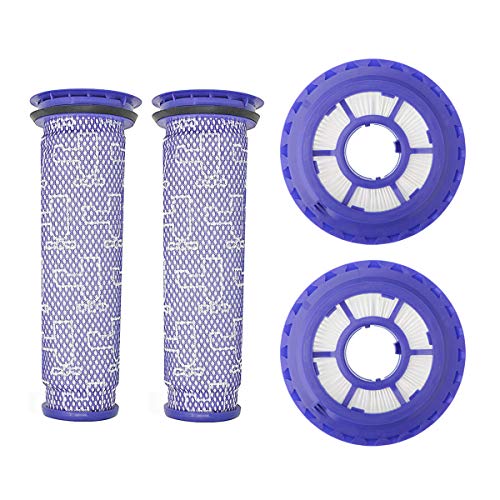
- VC Score9.2
BCP Score is a ranking system developed by bestcleanerproducts.com. BCP Score has no relationship or impact from any manufacturers or sales agent websites. Learn more
- BrandLemige

- VC Score9.0
BCP Score is a ranking system developed by bestcleanerproducts.com. BCP Score has no relationship or impact from any manufacturers or sales agent websites. Learn more
- BrandLhhTing

- VC Score8.8
BCP Score is a ranking system developed by bestcleanerproducts.com. BCP Score has no relationship or impact from any manufacturers or sales agent websites. Learn more
- BrandLeadaybetter

- VC Score8.8
BCP Score is a ranking system developed by bestcleanerproducts.com. BCP Score has no relationship or impact from any manufacturers or sales agent websites. Learn more
- BrandBluearks
Last update on 2026-05-10 / Affiliate links / Images, Product Titles, and Product Highlights from Amazon Product Advertising API
How to Clean Dyson Cordless Vacuum Filter for Better Performance
Vacuuming should never feel like a chore. But when your Dyson cordless vacuum loses its suction power, it can make cleaning feel like an uphill battle. One of the most common culprits? A clogged or dirty filter. You might not think about it often, but a clean Dyson cordless vacuum filter is a key factor in maintaining your vacuum's top-notch performance. When neglected, filters trap dirt, dust, and debris, which causes the vacuum to work less efficiently. So, how do you get it back to peak performance?
Cleaning your Dyson cordless vacuum filter is surprisingly easy, and it only takes a few minutes. When you notice a dip in suction power or an increase in noise, it’s time to take a closer look at the filter. Regular cleaning not only improves suction but also prevents the vacuum from overheating, extending its lifespan. So, let's dive into the quick and simple steps you can follow to clean your Dyson filter.
Why Cleaning Your Filter Matters
Many people don’t realize just how vital a clean filter is for their Dyson cordless vacuum’s efficiency. Over time, dirt and dust can build up, restricting airflow and reducing suction power. In fact, this can even cause the vacuum to overheat or work harder than it needs to. Keeping your filter clean ensures that your Dyson maintains its powerful suction and runs smoothly for longer.
Imagine this: you're trying to clean up a mess, but your vacuum’s sucking power is barely half of what it used to be. Frustrating, right? That’s because clogged filters trap dirt and debris, making your Dyson work overtime. By cleaning the filter regularly, you allow your vacuum to pick up more dirt with each pass, and you avoid unnecessary strain on the motor.
Cleaning your filter also helps avoid any long-term damage that could be caused by overheating. A dirty filter forces your Dyson to run hotter, which increases wear and tear. So, make it a point to clean the filter every month for optimal performance and longevity.
Plus, when you clean the filter, you're not just helping your vacuum; you're also helping the environment. Regular maintenance means fewer repairs or replacements, saving you money in the long run.
How Often Should You Clean Your Filter?
When it comes to cleaning your Dyson filter, timing is key. You don't want to wait too long to clean it, but you also don't need to do it after every use. Ideally, you should clean your Dyson filter once a month. Of course, if you're using it more frequently, especially in high-traffic areas or with pets, you might want to clean it more often.
Pay attention to any signs that your filter needs cleaning, such as decreased suction or increased noise. If your Dyson is struggling to pick up dirt or seems to be running hotter than usual, it's probably time to clean that filter.
Keeping a regular cleaning schedule is a great way to make sure your vacuum is always ready to tackle any mess. It’s a small effort that pays off in better performance and a longer lifespan for your Dyson.
Step-by-Step Guide to Clean Dyson Cordless Vacuum Filter
Now that you know why cleaning your Dyson filter is important, let’s go over the steps to clean it. Don't worry – this process is quick and straightforward.
1. Remove the Filter – Start by taking the filter out of the vacuum. Most Dyson models have a simple release button or latch that makes this step easy.
2. Rinse with Cold Water – Once you’ve removed the filter, rinse it under cold water. Avoid using any soap or detergents, as this can damage the filter. Just use your hands to gently shake out the dirt and debris.
3. Let It Dry Completely – After rinsing, shake off excess water and let the filter air dry for at least 24 hours. Never dry the filter with heat (like using a hairdryer or placing it in the sun) as this can cause damage to the material.
4. Reinstall the Filter – Once the filter is completely dry, carefully place it back into the vacuum. Make sure it’s securely in place before turning your Dyson back on.
Common Mistakes to Avoid
Even though cleaning your Dyson filter is straightforward, there are a few common mistakes that could harm your vacuum or make the process less effective. Let’s take a look at what to avoid when cleaning your filter.
One common mistake is not letting the filter dry completely before reinstalling it. If the filter is even slightly wet, it can cause mold or mildew to develop, leading to unpleasant odors and reduced performance. Always wait the full 24 hours for drying.
Another mistake is using soap or detergents when rinsing the filter. While it might seem like a good idea to clean it with soap, the chemicals can damage the filter’s delicate mesh. Stick to cold water for the best results.
Finally, avoid using heat to speed up the drying process. Heat can distort the filter’s shape and damage its materials. Be patient and let it air dry naturally for the best performance.
Benefits of Regularly Cleaning Your Dyson Filter
Maintaining a clean filter isn’t just about improving suction power it also has long-term benefits that help you get the most out of your Dyson cordless vacuum.
Improved Suction Power – The primary benefit of cleaning your filter is a noticeable boost in suction. A clogged filter restricts airflow, which means your vacuum will struggle to pick up dirt. When the filter is clean, your Dyson will work like it’s brand new, making cleaning faster and more efficient.
Longer Vacuum Life – Keeping your filter clean also helps extend the lifespan of your Dyson. A dirty filter causes the vacuum to overheat, which accelerates wear and tear on the motor. By cleaning the filter regularly, you reduce the risk of breakdowns and costly repairs.
Better Air Quality – Dyson vacuums have excellent filtration systems that trap dust and allergens. When the filter is clogged, it can’t effectively trap particles. Cleaning the filter ensures that your vacuum continues to purify the air while cleaning your home.
Cost Savings – Regular filter cleaning helps avoid expensive repairs or replacements down the line. By taking care of your vacuum, you save money while ensuring it works at its best.
What to Do If Cleaning the Filter Doesn’t Work
Sometimes, even after cleaning the filter, your Dyson may still not perform as expected. If this happens, there are a few other steps you can take to troubleshoot the problem.
First, check for blockages in the hose or brush bar. These can also restrict airflow and reduce suction power. If there’s a blockage, use a soft brush or a small tool to clear it out.
Next, inspect the vacuum for any signs of damage, such as a cracked filter or worn-out brush. If you find any, you may need to replace the damaged parts to restore your Dyson's performance.
Lastly, if you’ve cleaned the filter and checked for blockages, but your Dyson still isn’t working well, it might be time to contact customer support for further assistance.
Easy Steps to Clean Dyson Cordless Vacuum Filter for Maximum Suction
Maintaining the suction power of your Dyson cordless vacuum is vital for it to perform at its best. But while you’re cleaning your home, you may overlook one important factor keeping your vacuum filter clean. Many people don’t realize that a clogged filter can significantly reduce the vacuum’s efficiency. Not only does this affect suction power, but it can also strain the motor, leading to faster wear and tear. The good news? Cleaning your Dyson cordless vacuum filter is an easy process that doesn’t take much time, and it can significantly boost the vacuum's performance.
Now, if you've ever been frustrated by low suction and wondered what went wrong, you’re not alone. It’s likely that your filter is clogged with dust, dirt, and debris, preventing optimal airflow. A dirty filter compromises the powerful suction your Dyson is known for, and this can really slow down your cleaning routine. Fortunately, we’ve got a simple guide to help you clean the filter and restore its suction power, making your cleaning efforts more efficient and less time-consuming.
Why Your Dyson Filter Needs Regular Cleaning
The Dyson cordless vacuum filter is the heart of your vacuum’s filtration system. It traps dirt, dust, and allergens that would otherwise escape into the air. But over time, the filter becomes clogged with these particles, which reduces airflow. As a result, the vacuum has to work harder to pick up dirt, and you might notice that the suction power isn’t as strong as it used to be.
Cleaning your filter regularly ensures that your vacuum runs efficiently. With better airflow, the vacuum doesn’t overheat or strain its motor, which means it lasts longer. The process is simple and should be done at least once a month, depending on how often you use your vacuum. But if you’re using it frequently, or if you have pets, you may need to clean it more often.
In fact, a clean filter allows your Dyson to perform better in removing dirt, dust, and allergens from your home. This is especially crucial if anyone in your household suffers from allergies or asthma. A clogged filter can actually worsen air quality, which is why maintaining a clean filter is essential for both the vacuum’s efficiency and the air you breathe.
What Happens If You Don't Clean the Filter?
Ignoring the need to clean your Dyson cordless vacuum filter can lead to several issues. First and foremost, it compromises suction power. A clogged filter makes it harder for the vacuum to pick up dirt, which means you’ll need to go over the same spot multiple times. This leads to wasted time and energy, and ultimately, a less effective cleaning session.
Second, a dirty filter can cause the vacuum to overheat. Dyson vacuums are built to be powerful, but if the airflow is restricted, the motor works harder than it should. This could shorten the lifespan of your vacuum, leading to costly repairs or replacements.
Additionally, a clogged filter affects your vacuum’s filtration system. It won't be able to trap particles as efficiently, allowing dust, pet dander, and other allergens to circulate back into the air. This is especially concerning if you have children or individuals with respiratory issues at home.
Step-by-Step Instructions for Cleaning Your Dyson Filter
Now that we understand why cleaning the filter is so important, let’s walk through the step-by-step process to do it properly. It's not complicated, but there are a few things to keep in mind for the best results.
First, start by removing the filter from the vacuum. Most Dyson models have a simple release button or latch that makes removing the filter easy. Be gentle when detaching it to avoid damaging any components.
Next, rinse the filter under cold water. Do not use soap or detergent, as this can damage the filter material. Just rinse it thoroughly until the water runs clear. If the filter is extremely dirty, you can use your fingers or a soft brush to gently remove any excess dirt.
After rinsing, shake off any excess water and set the filter aside to air dry. Never use a hairdryer or any heat source to dry the filter, as this could warp it. Make sure the filter is completely dry this may take up to 24 hours. If it’s still damp, don’t put it back into the vacuum yet.
Once the filter is completely dry, reinstall it into the vacuum. Make sure it fits securely in place. Now your vacuum is ready to perform like new, with restored suction power and optimal filtration.
Signs You Need to Clean the Filter
There are a few telltale signs that indicate it’s time to clean your Dyson vacuum filter. The most obvious one is reduced suction power. If you notice that your vacuum isn't picking up dirt as effectively, it could be due to a clogged filter. Another sign is if your vacuum becomes louder than usual. This is because the motor has to work harder to maintain suction, and that could mean airflow is being restricted by a dirty filter.
In addition, if the vacuum seems to overheat quickly, it could be a result of a clogged filter causing the motor to work harder. Finally, if you notice an unusual smell or if your vacuum starts emitting dust into the air, it’s time to check the filter and clean it out. These are all signs that your Dyson needs attention to keep it working properly.
How to Extend the Life of Your Dyson Filter
Cleaning your filter is one of the best ways to extend the life of your Dyson cordless vacuum filter. But it’s not the only thing you can do. First, always store your vacuum in a clean, dry place. Avoid leaving it in humid areas, as moisture can affect the filter and other components. You should also regularly check the vacuum for any blockages in the hose or brush bar, as these can reduce suction power and put strain on the motor.
Additionally, if you find that the filter is becoming worn out or damaged, it may be time to replace it. Dyson recommends replacing filters every 6–12 months, depending on your model and how often you use it. Regular cleaning will help extend the lifespan of the filter, but eventually, even the best filters will need to be replaced to maintain optimal performance.
How to Troubleshoot Other Dyson Vacuum Issues
If cleaning your filter doesn’t restore suction, there may be other issues with your Dyson vacuum. Start by checking the hose and brush bar for blockages. A blockage in either of these areas can restrict airflow, leading to poor suction and decreased efficiency. To clear a blockage, simply detach the hose and use a long, flexible tool to push the obstruction out.
Another issue could be with the motor or battery. If your vacuum is running slower than usual or doesn’t seem to hold a charge, the motor or battery could be the problem. In this case, you may need to contact Dyson customer support for assistance. Replacing parts like the motor or battery can be more costly than simply cleaning the filter, but it’s necessary to keep your vacuum functioning properly.
Finally, if the suction is still weak after cleaning the filter and checking for blockages, it may be time to seek professional help. Dyson offers repair services that can diagnose and fix any major issues with your vacuum.


How to Refinish a Fiberglass Pool

How Do You Keep Raccoons Out of Your Pool?

How to Fix Cyanuric Acid in Your Pool

How to Shape a Pool Cue Tip to Stop Miscues

Best Far Infrared Sauna Sauna Heats: Top Picks of 2026

11 Best Far Infrared Sauna Carbon Fiber Heaters of 2026 For Balanced Full-Body Heat

11 Best Carbon Far Infrared Sauna of 2026 For Even Heat

10 Best Bluetooth Speaker For Sauna of 2026 For Heat and Steam


