
How to Clean an Iron and Unclog Steam Vents

A crisp morning shirt suddenly drags on the board, releasing a faint burning smell and leaving a brown smudge across clean fabric. The best fix is to wipe the cool bottom metal plate with a baking soda paste to lift scorched gunk, then flush the steam vents with diluted white vinegar to dissolve chalky mineral buildup.
The right approach depends on where the mess is hiding and what your iron is made of. Melted synthetic fibers stuck to the outside require gentle rubbing on a cold surface, while spitting brown water means hard water crust inside the tank needs clearing out. Nonstick plates also scratch much more easily than plain stainless steel, so soft tools are essential. Here is how to clean both parts safely without scratching the finish.
Check whether your problem is on the plate or inside the tank
Before you grab a cleaning rag, look closely at where the dirt is coming from. An iron usually acts up in one of two distinct ways, and each problem requires a completely different fix. Mixing up the two fixes can waste time or leave you with an even bigger mess on your clothes.
Surface grime lives on the outside of the tool. If your iron drags across the fabric, snags delicate garments, or leaves sticky brown streaks on your dress shirts, the issue is on the bottom metal plate. This happens when fabric sizing, laundry starch, or synthetic fibers melt and bake directly onto the smooth finish. You will see dark patches, gummy discoloration, or scorched fuzz right on the metal.
Internal scale lives hidden inside the water tank and the internal steam chambers. If your iron groans, spits chalky white dust over dark trousers, or dribbles rusty brown water from the vents, the culprit is hard water crust. Tap water contains dissolved minerals like calcium and magnesium. Every time the iron boils water into steam, those minerals stay behind, hardening into chalky white buildup that slowly blocks the vents and discolors standing water.
- Look for surface drag: If the metal grabs fabric or shows shiny scorched glue marks, clean the bottom metal plate.
- Look for vent spitting: If cloudy drops or white specks blast out when you press the steam button, flush the internal tank.
- Check both together: If your iron is both dragging and spitting, clean the bottom metal plate first, then flush the tank so loose mineral grit does not bake onto your freshly scrubbed base.
Lift burned fabric and sticky residue off the bottom metal plate
Scorched starch and melted synthetic threads will not come off with plain water. You need a mild, non-scratching paste that can break down baked-on grime without chewing into the smooth metal finish. Plain household baking soda is the safest tool for this job because its soft crystals dissolve grime without scratching.
- Unplug the iron and let it cool completely: Never apply homemade cleaning pastes to a hot base. Touching a hot iron causes severe burns, and heat will dry out your cleaning paste before it has time to work. Wait at least thirty minutes until the bottom metal plate feels cool to the touch.
- Mix a gentle baking soda paste: Stir two tablespoons of baking soda with one tablespoon of mineral-free bottled water in a small bowl. Adjust the mix until it matches the consistency of standard white toothpaste. If it runs off your spoon, stir in a pinch more baking soda.
- Coat the stained metal: Use your fingers or a soft silicone spatula to smear the paste directly over the burned patches. Avoid pushing huge globs into the steam holes. Give the paste five minutes of soak time, which lets the mild alkaline paste soften the crusty starch bonds.
- Wipe clean with a microfiber cloth: Take a damp microfiber cloth and wipe away the paste using gentle, circular motions. You will see the scorched brown residue transfer directly onto the cloth. For stubborn burn rings, rub gently with a non-scratch scouring pad made specifically for delicate cookware.
- Clear out blocked vents: Dip a standard cotton swab into clean water and spin it inside each steam hole to scoop out any stray baking soda paste. Wipe the entire surface with a dry towel to finish.
If you have melted polyester, synthetic nylon, or plastic crafting interfacing stuck to the metal, a hot salt glide can lift it quickly. Set an old brown paper grocery bag on your ironing board and sprinkle an even layer of two tablespoons of coarse table salt over the paper. Turn your iron to medium heat with the steam turned off completely. Once the iron warms up, glide the base across the salt in brisk circles for one minute. The warm salt crystals grip the softened plastic and pull it away from the metal without gouging the plate.
Flush out chalky white buildup and clear the steam holes
When minerals build up inside the steam chamber, steam cannot escape evenly. The iron begins to sputter, drop hot water droplets, and blow mineral dust all over clean laundry. A mild acidic flush dissolves this hard water crust so the steam passages open back up.
- Empty the water reservoir: Unplug the iron over a sink. Open the water fill door, turn the iron upside down, and shake out every drop of old, stale water sitting in the tank.
- Mix your flushing solution: Combine half a cup of plain white household vinegar with half a cup of mineral-free bottled water. White vinegar contains mild acetic acid, which breaks down calcium and chalky white buildup without eating away at internal plastic gaskets. Pour this mixture directly into the water reservoir until the tank is about half full.
- Heat the appliance upright: Set the iron upright on its heel rest on a flat, stable surface. Plug the cord in, switch the heat dial to its highest cotton or linen setting, and turn on the steam function. Let the iron sit upright for five minutes. The rising heat allows the acidic vinegar water to soak into the internal steam channels, softening the mineral scale lining the pipes.
- Purge the vents over a sink: Put on rubber household gloves to shield your hands from hot steam. Pick up the iron and hold it flat, base pointing down, over a stainless steel sink or an old folded bath towel. Press and hold the steam burst button repeatedly in three-second bursts. You will hear loud spitting and sputtering as the iron blasts out cloudy steam, dirty brown sediment, and chunks of chalky white buildup. Continue pumping the steam button until the reservoir is completely dry.
- Rinse with fresh water: Let the iron cool for ten minutes, then fill the reservoir with pure mineral-free bottled water. Plug the unit back in, heat it up, and pump the steam burst button over an old rag for another two minutes. This crucial rinse flushes out any remaining vinegar residue so your clean clothes do not smell sour later.
Avoid harsh scratch pads and chemical solvents that ruin the finish
When sticky gunk will not budge, it is tempting to grab a metal scraper or a stiff wire brush. Doing this will permanently ruin your iron. The bottom metal plate relies on an ultra-smooth surface, often treated with ceramic glazes or nonstick coatings, to slide across cotton and wool without friction.
Abrasive tools like steel wool, copper scrubbers, pocketknives, and razor blades cut microscopic grooves into the metal. These scratches cannot be buffed out. Once a base is scratched, it will snag delicate silk fibers, pull threads on expensive shirts, and collect burnt fabric starch twice as fast as before. Even metal paper clips pushed into steam vents can scrape away protective inner plating, causing raw metal underneath to rust quickly.
Chemical safety matters just as much as physical tools. Never spray oven cleaner, bathroom tub cleaners, or heavy degreasers onto your iron. These strong solvents can eat through internal silicone seals, melt temperature dials, and release hazardous fumes the next time the heating element warms up. In particular, keep chlorine bleach far away from your laundry appliances. Bleach reacts aggressively with internal brass, copper, and aluminum parts, causing rapid corrosion that ruins the internal boiler.
If you are working in a laundry room where oily stains or spilled maintenance fluids have dripped onto nearby rugs, use a dedicated formula like the ones in our guide on finding the best carpet cleaner for grease rather than using harsh solvent sprays on your pressing equipment.
Adopt simple daily habits to prevent mineral crust and drag
You can avoid deep cleaning your iron every month by adopting a few simple laundry habits. Most iron problems are caused by standing water left behind after ironing, or by using the wrong water source entirely.
- Empty the water tank after every use: Never store your iron with water left in the reservoir. When water sits inside a cooling iron for days, it leaves mineral rings behind and slowly corrodes internal heating screws. Unplug the iron when you are done, open the cap, and tip the leftover water into the sink.
- Switch to mineral-free bottled water: If your home has hard municipal tap water or well water, stop pouring it into your iron. Using mineral-free bottled water (often labeled as distilled water) completely prevents hard water crust from forming because there are zero dissolved minerals to leave behind.
- Wipe the base while slightly warm: Keep a clean, damp microfiber cloth near your ironing board. Right after you unplug the iron, wait until the plate is warm rather than scorching hot, then give the base a quick wipe. This removes melted fabric sizing and spray starch before they cool down and bake into hard crust.
- Spray starch onto the garment, not the metal: If you use aerosol spray starch or fabric sizing, mist the clothing lightly, wait ten seconds for the liquid to absorb into the fibers, and then press. Spraying starch directly under a hot iron causes instant scorching and sticky buildup.
- Store the unit upright on its heel: Always set the iron on its back heel rest inside your closet or cabinet. Storing it flat on a metal wire rack can scratch the bottom metal plate and traps residual moisture against the vents.
Pick up specialized iron cleaning sheets for fast heat-based touchups
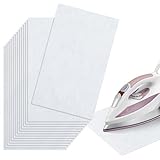
When you iron frequently, sew, or use fusible web for craft projects, keeping a pack of commercial iron cleaning sheets in your laundry cabinet saves considerable time. These specialized cleaners are fibrous sheets or cloths embedded with heat-activated cleaning agents that lift scorched residue in seconds without requiring liquid pastes or long soak times.
To use them, you plug your iron in and set it to the heat level specified on the product packaging, usually medium or high cotton heat. You lay the cleaning cloth flat across an old cotton towel on your ironing board and run the hot iron over the cloth in firm, sweeping strokes. The heat melts the cleaning compound, which binds directly to sticky synthetic residues, scorched sizing, and dark starch spots, transferring the grime off the plate and onto the disposable sheet.
Before purchasing cleaning cloths or sheets, verify two practical details on the package. First, confirm that the formula is safe for your specific base type, particularly if your iron features a delicate ceramic or nonstick coating. Second, check the odor and ventilation guidance. Some heat-activated sheets produce a noticeable wax or citrus scent during use, meaning you should work in a room with an open window or an exhaust fan running.

- VC Score8.6
BCP Score is a ranking system developed by bestcleanerproducts.com. BCP Score has no relationship or impact from any manufacturers or sales agent websites. Learn more
- BrandBo-Nash

- VC Score8.3
BCP Score is a ranking system developed by bestcleanerproducts.com. BCP Score has no relationship or impact from any manufacturers or sales agent websites. Learn more
- BrandN/A
- VC Score7.6
BCP Score is a ranking system developed by bestcleanerproducts.com. BCP Score has no relationship or impact from any manufacturers or sales agent websites. Learn more
- BrandBriwooody

- VC Score7.4
BCP Score is a ranking system developed by bestcleanerproducts.com. BCP Score has no relationship or impact from any manufacturers or sales agent websites. Learn more
- BrandBo-Nash
Last update on 2026-10-26 / Affiliate links / Images, Product Titles, and Product Highlights from Amazon Product Advertising API
FAQs
Can white vinegar damage the inside of my steam iron?
Pure, undiluted vinegar can soften delicate rubber seals and plastic tubing if left inside an iron for hours. However, diluting white vinegar with equal parts water and running it through a hot steam cycle is safe for most irons. Always follow a vinegar flush with a full tank of fresh, clean water to rinse out any lingering acidic residue before you iron clothing.
Why does my iron spit brown liquid onto clean clothes?
Brown spitting is caused by burned organic matter and rust inside the steam chamber. When tap water sits inside the iron, dissolved minerals combine with fabric dust sucked in through the vents, creating a rusty, muddy sludge. Flushing the internal tank with a mild vinegar solution and switching to mineral-free bottled water will clear this discoloration.
How do I unclog individual steam holes safely?
Use a wooden toothpick or a soft cotton swab dipped in white vinegar to clear individual steam holes. Never use metal paper clips, safety pins, or sewing needles. Metal picks scratch the protective coating inside the holes, which causes rust and leaves rough burrs that can snag your garments.
Can I use filtered drinking water in my iron instead of distilled water?
Standard refrigerator filters and pitcher filters remove chlorine and bad tastes, but they do not remove dissolved calcium and magnesium minerals. Running filtered drinking water through your iron will still cause hard water crust over time. For total protection against mineral clogs, always choose pure, mineral-free bottled water.


How to Refinish a Fiberglass Pool

How Do You Keep Raccoons Out of Your Pool?

How to Fix Cyanuric Acid in Your Pool

How to Shape a Pool Cue Tip to Stop Miscues

Best Far Infrared Sauna Sauna Heats: Top Picks of 2026

11 Best Far Infrared Sauna Carbon Fiber Heaters of 2026 For Balanced Full-Body Heat

11 Best Carbon Far Infrared Sauna of 2026 For Even Heat

10 Best Bluetooth Speaker For Sauna of 2026 For Heat and Steam


