
How to Clean a Vacuum Cleaner Head Without Damaging It

A vacuum head that spits out grit or smells like warm dust is nothing to panic over. Fixing it takes just a few minutes: unplug the machine, pop the roller brush out of the bottom housing, and slice away tangled hair using scissors. Wipe the airway clear with a damp cloth, and let any washed parts dry for 24 hours before snapping everything back together.
The exact process shifts slightly depending on how the floor tool is built. Heads with an internal electric motor must never touch running water, whereas unpowered plastic attachments can handle a rinse in the sink. Releasing the bottom cover plate also differs between models, using simple push buttons, coin-turn latches, or small screws. Here is how to open the casing safely, clear every clog, and get the roller spinning smoothly again.
Unplug the Vacuum and Prepare a Flat Work Surface
Working on a vacuum floor head while the machine is connected to power is unsafe. A motorized floor nozzle has electrical contact pins that supply power directly to an internal motor. If an accidental bump hits the power trigger while your fingers are near the spinning brush roller, the roller can twist and pinch your fingers against the hard plastic housing. Safety always comes before anything else.
Start by setting up your workspace with these quick steps:
- Unplug the cord from the wall outlet, or slide the rechargeable battery pack completely off your cordless stick vacuum.
- Press the quick-release button on the metal wand and pull the floor head free. Set the rest of the vacuum aside.
- Lay an old bath towel, flattened cardboard box, or plastic trash bag over a sturdy table or a flat patch of floor. This catches loose dirt and keeps hard floors from getting scratched.
- Gather a few basic household tools: a pair of small kitchen scissors or a sewing seam ripper, a flathead screwdriver or a thick coin, a damp microfiber rag, and a trash can.
Setting up your space first makes the job much smoother. Loose grit and trapped dust will fall out the second you open the casing, so having your trash can and towel ready keeps your living room clean.
Release the Roller Brush Without Snapping the Plastic Clips
Modern vacuum floor heads are held together with plastic latches that keep dirt out. If you pull or twist these pieces with brute force, the thin plastic tabs can snap off, leaving you with a wobbly bottom cover plate that will not stay shut. Taking an extra moment to spot the release mechanism saves you from buying an expensive replacement housing.
- Turn the floor nozzle upside down so the roller brush faces up toward the ceiling.
- Look closely at the ends of the housing and the bottom cover plate. Most cordless stick vacuums use a coin slot on the side end cap. Upright vacuums often use two or three sliding toggle locks, while older models rely on two small Phillips screws near the front edge.
- Turn coin-slot latches a quarter turn counter-clockwise using a coin or flat tool until you hear a soft pop. If your model has sliding tabs, push them toward the unlock symbol marked on the plastic. If you see screws, back them out with a screwdriver and place them in a small cup so they do not roll away.
- Lift off the bottom cover plate. If it catches, check for a small hinge tab at the back edge. Lift from the front and swing the plate back toward the wheels rather than yanking straight up.
- Grip the non-driven end of the roller brush. This is the side opposite the rubber band that spins the roller. Lift that end upward at a gentle angle.
- Slide the other end out from the rubber drive belt or the geared motor spindle. Place the roller brush down on your work towel.
Cut Away Tangled Strands Without Damaging the Bristles
Hair, carpet fibers, and sewing threads wrap tightly around the spinning brush roller as it turns. Over time, these fibers pull into tight rings that strangle the roller, putting heavy strain on the small drive motor. Cutting them away requires patience so you do not snip off the cleaning bristles or nick the rubber belt.
- Inspect the plastic cylinder to find the long recessed guide groove. Most modern brush rollers have a channel running straight down the barrel beneath the bristle rows.
- Slide the blunt tip of your scissors or a small seam ripper directly into that groove, under the wrapped hair. The groove holds the blade steady and keeps the sharp edge away from the nylon bristles.
- Cut down the line in short, controlled snips. Do not force the scissors through huge bunches at once. Work along the track until the hair splits open like a jacket.
- Peel the loosened hair off the cylinder with your fingers and drop it straight into the trash can.
- Pull off the removable end caps on both sides of the roller brush. Long hair routinely sneaks past outer seals and wraps around the tiny metal bearing pins inside these caps.
- Pry any hair donuts off the metal axles using your fingertips or tweezers. If hair remains trapped around these bearings, the roller will drag, build up heat, and melt the surrounding plastic.
Clear Trapped Debris from the Swivel Neck and Side Wheels
A vacuum head can look clean on the outside while remaining completely choked on the inside. The most common bottleneck for suction loss is the swivel hose connection, which is the flexible joint where the floor nozzle pivots and connects to the extension pipe. Dense clumps of pet fur, small coins, dry leaves, and carpet fuzz often wedge themselves right into this sharp bend.
Flip the head over and look directly through the clear suction channel toward the neck. Shine a flashlight down the throat of the nozzle. If you see a gray blockage, do not push a sharp wire hanger down the opening, as metal wire can tear the flexible rubber bellows inside the pivot joint. Use your fingers or the smooth wooden handle of a spoon to gently dislodge the wad from the roller side and shake it loose.
Next, inspect the small caster wheels near the corners of the nozzle. These tiny front wheels have small metal axles that attract long hair. When hair binds the wheels, they stop rolling and begin dragging across floors, which can leave dull tracks or scratches on delicate hardwood. Slip the tip of a paperclip or fine tweezers behind the wheel hubs to pull out hair rings until every wheel spins freely with a light flick of your thumb.
Keep in mind that dry vacuum heads are meant strictly for dry dust and lint. If pet messes or sticky food spills have dried into the carpet, dry vacuuming alone can pack sticky grit into the nozzle throat. In those situations, running a carpet cleaner for deep stain removal is much safer for lifting stuck-on residue before you run your regular floor nozzle across the room.
Wipe the Casing Clean and Follow the Strict Drying Rule
Knowing what can touch water and what must stay dry is the single most important part of cleaning a vacuum floor head. Motorized floor nozzles contain electric motors, wiring harnesses, and sensitive circuit boards. Putting a motorized head under running water will ruin the motor and create a serious risk of electrical short circuits.
Follow these safe washing and wiping rules to protect your vacuum:
- Never submerge the motorized housing: Keep the main plastic shell, motor housing, and electrical pin plugs completely away from running sinks, buckets, and garden hoses.
- Wipe plastic channels with a damp cloth: Moisten a microfiber rag with warm water and a single drop of mild dish soap. Squeeze it until it is barely damp, then wipe away gray dust from the airway, clear viewing window, bumper strips, and bottom cover plate.
- Know your roller material: Fluffy microfiber rollers (soft rollers designed for hard floors) can usually be washed under cold running water. Massage the fleece gently with your fingers to rinse out packed-in dust until the rinse water runs clear.
- Keep bristle bars dry: Rollers made of hard plastic with stiff nylon bristles and metal internal bearings should not be soaked. Water seeps into the bearing cavities, washes out the factory grease, and causes internal rust that makes the roller squeak and seize. Simply wipe bristle bars down with a damp cloth.
- Follow the 24-hour drying rule: If you rinse a soft roller or wash a detachable plastic cover, let it air-dry for at least 24 full hours in a warm, dry room with good airflow. Stand soft rollers upright on an end so moisture drains out. Never snap a damp roller back into the housing, because dark, enclosed spaces breed mold and draw moisture into the motor during operation.
If you regularly handle heavy pet stains or damp household spills, remember that standard vacuum cleaner heads cannot tolerate water intake. In those cases, keeping a dedicated carpet cleaner for tough stains and odors on hand handles wet cleanups safely without putting your dry vacuum at risk of motor burnout.
Reinstall the Roller and Spin It by Hand Before Powering On
Once every part is completely clean and dry, putting the head back together correctly ensures that internal gears line up and the motor does not strain under tension. Rushing this step can chew up the rubber belt or strip the plastic teeth on the drive cog.
Follow this checklist to assemble and verify the head:
- Fit the drive end of the roller into place first. Slip the rubber belt over the geared pulley, or align the drive cog with the motor hub inside the housing.
- Seat the opposite end cap into its curved cradle. Make sure the cap sits completely flush with the outer frame without tilting.
- Turn the roller brush by hand three or four full rotations. It should spin smoothly and quietly without rubbing against the plastic casing. If you feel sudden resistance or hear scraping, pull the roller out and check that the end caps are seated properly in their grooves.
- Angle the front tabs of the bottom cover plate into the front edge of the nozzle frame.
- Lower the plate flat and engage the locking latches. Turn coin locks back a quarter turn until they click into their locked positions, or tighten screws until they are snug. Do not over-tighten screws into soft plastic housings.
- Connect the floor nozzle back onto your extension wand or handheld vacuum body, listening for the solid snap of the locking collar.
Check Fit and Connections When Choosing Replacement Parts
Sometimes a deep clean cannot fix a floor head that has reached the end of its working life. If you notice that the nylon bristles are ground down to short nubs, the end caps have melted from hair friction, or the internal motor groans loudly even after cleaning, replacing worn components is your best route forward. Small cleaning tools, replacement brush rollers, or brand-new floor heads can restore strong cleaning performance.
Before purchasing replacement parts or specialized cleaning tools, verify these details:
- Exact model number match: Check the sticker on the back of your vacuum body or battery pack. Floor heads often look identical on the outside, but latch widths, electrical connection pins, and internal voltages change between different model generations.
- Floor surface type: Match the roller style to your home. Stiff nylon bristle bars are built to agitate dirt out of thick carpets, while plush microfiber soft rollers are made to pick up fine dust from hardwood, tile, and laminate without scratching.
- Dedicated cleaning rakes: Small handheld hair-cutting tools with protected hook blades and bristle combs make weekly hair removal much faster and prevent hair from reaching the internal bearings.
- Electrical pin alignment: If you are buying a complete replacement floor nozzle, verify the plug type. Motorized heads rely on specific prong shapes and positions to pull power from the main handle.

- VC Score9.4
BCP Score is a ranking system developed by bestcleanerproducts.com. BCP Score has no relationship or impact from any manufacturers or sales agent websites. Learn more
- BrandDetetap

- VC Score9.0
BCP Score is a ranking system developed by bestcleanerproducts.com. BCP Score has no relationship or impact from any manufacturers or sales agent websites. Learn more
- BrandTweruna

- VC Score8.8
BCP Score is a ranking system developed by bestcleanerproducts.com. BCP Score has no relationship or impact from any manufacturers or sales agent websites. Learn more
- BrandHolikme
- VC Score8.6
BCP Score is a ranking system developed by bestcleanerproducts.com. BCP Score has no relationship or impact from any manufacturers or sales agent websites. Learn more
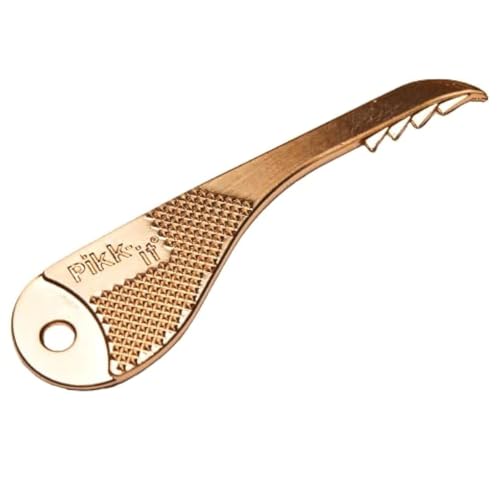
- BrandPikk-it

- VC Score8.6
BCP Score is a ranking system developed by bestcleanerproducts.com. BCP Score has no relationship or impact from any manufacturers or sales agent websites. Learn more
- BrandVataim

- VC Score8.6
BCP Score is a ranking system developed by bestcleanerproducts.com. BCP Score has no relationship or impact from any manufacturers or sales agent websites. Learn more
- BrandOTTWL

- VC Score8.6
BCP Score is a ranking system developed by bestcleanerproducts.com. BCP Score has no relationship or impact from any manufacturers or sales agent websites. Learn more
- BrandOTTWL

- VC Score8.6
BCP Score is a ranking system developed by bestcleanerproducts.com. BCP Score has no relationship or impact from any manufacturers or sales agent websites. Learn more
- BrandVacuyahu

- VC Score8.6
BCP Score is a ranking system developed by bestcleanerproducts.com. BCP Score has no relationship or impact from any manufacturers or sales agent websites. Learn more
- BrandDefurry

Quick-Release Motorhead Cleaner Compatible with Dyson V7,V8, Cyclone V10,V11,V15 Cordless
View on Amazon- VC Score8.4
BCP Score is a ranking system developed by bestcleanerproducts.com. BCP Score has no relationship or impact from any manufacturers or sales agent websites. Learn more
- Brandkeluke
Last update on 2026-10-01 / Affiliate links / Images, Product Titles, and Product Highlights from Amazon Product Advertising API
FAQs
Can I wash my vacuum cleaner head under running tap water?
No, you should never put a motorized vacuum cleaner head under running water or sink taps. These heads contain electric motors, wiring, and small circuit boards that will short out and fail if they get wet. Wipe down the plastic casing with a damp rag, and only wash removable soft rollers if your manual specifically allows it.
How do I cut off long hair wrapped around the roller without cutting the bristles?
Look along the plastic cylinder of your roller brush to find the recessed guide groove. Slide the blunt tip of small scissors or a seam ripper down this groove beneath the tangled hair, which holds the blades away from the nylon tufts. Cut in a straight line along the channel, then pull the sliced hair away in clean sections with your fingers.
What causes a vacuum floor head to smell like burning rubber?
A burning rubber smell usually means hair or thread is wrapped tightly around the end caps, jamming the roller brush. When the brush cannot turn freely, the rubber drive belt slips over the stationary motor spindle, creating intense friction heat that melts the rubber. Turn the machine off immediately, unplug it, and clear the hair before running it again.
How often should I take apart and clean the vacuum cleaner head?
Check the bottom of your vacuum head once a week if you have pets or long hair in the home. Clearing away a few loose strands every week takes only seconds and stops tight hair knots from forming. Giving the head a full breakdown, wiping the airway, and clearing the side wheels once every month keeps suction strong and prevents motor strain.


How to Refinish a Fiberglass Pool

How Do You Keep Raccoons Out of Your Pool?

How to Fix Cyanuric Acid in Your Pool

How to Shape a Pool Cue Tip to Stop Miscues

Best Far Infrared Sauna Sauna Heats: Top Picks of 2026

11 Best Far Infrared Sauna Carbon Fiber Heaters of 2026 For Balanced Full-Body Heat

11 Best Carbon Far Infrared Sauna of 2026 For Even Heat

10 Best Bluetooth Speaker For Sauna of 2026 For Heat and Steam


