
How to Clean a V7 Stick Vacuum to Restore Full Suction

The motor revs up, cuts out in short bursts, and leaves crumbs resting untouched on the carpet. Getting that lost airflow back requires you to rinse the two washable filters in cold water and clear hair and debris from the roller and airways. The most critical rule is letting those filters air-dry completely for at least twenty-four hours before putting them back, because any stray drop of moisture will ruin the electric motor.
What needs the most attention depends on whether the machine is pulsing from a hidden clog inside the neck, which floor head is attached, and how long the filters have gone without a rinse. Hard bristles need different care than a plush roller, and a choked pipe stops airflow even if the filters look spotless. Here is how to safely take apart and clean each piece without damaging any electronics.
Separate Washable Parts from Electrical Components Before You Start
Cordless vacuums rely on sensitive electronics, wiring pathways, and delicate motor parts to operate. Before you grab a bucket of water or take anything apart, unplug the machine from its wall charger. Take off the extension wand, the floor head, and any small nozzles so you have just the handheld unit in front of you.
Only three parts of your vacuum can ever safely meet water: the long pointed top filter, the round cap filter on the back, and the empty clear plastic dirt bin. Everything else must stay completely dry. Water inside an electric vacuum motor causes immediate electrical shorts, ruins internal bearings, and destroys the battery pack.
Keep these components away from water at all times:
- The main handle and motor body: This section houses the digital motor, the trigger switch, and the battery pack.
- The cone-shaped dust separator (cyclone): This is the plastic assembly with tiny funnels sitting above the dirt bin. Water easily gets trapped in the internal air channels and cannot dry out.
- The metal extension stick wand: Electrical wires run straight down the inside of the tube to power the floor roller.
- The motorized floor head: The cleaner head contains its own electric drive motor and electrical connection pins that will short out if submerged.
Wash Both Filters in Cold Water and Give Them 24 Hours to Dry
Your vacuum uses two separate filters to keep dust from blowing back into your living room. The first is the long pointed top filter (the pre-filter) that sits directly inside the center cone. The second is the round cap filter on the back of the motor (the post-filter). When fine dust cakes these filters, airflow drops and the motor works twice as hard.
Follow these steps to wash both filters safely without damaging the fabric fibers:
- Pull the long pointed top filter straight up out of the center cyclone assembly by its plastic rim. It lifts right out without any buttons or latches.
- Twist the round cap filter on the back of the motor counterclockwise a quarter turn. Pull it straight off the rear housing.
- Tap both filters gently over an open trash can. This knocks free loose crusts of pet dander, fine powder, and lint before you introduce water.
- Hold the long pointed top filter under a running cold water tap. Run cold water over the outside fabric and down into the open top hole. Squeeze the soft fabric gently with your fingers to work out trapped dirt. Never use hot water, dish soap, laundry detergent, or abrasive pads.
- Fill the round cap filter with cold tap water, place your hands over the open ends, and shake it gently. Dump the muddy water out into the sink. Repeat this rinse-and-shake process until the water pours through the filter completely clear.
- Gently squeeze and shake both filters over the sink to sling out as much excess moisture as possible. Dab the plastic rims with a dry cloth.
- Place both filters upright in a warm room with plenty of fresh moving air for at least 24 full hours. Make sure they are totally dry before putting them back into the machine.
Never rush the drying step. Do not place the filters in a clothes dryer, on top of a hot radiator, under a hair dryer, or near an open flame, because extreme heat will melt the plastic frames and shrink the filter media. Reinstalling a damp filter pulls water straight into the spinning motor fan, which causes electrical burnout and spreads a permanent sour mildew odor throughout your home.
Wipe the Clear Dirt Bin and Cyclone Without Using Running Water
Fine dust clings to the clear plastic dirt bin and coats the cone-shaped dust separator inside. Over time, static electricity builds up a thick film of powdery grime that makes the bin look cloudy and blocks the tiny air mesh holes. Cleaning this area restores easy dirt drop-out every time you pull the red release lever.
To clean the bin safely, pull the red release catch on top of the vacuum upward until the bottom flap swings open. Pull the red lever upward a second time with steady pressure until the entire cyclone assembly slides up and out of the clear bin. Near the base of the metal runner, look for a small red tab with an arrow. Press that tab in, and slide the clear bin completely free from the main handle.
Wipe the clear plastic bin with a soft, damp microfiber cloth. You can rinse the clear bin under cold tap water if it is extremely dirty, but you must remove the cyclone assembly first. If you rinse the plastic bin, wipe down every corner with a dry towel and let it sit out to dry completely, paying close attention to the rubber bottom seal and the hinge mechanism.
Never wash the cone-shaped dust separator (cyclone) under the sink. The cyclone relies on tiny internal funnels that create mini-tornados to separate dust from the air. If water enters those channels, it clings to the interior walls, mixes with fine dust, and forms a dense paste that chokes the vacuum. Use a dry cloth, a soft paintbrush, or a can of compressed air to dust the metal mesh shroud and dislodge dirt from the cones.
Unlock the Brush Roller End Cap to Slice Away Wrapped Hair
A spinning brush roller choked with hair cannot rotate at full speed. Long hair, thread, and pet fur wrap tightly around the core of the roller, which creates heavy friction and forces the cleaner head motor to shut down to prevent burning out. Regular cleaning keeps the roller spinning smoothly across both carpets and hard floors.
Follow these steps to clean the floor head roller:
- Disconnect the motorized floor head from the extension stick wand by pressing the colored quick-release button on the neck.
- Turn the floor head upside down on a flat surface so the base plate faces toward you.
- Locate the locking coin slot on the side or bottom of the housing. Insert a wide coin, like a quarter, into the groove and turn it counterclockwise a quarter turn until it clicks into the unlocked position.
- Slide the end cap off the side of the housing. Grasp the end of the spinning brush roller and pull it straight out of the cleaner head chamber.
- Take a pair of scissors or a small seam ripper and slide the blade along the groove running down the length of the roller. Cut through the wrapped strands of hair and thread lengthwise, then peel them away with your fingers. Never yank tangled hair with brute force, because you can tear the bristle tufts out of their plastic sockets.
- Pull off the removable end cap from the roller spindle. Strands of hair often twist behind this cap, wrapping around the metal bearing and jamming the mechanism. Wipe the metal pin clean with a dry cloth.
- Inspect the suction airway behind the roller inside the floor head casing. Pull out any clumps of carpet fibers, small stones, or pet fur wedged in the opening.
- Slide the clean brush roller back into the housing, align the end cap with the lock guides, and turn the coin slot a quarter turn clockwise until it snaps flush.
If your V7 came with a soft roller cleaner head for hard floors instead of a standard bristle roller, the large fluffy roller bar can be rinsed under cold running water. Do not use soap, squeeze the roller gently to shed dirty water, stand it upright on its end, and allow it to dry completely for at least 24 hours before locking it back into the floor head.
Clear Blockages in the Wand and Intake Flap to Stop Motor Pulsing
When a stick vacuum turns on and off in rapid, jerky bursts while you pull the trigger, the machine is pulsing. Pulsing is a built-in safety warning designed by the manufacturer. It tells you that airflow is choked somewhere between the floor nozzle and the motor exhaust. If the vacuum did not pulse and cut out, the motor would quickly overheat and burn up.
If your vacuum pulses even after cleaning both filters, look for a physical clog trapped in the suction path:
- Take off the floor head and the metal extension wand. Squeeze the trigger for two seconds. If the pulsing stops and the handheld unit runs smoothly, the blockage is inside the wand or the floor head. If it still pulses, the blockage is in the bin inlet or the filters are still dirty.
- Hold the metal extension wand up to your eye and look through the tube toward a bright light. Clumps of pet hair, broken toothpicks, or dried leaves often lodge in the center of the pipe. Push a long broom handle gently through the pipe to shove the clog out onto a sheet of newspaper.
- Check the suction inlet at the front of the vacuum body where the wand attaches. Look inside the plastic neck. There is a small rubber flap valve that swings inward when the motor starts. Hairpins, paper clips, or balls of lint frequently snag on this flap, holding it shut and starving the motor of air. Use your finger or a dull butter knife to clear away any stuck debris.
- Examine the neck joint of the floor head. Tilt the pivoting elbow back and forth while looking through the clear plastic tube. Dust clumps frequently pack tightly into the flexible accordion elbow where the head swivels.
If you have cleared every airway, washed the filters, verified they are bone dry, and the machine still cuts off abruptly under load, the issue may be an aging battery pack rather than a dirt clog. As lithium-ion cells age, they struggle to supply high current on max power mode. You can check how much a replacement battery costs to decide whether swapping the power pack makes sense for your machine.
Choose the Right Roller Cleaning Accessories to Speed Up Maintenance
Maintaining a stick vacuum goes much faster when you have dedicated cleaning tools on hand. Keeping hair from tangling around the roller requires frequent trimming, especially in homes with shedding pets or family members with long hair. A simple multi-purpose cleaning tool with a guarded blade and stiff nylon bristles makes peeling hair off the roller much safer than wrestling with bulky kitchen scissors.
When selecting accessories to assist your vacuum maintenance, look for tools featuring narrow profiles and recessed cutting edges. A recessed hook blade slips right under wrapped threads without slicing into the roller's delicate velvet strips or nylon bristle tufts. Stiff mini-brushes also help sweep away stubborn static dust from the cyclone mesh without scratching the plastic or requiring water.
Before purchasing any attachment or replacement tool, verify the connection fitting on your machine. Stick vacuum accessories use specific click-fit latch shapes that vary across different model series. Confirm that any tool you choose specifically lists compatibility with quick-release mechanisms so it latches firmly in place without leaking suction or rattling loose during use.
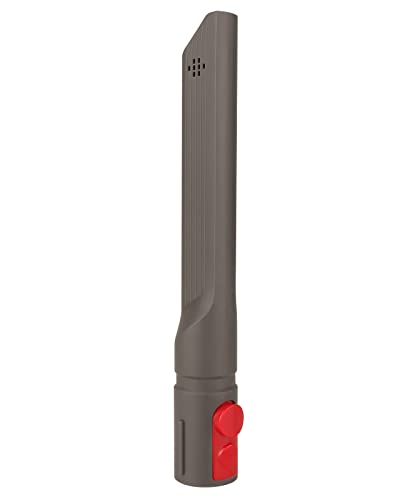
- VC Score9.4
BCP Score is a ranking system developed by bestcleanerproducts.com. BCP Score has no relationship or impact from any manufacturers or sales agent websites. Learn more
- BrandFullclean

- VC Score9.0
BCP Score is a ranking system developed by bestcleanerproducts.com. BCP Score has no relationship or impact from any manufacturers or sales agent websites. Learn more
- BrandSealegend

- VC Score9.0
BCP Score is a ranking system developed by bestcleanerproducts.com. BCP Score has no relationship or impact from any manufacturers or sales agent websites. Learn more
- BrandTweruna

- VC Score9.0
BCP Score is a ranking system developed by bestcleanerproducts.com. BCP Score has no relationship or impact from any manufacturers or sales agent websites. Learn more
- BrandYRUKOMU

- VC Score8.6
BCP Score is a ranking system developed by bestcleanerproducts.com. BCP Score has no relationship or impact from any manufacturers or sales agent websites. Learn more
- BrandDyson

- VC Score8.6
BCP Score is a ranking system developed by bestcleanerproducts.com. BCP Score has no relationship or impact from any manufacturers or sales agent websites. Learn more
- BrandVataim

- VC Score8.4
BCP Score is a ranking system developed by bestcleanerproducts.com. BCP Score has no relationship or impact from any manufacturers or sales agent websites. Learn more
- BrandDyson
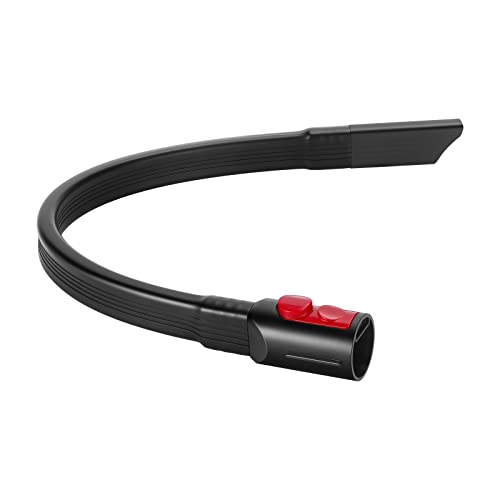
- VC Score8.4
BCP Score is a ranking system developed by bestcleanerproducts.com. BCP Score has no relationship or impact from any manufacturers or sales agent websites. Learn more
- BrandCabor

- VC Score8.4
BCP Score is a ranking system developed by bestcleanerproducts.com. BCP Score has no relationship or impact from any manufacturers or sales agent websites. Learn more
- BrandcaSino187
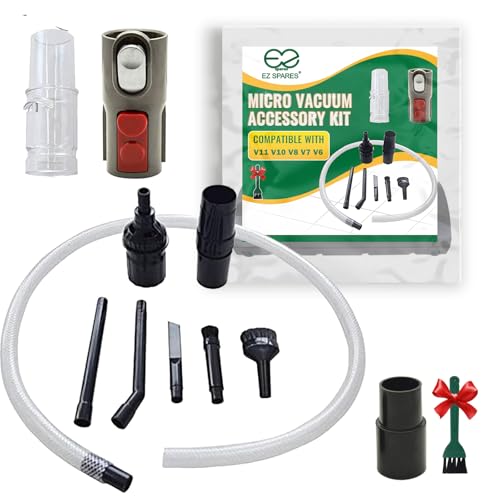
- VC Score7.2
BCP Score is a ranking system developed by bestcleanerproducts.com. BCP Score has no relationship or impact from any manufacturers or sales agent websites. Learn more
- BrandEZ SPARES
Last update on 2026-10-02 / Affiliate links / Images, Product Titles, and Product Highlights from Amazon Product Advertising API
FAQs
Why is my V7 stick vacuum pulsing on and off when I squeeze the trigger?
Pulsing is a built-in safety feature that activates when airflow through the machine is severely restricted. It usually means a clump of hair or debris is jammed inside the extension wand, floor head neck, or the rubber flap at the bin inlet. It can also happen when the washable filters are clogged with fine dust, triggering the motor to cut in and out to prevent dangerous overheating.
Can I wash the cone-shaped cyclone assembly under running tap water?
No, you should never wash the cyclone assembly under running water or submerge it in a sink. The cyclone contains dozens of narrow internal air passages that trap moisture, which takes weeks to evaporate. If you run the vacuum with water trapped inside the cyclone, that moisture mixes with incoming dust to create a thick sludge that permanently blocks the funnels and ruins the motor.
How often should I wash the filters on my stick vacuum?
Under normal household use, you should rinse both the top pre-filter and the rear post-filter at least once every month. If you have multiple shedding pets, vacuum fine drywall dust, or use the machine daily on thick carpets, rinse them every two to three weeks. Regular washing keeps the air passages clear, prevents motor pulsing, and maintains strong suction across all surfaces.
What happens if I reinstall the filters while they are still slightly damp?
Reinstalling damp filters allows moisture to be sucked directly into the high-speed electric motor housing, causing internal corrosion and electrical failure. The damp fabric also traps fine dust, rapidly growing smelly mold and mildew spores that blow back into your room air. Always let filters air-dry in a warm, ventilated spot for a minimum of 24 full hours until they are bone dry.
How do I know if my vacuum is losing suction because of a clog or a dying battery?
A clog or dirty filter almost always causes the vacuum motor to pulse on and off in rapid bursts before shutting down. A dying or degraded battery usually lets the motor run smoothly for a few seconds or minutes, then abruptly dies completely without any pulsing warning. If the machine runs fine on regular power but shuts off instantly when switched to max power mode, an aging battery is usually the cause.


How to Refinish a Fiberglass Pool

How Do You Keep Raccoons Out of Your Pool?

How to Fix Cyanuric Acid in Your Pool

How to Shape a Pool Cue Tip to Stop Miscues

Best Far Infrared Sauna Sauna Heats: Top Picks of 2026

11 Best Far Infrared Sauna Carbon Fiber Heaters of 2026 For Balanced Full-Body Heat

11 Best Carbon Far Infrared Sauna of 2026 For Even Heat

10 Best Bluetooth Speaker For Sauna of 2026 For Heat and Steam


