
How Do You Clean a V6 Cordless Vacuum to Restore Suction?

Most people assume cleaning a sputtering stick vacuum means rinsing the whole unit under the kitchen tap or scrubbing it with soapy sprays. Doing that will ruin the internal motor in seconds. Restoring strong airflow simply requires taking the unit apart, washing only the filters and clear bin in cold water, and making sure the motorized handle stays completely dry.
The exact routine changes slightly based on the parts in front of you. Certain models carry a second exhaust filter at the back of the handle, while others use just the long central drop-in filter. Clearing out stubborn clogs also depends on how tightly stray hair has wrapped around the spinning roller bearings inside the floor head. Giving every washed piece a full day of open airflow protects against damp motor damage and sour mildew odors. Here is how to clean and clear each piece safely.
The Short Version
- Strip down the attachments: Unplug the charger, disconnect the metal wand, and remove the floor nozzle so you are left with just the core handheld motor.
- Wash only the filters: Rinse both the center stick pre-filter and the rear exhaust filter under cold running water without any soap until the water runs clear.
- Keep the motor dry: Wipe the clear bin and the plastic cone section that spins out dust with a dry cloth or soft brush, but never let liquid touch the motor housing.
- Wait a full 24 hours: Allow every rinsed piece to air-dry completely in a warm, airy spot before snapping the vacuum back together to protect the electrical motor from water damage.
Pre-Cleaning Safety: Unplugging and Disconnecting
Cordless vacuums run on rechargeable battery packs that deliver power the instant you touch the power trigger. Working on a machine that can switch on by mistake is dangerous for your fingers and can strip the small drive gears inside the floor nozzle. Before you open a single latch or touch the spinning brush roller, take these preparatory safety steps:
- Unplug the power cord from the wall outlet and pull the vacuum off its charging dock.
- Set the handheld unit down on a steady, flat work surface such as a kitchen table or workbench.
- Press the red quick-release buttons to remove the long metal extension wand and any attached cleaning tools.
- Check that the power trigger moves freely and does not stick in the on position while you handle the machine.
- Clear a small tray or bowl nearby to hold any small screws or end caps so they do not roll onto the floor.
Emptying and Cleaning the Clear Bin and Cyclone Shroud
Fine dust collects inside the clear plastic bin, but it also coats the metal or plastic screen inside. This inner screen, along with the plastic cone section that spins out dust, separates heavy debris from microscopic particles. When these tiny holes clog with lint, the vacuum loses its suction power and strains the motor. Follow these steps to clean the bin assembly safely:
- Hold the handheld motor unit over a trash can. Push the red release catch down once to drop the bottom trapdoor and dump out the loose dirt.
- Push that same red lever down a second time while gently pulling the clear plastic bin downward. The bin will slide smoothly off the front metal guide runner.
- Take an old, dry toothbrush or a clean paintbrush and gently brush off the screen surrounding the plastic cone section that spins out dust. Tap the side of the housing with your knuckle to loosen fine powder trapped inside the miniature cone channels.
- Wipe the inside and outside surfaces of the clear bin using a dry microfiber cloth or a lightly damp paper towel. Avoid spraying water or household cleaning sprays directly into the bin.
- Inspect the small rubber seal around the bottom flap of the bin. Wipe away any grit stuck to this rubber ring so the base can seal tightly when closed.
- Set the bin aside in an open space. Never put the clear bin in a dishwasher, because hot water easily warps the thin plastic and ruins the airtight seal.
Washing the Filters Under Cold Running Water
Your cordless vacuum relies on washable filters to catch fine dust before the air passes through the motor and back into your room. Most configurations include a long, pointed center pre-filter dropped into the top of the cyclone unit, and many also feature a round rear exhaust filter twisted onto the back of the handle. Washing them regularly restores proper airflow and keeps the motor running cool.
- Grip the rim of the center pre-filter at the top of the machine and pull it straight up and out of the cone assembly.
- Check the back of the motor handle for the round rear exhaust filter. If your unit has this part, twist it counterclockwise a quarter turn and pull it away from the motor body.
- Take both filters to a sink. Run cold tap water directly into the open top of the center pre-filter, filling it up like a small cup.
- Place your hands over both ends of the filter and shake it gently to wash out trapped silt from the fabric pleats. Pour the dirty water out and repeat this step several times.
- Never use dish soap, laundry detergent, bleach, or warm water. Soap leaves a sticky film on the microfibers that attracts fresh dirt and clogs the pores faster.
- Rinse the rear exhaust filter by running cold water through the inside mesh while tapping the plastic rim gently against the edge of the sink basin. This loosens stubborn soot without tearing the pleated paper.
- Continue rinsing both pieces until the runoff water is completely clear and free of grey silt.
- Squeeze the center filter firmly between your palms to press out excess water. Shake both filters over the sink to fling off lingering droplets. Do not twist or wring the filters like a washcloth, as twisting will rip the glued seams.
Clearing Hair and Debris from the Floor Nozzle and Spinning Brush Roller
The floor nozzle does the hard work of pulling dirt from rugs and hard floors, which means it gathers tangled hair, string, and carpet threads. When hair wraps tightly around the spinning brush roller, it acts like a brake. This makes the motor work twice as hard, drains the battery quickly, and can even melt the plastic bearings on the roller ends.
- Turn the floor nozzle upside down so the base plate faces toward you.
- Look at the side or bottom corner of the head assembly to locate the locking dial. This is usually a wide plastic screw slot.
- Insert a flat coin, such as a quarter or a nickel, into the slot and twist it a quarter turn counterclockwise until it clicks into the unlocked position.
- Slide the end cap off and pull the spinning brush roller straight out of the floor nozzle housing.
- Take a pair of household scissors or a small seam ripper and cut along the shallow groove running down the length of the roller bar. Gently pull the severed strands of hair, carpet threads, and pet fur away from the bristles.
- Inspect the end caps and metal drive axles on both sides of the roller. Pull away any tight rings of hair wrapped around the metal pin, because hair wrapped here creates friction that ruins the roller bearings.
- Wipe the empty plastic housing of the floor nozzle with a dry rag. Check the suction passage tube, which is the narrow neck connecting the floor nozzle to the wand, and pull out any stuck clumps of pet hair or small pebbles.
- Slide the cleaned roller back into place, push the end cap on, and use your coin to turn the lock a quarter turn clockwise until it sits flush.
Air-Drying Parts Fully for at Least 24 Hours
The single biggest mistake people make when cleaning a cordless vacuum is putting damp parts back onto the machine. Cordless stick vacuums spin their motors at tens of thousands of revolutions per minute. If you pull the trigger while the filter is even slightly damp, the motor pulls that moisture directly into the high-speed electrical wiring, which can short out the circuit board immediately.
Even if the motor survives the initial shock, dampness inside the dark housing causes thick mildew to form. Once mold settles into the internal foam seals, the vacuum will blow a sour, musty smell into your home every time you use it. This mildew smell is almost impossible to remove once it takes hold.
Place your washed filters and wiped bin on a clean cloth or drying rack in a room with good air movement. Stand the center pre-filter upright on its wide base so gravity pulls moisture downward. Lay the rear filter on its side so air flows through both sides of the mesh pleats. Leave them alone for at least 24 full hours. In cool or humid weather, give them 48 hours to dry completely. Never place these parts inside a clothes dryer, on top of a hot radiator, or in an oven, and never point a hot hairdryer at them. Excessive heat will melt the plastic frames and shrink the synthetic filtration fibers.
Why Your Vacuum Pulses and How to Check for Hidden Clogs
If you reassemble your vacuum and it runs for a second, stops, revs up, and cuts out repeatedly, your machine is pulsing. This pulsing sound is an intentional safety feature. The vacuum senses that air cannot move freely through the system, so it pulses the motor to alert you to a blockage and prevent the motor from burning out. If your machine pulses, work through this quick troubleshooting checklist:
- Look through the wand: Unclip the long extension wand and look straight down the tube toward a bright light. Clumps of lint or small cardboard scraps often lodge in the center of the wand. Push a broom handle through the pipe to dislodge the plug.
- Check the inlet flap: Look inside the front opening of the clear bin where the wand connects. There is a small, flexible rubber flap that prevents dirt from falling back out. If a clump of dog hair is wedged under this flap, airflow drops and triggers the pulsing shutoff.
- Inspect the cyclone screen: Take off the clear bin and check the fine mesh holes around the plastic cone section that spins out dust. If fine plaster dust, talcum powder, or flour has caked over these holes, scrape the surface clean with a dry, stiff brush.
- Reseat the center filter: Push the center pre-filter down firmly into the top of the machine. If it is resting unevenly, outside air slips past the rubber seal, dropping internal pressure and tripping the airflow sensor.
- Confirm the filter is bone dry: A filter that feels dry on the outside may still hold water deep inside its thick center core. If the pores are filled with water droplets, air cannot pass through, and the vacuum will pulse immediately.
Handling Wet Messes Without Damaging the Motor
Cordless stick vacuums are designed solely for dry dirt, household dust, and loose crumbs. They have no internal baffles or moisture traps to isolate liquids. Sucking up wet pet messes, spilled drinks, or damp mud pulls dirty water straight through the cyclone cones and into the motor windings, turning dry dust inside the housing into thick sludge.
When you have wet pet accidents or deep ground-in liquid spills on your rugs, leave your cordless vacuum in the closet. Using a dedicated carpet extraction machine, like a carpet cleaner for tough stains and odors or a machine built for deep stain removal, allows you to wash and extract liquids safely without risking a short circuit or ruining your dry vacuum.
When to Replace Vacuum Head Parts and Filters
Regular maintenance keeps your cordless stick vacuum running smoothly for years, but mechanical parts and filter fabrics eventually wear out. Knowing what to replace helps you restore strong suction without guessing.
The spinning brush roller gradually loses its stiffness as the nylon bristles sweep over rough rugs and hard floors. When the bristles become soft, bent, or worn down, they can no longer agitate carpets or sweep fine dust into the suction path. Additionally, hair wrapped tightly around the end bearings can melt the plastic housing over time, resulting in loud grinding noises or a roller that stops spinning under load. If cleaning the roller and checking the airway does not restore strong pickup, replacing the entire floor nozzle or the inner roller bar will restore proper cleaning contact.
Filters also have a finite lifespan. Washing removes loose surface silt, but the finest particles of ash, drywall dust, and pollen slowly bake into the deep fibers. If your machine continues to pulse or lose suction even after a thorough wash and a full 24-hour drying period, the filter pores are likely blocked permanently. When shopping for replacement filters or a new floor nozzle, always verify the exact connection style of your vacuum model. Check the pin layout and latch shape on the neck of your machine to ensure a tight, airtight seal that prevents dust leaks.

- VC Score9.8
BCP Score is a ranking system developed by bestcleanerproducts.com. BCP Score has no relationship or impact from any manufacturers or sales agent websites. Learn more
- BrandPKWIST

- VC Score9.8
BCP Score is a ranking system developed by bestcleanerproducts.com. BCP Score has no relationship or impact from any manufacturers or sales agent websites. Learn more
- BrandKARDV

- VC Score9.6
BCP Score is a ranking system developed by bestcleanerproducts.com. BCP Score has no relationship or impact from any manufacturers or sales agent websites. Learn more
- BrandRENNBOES

- VC Score9.4
BCP Score is a ranking system developed by bestcleanerproducts.com. BCP Score has no relationship or impact from any manufacturers or sales agent websites. Learn more
- BrandUosogi
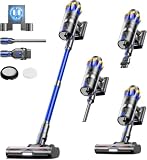
- VC Score9.2
BCP Score is a ranking system developed by bestcleanerproducts.com. BCP Score has no relationship or impact from any manufacturers or sales agent websites. Learn more
- BrandJELLYPIG
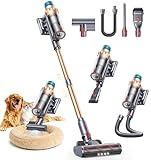
- VC Score9.0
BCP Score is a ranking system developed by bestcleanerproducts.com. BCP Score has no relationship or impact from any manufacturers or sales agent websites. Learn more
- BrandSMOTURE

- VC Score8.8
BCP Score is a ranking system developed by bestcleanerproducts.com. BCP Score has no relationship or impact from any manufacturers or sales agent websites. Learn more
- BrandKARDV

- VC Score8.4
BCP Score is a ranking system developed by bestcleanerproducts.com. BCP Score has no relationship or impact from any manufacturers or sales agent websites. Learn more
- BrandLevoit

- VC Score8.4
BCP Score is a ranking system developed by bestcleanerproducts.com. BCP Score has no relationship or impact from any manufacturers or sales agent websites. Learn more
- BrandcaSino187

- VC Score8.0
BCP Score is a ranking system developed by bestcleanerproducts.com. BCP Score has no relationship or impact from any manufacturers or sales agent websites. Learn more
- BrandCoodss
Last update on 2026-10-02 / Affiliate links / Images, Product Titles, and Product Highlights from Amazon Product Advertising API
FAQs
Can I wash the clear plastic bin with soap and water in the sink?
It is best to clean the clear bin by wiping it with a damp microfiber cloth rather than submerging it in a sink. The bin contains small metal catch springs, hinge pins, and rubber seals that can collect trapped water. If moisture lingers in these crevices when you clip the bin back onto the machine, the motor can pull that water inside and damage the internal electronics.
How often should I wash the filters on my cordless vacuum?
Under normal household use, you should wash both filters once a month using cold running water. If you have multiple shedding pets, vacuum high-traffic carpet every day, or clean up fine dust like flour or fireplace ash, wash them every two weeks. Washing them regularly keeps airflow high and stops fine dirt from settling deep into the motor housing.
Can I use a hairdryer to speed up the filter drying time?
Never use a hairdryer, radiator, or clothes dryer to speed up the drying process. The intense heat from these appliances will warp the plastic seating ring and shrink the delicate synthetic filter fibers. Once the shape of the filter warps, it will no longer form an airtight seal inside the machine, leading to suction loss and motor pulsing.
Why does my vacuum smell like dirty socks after I cleaned it?
A sour, musty odor almost always means the filters or bin were put back onto the vacuum before they were completely dry. Moisture trapped inside the dark, airtight motor housing allows mold and mildew to grow rapidly within the internal seals. To fix this, remove the filters, wash them thoroughly in cold water again, and let them dry in a sunny, well-ventilated room for a full 48 hours before reinstalling them.


How to Refinish a Fiberglass Pool

How Do You Keep Raccoons Out of Your Pool?

How to Fix Cyanuric Acid in Your Pool

How to Shape a Pool Cue Tip to Stop Miscues

Best Far Infrared Sauna Sauna Heats: Top Picks of 2026

11 Best Far Infrared Sauna Carbon Fiber Heaters of 2026 For Balanced Full-Body Heat

11 Best Carbon Far Infrared Sauna of 2026 For Even Heat

10 Best Bluetooth Speaker For Sauna of 2026 For Heat and Steam


