
How to Clean a V6 Animal Vacuum to Restore Full Suction

A sputtering motor or sudden loss of pickup is completely normal when pet hair builds up, and it does not mean the machine is broken. Getting full power back just takes rinsing the washable filters in cold water, wiping out the dust bin, and snipping tangled fur off the roller brush.
The exact steps depend on what your machine is doing. A motor that revs on and off usually signals choked airflow in the top filter or floor neck, while musty smells mean dander is stuck in the dust separator. Some versions carry just the center stick filter, while others include a second round filter at the back. Most importantly, keep water away from the motor body and commit to letting washed parts dry for at least 24 hours before snapping them back together. Here is how to strip down and refresh every section safely.
Disconnect the Battery Charger and Strip Down the Main Attachments
Before you wipe down or wash any part of your machine, unplug the charging cord from the wall and pull it out of the battery handle. Working on a plugged-in unit creates an unnecessary electrical hazard. It also makes it too easy to bump the sensitive trigger switch while your hands are inside the dirt chamber. Take a minute to clear a wide, flat work area on a kitchen table or counter so you have plenty of room to lay out parts as you take them apart.
Stripping down the vacuum into separate components lets you inspect each airway passage for hidden hair clogs. Follow this quick checklist to take the machine apart safely:
- Press the red quick-release button where the long metal wand connects to the main motor body, then pull the wand straight out.
- Press the release button at the bottom of the wand to disconnect the motorized cleaner head.
- Hold the handheld unit over a trash can and slide down the red bin-release catch once to drop open the bottom trapdoor.
- Slide that same red release catch down a second time while gently pulling the clear plastic dirt bin away from the central metal runner.
- Set the motor handle aside on your dry table, keeping it well away from any water or damp cleaning rags.
Separating the pieces this way gives you direct access to the suction channels. It also keeps the delicate electrical pins that feed power down the wand completely separate from any cleaning water.
Wash the Filters in Cold Tap Water and Let Them Dry Completely
Fine pet dander and powdery dust quickly pack into the fabric of your filters. This buildup restricts airflow and causes the motor to run hotter than normal. The V6 Animal uses two separate washable filters: a long, pointed center filter that drops into the cone-shaped dust separator, and a circular exhaust filter attached to the back of the motor dome. Both require regular washing to keep suction strong.
Never clean your filters with dish soap, laundry detergent, or hot water. Detergents leave behind a sticky residue that traps more dirt later, while hot water can warp the plastic housing and break down the internal filter glue. Follow these numbered steps to clean both filters properly:
- Pull the long, pointed center stick filter straight up out of the top of the machine by its rim.
- Twist the circular rear filter on the back of the motor counterclockwise about a quarter turn until the dots line up, then pull it free.
- Hold the pointed stick filter under a cold running tap, letting water run into the open top until the runoff through the sides is completely clear.
- Squeeze the fabric cone gently between your fingers to work out trapped pet oils, refill it with cold water, and shake it lightly before dumping the water out.
- Rinse the rear circular filter under cold water, running the stream through both sides while tapping it gently against the sink edge to dislodge deep grit.
- Shake both filters vigorously over the sink to remove as much standing water as possible.
- Set both filters upright in a warm room with steady airflow, leaving them to dry for at least 24 full hours.
Do not put damp filters back into your machine under any circumstances. Sucking air through damp filter media pulls moisture directly into the high-speed motor, which causes permanent electrical shorts, corrodes the internal bearings, and creates an unbearable sour odor.
Wipe Out the Clear Bin and Dust Separator Without Wetting the Motor
Fine pet fur carries a natural static charge that glues micro-dust to the inside walls of your clear bin and the exterior of the cone-shaped dust separator (cyclone). Over time, this thick layer of gray grime cuts down on usable bin capacity and starts to smell musty. While the clear plastic bin can handle a quick wipe with a damp cloth, the cone-shaped dust separator houses electrical connections that you must keep completely dry.
Take your removed clear bin over to the sink. Wipe the inside and outside surfaces using a soft microfiber cloth lightly moistened with cold water. If grease or pet muck has built up along the rubber seal at the bottom trapdoor, wipe it clean, but do not submerge the whole bin in a sink full of soapy water. Submerging the bin can trap water droplets inside the small release spring mechanism.
Cleaning the cone-shaped dust separator requires a strictly dry approach. Look closely at the small mesh shroud and the tiny cone holes. You will likely see packed rings of lint and pet dander choking the perforations. Take an old, dry toothbrush or a dry paintbrush and gently scrub around the metal mesh screen to knock the crust free. You can also use a short blast of compressed air from a can to blow trapped dust out through the bottom opening. Never run tap water over the cone-shaped dust separator. Two metal contact prongs sit right behind it to carry electric power down the wand to the floor head, and any moisture caught in those channels can destroy the electronics.
Unlock the Side Latch With a Coin to Clear the Roller Brush
Long pet hair, carpet fibers, and loose threads inevitably wind around the spinning roller brush inside the cleaner head. When enough hair wraps tightly around the cylinder, it acts like a brake, forcing the small internal drive motor to work harder, overheat, or stop spinning altogether. You can easily remove the entire roller assembly using an everyday coin.
- Turn the cleaner head upside down on your table so the bottom soleplate faces you.
- Locate the end cap (the round plastic side latch on the edge of the head) with a wide groove down the middle.
- Insert a quarter, a nickel, or a wide flat screwdriver into the slot and twist it counterclockwise a quarter turn until it clicks open.
- Pull the side latch straight out and slide the spinning roller brush out from the housing.
- Slide a pair of scissors or a stitch ripper down the built-in guide groove along the roller tube, cutting cleanly through tangled pet hair.
- Peel the sliced hair away by hand, making sure you do not cut or pull out the rows of stiff nylon bristles or soft carbon fiber filaments.
- Inspect the end bearing where the roller mounts to the head, pulling off any tight rings of hair wrapped around the drive cog.
- Slide the clean roller back into the housing, reinsert the side latch, and use your coin to twist it clockwise until it locks flush with the frame.
If your pet tracks in wet mud or leaves thick liquid messes across rugs, do not try to scrub them up with this motorized floor head. Stick vacuums are built purely for dry pickup. For wet or deeply set pet messes, using a carpet cleaner designed for deep stain removal is much safer for your equipment and extracts wet grime without fouling your vacuum roller.
Check the Airway Tubes and Wand Neck to Stop Motor Pulsing
A pulsing motor (the motor revving up and down repeatedly before cutting off) is a built-in safety alert, not a broken motor. When internal sensors detect that air cannot flow freely through the machine, the motor revs repeatedly to warn you that an airway is choked. If you have already washed the filters, the blockage is hiding somewhere inside the hard plastic tubes.
Grab a flashlight and check these critical choke points one by one:
- Look straight through the long metal wand like a telescope. Dense pet hair balls often get jammed in the center of the pipe after catching on a small piece of kibble or a wood splinter.
- Flex the clear swivel neck on the motorized cleaner head back and forth while looking inside. Hair often bridges across the flexible rubber accordion elbow.
- Inspect the small red rubber flap located inside the air inlet opening where the clear bin clicks onto the handheld body. This flap should swing open freely when you push it lightly with a finger.
- Check the short suction nozzle on the handheld unit itself to verify no clumps of hair are wedged between the inlet and the dust cone.
If you spot a dense plug of pet hair wedged inside the wand, push it out gently using a long, blunt household item such as a wooden broom handle. Avoid using metal wire coat hangers or sharp screwdrivers, which can easily gouge the plastic walls, pierce the internal rubber hose, or bend the internal electrical pins.
Inspect Every Piece for Moisture Before Snapping the Machine Together
Putting your vacuum back together is simple, but rushing the process before parts are fully dry is the fastest way to ruin your machine. Take a dry paper towel and press it firmly into the center of both the stick filter and the round exhaust filter. If the paper picks up even a tiny hint of moisture or cool dampness, leave the filters alone for another 12 hours. The thick pleated fibers hold water deep inside long after the outside surface feels dry to the touch.
Once every part is completely dry, align the clear bin on the front of the motor handle and slide it upward along its track until the red catch clicks firmly into position. Push the bottom trapdoor shut until the latch snaps closed. Reattach the long stick filter by pushing it straight down into the central cone opening until its top sits completely flush. Press the circular exhaust filter onto the rear dome and give it a firm clockwise twist until the alignment marks lock into place.
Snap the wand back into the handheld unit, then attach the motorized floor head to the opposite end. Pull the trigger for a quick two-second burst. Listen closely to the motor sound. A clean, unobstructed machine will deliver a crisp, steady whine without revving, pulsing, or coughing, and you should feel strong, continuous suction pulling through the floor nozzle immediately.
Pick a Dedicated Roller Cleaning Tool to Save Your Brush Bristles
Cutting tangled pet hair off a spinning roller brush using regular kitchen scissors can be frustrating and risky. Thick clumps of fur wrap tightly against the plastic core, leaving almost no gap for thick scissor tips. If your blade slips, you can easily nick the plastic spindle, shear off rows of stiff carpet bristles, or slice the soft carbon-fiber dusting filaments that pick up fine debris on hard floors.
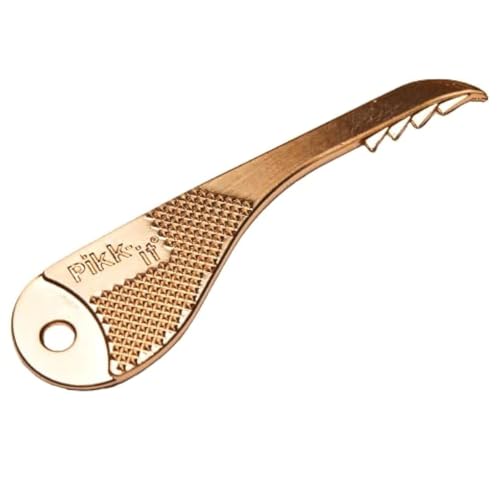
A specialized handheld cleaning tool makes this regular chore far faster and protects your cleaner head. Look for a compact handheld tool that combines a sharp, recessed cutting hook with a stiff-toothed comb. The recessed hook works like a seam ripper: you slide the slim, rounded tip smoothly beneath the wrapped hair bundle, and the protected blade slices through the strands without touching the surrounding bristles. The comb end then rakes through the roller fibers to pull out dead undercoat hair and stubborn lint in a single sweeping motion. Keeping an inexpensive tool like this stored right next to your charging dock ensures you can de-hair the brush roller every few weeks in under two minutes.

- VC Score9.0
BCP Score is a ranking system developed by bestcleanerproducts.com. BCP Score has no relationship or impact from any manufacturers or sales agent websites. Learn more
- BrandPetOde

- VC Score9.0
BCP Score is a ranking system developed by bestcleanerproducts.com. BCP Score has no relationship or impact from any manufacturers or sales agent websites. Learn more
- BrandWAONIQ

- VC Score9.0
BCP Score is a ranking system developed by bestcleanerproducts.com. BCP Score has no relationship or impact from any manufacturers or sales agent websites. Learn more
- BrandSealegend

- VC Score9.0
BCP Score is a ranking system developed by bestcleanerproducts.com. BCP Score has no relationship or impact from any manufacturers or sales agent websites. Learn more
- BrandTweruna

- VC Score8.8
BCP Score is a ranking system developed by bestcleanerproducts.com. BCP Score has no relationship or impact from any manufacturers or sales agent websites. Learn more
- BrandVACEXT

- VC Score8.8
BCP Score is a ranking system developed by bestcleanerproducts.com. BCP Score has no relationship or impact from any manufacturers or sales agent websites. Learn more
- BrandYurMemo
- VC Score8.6
BCP Score is a ranking system developed by bestcleanerproducts.com. BCP Score has no relationship or impact from any manufacturers or sales agent websites. Learn more
- BrandPikk-it

- VC Score8.4
BCP Score is a ranking system developed by bestcleanerproducts.com. BCP Score has no relationship or impact from any manufacturers or sales agent websites. Learn more
- BrandcaSino187
- VC Score8.4
BCP Score is a ranking system developed by bestcleanerproducts.com. BCP Score has no relationship or impact from any manufacturers or sales agent websites. Learn more
- BrandHicoolmam

- VC Score6.4
BCP Score is a ranking system developed by bestcleanerproducts.com. BCP Score has no relationship or impact from any manufacturers or sales agent websites. Learn more
- BrandLyrzzey
Last update on 2026-10-02 / Affiliate links / Images, Product Titles, and Product Highlights from Amazon Product Advertising API
FAQs
Why does my V6 vacuum pulse and turn off after cleaning the bin?
The vacuum motor revs up and down repeatedly because an airway is still choked or the center filter is caked with fine dust. Pulsing is an automatic safety feature designed to stop the motor from burning out when airflow drops. Pull out the pointed center filter, hold the unit up to a bright light to check through the wand, and inspect the flexible neck of the floor head for caught debris.
Can I wash the cone-shaped dust separator in the sink?
No, you should never submerge or rinse the cone-shaped dust separator with water. The central housing contains delicate electrical tracks that supply power directly to the motorized roller head. Instead, tap the assembly gently over a trash can and use a dry, soft-bristled brush or canned air to sweep loose dirt off the fine mesh shroud.
How often should pet owners wash the V6 filters?
Pet owners should rinse both the pre-motor stick filter and the post-motor exhaust filter at least once every month. If you have multiple heavy-shedding animals or vacuum up fine powdery debris like baking soda or cat litter dust, wash them every two to three weeks. Regular washing stops oily pet dander from permanently hardening inside the fabric weave.
What should I do if my vacuum smells like wet dog after cleaning?
A lingering sour or musty smell almost always means the filters were reinstalled before they were completely dry, or moisture got inside the dust bin. Remove both filters immediately and let them air out in a warm, dry room for a full day. If your carpets themselves hold deep pet oils and ground-in dirt, use a carpet cleaner for tough stains and odors to treat the room, preventing the vacuum from sucking that smell right back inside.


How to Refinish a Fiberglass Pool

How Do You Keep Raccoons Out of Your Pool?

How to Fix Cyanuric Acid in Your Pool

How to Shape a Pool Cue Tip to Stop Miscues

Best Far Infrared Sauna Sauna Heats: Top Picks of 2026

11 Best Far Infrared Sauna Carbon Fiber Heaters of 2026 For Balanced Full-Body Heat

11 Best Carbon Far Infrared Sauna of 2026 For Even Heat

10 Best Bluetooth Speaker For Sauna of 2026 For Heat and Steam


