
How to Clean a Dyson V11 Animal Vacuum Head Safely

Unclip the floor nozzle from the metal wand before touching anything else. Cutting the power keeps your fingers safe and lets you slide out the spinning roller by twisting the side cap with a coin. Once the bar is free, snip tangled pet hair along the groove and wipe the outer shell with a dry cloth. The main rule is to never rinse the motorized housing, as moisture will ruin the internal motor.
Your exact routine depends on how dirty the head really is. A dry tangle of hair only needs a quick trim and dusting, but sticky grime requires rinsing the roller and letting it air-dry for twenty-four hours. Fine dirt can also pack into the drive socket, making the roller stall even when it looks clear. Here is how to clean each piece safely so the floor head runs smoothly again.
Disconnect the Floor Nozzle and Unlock the Side Twist Cap First
Always remove power from the tool before starting. Press the red release button that joins the wand to the floor nozzle (the wide cleaning head that rolls across your floors). Pull the floor nozzle free and set the rest of the stick vacuum aside. Working on a connected head risks starting the motor by accident, which can pinch fingers.
Turn the floor nozzle upside down so the bristles face up. Lay the head on a table or clean floor. Look at the side of the outer plastic shell (the main casing of the cleaner head) to locate the round plastic plug known as the side twist cap.
This cap features a wide slot across its center. Use a quarter, nickel, or flat washer to fit inside this groove. Avoid narrow screwdrivers, since thin metal can gouge the soft plastic slot.
Insert the coin firmly into the slot. Twist the coin a quarter turn counter-clockwise, pointing toward the unlocked padlock icon stamped into the plastic shell. You will feel a soft click as the locking tabs disengage. Pull the side twist cap straight out from the outer plastic shell, then grasp the spinning roller (the motorized bar with bristles) and pull it outward through the side tunnel.
Slice Away Tangled Pet Hair Along the Roller Grooves
Human hair, pet fur, and carpet threads wrap tightly around the cylinder over time. As these fibers bundle together, they choke the spinning roller, causing the vacuum motor to overload or shut off to protect itself.
Place the spinning roller under good light. Look between the spiraling rows of stiff red nylon and soft black carbon fiber bristles. You will see a shallow guide groove running along the plastic core.
Take a pair of small, sharp sewing scissors or household utility shears. Slide the lower, blunter blade of the scissors into the guide channel directly underneath the tangled hair. Keep the scissors flat against the plastic groove and pointed away from your body.
Cut straight along the length of the channel in short, steady snips. Never slice blindly across the bristle clusters, because cutting through the bristles destroys their ability to agitate dirt out of carpet fibers. Once you have sliced the hair wrap open, use your fingers to peel the tangled mat away from the core and toss it into the trash.
Do not stop at the roller body. Pull the removable end cap off the tip of the roller. Pet fur routinely slips behind this cap, forming a tight ring around the central bearing shaft. Pull this hidden ring away with tweezers or your fingers so the roller spins freely.
Keep the Outer Plastic Shell Completely Away From Water
Running the whole cleaner head under a faucet will ruin it. The outer plastic shell houses an electric drive motor, internal wiring, and metal contact pins that carry battery current. Exposing these parts to water causes short circuits, internal rust, and permanent motor failure.
Use this simple rule when deciding what can be washed and what must remain dry:
- What must stay dry: The outer plastic shell, the clear suction airway neck, the electrical connection prongs, and the internal motor spindle socket. Wipe these plastic parts only with a completely dry microfiber cloth or a slightly damp paper towel that has been wrung dry.
- What you can rinse: Only the spinning roller itself, and only if it is covered in sticky residue, mud, or heavy grime that a dry cloth cannot wipe clean.
If the spinning roller only has dry dust and hair wrap, skip the water entirely. Simply wipe the plastic roller surface with a clean, dry rag.
If sticky grime requires washing the roller, carry only the detached roller to the sink. Hold the roller under cold running tap water. Never use warm water, hot water, dish soaps, laundry detergents, or harsh chemical cleaners, as these products can degrade the bristle glue and plastic casing. Gently stroke your fingers down the length of the bristles to sweep away stubborn debris, then squeeze out the excess water.
Let the Washed Roller Dry for a Full Day Before Reassembly
Installing a damp roller into the outer plastic shell is just as dangerous as spraying water into the housing directly. When the vacuum turns on, centrifugal force flings trapped water droplets off the spinning roller and directly into the motorized drive socket.
Follow these steps to make sure your vacuum parts are completely safe to put back together:
- Shake the spinning roller firmly over a sink or a dry towel to dislodge any water trapped inside its hollow central cavity.
- Stand the roller upright on its wide end on a flat, absorbent towel in an open, well-ventilated room.
- Allow the roller to air-dry naturally for at least 24 full hours. Never speed up drying by using a clothes dryer, an oven, a heat lamp, or a hot blow dryer, because hot air warps the plastic cylinder and ruins the alignment.
- Touch the bristle bases and the inside of the hollow tube after 24 hours. If anything feels cool or damp, leave the roller upright for another 12 hours until completely dry.
- Take the completely dry spinning roller and slide it back through the side opening of the outer plastic shell. Rotate the roller slightly until the internal notched socket slides over the motor drive gear.
- Line up the side twist cap with the outer shell. Insert your coin into the slot, push gently, and twist a quarter turn clockwise until it snaps flush against the locked padlock symbol.
Check the Internal Spindle and Neck Joint If the Roller Still Stalls
If your cleaned head still pulses, makes a grinding noise, or cuts out after a few seconds of vacuuming, dirt is likely trapped in a secondary location. A safety sensor cuts motor power whenever it detects high mechanical resistance.
Run through this short checklist to eliminate hidden blockages:
- The motor drive spindle: Shine a flashlight directly into the empty cavity of the outer plastic shell where the roller mounts. Check the geared spindle for stray strands of dental floss, thread, or pet fur wound tightly behind the gear wheel. Pluck these strands out with needle-nose pliers.
- The clear elbow neck: Swivel the neck joint of the floor nozzle up and down. Look through the clear plastic airway tunnel to make sure a clump of pet fur, a small toy, or a coin is not wedged in the throat, which restricts airflow and trips safety sensors.
- The electrical connection points: Look at the two small metal prongs on the connector neck where the nozzle clicks into the vacuum wand. If dust or carpet powder coats these pins, wipe them clean with a dry cotton swab to ensure a solid electrical connection.
Keep in mind that stick vacuums are designed solely for dry floor debris. If damp soil, spills, or mud caused pet hair to glue itself to the carpet backing, run a dedicated carpet cleaner for deep pet stains rather than forcing a dry vacuum to pull up damp, sticky debris. Wet grime will clog the head mechanisms rapidly.
Consider a Compatible Replacement Head When the Motor or Bristles Wear Out
Regular cleaning solves almost all common floor head issues, but physical parts eventually wear down over years of use. If your roller is clear of hair and spins freely by hand, yet the motor does not turn on when you squeeze the trigger, the internal drive motor may have burned out. Similarly, if the nylon bristles have worn down to nubs or the plastic gears inside the drive socket are stripped, cleaning will not restore your vacuum's carpet agitation.
When looking for a replacement vacuum head, you do not always need to buy an expensive original assembly. Many durable, compatible replacement heads fit standard cordless stick vacuums perfectly.
Before ordering a new head, confirm two important details:
- Attachment neck fit: Check that the replacement matches your specific vacuum series. For example, standard stick heads use a specific quick-release latch and connector pin layout that fits standard full-size stick handles, but will not connect to compact slim models or oversized specialty units.
- Floor type compatibility: High-torque bristled heads work best for lifting pet hair from carpets and rugs, while soft roller heads (often called fluffy heads) are specifically designed to sweep fine dust and large debris off delicate hardwood, tile, and laminate floors without scratching.

- VC Score8.6
BCP Score is a ranking system developed by bestcleanerproducts.com. BCP Score has no relationship or impact from any manufacturers or sales agent websites. Learn more
- BrandRULA

- VC Score8.6
BCP Score is a ranking system developed by bestcleanerproducts.com. BCP Score has no relationship or impact from any manufacturers or sales agent websites. Learn more
- BrandOTTWL

- VC Score8.6
BCP Score is a ranking system developed by bestcleanerproducts.com. BCP Score has no relationship or impact from any manufacturers or sales agent websites. Learn more
- BrandKlypticfit

Quick-Release Motorhead Cleaner Compatible with Dyson V7,V8, Cyclone V10,V11,V15 Cordless
View on Amazon- VC Score8.4
BCP Score is a ranking system developed by bestcleanerproducts.com. BCP Score has no relationship or impact from any manufacturers or sales agent websites. Learn more
- Brandkeluke

- VC Score8.4
BCP Score is a ranking system developed by bestcleanerproducts.com. BCP Score has no relationship or impact from any manufacturers or sales agent websites. Learn more
- BrandLemige

- VC Score8.4
BCP Score is a ranking system developed by bestcleanerproducts.com. BCP Score has no relationship or impact from any manufacturers or sales agent websites. Learn more
- BrandBissell
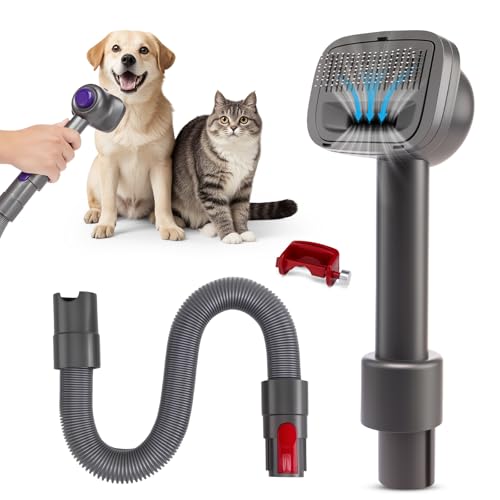
- VC Score7.8
BCP Score is a ranking system developed by bestcleanerproducts.com. BCP Score has no relationship or impact from any manufacturers or sales agent websites. Learn more
- BrandLBLVBNEWD

- VC Score6.4
BCP Score is a ranking system developed by bestcleanerproducts.com. BCP Score has no relationship or impact from any manufacturers or sales agent websites. Learn more
- BrandCHENGSEE
Last update on 2026-10-01 / Affiliate links / Images, Product Titles, and Product Highlights from Amazon Product Advertising API
Frequently Asked Questions
How often should you clean the floor nozzle on a V11 Animal?
Inspect the spinning roller once every two to four weeks if you have shedding pets or long hair in your household. If you notice the vacuum dragging heavily across rugs, leaving hair behind, or making a high-pitched buzzing sound, check the roller immediately. Performing a quick monthly cleaning stops hair from building up to the point where it strains the internal motor.
Can you use warm soapy water to clean the spinning roller?
Stick to cold running tap water without any soap or detergent. Soapy residues can linger in the thick bristles, attracting sticky dirt like a magnet once the vacuum is put back into service. In addition, warm or hot water can loosen the adhesives used to secure the bristle tufts inside the plastic roller tube.
Why does the spinning roller stop spinning on thick carpet?
The floor nozzle uses an automatic load sensor that measures resistance against the roller. Deep pile or plush shag carpets create intense friction against the bristles, causing the machine to cut motor power to prevent overheating. Slide the red suction slider switch on the front of the floor nozzle toward the minus sign to reduce surface suction, or raise the head height slightly to reduce resistance.
What should you do if water accidentally gets inside the outer plastic shell?
Disconnect the floor nozzle from the vacuum wand immediately and do not attempt to turn the vacuum on. Set the floor nozzle upside down in a warm, dry room with plenty of natural airflow, and leave it untouched for at least 48 to 72 hours. Attempting to power on a wet motor head will blow the internal electronics and ruin the tool permanently.


How to Refinish a Fiberglass Pool

How Do You Keep Raccoons Out of Your Pool?

How to Fix Cyanuric Acid in Your Pool

How to Shape a Pool Cue Tip to Stop Miscues

Best Far Infrared Sauna Sauna Heats: Top Picks of 2026

11 Best Far Infrared Sauna Carbon Fiber Heaters of 2026 For Balanced Full-Body Heat

11 Best Carbon Far Infrared Sauna of 2026 For Even Heat

10 Best Bluetooth Speaker For Sauna of 2026 For Heat and Steam








