
How to Clean a Max Vacuum to Restore Suction

A sour, dusty smell fills the room while the floor head starts sliding over pet hair instead of picking it up. Clearing that blockage comes down to unplugging the machine, rinsing the filters under cold water, and slicing tangled threads off the spinning roller brush. Emptying the dirt chamber right away gives the motor room to breathe and cools down the whole unit.
A few details change depending on the specific model. Bagless canisters rinse clean in the sink, while bagged systems require a fresh paper pouch. Washable foam filters take water easily, but delicate pleated paper inserts must stay completely dry and only need a light tap to knock the dust loose. Some roller covers snap off with simple release tabs, while others need a screwdriver to access the belt. Walking through each piece in order prevents motor damage and gets the machine running like new again.
Unplug your vacuum and set up a clean workspace
Safety comes first when working on any motorized appliance. An accidental bump against the power switch while your hands are near the spinning roller brush can cause severe cuts or pinched fingers. Unplugging the cord from the wall outlet completely eliminates any risk of electrical shock or sudden startup.
Cleaning a clogged vacuum releases loose dust, pet dander, and gritty dirt. Move the machine to an uncarpeted area like a garage, patio, or kitchen floor. If you must work indoors, lay an old bedsheet or a couple of towels across the floor to catch falling debris.
Gather these basic household items before starting:
- A dry microfiber cloth to wipe plastic parts.
- A Phillips screwdriver to remove the bottom cover plate screws.
- A pair of scissors or a seam ripper with a pointed tip.
- A long wooden broom handle to clear hose clogs.
- A trash can placed right next to your work area.
Empty the dirt cup or switch out the vacuum bag
Dirt containers choke off suction long before they overflow. In bagless models, air must spin rapidly inside the plastic dirt swirl chamber (the cyclone cone). When debris packs past the maximum fill line, that spinning air pattern stops. Heavy dust then crashes directly into your fine-particle filter, suffocating the motor.
Take the dust cup outside before opening it. Press the bottom release latch directly over your trash can so dust does not blow back into your living room. Tap the plastic canister gently with your hand to knock loose packed dirt cakes.
Look inside the cup at the plastic dirt swirl chamber in the center. Pull away any fine pet hair wrapped around the cone using your fingers or a dry cloth. You can rinse the bare plastic cup with warm water and mild dish soap, but keep any electronic contacts completely dry.
If your vacuum uses bags, check the bag fill level. Air must pass through the bag fabric to cool the motor. When a bag reaches two-thirds full, microscopic pores clog and suction drops sharply. Slide the cardboard collar out, discard the bag, and slide a fresh one firmly onto the intake tube.
Wash your foam filters in cold water and let them dry completely
Most vacuums use two filter stages. The pre-motor filter sits near the dirt cup to catch grit before it reaches the motor. The post-motor filter sits near the exhaust vent to trap fine dust before air blows back into your room.
Follow these steps to clean washable filters safely:
- Pull the filter assembly out of the vacuum. Separate the foam sponge from any thin felt pads. Check the plastic frame or manual to confirm the filter is washable.
- Hold the foam filter under running cold water. Hot water can shrink synthetic foam pores. Run water through the clean side first to flush dirt back out.
- Squeeze the sponge gently with your palms. Never wring or scrub the foam, because wet foam tears easily. Squeeze under running water until the runoff is clear.
- Shake out excess water and press the foam between dry towels to draw out moisture.
- Set the clean filters flat on a dry towel. Let them air-dry for at least 24 full hours.
Never install a damp filter. Fast airflow draws water droplets directly into the high-speed motor, causing electrical shorts and motor failure. Damp foam also breeds mold, making the vacuum smell foul.
If your machine uses a pleated paper fine-particle filter (often called a HEPA filter), do not wash it unless labeled washable. Tap the plastic rim gently against the inside of a trash can to knock loose dust without tearing the paper pleats.
Clear wrapped hair and string from the spinning roller brush
The floor nozzle does the heavy work on carpets, and the spinning roller brush (the rotating cylinder that sweeps carpet fibers) catches every stray strand of hair and string. When hair winds tightly around the brush ends, friction heats up the plastic housing and slows the motor down.
Follow these steps to clear the roller brush:
- Lay the vacuum flat so the bottom cover plate (the plastic plate guarding the base of the floor head) faces up.
- Remove the bottom cover plate by twisting the release latches or removing the Phillips screws.
- Lift the spinning roller brush out and slip the rubber drive belt off the roller pulley.
- Slide scissors or a seam ripper along the roller groove, cutting the bound hair in a straight line.
- Pull the severed hair clumps off the bristles by hand and discard them.
- Pull off the removable end caps on both sides of the roller. Clear out the pet fur wrapped around the metal bearings, then wipe the pins clean.
- Check the rubber drive belt for cracks, fraying, or slack. If it feels loose or damaged, install a fresh belt.
- Wipe out the floor head cavity with a dry cloth before putting the roller back in.
Check the hoses and lower air duct for hidden clogs
A vacuum can have clean filters and a clear brush, yet still fail to lift dirt if an unseen blockage jams the internal airway. Clogs usually form at the flexible swivel joint where the floor nozzle connects to the lower hose.
Disconnect the stretch hose from the vacuum body at both ends. Look through one end toward a light. If you cannot see light at the other end, an obstruction is stuck inside.
Drop a coin down the hose. If it stops midway, you have found the clog. Use a blunt wooden broom handle to push gently against the blockage and slide it out. Never use a wire coat hanger, because sharp wire ends can puncture vinyl hose walls and ruin your suction permanently.
Inspect the intake port on the floor head itself. Debris often wedges right behind the spinning roller brush where the opening narrows. Clear out trapped paper, clumps of pet fur, or small items using blunt tweezers or your fingers.
Wet messes cause the most stubborn airway plugs. Sucking up damp spills mixes fine dust into a paste that dries like cement inside the suction tube. If you have wet messes or muddy paw prints on carpet, use a dedicated carpet cleaner for deep pet stains rather than your dry upright vacuum. Dry vacuums cannot handle liquid. If your carpet still holds dark spots and pet odors after vacuuming, a compact carpet cleaner for tough stains and odors lifts that damp residue safely.
Inspect every gasket and seal before putting parts back together
A vacuum creates suction through an airtight seal. If any gasket is pinched, warped, or loose, outside air leaks in, instantly weakening the dirt-lifting pull at the floor nozzle.
Run through this quick verification checklist before plugging the vacuum back in:
- Feel every foam filter to confirm it is 100 percent dry with zero dampness inside.
- Check the rubber sealing rings around the dust cup and filter housing to make sure they sit flat in their grooves.
- Loop the drive belt over the motor shaft first, then over the roller pulley, seating the brush ends securely into their slots.
- Spin the brush roller several times by hand. It should turn freely without rubbing the plastic housing, and the motor shaft should turn with it.
- Snap the bottom cover plate back into place and tighten the screws until snug without over-tightening.
- Push the flexible hose firmly into the intake ports until the release tabs click locked.
Choose the right replacement heads and cleaning accessories
Keeping your vacuum running like new requires having the right replacement parts and upkeep tools ready. Over time, bristles on a spinning roller brush turn soft, bend outward, or wear down short. When bristles lose their stiffness, they can no longer reach down into carpet pile to sweep away embedded pet hair.
When choosing a replacement vacuum head, roller brush, or cleaning accessory, keep these practical points in mind:
First, verify the connection style and neck size of your vacuum. Some vacuum heads attach with standard friction wands measuring 1-1/4 inch or 1-1/2 inch in diameter. Other upright and canister models use custom clip latches or built-in electrical pins for motorized rollers. Check the model number on your machine rating label before buying replacement heads.
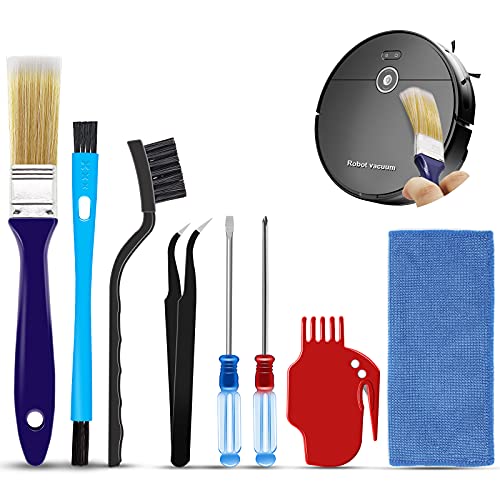
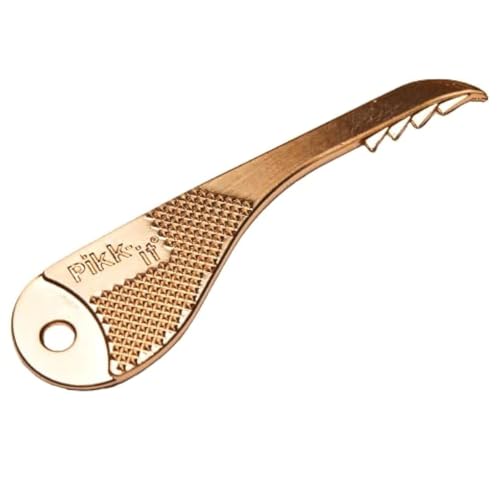
Second, pick up a dedicated brush-cleaning tool. These simple handheld tools have a shielded cutting blade that lets you slice tangled hair along the brush groove without cutting the nylon bristles.
Third, keep an extra set of matched foam filters and a spare drive belt at home. A spare filter set lets you use the vacuum right away while your washed set dries for the full 24 hours.

- VC Score10.0
BCP Score is a ranking system developed by bestcleanerproducts.com. BCP Score has no relationship or impact from any manufacturers or sales agent websites. Learn more
- BrandTTS Products

- VC Score9.6
BCP Score is a ranking system developed by bestcleanerproducts.com. BCP Score has no relationship or impact from any manufacturers or sales agent websites. Learn more
- BrandZefiro

- VC Score9.0
BCP Score is a ranking system developed by bestcleanerproducts.com. BCP Score has no relationship or impact from any manufacturers or sales agent websites. Learn more
- BrandPetOde

- VC Score9.0
BCP Score is a ranking system developed by bestcleanerproducts.com. BCP Score has no relationship or impact from any manufacturers or sales agent websites. Learn more
- BrandCleanMax
- VC Score9.0
BCP Score is a ranking system developed by bestcleanerproducts.com. BCP Score has no relationship or impact from any manufacturers or sales agent websites. Learn more
- BrandZefiro

- VC Score9.0
BCP Score is a ranking system developed by bestcleanerproducts.com. BCP Score has no relationship or impact from any manufacturers or sales agent websites. Learn more
- BrandWAONIQ
- VC Score9.0
BCP Score is a ranking system developed by bestcleanerproducts.com. BCP Score has no relationship or impact from any manufacturers or sales agent websites. Learn more
- BrandMidukit

- VC Score8.8
BCP Score is a ranking system developed by bestcleanerproducts.com. BCP Score has no relationship or impact from any manufacturers or sales agent websites. Learn more
- BrandHolikme

- VC Score8.6
BCP Score is a ranking system developed by bestcleanerproducts.com. BCP Score has no relationship or impact from any manufacturers or sales agent websites. Learn more
- BrandVataim
- VC Score8.6
BCP Score is a ranking system developed by bestcleanerproducts.com. BCP Score has no relationship or impact from any manufacturers or sales agent websites. Learn more
- BrandPikk-it

- VC Score8.4
BCP Score is a ranking system developed by bestcleanerproducts.com. BCP Score has no relationship or impact from any manufacturers or sales agent websites. Learn more
- BrandBissell
Last update on 2026-10-02 / Affiliate links / Images, Product Titles, and Product Highlights from Amazon Product Advertising API
FAQs
Can I wash a pleated paper filter with water?
Do not wash a pleated paper filter under running water unless the plastic frame is clearly stamped as washable by the manufacturer. Water softens paper fibers, causing the pleats to collapse together into a soggy layer that chokes off airflow permanently. Instead, tap the plastic rim gently against the inside of a trash can to knock loose dust free.
How often should I clean the spinning roller brush?
Inspect and clean the spinning roller brush once every month for average home use, or every two weeks if you have shedding pets. Hair and threads wrapped tightly around the roller ends create friction that melts plastic bearings and ruins drive belts. Slicing away wrapped hair takes just two minutes and keeps the brush turning at full speed.
Why does my vacuum smell like burning rubber after cleaning?
A burning rubber smell usually means the spinning roller brush is stuck and cannot turn freely. When hair or a small object jams the roller, the rubber drive belt continues to spin against the stationary pulley, generating intense friction heat that scorches the rubber. Unplug the machine right away, open the bottom cover plate, and clear any tangles binding the roller ends.
How do I know if my vacuum hose has a hidden crack?
Turn on the vacuum and place your hand flat over the open end of the hose to seal it completely. If the motor changes pitch to a high whine and pulls hard against your skin, the hose seal is solid. If the suction feels weak and you hear a distinct hissing sound along the vinyl ribs, inspect the hose for cracks or punctures.


How to Refinish a Fiberglass Pool

How Do You Keep Raccoons Out of Your Pool?

How to Fix Cyanuric Acid in Your Pool

How to Shape a Pool Cue Tip to Stop Miscues

Best Far Infrared Sauna Sauna Heats: Top Picks of 2026

11 Best Far Infrared Sauna Carbon Fiber Heaters of 2026 For Balanced Full-Body Heat

11 Best Carbon Far Infrared Sauna of 2026 For Even Heat

10 Best Bluetooth Speaker For Sauna of 2026 For Heat and Steam


