
How to Clean a Light Ball Vacuum to Restore Suction

A sudden whine from the motor and a faint smell of warm dust usually mean the machine is choking on trapped fluff. Getting full airflow back requires rinsing the washable filters under cold water and clearing tangled hair from the rotating roller while keeping moisture away from the motorized ball base. Emptying the canister and wiping the seals takes care of the fine dust.
The exact process changes slightly depending on which filters your model lets you wash and where clogs are stuck along the internal airway. Some machines hold a round filter locked inside the ball wheel itself, while stubborn debris often packs tightly into the lower duct near the floor. Wet parts also demand a strict 24 hours to air dry so dampness never reaches the motor. Here is how to take apart, clean, and rebuild the machine without breaking any plastic clips.
Preparing Your Machine and Cleaning the Dirt Canister
Unplugging the vacuum is the first safety rule before unclogging or opening the machine. A light ball vacuum packs its electric motor directly inside the central steering ball. Leaving the power cord plugged in creates an electric shock hazard if the switch turns on accidentally.
Follow this quick safety checklist before taking anything apart:
- Unplug the cord: Pull the electrical plug completely from the wall outlet and wrap the cord around the storage hooks.
- Work on a flat floor: Place the vacuum on bare tile, vinyl, or wood rather than on a rug where spilled debris can settle.
- Lay down a cloth: Spread an old towel or a trash bag under the vacuum to catch stray dirt.
- Gather supplies: Keep a dry cloth, a damp rag, scissors, and a trash can close by.
Once your work area is ready, empty the clear dirt canister to get rid of packed debris and inspect the internal cyclone assembly (the clear dirt canister and its inner cone):
- Detach the canister: Press the release button on top of the carrying handle. Swing the canister outward and lift it off the vacuum spine.
- Empty the dirt: Hold the canister deep inside your trash can so dust does not drift. Press the release catch to drop the bottom flap. Gently tap the sides so packed hair clumps and dust slide out.
- Separate the clear bin: If your model allows, press the secondary latch to slide the clear plastic cylinder away from the inner cyclone cone.
- Wipe the clear cylinder: Use a dry cloth or lightly damp rag to clean dust off the clear plastic walls. Never rinse the upper cyclone cone or handle under tap water. Water collects inside the cyclone funnels, mixing with dust to form thick sludge that blocks airflow and causes odors.
- Clean the bottom rubber seal: Inspect the flexible rubber gasket along the bottom trapdoor. Fine dust builds up along this rim and stops the flap from closing tightly. Wipe this seal clean with a damp rag so room air cannot leak through the bottom.
Washing the Filters and Following the 24-Hour Drying Rule
A light ball vacuum relies on two filters to keep dust from blowing back into your room and to protect the motor from fine powder. The first is the washable stick filter inside the bin handle (the pre-motor filter), which catches larger dust particles. The second is the round filter locked inside the ball wheel (the post-motor filter), which traps microscopic particles before air vents outside. When fine dust cakes over these filters, suction drops sharply and the motor runs hot.
- Take out the washable stick filter: Pop open the latch on the top of the dirt canister handle. Lift the cover and pull the long cone-shaped fabric filter out of its housing.
- Remove the round filter from the ball: Recline the vacuum body and look at the side of the large steering ball. Turn the central dial counterclockwise a quarter turn. Pull off the outer ball wheel cover, then unclip the round pleated filter sitting inside the ball frame.
- Rinse the filters under cold tap water: Hold the stick filter upright under cold water so the stream runs through the center and out through the fabric walls. Squeeze the soft foam gently until the runoff water turns clear. Rinse the round ball filter under a gentle cold stream, letting water run across the pleated folds without scrubbing the surface.
- Skip soaps and cleaners: Never clean vacuum filters with dish soap, laundry detergent, or chemical sprays. Soaps leave behind a residue that clogs microscopic air pores once dry, permanently choking airflow.
- Shake out standing water: Tap both filters gently against the sink edge to dislodge heavy water droplets. Wrap the stick filter in a dry towel and press firmly to soak up extra moisture.
After rinsing, let both filters dry in the open air for at least 24 full hours. Ball vacuums pull suction air through these filters directly into the electric motor. Reinstalling damp filters pulls moisture across spinning electrical contacts. This can cause a short circuit, rust the motor bearings, or grow mildew that makes your vacuum smell like a damp basement.
Place both filters on an open counter or drying rack where air moves freely around all sides. Never speed up drying by putting filters in a clothes dryer, on a radiator, or under a hair dryer. Direct heat warps plastic frames and shrinks synthetic filter fibers, ruining their airtight fit. Touch the thickest foam seam of the stick filter to make sure it is bone dry before putting it back into the machine.
Clearing Hair from the Roller and Checking the Ball Duct
The spinning brush roller inside the floor nozzle (the articulated intake head that glides over floors) does the hard work on rugs, but it also collects pet fur, threads, and hair. When hair winds around the rotating floor roller, it tightens into bands that act like a brake on the roller axle. This strains the drive belt and roller motor, which can cause the vacuum to shut off to prevent overheating.
- Access the floor nozzle: Recline the machine flat on the floor with the brush head facing up, or press the neck release button to remove the floor nozzle entirely.
- Remove the base plate: Find the locking fasteners on the underside of the floor head. Turn them a quarter turn counterclockwise with a coin or flathead screwdriver, then lift the base plate away.
- Take out the spinning brush roller: Lift the roller up and out of its side slots. If your vacuum uses a rubber drive belt, slide the belt off the roller end cap before lifting the roller free.
- Cut away tangled hair: Look for the narrow groove running along the plastic body of the roller. Slide scissors or a small cutting hook along this channel and cut through the hair in a straight line. Pull the cut strands away with your fingers. Do not pull hair with brute force, which can tear bristles out.
- Clean the roller end caps: Pull the plastic end caps off both ends of the roller bar. Hair frequently migrates into the tiny gaps around the steel axle pins, creating tight rings of hair. Strip these hair rings away. Left unchecked, friction from spinning hair against plastic generates high heat that can melt the end caps.
- Reinstall the roller: Slip the drive belt back over the roller pulley, seat the roller ends back into their slots, and replace the base plate. Turn the locking fasteners clockwise until they click shut.
If the roller is clear and your filters are clean but suction is still weak, check the internal ball airway. Air leaves the floor nozzle through a short flexible hose, travels through an internal curved duct inside the steering ball, and moves upward into the dirt canister. This path has sharp bends where coins, toothpicks, pet kibble, and dry lint easily lodge.
Recline the handle completely flat to inspect the lower clear duct near the ball base. Many ball models have a removable inspection pipe or a clear elbow hose held by a small clip. Unlatch this clip and shine a flashlight into the duct. If you spot a clog, work it loose gently using your fingers or the smooth handle of a wooden spoon. Never push sharp wire coat hangers into the duct, because metal points can easily puncture the flexible rubber hose and ruin suction.
Keep in mind that ball upright vacuums are built for dry cleaning only. Sucking up wet pet messes or drink spills causes damp sludge to stick to the inside of the ball duct, which cements future dust into a solid clog. When dealing with damp carpet accidents, use an extraction machine such as a carpet cleaner for deep pet stains to lift liquids safely without damaging your vacuum airways.
Choosing Vacuum Head Tools for Easy Upkeep
Having the right maintenance tools makes keeping your floor nozzle and internal ducts clear much easier. A few simple accessories prevent stubborn hair build-up and help you spot hidden dirt before it causes clogs inside the machine.
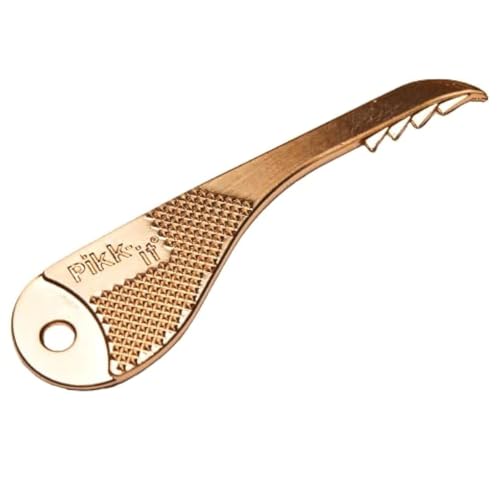
Small 2-in-1 cleaning rakes with built-in safety blades slice hair off a spinning brush roller without scratching plastic or cutting bristles. Stiff comb teeth lift deeply wound hair away from the roller body so the guarded blade can slice through it safely. Clip-on dust display LED lights attach to the front of your floor nozzle, casting a low-angle beam across hard floors to reveal fine pet fur and dust blankets that ordinary room lights miss. Catching this hair early keeps it from bunching up into thick rings around your roller bearings. Long, flexible crevice tools and narrow lint brushes also help by snaking through tight duct bends and vacuum hoses where standard wands cannot reach.
Before choosing any accessory, check a few key points:
- Check attachment sizing: Verify whether your vacuum wand uses standard friction-fit round attachments (typically 1-1/4 inch or 1-1/2 inch) or requires brand-specific clip connectors.
- Check blade safety guards: Look for cutting tools with recessed or shielded blades so your fingers stay protected while slicing hair in tight spaces.
- Check bristle firmness: Choose brushes made with stiff, durable nylon bristles that can sweep fine dust off cyclone screens without shedding loose fibers into the vacuum intake.

- VC Score9.2
BCP Score is a ranking system developed by bestcleanerproducts.com. BCP Score has no relationship or impact from any manufacturers or sales agent websites. Learn more
- BrandBahuun

- VC Score9.0
BCP Score is a ranking system developed by bestcleanerproducts.com. BCP Score has no relationship or impact from any manufacturers or sales agent websites. Learn more
- BrandTweruna

- VC Score9.0
BCP Score is a ranking system developed by bestcleanerproducts.com. BCP Score has no relationship or impact from any manufacturers or sales agent websites. Learn more
- BrandWAONIQ

- VC Score8.8
BCP Score is a ranking system developed by bestcleanerproducts.com. BCP Score has no relationship or impact from any manufacturers or sales agent websites. Learn more
- BrandHolikme
- VC Score8.6
BCP Score is a ranking system developed by bestcleanerproducts.com. BCP Score has no relationship or impact from any manufacturers or sales agent websites. Learn more
- BrandPikk-it

- VC Score8.6
BCP Score is a ranking system developed by bestcleanerproducts.com. BCP Score has no relationship or impact from any manufacturers or sales agent websites. Learn more
- BrandVataim

- VC Score7.8
BCP Score is a ranking system developed by bestcleanerproducts.com. BCP Score has no relationship or impact from any manufacturers or sales agent websites. Learn more
- BrandBekamee

- VC Score7.0
BCP Score is a ranking system developed by bestcleanerproducts.com. BCP Score has no relationship or impact from any manufacturers or sales agent websites. Learn more
- BrandOntel

- VC Score7.0
BCP Score is a ranking system developed by bestcleanerproducts.com. BCP Score has no relationship or impact from any manufacturers or sales agent websites. Learn more
- BrandYurMemo

- VC Score5.4
BCP Score is a ranking system developed by bestcleanerproducts.com. BCP Score has no relationship or impact from any manufacturers or sales agent websites. Learn more
- BrandEZ SPARES
Last update on 2026-10-02 / Affiliate links / Images, Product Titles, and Product Highlights from Amazon Product Advertising API
FAQs
Why does my ball vacuum make a high-pitched whistling noise?
A whistling sound usually means air is squeezing through a small leak or fighting past a blockage. Make sure the clear dirt canister is clicked firmly into place and the bottom rubber gasket is clean and flat. If the canister is sealed tight, check the washable stick filter and the lower ball duct for a clog that is cutting off airflow to the motor.
Can I wash the clear plastic dirt bin with warm soapy water?
You can wash the clear outer plastic bin with warm water and mild dish soap if it unclips completely from the inner cyclone cone. Never rinse or submerge the cyclone cone itself or the upper handle assembly, because water gets trapped inside the small funnel chambers. Always let the clear plastic bin dry completely with a clean towel before attaching it back to the vacuum.
How often should I clean the washable filters on a light ball vacuum?
Rinse both the stick filter and the round ball filter at least once a month under normal use to maintain steady suction. If your home has multiple shedding pets or you vacuum up fine drywall dust, rinse both filters every two to three weeks. Always confirm in your product manual which filters on your specific model are listed as washable before running them under water.


How to Refinish a Fiberglass Pool

How Do You Keep Raccoons Out of Your Pool?

How to Fix Cyanuric Acid in Your Pool

How to Shape a Pool Cue Tip to Stop Miscues

Best Far Infrared Sauna Sauna Heats: Top Picks of 2026

11 Best Far Infrared Sauna Carbon Fiber Heaters of 2026 For Balanced Full-Body Heat

11 Best Carbon Far Infrared Sauna of 2026 For Even Heat

10 Best Bluetooth Speaker For Sauna of 2026 For Heat and Steam


