
How to Clean a Dyson DC40 Vacuum to Restore Suction

Cleaning a DC40 comes down to washing both filters in cold water, clearing tangled threads from the spinning roller bar, and wiping out the dirt canister with a dry cloth. The exact steps change depending on whether trapped debris is choking the hidden suction paths or if worn parts need a fresh replacement. Water should never touch the electrical motor, and every wet piece needs to air-dry for at least 24 hours before going back together.
A quick rinse solves the issue if fine dust is the only culprit, but a stubborn drop in pickup usually means a clog is stuck inside the small lower hose. The total time also depends on the warmth of your room, since snapping damp filters back into place will ruin the motor. Taking a few careful minutes to check the airway tubes and handle the plastic latches gently keeps the machine running at full strength.
Preparing Your DC40: What Can and Cannot Get Wet
Unplug your vacuum from the wall outlet before unlatching parts or working on the floor head. Cleaning an electric appliance while plugged in creates a shock hazard, and bumping the switch could start the motor while your fingers are near moving parts.
Next, press the red release button at the top of the carry handle and lift the dirt collection unit away from the vacuum spine. Hold the bin low inside a trash can and press the lower red lever to empty it directly into the bag without billowing dust into the room.
Exposing the wrong parts to water is the fastest way to ruin a DC40. Keep this checklist in mind before turning on the tap:
- Clear plastic bin: Safe to rinse with cool water after unclipping it from the cyclone body. Air-dry completely before reattaching.
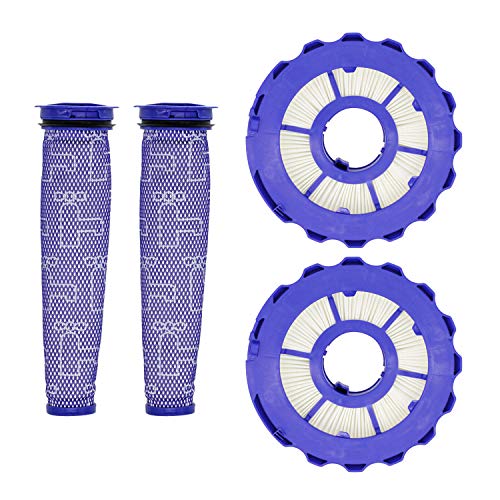
- Washable filter stick inside the cyclone: Safe to wash under cold tap water.
- Round washable filter inside the ball wheel: Safe to wash under cold tap water.
- The cyclone (the top cone assembly that spins dirt from air): Strictly dry. Water gets trapped inside the cone vortex tubes, turning dust into mud that chokes airflow and smells like mildew. Clean it with a dry cloth or soft brush only.
- The ball base and cleaner head: Strictly dry. Both contain electric motors. Water inside these housings causes short circuits and permanent motor damage.
Step-by-Step Guide to Washing and Drying Both DC40 Filters
The DC40 relies on two separate filters to trap dust before and after air moves through the motor. Over time, micro-dust packs into the fibers, restricting airflow and causing the motor to run hot. Washing both filters regularly restores normal suction.
- Pull the washable filter stick straight out from the top of the cyclone cone assembly. (Reason: Taking this stick out first stops loose rim dust from falling into the clean air channel while you work.)
- Turn the central locking dial on the ball wheel counter-clockwise and pull out the round washable filter. (Reason: Twisting this dial releases the hinged ball cover so you can access the circular cartridge inside.)
- Rinse both filters under cold tap water without any dish soap or detergent. (Reason: Soap leaves a residue that blocks airflow pores, and hot water can warp plastic frames and shrink synthetic fibers.)
- Squeeze the filter stick gently under cold running water until the runoff is clear. (Reason: Hand pressure flushes out fine silt settled deep inside the inner foam sponge that surface rinsing leaves behind.)
- Fill the center of the round ball filter with water, cover both ends, and shake firmly. (Reason: Shaking water through the pleated paper layers dislodges dust trapped between folds without tearing the delicate media.)
- Flick away excess water droplets and pat both filters with a dry cotton towel. (Reason: Removing pooled water speeds up evaporation and prevents moisture pockets from lingering inside the frame.)
- Air-dry both filters in a warm, well-ventilated room for at least 24 full hours. (Reason: Reinstalling a damp filter pulls moisture into the electric motor, causing short circuits, rust, and permanent motor burnout.)
Clearing Tangled Hair from the Floor Head and Spinning Brush Roller
When carpet suction drops or your vacuum clicks loudly on rugs, the spinning bristled roller under the floor head (the brush bar) is usually jammed. Hair, threads, and pet fur wrap tightly around the cylinder during normal vacuuming. As hair builds up, friction forces the roller to stop spinning, straining the internal drive belt.
Lay the vacuum flat on the floor with the soleplate facing up. Locate the two red locking fasteners on the base plate. Using a flat coin or a wide screwdriver, turn each fastener a quarter-turn counter-clockwise to unlock the plate. Lift the plate off gently without forcing the plastic hinge tabs.
Lift the spinning brush roller out of its housing. Take scissors or a seam ripper and cut along the guide groove molded into the roller body. Slice through tangled hair lengthwise and pull the strands away with your fingers. Never yank with brute force, which can bend the metal spindle or tear out bristle tufts.
Inspect both ends of the roller where it rests in the side bearings. Pet hair frequently wraps behind the end caps, creating friction that melts plastic and seizes bearings. Pull off any hair collars around the drive spindle, wipe away fluff inside the nozzle cavity, reinstall the roller, and lock the base plate.
Checking for Hidden Clogs in the Hoses and Changeover Duct
If your filters are clean and your roller spins freely but suction remains weak, a hidden blockage is sitting in the airways. Dirt moves through several narrow channels before reaching the collection bin, and debris can lodge at any transition point.
Start with the flexible stretch hose on the back of the spine. Unclip the hose collar from the base, slide out the wand, and look through the tube toward a bright light. If blocked, drop a small coin down the tube to confirm. Clear blockages with a smooth broom handle through the center. Never use a wire coat hanger, which easily punctures the ribbed plastic hose wall.
Next, inspect the small flexible duct directing airflow near the base (the changeover valve hose). This small ribbed rubber duct sits low behind the central ball and redirects air whenever you recline the vacuum. Because this duct flexes constantly, it is a prime spot for debris to gather.
Inspect the rubber folds of this changeover hose with a flashlight. Squeeze the ribbed sides gently between your fingers to loosen packed debris, then draw the obstruction out with needle-nose pliers. Check the rubber surface for tiny splits or tears, as a ripped changeover hose leaks air and destroys floor suction.
Finally, check the clear inspection duct underneath the base. Press the side release tab to open the flap and clear out any trapped gravel, pet food, or carpet lint.
Reassembly Checks and Troubleshooting Low Suction
Putting your vacuum back together correctly ensures airtight suction. A single unseated latch or misaligned rubber seal allows air to escape, leaving you with weak cleaning power.
- Confirm filter dryness: Touch the inner foam core of the filter stick and the paper folds of the round ball filter. If you notice any hint of coolness or moisture, wait another 12 hours. Never rush this step.
- Seat the ball shell flush: Place the round filter into the ball cavity, align the cover tabs, and twist the dial clockwise until it locks. A loose ball cover creates a massive air leak right at the motor intake.
- Check the bin base gasket: Make sure the rubber seal around the bottom door of the clear bin sits flat in its groove. Close the flap until you hear a sharp, solid click.
- Lock the cyclone to the spine: Rest the bottom of the bin assembly on the vacuum frame, then tilt the top forward until the carry handle latch snaps into position.
- Seat the stretch hose firmly: Push the lower hose cuff into the base fitting until the retaining catch clicks into place.
If suction remains weak after cleaning, check your parts for wear. If the washable filter stick feels stiff, crumbly, or keeps a sour smell after washing, the synthetic fibers are worn out. If the small changeover valve hose has pinholes along its ribs, air bleeds away before reaching the floor head.
Dry upright vacuums are built strictly for dry dust and loose dirt. If your machine smells foul after running over wet pet accidents or damp mud, liquid may have fouled the cyclones. For wet spills, avoid dry vacuums and use an extractor like a Bissell carpet cleaner for deep pet stains or a compact spot cleaner for stubborn stains to wash carpet fibers safely without ruining your motor.
Choosing Replacement Heads and Maintenance Parts for Your Vacuum
When regular cleaning no longer restores strong suction, replacing worn components is often necessary. Over time, rotating bristles on your floor nozzle wear down from friction against carpet backing, reducing their ability to sweep up stubborn hair. Rubber airflow hoses also become brittle after years of flexing, developing hairline cracks that rob the floor nozzle of suction.
Keep these factors in mind before choosing replacement parts:
Verify exact model compatibility first. Cleaner heads, roller bars, and flexible ducts designed for larger ball vacuums will not fit the narrower frame of a compact DC40. Check the silver data label under the clear bin to confirm your model name.
Check bristle stiffness on any replacement roller. Rigid nylon bristles provide strong agitation to pull pet fur from carpet pile without scratching hard floors.
Examine the seals on replacement filters and hoses. Filters need flexible rubber gaskets to create an airtight barrier, while quality replacement hoses require an internal steel wire coil to prevent collapsing under suction.

- VC Score9.8
BCP Score is a ranking system developed by bestcleanerproducts.com. BCP Score has no relationship or impact from any manufacturers or sales agent websites. Learn more
- BrandScienraise
- VC Score9.4
BCP Score is a ranking system developed by bestcleanerproducts.com. BCP Score has no relationship or impact from any manufacturers or sales agent websites. Learn more
- BrandLemige

- VC Score9.4
BCP Score is a ranking system developed by bestcleanerproducts.com. BCP Score has no relationship or impact from any manufacturers or sales agent websites. Learn more
- BrandDyson

- VC Score9.2
BCP Score is a ranking system developed by bestcleanerproducts.com. BCP Score has no relationship or impact from any manufacturers or sales agent websites. Learn more
- Brand4YourHome

- VC Score9.2
BCP Score is a ranking system developed by bestcleanerproducts.com. BCP Score has no relationship or impact from any manufacturers or sales agent websites. Learn more
- BrandKBZ

- VC Score9.0
BCP Score is a ranking system developed by bestcleanerproducts.com. BCP Score has no relationship or impact from any manufacturers or sales agent websites. Learn more
- Brandpildres

- VC Score8.8
BCP Score is a ranking system developed by bestcleanerproducts.com. BCP Score has no relationship or impact from any manufacturers or sales agent websites. Learn more
- BrandQualtex

- VC Score8.8
BCP Score is a ranking system developed by bestcleanerproducts.com. BCP Score has no relationship or impact from any manufacturers or sales agent websites. Learn more
- BrandGarbage fighter

- VC Score8.6
BCP Score is a ranking system developed by bestcleanerproducts.com. BCP Score has no relationship or impact from any manufacturers or sales agent websites. Learn more
- BrandVataim

- VC Score8.6
BCP Score is a ranking system developed by bestcleanerproducts.com. BCP Score has no relationship or impact from any manufacturers or sales agent websites. Learn more
- BrandVacuum Fix

- VC Score6.2
BCP Score is a ranking system developed by bestcleanerproducts.com. BCP Score has no relationship or impact from any manufacturers or sales agent websites. Learn more
- BrandVanclearidea
Last update on 2026-10-02 / Affiliate links / Images, Product Titles, and Product Highlights from Amazon Product Advertising API
FAQs
Can I wash the clear bin and cyclone assembly in water?
You can wash the clear plastic bin with cool water after detaching it completely from the cyclone, but never wash the cyclone assembly itself. The cyclone contains narrow internal cone tubes where water gets trapped. Trapped moisture turns fine residual dust into thick mud that clogs the airway and creates persistent mold odors.
How often should I clean the DC40 filters?
Wash both the filter stick and the round ball filter at least once every month under normal household use. If you have shedding pets or vacuum high-traffic carpet areas daily, rinse them every two to three weeks to prevent suction loss.
Why is my DC40 brush roller not spinning after cleaning?
The brush roller motor features an automatic safety shutoff that trips when hair wraps around the spindle or the roller jams on rug fringe. If the roller does not turn after clearing tangled hair, stand the vacuum upright, switch it off, unplug it, and wait a minute for the safety reset to engage before reclining the handle again. Also verify that the brush control button on the handle is switched on.
Can I use a hairdryer or direct sunlight to speed up filter drying?
Never use a hairdryer, clothes dryer, or direct high-heat sunlight to speed up drying. High heat will warp the plastic filter frame and melt the delicate synthetic fiber mesh, ruining the airtight seal. Always let the filters dry naturally on a clean towel in a warm, well-ventilated room for a full 24 hours.


How to Refinish a Fiberglass Pool

How Do You Keep Raccoons Out of Your Pool?

How to Fix Cyanuric Acid in Your Pool

How to Shape a Pool Cue Tip to Stop Miscues

Best Far Infrared Sauna Sauna Heats: Top Picks of 2026

11 Best Far Infrared Sauna Carbon Fiber Heaters of 2026 For Balanced Full-Body Heat

11 Best Carbon Far Infrared Sauna of 2026 For Even Heat

10 Best Bluetooth Speaker For Sauna of 2026 For Heat and Steam


