
How to Clean a Dyson DC33 Vacuum to Restore Suction

Unplug the upright machine from the wall and pull out the washable top sponge filter. A choked filter is usually the primary reason air stops moving and stale dust odors escape into the room. Bringing back full airflow means you need to rinse the sponge filter under cold tap water, snip tangled threads off the spinning bristle roller, and clear trapped debris from the hose before letting wet parts air-dry completely for a full day.
How deep you need to clean depends on what has built up inside the passages. Thick pet hair often wedges tightly into the lower suction ducts, while an exhaust filter near the wheels might be too clogged with fine grit for a simple rinse. The steps below walk through checking each section safely so the motor stays protected and the floor head glides smoothly again.
How do you prepare the vacuum for cleaning?
Before cleaning an upright vacuum, always take basic electrical precautions. Unplug the power cord before touching any part of the machine. Never attempt to wipe down or pull debris out of a plugged-in vacuum, because accidental motor activation while your fingers are near the spinning bristle roller can cause serious injury.
Move the vacuum to a hard floor, garage, or patio to contain escaping dust. Fine dirt drifts into the air when opening chambers, so keeping away from carpets saves you from recleaning later.
- Unplug the power cord: Disconnect the plug from the wall and wrap the cord loosely on its storage hooks.
- Choose a clean workspace: Work on tile, concrete, or vinyl where loose pet fur and dust sweep up easily.
- Grab basic tools: Keep scissors, a coin or flat-head screwdriver, a dry microfiber cloth, and a trash bag nearby.
- Protect the motor: Remember that only specific plastic and foam pieces can touch water; the upright body and motor must stay dry.
How do you empty and clean the dust bin?
The clear bin collects coarse debris, while the cone-shaped top dust separator directs air through small cyclones to spin fine dust away from the motor. Over time, hair balls and fine grey powder cling to the inner mesh shroud, choking off airflow before it reaches the filters. Emptying the bin regularly prevents this buildup from suffocating suction.
Never wash the upper cyclone assembly under running tap water or submerge it in a sink. Water gets trapped inside the small inner cyclone tubes, where it cannot evaporate. Trapped moisture mixes with residual dust to create thick mud, breeds sour mold, and can enter the motor when running.
- Detach the bin assembly: Press the red release catch atop the carry handle and pull the bin and cyclone module forward off the vacuum body.
- Release the debris: Hold the bin deep inside a trash bag. Press the red bin-release button down to drop the bottom flap open and let dirt fall out.
- Separate the clear canister: Press the small hinge catch on the rear of the assembly and pull the clear plastic bin off the cyclone body.
- Wipe the clear canister: Rinse the empty clear plastic cylinder under cold running tap water or wipe it with a damp cloth, then let it dry completely.
- Dust the cyclone shroud: Use a soft dry brush or cloth to wipe lint and fine dust off the mesh shroud of the cone-shaped top dust separator. Tap the plastic housing lightly inside the trash can to knock loose stubborn powder.
How do you wash and dry the filters safely?
Your DC33 relies on two filters to keep dust from recirculating into your home. The washable top sponge filter sits inside a plastic frame above the cyclone housing, trapping fine dust before air reaches the motor. The flat exhaust filter near the base catches carbon dust before air exits the machine.
The washable top sponge filter needs periodic washing with cold water, but you must treat it gently. Never add soap or detergent to the foam, because chemical residues degrade the material and choke airflow. Never install a damp filter back into the machine.
- Remove the washable top sponge filter: Lift the release catch on the top rim of the cyclone housing, open the lid, and lift out the plastic frame holding the sponge.
- Rinse the sponge: Pull the foam sponge from its plastic cartridge. Run cold tap water through both pieces, gently squeezing the foam until runoff runs clear.
- Squeeze out excess water: Press the sponge firmly between flat palms to remove standing water without wringing or twisting. Tap the plastic frame in the sink to dislodge loose droplets.
- Air dry for at least 24 hours: Place the foam insert and plastic frame flat on a dry towel in a warm room. Never use a hair dryer, clothes dryer, microwave, or radiator, as heat shrinks the foam and warps the plastic frame.
- Check the exhaust filter near the base: Open the lower filter door near the left wheel to inspect the post-motor exhaust filter. This pleated cartridge cannot be washed; tap it gently over a trash can to shake off dust, or replace it if pleats look dark grey.
How do you clean the brush roller underneath?
The spinning bristle roller in the floor head combs carpet pile to lift embedded pet fur, thread, and grit. When hair wraps tightly around the roller core, the bristles cannot sweep effectively, the drive belt strains, and the roller can seize up completely.
Cleaning the floor head requires removing the bottom plastic plate under the floor head, also known as the soleplate. You only need a coin or a flat-head screwdriver to release the fasteners.
- Lay the vacuum flat: Recline the handle and rest the machine flat on its back so the underside of the cleaner head faces upward.
- Unlock the fasteners: Locate the two quarter-turn plastic screws on the bottom plastic plate under the floor head. Turn each screw a quarter turn counter-clockwise with a coin to release them.
- Remove the bottom plate: Lift the plate off the floor head and wipe away hair clumps or grit packed around the intake lips.
- Cut away tangled hair: Find the guide groove along the spinning bristle roller. Slide scissor tips along this groove to slice through hair coils without cutting the bristles.
- Clear the roller ends: Pull away cut strands by hand and clear hair wrapped around the end bearings. Spin the roller manually to verify that it turns smoothly against the belt.
- Reinstall the bottom plate: Slide the front tabs of the bottom plate into the housing slots, press the plate flat, and turn the fasteners clockwise until they click shut.
Where do clogs hide along the airway path?
If the vacuum motor sounds high-pitched but suction feels weak, debris is blocking the airway. Air travels from the floor head through a lower duct, into the stretch hose, through the metal wand, and into the dust bin. Debris can jam at any sharp bend along this path.
The lower inspection duct, known as the U-bend duct, is the most common place for stubborn clogs. This curved plastic elbow sits right behind the cleaner head near the base. Stiff debris often gets stuck here, creating a dam that catches pet fur. Unclip this duct, look inside with a flashlight, and pull out trapped debris with blunt tweezers or your fingers.
Next, check the stretch hose. Detach both ends from the machine base and wand. Stretch the hose out straight and look through it toward a light source like a telescope. If light is blocked, gently drop a heavy coin through the tube or push a smooth broom handle down the center to dislodge the obstruction. Avoid wire hangers, which puncture hose walls and cause permanent suction leaks.
Remember that dry vacuums cannot handle wet messes. Vacuuming wet spills mixes dust into thick mud that clogs internal passages and ruins motors. For liquid spills and wet pet messes, use a dedicated machine like a compact spot carpet cleaner instead of an upright dry vacuum.
How do you safely put everything back together?
Reassembly demands one crucial check: every washed piece must be completely dry before reinstallation. Putting a damp sponge filter back into the top housing pulls moisture straight into the motor, causing electrical shorts, motor burnouts, and foul mildew odors.
Inspect every component carefully before snapping parts together. Follow this checklist to ensure airtight seals and restore full suction power.
- Confirm complete filter dryness: Press a dry paper towel against the center of the washable top sponge filter. If any moisture transfers to the paper, let the foam dry longer.
- Seat the sponge in its frame: Fit the dry foam sponge into its plastic cartridge, making sure the edges sit flush without pinching.
- Close the filter lid: Place the cartridge into the top compartment of the cyclone assembly and push the latch down until it clicks securely.
- Reattach the clear canister: Confirm the inside of the clear bin is dry, clip the hinge back onto the cyclone body, and click the bottom trapdoor shut.
- Mount the bin to the vacuum: Rest the bin assembly on the lower bracket, push it back against the upright spine, and verify the top catch locks into place.
- Reattach the hose and wand: Slide the wand down into its channel and press the hose cuff firmly into the lower intake port.
- Confirm airflow: Plug in the power cord, turn the vacuum on over a bare floor, and check that suction pulls strongly without whistling sounds.
When should you replace worn parts or attachments?
Even with careful cleaning, vacuum components wear down over time from friction, heat, and regular use. Knowing when to replace parts keeps your vacuum operating at peak suction while protecting the motor from fine dust infiltration.
If the washable top sponge filter feels stiff, crumbles at the edges, or keeps a dusty smell after drying, replace it with a fresh pre-motor filter. The flat exhaust filter near the base cannot be washed, so replacing it when the pleats turn dark grey ensures fine carbon dust stays out of your living space. Swapping out both filters together restores factory airflow balance.
Floor head bristles also wear down from scrubbing carpets. When the bristle tufts on your spinning bristle roller become soft or ground down short, installing a replacement roller restores deep carpet agitation. If your stretch hose develops pinholes, splits, or loose cuffs, a new flexible hose assembly eliminates suction leaks. Adding specialized crevice wands and soft dusting brushes also helps you clean upholstery and baseboards without scratching surfaces.

- VC Score9.6
BCP Score is a ranking system developed by bestcleanerproducts.com. BCP Score has no relationship or impact from any manufacturers or sales agent websites. Learn more
- BrandCasa Vacuums

- VC Score9.4
BCP Score is a ranking system developed by bestcleanerproducts.com. BCP Score has no relationship or impact from any manufacturers or sales agent websites. Learn more
- BrandAnicell

- VC Score9.2
BCP Score is a ranking system developed by bestcleanerproducts.com. BCP Score has no relationship or impact from any manufacturers or sales agent websites. Learn more
- Brand4YourHome

- VC Score9.2
BCP Score is a ranking system developed by bestcleanerproducts.com. BCP Score has no relationship or impact from any manufacturers or sales agent websites. Learn more
- BrandKEEPOW

- VC Score9.0
BCP Score is a ranking system developed by bestcleanerproducts.com. BCP Score has no relationship or impact from any manufacturers or sales agent websites. Learn more
- BrandQualtex

- VC Score9.0
BCP Score is a ranking system developed by bestcleanerproducts.com. BCP Score has no relationship or impact from any manufacturers or sales agent websites. Learn more
- Brand4YourHome

- VC Score9.0
BCP Score is a ranking system developed by bestcleanerproducts.com. BCP Score has no relationship or impact from any manufacturers or sales agent websites. Learn more
- BrandSealegend
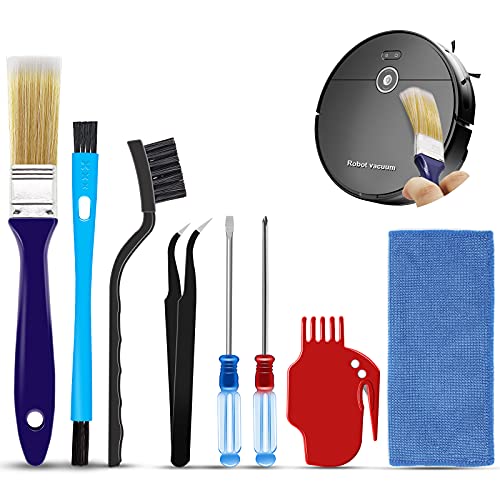
- VC Score9.0
BCP Score is a ranking system developed by bestcleanerproducts.com. BCP Score has no relationship or impact from any manufacturers or sales agent websites. Learn more
- BrandMidukit

- VC Score8.8
BCP Score is a ranking system developed by bestcleanerproducts.com. BCP Score has no relationship or impact from any manufacturers or sales agent websites. Learn more
- Brand4YourHome

- VC Score8.6
BCP Score is a ranking system developed by bestcleanerproducts.com. BCP Score has no relationship or impact from any manufacturers or sales agent websites. Learn more
- BrandVataim

- VC Score8.0
BCP Score is a ranking system developed by bestcleanerproducts.com. BCP Score has no relationship or impact from any manufacturers or sales agent websites. Learn more
- BrandEZ SPARES
Last update on 2026-10-02 / Affiliate links / Images, Product Titles, and Product Highlights from Amazon Product Advertising API
FAQs
Can you wash the clear cyclone unit with tap water?
Never wash the clear cyclone assembly under running water. The cone-shaped top dust separator has internal tubes that trap moisture where air cannot dry it. When the vacuum turns on, trapped water gets pulled into the motor fan, causing electrical failure or mildew odors. Simply wipe the mesh shroud clean with a dry cloth.
Why does the vacuum still smell after washing the filter?
A persistent musty smell usually means the washable top sponge filter was reinstalled before it had completely dried, letting mold grow inside the housing. Odors can also come from a saturated exhaust filter near the base, which traps fine carbon dust and cannot be washed. To fix it, ensure complete filter dryness, replace old exhaust filters, and check ducts for trapped pet fur.
How often should you deep clean a Dyson DC33?
Empty the clear dust bin whenever debris reaches the max fill line to keep airflow moving freely. Wash the washable top sponge filter under cold running water every one to three months, depending on how often you vacuum and whether you have shedding pets. Check the spinning bristle roller and lower airway ducts once a month to remove tangled hair.
What makes the brush roller stop spinning on carpet?
A brush roller usually stops spinning when wound hair or thread jams the end bearings, creating too much friction for the belt to turn. It can also happen if the brush bar control switch is turned off or if thick carpet pile bogs down the roller. Snip away tangled fibers, clear dirt under the soleplate, and spin the roller by hand to restore smooth movement.


How to Refinish a Fiberglass Pool

How Do You Keep Raccoons Out of Your Pool?

How to Fix Cyanuric Acid in Your Pool

How to Shape a Pool Cue Tip to Stop Miscues

Best Far Infrared Sauna Sauna Heats: Top Picks of 2026

11 Best Far Infrared Sauna Carbon Fiber Heaters of 2026 For Balanced Full-Body Heat

11 Best Carbon Far Infrared Sauna of 2026 For Even Heat

10 Best Bluetooth Speaker For Sauna of 2026 For Heat and Steam


