
How to Clean a Canister Vacuum Filter Without Damaging It

Cleaning a canister vacuum filter takes just a few minutes of tapping out loose dust or rinsing the part under cool tap water. The right method depends entirely on whether the filter is made of washable foam or delicate paper. Getting water on a dry-rated pleated paper filter destroys its fibers, while washable sponge parts need a thorough rinse to restore lost airflow.
A few simple details decide what you should do next. Sponge filters before the motor wash clean easily in the sink, but dense pleated fine-dust filters usually need gentle dry brushing unless marked washable. Whenever water is involved, the material must also dry completely for 24 hours before going back into the vacuum. Putting a damp part back inside can grow mold or damage the motor. Here is how to clean each type safely without ruining your machine.
The Short Version
- Check the material first: Foam pads and plastic screens can usually be washed under cool water, but pleated paper filters must be dry-cleaned to prevent fiber damage.
- Clean dry filters outdoors: Place paper filters inside a plastic bag and tap the rim to knock dirt loose without breathing dust clouds.
- Rinse washable foam with cool water: Hold the sponge under cool tap water, pressing gently until runoff is clear, avoiding harsh soaps.
- Never reinstall a damp filter: Always wait a full 24 hours for filters to dry completely, because trapped moisture ruins motor bearings, causes electrical hazards, and breeds mold.
Identify Your Filter Type Before Doing Anything
Canister vacuums use multiple filters to trap dust and protect the motor. The sponge filter before the motor (often called a pre-motor filter) sits between the dust cup and the motor fan to stop coarse grit, lint, and hair before they can strike the spinning fan blades. At the back sits the air vent filter on the vacuum body (the exhaust filter). This is often a dense pleated fine-dust filter, frequently rated as a HEPA filter, designed to trap microscopic dander and pollen before air blows back into your room.
Before running any filter under a faucet, verify what it is made of. Water works on open-cell foam and plastic screens, but it ruins ordinary paper filters. When paper fibers absorb water, they swell and dry into an airtight paste, permanently killing suction and overheating the motor.
Use this quick checklist to tell whether your filter can handle water:
- Look for a wash symbol: Many washable filters feature an embossed faucet icon or the word "washable" on the plastic frame.
- Check the material: Foam filters feel like dense kitchen sponges, often black, blue, or yellow, and are built for washing.
- Inspect the pleats: If the filter looks like folded white cardstock in a frame without a faucet mark, it is dry-only.
- Check for removable layers: If a foam sleeve wraps around a pleated paper cartridge, slide the foam sleeve off to wash it, but keep the paper core dry.
- Check the manual: If the user manual says "tap clean only," keep water away.
How to Clean Non-Washable Pleated Filters Without Water
Non-washable pleated paper filters require gentle dry handling. These dense pleated fine-dust filters capture tiny particles deep within their folds, so clearing dirt takes care to avoid tearing the paper or scattering dust across your home.
Follow these numbered steps to dry-clean a non-washable canister filter safely:
- Take the filter outside: Never tap a dusty filter indoors where dust can drift and settle on furniture. Take the filter out to a porch, garage, or patio.
- Enclose the filter in a plastic bag: Place the filter inside an ordinary grocery bag. Hold the bag opening loosely around your wrist to trap the dust cloud as dirt breaks free.
- Tap the hard plastic rim: Gently tap the plastic edge against the palm of your hand or the inside wall of a trash bin. Vibration shakes dirt loose from between the folds. Never hit the paper pleats directly.
- Brush between the folds: Remove the filter from the bag and use a soft-bristled brush, toothbrush, or paint brush to sweep between each pleat. Move parallel to the folds, flicking dust downward. Never use stiff wire brushes, which tear the paper.
- Wipe the perimeter gasket: Clean around the rubber or foam gasket with a dry cloth. A dusty gasket prevents the filter from sealing tightly, allowing dirty air to bypass the filter entirely.
How to Wash Foam and Pre-Motor Filters Safely
If your canister vacuum uses a washable sponge filter before the motor or a washable plastic screen, rinsing away trapped grime restores steady airflow. Cleaning these parts requires gentle pressure and cool water to avoid damaging the material.
Follow these numbered steps to wash reusable canister vacuum filters properly:
- Tap off loose surface dust: Take the sponge filter before the motor outside and tap it gently against your hand. Washing a filter coated in loose fuzz turns dirt into thick mud, which slows down rinsing.
- Run cool tap water through the sponge: Hold the foam pad under cool tap water. Direct the water from the clean side toward the dirty side to push trapped dirt back out of the pores. Avoid hot water, which shrinks foam and warps plastic frames.
- Press the foam between your palms: Squeeze the sponge gently between your flat palms to press out dirty water until it runs clear. Never wring or twist the sponge like a rag, which tears the foam structure.
- Skip harsh soaps: Clean tap water is usually all you need. Do not use laundry detergent, bleach, or abrasive cleaners. If the filter smells oily, work a single drop of mild dish soap into the foam, then rinse thoroughly.
- Rinse the plastic frame: If your foam sits inside a removable plastic cage, rinse the plastic under the faucet and wipe it dry with a towel.
The 24-Hour Drying Rule to Protect Your Vacuum Motor
The most critical step in washing a canister vacuum filter is letting it dry completely before reinstalling it. A washed filter might feel dry on its surface, but thick foam pads and dense edges hold moisture inside their core for hours.
Putting a damp filter back inside your canister creates two serious problems:
- Motor failure and electrical risks: Switching on a vacuum with a damp sponge filter before the motor pulls water droplets straight into the motor housing. Water conducts electricity, risking short circuits, rusting bearings, washing away lubricant, and burning out the motor.
- Mold and foul odors: A canister vacuum is an enclosed, dark plastic chamber. If a damp filter sits inside, mold and mildew multiply rapidly. The next time you vacuum, the exhaust will blow a sour, musty smell across your room that is difficult to eliminate.
To dry your filter safely, place it on a clean towel in a warm, well-ventilated room. Stand the filter upright so air reaches both sides. Never use a clothes dryer, radiator, or hair dryer, because high heat shrinks foam and twists plastic seals. Before reinstalling, press your fingers firmly into the thickest part of the foam. If it feels cool or damp against your skin, wait another 12 hours until it is bone-dry.
Signs It Is Time to Replace Your Canister Vacuum Filter
Regular cleaning extends the life of your canister vacuum filter, but every filter eventually wears out. Microscopic dust embeds permanently in the fibers over time, and foam degrades from repeated washing. Knowing when to replace your filter protects your vacuum motor from unnecessary strain.
Watch for these signs that your filter needs replacement rather than another cleaning:
- Tears, holes, or fraying: If you spot a split in the pleated paper or a tear in the foam, replace the part immediately. Even a tiny opening lets abrasive dust enter the motor.
- Crumbling or sticky foam: Pinch the foam sponge filter before the motor. If it feels brittle, stiff, or powdery, the foam has degraded and must be replaced.
- Persistent suction loss: If the dust canister is empty, the hose is clear, and the floor nozzle has no clogs, but suction remains weak after cleaning, the filter pores are permanently blocked.
- Lingering musty odors: When a filter produces a sour or dusty smell after thorough washing and drying, bacteria and pet dander have penetrated too deep to wash away.
- Warped plastic frames: If the plastic casing has bent or the locking tabs have broken, air will slip around the filter rather than flowing through it.
Choosing the Right Replacement Filter or Vacuum Head Attachments
When cleaning no longer restores strong airflow, finding the correct replacement parts gets your canister vacuum running smoothly again. Check your vacuum's exact model number on the rating label on the underside or back of the canister body. Never guess compatibility based on brand name alone, as canisters from the same manufacturer often use entirely different filter shapes and latch styles.
Look at the type of filtration your household requires. If you struggle with seasonal allergies or pet dander, upgrading an old air vent filter on the vacuum body to a dense pleated fine-dust filter with tight rubber seals prevents fine dust from escaping. For pre-motor protection, multi-packs of foam sponge filters give you an extra clean filter to use while your washed pad dries over its 24-hour period.
Maintaining attachments also protects filters from premature wear. Inspect your floor nozzle and spinning brush roller regularly to clear away tangled hair and fibers. When a floor nozzle clogs, air cannot circulate freely, forcing the motor to pull harder against the filter.
Standard canister vacuums handle dry dirt only. Never use a dry canister vacuum on puddles, wet mud, or damp carpet spills, as liquid saturates filters and destroys the motor. For wet spills and deep carpet messes, use a dedicated machine like a carpet spot cleaner designed for deep pet stains or a carpet spot cleaner for deep extraction to extract liquid safely.

- VC Score10.0
BCP Score is a ranking system developed by bestcleanerproducts.com. BCP Score has no relationship or impact from any manufacturers or sales agent websites. Learn more
- BrandClean Obsessed

- VC Score9.4
BCP Score is a ranking system developed by bestcleanerproducts.com. BCP Score has no relationship or impact from any manufacturers or sales agent websites. Learn more
- BrandYmimi

- VC Score9.4
BCP Score is a ranking system developed by bestcleanerproducts.com. BCP Score has no relationship or impact from any manufacturers or sales agent websites. Learn more
- BrandAolleteau
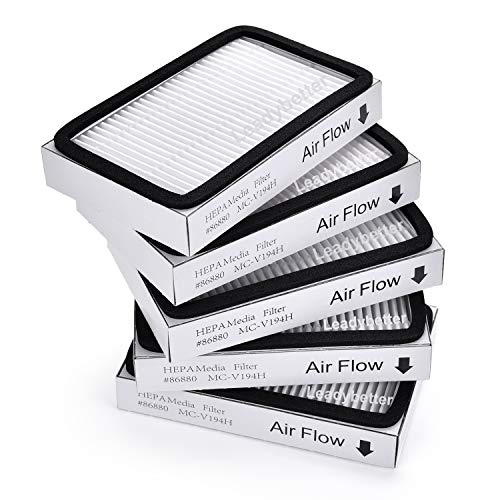
- VC Score9.4
BCP Score is a ranking system developed by bestcleanerproducts.com. BCP Score has no relationship or impact from any manufacturers or sales agent websites. Learn more
- BrandLeadaybetter
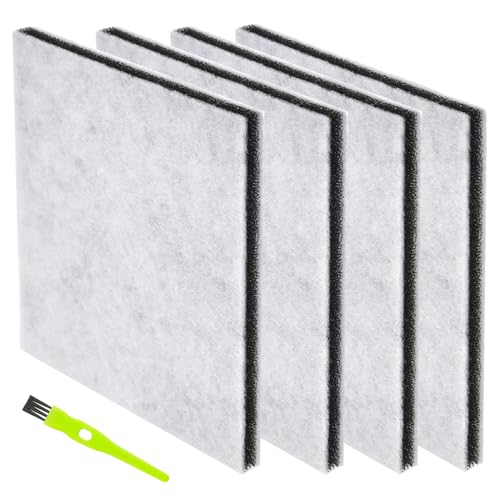
4 Pack CF-1 HEPA Filters for Kenmore 81002,20-81002,86880,86883,20-86883,2086883, 8175084 Canister
View on Amazon- VC Score9.4
BCP Score is a ranking system developed by bestcleanerproducts.com. BCP Score has no relationship or impact from any manufacturers or sales agent websites. Learn more
- BrandEcnaka

- VC Score9.4
BCP Score is a ranking system developed by bestcleanerproducts.com. BCP Score has no relationship or impact from any manufacturers or sales agent websites. Learn more
- BrandLichelete

- VC Score9.2
BCP Score is a ranking system developed by bestcleanerproducts.com. BCP Score has no relationship or impact from any manufacturers or sales agent websites. Learn more
- BrandAspiron

- VC Score9.2
BCP Score is a ranking system developed by bestcleanerproducts.com. BCP Score has no relationship or impact from any manufacturers or sales agent websites. Learn more
- BrandAspiron

- VC Score9.2
BCP Score is a ranking system developed by bestcleanerproducts.com. BCP Score has no relationship or impact from any manufacturers or sales agent websites. Learn more
- BrandKEEPOW

- VC Score9.2
BCP Score is a ranking system developed by bestcleanerproducts.com. BCP Score has no relationship or impact from any manufacturers or sales agent websites. Learn more
- BrandAymthgt

- VC Score9.0
BCP Score is a ranking system developed by bestcleanerproducts.com. BCP Score has no relationship or impact from any manufacturers or sales agent websites. Learn more
- BrandWILERDA

- VC Score9.0
BCP Score is a ranking system developed by bestcleanerproducts.com. BCP Score has no relationship or impact from any manufacturers or sales agent websites. Learn more
- BrandOVENTE
Last update on 2026-10-01 / Affiliate links / Images, Product Titles, and Product Highlights from Amazon Product Advertising API
FAQs
Can I run tap water over a canister vacuum HEPA filter?
Only rinse a HEPA filter if the manufacturer explicitly marks it as washable with a faucet symbol or text. Most dense pleated fine-dust filters use pressed paper fibers that swell and ruin when wet. If your filter is not marked washable, clean it dry by gently tapping it outside.
How often should I clean my canister vacuum filters?
Check and tap out filters every two to four weeks, or whenever suction feels weaker. Rinse a washable sponge filter before the motor under cool water every one to two months, depending on use and shedding pets. Regular cleaning keeps buildup from overworking the motor.
Can I use a hair dryer to dry my vacuum filter faster?
No, you should never use a hair dryer, radiator, or clothes dryer to speed up drying. Intense heat melts the delicate fibers in open-cell foam and warps the plastic frames that maintain an airtight seal inside the canister housing. Let the filter air-dry naturally on a clean towel for at least 24 hours.
Why does my vacuum still smell musty after washing the filter?
A musty smell usually means the filter was reinstalled before it had completely dried, allowing mildew to develop inside the enclosed vacuum body. It can also happen if pet oils and bacteria have penetrated deep into an old sponge filter before the motor. If washing and thorough air-drying do not remove the odor, replace the filter with a fresh part.


How to Refinish a Fiberglass Pool

How Do You Keep Raccoons Out of Your Pool?

How to Fix Cyanuric Acid in Your Pool

How to Shape a Pool Cue Tip to Stop Miscues

Best Far Infrared Sauna Sauna Heats: Top Picks of 2026

11 Best Far Infrared Sauna Carbon Fiber Heaters of 2026 For Balanced Full-Body Heat

11 Best Carbon Far Infrared Sauna of 2026 For Even Heat

10 Best Bluetooth Speaker For Sauna of 2026 For Heat and Steam


