
How to Clean a Canister Vacuum Cleaner Safely

Unplug everything and wash the safe pieces. Restoring lost suction and clearing stale odors comes down to rinsing washable parts, clearing blockages, and giving everything a full day to air-dry. Warm tap water strips away the fine grime coating the inside of the machine, but keeping moisture away from the motor keeps the cleaner running for years.
The exact routine depends on how the machine was built. Bagless dust bins rinse clean in the sink, while bagged vacuums only need a fresh paper sack and a quick wipe inside the wheeled main body. Filter materials differ too, since spongy foam handles water easily, but pleated paper filters ruin instantly if wet. Motorized floor nozzles also contain live wiring that cannot touch moisture. Here is the step-by-step way to refresh each section safely.
Unplug the machine and separate every part first
Safety comes first. Always unplug the power cord from the wall outlet before cleaning your canister vacuum. Turning off the handle switch is not enough, because electricity still reaches the wheeled main body. Unplugging eliminates shock hazards while you handle dirt and damp parts.
Move the machine to an open area with good lighting, like a garage, patio, or kitchen floor. Lay down an old towel or cardboard box to catch loose grit and protect your floor.
Disconnect each component in this order:
- Guide the power cord as it retracts into the wheeled main body.
- Press the latch clips on the suction port to disconnect the flexible hose.
- Press the locking tab on the handle to detach the rigid extension pipe.
- Release the floor nozzle from the base of the extension pipe.
- Remove any small attachments, such as the dusting brush or crevice tool.
Separating these sections is necessary. Trapped debris often lodges right at connection joints between the hose, pipe, and cleaning head. Taking everything apart also keeps water away from electrical components.
Empty the dust bag or wash the plastic cup
A full dust collector cuts airflow, lowers suction, and overheats the motor. Trapped pet hair and food crumbs also produce musty odors. How you clean this area depends on whether your vacuum uses disposable bags or a bagless plastic cup.
If your vacuum uses disposable bags:
- Open the top cover of the wheeled main body.
- Slide the cardboard collar out of the holder track and close the bag tab if equipped.
- Drop the full bag into the trash without squeezing the sides.
- Wipe the empty compartment with a dry cloth. Never spray water into this area, because the suction port leads directly to the motor fan.
- Slide a fresh bag into the guide tracks until it clicks.
If your vacuum uses a bagless plastic dust cup:
- Press the release button to lift the cup from the wheeled main body.
- Hold the cup deep inside a trash can before opening the bottom door to contain dust clouds.
- Twist the plastic cyclone cone to unlock and remove it from the bin.
- Wash the cup and cyclone cone in the sink with warm water and mild dish soap.
- Rinse away all soap suds, then set the pieces upside down on a drying rack.
Why does the vacuum still smell bad after emptying it? Lingering odors mean pet oils have soaked into filters or settled into the hose ribs. If pet accidents caused the odor, using a machine built for deep pet stains on your carpet prevents those foul liquids from entering your dry vacuum in the first place.
Wash foam filters but keep paper filters dry
Canister vacuums usually have two filters: a pre-motor filter protecting the motor from grit, and an exhaust filter catching fine dust before air exits the machine. The biggest mistake is assuming every filter can get wet. Washing the wrong filter ruins it instantly.
Foam and mesh pre-motor filters are safe to wash:
- Hold the sponge filter under cool or lukewarm running tap water.
- Squeeze the foam gently until the runoff water turns clear.
- Never wring or twist the sponge, because wet foam tears easily.
- Press the filter between dry paper towels to remove excess water, then lay it flat.
Paper pleats and fine dust filters must stay completely dry:
- A fine dust filter (often labeled as a HEPA filter) uses folded paper fibers in a rigid plastic frame.
- Water ruins paper pleats. Wet fibers swell and dry into an airtight block that suffocates your motor.
- Clean a pleated paper filter by tapping the plastic frame against the inside of a trash can.
- Use a soft, dry paintbrush to sweep loose dust out from between paper folds.
- Never use wire brushes that can puncture the paper.
How do you know if a pleated filter is safe to wash? Check the plastic frame closely. Manufacturers stamp "Washable" directly on the plastic if the material is water-safe synthetic fabric. If that word is missing, keep it away from water. If a dry-only filter remains dark gray and smells stale after dry-brushing, replace it with a fresh unit.
Clear the hose and cut tangled hair away
When a canister vacuum loses suction, the clog is almost always in the flexible hose, rigid extension pipe, or floor nozzle. Hair also wraps around the spinning floor roller, slowing or stopping its rotation.
To clear blockages from the hose and pipe:
- Look through the rigid extension pipe toward a light. If you cannot see through it, push the blockage out with the blunt handle of a wooden broom.
- Drop a coin down the flexible hose. If the coin stops, that marks where the clog sits.
- Squeeze the hose near the clog to break up compacted debris, then push it out with a flexible cleaning rod. Never use a sharp wire coat hanger, which can puncture the flexible casing.
Can you run water through the vacuum hose? That depends on whether your hose carries electric wiring. If your canister vacuum powers an electric spinning brush roller on the floor nozzle, wires run through the hose ribs. Never run water through a hose with electrical wires, because moisture corrodes connections and creates an electric shock risk. Only rinse a hose with water if it is purely suction-powered plastic with no metal pins or wires.
To clean the floor nozzle and spinning brush roller:
- Turn the floor nozzle upside down and unlock the bottom access plate using the release latches or coin screws.
- Lift the spinning brush roller out and slip the rubber drive belt off the pulley.
- Cut wrapped hair off the roller. What is the easiest way to cut hair off the roller brush? Slide scissors or a seam ripper along the raised groove on the roller core. Cut straight across the hair mat, then peel it away with your fingers.
- Pull away hair wrapped around the end bearings to prevent friction from melting the plastic housing.
- Wipe the dirt channel behind the roller with a damp cloth to remove lint.
If you deal with sticky, muddy stains on rugs, heavy grime can transfer to your floor nozzle. Using dedicated extraction equipment for deep stain removal on those spots prevents wet mud from coating your dry vacuum roller.
Air dry every piece for twenty four full hours
Water is the natural enemy of high-speed vacuum motors. Putting your canister vacuum back together while parts are still damp is the quickest way to ruin the machine.
When you run a vacuum with damp filters or water inside the dust cup, the motor pulls moisture directly into the spinning fan and electrical windings. This causes:
- Electrical short circuits that trip circuit breakers and burn out the motor instantly.
- Rust and corrosion on high-speed metal bearings, causing loud squealing and motor failure.
- Rapid mold and mildew growth within 48 hours, blowing musty exhaust smells into your home.
Follow the twenty-four-hour drying rule without exception:
- Lay all washed pieces on a dry towel in a warm room with good airflow.
- Allow parts to air dry for a full 24 hours before reassembly. Even if the outside of a foam filter feels dry, the dense middle often stays damp. Squeeze the center of the foam to verify zero moisture remains.
- Never place plastic parts or foam filters in a clothes dryer or under a hair dryer, as high heat warps plastic seals and shrinks foam.
Once every part is completely dry, put the vacuum back together. Insert the cyclone cone into the dust cup and click the trap door shut. Slide the pre-motor filter back into its slot in the wheeled main body. Seat the brush roller into its brackets with the drive belt in place, and lock the bottom plate. Reconnect the rigid extension pipe to the floor nozzle, and snap the flexible hose into the canister inlet.
Plug the machine in and turn it on for thirty seconds. A clean, unclogged vacuum produces a smooth, steady hum. If the motor whines at a high, strained pitch, switch it off immediately and verify that filters are seated flat.
Follow a simple schedule to maintain strong suction
Cleaning your canister vacuum should not take all day. A short, steady routine keeps suction strong and prevents stubborn blockages from forming.
Follow this simple schedule based on normal household cleaning:
- After every two or three uses: Flip the floor nozzle over and inspect the spinning brush roller. Pull away loose strings or hair before they wrap tightly around the cylinder.
- Once a month: Empty bagless plastic dust cups before dirt passes the maximum fill line to avoid pushing dirt backward into the pre-motor filter. If you have a bagged model, change the paper bag when it feels two-thirds full, because packed dirt slows airflow through the bag pores.
- Every three months: Wash your foam pre-motor filters in warm water. Gently tap and brush fine dust filters over a trash can to dislodge surface powder.
- Every six to twelve months: Wash the empty plastic dust cup with warm soapy water. Inspect the flexible hose for trapped clogs. Replace disposable fine dust filters with new ones so your vacuum captures allergens properly.
If your home has multiple shedding pets, or if you clean high-pile carpets, cut these timeframes in half. Vacuuming fine drywall dust, plaster powder, or fireplace ash clogs filter pores almost instantly, requiring immediate filter cleaning or replacement after that single use.
Choose the right nozzle tools to prevent future clogs
A good floor nozzle makes maintenance easier and keeps dirt moving smoothly into the canister. When looking at replacement floor nozzles or vacuum head accessories, focus on features that make clearing hair and clogs effortless.
Look for floor nozzles that offer tool-free roller access. Nozzles with quick-release levers or coin-slot latches let you drop the spinning brush roller out in seconds without screwdrivers. A roller with a built-in recessed cutting groove along its length makes hair removal much faster, allowing scissors to slide underneath tangled mats cleanly.
For homes with tile, wood, or laminate floors, choose a dedicated hard floor tool with soft natural bristle edges and wide suction cutouts. These tools pick up debris without spinning brushes, eliminating hair tangles completely while preventing static pet fur from sticking to the nozzle base.
Supplemental cleaning tools also protect your canister vacuum. A long, flexible vent cleaner reaches deep into dryer vents and tight spaces where standard wands cannot fit. When buying any nozzle or attachment, check the outer diameter of your vacuum wand, typically 1-1/4 inches or 1-1/2 inches on standard household units, to ensure a snug, airtight connection.

- VC Score10.0
BCP Score is a ranking system developed by bestcleanerproducts.com. BCP Score has no relationship or impact from any manufacturers or sales agent websites. Learn more
- BrandAtrix

- VC Score10.0
BCP Score is a ranking system developed by bestcleanerproducts.com. BCP Score has no relationship or impact from any manufacturers or sales agent websites. Learn more
- BrandFreeFlow

- VC Score9.2
BCP Score is a ranking system developed by bestcleanerproducts.com. BCP Score has no relationship or impact from any manufacturers or sales agent websites. Learn more
- BrandEDLOENS

- VC Score9.0
BCP Score is a ranking system developed by bestcleanerproducts.com. BCP Score has no relationship or impact from any manufacturers or sales agent websites. Learn more
- BrandPetOde

- VC Score9.0
BCP Score is a ranking system developed by bestcleanerproducts.com. BCP Score has no relationship or impact from any manufacturers or sales agent websites. Learn more
- BrandEnviroCare
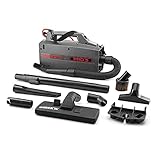
- VC Score8.8
BCP Score is a ranking system developed by bestcleanerproducts.com. BCP Score has no relationship or impact from any manufacturers or sales agent websites. Learn more
- BrandOreck

- VC Score8.8
BCP Score is a ranking system developed by bestcleanerproducts.com. BCP Score has no relationship or impact from any manufacturers or sales agent websites. Learn more
- BrandHolikme

- VC Score8.6
BCP Score is a ranking system developed by bestcleanerproducts.com. BCP Score has no relationship or impact from any manufacturers or sales agent websites. Learn more
- BrandEureka

- VC Score8.6
BCP Score is a ranking system developed by bestcleanerproducts.com. BCP Score has no relationship or impact from any manufacturers or sales agent websites. Learn more
- BrandVataim

- VC Score8.6
BCP Score is a ranking system developed by bestcleanerproducts.com. BCP Score has no relationship or impact from any manufacturers or sales agent websites. Learn more
- BrandEureka
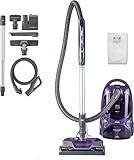
- VC Score8.2
BCP Score is a ranking system developed by bestcleanerproducts.com. BCP Score has no relationship or impact from any manufacturers or sales agent websites. Learn more
- BrandKenmore
Last update on 2026-10-01 / Affiliate links / Images, Product Titles, and Product Highlights from Amazon Product Advertising API


How to Refinish a Fiberglass Pool

How Do You Keep Raccoons Out of Your Pool?

How to Fix Cyanuric Acid in Your Pool

How to Shape a Pool Cue Tip to Stop Miscues

Best Far Infrared Sauna Sauna Heats: Top Picks of 2026

11 Best Far Infrared Sauna Carbon Fiber Heaters of 2026 For Balanced Full-Body Heat

11 Best Carbon Far Infrared Sauna of 2026 For Even Heat

10 Best Bluetooth Speaker For Sauna of 2026 For Heat and Steam


