
How to Clean a Ball Vacuum Filter to Restore Full Suction

A dusty smell or a sudden drop in suction is rarely a sign of a broken machine. Fixing it simply takes rinsing the two internal filters under cold tap water without soap until the runoff stays clear. Letting both parts air dry for at least 24 hours is the most critical step, as trapping moisture inside the fast-spinning motor can ruin the electrical parts.
A few details will shape your routine. Upright machines hide the round exhaust filter inside the rolling ball wheel, while pull-along models keep it in the main frame. High indoor humidity can also stretch the required drying time from one day to two. Check the rubber edges and mesh while cleaning, since torn fabric or warped seals mean buying a fresh set instead of washing. Here is how to find each piece and clean them properly.
Where are the filters hidden on a ball vacuum?
Unplug the vacuum from the wall before touching anything. This keeps you safe from accidental starts while your hands are near internal parts. Ball vacuums use two separate filtration spots to catch dust. If you only clean one, your machine will still choke for air.
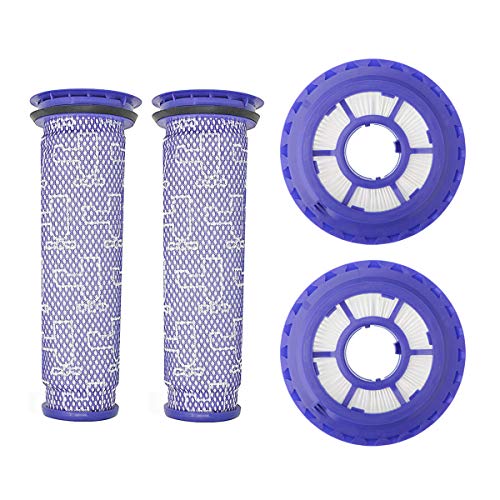
The first filter is the pre-motor filter (the washable stick filter inside the handle assembly). On upright models, look at the clear dirt canister top, which is called the cyclone. Press the release catch to lift the canister away from the vacuum body. At the top of the cyclone handle, you will find a small tab that pops open the filter compartment. Inside sits a long stick filter made of cloth and foam. It slides straight out like a wand.
The second filter is the post-motor filter (the round exhaust filter inside the ball wheel). This filter catches fine dust right before air leaves the machine. Look at the large plastic ball on which the vacuum rolls. In the center of the ball wheel, there is a circular locking dial. Turn this dial counterclockwise by hand. Pull the round wheel cover off to reveal the disc-shaped exhaust filter. Press the small clip to release the filter from the wheel hub.
On canister ball vacuums, placement is very similar. The washable stick filter rests inside the central cyclone body, while the exhaust filter sits inside the side wheel or lower rear vent.
How do you wash the filters correctly?
Washing these parts does not require special tools or cleaners. Gentle handling protects the delicate fibers. Follow these steps at your sink:
- Tap out the loose dry dust first. Take both filters to an outdoor trash can. Gently tap the plastic rims against the inside of the bin. Never strike the pleated cloth against hard surfaces, as this can crack the plastic frames. Tapping dislodges loose surface debris so you do not turn dry dust into sticky mud when you add water.
- Wash the stick filter under cold running water. Hold the stick filter upright under a cold tap. Let water fill the hollow center, then squeeze the foam sleeve gently. Pour the dirty water out and repeat. Never twist or wring the filter, because twisting tears internal seams. Squeeze under running water until the runoff is clear.
- Rinse the round ball wheel filter. Hold the round disc filter under cold water. Let water run through the pleats from the back side outward to flush trapped dirt away. Rotate the filter under the stream. Tap the rim against your palm to loosen stuck grime. Do not brush the pleats, which creates holes that let dust escape.
- Shake off excess moisture. Once the water runs clean, give both filters several firm shakes over the sink. Flick your wrists to force trapped droplets out of the dense pleats and foam. Squeeze the stick filter between clean paper towels to remove heavy moisture.
Why must the filters dry for twenty-four hours?
Drying the filters completely is the most critical step. While the outer plastic casing feels dry within an hour, the internal foam and dense pleated fibers hold moisture for a long time.
If you reinstall a damp filter, the motor pulls moisture straight into the high-speed electrical housing. Water mixed with fine dust turns into conductive mud. This creates short circuits, produces an unpleasant burning smell, and can destroy the motor within minutes. Damp filters also breed mold and mildew inside the dark vacuum chambers. Once mold spores establish themselves, every cleaning session blows a musty odor across your home.
Follow this drying checklist to keep your vacuum safe:
- Place filters in a well-ventilated spot near natural airflow.
- Stand the stick filter upright on its wide end so air circulates through its hollow core.
- Lay the round exhaust filter flat with its pleats facing upward.
- Leave both parts undisturbed for at least 24 full hours.
- Extend drying time to 48 hours during humid weather or cold winter months.
- Squeeze the thick foam firmly with dry fingers to confirm zero dampness remains.
Which common cleaning mistakes can destroy your filter?
A ball vacuum filter catches microscopic particles, making its fibers surprisingly delicate. Many owners ruin their filters trying to speed up maintenance.
First, avoid dish soaps, laundry detergents, and household cleaners. Soap leaves behind a sticky chemical residue that acts like glue. As soon as you vacuum again, fresh household dust sticks to this residue and clogs the tiny pores faster than normal dirt. Plain cold water is all you need to flush out debris.
Second, avoid hot water and direct heat. Never rinse filters with scalding water, and never dry them with hair dryers, ovens, or radiators. High heat shrinks synthetic fibers, softens structural glue, and warps plastic frames. If a plastic ring warps, the filter will not lock into the ball wheel tightly, allowing dirty air to bypass the filter completely.
Third, keep filters out of dishwashers and clothes washers. The aggressive churning of a washing machine tears foam seams, while dishwasher heat and water jets crush delicate pleats.
Finally, never use your vacuum to pick up liquid puddles, wet mud, or damp spills. Dry vacuums need dry air moving across dry filters. If you need to tackle liquid pet messes or soaked rugs, use an extraction machine such as a carpet cleaner for deep stain removal instead. Vacuuming liquids with an upright ball vacuum ruins filters immediately and risks electrical shock.
How do you know when washing is not enough?
Washing your filters restores airflow, but washable materials do not last forever. Over months of use, microscopic debris embeds itself deep within the material where running water cannot reach. Flexible rubber seals and plastic clips also fatigue over time.
Inspect your filters once they are dry. Replace the set rather than wash it if you notice any of these signs:
- The fabric shows tears, fraying edges, or thin spots where light passes straight through.
- The round rubber gasket around the ball filter has become brittle or cracked, letting air leak around the edges.
- The pleated fabric stays dark gray or black after rinsing, showing permanent clogging from soot or fine ash.
- The vacuum shuts off unexpectedly during use. Ball vacuums use thermal switches that shut off the motor when it overheats from restricted airflow.
- A sour, musty smell lingers when the filter is bone dry, indicating mold has colonized the inner foam.
For homes with pets or active families, replacing the filter set once every 6 to 12 months maintains peak suction and protects the motor.
What should you look for in a replacement set?
When washing no longer brings back strong suction, getting a fresh filter set restores original airflow. Keeping a spare filter set at home also eliminates the 24-hour drying wait. You can insert the dry spare set right away and keep cleaning while your washed filters dry safely on the counter.
Before ordering replacement parts, verify a few key details:
- Check your vacuum's exact model series. Upright ball models share similar shapes, but stick filter latches and ball wheel diameters vary across model generations.
- Select sets that include both the pre-motor stick filter and the post-motor ball wheel filter. Replacing only one leaves half the airflow restricted.
- Inspect the rubber sealing rings. A good replacement filter needs a flexible rubber gasket that creates an airtight seal against the vacuum housing.
- Look for dense pleated materials rated to trap fine dander and dust, preventing fine particles from blowing back into your living room.

- VC Score9.8
BCP Score is a ranking system developed by bestcleanerproducts.com. BCP Score has no relationship or impact from any manufacturers or sales agent websites. Learn more
- Brandisinlive

- VC Score9.4
BCP Score is a ranking system developed by bestcleanerproducts.com. BCP Score has no relationship or impact from any manufacturers or sales agent websites. Learn more
- BrandInnovaty
- VC Score9.4
BCP Score is a ranking system developed by bestcleanerproducts.com. BCP Score has no relationship or impact from any manufacturers or sales agent websites. Learn more
- BrandLemige

- VC Score9.2
BCP Score is a ranking system developed by bestcleanerproducts.com. BCP Score has no relationship or impact from any manufacturers or sales agent websites. Learn more
- BrandFanulter

- VC Score9.2
BCP Score is a ranking system developed by bestcleanerproducts.com. BCP Score has no relationship or impact from any manufacturers or sales agent websites. Learn more
- BrandGeneric

- VC Score9.2
BCP Score is a ranking system developed by bestcleanerproducts.com. BCP Score has no relationship or impact from any manufacturers or sales agent websites. Learn more
- BrandFre.Filtor

- VC Score9.0
BCP Score is a ranking system developed by bestcleanerproducts.com. BCP Score has no relationship or impact from any manufacturers or sales agent websites. Learn more
- BrandPetOde

- VC Score9.0
BCP Score is a ranking system developed by bestcleanerproducts.com. BCP Score has no relationship or impact from any manufacturers or sales agent websites. Learn more
- BrandHufopik

- VC Score8.6
BCP Score is a ranking system developed by bestcleanerproducts.com. BCP Score has no relationship or impact from any manufacturers or sales agent websites. Learn more
- BrandHOgardenME

- VC Score8.4
BCP Score is a ranking system developed by bestcleanerproducts.com. BCP Score has no relationship or impact from any manufacturers or sales agent websites. Learn more
- BrandTweruna

- VC Score8.0
BCP Score is a ranking system developed by bestcleanerproducts.com. BCP Score has no relationship or impact from any manufacturers or sales agent websites. Learn more
- Brandilovelife

- VC Score6.0
BCP Score is a ranking system developed by bestcleanerproducts.com. BCP Score has no relationship or impact from any manufacturers or sales agent websites. Learn more
- Brandbuy parts
Last update on 2026-10-01 / Affiliate links / Images, Product Titles, and Product Highlights from Amazon Product Advertising API
FAQs
Can you run the vacuum with damp filters?
No, you should never run the vacuum with damp filters. Running the motor pulls moisture straight into the electrical windings, which can cause motor burnout or serious electrical shorts. Damp filters also trap moisture inside the machine, leading to mildew growth and sour odors.
How often should you wash ball vacuum filters?
Wash both filters at least once every month under normal use. If you have shedding pets, vacuum thick carpets daily, or clean up fine dust, rinse them every two to three weeks to keep suction strong and prevent motor overheating.
Can you vacuum baking soda or drywall dust?
Avoid vacuuming fine powders like drywall dust, fireplace ash, or heavy coats of baking soda. These tiny particles bypass the dirt bin and clog filter pores almost immediately. If you accidentally vacuum fine dust, wash both filters right away.
Why does my vacuum still smell bad after washing?
A lingering odor usually means bacteria or mildew has formed deep inside the filter foam, requiring a new replacement set. Smells can also come from trapped hair around the spinning brush roller or pet dander stuck in the lower hose. Check and clear the brush roller and suction hose to remove hidden buildup.


How to Refinish a Fiberglass Pool

How Do You Keep Raccoons Out of Your Pool?

How to Fix Cyanuric Acid in Your Pool

How to Shape a Pool Cue Tip to Stop Miscues

Best Far Infrared Sauna Sauna Heats: Top Picks of 2026

11 Best Far Infrared Sauna Carbon Fiber Heaters of 2026 For Balanced Full-Body Heat

11 Best Carbon Far Infrared Sauna of 2026 For Even Heat

10 Best Bluetooth Speaker For Sauna of 2026 For Heat and Steam


