
How to Clean a Ball Multi Floor Vacuum to Restore Suction

Most owners assume that deep cleaning an upright vacuum means washing every plastic piece under the kitchen faucet. Doing that can destroy the motor. Restoring strong airflow only requires rinsing the washable filters with cold water and clearing tangled hair from the roller brush. The dirt bin just needs a wipe with a damp cloth, while the cone-shaped dirt separator must stay completely dry.
The exact steps you need depend on where the problem started. A sudden drop in suction usually points to a stubborn clog inside the lower hose duct, while a stale, dusty odor means the filters are packed with fine grit. Safe drying time also changes things, since washed filters need at least twenty-four hours of open air before going back into the machine. Here is how to clean each section without risking any water damage.
Emptying the Canister and Cleaning the Dirt Separator
Before you begin, unplug the vacuum from the wall. Press the release catch at the top of the carry handle to lift the canister away from the ball frame. Hold the canister low over a trash can and press the red bin release button. The bottom flap will drop open, letting dust and debris fall straight out without scattering across your room.
Next, separate the clear plastic bin from the inner cyclone assembly (the cone-shaped dirt separator). Look for the small plastic clip near the bottom hinge that lets the clear bin slide off completely. You can safely wash this clear plastic bin in your sink with cool water and mild dish soap. Rinse it thoroughly and wipe it dry with a clean cloth.
The cone-shaped dirt separator requires very different care. Never submerge this part in water, and never run tap water over the cones. The separator contains narrow air channels that spin dirt away from the motor. If water enters those chambers, fine dust turns into thick mud that chokes airflow and never dries out. Moisture can also pull into the motor housing, causing electrical shorts or ruined bearings.
To clean the cone-shaped dirt separator safely, take it outside and tap it gently over a trash can. Wipe the metal shroud and plastic cones with a dry microfiber cloth or soft paintbrush. If you have compressed air, blow it through the honeycomb holes to dislodge trapped lint. For wet spills or pet messes, remember that dry upright vacuums cannot handle liquid. A dedicated spot carpet cleaner for tough pet stains clears damp messes safely without filling your upright vacuum with wet mud.
Steps to Wash and Dry the Filters Safely
Ball vacuums rely on two washable filters to protect the motor and keep dust out of your air. Over time, fine dust packs into the fibers, reducing suction and making the motor run hot. Follow these steps to clean both filters safely.
- Unplug the power cord from the wall outlet. Disengaging the power protects you from accidental electrical shocks while handling internal components.
- Pull the top washable filter out from the canister handle. Removing this upper pre-filter lets you clear the fine silt that gathers before air enters the motor chamber.
- Twist the ball shell counter-clockwise to remove the ball exhaust filter. Accessing this round post-filter lets you flush away carbon dust before clean air blows back into your room.
- Rinse both filters under cold running tap water without soap. Cold water protects delicate fibers, whereas hot water can warp plastic frames and soap leaves sticky residue that traps dirt.
- Squeeze the top washable filter gently until the runoff water turns clear. Gentle squeezing pushes trapped silt out of the inner foam layers without tearing the seams.
- Tap the plastic frame of the ball exhaust filter firmly against the sink. Tapping the hard edge knocks loose grit from the paper pleats without tearing the fragile material.
- Place both filters on a clean towel in an airy spot for at least 24 hours. Installing damp filters pulls moisture directly into the high-speed motor, causing bearing failure and bad mildew smells.
Never place filters on a radiator, in a clothes dryer, or under a hair dryer. Extreme heat melts rubber seals and warps plastic frames. Let them air-dry naturally until bone dry throughout.
Clearing the Cleaner Head and Rotating Roller Brush
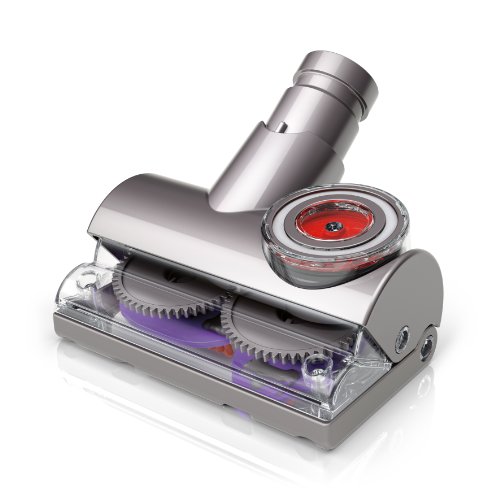
When an upright ball vacuum leaves pet hair behind, the cleaner head (the floor nozzle) is usually tangled. Hair, string, and carpet threads wrap tightly around the rotating roller brush. This buildup slows the roller down and puts heavy strain on the drive motor.
To access the brush, lay the vacuum flat on the floor with the underside facing up. Find the fasteners on the bottom cover plate (the soleplate). Use a coin or flat screwdriver to turn each fastener a quarter turn until it clicks open, then lift the plate off.
Slide scissors along the groove cut into the rotating roller brush and cut across wrapped hair. Pull the cut strands away by hand. Never yank with heavy force, which can bend the roller or pull bristle tufts out.
Check both ends of the roller brush assembly. Hair often slips behind the end bearing caps, causing friction and heat. Pull off any hair rings, wipe the plastic housing clean with a dry rag, and lock the bottom cover plate back into place.
Checklist for Finding Hidden Airway Clogs
If your filters are clean and your roller brush spins freely, but your vacuum still lacks suction, an obstruction is blocking the airway. Ball vacuums route airflow through several tight curves. Use this checklist to check the most common clog spots.
- The lower duct hose: Unclip the short, ribbed hose joining the cleaner head to the ball base. Shine a flashlight straight through to confirm light passes without blockage.
- The internal ball swivel channel: Look inside the curved plastic duct inside the ball. Drop a coin through the channel; if it does not fall out the bottom, debris is jammed inside the curve.
- The wand and handle hose: Detach the flexible hose from the back. Stretch it straight and look through the tube. Push a wooden spoon handle gently through to slide any blockage out.
- The bin inlet valve: Check the rectangular opening where debris enters the clear dirt bin. If cardboard or fur props the rubber flap open, suction drops immediately.
- The cleaner head intake neck: Look behind the rotating roller brush where the floor nozzle narrows. Small items like bottle caps or pet treats often lodge here and collect hair.
Reassembly and Routine Maintenance to Stop Sour Odors
Putting your vacuum back together requires patience. Reinstalling filters that feel dry on the outside but stay damp inside allows bacteria to multiply. Running the machine pulls that moisture into the motor, causing a sour, dirty-dog smell every time you clean. If the foam core feels cool to the touch, give it more drying time.
Once dry, click the top filter into the canister handle and twist the ball exhaust filter into the ball shell. Snap the clear bin onto the cyclone assembly and set the canister back onto the main body.
To keep your ball vacuum running well in 2026, use this simple schedule:
- Empty the clear bin after every cleaning session, or whenever debris reaches the max line.
- Rinse the top filter and ball exhaust filter once a month, or every two months for light use.
- Clear hair from the rotating roller brush monthly to protect bearings and drive belts.
- Inspect the lower hose and internal airway ducts every three to six months.
For wet spills or pet messes, remember that dry vacuums cannot handle liquid. A dedicated carpet cleaner for stubborn spots and pet odors keeps damp, smelly gunk out of your dry vacuum entirely.
What to Look for in Replacement Cleaner Heads and Filters
Routine washing keeps your machine running well, but certain parts wear out over time. If your vacuum still loses suction after a deep wash, or if the brush fails to lift carpet pile, you may need replacement components.
Washable filters do not last forever. After repeated washing, fabric pores can choke permanently with fine silt, or the foam may crumble. If your filters stay dark gray after washing or show tears, a fresh filter set will restore proper airflow.
For the cleaner head, check the bristles on your rotating roller brush. If the bristles are worn down, bent sideways, or too soft to flick carpet fibers, they cannot agitate dirt loose. When choosing a replacement brush roll, bottom cover plate, or floor nozzle, verify the exact model number on the rating sticker behind the canister or under the ball. Different production series use different latch tabs and airway fittings, so matching your model confirms a tight, airtight fit.

- VC Score-
BCP Score is a ranking system developed by bestcleanerproducts.com. BCP Score has no relationship or impact from any manufacturers or sales agent websites. Learn more
- BrandImprovedhand
- VC Score-
BCP Score is a ranking system developed by bestcleanerproducts.com. BCP Score has no relationship or impact from any manufacturers or sales agent websites. Learn more
- BrandDyson

- VC Score-
BCP Score is a ranking system developed by bestcleanerproducts.com. BCP Score has no relationship or impact from any manufacturers or sales agent websites. Learn more
- BrandSAFAVIEH

- VC Score-
BCP Score is a ranking system developed by bestcleanerproducts.com. BCP Score has no relationship or impact from any manufacturers or sales agent websites. Learn more
- BrandZoainuos

- VC Score-
BCP Score is a ranking system developed by bestcleanerproducts.com. BCP Score has no relationship or impact from any manufacturers or sales agent websites. Learn more
- BrandGertmenian

- VC Score-
BCP Score is a ranking system developed by bestcleanerproducts.com. BCP Score has no relationship or impact from any manufacturers or sales agent websites. Learn more
- BrandnuLOOM
Last update on 2026-10-02 / Affiliate links / Images, Product Titles, and Product Highlights from Amazon Product Advertising API
FAQs
Can I run my ball vacuum without the ball exhaust filter installed?
No, you should never run your vacuum without the ball exhaust filter in place. This filter provides necessary back-pressure for the motor while catching carbon motor dust and fine allergens. Running the machine without it blows motor dust back onto your floors and can lead to motor over-speeding.
Why is my ball vacuum making a high-pitched whistling noise?
A high-pitched whistling sound indicates a restricted air path or an unsealed filter cover. When suction is choked by a clog in the lower hose or a packed filter, a safety bypass valve opens to keep cooling air reaching the motor. Inspect the lower hose for clogs and confirm both filter covers are clicked shut.
Can I put baking soda in the canister to eliminate vacuum smells?
Avoid vacuuming up large amounts of baking soda or putting it inside the canister. Baking soda particles are so fine that they pass through the cone-shaped dirt separator and quickly plug the pores of your washable filters. To clear bad odors, wash the filters in plain water, wipe the bin with diluted white vinegar, and let everything dry completely.
How do I know if the rotating roller brush motor has shut off?
If the roller brush stops spinning on carpet, check whether the brush switch on the handle is turned on. Many ball models feature an internal safety breaker that cuts power to the roller when hair or rug fringe jams the brush. Clear away any tangled debris, switch the vacuum off, wait a minute, and turn it back on to reset the breaker.


How to Refinish a Fiberglass Pool

How Do You Keep Raccoons Out of Your Pool?

How to Fix Cyanuric Acid in Your Pool

How to Shape a Pool Cue Tip to Stop Miscues

Best Far Infrared Sauna Sauna Heats: Top Picks of 2026

11 Best Far Infrared Sauna Carbon Fiber Heaters of 2026 For Balanced Full-Body Heat

11 Best Carbon Far Infrared Sauna of 2026 For Even Heat

10 Best Bluetooth Speaker For Sauna of 2026 For Heat and Steam


