
How Much Does a Stick Vacuum Cost in 2026?

A bowl of dry cereal crunches under a slipper on the kitchen tile, making a heavy upright machine feel like far too much work for a two-minute cleanup. A stick vacuum can be refreshingly inexpensive for basic plug-in sweeping, but the price steps up quickly if you want cordless freedom and deeper carpet cleaning.
What you need to spend depends heavily on your floors and power needs. Flat surfaces like laminate or tile require very little suction to pull up loose crumbs, but rugs demand a motorized brush roll (a spinning bristle bar that lifts dirt) and a stronger motor. Choosing a rechargeable battery over a standard wall plug also raises the price tag, as do sealed filters for pet hair. Here is a clear look at what each price level delivers so you can choose the right balance for your home.
Compare basic corded models with step-up cordless units
A stick vacuum bridges the gap between a bulky upright vacuum and a simple broom. What you end up paying depends largely on how the machine gets its electrical power and what motor drives it. Understanding this basic divide narrows down your choices without overspending on features you do not need.
Entry-level stick vacuums are almost always corded. These machines plug directly into an ordinary wall outlet and run on basic suction motors. Because they do not need expensive rechargeable batteries, complex charging boards, or molded docks, manufacturers produce them at low cost. They deliver reliable suction power (how strongly the motor pulls in dirt) for as long as they stay plugged in. The trade-off is the cord itself. You must work within the reach of your wall outlet, steer around furniture legs, and switch plugs as you move between rooms.
Step-up models make the transition to cordless operation. Instead of trailing a cord across the floor, you get a lightweight machine powered by a rechargeable battery pack on the handle or extension wand. The freedom to grab the vacuum off a wall bracket and clean up dried cereal or pet food in seconds is why many people prefer cordless designs. However, battery technology, high-efficiency motors, and charging bases raise the manufacturing cost. Stepping into the cordless category means you are paying primarily for mobility and quick convenience.
Factor in the extra cost of batteries and charging docks
When you look at the price difference between basic and advanced stick vacuums, the rechargeable battery pack accounts for a large portion of that gap. High-capacity lithium cells are expensive to produce, and they require protective sensors to regulate heat, prevent power surges, and manage charging cycles safely.
A basic battery pack might run for fifteen to twenty minutes on normal mode, which is plenty for a studio apartment or a quick kitchen sweep. Vacuums with larger battery capacities can run for forty-five minutes or more, but adding extra cells increases both the weight in your hand and the price tag. Higher-tier models often include wall-mounted docks that recharge the unit automatically. Entry-level cordless models usually rely on a basic plug-in adapter, leaving the vacuum resting against a wall or lying on the floor.
Batteries also represent an ongoing expense that many buyers overlook. Every rechargeable battery degrades over time as you recharge it. After several years of regular cleaning, a battery that once lasted forty minutes may only hold a charge for ten or fifteen minutes. If you plan to keep a cordless vacuum for several years, check the availability and cost of a new battery for a cordless vacuum to understand your long-term ownership costs. Corded models avoid this replacement cost entirely because household outlets deliver steady power year after year.
Check your floor types before paying for motorized brush rollers
Your home flooring plays a major role in what you need to spend on a stick vacuum. The simplest vacuum heads use straight suction through an open floor nozzle (the wide intake head that glides along the floor). On bare hardwood, ceramic tile, laminate, or linoleum, straight suction works remarkably well. It pulls in dust, crumbs, and stray pet hair smoothly without any moving parts beneath the head.
Carpets and fabric rugs present a completely different challenge. Carpet fibers trap dirt, sand, and pet hair deep near the backing. Straight suction alone cannot dislodge debris settled into carpet pile. To clean rugs effectively, the floor nozzle must house a spinning brush roller (the spinning bristle bar under the head that lifts dirt). This spinning roller agitates the carpet fibers, kicking dirt up into the airflow path so the motor can pull it into the dust cup.
Motorized brush rollers add drive belts, small electric motors, and internal wiring through the wand, raising the retail price. If you buy an inexpensive stick vacuum with only a passive floor head, it will glide over carpets while leaving hair and embedded grit behind. Conversely, if your home has only bare floors and zero area rugs, paying extra for an aggressive motorized brush roller is an unnecessary expense. Stiff spinning bristles can also scatter debris across bare floors or scuff delicate wood sealants.
Weigh the daily trade-offs of entry-level machines
Choosing a stick vacuum in the lowest price tier saves money upfront, but low-cost engineering comes with real trade-offs in day-to-day use. Knowing what to expect prevents frustration when you tackle routine household messes.
Keep this checklist of common trade-offs in mind when evaluating low-cost machines:
- Short runtime under load: Budget cordless models often claim decent cleaning times on their lowest power setting, but their runtime (minutes of cleaning time before the battery dies) drops sharply when you switch to high suction for stubborn messes.
- Small dust cups: Inexpensive stick vacuums typically feature dust cups holding less than half a liter of dirt. In a home with shedding pets, you may need to stop and empty the dust cup into the trash two or three times during a single sweep.
- Frequent filter maintenance: Low-cost vacuums usually rely on basic pleated filters that sit directly in the airflow path. Without advanced cyclone chambers to spin out fine particles, these filters clog quickly, choking off suction power until you take them out, tap them clean, or wash them under the tap.
- Rigid wand connections: Entry-level vacuums often use friction-fit plastic tubes and fixed joints that do not swivel smoothly around table legs or slide flat under low beds.
- Narrow intake paths: Cheaper floor nozzles tend to have narrower openings that can jam when faced with larger debris, such as dry pet kibble or dropped leaves.
These limitations do not mean budget stick vacuums are bad tools. They simply mean you must match the machine to the chore. A small dust cup and short reach work fine for a dorm room or quick post-dinner sweeps, but they become frustrating if you try to clean a multi-story home.
Align your budget with your home size and cleanup habits
The best way to decide how much to spend is to examine your living space, your flooring balance, and how you prefer to clean. Matching the machine to your routine ensures you do not waste money on features you never touch or buy a vacuum that leaves floors half-cleaned.
For small apartments, dorm rooms, or secondary cleaning spots like home workshops, a compact corded stick vacuum delivers the best value. Because the unit plugs into the wall, it provides continuous suction power without the risk of a dead battery mid-sweep. If your apartment has mostly linoleum, tile, or hardwood floors, a simple corded model with a basic floor nozzle handles daily kitchen spills and entryway dust for years at minimal cost.
For busy multi-room homes with a mix of hard floors and low-pile area rugs, stepping up to a mid-tier cordless vacuum is usually worth the investment. Look for a model that includes a motorized brush roller with an anti-tangle design to keep long hair from wrapping around the axle. A unit with a clear battery indicator prevents surprise shutdowns, and a swappable battery pack lets you double your cleaning time by keeping a spare cell charging on the counter.
For households with heavy-shedding dogs, thick plush carpets, or family members with dust sensitivities, expect to target a higher price tier. Deep carpet cleaning requires stronger motor wattage and specialized floor heads that maintain contact with the floor. You will also want a completely sealed system with a true HEPA filter (a tight air filter that traps fine dust particles). Unsealed budget vacuums can leak fine dust and pet dander back out through the motor seams, which settles back onto furniture minutes after vacuuming.
Inspect the floor nozzle and cleaning attachments before buying
To get the most value for your money, always inspect the design of the floor nozzle and accessories before making a purchase. A well-designed floor head makes a budget vacuum perform far better, while a poorly designed head can ruin the performance of an expensive motor.
Look for a floor nozzle with a low-profile neck and flexible swivel steering. A head that pivots smoothly allows you to steer around chair legs and slide under the sofa without lifting the entire machine off the floor. Check the underside of the nozzle to confirm how the spinning brush roller is mounted. Removable brush rollers that pop out with a quick-release latch make it easy to clear wrapped hair, threads, and debris without using screwdrivers or scissors.
Also verify what tools come in the box. Most stick vacuums convert into compact handheld units by removing the main extension wand. A narrow crevice tool helps you clean deep between couch cushions and along baseboards, while a small dusting brush gently lifts pet hair from window sills and curtains. Having the right attachments included from the start saves you from buying expensive add-on kits later.

- VC Score10.0
BCP Score is a ranking system developed by bestcleanerproducts.com. BCP Score has no relationship or impact from any manufacturers or sales agent websites. Learn more
- BrandHFFLH

- VC Score9.8
BCP Score is a ranking system developed by bestcleanerproducts.com. BCP Score has no relationship or impact from any manufacturers or sales agent websites. Learn more
- BrandOUYFHK
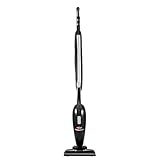
- VC Score8.8
BCP Score is a ranking system developed by bestcleanerproducts.com. BCP Score has no relationship or impact from any manufacturers or sales agent websites. Learn more
- BrandBissell

- VC Score8.6
BCP Score is a ranking system developed by bestcleanerproducts.com. BCP Score has no relationship or impact from any manufacturers or sales agent websites. Learn more
- BrandKARDV

- VC Score8.4
BCP Score is a ranking system developed by bestcleanerproducts.com. BCP Score has no relationship or impact from any manufacturers or sales agent websites. Learn more
- BrandAmazon Basics
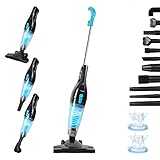
- VC Score8.4
BCP Score is a ranking system developed by bestcleanerproducts.com. BCP Score has no relationship or impact from any manufacturers or sales agent websites. Learn more
- BrandIntercleaner

- VC Score8.4
BCP Score is a ranking system developed by bestcleanerproducts.com. BCP Score has no relationship or impact from any manufacturers or sales agent websites. Learn more
- BrandLovskoo

- VC Score8.2
BCP Score is a ranking system developed by bestcleanerproducts.com. BCP Score has no relationship or impact from any manufacturers or sales agent websites. Learn more
- BrandEureka

- VC Score8.0
BCP Score is a ranking system developed by bestcleanerproducts.com. BCP Score has no relationship or impact from any manufacturers or sales agent websites. Learn more
- BrandRoomie Tec

- VC Score8.0
BCP Score is a ranking system developed by bestcleanerproducts.com. BCP Score has no relationship or impact from any manufacturers or sales agent websites. Learn more
- BrandDirt Devil

- VC Score7.8
BCP Score is a ranking system developed by bestcleanerproducts.com. BCP Score has no relationship or impact from any manufacturers or sales agent websites. Learn more
- BrandECOVORTEX

- VC Score2.0
BCP Score is a ranking system developed by bestcleanerproducts.com. BCP Score has no relationship or impact from any manufacturers or sales agent websites. Learn more
- BrandLovskoo
Last update on 2026-10-12 / Affiliate links / Images, Product Titles, and Product Highlights from Amazon Product Advertising API
FAQs
Can a budget stick vacuum clean pet hair effectively?
A low-cost stick vacuum picks up pet hair on hard surfaces like tile and hardwood, where simple suction lifts loose hair into the dust cup. On rugs and carpets, pet hair clings tightly to fabric fibers. If you have carpeted rooms, you need a model equipped with a motorized spinning brush roller to pull the hair free, which typically raises the purchase price.
Why does cordless stick vacuum battery life decrease on high suction?
Running a vacuum motor at its highest suction setting requires a massive surge of electrical power from the battery pack. This heavy power draw drains the chemical cells much faster than normal eco modes, often cutting forty minutes of standard runtime down to under ten minutes. Using max power only for stubborn dirt patches helps your battery last through an entire cleaning session.
How often do stick vacuum filters need to be washed?
Most stick vacuum filters should be rinsed under cool water once every month, though homes with pets may require washing every two weeks. Always let foam or fabric filters air dry completely for at least twenty-four hours before reinstalling them. Putting a damp filter back into the machine can ruin the motor and cause mildew odors inside the dust chamber.
Is a corded stick vacuum stronger than a cordless model?
Corded stick vacuums pull constant electrical current directly from your home wall outlet, so their suction power remains completely steady from start to finish. Cordless models rely on battery voltage, which can cause suction to taper off slightly as the charge depletes on certain models. While high-end cordless motors produce impressive suction, corded models often deliver comparable cleaning strength at a much lower price point.


How to Refinish a Fiberglass Pool

How Do You Keep Raccoons Out of Your Pool?

How to Fix Cyanuric Acid in Your Pool

How to Shape a Pool Cue Tip to Stop Miscues

Best Far Infrared Sauna Sauna Heats: Top Picks of 2026

11 Best Far Infrared Sauna Carbon Fiber Heaters of 2026 For Balanced Full-Body Heat

11 Best Carbon Far Infrared Sauna of 2026 For Even Heat

10 Best Bluetooth Speaker For Sauna of 2026 For Heat and Steam


