
How Much Does an Animal Vacuum Cost in 2026?

A dedicated animal vacuum runs anywhere from a modest starter purchase to a major household investment. What shifts that expense most is how much stubborn hair coats your floors and furniture each week. Light shedders on bare floors need far less cleaning muscle, while thick carpets packed with deep fur demand specialized suction heads that cost more.
The final cost also hinges on the machine design and extra attachments. Cordless stick models and direct pet grooming kits fit into very different spending brackets than traditional corded uprights. Key upgrades like tangle-free roller bars that keep long hair from wrapping tight, sealed filters that trap pet dander, and mini motorized pet tools will also bump up the total. Here is what to expect at each level so you can find the right match for your home without overspending.
The Short Version
- The expected cost: Most dedicated animal vacuums cost between $80 and $450. Basic upright models sit near the lower end, while advanced machines with tangle-free rollers and premium brand names sit at the top.
- What extra money buys: Paying more gets you a spinning brush roller designed to prevent wrapped hair, a fully sealed fine dust trap (HEPA filter) to catch pet dander, and motorized hand tools for furniture.
- Floor cleaners versus grooming kits: Standard floor vacuums clear hair from carpets and hard floors, while direct pet grooming suction kits cost between $70 and $150 to brush loose fur off your dog before it falls.
- The sweet spot: Spending $150 to $300 usually gives busy pet owners the best balance of strong suction, hair-resistant rollers, and reliable parts without paying for luxury extras.
Typical Price Ranges for Animal Vacuums
Pet hair behaves differently than ordinary household dust. Dog and cat hair weaves deep into carpet fibers, binds tightly around spinning rollers, and carries oily dander that quickly clogs basic paper filters. Because of this, vacuum manufacturers build animal-specific models across three main pricing tiers.
Entry-level pet vacuums ($80 to $150): These machines are usually corded upright vacuums or compact handhelds. They deliver plenty of raw suction through straight suction paths and basic bristle rollers. They do a solid job on flat rugs and hard surfaces. But at this price point, you must use scissors regularly to cut hair off the roller bar, and their dust bins often release a small puff of dander when emptied.
Mid-range pet vacuums ($150 to $300): This range represents the most practical choice for multi-pet households. Vacuums here commonly include self-cleaning roller bars that shed long strands into the bin automatically. You also get sealed filtration systems that keep microscopic dander trapped inside the canister, along with flexible swivel steering to reach under sofas.
Premium pet vacuums ($300 to $450 and above): High-end uprights and cordless stick vacuums from top brands sit in this bracket. Famous lineups like the Dyson Animal series belong here. You pay for advanced multi-cyclone suction that never drops as the bin fills, lightweight bodies, smart sensors that adjust power between rugs and bare wood, and specialized motorized upholstery heads.
What You Get Between $80 and $450
Spending an extra $100 or $200 on an animal vacuum does not just buy a fancy color or a pet silhouette on the box. Real engineering differences determine whether a machine lasts five years or burns out a motor belt during spring shedding season.
The first major upgrade is the floor nozzle assembly. Budget vacuums use standard nylon bristles arranged in a straight spiral. When long dog hair hits this bar, it wraps tight like thread on a spool. Within two weeks, the roller binds up, strains the drive belt, and stops spinning. Models closer to $250 or $350 use specially grooved roller bars and rubber fins that comb hair away from the bearings and pull it straight up into the intake tube.
Filtration is the second big separator. Animals leave behind fine dander, dried saliva flakes, and outdoor dust. Cheap units use simple foam pads that catch big hair clumps but let tiny dander particles blast out of the exhaust vent back into your living room. Vacuums in the $180 to $400 bracket feature sealed bodies with a HEPA filter (a fine dust trap that catches pet dander and microscopic particles). This keeps the room smelling fresh and protects family members with pet allergies.
You also pay for motor endurance and attachments. Premium machines come with miniature motorized tools designed specifically for carpeted stairs and velvet couches. Instead of relying purely on air suction to turn a tiny plastic fan, these tools have dedicated drive gears that scrape stubborn fur out of fabric. If you pick a battery-powered stick vacuum in this tier, keep in mind that portable batteries wear down over several years of high-power pet cleaning. You may eventually want to check the cost of a new battery for a cordless vacuum to keep the machine running at full strength.
Floor Pet Vacuums Versus Direct Pet Grooming Kits
When searching for animal vacuums, you will notice two very different styles of machines: vacuums that clean your floors, and vacuums that clean your pet directly. Knowing the difference prevents buying the wrong machine for your daily cleaning routine.
Floor pet vacuums are the traditional uprights, canisters, and stick cleaners built to clean floors, carpets, and furniture cushions. They have wide floor heads, large dirt bins, and powerful motors meant to pull embedded fur out of dense carpet weaves. Their motors are often loud, which can frighten skittish pets, but they are essential for keeping an entire house clean.
Direct pet grooming vacuums are small, portable suction units connected to a flexible hose and grooming attachments. They include tools like a deshedding tool (a comb attachment that pulls loose undercoat hair away from the skin) and pet hair clippers. Instead of letting fur blow all over your bathroom or patio while brushing your dog, the machine pulls loose strands straight into a quiet collection bin. These kits usually cost between $70 and $150.
Direct grooming kits do not clean your living room rug or stairs, and standard floor vacuums should never be used directly on an animal. Many homes with heavy double-coated breeds, like Golden Retrievers or Huskies, use a grooming kit weekly to stop fur at the source, and an upright vacuum for daily floor sweeps. For deep carpet accidents or muddy paw prints that dry vacuum suction cannot lift, pet owners also pair these tools with a carpet cleaner for pet stains and odors to handle wet messes.
Key Pet Features Worth Paying For
Manufacturers love to print long lists of buzzwords on vacuum boxes. When fur removal is your main goal, only a handful of specific parts actually justify a higher price tag. Check for these components before spending your money:
- Tangle-free spinning brush roller: Look for a roller shaped so hair slides off instead of winding tight around the center spindle. This single feature saves you from cutting hair free with kitchen shears every week.
- Sealed HEPA filtration: A fine dust trap that catches pet dander ensures that tiny allergens stay trapped inside the dust chamber instead of spraying into the air you breathe.
- Powered hand tools: Standard plastic crevice wands struggle to lift fur from car seats and upholstered armchairs. A small hand tool with its own spinning brush bar lifts clingy hair in one pass.
- Adjustable suction vent: High suction can pull thin area rugs straight into the intake nozzle and stall the motor. A simple pressure-release vent or slider gives you smooth control over delicate mats.
- Wide dust bin release: Wet or oily dog hair tends to wedge into solid clumps inside the dirt cup. A wide bin opening with an easy drop latch lets the fur fall cleanly into the trash without you having to pull it out by hand.
How to Pick the Right Price Point for Your Home
You do not need to spend top dollar to keep a clean home, but spending too little on pet cleanup often leads to buyer regret. Follow these practical steps to determine the exact budget level you need.
- Evaluate your pet's coat and shedding habits: A single short-haired cat or a small dog that sheds lightly does not require heavy machinery. A basic upright or stick vacuum in the $80 to $130 range easily picks up loose surface hair. If you have two large dogs with thick undercoats that shed heavily twice a year, jump directly to the $200 to $350 range to get a tangle-resistant roller and higher airflow.
- Map out your floor surfaces: If your home has mostly bare hardwood, tile, or laminate, high-end carpet agitators are unnecessary. A mid-tier machine with strong straight suction and rubber floor squeegees will clear hair without scratching planks. If you have wall-to-wall high-pile carpet, you need an upright vacuum with a height-adjustable floor head and strong motor power to vibrate deep hair up to the surface.
- Decide between corded power and cordless convenience: Cordless vacuums offer quick cleanup when pet hair gathers in corners before guests arrive, but reliable cordless models with enough battery runtime for heavy pet hair usually cost between $250 and $450. Corded uprights give you unlimited run time and deeper carpet agitation for $120 to $220.
- Consider family allergies: If anyone in your home suffers from sneezing, itchy eyes, or asthma around animals, avoid unsealed budget vacuums. Investing at least $180 in a vacuum with a certified sealed HEPA system prevents fine pet dander from circulating through the room during your weekly clean.
- Weigh maintenance time against upfront dollars: A cheaper $90 vacuum can pick up plenty of hair, but you will pay for it in labor. You will spend ten minutes clearing tangled rollers and washing foam filters after every couple of rooms. If spending an extra $100 saves you half an hour of maintenance each weekend, the higher price tag quickly pays for itself in peace of mind.
What to Look for in a Pet Vacuum Head Before Buying
The vacuum head is the business end of your cleaner. It makes direct contact with your rugs and does the hard mechanical work of separating stubborn fur from carpet strands. Even a motor with tremendous airflow will leave fur behind if the floor nozzle is poorly designed.
When inspecting the vacuum head, check the underside closely. A quality pet head features a spinning brush roller with sturdy, chevron-patterned bristles or thick rubber fins. These fins flick hair upward into the air stream rather than letting it wind around the sides. Look at the roller end caps: they should have recessed bearings or smooth shields so long strands cannot enter the internal gears and melt the plastic housing.
Also confirm whether the floor head includes a shutoff switch or height adjustment. Spinning bristles can scatter kibble or scratch delicate hardwood finishes. Being able to turn the spinning roller bar off while keeping full suction lets you glide straight from a thick living room rug onto bare kitchen floors without missing a beat.

- VC Score9.2
BCP Score is a ranking system developed by bestcleanerproducts.com. BCP Score has no relationship or impact from any manufacturers or sales agent websites. Learn more
- Brandoneisall
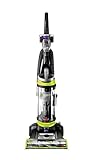
- VC Score9.0
BCP Score is a ranking system developed by bestcleanerproducts.com. BCP Score has no relationship or impact from any manufacturers or sales agent websites. Learn more
- BrandBissell

- VC Score9.0
BCP Score is a ranking system developed by bestcleanerproducts.com. BCP Score has no relationship or impact from any manufacturers or sales agent websites. Learn more
- Brandoneisall
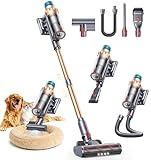
- VC Score9.0
BCP Score is a ranking system developed by bestcleanerproducts.com. BCP Score has no relationship or impact from any manufacturers or sales agent websites. Learn more
- BrandSMOTURE

- VC Score8.8
BCP Score is a ranking system developed by bestcleanerproducts.com. BCP Score has no relationship or impact from any manufacturers or sales agent websites. Learn more
- BrandBissell

- VC Score8.8
BCP Score is a ranking system developed by bestcleanerproducts.com. BCP Score has no relationship or impact from any manufacturers or sales agent websites. Learn more
- BrandWrapables
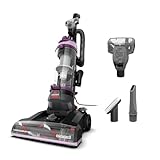
- VC Score8.8
BCP Score is a ranking system developed by bestcleanerproducts.com. BCP Score has no relationship or impact from any manufacturers or sales agent websites. Learn more
- BrandBissell

- VC Score8.8
BCP Score is a ranking system developed by bestcleanerproducts.com. BCP Score has no relationship or impact from any manufacturers or sales agent websites. Learn more
- BrandShark

- VC Score8.6
BCP Score is a ranking system developed by bestcleanerproducts.com. BCP Score has no relationship or impact from any manufacturers or sales agent websites. Learn more
- BrandHicoolmam
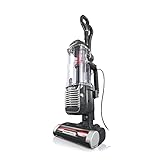
- VC Score8.6
BCP Score is a ranking system developed by bestcleanerproducts.com. BCP Score has no relationship or impact from any manufacturers or sales agent websites. Learn more
- BrandShark

- VC Score8.4
BCP Score is a ranking system developed by bestcleanerproducts.com. BCP Score has no relationship or impact from any manufacturers or sales agent websites. Learn more
- BrandDyson
Last update on 2026-10-12 / Affiliate links / Images, Product Titles, and Product Highlights from Amazon Product Advertising API
FAQs
How much does a genuine Dyson Animal vacuum cost?
A genuine Dyson Animal vacuum typically costs between $400 and $600 depending on whether you buy a corded upright or a cordless stick model. These vacuums sit at the premium end of the market because they feature strong multi-cyclone suction, specialized anti-tangle floor heads, and multi-stage filtration. Sales and older production runs occasionally bring the price down closer to $350.
Can a vacuum under $100 pick up heavy dog hair?
A vacuum under $100 can lift loose pet hair from flat surfaces, hard floors, and low-pile mats. However, cheaper vacuums use basic bristle rollers that clog quickly with long hair, which requires you to stop and cut strands free manually. They also tend to struggle with deeply embedded undercoat hair trapped in plush carpets.
What makes an animal vacuum different from a regular vacuum?
An animal vacuum includes features specifically engineered to handle the physical traits of pet fur and dander. These include tangle-free roller bars that resist hair wrap, stronger motorized agitation to pull clinging fur off fabric, and sealed HEPA filters that trap microscopic dander flakes. Standard vacuums often rely on basic suction paths that choke on thick clumps of fur.
How much do pet grooming vacuums that brush dogs directly cost?
Dedicated pet grooming vacuums that connect directly to deshedding brushes and clippers usually cost between $70 and $150. These machines run at lower noise levels to avoid scaring pets and pull loose hair into a bin while you groom. They are meant for direct coat maintenance rather than cleaning carpets or furniture.


How to Refinish a Fiberglass Pool

How Do You Keep Raccoons Out of Your Pool?

How to Fix Cyanuric Acid in Your Pool

How to Shape a Pool Cue Tip to Stop Miscues

Best Far Infrared Sauna Sauna Heats: Top Picks of 2026

11 Best Far Infrared Sauna Carbon Fiber Heaters of 2026 For Balanced Full-Body Heat

11 Best Carbon Far Infrared Sauna of 2026 For Even Heat

10 Best Bluetooth Speaker For Sauna of 2026 For Heat and Steam


