
How Much Does a Vacuum Cleaner Cost in 2026?

Take a quick inventory of the floor surfaces across the living space before setting any target number. Flooring dictates the true expense, showing that a dependable everyday machine sits in a modest middle tier, while simple bare-floor sweepers demand minimal upfront spending. Costs only climb steeply when heavy carpets, specialized filtration, or shedding animals enter the picture.
A few core factors change what any household needs to invest. Wall-plugged uprights deliver steady pulling power at an accessible rate, whereas portable stick designs charge extra for the convenience of rechargeable batteries. Carpet pile matters just as much, because digging grit out of thick fibers requires an active spinning bottom brush rather than a simple suction mouth. Here is a clear breakdown of each tier to help narrow down the right option for the space.
Common Vacuum Price Tiers and What They Deliver
Vacuum prices range from simple budget models under $80 to specialized machines that cost well over $300. The right price for your home depends on whether you are cleaning a tiny apartment with hard floors or a busy family home packed with thick carpets and shedding pets. Paying more does not always mean getting stronger cleaning power. In many cases, higher prices simply pay for cordless convenience, lightweight materials, or rechargeable battery packs.
The entry-level tier sits between $40 and $80. This group includes featherweight stick vacuums and compact canisters designed for quick cleanups. These machines rely on direct pulling power through a narrow floor nozzle without a motorized spinning brush roller. They work well on smooth surfaces like hardwood, tile, and laminate flooring. They easily pick up dry cereal, kitchen crumbs, and surface dust in small apartments or dorm rooms. But they struggle on carpets because they lack the mechanical agitation needed to lift ground-in dirt. Their dust cups are small, and their basic cloth or foam filters require frequent washing to prevent motor clogs.
The mid-range tier runs from $100 to $200. This is the sweet spot for the vast majority of households. In this price bracket, you get full-size corded upright vacuums and sturdy canisters with powerful electric motor power. These machines feature motorized spinning brush rollers that comb through carpet fibers to lift embedded dirt, pet dander, and trapped debris. You also get wider floor heads, generous dirt tanks that you empty with a single button, and stretch hoses with attachments for cleaning baseboards, stairs, and furniture. If you have wall-to-wall carpeting or pets that shed, this tier gives you the cleaning power you need without wasting money on luxury gimmicks.
The premium tier starts around $300 and climbs higher. This category is dominated by cordless stick vacuums with advanced digital motors and high-end sealed canisters. You are not necessarily buying more raw pulling power in this tier than you would get from a corded upright. Instead, you are paying for compact engineering, balanced lightweight frames, quiet operation, and the freedom of moving from room to room without hunting for wall outlets. These models feature rechargeable lithium-ion battery packs, digital displays showing remaining battery life, and floor nozzles that automatically adjust brush speed based on floor resistance.
Corded Uprights Versus Cordless Sticks: Why Prices Swing
Many shoppers are surprised to discover that a featherweight cordless stick vacuum often costs twice as much as a heavy corded upright. The price difference rarely comes down to carpet cleaning performance. In fact, a dependable corded upright often pulls harder on thick carpet than a battery-powered stick. The wide price swing is driven by the cost of miniaturizing parts and manufacturing rechargeable power systems.
Rechargeable lithium battery packs are the most expensive component in modern cordless vacuums. Engineering a battery pack that supplies steady voltage without overheating requires dedicated safety circuits, cooling channels, and high-density cells. Squeezing serious pulling power into a motor small enough to hold in one hand also requires tight manufacturing tolerances. When you buy a cordless stick, a large slice of your budget pays for that portable battery technology and lightweight shell.
Corded uprights use simple, proven engineering. They plug directly into a standard household wall outlet, drawing continuous electric motor power without any risk of battery drain. Because the manufacturer does not need to worry about battery weight or power conservation, they can install larger, heavier fan motors that move massive volumes of air. The heavy plastic body rests on floor wheels, taking the strain off your wrist and forearm while you push the machine across rugs.
Run time also impacts overall value. A corded upright cleans for as long as you need, making it ideal for deep weekend cleaning across an entire house. A cordless stick runs anywhere from 15 to 60 minutes on low power, but that run time can drop to under 10 minutes when you switch to maximum boost mode for heavy carpets. If you choose a cordless model for a larger home, you may need to buy a second swappable battery pack, which increases your overall investment.
Matching Your Budget to Your Floors, Living Space, and Pets
Choosing the right budget tier comes down to taking an honest inventory of your living space. Buying a heavy-duty upright for a tiny studio with laminate floors wastes money and closet space. On the other hand, buying a cheap stick vacuum for a three-bedroom house with thick carpet will leave you frustrated with weak pickup and jammed nozzles.
Different floor surfaces demand different cleaning actions. Bare floors require smooth airflow and soft bristles that glide over surfaces without scratching wood finish or blowing dust bunnies away. Carpets require mechanical agitation. A motorized spinning brush roller must beat the carpet pile to shake loose heavy sand and grit trapped down by the backing, allowing airflow to carry the dirt up into the dust cup.
Use this quick checklist to see which price range matches your living conditions:
- Under $80 (Bare Floors and Small Spaces): Ideal for dorms, studio apartments, and homes with mostly hardwood, vinyl, or tile. These compact models handle kitchen spills, low-pile door mats, and light dust without taking up closet room.
- $80 to $120 (Mixed Floors with Low Carpets): Perfect for one-bedroom or two-bedroom rentals with hard floors and several area rugs. Look for a machine with a brush roll shut-off switch so you can move smoothly between surfaces.
- $120 to $200 (Wall-to-Wall Carpets and Heavy Shedding): The practical choice for family homes with medium to deep carpet pile and shedding dogs or cats. This range gives you a dedicated spinning bottom brush, strong motor suction, and specialized pet hair upholstery tools.
- $200 and Up (Multi-Story Homes and Cordless Portability): Best for homeowners who need to clean stairs frequently or want quick daily pickups across multiple levels without dragging a 15-pound machine and an extension cord behind them.
If you have pets that shed heavily, prioritize airflow and brush roller design over fancy digital features. Pet hair wraps tightly around smooth metal shafts and clings to furniture fabric through static electricity. Spending $120 to $180 on a corded upright with a wide cleaning path and specialized pet turbo tools will clean pet fur far better than spending $300 on an underpowered budget cordless stick.
Hidden Upkeep Costs to Plan for Over Time
The sticker price of a vacuum cleaner is not the only cost you need to consider. Every machine requires routine maintenance to maintain its original pulling power, and some designs require ongoing replacement parts that add up over several years of use. Planning for these supplies prevents surprise expenses down the road.
High-grade dust filters (often called HEPA filters) trap fine dust, pollen, and pet dander so they do not blow back into your room air. Many modern vacuums use washable foam pre-motor filters that you can rinse under a sink faucet once a month. However, the final pleated exhaust filter cannot always be washed. Pleated paper or fiber filters gradually clog with microscopic particles and need replacement every 6 to 12 months. Replacement filter sets typically cost between $10 and $25, depending on the brand and model.
Choosing between bagged and bagless machines also affects ongoing costs. Bagless vacuums save you money upfront because you simply empty the plastic dirt container into your trash can. But you must wash the filters regularly to keep the motor running cool. Bagged vacuums require purchasing replacement bags, which typically cost $15 to $25 for a yearly pack. The upside of bagged machines is hygiene and motor protection. The bag acts as the primary filter, trapping all debris safely inside and keeping the internal motor fan clean, which often extends the operating life of the vacuum by several years.
Mechanical wear parts also require periodic replacement. On corded uprights, the spinning bottom brush is usually turned by a flexible rubber belt connected to the motor drive shaft. If the brush catches on a rug tassel or shoe lace, the rubber belt can stretch, smoke, or snap. Keeping a spare pack of drive belts on hand costs around $5 to $10. Finally, if you purchase a cordless stick vacuum, remember that lithium-ion battery cells degrade naturally after three to five years of regular charging cycles. Before choosing a cordless model, consider checking the cost of a replacement battery so you know what that refresh will cost down the road.
What to Look for in a Floor Head Before You Buy
The floor nozzle, commonly called the vacuum head, is the most critical part of any vacuum cleaner. Even a vacuum with massive motor power will perform poorly if the floor nozzle cannot seal against the surface or direct airflow properly. When evaluating options in your target price range, inspect the underside of the floor head closely before making a purchase.
If your home features mixed flooring, look for a floor head with height adjustment or a foot-pedal brush shut-off control. On thick carpeting, you need the spinning brush roller to dig into fibers and pull up buried grit. But on delicate hardwood or glazed tile, a spinning roller with stiff bristles can scatter small debris across the room or even scratch protective surface coatings. Being able to turn the spinning brush off turns the nozzle into a pure suction tool that sweeps hard floors cleanly.
Check the maneuverability and neck joint of the nozzle. A floor head with a smooth swivel neck lets you twist the handle to steer around dining room chair legs and glide under coffee tables without lifting the entire machine off the floor. Look at the baseplate wheels as well. Rubber-coated wheels roll quietly across bare floors and protect softer woods from scuffs, whereas cheap hard plastic wheels can rattle and leave marks.
If you plan to use specialized accessories, check the connection type where the nozzle meets the extension wand. Many canister vacuums and upright extension hoses use standard 1-1/4-inch friction-fit connections. This universal sizing makes it easy and affordable to add aftermarket bare floor brushes, flexible crevice tools, or dusting nozzles later on without needing expensive proprietary adapters.
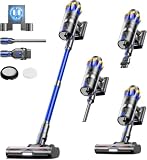
- VC Score9.2
BCP Score is a ranking system developed by bestcleanerproducts.com. BCP Score has no relationship or impact from any manufacturers or sales agent websites. Learn more
- BrandJELLYPIG
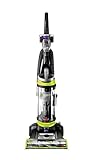
- VC Score9.0
BCP Score is a ranking system developed by bestcleanerproducts.com. BCP Score has no relationship or impact from any manufacturers or sales agent websites. Learn more
- BrandBissell

- VC Score8.8
BCP Score is a ranking system developed by bestcleanerproducts.com. BCP Score has no relationship or impact from any manufacturers or sales agent websites. Learn more
- BrandBissell
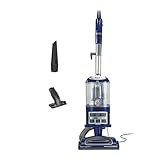
- VC Score8.8
BCP Score is a ranking system developed by bestcleanerproducts.com. BCP Score has no relationship or impact from any manufacturers or sales agent websites. Learn more
- BrandShark
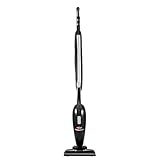
- VC Score8.8
BCP Score is a ranking system developed by bestcleanerproducts.com. BCP Score has no relationship or impact from any manufacturers or sales agent websites. Learn more
- BrandBissell

- VC Score8.8
BCP Score is a ranking system developed by bestcleanerproducts.com. BCP Score has no relationship or impact from any manufacturers or sales agent websites. Learn more
- BrandTikom

- VC Score8.6
BCP Score is a ranking system developed by bestcleanerproducts.com. BCP Score has no relationship or impact from any manufacturers or sales agent websites. Learn more
- BrandEureka

- VC Score8.6
BCP Score is a ranking system developed by bestcleanerproducts.com. BCP Score has no relationship or impact from any manufacturers or sales agent websites. Learn more
- BrandEureka

- VC Score8.6
BCP Score is a ranking system developed by bestcleanerproducts.com. BCP Score has no relationship or impact from any manufacturers or sales agent websites. Learn more
- BrandBissell

- VC Score8.6
BCP Score is a ranking system developed by bestcleanerproducts.com. BCP Score has no relationship or impact from any manufacturers or sales agent websites. Learn more
- BrandKARDV

- VC Score8.6
BCP Score is a ranking system developed by bestcleanerproducts.com. BCP Score has no relationship or impact from any manufacturers or sales agent websites. Learn more
- BrandDirt Devil
Last update on 2026-10-08 / Affiliate links / Images, Product Titles, and Product Highlights from Amazon Product Advertising API
FAQs
Can a vacuum cleaner under $100 clean thick carpet?
Most vacuums under $100 struggle on medium to thick carpeting. Models in this entry-level price range usually rely on direct suction without an aggressive motorized spinning brush roller, meaning they only skim hair and crumbs off the carpet surface. For genuine deep cleaning on pile carpet, plan to budget at least $100 to $150 for a full-size upright with a powered brush roller.
How many years should a vacuum cleaner last?
A standard corded upright or canister vacuum in the $100 to $200 range typically lasts between 5 and 8 years with basic maintenance like filter washing and belt changes. Cordless stick vacuums usually last between 3 and 5 years. While the motor and housing may remain in good shape, the rechargeable lithium battery pack naturally loses capacity over time and may eventually require replacement.
Is a bagless vacuum cheaper to own than a bagged vacuum?
A bagless vacuum costs less in routine supplies because you do not have to buy replacement dirt bags every few months. However, bagless models require more frequent filter cleanings and filter replacements to keep the motor from overheating. Bagged vacuums cost about $15 to $25 per year in replacement bags, but they keep the internal motor cleaner and often last longer overall.


How to Refinish a Fiberglass Pool

How Do You Keep Raccoons Out of Your Pool?

How to Fix Cyanuric Acid in Your Pool

How to Shape a Pool Cue Tip to Stop Miscues

Best Far Infrared Sauna Sauna Heats: Top Picks of 2026

11 Best Far Infrared Sauna Carbon Fiber Heaters of 2026 For Balanced Full-Body Heat

11 Best Carbon Far Infrared Sauna of 2026 For Even Heat

10 Best Bluetooth Speaker For Sauna of 2026 For Heat and Steam








