
How Much Does a Cordless Stick Vacuum Cost in 2026?

Cereal crunches underfoot in the kitchen, and hauling a heavy upright cleaner out of the hall closet feels like far too much effort for a quick mess. Most shoppers find that a simple entry-level cleaner handles daily crumbs, while a capable mid-tier stick vacuum delivers the deeper suction needed for carpets and pet fur. High-end flagship designs add smart dirt sensors, but they often cost far more than a typical home requires.
What you should spend depends on your flooring and how long you need the charge to last. Bare floors require only modest suction, but thick carpets demand a beefier motor that drains power much faster. Swappable battery packs, tangle-free brush rollers, and multi-stage dust filters also influence the price tag. Here is a clear look at what each tier delivers so you can choose the right match for your home.
What can you expect from each price bracket?
Understanding the 2026 market starts with knowing what compromises and conveniences exist at different spending levels. Cordless stick vacuums generally fall into three tiers: entry-level budget models, mid-tier workhorses, and premium flagships. Each tier changes suction strength, battery life, and how easily you can maintain the unit over several years of use.
Entry-level models handle basic daily upkeep. These lightweight vacuums clear dry crumbs, loose pet hair, and surface dust across bare floors like hardwood, vinyl, and tile. To keep manufacturing costs down, they typically feature a fixed internal battery that cannot be removed, meaning you must park the entire stick near a wall outlet to charge. They also rely on simple floor nozzles with basic bristles that collect tangled hair around the axle, requiring scissors to cut it free. Their dust cups are compact, so you will empty them frequently.
Mid-tier models represent the ideal balance for most households. Manufacturers upgrade to a quiet, durable motor (often called a brushless motor) that pulls stronger suction strength without overheating. You also get a detachable battery pack, allowing you to charge the battery on a counter or swap in an optional spare pack during larger cleanups. These vacuums usually add an anti-tangle comb over the spinning brush roller, bright front LED lights, and a fine dust filter (often labeled as a HEPA filter) that traps microscopic particles inside the dust cup.
Premium models focus on luxury conveniences and smart automation. Vacuums in this group often include sensors that detect floor types, speeding up the motor on dense rugs and slowing down on hard floors to conserve power. Some connect to self-emptying base stations that suck dirt directly out of the vacuum into a sealed bag. You also pay for brand recognition, longer warranty coverage, and specialized motorized mini-brushes for furniture.
Which vacuum features actually drive the price up?
When you compare cordless sticks side by side, their plastic shells often look similar. The difference in price comes down to the internal motor, battery chemistry, floor nozzle engineering, and digital controls.
The motor inside the handle is the primary cost driver. Inexpensive vacuums use basic motors that provide enough suction for bare floors, but struggle on carpet. Higher-priced vacuums use a quiet, durable motor with electronic controls that spins faster while creating less heat. This upgrade delivers significantly higher suction strength (measured in kilopascals, or kPa), pulling deep grit out of low-pile rugs. Manufacturing a compact motor that pulls heavy air without quickly draining the battery requires premium magnets and wiring, which raises production costs.
Battery technology directly affects cleaning minutes per charge (often called runtime). Inexpensive models carry smaller battery packs that run for twenty to thirty minutes on low power, but drain in under ten minutes on boost mode. Higher-tier models use larger packs with seven or eight individual lithium cells, providing forty-five to seventy minutes of steady cleaning on standard settings. Making the battery pack detachable also adds manufacturing expense for custom latches and charging circuitry.
The engineering of the floor nozzle also separates budget options from premium units. A basic floor nozzle uses a simple plastic neck and standard bristles. Advanced nozzles include smooth swivel steering, rubber bumpers to prevent scuffs, and front LED headlights that reveal hidden dust. They also feature comb teeth behind the spinning brush roller to guide long hair straight into the intake before it wraps around the roller. Adding wiring, headlights, and anti-tangle teeth naturally raises the price.
Finally, modern displays and multi-stage filtration add cost. Digital touch screens that show battery percentage, suction modes, and blockage alerts require dedicated circuit boards. Multi-stage filtration systems with tight rubber seals and washable fine dust filters require precision molds to ensure dirty air never bypasses the filter.
What hidden ownership costs should you expect later?
The sticker price is not the only expense to consider. Cordless vacuums rely on wearable components that require routine upkeep or eventual replacement to keep suction strong.
Battery replacement is the largest potential cost. Rechargeable lithium battery packs naturally lose capacity after two to four years of regular use. If a vacuum has a built-in battery, a dead battery often forces you to replace the entire machine. If you buy a stick with a detachable battery pack, you can easily buy a fresh pack online and snap it in yourself. Confirming replacement battery availability before buying helps avoid future headaches.
Filter replacements also add a recurring expense. Most cordless sticks use a pleated fine dust filter (such as a HEPA filter) to capture small allergens. While foam pre-filters can be washed with cold tap water, pleated paper filters degrade after multiple rinses. Replacing pleated filters every six to twelve months ensures the motor breathes properly and runs cool. Running a stick vacuum with a clogged filter restricts airflow and can cause the motor to shut off from overheating.
The spinning brush roller inside the floor nozzle also experiences steady wear. Hair, carpet threads, and grit work their way into the roller bearings over time. Vacuums with quick-release brush rollers let you remove the roller to wipe down the end caps or pop in a cheap replacement roller. Sealed heads that do not open force you to replace the entire floor nozzle if a bearing jams.
How do you match your budget to your home?
Choosing the right stick vacuum comes down to matching your floor plan and mess level to the right price tier, avoiding unnecessary features while ensuring enough suction for your floors.
Check your flooring surfaces first. If your home has only smooth surfaces like tile, vinyl, or sealed hardwood, an entry-level stick vacuum provides plenty of power to sweep up crumbs, dust, and pet hair. If you have area rugs or carpeting, you need the higher suction strength and stiff spinning brush roller of a mid-tier model to pull dirt out of carpet fibers. For homes dealing with muddy paws, drink spills, or sticky kitchen messes, a dry stick vacuum will not wash the floor. In those cases, wet-dry vacuums built for one-pass spill cleanup offer a dedicated way to wash and vacuum hard floors in a single motion.
Consider your home size and cleaning habits. A studio or one-bedroom apartment rarely takes more than fifteen minutes to vacuum, so an entry-level unit with a fixed battery will easily finish the job on one charge. In a multi-story house, a vacuum that dies after twenty minutes creates constant delays. A mid-tier model with a larger battery or a detachable pack lets you clean every room without waiting for a recharge.
Account for shedding pets. Heavy fur quickly wraps around basic rollers and fills small dust cups. Spending a bit more for a mid-tier model with an anti-tangle spinning brush roller and a sealed fine dust filter saves time and keeps pet dander trapped. While stick vacuums excel at collecting loose hair, deep carpet stains and embedded messes often require wet extraction tools designed for tough pet stains rather than a dry stick.
Use this simple checklist to choose your tier:
- Entry-level bracket: Best for apartments, smooth hard floors, light daily crumbs, and homes without shedding pets.
- Mid-tier bracket: Best for mixed hard floors and rugs, multi-room layouts, shedding pets, and anyone who wants a detachable battery.
- Premium bracket: Best for whole-house carpet detection, touch screens, self-emptying docks, and motorized upholstery attachments.
What floor nozzle features should you look for?
The floor nozzle directly contacts your floors, making it the most critical part to examine before choosing a cordless vacuum. Strong motor power cannot compensate for a poorly designed floor nozzle that scatters debris or jams on hair.
Look for a floor nozzle with a tool-free release latch so you can pull out the spinning brush roller in seconds. This allows you to clear stray threads and wipe down the roller bearings without reaching for screwdrivers. Verify that the head has soft rubber wheels instead of hard plastic to prevent scratching delicate hardwood or laminate finishes.
Check the front edge for bright LED headlights. Front lights cast low shadows that make pet hair and fine dust easily visible on dark floors and under baseboards. A smooth swivel neck is also essential, allowing the vacuum to lay flat so you can glide under low beds and couches without lifting the front wheels off the floor.

- VC Score9.6
BCP Score is a ranking system developed by bestcleanerproducts.com. BCP Score has no relationship or impact from any manufacturers or sales agent websites. Learn more
- BrandHFFLH

- VC Score9.4
BCP Score is a ranking system developed by bestcleanerproducts.com. BCP Score has no relationship or impact from any manufacturers or sales agent websites. Learn more
- BrandUosogi

- VC Score9.4
BCP Score is a ranking system developed by bestcleanerproducts.com. BCP Score has no relationship or impact from any manufacturers or sales agent websites. Learn more
- BrandTikom
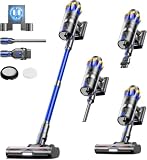
- VC Score9.2
BCP Score is a ranking system developed by bestcleanerproducts.com. BCP Score has no relationship or impact from any manufacturers or sales agent websites. Learn more
- BrandJELLYPIG
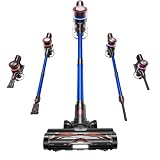
- VC Score9.0
BCP Score is a ranking system developed by bestcleanerproducts.com. BCP Score has no relationship or impact from any manufacturers or sales agent websites. Learn more
- BrandNADALY

- VC Score8.8
BCP Score is a ranking system developed by bestcleanerproducts.com. BCP Score has no relationship or impact from any manufacturers or sales agent websites. Learn more
- BrandTikom
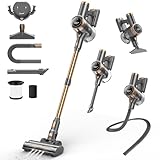
- VC Score8.6
BCP Score is a ranking system developed by bestcleanerproducts.com. BCP Score has no relationship or impact from any manufacturers or sales agent websites. Learn more
- BrandNuYupo

- VC Score8.6
BCP Score is a ranking system developed by bestcleanerproducts.com. BCP Score has no relationship or impact from any manufacturers or sales agent websites. Learn more
- BrandKARDV

- VC Score8.4
BCP Score is a ranking system developed by bestcleanerproducts.com. BCP Score has no relationship or impact from any manufacturers or sales agent websites. Learn more
- BrandLevoit

- VC Score8.2
BCP Score is a ranking system developed by bestcleanerproducts.com. BCP Score has no relationship or impact from any manufacturers or sales agent websites. Learn more
- BrandVacmaster
Last update on 2026-10-01 / Affiliate links / Images, Product Titles, and Product Highlights from Amazon Product Advertising API
FAQs
Do budget stick vacuums work on thick rugs?
Budget stick vacuums generally struggle on thick rugs and plush carpets. Their lower suction strength cannot pull grit out of dense pile, and thick carpet fibers can cause the brush roller motor to stall. Homes with plush rugs clean much better with a mid-tier model that has stronger suction strength and a stiffer spinning brush roller.
How long do cordless vacuum batteries typically last?
A lithium-ion cordless vacuum battery usually lasts two to four years before its runtime noticeably drops. Daily power settings affect this lifespan directly. Using standard or eco mode keeps the battery cool and preserves cell health, while constantly running on maximum boost mode creates excess heat that degrades the battery faster.
Can a cordless stick vacuum replace a corded upright?
In apartments and homes with mostly hard floors, a cordless stick vacuum easily works as your main cleaning tool. Its lightweight frame makes daily pickups simple. Large homes with wall-to-wall carpeting still benefit from keeping a corded upright for deep periodic cleanings, since uprights provide larger dust cups and continuous power.
Is a vacuum with higher motor wattage always better?
Higher motor wattage means the machine draws more electrical power, but it does not automatically guarantee better cleaning on its own. Actual pickup depends heavily on nozzle airflow, tight internal seals, and brush roller design. A well-sealed vacuum with an efficient, quiet, durable motor often cleans better than a high-wattage unit that leaks air through loose joints.


How to Refinish a Fiberglass Pool

How Do You Keep Raccoons Out of Your Pool?

How to Fix Cyanuric Acid in Your Pool

How to Shape a Pool Cue Tip to Stop Miscues

Best Far Infrared Sauna Sauna Heats: Top Picks of 2026

11 Best Far Infrared Sauna Carbon Fiber Heaters of 2026 For Balanced Full-Body Heat

11 Best Carbon Far Infrared Sauna of 2026 For Even Heat

10 Best Bluetooth Speaker For Sauna of 2026 For Heat and Steam


