
How Many Watt Does a Vacuum Use? Easy Answers

How many watt does a vacuum use isn't as simple as reading the label on the box. Different vacuum styles, motor designs, floor types, and cleaning habits all influence how much electricity gets pulled from the outlet. A lightweight stick vacuum often uses much less power than a heavy-duty upright, yet that doesn't automatically mean weaker cleaning. Plenty of people assume higher wattage equals stronger suction, but that old rule doesn't always hold up because airflow, brush roll design, and sealed filtration matter just as much.
Electricity costs can sneak up over time, especially if the vacuum runs several times each week. That's why understanding vacuum wattage helps set realistic expectations before buying or replacing a machine. Small apartments, carpeted homes, pet hair, and hardwood floors all create different cleaning demands. Those everyday situations explain why one household may be perfectly satisfied with a lower-powered model while another needs considerably more motor output.
Here's the interesting part. Many modern vacuums focus on smarter engineering instead of simply increasing motor size. Better airflow paths, improved brush rolls, and sealed systems allow certain models to clean effectively without consuming excessive electricity. That means a machine using fewer watts may still remove dirt surprisingly well, saving energy while delivering dependable performance. It's a practical reminder that bigger numbers don't always translate into better real-world cleaning.
Power consumption also changes during normal use. Adjustable suction settings, automatic floor detection, clogged filters, full dust bins, and blocked hoses can all influence efficiency. Keeping maintenance up to date often helps a vacuum operate closer to its intended performance instead of forcing the motor to work harder. A few minutes spent cleaning filters or removing tangled hair can make more difference than many people expect.
Shopping for a vacuum can feel like comparing apples to oranges because manufacturers advertise different specifications. Some emphasize watts, while others highlight air watts, suction power, battery runtime, or airflow measurements. Looking at those numbers together paints a much clearer picture than focusing on a single specification alone. Understanding those differences makes product comparisons far less frustrating and helps narrow down realistic options without getting distracted by flashy marketing claims.
Energy efficiency matters, but so does cleaning effectiveness. Nobody wants to run the vacuum twice just because the motor uses fewer watts. Balancing energy savings, floor type, home size, maintenance needs, and expected cleaning performance creates a much smarter purchasing decision. Once those factors come together, estimating electricity usage becomes straightforward, making it easier to choose a vacuum that fits daily routines without unnecessary guesswork.

Slivamo S10 Cordless Vacuum Cleaner, 40KPA/500W/45Mins, LED Display, 8-in-1 Lightweight
View on Amazon- VC Score9.8
BCP Score is a ranking system developed by bestcleanerproducts.com. BCP Score has no relationship or impact from any manufacturers or sales agent websites. Learn more
- BrandSlivamo

UML0 N8 Cordless Vacuum Cleaner,Lightweight Stick Vacuum with Powerful Suction,2200mAh
View on Amazon- VC Score9.4
BCP Score is a ranking system developed by bestcleanerproducts.com. BCP Score has no relationship or impact from any manufacturers or sales agent websites. Learn more
- BrandUML0
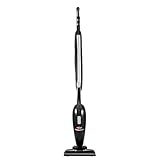
- VC Score8.8
BCP Score is a ranking system developed by bestcleanerproducts.com. BCP Score has no relationship or impact from any manufacturers or sales agent websites. Learn more
- BrandBissell

- VC Score8.8
BCP Score is a ranking system developed by bestcleanerproducts.com. BCP Score has no relationship or impact from any manufacturers or sales agent websites. Learn more
- BrandBissell

- VC Score8.8
BCP Score is a ranking system developed by bestcleanerproducts.com. BCP Score has no relationship or impact from any manufacturers or sales agent websites. Learn more
- BrandEureka

- VC Score8.6
BCP Score is a ranking system developed by bestcleanerproducts.com. BCP Score has no relationship or impact from any manufacturers or sales agent websites. Learn more
- BrandBissell

- VC Score8.6
BCP Score is a ranking system developed by bestcleanerproducts.com. BCP Score has no relationship or impact from any manufacturers or sales agent websites. Learn more
- BrandKARDV

- VC Score8.6
BCP Score is a ranking system developed by bestcleanerproducts.com. BCP Score has no relationship or impact from any manufacturers or sales agent websites. Learn more
- BrandEureka

- VC Score8.6
BCP Score is a ranking system developed by bestcleanerproducts.com. BCP Score has no relationship or impact from any manufacturers or sales agent websites. Learn more
- BrandVersLife

- VC Score8.2
BCP Score is a ranking system developed by bestcleanerproducts.com. BCP Score has no relationship or impact from any manufacturers or sales agent websites. Learn more
- BrandEureka

- VC Score7.2
BCP Score is a ranking system developed by bestcleanerproducts.com. BCP Score has no relationship or impact from any manufacturers or sales agent websites. Learn more
- BrandSIPPON
Last update on 2026-07-09 / Affiliate links / Images, Product Titles, and Product Highlights from Amazon Product Advertising API
How Many Watt Does a Vacuum Use In Real Life
A dusty hallway after one busy afternoon can make any vacuum feel like a tiny appliance doing a big job. The confusing part starts once the label shows watts, amps, air watts, runtime, and a few marketing claims that don’t speak plain English. How many watt does a vacuum use usually lands somewhere between low-power handheld models and full-size corded machines, but the useful answer depends on the kind of vacuum, the floor, and how long it actually runs. A higher number can mean more electricity pulled from the outlet, not automatically cleaner carpets.
Vacuum Watts
Vacuum wattage tells you how much electrical power the motor uses while running. A compact handheld vacuum may use a small amount because it handles crumbs, car seats, and quick spills. A corded upright usually draws more because it has a bigger motor, a powered brush roll, and stronger airflow for carpets. So, yep, watts matter, but they don’t tell the whole story.
Most household vacuums sit in a broad range, often around 500 to 1,500 watts for many common corded models. Some lightweight stick vacuums use less, especially cordless ones running on battery power. Robot vacuums usually draw far fewer watts during cleaning, though their dock may use power while charging. The practical question isn’t just “How big is the motor?” but “How much cleaning do I get for that electricity?”
Electricity use becomes easier to picture with a simple example. A 1,000-watt vacuum running for one hour uses about 1 kilowatt-hour of electricity. Run that same vacuum for 15 minutes, and it uses about one quarter of that. That’s why short, focused cleaning sessions rarely hit the power bill like heaters, dryers, or ovens.
Here’s the little trap. A vacuum with a strong motor can waste energy if the filter is clogged, the hose is blocked, or the brush roll is packed with hair. In that case, higher wattage doesn’t feel powerful because airflow gets choked before dirt reaches the bin. Cleaning the filter and emptying the dust cup can make an older machine feel less tired without changing the motor at all.
Why Wattage Does Not Equal Suction
Wattage measures input power, while suction performance depends on what the machine does with that power. Think of it like a car engine burning fuel. Using more fuel doesn’t guarantee a smoother ride if the tires, transmission, or road conditions are lousy. A vacuum works the same way, with airflow, brush design, seals, and filtration shaping the final result.
Many shoppers get stuck comparing watt numbers because those numbers are easy to spot. A 1,200-watt vacuum sounds stronger than a 700-watt vacuum, and sometimes it is. But a tight air path, well-designed nozzle, and solid brush roll can help a lower-watt model pull debris more effectively from hard floors. Motor efficiency can beat brute force, especially for daily dust and surface crumbs.
Carpet adds another wrinkle. Thick pile needs airflow and agitation, not just raw suction at the hose. A brush roll that digs gently into fibers can loosen grit before suction pulls it away. Without that agitation, even a high-watt motor may skim the surface and leave fine debris behind.
Hard floors tell a different story. Too much suction can scatter crumbs if the cleaner head isn’t designed well, especially around baseboards and under cabinets. Sealed suction paths and a soft roller often matter more than a big watt label. For tile, laminate, and sealed wood, controlled pickup usually feels better than loud, power-hungry overkill.
Typical Watt Ranges By Vacuum Type
Upright vacuums often use more electricity because they’re built for larger rooms, carpets, pet hair, and deeper cleaning passes. Many corded uprights fall around the middle-to-high end of household vacuum wattage. That extra draw can be worth it in homes with wall-to-wall carpet or heavy shedding. Still, a bulky upright can feel like too much machine for quick kitchen crumbs.
Canister vacuums can vary widely because some are built for bare floors while others handle carpets with powered heads. Their flexible hoses and separate bodies make them handy for stairs, curtains, and tight corners. The wattage may look similar to an upright, but the cleaning feel can be very different. A well-sealed canister often delivers steady airflow without needing to sound like a leaf blower.
Cordless stick vacuums usually use less power at a given moment because they run from batteries and balance performance with runtime. Boost mode can drain the battery fast, while eco mode stretches cleaning time but may struggle with embedded grit. That tradeoff matters in real life because nobody wants a vacuum dying halfway through the living room. Battery management becomes part of energy use, not just motor size.
Robot vacuums use much lower wattage while cleaning, but they work differently. They rely on repeated passes, sensors, small suction motors, and long cleaning routes. A robot may use less power per minute yet take longer to cover the same space. For everyday dust control, that can still make sense, especially where crumbs and pet hair show up like clockwork.
Specialty vacuums deserve a quick nod too. A backpack vacuum can be practical for wide aisles, theaters, and commercial-style cleaning because the body rides on the operator instead of dragging behind. For bigger cleanup routes, To clean wide seating rows with less dragging, rely on best backpack vacuum for cleaning cinemas as a more relevant fit than a small household stick model. Cleaning layout can influence the right wattage just as much as the mess itself.
How To Calculate Vacuum Electricity Use
The math is refreshingly simple once watts stop looking scary. Take the vacuum’s watt rating, divide it by 1,000, then multiply by the number of hours used. A 900-watt vacuum running for 20 minutes uses about 0.3 kilowatt-hours. That small number explains why vacuuming usually isn’t the biggest electricity hog in the house.
Usage habits still matter. A quick ten-minute clean after dinner barely registers, while long weekly carpet sessions add more. Homes with pets, kids, dusty entryways, or workshop debris may run a vacuum more often. The real cost comes from frequency plus wattage plus time, not wattage alone.
Here’s a clean example. A 1,200-watt vacuum used for 30 minutes each week uses about 0.6 kWh weekly. Over a month, that’s roughly 2.4 kWh before local electricity rates are applied. Even with a higher-powered machine, short use keeps the total fairly modest compared with appliances that heat air or water.
For a corded model, the label usually lists watts or amps. In North America, amps can be converted roughly by multiplying by 120 volts. A vacuum listed at 10 amps may draw around 1,200 watts during operation. That estimate won’t be laboratory-perfect, but it’s close enough for comparing everyday energy use.
What Makes A Vacuum Use More Power
Motor size is the obvious factor, but it’s not the sneakiest one. A clogged filter can make a vacuum work harder while cleaning worse, which feels like throwing coins into a noisy little furnace. Full bins and blocked hoses also reduce airflow. The machine may still pull the same power while giving you less pickup.
Floor type can change the workload too. Thick carpet resists airflow and needs more brush action, especially with fine dust sitting deep in the fibers. Hard floors usually need less aggressive suction, but gaps in tile or rough grout lines can hold grit stubbornly. For grimy tile lines outside regular vacuum work, To tackle stubborn floor lines before debris keeps collecting, use how to use zep grout cleaner as a separate cleaning step.
Attachments can shift performance in small but noticeable ways. A crevice tool concentrates suction, while a wide floor head spreads airflow across a larger area. Turbo brushes add mechanical resistance, especially when hair wraps around the roller. Clean attachments keep power from being wasted on friction instead of dirt removal.
Cleaning style matters more than people admit. Rushing across carpet in fast strokes leaves debris behind, which often leads to repeat passes. Slower forward-and-back movement lets airflow and brush agitation do their job. That can save time, battery, and patience even if the vacuum’s wattage rating never changes.
Choosing Wattage For The Way You Clean
A small apartment with hard flooring doesn’t need the same machine as a busy home with carpets, pets, and snack crumbs in every corner. A lower-watt stick vacuum may feel nimble and practical for light daily cleanup. A stronger corded model may make more sense for thicker carpet and bigger weekly cleaning jobs. Right-sized power beats chasing the largest number on the shelf.
Pet hair changes the calculation quickly. Hair clings to upholstery, wraps around brush rolls, and hides along baseboards. In that situation, brush design and anti-tangle features can matter as much as wattage. A loud motor without a useful cleaner head can still leave fur behind like it’s part of the décor.
Storage space also shapes the decision. A compact cordless vacuum may use less power and fit in a closet without a wrestling match. The tradeoff is shorter runtime, smaller dust capacity, and sometimes weaker deep-carpet pickup. That’s not a flaw if the job is quick surface cleaning, but it can annoy anyone expecting one small vacuum to handle every mess.
Food storage, herbs, and odor control sometimes bring vacuum talk into a totally different lane. A floor vacuum and a sealer solve different problems, but both raise questions about power, suction, and daily convenience. To pack dry herbs or pantry items with controlled air removal, compare best vacuum sealer for weed separately from floor-cleaning machines. Matching the tool to the task prevents a lot of bad buys.
How Many Watt Does A Vacuum Use For Daily Cleaning
Power bills can make small appliances feel suspicious, especially after a


How to Refinish a Fiberglass Pool

How Do You Keep Raccoons Out of Your Pool?

How to Fix Cyanuric Acid in Your Pool

How to Shape a Pool Cue Tip to Stop Miscues

Best Far Infrared Sauna Sauna Heats: Top Picks of 2026

11 Best Far Infrared Sauna Carbon Fiber Heaters of 2026 For Balanced Full-Body Heat

11 Best Carbon Far Infrared Sauna of 2026 For Even Heat

10 Best Bluetooth Speaker For Sauna of 2026 For Heat and Steam


