
How Many Amp Does a Vacuum Use? Easy Answers

How many amp does a vacuum use sounds like a simple question, yet the answer changes more often than many people expect. Different vacuum styles, motor designs, cleaning modes, and intended purposes all influence electrical demand. A compact handheld model usually draws far less current than a full-size upright, while heavy-duty shop vacuums often require noticeably higher amperage. Knowing these differences helps prevent overloaded circuits and gives a clearer picture of how a vacuum actually performs.
Power ratings can be confusing because many products advertise watts, horsepower, or suction performance instead of amperage. Those numbers don't always tell the complete story. Amp rating simply measures how much electrical current the motor can pull under normal operating conditions, but higher amps don't automatically translate into stronger cleaning. Motor efficiency, airflow, filtration, and brush roll design all play meaningful roles.
Here's the interesting part. Most household vacuums operate somewhere between about 5 and 12 amps, while some commercial or workshop models may approach the limits of a standard residential circuit. That range explains why one vacuum runs comfortably from almost any outlet while another can trip a breaker if several appliances operate simultaneously. Understanding electrical load makes everyday cleaning safer and avoids unpleasant surprises.
People often assume that buying the vacuum with the biggest number guarantees stronger suction. That's not always true. Motor engineering has improved over the years, allowing newer machines to deliver solid airflow while consuming less electricity than older designs. So, comparing only the amp rating may lead to the wrong conclusion if efficiency isn't considered alongside overall cleaning performance.
Another overlooked detail involves extension cords and shared circuits. A vacuum pulling close to the upper amp range can experience reduced performance if paired with an undersized extension cord. Heat buildup, voltage drop, and reduced motor efficiency can all become issues over time. Paying attention to power requirements keeps the equipment running more consistently and helps protect the motor from unnecessary strain.
Maintenance also affects electrical behavior more than many realize. Dirty filters, clogged hoses, tangled brush rolls, and blocked airflow force the motor to work harder. Although the listed amp rating remains the manufacturer's specification, restricted airflow can increase motor stress and reduce overall efficiency. Regular cleaning keeps the vacuum performing closer to its intended operating condition.
Comparing cordless and corded models adds another layer to the conversation. Cordless vacuums usually list battery voltage and watt-hours instead of amps because battery-powered systems measure energy differently. Meanwhile, corded vacuums rely directly on household electrical current, making how many amp does a vacuum use a much more practical question during purchasing and everyday use.
Understanding these fundamentals removes much of the guesswork. Instead of chasing the largest specification on the product label, it becomes easier to judge how electrical demand, efficiency, suction design, and maintenance work together. That practical perspective helps make smarter comparisons while avoiding common misconceptions that often surround vacuum power ratings.

Slivamo S10 Cordless Vacuum Cleaner, 40KPA/500W/45Mins, LED Display, 8-in-1 Lightweight
View on Amazon- VC Score9.8
BCP Score is a ranking system developed by bestcleanerproducts.com. BCP Score has no relationship or impact from any manufacturers or sales agent websites. Learn more
- BrandSlivamo

- VC Score9.2
BCP Score is a ranking system developed by bestcleanerproducts.com. BCP Score has no relationship or impact from any manufacturers or sales agent websites. Learn more
- BrandSTANLEY

- VC Score9.0
BCP Score is a ranking system developed by bestcleanerproducts.com. BCP Score has no relationship or impact from any manufacturers or sales agent websites. Learn more
- BrandCRAFTSMAN
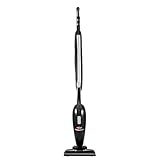
- VC Score8.8
BCP Score is a ranking system developed by bestcleanerproducts.com. BCP Score has no relationship or impact from any manufacturers or sales agent websites. Learn more
- BrandBissell

- VC Score8.8
BCP Score is a ranking system developed by bestcleanerproducts.com. BCP Score has no relationship or impact from any manufacturers or sales agent websites. Learn more
- BrandBissell
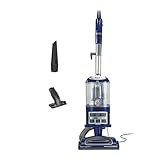
- VC Score8.8
BCP Score is a ranking system developed by bestcleanerproducts.com. BCP Score has no relationship or impact from any manufacturers or sales agent websites. Learn more
- BrandShark

- VC Score8.6
BCP Score is a ranking system developed by bestcleanerproducts.com. BCP Score has no relationship or impact from any manufacturers or sales agent websites. Learn more
- BrandKARDV

- VC Score8.6
BCP Score is a ranking system developed by bestcleanerproducts.com. BCP Score has no relationship or impact from any manufacturers or sales agent websites. Learn more
- BrandBissell

- VC Score8.6
BCP Score is a ranking system developed by bestcleanerproducts.com. BCP Score has no relationship or impact from any manufacturers or sales agent websites. Learn more
- BrandEureka

- VC Score8.6
BCP Score is a ranking system developed by bestcleanerproducts.com. BCP Score has no relationship or impact from any manufacturers or sales agent websites. Learn more
- BrandDirt Devil
Last update on 2026-07-08 / Affiliate links / Images, Product Titles, and Product Highlights from Amazon Product Advertising API
How Many Amp Does A Vacuum Use
A breaker trips, the room goes quiet, and suddenly a simple cleaning job feels like a tiny household mystery. That little label near the cord starts looking a lot more interesting after the vacuum shuts off mid-pass across a rug. The question, how many amp does a vacuum use, matters because it affects circuit safety, cleaning consistency, and whether your outlet is already carrying too much load.
Vacuum Amp Basics
Most full-size household vacuums draw somewhere around 5 to 12 amps, with many upright and canister models sitting near the higher end. A small stick vacuum or handheld vacuum usually needs less current, while a wet-dry shop vacuum can pull more depending on motor size. The amp rating tells you how much electrical current the motor may use while running.
A standard household circuit in the United States is often rated at 15 or 20 amps, but that does not mean a vacuum should use all of it. Other devices on the same circuit can share that load without being obvious. A lamp, air purifier, space heater, or computer may already be taking a bite out of the available power.
Higher amps do not automatically mean better suction. That surprises a lot of people, but it is true. A vacuum with smart airflow design, tight seals, and a clean filter can clean better than a louder machine with a larger amp rating and poor air movement.
Think of amps as the appetite of the motor, not the whole cleaning story. Suction power, brush roll design, hose layout, filtration, and nozzle seal all matter. A vacuum can pull plenty of current and still feel weak if air is leaking or the filter is packed with fine dust.
Why Amp Ratings Confuse Shoppers
Product labels can feel like a numbers contest. One box highlights amps, another pushes watts, and a third talks about air watts or horsepower. No wonder people get stuck comparing specs that do not line up neatly.
Amps measure current, while watts measure power consumption based on current and voltage. In a typical U.S. home, a 12-amp vacuum running on 120 volts may use about 1,440 watts. That is a useful estimate, but it still does not reveal how efficiently the vacuum turns electricity into usable suction.
Some older vacuums leaned hard on big motors, loud operation, and high amp ratings. Newer designs can be more efficient, especially when the airflow path is tighter and the brush roll is tuned for the surface. That is why motor efficiency should sit beside amp rating during any practical comparison.
Real cleaning problems are rarely solved by the biggest number on the sticker. Pet hair tangled around a brush roll, grit sitting in rug fibers, and crumbs along baseboards all require different design strengths. For rug-heavy rooms, a backpack vacuum for rugs can make sense in commercial-style cleaning setups where movement and steady suction matter, so compare job fit with best backpack vacuum for rugs.
What A Typical Vacuum Uses At Home
A lightweight stick vacuum may use only a few amps if it is corded, while many full-size uprights fall closer to 8 to 12 amps. Canister vacuums often land in a similar range, though design varies quite a bit. Wet-dry vacuums and garage vacs may draw more current because they are built for heavier debris and larger airflow demands.
The outlet does not care whether the mess is cereal, sawdust, or pet hair. It only sees electrical load. Plugging a high-amp vacuum into a circuit already running a microwave or space heater can push the breaker past its limit.
A tripped breaker does not always mean the vacuum is defective. Sometimes the circuit is simply overloaded. If the vacuum runs fine in another room, the issue may be the shared circuit rather than the motor itself.
Extension cords add another wrinkle. A thin or overly long cord can create voltage drop, heat buildup, and weaker motor performance. For a vacuum with a higher amp draw, using the right cord gauge is not fussy behavior, it is basic electrical sense.
Why Suction Problems Are Not Always Electrical
A vacuum can seem weak even while drawing normal amps. Clogged hoses, dirty filters, packed dust bins, and wrapped brush rolls all choke airflow. The motor may sound busy, but the cleaning head loses the air movement needed to lift dirt properly.
This matters because people often blame amperage first. A vacuum rated at 10 or 12 amps can still leave debris behind if the airflow path is blocked. Cleaning the filter and checking the hose may solve more than buying a machine with a bigger motor.
Carpet cleaners bring their own frustration because water pickup depends on suction path, tank seating, nozzle contact, and seals. A machine can have power and still fail to pull dirty water if one small part is off. For that kind of issue, troubleshoot the actual suction path with how to fix bissell carpet cleaner suction before assuming the motor is the villain.
Outdoor cleaning has similar tradeoffs, just with different equipment. Pool vacuums need flow and traction more than household amp comparisons, especially on angled surfaces. For tricky pool shapes, match the cleaner to the slope using best pool vacuum for sloped pool instead of judging by power language alone.
How Many Amps A Vacuum Needs For Everyday Cleaning
A vacuum that runs fine in one room but trips a breaker in another can make the whole cleaning routine feel oddly unpredictable. The motor may not


How to Refinish a Fiberglass Pool

How Do You Keep Raccoons Out of Your Pool?

How to Fix Cyanuric Acid in Your Pool

How to Shape a Pool Cue Tip to Stop Miscues

Best Far Infrared Sauna Sauna Heats: Top Picks of 2026

11 Best Far Infrared Sauna Carbon Fiber Heaters of 2026 For Balanced Full-Body Heat

11 Best Carbon Far Infrared Sauna of 2026 For Even Heat

10 Best Bluetooth Speaker For Sauna of 2026 For Heat and Steam








