
How Long Does It Take Charge a Cordless Vacuum?

How long does it take charge a cordless vacuum isn't always answered by a single number, and that's exactly why so many people end up confused. Battery size, charger output, charging technology, and even the condition of the battery all play a part in how quickly the vacuum is ready to clean again. A model with a compact battery may finish charging noticeably sooner than one designed for longer runtime, while premium charging systems can shave valuable waiting time off the process. Knowing these differences helps set realistic expectations instead of assuming every cordless vacuum behaves the same way.
Battery chemistry also deserves attention because it quietly influences daily performance. Most modern cordless vacuums rely on lithium-ion batteries, which generally charge more efficiently than older battery types and don't suffer from the same memory effect. Still, repeatedly draining the battery completely or leaving it plugged in for unnecessary stretches may gradually affect long-term capacity depending on the manufacturer's charging system. Small habits often matter more than people expect.
Charging speed also changes depending on how the vacuum was used before it reached the dock. A battery that became warm after cleaning an entire house may briefly cool itself before accepting a full charging rate. That's completely normal and helps protect the battery from unnecessary stress. Patience here pays off because allowing those built-in protections to work can support battery lifespan over many charging cycles.
It's easy to assume a flashing light means something is wrong, yet indicator lights usually provide helpful updates about charging progress. Some vacuums pulse slowly while charging, switch to solid lights once complete, or display different colors to indicate battery level. Reading those signals removes plenty of guesswork and makes everyday maintenance feel much simpler. After all, nobody enjoys grabbing the vacuum only to realize it isn't fully charged yet.
Charging habits also affect convenience around the house. Leaving the vacuum on its wall dock after routine cleaning often ensures it's ready for unexpected spills, pet hair, or crumbs without another long wait. On the other hand, storing a battery completely empty for extended periods may shorten its useful life over time. Building a simple charging routine keeps things running smoothly without turning maintenance into a chore.
Another detail worth remembering is that accessories can influence battery drain but not necessarily charging speed. Running a motorized brush on thick carpets typically consumes more energy than cleaning hardwood floors with a standard nozzle. That means heavier cleaning sessions leave the battery emptier, making the full charging cycle naturally take longer than after a quick touch-up around the kitchen. Understanding that relationship makes daily performance feel much more predictable.

- VC Score9.6
BCP Score is a ranking system developed by bestcleanerproducts.com. BCP Score has no relationship or impact from any manufacturers or sales agent websites. Learn more
- BrandFEPPO
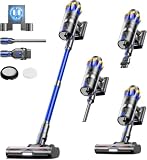
- VC Score9.2
BCP Score is a ranking system developed by bestcleanerproducts.com. BCP Score has no relationship or impact from any manufacturers or sales agent websites. Learn more
- BrandJELLYPIG
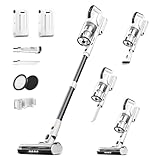
- VC Score9.2
BCP Score is a ranking system developed by bestcleanerproducts.com. BCP Score has no relationship or impact from any manufacturers or sales agent websites. Learn more
- BrandKlarpul

Vexilar Cordless Vacuum Cleaner, 550W/45Kpa/60Mins, Cordless Stick Vacuum Cleaner with
View on Amazon- VC Score8.8
BCP Score is a ranking system developed by bestcleanerproducts.com. BCP Score has no relationship or impact from any manufacturers or sales agent websites. Learn more
- BrandVexilar

- VC Score8.8
BCP Score is a ranking system developed by bestcleanerproducts.com. BCP Score has no relationship or impact from any manufacturers or sales agent websites. Learn more
- BrandTikom

- VC Score8.8
BCP Score is a ranking system developed by bestcleanerproducts.com. BCP Score has no relationship or impact from any manufacturers or sales agent websites. Learn more
- BrandUNINELL HOME

- VC Score8.6
BCP Score is a ranking system developed by bestcleanerproducts.com. BCP Score has no relationship or impact from any manufacturers or sales agent websites. Learn more
- BrandiXlion

- VC Score8.6
BCP Score is a ranking system developed by bestcleanerproducts.com. BCP Score has no relationship or impact from any manufacturers or sales agent websites. Learn more
- BrandSVHT

- VC Score8.6
BCP Score is a ranking system developed by bestcleanerproducts.com. BCP Score has no relationship or impact from any manufacturers or sales agent websites. Learn more
- BrandKARDV
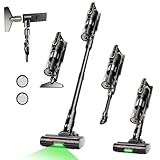
- VC Score8.4
BCP Score is a ranking system developed by bestcleanerproducts.com. BCP Score has no relationship or impact from any manufacturers or sales agent websites. Learn more
- BrandTrucozie

- VC Score8.2
BCP Score is a ranking system developed by bestcleanerproducts.com. BCP Score has no relationship or impact from any manufacturers or sales agent websites. Learn more
- BrandTengXcel
Last update on 2026-07-24 / Affiliate links / Images, Product Titles, and Product Highlights from Amazon Product Advertising API
How Long Does It Take Charge A Cordless Vacuum
A half-cleaned floor and a blinking battery light can sour the mood fast. That little pause raises a practical question: how long does it take charge a cordless vacuum before it’s actually ready to finish the job? Most models need a few hours, but the real answer depends on battery size, charger design, remaining charge, and how hard the vacuum was used before it went back on the dock. The trick is not chasing one magic number, but knowing what changes the wait.
Charge Time Depends On More Than The Battery
Charging time usually feels simple from the outside: plug it in, wait, clean again. Inside the vacuum, though, the battery management system is doing a careful balancing act. It controls how quickly power moves into the cells, slows charging when needed, and helps reduce heat that can wear the pack down over time. That’s why two cordless vacuums with similar runtimes can still charge at noticeably different speeds.
Many cordless vacuums with lithium-ion batteries commonly land somewhere around a few hours for a full charge. Smaller stick vacuums may recharge faster, while larger models built for longer cleaning sessions often take longer. A nearly empty battery also needs more time than one that still has a decent charge left. Simple enough, but easy to forget after a long day of crumbs, pet hair, and “I’ll clean that later” messes.
The charger matters just as much as the battery pack. A basic charger may fill the battery slowly to control heat, while a dock with smarter charging can manage power more efficiently. Using the original charger is a big deal because the wrong adapter may charge poorly or create unnecessary stress on the battery. For cleaner maintenance habits, keep the dock where airflow is decent and the cord isn’t bent behind furniture.
Heat can quietly stretch the wait, too. After heavy use on carpets, rugs, or motorized brush settings, the battery may be warm enough that charging slows for protection. That pause can feel annoying, but battery protection is better than forcing power into a hot pack. A cordless vacuum that charges carefully often gives more predictable performance over the long haul.
How Full Charge Expectations Can Get Misleading
Full charge sounds like a fixed finish line, yet cordless vacuums don’t always behave that neatly. Some models show a solid light when charging is complete, while others stop actively charging before the display looks obvious. A few still trickle or balance cells after reaching a usable charge level. That’s why reading the manual’s indicator-light section can save a surprising amount of head-scratching.
Runtime claims can also distort charging expectations. A vacuum advertised for a longer runtime usually carries a larger battery or uses power more carefully. Larger capacity often means more energy has to go back into the pack, so the charging session naturally takes longer. That tradeoff isn’t bad, but it should match the way the vacuum is used around the house.
Power mode changes the story quickly. Running max suction drains the battery faster, especially with a motorized brush roll pulling debris from rugs or carpet edges. After that kind of session, the vacuum may need closer to a full recharge instead of a quick top-up. A short kitchen sweep, on the other hand, may barely dent the battery and leave it ready again much sooner.
Storage habits matter more than most folks expect. Leaving a cordless vacuum completely drained for long stretches can be rough on battery health, while constantly parking it in a hot corner can also cause wear. A cool, dry charging spot does more good than a fancy routine. It’s the boring stuff, but it works.
To keep delicate electronics dust-free around the same cleaning station, rely on best vacuum cleaner for ps5 guidance for small-area cleaning without dragging a full-size machine into tight spaces.
Charging After Quick Cleanups Versus Deep Sessions
A quick pass after dinner crumbs won’t punish the battery the same way a whole-room cleanup does. Light cleaning usually leaves enough charge that the vacuum only needs a shorter recovery. A deeper session with high suction, thick rugs, and pet hair pulls much harder from the battery. That’s where the wait starts feeling longer because the battery has more ground to make up.
Cleaning surfaces make a clear difference. Hard floors usually require less resistance than dense rugs, so the motor doesn’t work as aggressively. Thick carpet, hair buildup, and clogged filters all push the vacuum harder and drain power faster. Keeping the filter clean supports both suction consistency and better battery behavior.
Brush roll resistance is another sneaky battery drain. Hair wrapped around the roller forces the motor to work harder, even if the floor doesn’t look that dirty. Removing tangled hair and checking the intake path helps the vacuum use energy more efficiently. That means fewer surprise shutdowns and a less frustrating charge cycle afterward.
A partial charge can be enough for small messes, but it’s not always smart before a bigger cleanup. Starting with a half-filled battery may work for one room, then fall short halfway through the next. That stop-start rhythm makes cleaning feel scattered. For larger jobs, a complete charge gives the vacuum its best shot at steady performance.
Why Charger Placement Changes Daily Convenience
The charging dock location can make or break the whole cordless vacuum routine. A dock hidden behind stacked boxes or squeezed beside laundry baskets quickly becomes a place the vacuum doesn’t return to often enough. Put the charger where the vacuum naturally lands after use, and consistent charging becomes almost automatic. Convenience beats willpower every time.
Wall-mounted docks are handy, but only if the power outlet is reliable and easy to reach. Loose plugs, shared outlets, or cords stretched across a walkway can interrupt charging without much warning. A vacuum that looks docked may not actually be charging if the contacts aren’t lined up. That tiny mismatch is a classic reason someone grabs the vacuum and gets one sad blink from the battery light.
Contact points also deserve a quick wipe now and then. Dust, dried cleaning residue, or grit can interfere with charging on some dock-style systems. A dry cloth is usually enough unless the manufacturer gives different instructions. Keeping the contacts clean supports stable charging without turning maintenance into a weekend project.
Grout dust and floor residue can build up around charging areas after messy cleaning jobs. To keep tile edges from turning into a dusty charging-zone problem, use practical cleaning steps from how to use zep grout cleaner before docking the vacuum near tiled laundry rooms or kitchens. That little reset keeps the surrounding floor cleaner and helps prevent gritty debris from getting tracked into the dock.
Battery Age Can Stretch The Wait
Fresh batteries usually charge more predictably than older ones. Over time, battery capacity naturally declines, and the vacuum may not hold power as long as it did at the start. The charging time may seem odd because the battery reaches “full” sooner but drains faster during use. That doesn’t always mean the charger is broken.
An aging pack can create mixed signals. The indicator may show full charge, yet the vacuum runs out sooner during high-power cleaning. That gap often points to reduced usable capacity rather than a charging failure. If runtime has dropped sharply, checking replacement battery options or manufacturer support makes more sense than blaming the dock right away.
Charging habits influence how gracefully the battery ages. Letting the vacuum cool after demanding use, avoiding storage in hot spots, and using the correct charger all help reduce stress. None of that makes a battery last forever, of course. Still, better charging habits can slow the slide and keep daily cleaning less aggravating.
Battery replacement can be worth it for some models, but not all. If the vacuum is older, has weak suction, cracked parts, or expensive replacement packs, the math can get awkward. A new battery may fix runtime, but it won’t fix worn seals, clogged air paths, or a tired brush motor. A practical look at the whole machine saves money and frustration.
What A Normal Charging Routine Looks Like
A normal routine starts with docking the vacuum after each cleaning session instead of waiting until the battery is empty. That habit keeps ready-to-clean power available for small messes without planning around the charger. It also prevents the battery from sitting fully drained for too long. Simple, low-drama, and honestly the easiest way to live with a cordless vacuum.
Check the lights before assuming the vacuum is charged. A flashing light, pulsing bar, or color change usually tells you whether the battery is filling, full, or stuck in an error state. The exact signal depends on the brand, so the manual matters here. Once those lights make sense, charging status stops feeling like guesswork.
Keep the dustbin and filters from turning charging time into a performance mystery. A clogged filter can make the vacuum feel weak even after a full charge, which leads people to blame the battery too quickly. Cleaning the filter on schedule helps the motor breathe and protects suction. That small habit makes the charge feel more useful because the vacuum performs properly after it’s ready.
Tile floors can be kinder to battery life than thick carpet, especially during fast daily cleanups. For homes with crumbs, dust, and grit across hard surfaces, compare practical options through best bagless vacuum for tile floors before assuming every cordless stick vacuum will handle the same workload. The right floor match can reduce strain, shorten recovery needs after quick cleanups, and make the charging routine feel less annoying.
How Long Does It Take Charge A Cordless Vacuum For Daily Cleaning
Small cleaning jobs feel simple until the vacuum dies right beside the mess. That’s the moment charging time stops being a spec buried in a manual and becomes a real household headache. A cordless vacuum may recharge in a few hours, but the useful question is whether that charge fits your actual routine. How long does it take charge a cordless vacuum depends on battery condition, dock placement, cleaning habits, and whether the machine is being asked to do more than it should.
A vacuum used for quick crumbs after breakfast doesn’t drain the same way as one pushed through pet hair, hallway grit, and rug edges. Short touch-ups usually need only a small top-up, while heavier cleanup sessions demand a longer recharge. That difference matters because people often judge the battery after the toughest job, not the average one. A fair routine starts with matching runtime expectations to the type of mess being handled.
Charging also feels less annoying when the vacuum has a clear home. A dock near the kitchen, mudroom, or laundry area makes it easier to return the machine right after use. Storing it in a closet without a nearby outlet often leads to half-charged batteries and last-minute frustration. A good setup turns charging consistency into a habit instead of another chore on the list.
Outdoor grime can sneak indoors and make a cordless vacuum work harder than expected. For patios, walkways, and damp concrete patches, clean the source of tracked-in mess with concrete cleaner algae before it spreads onto rugs and entry floors. Less gritty buildup indoors means the vacuum faces lighter debris, which can help preserve battery power during everyday cleaning.
Why Charging Speed Feels Different From Runtime
Runtime gets most of the attention, but charging speed decides how quickly the vacuum is ready for the next round. A model may run long enough for several rooms, then need several hours to refill the battery. That tradeoff can surprise anyone expecting cordless cleaning to feel instant every time. The better approach is to treat runtime and charging time as two separate parts of the same routine.
A battery that drains slowly doesn’t always charge quickly. Larger batteries hold more energy, so they often need more time on the dock after a deep cleaning session. Smaller vacuums may charge faster but run out sooner during demanding jobs. Neither design is automatically better, because the right fit depends on cleaning frequency, floor type, and how often messes pile up between sessions.
Some charging cycles slow down near the end. That final stretch may feel like wasted time, yet it often helps protect the battery from heat and stress. Lithium-ion packs are usually managed by built-in electronics that control how power flows into the cells. That controlled finish supports battery longevity, even if it makes the last charging indicator feel stubborn.
Filter condition can trick people into blaming the battery. A clogged filter makes suction weaker, so the vacuum feels tired even after a full charge. Cleaning or replacing filters on schedule helps the motor breathe and makes every charge feel more productive. A charged vacuum with poor airflow still won’t clean well, and that’s the sneaky part.
How To Tell If Your Cordless Vacuum Is Charging Properly
Indicator lights tell a story, but each brand uses its own language. Some vacuums blink while charging, turn solid at full charge, or show bars that rise as the battery fills. A light that never changes may signal a dirty contact, loose plug, warm battery, or failing charger. Checking those basics first can save money before assuming the battery pack is finished.
Dock contacts deserve a quick look if charging seems random. Dust, lint, or dried residue can block a clean connection between the vacuum and charger. A dry cloth usually clears the contact points, unless the manual says otherwise. Keeping that area clean supports stable charging without turning maintenance into a repair project.
Heat is another common reason charging seems delayed. After a tough cleaning session, the battery may need to cool before it accepts power normally. That pause can be annoying, but it protects the cells from unnecessary wear. Letting the vacuum rest for a short while before judging the charger is often the smarter move.
Allergy-focused cleaning puts extra pressure on filtration and suction consistency. For homes where fine dust, dander, and pollen are constant troublemakers, compare airflow and filtration guidance through miele vacuum allergy before relying on a cordless stick for every job. A stronger dedicated vacuum may handle deep allergen cleanup better, while the cordless model stays ready for quick daily messes.
Better Charging Habits That Keep Cleaning Predictable
Dock the vacuum after each use, even after a quick sweep. That habit keeps usable charge available for surprise crumbs, pet hair, and hallway grit. Waiting until the battery is empty can make cleaning feel like a stop-and-start chore. A cordless vacuum is most convenient when it’s treated like a tool that returns to base after every job.
Avoid storing the vacuum in hot spots. Garages, sunny corners, and cramped closets with poor airflow can make batteries age faster than they should. Cool, dry storage helps charging stay more predictable over time. Battery care doesn’t need to be fussy, but temperature control quietly matters.
Use the charger that came with the vacuum. Random adapters may fit the port, but that doesn’t mean they deliver the correct power. The wrong charger can cause slow charging, error lights, or long-term battery stress. Original charging equipment gives the battery management system the best chance to work as designed.
Clean the brush roll before blaming the battery for short runtime. Wrapped hair, string, and lint force the motor to work harder, especially on rugs and mats. That extra resistance drains power faster and makes the next recharge feel longer. A clear roller keeps motor strain lower and helps the vacuum use its charge more efficiently.
Signs The Battery May Be Near The End
Aging batteries rarely fail all at once. They usually start by running shorter, charging oddly, or dropping power during high-suction cleaning. The vacuum may show full charge, then fade after only a small job. That pattern often points to reduced battery capacity rather than a dirty floor or weak charger.
A charger that stays connected for hours without changing the battery indicator deserves attention. The issue could be the dock, wall outlet, adapter, battery contacts, or the battery itself. Testing the outlet and cleaning the contacts are simple first steps. If nothing changes, the battery pack may need manufacturer support or replacement.
Replacement only makes sense if the rest of the vacuum is still in good shape. A fresh battery won’t fix cracked seals, clogged air paths, worn brush motors, or broken attachments. Compare the cost of a new pack with the age and condition of the machine. Practical math beats wishful thinking here.
A cordless vacuum should make small messes easier, not add another layer of waiting and guessing. Strong charging habits, clean filters, clear brush rolls, and smart storage all help the battery behave more predictably. Once those basics are handled, how long does it take charge a cordless vacuum becomes easier to plan around. The wait feels shorter when the machine is charged before the mess gets a vote.


How to Refinish a Fiberglass Pool

How Do You Keep Raccoons Out of Your Pool?

How to Fix Cyanuric Acid in Your Pool

How to Shape a Pool Cue Tip to Stop Miscues

Best Far Infrared Sauna Sauna Heats: Top Picks of 2026

11 Best Far Infrared Sauna Carbon Fiber Heaters of 2026 For Balanced Full-Body Heat

11 Best Carbon Far Infrared Sauna of 2026 For Even Heat

10 Best Bluetooth Speaker For Sauna of 2026 For Heat and Steam


