
Most people assume that eco-friendly sprays are too weak for real grime and only mask odors with perfume. That belief is false. A good plant-based spray relies on natural soaps to dissolve slick grease and active enzymes to break down odor particles at the source. Instead of filling the room with harsh fumes, a proper formula simply lifts the dirt away so it wipes clean.
Success depends on a few practical details. Greasy kitchen counters require plant soaps that loosen stubborn oils, while pet accidents demand enzymes to digest dried proteins. Delicate surfaces like unsealed stone also need gentle formulas that will not dull the finish. Even the best green cleaner needs a minute or two to sit on the mess before a towel wipes it up. Here is what makes these formulas work and how to choose the right one for your home.

Real green cleaners break down grime instead of masking odors
Many people switch to an eco-friendly spray, try it on a greasy stove or an indoor pet mess, and end up disappointed. The countertop still feels tacky, or the room smells like heavy artificial lavender layered over stale pet urine. That letdown happens because many low-grade products rely on synthetic perfumes to hide foul smells instead of breaking down the dirt and bacteria causing the problem.
A true plant-based cleaner uses active ingredients that loosen and lift grime from the surface. Instead of covering grease with a cloud of floral scent, the liquid separates the oils from your countertop so a cloth can wipe them away. Check the product label for plant-derived soaps rather than vague descriptions like perfume blend, masking agent, or proprietary fragrance.
Heavy artificial fragrances often irritate sensitive lungs, young children, and family pets. If a cleaning spray triggers sneezing or leaves a chemical haze in the room, it defeats the purpose of choosing a gentler alternative. A good green cleaner produces almost no smell at all, or uses mild plant extracts that evaporate cleanly without leaving behind a sticky film.
Look for third-party marks on the bottle, such as the USDA Bio-Preferred label. This certification confirms that the formula comes from renewable plant materials rather than petroleum bases. Biodegradable certifications also give you peace of mind that once the wash water runs down the drain, it breaks down naturally in municipal water systems without harming local waterways.
Plant soaps and natural enzymes dissolve dirt at the source
Understanding how a natural cleaner works comes down to the difference between surface dirt and organic messes. For daily kitchen dust, spilled drinks, and light cooking oils, a formula needs plant surfactants (cleaning agents that loosen grease and let water carry it away). These plant soaps bond to grease on one end and water on the other, lifting oily grime into the liquid so it wipes away smoothly.
Biological messes like cat urine, sour milk, or dog vomit require a deeper approach. For these stains, regular soap only washes the top layer while leaving odorous acids behind. You need an enzyme cleaner (a solution that uses natural proteins to break down and digest organic stains and odors). These natural proteins work like tiny scissors that chop uric acid crystals, dried blood, and proteins into basic, odorless components like water and carbon dioxide.
Never treat pet accidents with household ammonia or chlorine bleach. Ammonia shares chemical compounds with pet urine, which actually encourages cats and dogs to mark that exact spot again to protect their territory. Bleach creates dangerous household fumes and fails to neutralize dried urine crystals. Heat-steaming is another common mistake because hot steam bakes animal proteins straight into carpet fibers and wood subfloors.
Always blot liquid spills first with a clean towel, avoiding hard scrubbing that pushes moisture deeper into the carpet pad. Pour your natural enzyme liquid generously over the spot and let it air-dry completely. For stubborn pet accidents on thick rugs, running an effective carpet cleaner for pet urine helps pull dissolved crystals out of the backing before odors spread.
Natural cleaners depend heavily on soak time (letting the wet spray sit on the surface so it can dissolve the mess before wiping). Strong industrial solvents use harsh acids that burn through grime instantly, but they also release irritating airborne vapors. Plant-based formulas are milder on your hands and lungs, so they need three to five minutes to soften dried oils and digest organic matter. Spray the mess thoroughly, leave it alone for a few minutes, and wipe it up with a soft microfiber cloth.
Refill pods need proper mixing to clean effectively
Concentrated cleaning systems are replacing heavy single-use plastic jugs in modern homes. Instead of paying for shipping water across the country, you buy small refill pods containing concentrated liquid (mixed with water in a bucket or spray bottle). A single concentrate pod can make a full 32-ounce spray bottle of ready-to-use cleaner, cutting down on packaging waste and storage clutter under your sink.
Mixing these solutions incorrectly can hurt your cleaning results. Adding too little water creates a soapy, sticky mixture that leaves behind a dull residue that attracts fresh dust within hours. Adding too much water dilutes the active plant soaps too far, leaving the spray powerless against tough kitchen grease. Follow these steps to prepare and use concentrated refill pods properly:
- Fill your clean, reusable spray bottle with 32 ounces of lukewarm tap water first. Always add the water before inserting the concentrate. Pouring water directly on top of liquid soap generates thick foam that overflows the bottle neck before you can fasten the sprayer.
- Drop the concentrated refill pod into the open bottle neck, or pour in your measured concentrate liquid. Warm water helps the dissolvable pod casing soften and release the active soap evenly.
- Thread the trigger sprayer on tightly and gently swirl the bottle in small circles. Avoid shaking the bottle violently, which fills the top with suds that block the pickup tube. Let the bottle sit undisturbed for two minutes so the concentrate mixes smoothly with the water.
- Mist the soiled surface evenly. For picture frames, computer screens, or dusty lamps, spray the liquid directly onto a folded microfiber cloth rather than soaking the object. For greasy countertops or sticky tile, spray the surface directly until wet.
- Allow three to five minutes of soak time on sticky spots. Giving the plant-based soaps time to break surface tension saves you from hard scrubbing that could scratch sensitive paint or polished finishes.
- Wipe the surface with a clean microfiber cloth using an S-shaped motion. Flip the cloth to a dry side for a final pass to remove remaining moisture and reveal a clean, streak-free surface.
- Store extra concentrated pods in their original container in a dry cabinet. Keep moisture away from unmixed pods so the dissolvable outer film does not break open prematurely.
Surface checks keep natural stone and glass streak free
Even gentle, plant-derived cleaners can harm sensitive household materials if used incorrectly. Many natural formulas use vinegar or citric acid derived from lemons to strip away bathroom mineral scale and hard water spots. While these natural acids work well on ceramic tile and porcelain tubs, they can permanently etch softer stone materials. Run through this checklist before spraying an unfamiliar surface:
- Natural stone countertops: Never use acidic plant sprays containing citrus or vinegar on marble, limestone, or travertine. Acid chemically dissolves the calcium carbonate inside these stones, leaving dull, rough patches that require professional polishing. Use a pH-neutral plant cleaner on stone surfaces. Verify that your stone sealant is working by dropping a teaspoon of water on the counter; if the water absorbs within ten minutes instead of beading, reseal the stone.
- Windows and mirrors: Many all-purpose plant sprays contain coconut oils or vegetable glycerin to condition hard surfaces and lift grease. On reflective glass, these conditioning agents leave cloudy trails that smear in bright sunlight. Use a dedicated glass spray free of vegetable oils, and wipe with a flat-weave microfiber cloth to prevent lint.
- Food prep zones and pet dishes: Plant-based formulas leave no toxic residue, but concentrated essential oils like tea tree or peppermint can irritate a cat or dog if swallowed. After spraying kitchen cutting boards, high chair trays, or the floor around pet feeding stations, wipe the area down with a damp cloth rinsed in clear water.
- Fabrics and painted trim: Plant-derived detergents can loosen certain water-based wall paints or cause unstable textile dyes to run. Do a quick color check on a hidden spot, such as the back hem of a curtain or an unseen baseboard corner, before spraying down an entire room.
Everyday sprays handle daily grime while tough jobs need backup
All-purpose green sprays handle everyday chores like wiping coffee drips, dusting bookshelves, clearing toothpaste from sinks, and picking up garden dirt tracked onto hard floors. But expecting a mild daily spray bottle to dissolve heavy, baked-on oven grease or historical pet stains deep inside a subfloor will only cause frustration. Knowing when to switch tools saves your time and protects your home.
Thick cooking oils provide a clear example of this boundary. A plant-based surface spray easily cleans light cooking splatter on a tile backsplash. But baked-on fat inside an oven or over outdoor grill grates requires a specialized, heavy-duty grease cutter or degreaser that clings to metal surfaces and breaks down hardened carbon. For living room carpets stained by greasy spills, bringing in a specialized carpet cleaner for grease provides the deep suction and targeted chemistry needed to lift oil without pushing it into the backing.
Outdoor cooking appliances require careful cleaning steps as well. When using a degreaser on outdoor grill grates, always rinse the metal thoroughly with fresh water and run the burners on high heat to burn off all residue before grilling food. Never spray liquid cleaners into the pellet hopper, auger tube, or electronic controls of a pellet smoker. Clean grates with non-wire nylon scrub pads or pumice stones rather than wire bristle brushes that can shed dangerous metal wires into food.
Specialized household systems also need dedicated formulas rather than everyday sprays. Jetted bathtubs and hot tubs build up hidden body oils and slime inside their plumbing lines. Countertop sprays cannot clean these closed pipes. You must use a pipe and jet flush cleaner (a liquid run through the jets to purge hidden plumbing gunk and slime), followed by draining the tub completely and refilling it with fresh water.
Recreational vehicles face similar material limits. An RV roof usually features a rubber roof membrane (the flexible white rubber sheet on top of the RV, commonly EPDM or TPO) that swells and cracks if exposed to citrus oils, petroleum distillates, or abrasive powders. Cleaning an RV requires a rubber-safe exterior wash. Wash from the roof down and rinse the sides quickly to prevent black streaks (dark runoff marks left on RV siding from dirt washing off the roof) on the exterior paint.
If an organic mess like cat urine or flood water soaks through your carpet pad and into the plywood subfloor beneath, surface cleaners are no longer enough. Continuing to pour liquids onto the rug will only spread the mess and encourage mold growth. At that point, stop spraying and contact a local carpet remediation professional who can lift the carpet, discard ruined padding, and seal the bare wood subfloor.
Choosing the right refill system saves money and plastic
Switching to an eco-friendly cleaning system starts with choosing the right refillable hardware and concentrate options for your home. Moving away from disposable spray bottles cuts down on single-use plastic waste and lowers your recurring household expenses. Look for a durable, reusable 32-ounce spray bottle made from thick plastic or impact-resistant materials that can handle years of daily use.
Examine the spray trigger mechanism carefully before buying a starter set. Cheap triggers often jam, leak around the collar, or lose their pumping pressure after just a few refills. A high-quality bottle features an adjustable nozzle that switches smoothly between a fine mist for dusting and a narrow stream for targeted stain soaking, backed by a sturdy internal spring that handles hundreds of trigger pulls.
When selecting your refill pods or concentrated liquids, confirm that the formula matches your primary household cleaning tasks. For general dusting, kitchen counters, and bathroom fixtures, a bio-based multi-surface formula provides balanced grease cutting without harsh fumes. If your home has pets or small children, make sure you also keep an enzyme-based refill option on hand to digest protein stains and food spills at the molecular level.
Check the packaging to ensure the concentrate works with standard tap water and dissolves cleanly without leaving undissolved clumps in the bottle. Having dedicated, clearly labeled bottles for everyday multi-surface cleaning, streak-free glass care, and enzyme stain treatment keeps your supplies organized and ensures every room in your house stays fresh and clean without chemical fumes.

Key specs
- Starter Kit Contents
- 32 oz reusable bottle and 1 concentrate pod
- Environmental Certification
- USDA Bio-Preferred Certified and biodegradable
Pros:
- Includes a 32 oz reusable spray bottle to start cleaning right away
- Listed as USDA Bio-Preferred Certified and biodegradable
- Combines odor elimination with everyday all-purpose surface cleaning
- Dissolvable pod system reduces single-use plastic container waste
Cons:
- Comes with only one concentrate pod before you need to purchase refills
- Requires filling with your own tap water to dissolve the pod properly
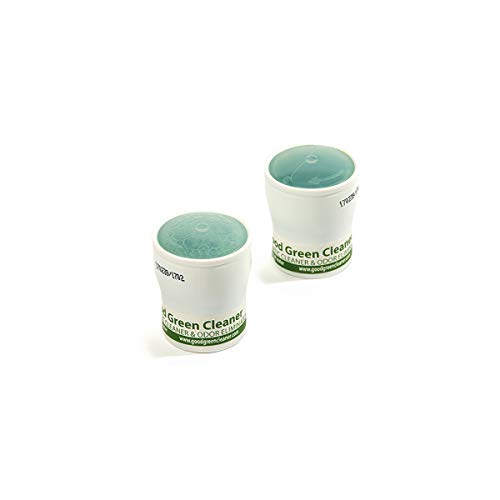
Works with any compatible starter spray bottle by dropping in a pod and adding tap water to create a fresh 32-ounce batch.
Key specs
- Total Diluted Yield
- Makes 64 fl oz across 2 refill pods
Pros:
- Makes 64 ounces of ready-to-use liquid from two compact concentrate pods
- Recyclable pod casing minimizes household plastic waste and storage bulk
- Designed to tackle stubborn odors alongside multi-surface residue
- Works with original brand bottles or existing standard spray containers
Cons:
- Does not include a spray bottle, requiring an existing container
- Listing does not state contact dwell time for heavy organic messes

Provides three dedicated sprayers so you can keep bottles stationed in the kitchen, garage, and bathroom without carrying one around.
Key specs
- Packaging Format
- Pack of 3 ready-to-use 32 fl oz spray bottles
Pros:
- Three 32 oz spray bottles supply 96 total ounces without mixing required
- Ready-to-use liquid eliminates measuring steps or pod dissolution delays
- Multi-bottle pack allows stationing dedicated sprays across several rooms
- Established all-purpose formula targets everyday household grease and grime
Cons:
- Multiple rigid plastic bottles produce more storage bulk and container waste
- Original formula scent may not suit households sensitive to added fragrance

Key specs
- Target Cleaning Surfaces
- Glass, mirrors, and multi-surface hard finishes
- Total Diluted Yield
- Makes 64 fl oz across 2 refill pods
Pros:
- Formulated specifically for glass, mirrors, and smooth multi-surface areas
- Two concentrate pods yield 64 ounces of streak-resistant cleaning liquid
- Compact pod packaging requires minimal cabinet space compared to ready jugs
- Drop-in pod design works with any existing 32 oz reusable spray bottle
Cons:
- Does not contain the odor-eliminating formula found in all-purpose pods
- Requires an empty 32 oz spray bottle and clean tap water to prepare

Large 64 fl oz pour jug allows flexible dilution rates for spray bottles, floor buckets, and outdoor utility tasks.
Key specs
- Fragrance Profile
- Lavender scent
Pros:
- Concentrated 64 fl oz volume allows customized dilution for different tasks
- Lavender fragrance provides a floral scent option for general household use
- Large volume handles heavy-duty floor mopping and high-capacity cleaning jobs
- Works for both spray bottle refills and dilution in larger mop buckets
Cons:
- Requires manual pouring and measuring rather than pre-portioned pods
- Added lavender scent is not suitable for fragrance-free household needs
- Heavy 64 oz jug takes up more storage space than lightweight refill pods
Last update on 2026-10-26 / Affiliate links / Images, Product Titles, and Product Highlights from Amazon Product Advertising API




