
A person reaches for the hanging washcloth after rinsing their face, only to catch a faint damp scent clinging to the terrycloth loops. Switching to clean, disposable face towels stops trapped bacteria and detergent residue from rubbing into vulnerable pores, which can quickly quiet down stubborn surface breakouts. Bathroom towels naturally hold moisture, dead skin cells, and microscopic mold that trigger red bumps right after washing.
Making the switch makes the most sense for those dealing with painful flare-ups, eczema, or sensitive skin that reacts to every little irritant. For anyone already willing to use a freshly washed cotton cloth for each wash and rinse it without fabric softeners, the difference is negligible. Weighing your monthly routine against your laundry habits reveals whether disposable towels are truly necessary or just a convenient shortcut.

The Short Version
- Clean Skin Club towels are single-use cloths made from plant fibers that eliminate the trapped bacteria, oils, and detergent residues found on traditional bathroom towels.
- They provide clear benefits for people with stubborn surface acne, eczema, or sensitive skin that flares up from damp washcloths and scented laundry softeners.
- They will not cure deep hormonal acne on their own, because internal hormone shifts cause those blemishes rather than surface dirt.
- You can achieve similar results for free by rotating a freshly laundered, fragrance-free cotton washcloth every single time you dry your face.
What Clean Skin Club Towels Are and How They Work
Clean Skin Club towels are disposable facial towelettes made from plant fibers instead of synthetic plastics like polyester. Unlike rough napkins, these cloths remain soft, strong, and completely lint-free whether you use them dry or soak them in water. They come packaged in clean dispenser boxes that protect each sheet from airborne bathroom grime until you pull one out.
The concept behind these towels addresses a common skincare mistake. Many people spend significant money on gentle cleansers, toners, and soothing serums. They wash their hands, cleanse their face with care, and then reach for a bath towel that has hung beside the shower for three days. That single wipe immediately transfers old skin oils, trapped moisture, and airborne dirt straight back onto clean pores.
By giving you a fresh surface every morning and evening, single-use facial towels break this cycle of contamination. You pat your skin dry, use the cloth to tidy your counter, and toss it in the trash. Your facial pores only ever make contact with a clean, untouched surface. This simple switch removes a major hidden source of daily skin irritation without requiring you to change your active skincare products.
The Hidden Bacteria and Laundry Residue on Bathroom Washcloths
A standard bathroom is an ideal breeding ground for microscopic trouble. Every time someone runs a hot shower, the room fills with warm, humid steam that lingers on hanging fabrics. Cotton towels absorb moisture quickly, but they dry slowly in small, humid bathrooms. This damp fabric becomes an active home for bacteria and mold growth within just a day or two of regular use.
The physical debris left behind on a used towel creates an even bigger issue. When you dry off, cotton loops scrub away dead skin flakes and sebum from your body. Those organic particles get trapped deep within the weave, providing food for microbes. When you press that same damp towel against your face the next morning, you push those accumulated germs directly into your open pores, sparking red bumps and surface whiteheads.
Laundry practices often make the problem worse. Most household laundry detergents contain heavy synthetic perfumes, brighteners, and preservatives. Fabric softeners and dryer sheets coat fibers in a thin, waxy layer of silicone and oils to make them feel plush. Unlike heavy household fabrics where you might search for ways to dissolve stubborn oil trapped deep in fibers, your facial skin is fragile. When you wipe your face with a towel coated in softening agents, that waxy film rubs off onto your skin. This causes skin irritation from touching harsh residues, leading to clogged pores, itchy red patches, and sudden breakouts along the cheeks and jawline.
Disposable Face Towels vs. Kitchen Paper Towels and Cotton Washcloths
When people learn about towel hygiene, their first impulse is often to grab standard kitchen paper towels. While paper towels are disposable and clean, they are made from processed wood pulp held together by chemical binders and bleached with chlorine. The surface of kitchen paper is designed to scrub counters, making it abrasive on delicate facial tissue. Rubbing wet paper towels across your cheeks creates tiny friction tears that weaken your skin barrier, increase redness, and cause painful stinging when you apply serums.
Traditional cotton washcloths are much softer than paper, but they demand strict laundry habits to remain skin-safe. Cotton fibers naturally hold onto laundry detergents, hard water minerals, and fabric softener films. To keep cotton cloths truly safe for acne-prone skin, you must wash them in hot water with fragrance-free detergent, skip dryer sheets entirely, and use a fresh cloth every single time you touch your face. For most households, rotating clean cloths twice a day means washing, folding, and storing fourteen small towels every week.
Single-use plant-based face towels sit directly between these two options. They offer the complete convenience of a disposable wipe with a texture that is softer than cotton. Because they do not go through your washing machine, they carry zero chemical softener residue, zero fragrance, and zero mineral buildup. The main drawback is ongoing cost. While cotton washcloths last for years in your linen closet, disposable towels create a recurring expense that you must factor into your monthly personal care budget.
Everyday Ways to Use Disposable Face Towels in Your Routine
To get the most benefit out of each towel without irritating your skin or wasting money, follow these practical steps during your morning and evening routines:
- Pat gently instead of rubbing: After rinsing your facial cleanser with lukewarm water, unfold a dry towel and press it lightly against your skin. Let the soft plant fibers blot the water away naturally. Dragging any fabric across your skin creates friction that inflames active pimples and disrupts your natural barrier.
- Remove clay masks and cleansing balms: Rinse the towel under warm tap water and squeeze out the excess moisture. Use the damp cloth to gently lift away makeup balms, micellar cleansers, or stubborn clay masks that splashing leaves behind. The textured weave lifts away thick residue without pulling at your skin or staining bathroom linens.
- Apply liquid toners and essences: You can cut or tear a clean dry towel into smaller squares to apply liquid exfoliating toners or soothing essences. Unlike cotton rounds that absorb and waste half your expensive skincare liquids, dense plant fibers release moisture readily back onto your face.
- Repurpose the cloth before discarding: A single towel remains durable even after drying your face. Before tossing it into the wastebasket, use the damp sheet to wipe down your bathroom vanity, clean makeup drips off your sink faucet, or dry off wet mirror edges. This gives every sheet a practical second job and keeps your sink area clean.
Who Truly Needs Disposable Towels and Who Can Skip Them
Disposable face towels are not an absolute requirement for healthy skin, but they solve specific problems for certain individuals. Knowing your skin type, your daily habits, and your budget makes it easy to decide whether these cloths are worth the purchase.
You will likely see noticeable improvements if you struggle with active bacterial acne, pustules, or sudden clusters of surface whiteheads. When your skin barrier is broken by active breakouts, transferred bacteria from a reused towel can cause new blemishes overnight. People with sensitive skin, rosacea, or eczema also benefit significantly. Eliminating the laundry detergent perfumes and fabric softener coatings that linger on household washcloths often stops mysterious itching and red blotches within days. Frequent travelers, gym enthusiasts, and college students living in dorms with shared laundry machines find these towels indispensable for keeping their routine clean on the go.
On the other hand, you can comfortably skip disposable towels if your breakouts are driven by internal factors. Deep, painful cysts along the jawline, chin, and neck are usually hormonal and will not disappear simply by altering how you dry your face. Likewise, if you already own a generous collection of simple cotton washcloths, wash them regularly with gentle hypoallergenic soap, and grab a fresh one for every wash, you are already providing your skin with a clean surface. In that situation, paying for single-use towels provides convenience rather than any measurable skincare advantage.
What to Look for in a Single-Use Face Towel
When choosing a single-use facial towel to protect acne-prone or reactive skin, check the material composition first. The best options are made from one hundred percent biobased plant fibers, such as eucalyptus pulp or refined viscose. Plant fibers absorb water rapidly, stay completely soft when soaked, and break down much more responsibly than plastic-derived synthetic wipes.
Next, inspect the surface texture and durability. Look for an embossed, textured weave that provides enough grip to lift away dead skin cells and makeup balms without shedding fuzzy lint onto your eyelashes. The fabric should feel substantial in your hand and resist tearing when pulled or twisted under running water.
Pay close attention to skin health certifications and additive lists. Look for towels that carry formal acceptance from recognized dermatological organizations, such as national eczema associations. This verifies that the fabric has passed strict reviews for chemical purity. Avoid any disposable wipe that comes pre-moistened with chemical preservatives, synthetic fragrances, or alcohol, as these additives can sting broken skin. Finally, choose towels stored in a durable pop-up dispenser box that shields the clean sheets from bathroom humidity and airborne particles.

Accepted by the National Eczema Association for sensitive, easily irritated complexions.
Key specs
- Supply Volume
- 200 count (4 packs of 50)
Pros:
- 200 total towels across 4 individual packs provide a multi-month supply for daily morning and evening facial cleansing routines
- USDA Biobased designation confirms the disposable towels are manufactured from 100 percent plant-derived materials
- National Eczema Association acceptance supports use on reactive, sensitive, or flare-prone skin
- XL dry wipe sizing delivers full-face coverage for drying water or lifting cleansing oils and makeup without tearing
Cons:
- Four separate boxes require dedicated bathroom vanity or linen closet storage space
- Recurring disposable supply creates ongoing household waste compared to reusable cotton washcloths

Covers roughly three months when used once daily, or seven weeks when washing morning and night.
Key specs
- Pack Breakdown
- 100 count (2 packs of 50)
Pros:
- 100 towel total across 2 packs offers a balanced stock without cluttering compact bathroom counters
- 100 percent USDA Biobased plant fibers provide an ultra-soft texture without synthetic plastic mesh
- Eczema Association acceptance ensures compatibility with delicate skin barrier conditions
- Multi-use dry format works for post-wash face drying as well as applying micellar water or balms
Cons:
- Yields only a 50-day supply if used twice daily, requiring more frequent reordering than larger bundles
- Single-use format adds recurring monthly expenses compared to laundering reusable face cloths

Key specs
- Total Capacity
- 300 count (6 packs of 50)
- Bulk Storage Needs
- Six individual boxes require a clear cabinet shelf or linen closet basket.
Pros:
- 300 towels split across 6 packs provides the largest stock on this page for long-term breakout management
- USDA Biobased plant-based construction avoids harsh synthetic polyester fibers on open blemishes
- Eczema Association acceptance confirms suitability for easily reactive or compromised skin barriers
- XL surface area handles makeup removal, double cleansing, and patting damp skin dry
Cons:
- Six full-sized boxes demand substantial shelf or under-sink cabinet storage space
- Higher upfront purchase commitment before verifying how your skin responds to disposable towels

Designed specifically for mature skin with a manufacturer claim targeting fine lines and wrinkles.
Key specs
- Single Box Count
- 50 towels (1 pack)
Pros:
- Healthy Aging line targets mature complexions with an XL surface area designed for gentle facial drying
- Manufacturer lists visible reduction of fine lines and wrinkles in six weeks or less
- Single 50-count pack lets you evaluate skin tolerance without committing to multi-box bundles
- Disposable format avoids transferring bacteria and lingering laundry residues to aging skin
Cons:
- Listing does not confirm USDA Biobased status or Eczema Association acceptance found on standard Clean Towels
- 50-count box lasts under a month if used twice daily for regular morning and nighttime routines
- Wrinkle reduction claim requires consistent daily adherence over a six-week duration
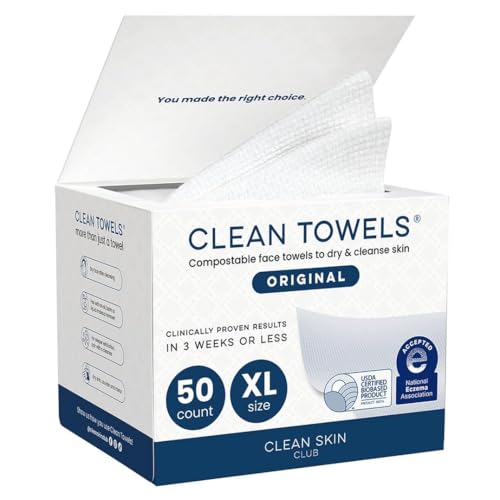
Single compact box fits neatly beside the bathroom faucet without taking over counter space.
Key specs
- Starter Quantity
- 50 count single box
Pros:
- Single 50-count box provides an accessible entry point to evaluate disposable face drying on active blemishes
- USDA Biobased plant fibers deliver an ultra-soft texture that will not scratch irritated skin
- National Eczema Association acceptance supports individuals prone to contact dermatitis or facial flares
- Compact single-box footprint fits easily on small pedestal sinks or narrow bathroom ledges
Cons:
- 50 sheets deplete in under one month when washing morning and evening
- Requires frequent repurchasing compared to multi-pack bundle offerings
Last update on 2026-10-26 / Affiliate links / Images, Product Titles, and Product Highlights from Amazon Product Advertising API
Frequently Asked Questions
Can disposable face towels cure cystic or hormonal acne?
No, disposable towels cannot cure deep cystic or hormonal acne on their own. Hormonal blemishes originate deep within the sebaceous glands due to internal hormone fluctuations and genetic oil production. While clean towels prevent surface bacteria from aggravating existing cysts, you will still need targeted topical treatments or medical guidance from a dermatologist to resolve internal breakouts.
Can you reuse a single-use face towel for multiple skincare routines?
You should never reuse a disposable face towel on your facial skin once it has dried. Reusing the towel defeats its entire purpose by reintroducing collected oils, dead skin cells, and room bacteria directly onto your face. However, you can reuse the slightly damp cloth immediately after washing your face to clean your bathroom counter, mirror, or makeup brushes before throwing it away.
Are disposable plant-based towels safe to flush down the toilet?
No, you must never flush disposable facial towels down a toilet. Even though they are made from natural plant fibers that decompose in soil over time, they are built to stay strong when wet and will not dissolve quickly in residential plumbing. Flushing them can cause severe pipe clogs and expensive sewer backups, so always dispose of them in a standard trash bin.
How can I verify if my laundry detergent is triggering facial breakouts?
If your breakouts consistently appear as clusters of tiny red bumps, rough itchy patches, or whiteheads along your jawline and cheeks where towels rest, your laundry products may be responsible. Try switching to a fragrance-free, dye-free detergent and stop using fabric softeners or dryer sheets on your linens for three weeks. If your redness and localized bumps calm down during that period, your previous detergent was likely the underlying trigger.




