A warm bath with plain water and a soft cloth rinses away nearly all everyday childhood grime. That simple rule only changes when sticky food, outdoor sap, or diaper areas demand a mild cleanser to lift the mess. Bubbles and foaming soaps strip away the skin's natural oil shield, which often leads to dry patches, redness, and itching.
What works best on any given evening depends on your child's age, their skin sensitivity, and the kind of dirt they found outside. A toddler covered in sandbox dust needs only a quick rinse, while an active child with sweaty sports gear needs spot cleaning on hands and feet. Flare-ups of eczema call for cooler water and minimal rubbing, and sticky sap melts away faster with a dab of kitchen oil than a heavy scrub. Here is how to keep daily wash routines gentle, simple, and rash-free.

The Short Version
- Water does most of the work: Plain warm water and a soft washcloth rinse away surface dust, mud, and everyday sweat without stripping your child natural skin oils.
- Wash only the odor zones: Use gentle soap only where bacteria and sweat gather, including the armpits, groin, feet, and hands after public play.
- Rely on the pantry for stubborn grime: Kitchen staples like olive oil, coconut oil, and baking soda remove sticky tree sap, stickers, and marker without harsh scrubbing.
- Select plant cleaners for heavy messes: When dirt or tangled hair requires soap, pick plant-derived formulas free from synthetic perfumes and harsh foaming chemicals.
The Water-First Rule: When to Use Soap and When to Skip It
Children produce very little body oil and rarely smell bad. Their skin is thinner than adult skin and loses moisture quickly. At the surface sits the skin barrier (the body natural oil shield), a delicate layer of oils and beneficial cells that holds moisture in and keeps irritants out.
Lathering a child from head to toe with bubbly soap every day washes that shield down the drain. Without that oil shield, skin turns red, dry, and itchy, triggering eczema flare-ups. Water alone dissolves and washes away most daily grime, including sandbox dust, sidewalk chalk, garden dirt, and light sweat from running around the house.
Soap is only necessary when dirt contains oils, bacteria, or sticky residue that water cannot dissolve on its own. Reserve soap for these specific moments:
- Bathroom visits and diaper changes: Fecal matter and urine irritate skin if not washed clean with a mild cleanser.
- Hands before meals: Cleanser lifts illness-causing germs after playing on public playgrounds or sharing toys.
- Sweaty odor zones: Active kids need a light wash under the arms, on feet, and around the groin.
- Greasy messes: Food oils or bike chain grease need soap to break down.
For normal bath nights, skip soap on arms, legs, back, and belly. A warm soak and a soft washcloth leave skin clean, calm, and hydrated.
Step-by-Step Natural Bath Routine for Sensitive Skin
A predictable routine protects sensitive skin while keeping bath time calm and simple. A soft cotton washcloth, a clean towel, and warm water are your primary cleaning supplies.
- Check water temperature: Fill the tub with warm water that feels comfortable on your wrist. Hot water pulls natural moisture straight from the skin barrier. Keep the tub clean before bath time; if you treat bathtub mildew beforehand using a shower cleaner for mold, rinse the basin thoroughly and ventilate the bathroom well before your child steps in.
- Keep the soak under ten minutes: Sitting in water too long washes away protective surface lipids. Aim for five to ten minutes, giving plenty of time for splash play without parching the skin.
- Wipe face and upper body with water first: Dip a soft cloth in clean water. Gently wipe the eyes from the inside corner outward, using a clean corner of the cloth for each eye. Wipe cheeks, mouth, neck folds, and ears with plain water.
- Spot-clean odor zones with minimal lather: Put a dime-sized drop of plant cleanser on your wet cloth. Wash the armpits, groin, and between toes. Rinse the cloth under the faucet to wipe soap away quickly rather than letting it pool in the bath.
- Wash hair at the end: Washing hair early forces kids to sit in soapy water. Wash the scalp just before getting out. Tilt their head back, work a tiny drop of wash through the scalp, and rinse immediately with clean water from a cup.
- Pat dry and seal moisture: Lift your child onto a warm towel. Pat the skin gently instead of rubbing. While skin is still slightly damp, smooth on a plain natural oil or fragrance-free lotion within two minutes to lock in hydration.
Pantry Solutions for Tough Messes Like Tree Sap, Food, and Marker
Children often get covered in sticky messes that tempt parents to reach for harsh cleaners. Scrubbing delicate skin with rough sponges causes painful raw spots. Safe kitchen staples dissolve these messes easily:
- Sticky tree sap and adhesive: Pine sap and sticker glue are waterproof, so soap and water will not budge them. Pour a half teaspoon of olive oil or coconut oil onto the sticky spot. Rub gently with your fingers for thirty seconds. The plant oil breaks down the sticky resin instantly. Wipe clean with a damp cloth, then rinse with warm water.
- Washable marker and ink: When marker ink stains hands and forearms, avoid scrubbing. Mix one tablespoon of baking soda with a splash of water to form a smooth paste. Dab the paste on the ink and massage gently in small circles. The fine baking soda particles lift the pigment from skin pores without scratching. Rinse with warm water.
- Crusted food and syrup: Dried oatmeal or pancake syrup can stick like glue. Rather than picking at it, press a warm, damp washcloth against the crust for thirty seconds. The warm moisture softens the food so you can wipe it away in one swipe.
- Itchy grass and outdoor dust: After an afternoon rolling in the yard, skin can feel prickly. Grind half a cup of plain rolled oats into a fine powder and stir it into a lukewarm bath until the water looks milky. Let your child soak for ten minutes to soothe redness and ease itching.
Label Guide: Gentle Plant Ingredients Versus Synthetic Red Flags
Words like "natural" or "gentle" on the front of a bottle are unregulated marketing claims. Reading the ingredient list on the back gives you real control over what touches your child skin.
What to Look For
Gentle cleansers rely on plant-derived ingredients that clean without stripping the skin barrier:
- Mild plant surfactants: Look for coco-glucoside, decyl glucoside, or sodium cocoyl isethionate. A surfactant (a soap-like cleaner that lifts dirt) derived from coconut or fruit sugars cleans well without stripping natural oils.
- Skin-soothing extracts: Ingredients like aloe vera juice, calendula extract, chamomile, and colloidal oatmeal help calm irritation and keep skin soft.
- Gentle plant moisturizers: Vegetable glycerin, sunflower seed oil, and shea butter hold moisture against skin cells to support the natural barrier.
- Food-grade preservatives: Every liquid wash needs a preservative to prevent dangerous bacterial growth. Sodium benzoate, potassium sorbate, and citric acid preserve formulas safely without irritating skin.
What to Avoid
Several common cleaning chemicals can break down delicate skin barriers and trigger allergic reactions:
- Sulfates: Avoid sodium lauryl sulfate (SLS) and sodium laureth sulfate (SLES). Sulfates (harsh foaming cleaners) make giant bubbles, but they strip natural oils and leave skin dry and itchy.
- Synthetic fragrance: Steer clear of items listing fragrance (hidden synthetic scent chemicals) or "parfum". These can contain dozens of undisclosed chemicals that trigger rashes. Choose fragrance-free over unscented, as unscented products often use masking chemicals to hide odors.
- Dyes and colorants: Washes tinted bright blue, green, or pink contain synthetic dyes that offer zero cleaning power and often cause skin or urinary irritation.
- Harsh preservatives: Avoid methylisothiazolinone (MI), methylchloroisothiazolinone (MCI), and formaldehyde-releasing agents like DMDM hydantoin.
Choosing Plant-Based Washes and Detanglers for Heavy Grime
Plain water and kitchen oils handle everyday play, but certain messes call for a dedicated bottle. When kids come home covered in pond mud, bike grease, or sticky playground grime, a reliable plant cleanser makes bath time tear-free and fast.
For regular washing, look for multi-use formulas. A combined two-in-one shampoo and body wash simplifies bath time and cuts down on the number of products touching sensitive skin. Verify that the bottle carries independent safety marks, like an EWG Verified seal, which confirms the formula avoids known toxins and harsh irritants. A sturdy pump bottle is also helpful, letting you dispense wash with one hand while keeping your other hand safely on your child.
For messy hair, avoid adult conditioners filled with heavy silicones that leave a plastic-like coating on fine strands. Choose a leave-in detangling spray powered by fruit extracts, vegetable glycerin, and plant-based conditioners. A good spray allows a wide-tooth comb to glide through wet or dry knots without pulling the scalp or snapping fine hair. Check the label to verify it is silicone-free and uses natural plant extracts to keep hair soft and manageable.

Combines shampoo and body wash in a single bottle to clean hair and delicate skin with 97 percent naturally derived ingredients.
Key specs
- Formula verification
- EWG Verified
Pros:
- EWG Verified formula contains 97 percent naturally derived ingredients
- Serves as both a shampoo and body wash to simplify bath routines
- Evaluated by dermatologists and listed as gentle for delicate skin
- Creates a rich lather to help lift dirt without stripping delicate skin
Cons:
- 16 fl oz bottle empties sooner in multi-child households than 32 fl oz sizes
- Vanilla and pear scent profile is not unscented for fragrance-free preferences

Key specs
- Bottle volume
- 32 Fl Oz
- Fragrance profile
- Watermelon and Coco
Pros:
- Large 32 fl oz size offers double the volume of standard 16 fl oz wash bottles
- EWG Verified with 97 percent naturally derived ingredients for delicate skin
- Two-in-one wash handles both hair cleansing and body lathering in one step
- Dermatologist-evaluated formula provides rich lather for sticky grime
Cons:
- Heavier 32 fl oz bottle can be difficult for small children to handle independently
- Watermelon and coco scent may not suit children needing aroma-free bathing

Key specs
- Clean ingredient standard
- 97% Naturally Derived
- Wash type
- 2-in-1 Shampoo and Body Wash
Pros:
- Generous 32 fl oz volume reduces reorder frequency for daily family bath times
- Evaluated by dermatologists to combine shampoo and body wash in one bottle
- Contains 97 percent naturally derived ingredients with EWG Verified backing
Cons:
- Taller 32 fl oz bottle takes up more shelf space in compact shower or tub niches
- Vanilla and pear scent is not suitable for those requiring unscented washes
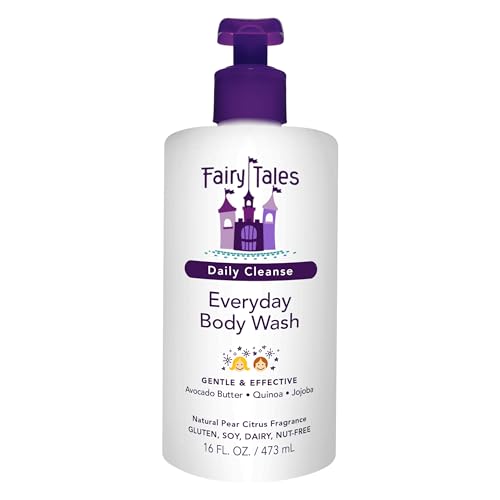
Key specs
- Excluded additives
- Sulfate-free
- Silicone-free
- Target application
- Daily body wash designed to rinse skin clean without sulfates or silicones.
Pros:
- Sulfate-free cleansing formula avoids stripping natural oils from delicate skin
- Silicone-free wash rinses away easily without leaving heavy buildup on the body
- Made with natural ingredients formulated specifically for boys and girls
Cons:
- Cleans body skin only and does not serve as a two-in-one hair shampoo
- Product listing does not state independent EWG verification

Spray mist applies directly to hair to help loosen tangles without an extra bath rinse.
Key specs
- Pack count
- 2 Bottles
Pros:
- EWG Verified formula provides peace of mind regarding ingredient transparency
- Leave-in mist spray loosens stubborn hair tangles without requiring a bath rinse
- Two-bottle pack provides an extra supply for daily morning and post-bath hair care
Cons:
- Functions only as a hair detangler rather than a wash for cleaning off dirt
- Product listing does not disclose individual bottle fluid ounce capacity
Last update on 2026-10-27 / Affiliate links / Images, Product Titles, and Product Highlights from Amazon Product Advertising API
Frequently Asked Questions
Do children need a full bath every single day?
Most babies, toddlers, and young kids do not need a daily bath. Unless your child has been playing in heavy dirt, swimming in chlorine, or sweating heavily, two to three baths a week are plenty. On other days, wipe their face, hands, and diaper area with a warm washcloth before bed to keep them clean while preserving their skin barrier.
How do you keep active kids smelling clean without synthetic scents?
Kids do not need perfume or berry scents to stay fresh. Cleanliness comes from removing sweat and dead skin cells from odor zones like armpits and feet using warm water and a drop of fragrance-free plant wash. Dressing children in breathable cotton clothing also lets sweat evaporate naturally, preventing the bacterial growth that creates sour odors.
Is plain warm water really enough to wash away outdoor germs?
Warm water and the gentle wiping action of a washcloth remove surface soil, pollen, and everyday dust effectively. However, after using public restrooms, visiting crowded spaces, or handling raw food, children should wash their hands with mild soap for twenty seconds. Water alone rinses surface grime, but soap is necessary to lift and wash away stubborn virus particles and illness-causing bacteria from hands.
When should you take a child to the doctor for bath-related skin irritation?
Consult a pediatrician or dermatologist if your child develops skin patches that crack, bleed, or ooze yellow fluid. You should also seek professional care if severe itching disrupts sleep, if red rashes spread rapidly, or if home moisturizing brings no relief after one week. A doctor can check for eczema, fungal issues, or contact allergies that need prescription treatment.