Heavy-duty tile formulas lift stubborn grime and dark mildew far better than typical grocery store sprays. But that cleaning strength comes with a major catch: strong chemical blends can permanently ruin natural stone like marble, slate, and travertine. Man-made ceramic and porcelain tiles handle these treatments without issue, but porous real rock will etch, leaving behind dull, cloudy spots that cannot be wiped away.
Safe results depend on matching the right formula to your exact mess and floor material. Deeply soiled walking paths need a dedicated degreaser to pull up body oils and dirt, while damp bathroom seams require a thick cling gel to dissolve fungus. Because these strong liquids strip away old protective layers, the porous grout also needs a thorough water rinse and a fresh coat of sealer once dry. Here is how to tell if your surface is safe and how to clean it without causing costly damage.

The Short Version
- Clean-eez cleaners dissolve stubborn grease, ground-in mud, and mineral grime from manufactured tile and cement grout lines.
- They work safely on man-made ceramic and porcelain tiles, but you must keep them away from natural stone like marble, slate, or travertine because the formulas will etch (chemically burn or dull shiny stone) real rock.
- The liquid grout cleaner performs best when given ten minutes of soak time (letting the wet cleaner sit on the surface so it can dissolve the mess before wiping), while the thick mold remover gel is designed to cling to vertical shower caulk without running down the wall.
- Always rinse the floor thoroughly with clean water after scrubbing, then apply a protective sealer once the joints dry to lock out future spills.
What Clean-eez Cleaners Treat and How They Break Down Grime
Grout is essentially a porous mixture of sand and cement that fills the gaps between your floor tiles. Because it is filled with microscopic air pockets, it acts like a hard, flat sponge. Every time you push a damp mop across a dirty kitchen or bathroom floor, the dirty mop water flows straight into those low-lying grout joints. The porous cement absorbs greasy cooking mist, mud from shoes, pet dander, and dried soap film. Over several months, that trapped soil turns light grout gray or black.
Everyday multi-surface floor sprays cannot pull that grime back out. Mild detergents are made to clean smooth, non-porous surfaces by sitting on top of the tile and wiping away light surface dust. They lack the chemical strength to sink into deep cement channels. Clean-eez Grout-eez Super Heavy-Duty Grout Cleaner uses a concentrated grime-cutting formula that penetrates directly into those open pores. It breaks down the sticky oils and binding agents holding dirt against the sand grains.
Once those oily bonds release, the trapped dirt floats to the surface of the wet cleaner. A light scrub with a stiff brush loosens the debris, lifting it into a muddy liquid that you can wipe away completely. Instead of masking the dark surface or painting over the problem, this chemical breakdown clears the original cement channels down to their base layer.
Surface Safety: Ceramic and Porcelain Versus Natural Stone
Before applying any heavy cleaner, you need to know what your floor is made of. Glazed ceramic and porcelain tiles are made from clay fired at high heat, creating a hard, glass-like finish that resists chemical reactions. Grout-eez is designed specifically for these man-made clay materials. It strips the dirt out of the grout joints without harming the glazed porcelain or ceramic tiles sitting right beside them.
Natural stone is an entirely different story. Real rocks like marble, limestone, travertine, and slate contain calcium carbonate or soft mineral veins that react violently with acidic or heavy-duty chemical agents. If you put a heavy grout cleaner on natural stone, the chemical will etch the surface within minutes. Etching is not a stain that you can scrub off; it is a permanent chemical burn that strips away the polished shine and leaves behind rough, cloudy white spots. Fixing etched marble or travertine often requires hiring a professional stone restoration contractor to grind down the top layer with diamond polishing pads, which can cost thousands of dollars.
Homeowners often worry about whether heavy grout cleaners will bleach colored grout. Clean-eez Grout-eez is safe for colored grout lines because it focuses on stripping grease and oil rather than bleaching out pigment. Household chlorine bleach often oxidizes pigments and leaves colored joints looking splotchy or faded, but a targeted grime remover leaves the dyed cement intact. If you are ever unsure what kind of tile is on your floor, check a hidden spot first. Put a single drop of cleaner on a hidden corner inside a closet or behind a toilet, let it sit for ten minutes, rinse it off, and inspect the shine under a bright light.
Step-by-Step Application for Heavy Grout Stains
Cleaning deeply neglected grout lines takes a little patience and the right sequence of actions. Follow these steps to clear the grime without wearing out your knees or damaging nearby baseboards.
- Protect yourself and open the room. Slip on a pair of rubber household gloves and put on safety glasses to guard against accidental splatters. Open a nearby window or switch on an exhaust fan to maintain steady airflow while you work. Move rugs, trash cans, and floor mats out of the room.
- Dry sweep the floor. Vacuum or sweep the whole area to pick up loose grit, pet hair, and coarse dirt. If you leave loose dust on the floor, the liquid cleaner turns it into a gritty sludge that smears across your clean tile faces.
- Apply the cleaner directly to the grout joints. Use the easy-control flip top cap on the 32-ounce bottle to squirt a thin stream of Grout-eez directly into the recessed grout lines. Focus the liquid right down the center of the joint rather than pouring puddles across the middle of the tiles.
- Wait for the chemical soak time. Let the wet liquid sit on the grout for about 10 minutes. This soak time gives the cleaner time to dissolve the hardened grease and loosen deep mud. Keep an eye on the floor while it sits; do not let the liquid dry out completely. If a warm breeze starts drying a section, lightly mist it with a spray bottle of water.
- Scrub the loosened joints. Take a stiff nylon brush and scrub along the line. If you have a stand-up brush head, twist it onto an ordinary threaded broom pole so you can clean standing up without putting pressure on your knees. Because the cleaner has already softened the dirt, you only need moderate, firm passes to kick the grime free.
- Wipe up the dirty slurry before it dries. Use a clean microfiber cloth or a sponge mop to pull the dirty puddle off the floor immediately. If you leave that dirty liquid sitting on the tile, the porous cement will simply soak the dirty water right back in.
Tackling Shower Caulk and Bathroom Mold with Cling Gel
Floor grout usually collects greasy traffic dirt, but shower stalls and bathroom corners face a completely different threat: mildew and moisture stains. In damp bathrooms, black mold spots often grow across flexible silicone caulk around tub rims, rubber door gaskets, and vertical tile walls. Thin floor cleaners do not work on these spots because liquid simply slides down vertical tiles into the drain before it can break down the discoloration.
Clean-eez Mold Stain Remover Gel solves this problem by using a thick, clingy consistency. When you squeeze the gel along a vertical seam, it sticks directly to the caulk or glass without running down the wall. This lets the active ingredients sit directly against the dark mold stains for hours at a time. The formula works on bathroom surfaces like grout, glass, tile, and rubber gaskets without degrading the silicone seals.
To treat moldy caulk, dry the area with a towel first so the gel makes direct contact with the surface. Squeeze a thick bead of the gel directly over the black spots and leave it alone for several hours or overnight. Once the black stains disappear, wipe the remaining gel away with a wet microfiber cloth and rinse the area with warm water from your showerhead. If your bathroom faces chronic moisture and widespread mildew across large tiled stalls, comparing the formula with a dedicated shower cleaner for mold can help you decide between spot-treating joints or spraying down an entire enclosure.
Rinsing Thoroughly and Sealing the Grout Afterward
Scrubbing the floor is only half the battle. If you skip the final rinse, you will leave behind a thin chemical film. That invisible residue acts like a magnet for fresh dirt, which means shoe grime will stick to the floor and turn your clean grout dark again within a couple of weeks.
- Use a two-bucket wash system: Fill a five-gallon wash bucket with warm, clear water. Wipe the floor with a damp microfiber mop, squeeze the dirty water into a separate bucket, and re-dip into your clean bucket so you are not spreading lifted dirt back over the floor.
- Check the surface texture: Wipe the tiles until the floor feels clean and smooth under your bare hand. If the floor feels slippery, chalky, or tacky, rinse it one more time with clear water to pull up the remaining residue.
- Allow a full drying period: Let the floor dry completely for 24 to 48 hours. Cement holds onto moisture, which makes wet grout look significantly darker than it actually is. Do not judge your final color until the moisture has completely evaporated from the joints.
- Apply a penetrating grout sealer: Deep cleaning pulls everything out of the cement pores, leaving them completely wide open. Apply a quality grout sealer across every line once the floor is bone dry. The sealer sinks into those empty tunnels and creates a protective barrier that stops future coffee spills, dirty mop water, and mud from sinking back into the cement.
Choosing the Right Cleaner for Your Grout and Tile
When you shop for a heavy-duty tile and grout cleaner, you need to match the chemical formula to your specific stain and surface material. Man-made ceramic and porcelain floors handle strong dirt-cutting formulas easily, but natural rock always requires neutral cleaners that carry zero risk of chemical burns. Check the label carefully to confirm that the bottle is marked safe for your exact floor type before bringing it home.
Look closely at how the cleaner is applied. Pouring wide puddles of liquid across glazed tiles wastes product, so look for bottles with narrow squirt nozzles or easy-control flip caps that let you lay a neat bead straight down the grout joint. If you need to clean large living spaces, check whether the cleaner works with stand-up scrub brushes that attach to standard household broom handles. For vertical shower walls, tub edges, and silicone caulk lines, skip runny liquids entirely and look for thick gels formulated to hold their position against gravity until the stain disappears.

Ultimate Grime Elimination: Experience the power of a pro-grade cleaner, easily banishing stubborn stains. Make your surfaces shine brilliantly!Total Transformation Solution: Unleash the potential of your tiles and grout. This 2-in-1 cleaner will return time, revealing pristine beauty you'll adore.E
Key specs
- Primary Application
- Kitchen and bathroom tile floor stains
- Application Hardware
- Ships as a liquid refill bottle only, so you will need to supply your own grout brush and handle to agitate stains.
Pros:
- Formulated to remove heavy grease, grime, and deep floor stains across bathroom and kitchen tile
- Standard 32-fluid-ounce bottle covers everyday household spot cleaning or single-room grout restoration
- Versatile liquid formula targets both vertical bathroom tile lines and horizontal kitchen floors
Cons:
- Ships as a standalone bottle without an applicator brush or scrubbing attachment included
- Bottle label does not state compatibility with natural stone, requiring caution around marble or slate
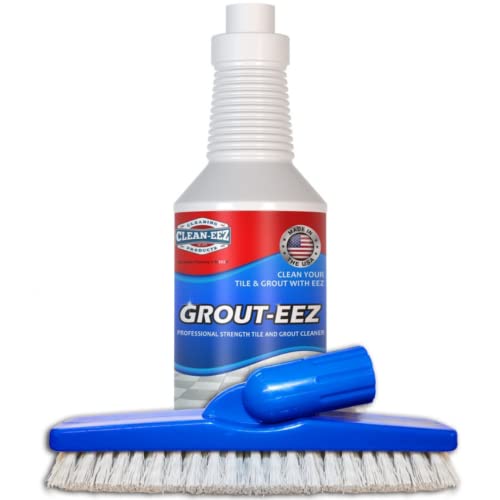
Safe on ceramic and porcelain tile, but chemically damages natural stone like marble, slate, or travertine.
Key specs
- Included Cleaning Tool
- Stand-up brush head (pole not included)
Pros:
- Comes paired with a specialized stand-up brush head to scrub grout lines without bending down
- Explicitly confirmed safe for colored grout lines on ceramic and porcelain tile
- Heavy-duty formula lifts deep grime without stripping original grout pigment
Cons:
- Pole is not included, requiring an existing threaded handle to use the stand-up brush head
- Must not be used on natural stone surfaces like marble, slate, or travertine to prevent chemical etching

Professional Strength Grout Cleaner: Easily remove years of grime from your grout, saving you time and frustration.2-in-1 Cleaning Solution: Restore your tile and grout's original shine with a single, powerful product.Excellent Results, Anytime: Effectively tackle even the toughest grout stains, rev
Key specs
- Dispenser Design
- Easy-control flip top cap
- Package Scope
- Two 32 oz bottles and an included scrubber brush provide enough volume for multiple rooms or large tiled areas.
Pros:
- Two-pack bundle supplies 64 total ounces of cleaner for multi-room floor or shower projects
- Includes a free stand-up brush attachment designed for scrubbing tile joints
- Easy-control flip top cap allows direct, targeted pouring along grout lines without splashing
Cons:
- Larger volume bundle creates excess chemical storage if treating only a minor stain
- Brush attachment still requires users to supply their own threaded pole

Key specs
- Formula Consistency
- Clinging gel
- Target Bathroom Areas
- Shower caulk lines
- Rubber seals and gaskets
- Vertical tile and glass
- Shower grout seams
- Origin
- Made in the USA
Pros:
- Thick gel consistency clings to vertical shower caulk and rubber seals without dripping away
- Targets stubborn mold and mildew discoloration that standard liquid grout cleaners miss
- Broad bathroom compatibility covering caulk, grout, glass, tile, and rubber gaskets
- Manufactured in the USA by a domestic cleaning company
Cons:
- Specialized for mold and mildew stains rather than overall floor grease or heavy floor mud
- Gel delivery format is impractical for broad-surface floor scrubbing compared to liquid cleaners

Powerful Grout Cleaning: Experience the ultimate solution with Clean-eez! Our professional-grade cleaner effortlessly removes years of dirt and grime from grout, ensuring frustration-free cleaning without compromise.2-in-1 Cleaning Marvel: Transform both your tiles and grout to their original glory
Key specs
- Color Safety
- Safe for colored grout
- Application Hardware
- Sold as a standalone bottle, meaning scrubbing pads or brushes must be bought separately.
Pros:
- Formulated to be safe on colored grout while lifting stubborn ground-in dirt and grime
- Standalone 32-ounce container offers an entry point for spot-cleaning localized high-traffic paths
- Destroys ground-in dirt without bleaching or discoloring dyed grout joints
Cons:
- Does not bundle a stand-up brush or pole attachment for hands-free floor scrubbing
- Requires spot checking on delicate or unsealed surfaces to confirm safety
Last update on 2026-10-27 / Affiliate links / Images, Product Titles, and Product Highlights from Amazon Product Advertising API
FAQs
How can I tell if my floor tile is natural stone or ceramic?
Inspect the surface texture and patterns across several tiles under good lighting. Ceramic and porcelain tiles usually have uniform patterns, smooth glazes, or identical printed grain across multiple pieces. Natural stone like marble, slate, or travertine shows irregular mineral veins, small surface pits, and unique variations from piece to piece. If you remain unsure, check the builder records for your home or inspect a spare tile left behind in your garage or basement.
Will heavy-duty grout cleaners fade or ruin colored grout?
Targeted grout cleaners like Grout-eez do not strip dye because they rely on grease-cutting agents rather than high concentrations of chlorine bleach. Household bleach oxidizes color pigments and often leaves colored cement looking faded or unevenly splotched. Quality heavy-duty grout formulas loosen dirt and oils while leaving the underlying color pigments intact. You should still check the liquid on a hidden corner first to confirm that your specific grout brand does not react unexpectedly.
What should I do if cleaner accidentally splashes onto marble or granite?
Rinse the splashed stone with large amounts of fresh, clean water immediately to dilute and wash away the chemical before it reacts. Blot the liquid with a damp microfiber cloth instead of wiping it across a wider area of the stone. If the cleaner sits on polished marble or limestone for even a few minutes, it will chemically burn the mineral surface. If you see dull white spots after drying the stone, you will need a professional stone restoration specialist to polish out the damage.
How often should I use heavy-duty cleaners on my tile floors?
You should only need a heavy-duty cleaner once or twice every few years for deep restorative maintenance. Once you strip out the old grime and apply a high-quality penetrating sealer, routine sweeping and light mopping with warm water will keep the floor clean. Using heavy chemical cleaners every week is unnecessary and can prematurely wear down your grout sealer. Save the strong solutions for deep seasonal cleanings or when you move into a home with neglected floors.