
Bissell PowerLifter Pet Bagged Upright Vacuum speaks to a familiar cleaning headache: fur that settles into carpet instead of sitting politely on top. A quick pass may grab loose crumbs, yet fine hair often clings around furniture legs, along baseboards, and across the spots where pets nap. This upright design keeps the routine straightforward, using a traditional bagged collection system that stores debris until disposal. That matters when emptying an open dirt cup usually sends dust drifting right back into the room.
The main appeal is contained dirt disposal, not a flashy screen or a pile of complicated settings. Once the bag fills, it can be removed and discarded without scraping packed hair from a clear plastic bin. Well, replacement bags add an ongoing cost, and forgetting to keep spares around can stop a cleaning session cold. Still, the cleaner handling may be worth that tradeoff when loose dust, dander, and mystery grit make bagless emptying feel like doing the same chore twice.
A powered upright brush is built for carpet hair pickup, where suction alone can leave strands woven between fibers. Repeated passes may still be needed over thick rugs, long pet hair, or heavily traveled pathways, so realistic expectations help. The full-size floor head also favors open rooms over tight corners, and moving around crowded furniture won't feel as nimble as steering a slim cordless stick. But on broad carpeted areas, the wider path can cover ground without forcing dozens of narrow back-and-forth strokes.
Above-floor tools give the machine more reach when fur migrates from the floor to stairs, upholstery, and edges. Hair on a sofa arm or stair tread rarely behaves like ordinary dust, so focused tool contact can make a noticeable difference. The hose and attachments won't replace a tiny handheld vacuum for every quick cleanup, but they reduce the need to drag out a second appliance for routine detail work. Then again, upright hoses can tug the machine toward you if stretched too far, so keeping the base close prevents an awkward tip or sudden bump.
Maintenance stays fairly old-school. Bags need replacement, the brush area should be checked for wrapped hair, and filters need attention according to the care instructions. Skipping those basics can weaken steady suction and make the motor work harder, especially after several rounds of fine dust and pet debris. No vacuum makes fur disappear forever, of course, but a predictable maintenance routine beats wrestling with hidden clogs after performance has already dropped.
The corded format brings another practical tradeoff. There isn't a battery clock ticking in the background, so longer cleaning sessions can continue without pausing for a recharge. On the flip side, plugging and unplugging between rooms feels less carefree than grabbing a cordless model for a two-minute mess. The consistent corded power makes more sense for planned whole-room cleaning than for chasing a few scattered crumbs before heading out the door.


Every Purchase Saves Pets. BISSELL proudly supports BISSELL Pet Foundation and its mission to help save homeless pets.LIGHTWEIGHT (10 LBS). Powerful suction in a lightweight and compact vacuum makes cleaning functional and easily maneuverable.FULL SIZE POWER, COMPACT DESIGN. Powerful suction in a li
Key specs
- Form Factor
- Engineered with a space-saving upright profile suited for apartments and dorm rooms where storage space is restricted.
- Above-Floor Cleaning
- Quick-release wand included
Pros:
- Compact upright footprint fits smaller storage spaces in apartments and dorms
- Quick-release wand provides immediate reach for above-floor dusting and corners
- Upright layout delivers standard floor cleaning performance in a downsized build
Cons:
- Dirt cup capacity and power cord length are not stated in listing specifications
- Lacks swivel steering for turning tightly around table and chair legs

EVERY PURCHASE SAVES PETS. BISSELL proudly supports BISSELL Pet Foundation and its mission to help save homeless pets.SURFACESENSE TECHNOLOGY. Automatically transition from carpets to hard surfaces.LIFT-OFF DETACHABLE POD. Easily switches from a powerful upright vacuum to a detachable, portable cani
Key specs
- Filtration Rating
- Sealed HEPA trapping 99.97% of dander
- Canister Detachment
- The Lift-Off pod detaches with a single button press to convert the upright body into a portable handheld canister for stairs and cushions.
- Floor Transition
- SurfaceSense sensors detect carpet and hard floor surfaces on the fly, altering brush roll rotation speed without manual switch adjustments.
Pros:
- SurfaceSense technology automatically adjusts brush roll speed between carpets and bare floors
- HEPA sealed allergen system captures 99.97% of dust, dander, and pet allergens
- Lift-Off detachable pod unlatches for portable cleaning on stairs and upholstery
- Tangle-free brush roll actively stops pet hair from wrapping around the cylinder
- LED headlights illuminate hidden debris in dark corners and beneath furniture
Cons:
- Listed weight of 15.5 pounds makes it heavier to carry than compact stick or upright models
- Electrical cord length and flexible hose reach are omitted from the product specifications

EVERY PURCHASE SAVES PETS. BISSELL proudly supports BISSELL Pet Foundation and its mission to help save homeless pets.LIFT-OFF DETACHABLE POD. 2-in-1 design with a detachable pod for convenient, portable cleaning.TANGLE-FREE BRUSH ROLL. Actively prevents hair wrap.HEPA SEALED ALLERGEN SYSTEM. Traps
Key specs
- Allergen Control
- Equipped with a sealed HEPA filtration system designed to retain dust and allergens rather than exhausting them into living spaces.
- Included Accessories
- Specialized pet tools included
Pros:
- HEPA sealed filtration system traps fine pet dander and dust inside the unit
- Lift-Off portable pod separates from the base for convenient stair and furniture cleaning
- Integrated LED headlights reveal pet hair along baseboards and under low furniture
- Easy Empty dirt tank drops collected debris straight into the trash
Cons:
- Total unit weight is not provided and must be confirmed prior to purchase
- Does not feature automatic floor-sensing brush roll speed adjustments

EVERY PURCHASE SAVES PETS. BISSELL proudly supports BISSELL Pet Foundation and its mission to help save homeless pets.SWIVEL STEERING FOR MAXIMUM MANEUVERABILITY. Makes cleaning around furniture and other obstacles easy. Filter replacement every 6 monthsTRIPLE ACTION BRUSH ROLL. Loosens, lifts and r
Key specs
- Steering Design
- Swivel steering for turning around furniture
- Dirt Tank Mechanism
- Uses a high-volume dirt tank with an Easy Empty base to dump hair directly into the bin without manual contact.
Pros:
- Swivel steering provides responsive maneuvering around table legs and furniture corners
- Large-capacity dirt tank holds substantial pet hair between trips to the trash can
- Easy Empty canister mechanism releases debris without requiring hands to pull out clumped fur
- Specialized pet tools target embedded fur on fabric cushions and tight edges
Cons:
- Does not feature automatic cord rewind, requiring manual cord wrapping after cleaning
- Lacks a sealed HEPA allergen filtration system for trapping microscopic particles

Buy Bissell, save pets Bissell donates up to 10 dollars to the Bissell pet foundation for every pet product purchase, upon activationTriple action brush roll plus scatter free technology maximize pet hair pickup – even if it’s embedded27’ power cord automatically rewinds for quick and easy storage.
Key specs
- Cord Management
- Automatic cord rewind retracts power cable
- Maneuverability
- Combines a swivel neck with pet-specific attachments to steer around room clutter while extracting hair from tight spots.
Pros:
- Automatic cord rewind pulls the power cable back into the base with a single tap
- Swivel steering smoothly tracks around corners and obstacles across carpeted rooms
- Large-capacity dirt tank minimizes interruptions during heavy shedding seasons
- Specialized pet tools offer focused suction along upholstery and stair treads
Cons:
- Cord reach measurement is omitted from the listing and should be verified before buying
- Standard filtration does not include a sealed HEPA allergy barrier

POWERFUL SUCTION: Targets dirt, dust, and more for a thorough clean.XL DIRT CONTAINER: Holds up to 2 liters of debris.TURBOPASS BRUSH ROLL: TURBOPASS Brush Roll and a wide cleaning path help provide powerful pet hair pick-up with every pass.SCATTER FREE TECHNOLOGY: Clean hard floors with less effort
Key specs
- Brush Roll Setup
- Features a specialized pet hair brush roll tailored to comb through carpet fibers and pull out deeply rooted fur.
- Debris Capacity
- Large dirt container for less frequent emptying
Pros:
- Pet hair brush roll is built to lift stubborn, embedded fur from carpeting
- Large dirt container accommodates extensive vacuuming sessions before needing to be emptied
- Pet hair tools supply concentrated suction for furniture surfaces and baseboards
- Traditional upright format provides broad floor coverage for routine household chores
Cons:
- Lacks swivel steering and automatic cord rewind features present on higher-tier models
- Specific filter micron ratings and sealed-system attributes are omitted from product data
Last update on 2026-08-04 / Affiliate links / Images, Product Titles, and Product Highlights from Amazon Product Advertising API

Bissell PowerLifter Pet Bagged Upright Vacuum Alternative
Small living spaces have a funny way of making every cleaning tool feel twice its actual size. A bulky vacuum bumps into chair legs, crowds the closet, and turns a quick cleanup into a wrestling match. The bissell powerlifter pet bagged upright vacuum keyword may lead shoppers toward traditional pet-focused uprights, but the product reviewed here takes a different route: the Bissell CleanView Compact Turbo 3437F combines full-size suction claims with a lightweight, apartment-friendly body. It isn't a bagged PowerLifter model, so that distinction matters before anyone starts weighing features.
Bissell CleanView Compact Turbo 3437F
The CleanView Compact Turbo is built around a simple promise: deliver useful upright cleaning power without taking over the room. At about 10 pounds, it should feel less cumbersome than many traditional full-size uprights, especially while moving between bedrooms, hallways, and tight corners. That lighter frame can make routine cleaning less of a production, though it doesn't automatically mean the vacuum will glide through every cluttered layout without a bump. Compact dimensions help, but furniture placement still calls the shots.
The product name mentions apartments and dorms, and the design logic lines up with that setting. Limited storage often means a vacuum has to share closet space with coats, shoes, laundry supplies, and whatever else got shoved in there last Tuesday. A compact upright footprint reduces that storage headache while still keeping a familiar floor-cleaning shape. It won't fold into a drawer like a handheld model, but it should be easier to park than a broad, heavy machine.
BISSELL also ties each purchase to its support of the BISSELL Pet Foundation and the organization’s work helping homeless pets. That detail doesn't change suction, handling, or maintenance, yet it gives the purchase a broader purpose beyond collecting dust. The connection feels especially relevant for homes where fur is part of the daily scenery. Still, charitable support should be treated as an added value rather than a substitute for judging the vacuum on practical performance.
Compact Size Without Giving Up Upright Cleaning
Compact vacuums sometimes feel like a compromise before they're even plugged in. Smaller bodies can suggest weaker pickup, narrow cleaning paths, or too many passes over the same patch of carpet. BISSELL positions this model differently, pairing its lightweight construction with what it calls full-size power. No numerical suction measurement was provided, so the sensible takeaway is that the machine aims to preserve the feel of a conventional upright rather than behave like a light-duty sweeper.
That balance can matter during ordinary messes. Crumbs around a table, tracked-in grit near the door, and pet hair worked into a low-pile rug usually need more than a quick surface skim. The upright floor head gives the vacuum a more substantial cleaning stance than a tiny stick or handheld unit, while the lighter body should make repeated passes less tiring. Thick carpeting or deeply embedded debris may still demand patience, since compact dimensions don't erase the physics of stubborn dirt.
Maneuverability is another quiet advantage. A ten-pound vacuum is easier to carry between floors, lift over a threshold, or reposition after the cord catches on a table leg. That doesn't make it weightless, naturally, but reduced lifting strain can change how often the machine actually gets used. A vacuum that stays buried in a closet because it's awkward to move isn't doing much cleaning, no matter how impressive its feature list sounds.
The tradeoff sits in stability and reach. Lightweight uprights can feel less planted than heavier models, particularly when the hose or extension wand is pulled sideways. Keeping the base nearby while cleaning furniture or corners should reduce tugging and tipping. The compact chassis favors mobility, but it may require a more deliberate hand during above-floor work.
Hard Floor Cleanup With Less Scatter
Dry cereal, cat litter, and coarse crumbs have an annoying habit of shooting away from a spinning floor head. BISSELL's Scatter-Free Technology is intended to capture debris on hard floors with less of that pinball effect. The wording matters: less scatter doesn't mean every particle will stay perfectly still on the first pass. Approach angle, debris size, and floor texture can still affect how cleanly the vacuum gathers a mess.
Hard flooring often exposes a vacuum's manners more clearly than carpet does. A machine may have plenty of suction yet push larger crumbs forward instead of drawing them underneath. The CleanView Compact Turbo addresses that frustration by focusing on controlled debris pickup, which can reduce the back-and-forth chase around kitchens and entryways. For small rooms, fewer runaway crumbs also means less bumping into cabinets while trying to finish one stubborn strip.
Mixed flooring presents a more realistic test. A typical cleaning route may move from laminate to a rug, then onto tile without much warning. This model's upright format keeps that transition simple, though the provided details don't mention manual height settings or a brush-roll shutoff. That missing information means delicate flooring care should be approached according to the manufacturer's instructions rather than assumed from the hard-floor claim alone.
Liquid spills remain outside this vacuum's job description. It is a dry upright vacuum, not a carpet washer or wet-dry floor cleaner, so damp messes should be handled separately. For readers sorting out cleaning products beyond dry pickup, a neutral reference on using OdoBan in a carpet cleaner covers a different maintenance situation and shouldn't be confused with the CleanView's intended use. Keeping dry vacuuming and wet cleaning clearly separated helps prevent misuse.
Quick Release Wand For Above-Floor Messes
Floor pickup is only half the battle once dust settles on baseboards, upholstery, shelves, and stair edges. The Quick Release Extension Wand lets the vacuum shift from upright cleaning to above-floor work without turning the process into a tool-changing marathon. A faster release mechanism can make spot cleaning feel less disruptive, particularly when a visible clump of fur is sitting on the couch arm. That convenience matters because small messes tend to get ignored when setup feels like a chore.
The wand should also help reach places where the main floor head simply can't fit. Corners behind furniture, narrow stair treads, and the gap beside a refrigerator often collect debris long before anyone feels motivated to move half the room. Using the extended cleaning reach can reduce bending and awkward stretching, though the actual reach depends on the hose and wand configuration. No exact hose length was supplied, so expectations should stay grounded.
Above-floor cleaning may expose the main limitation of a lightweight upright. Pull too hard on the hose, and the base can shift or follow along like an uninvited dance partner. Keeping one foot near the vacuum or repositioning it before stretching farther can make the experience smoother. The quick-release design improves access, but balance still matters whenever a compact base supports an extended hose.
Pet hair on upholstery can also behave differently from floor debris. Fine strands cling to fabric, weave into seams, and resist suction unless the attachment maintains close contact. The product details don't specify a dedicated motorized pet tool, so this model shouldn't be mistaken for a heavily accessorized pet vacuum. Its wand versatility broadens the cleaning range, but stubborn fabric hair may still need slower passes or a separate grooming-style attachment.
How It Differs From A Bagged PowerLifter
The keyword and the reviewed model point to two different vacuum categories. A bissell powerlifter pet bagged upright vacuum uses disposable bags to contain collected dirt, while the CleanView Compact Turbo is presented as a compact upright without any provided claim that it uses bags. That difference affects disposal, ongoing supply costs, and the amount of contact with loose debris. Anyone specifically seeking sealed bag removal should not assume these models operate the same way.
Bagged machines can make emptying feel tidier because the debris stays enclosed during removal. A compact non-bagged upright may avoid replacement-bag expenses, but the dirt container usually needs direct emptying and occasional cleaning. The supplied details don't describe the CleanView's filtration or bin-release mechanism, so claims about dust containment would be guesswork. The clearest distinction is compact convenience versus bagged disposal, not a claim that one system is universally better.
Size and weight create another separation. Traditional pet-focused uprights often prioritize capacity, carpet agitation, and accessory packages, which can produce a larger body. The CleanView Compact Turbo leans toward easy maneuvering and storage, making it more sensible where every square foot counts. Larger homes with broad carpeted rooms may value greater capacity, while tighter layouts may benefit more from a machine that doesn't feel like rolling furniture.
Product naming can blur these differences, especially when several BISSELL uprights appear in the same search results. Model number 3437F is the useful anchor here, along with the Quick Release Wand, ten-pound weight, compact design, and Scatter-Free Technology. Those are the supplied features that define this review. Treating the model number as the reference point helps prevent expectations based on a different PowerLifter or CleanView configuration.
Everyday Tradeoffs Worth Knowing
Corded power suits longer cleaning sessions because there's no battery timer hovering in the background. The downside is familiar: cords catch around furniture, require outlet changes, and can turn a fast cleanup into a small obstacle course. The provided description doesn't state cord length, so room-to-room coverage can't be judged precisely. Still, continuous power usually favors planned cleaning sessions over quick grab-and-go pickups.
A compact dust capacity may require more frequent emptying than a larger upright, though no bin size was provided for this model. That possibility matters in homes where pet hair accumulates quickly or several rooms are cleaned in one run. Frequent emptying isn't necessarily difficult, but it interrupts momentum and brings maintenance into the routine. The smaller storage footprint may therefore come with a capacity tradeoff.
Noise, filtration level, replacement filter cost, and included attachments weren't detailed in the supplied information. Those omissions don't make the vacuum a poor option, but they leave several practical questions unanswered. Sensitive sleepers, allergy concerns, or demanding upholstery jobs may require a closer look at the official specifications before making a decision. A useful review should separate confirmed features from assumptions, and those details remain unconfirmed here.
The CleanView Compact Turbo 3437F makes the strongest case through its manageable weight, upright cleaning format, hard-floor scatter control, and quick-release wand. It suits routines where storage space is tight and hauling a heavy vacuum feels like more work than the dirt itself. Its limits are equally plain: it isn't the bagged PowerLifter named by the keyword, and the provided information doesn't support claims about advanced filtration, specialized pet attachments, or measured suction. The practical value rests on compact handling and straightforward everyday cleanup, not on bells and whistles that weren't promised.
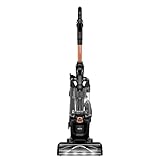
Bissell SurfaceSense Allergen Lift-Off Pet Vacuum
Floor changes can turn a simple cleanup into a stop-and-adjust routine, especially when carpet, rugs, and hard surfaces sit within a few steps of one another. Pet hair adds another wrinkle, hiding against baseboards, under furniture, and in fabric where a standard floor head can’t always reach. Although searches for a bissell powerlifter pet bagged upright vacuum may suggest a traditional bagged model, this review covers a different machine with a broader multi-surface approach. The Bissell SurfaceSense Allergen Lift-Off Pet Vacuum combines automatic surface adjustment, a detachable pod, a sealed HEPA allergen system, and LED headlights in one upright design.
Bissell SurfaceSense Allergen Lift-Off Pet
The shortened name fits the product’s main idea rather neatly: an upright vacuum that can shift roles without asking for much fiddling. Its SurfaceSense Technology automatically transitions from carpets to hard surfaces, which reduces the need to pause and hunt for a manual setting. That matters in homes where an area rug meets hardwood in the same room, because constant adjustments can make a ten-minute job feel twice as long. The machine is built to handle those transitions in stride rather than treating each floor type as a separate cleaning project.
The Lift-Off detachable pod gives this model a second personality. With the pod removed, the vacuum changes from a full upright into a portable canister-style cleaner for stairs, upholstery, and awkward areas above the floor. That flexibility can spare the back-and-forth shuffle of trying to balance an entire upright on a stair tread. It also makes more sense around couches and corners, where a wide floor head is about as graceful as a shopping cart in a narrow hallway.
Pet hair rarely stays in one place, of course. It gathers on carpet, floats toward hard-floor edges, and works its way into cushions or stair carpeting. The detachable setup helps the machine follow that mess beyond open floor space, while the multi-surface brush roll remains focused on everyday floor pickup. The supplied description identifies the brush roll as tangle-free, which is a welcome feature for reducing hair wrap, though routine checks are still sensible because no brush roll is completely maintenance-free.
BISSELL also states that each purchase supports the BISSELL Pet Foundation and its mission to help homeless pets. That connection won’t change the way the vacuum steers or captures dust, but it adds a meaningful note to a product built around pet-related cleanup. The pet-focused design feels more grounded because it addresses both the practical mess inside the home and a wider animal-welfare effort. Still, the vacuum should stand on its cleaning features first, and the foundation support belongs in the plus column rather than carrying the whole review.
Automatic Floor Changes Without The Guesswork
Mixed flooring exposes a common weakness in basic upright vacuums. A setting that digs into carpet may feel too aggressive on hard surfaces, while a gentler mode can leave embedded debris behind in rugs. SurfaceSense Technology is meant to remove that guesswork by recognizing the change and adjusting as the vacuum moves between surfaces. That automatic behavior should make the cleaning rhythm smoother, especially where rooms don’t have neat, single-surface boundaries.
Picture a path from a carpeted bedroom to a hard-floor hallway and then onto a small rug near the door. A manually adjusted machine can interrupt that route several times, which gets old fast when the goal is simply to clear hair and tracked-in dirt. The automatic carpet-to-floor transition keeps attention on steering rather than settings. It’s a practical feature, not a flashy one, and those are often the features that end up mattering most after the novelty wears off.
The technology also reduces the chance of forgetting to change modes. That small mistake can lead to scattered debris on hard flooring or weaker contact on carpet, depending on how the vacuum is configured. By handling the shift automatically, the machine aims for more consistent pickup across surfaces without asking the operator to remember another step. Exact performance will still depend on debris type, floor texture, and cleaning speed, so automatic adjustment shouldn’t be mistaken for a promise of one-pass results.
A tradeoff comes with any automated system: there is less direct control than a machine with clearly defined manual settings. Some people prefer deciding exactly how the brush roll behaves on a delicate rug or a particular hard floor. The provided information doesn’t describe manual overrides, so that point remains unclear. Even so, hands-off surface adjustment makes a strong case for households where convenience matters more than micromanaging every transition.
Lift-Off Cleaning Beyond Open Floors
Stairs are where many upright vacuums become awkward in a hurry. Carrying the whole machine step by step can feel unstable, while stretching a hose from the bottom often pulls the base along for the ride. The detachable Lift-Off pod offers a cleaner solution by separating the portable section from the upright frame. That setup can make stair cleaning less clumsy and give better control around edges where hair and dust tend to collect.
Upholstery creates a different kind of challenge. Pet hair presses into fabric, settles along seams, and sticks to cushion edges that a floor head can’t reach. A portable canister format brings the suction source closer to the work area and makes it easier to guide the attached tool. The portable cleaning mode won’t automatically loosen every embedded strand, but it puts the machine in a much more useful position for above-floor cleanup.
The pod can also help around shelves, curtains, and furniture bases, depending on the included tool setup. The supplied description doesn’t list every accessory, so it would be careless to promise a specialized tool for each task. What is confirmed is the ability to switch from upright use to a detachable canister configuration. That alone expands the machine’s reach well beyond the center of a room.
Portability does introduce one practical concern: the pod, hose, and attachments still have weight, and they need to be managed together. A detachable design is easier than hauling the full upright, but it isn’t the same as carrying a tiny handheld vacuum. Keeping the hose relaxed and repositioning the pod before it starts tugging can make the process less fussy. The Lift-Off design earns its keep through flexibility, though it still rewards a little planning in tight spaces.
Sealed HEPA Allergen Control
Dust pickup only solves half the problem if fine particles leak back into the room through gaps in the vacuum body. The Sealed HEPA Allergen System is designed to capture and hold dust and allergens inside the machine rather than letting them escape into the surrounding air. That feature may be helpful where pet dander and fine household dust are persistent concerns. The word “sealed” matters because filtration works best when air is directed through the intended filter path instead of slipping around it.
Pet cleanup often involves more than visible fur. Tiny particles can settle in carpet fibers, upholstery, and corners long after the obvious hair has been removed. A sealed allergen system addresses that less-visible side of cleaning by focusing on containment as well as pickup. No specific capture percentage was supplied in the description, so this review won’t attach an invented number to the system. The reliable claim is simply that it is built to help hold dust and allergens inside the vacuum.
Filter care will still matter over time. A HEPA-based system can’t maintain proper airflow if its filters are neglected, clogged, or installed incorrectly. Following the manufacturer’s cleaning and replacement instructions should help preserve airflow and allergen containment. That maintenance isn’t glamorous, but skipping it can undercut the very feature that makes this model appealing.
Mattresses present a separate cleaning challenge because stains, odors, and organic residue may require more than dry vacuuming. A neutral reference on enzyme cleaners for mattresses covers that distinct type of care without suggesting that the vacuum itself performs wet or chemical cleaning. The SurfaceSense remains a dry vacuum, so allergen pickup and stain treatment should be treated as separate jobs. Keeping those roles clear helps avoid using the machine for tasks it wasn’t designed to handle.
LED Headlights And Hidden Debris
Bright rooms can still hide an impressive amount of dirt. Dust and pet hair blend into dark flooring, disappear beneath cabinets, and sit just outside the path of normal overhead lighting. The built-in LED headlights illuminate the floor directly in front of the cleaning head, making those missed patches easier to spot. That can reduce the familiar annoyance of putting the vacuum away and immediately noticing a stripe of hair beside the couch.
Headlights are especially useful near walls and under low furniture. Shadows in those areas can hide fine debris until the angle of the light changes, which often happens after cleaning is supposedly finished. A focused beam at floor level exposes hair, crumbs, and dust trails before the vacuum passes over them. The feature doesn’t improve suction by itself, but it improves visibility, and better visibility can lead to more deliberate coverage.
Dark pet hair on a dark rug may still be difficult to see, and bright daylight can make LEDs less noticeable. So, the lights are a helpful aid rather than a guarantee that every particle will stand out. Their strongest benefit appears in dim corners, under furniture, and during evening cleanup. The floor-level illumination adds practical value because it reveals problems instead of pretending they aren’t there.
The headlights also complement the SurfaceSense system in a useful way. Automatic surface adjustment handles what the vacuum is moving across, while the lights show what it is moving toward. Together, those features reduce two common interruptions: stopping to change settings and doubling back for debris that was missed in poor lighting. That pairing gives the machine a more fluid cleaning experience without piling on complicated controls.
How It Differs From A Bagged PowerLifter
The keyword points toward a bissell powerlifter pet bagged upright vacuum, but the reviewed product is the SurfaceSense Allergen Lift-Off Pet Upright Vacuum. Those names represent different designs, and the distinction shouldn’t be brushed aside. The supplied information does not describe this SurfaceSense model as bagged, so it shouldn’t be presented as though it uses disposable dust bags. Its defining features are automatic surface detection, Lift-Off portability, sealed HEPA containment, a tangle-free brush roll, and LED headlights.
A bagged upright usually appeals to people who prefer removing an enclosed bag rather than emptying a reusable dirt container. The SurfaceSense model shifts the focus toward multi-surface automation and portable cleaning. That doesn’t make one format universally better; it simply changes where the convenience shows up. Cleaner bag disposal may matter more in one home, while stair access and automatic floor adjustment may carry more weight in another.
The SurfaceSense also appears better equipped for jobs beyond broad carpet cleaning. Its detachable pod is specifically designed to turn the upright into a portable canister, which creates a clear advantage around stairs and furniture. The Lift-Off capability is a functional difference, not just a naming variation. A shopper expecting a conventional bagged PowerLifter should account for that before treating the models as interchangeable.
Model names can get tangled quickly across a large vacuum lineup, particularly when “pet,” “allergen,” and “upright” appear on several machines. The safest approach is to focus on the confirmed feature set rather than assume that every similarly named BISSELL shares the same construction. Here, the SurfaceSense automatic transition and sealed HEPA system are the clearest identifiers. Those features define the product more accurately than the broader search phrase that may have led to it.
Maintenance And Realistic Tradeoffs
The tangle-free brush roll is intended to reduce hair wrap, which can save time during routine upkeep. “Tangle-free” shouldn’t be read as “never needs inspection,” though, because long hair, threads, and fibers can still gather around moving parts. Checking the brush roll and air path periodically can prevent small obstructions from becoming larger performance problems. Reduced maintenance is believable; zero maintenance isn’t.
The sealed HEPA system also brings filter responsibilities. Filters collect the fine debris that the machine is designed to keep out of the room, so they need proper care to maintain airflow. The product details don’t provide a cleaning schedule or replacement interval, and inventing one would be misleading. The manufacturer’s maintenance guidance should remain the reference for washing, replacing, or reinstalling filter components.
A full upright with a detachable pod offers more capability than a minimal stick vacuum, but it may also require more storage room. The pod, hose, upright frame, and attachments all need a sensible place to live. Tight closets can turn accessory storage into a small puzzle, even when the machine itself handles several jobs. The multi-role construction saves the need for separate floor and stair vacuums, yet it isn’t necessarily the smallest arrangement.
The strongest reasons to consider this model are specific: floors change frequently, pet hair hides in dim areas, stairs need regular attention, and dust containment matters. Its limitations are just as concrete, since the supplied details don’t confirm bagged disposal, exact weight, cord length, dust capacity, noise level, or a full accessory list. The Bissell SurfaceSense Allergen Lift-Off Pet makes its case through adaptability and containment rather than bare-bones simplicity. That balance suits a cleaning routine where reaching more surfaces matters as much as covering the main floor.

Bissell MultiClean Allergen Lift-Off Pet Vacuum 2998
Pet hair rarely stays in the middle of the floor where an upright vacuum has an easy shot at it. It settles beside chair legs, clings to stair carpeting, and slips beneath furniture until the afternoon light gives it away. Searches for a bissell powerlifter pet bagged upright vacuum may lead to this model, but the Bissell 2998 is a different kind of machine with a bagless dirt tank, detachable cleaning pod, sealed HEPA system, and pet-focused tools. That distinction matters because its strengths center on flexible reach and allergen containment rather than disposable-bag convenience.
Bissell MultiClean Allergen Lift-Off Pet 2998
The Bissell 2998 uses a two-in-one Lift-Off design that separates the portable pod from the upright frame. On open carpet, the full machine handles the broad passes expected from an upright vacuum. Around stairs, upholstery, and cramped corners, the detachable section brings the suction closer without requiring the entire base to follow. It’s a practical answer to the old problem of balancing a bulky upright on narrow steps.
A tangle-free brush roll targets one of the least pleasant parts of pet-vacuum maintenance: cutting hair from a tightly wrapped roller. BISSELL says the design actively prevents hair wrap, which should reduce how often scissors or seam rippers need to come out. Still, “prevents” shouldn’t be interpreted as a lifetime exemption from checking the brush area. Long strands, thread, and carpet fibers can challenge any rotating component over time.
The supplied specifications also include a HEPA sealed allergen system that traps 99.97% of dust and allergens based on particles 0.3 microns and smaller. BISSELL notes that this performance was tested under ASTM F1977, giving the percentage a defined testing basis rather than leaving it as a vague marketing claim. A sealed path matters because filtered air does little good if fine debris leaks around the housing before reaching the filter. For homes where fur is only the visible part of the mess, that containment is a serious advantage.
BISSELL states that every purchase supports the BISSELL Pet Foundation and its mission to help save homeless pets. That contribution doesn’t improve brush-roll contact or suction, so it belongs beside the functional review rather than replacing it. Even so, the connection feels relevant for a machine built around daily pet cleanup. The foundation support adds purpose without changing the need to judge the vacuum by its actual design.
Pros Of The Lift-Off Cleaning System
The detachable pod gives the 2998 more range than a fixed upright. Removing it can make stair cleaning less awkward because the operator carries a smaller portion of the machine instead of lifting the full frame step by step. The same setup suits sofa cushions, pet beds, and tight spaces where a wide floor head won’t fit. Less wrestling, more direct contact with the mess.
Portable cleaning can also reduce hose tug. A traditional upright often stays several feet away while the hose stretches toward furniture, and that tension may pull the base sideways. Bringing the Lift-Off pod closer shortens the working distance and gives better control over attachments. The benefit is especially noticeable around corners where repositioning a full upright every few seconds gets old fast.
The two-in-one format may also reduce the need for a separate canister vacuum. One machine can handle broad floors, stairs, and above-floor surfaces without asking for a second motorized appliance to be stored nearby. That doesn’t make the pod as compact as a handheld vacuum, but it offers broader cleaning flexibility from a single system. In a crowded utility closet, combining roles can be more valuable than shaving another inch from the machine’s width.
There is a sensible rhythm to the design: upright mode for speed, pod mode for precision. The switch doesn’t eliminate attachment changes or hose management, yet it makes the transition between floor and furniture work less cumbersome. Pet debris rarely respects room boundaries, so portable reach helps the vacuum follow hair instead of forcing every task into one rigid format. That flexibility is one of the clearest reasons to choose this model over a basic upright.
Cons Of The Detachable Pod
The Lift-Off pod still has weight, even though it removes the bulk of the upright base. Carrying the pod, guiding the hose, and managing an attachment can feel busier than using a small cordless handheld for a quick couch cleanup. The portable configuration favors thorough sessions rather than split-second pickups. Anyone expecting a featherlight accessory may need to reset that expectation.
Detachable systems also create more parts to store and manage. The hose, pod, upright frame, and specialized pet tools all need a sensible home, and misplaced attachments can weaken the machine’s practical value. A compact closet may turn that multi-piece setup into a mild puzzle. The design saves space compared with owning two full vacuums, but it isn’t visually or physically minimal.
Balance can become another issue during extended use. Pulling the hose too far may shift the pod or create resistance, particularly around furniture legs and stair corners. Repositioning the unit before reaching farther should keep the work smoother, though that adds an occasional pause. The Lift-Off advantage remains real, but it doesn’t make hose physics disappear.
Tangle-Free Brush Roll Strengths
Hair wrap can quietly drag down a vacuum’s performance. Strands tighten around the roller, collect additional debris, and eventually demand a hands-on cleaning session that nobody had penciled into the day. The tangle-free brush roll is designed to interrupt that buildup before it becomes a thick rope around the axle. For repeated pet cleanup, fewer cutting sessions can make ownership noticeably less annoying.
The feature is also useful in homes where human hair joins the pet fur. Longer strands often wrap more tightly than short animal hair, especially across carpeted bedrooms and bathroom rugs. An anti-wrap brush design can keep the roller moving with less interference during routine passes. That doesn’t guarantee every strand enters the dirt tank, but it reduces a common maintenance bottleneck.
Brush-roll contact still matters on carpet. Pet hair pressed into fibers may require slower passes or a second approach from another direction, even with active tangle prevention. The roller’s strength lies in reducing wrap, not promising effortless removal of every embedded strand. Realistic pickup expectations are important here, particularly on dense rugs or heavily used pet-resting areas.
Periodic inspection remains wise. Threads, string, and small fabric fibers can behave differently from hair and may still wind around moving parts. A fast visual check protects the brush-roll performance and can reveal obstructions before they strain the mechanism. Reduced upkeep is a fair expectation; no upkeep would be wishful thinking.
HEPA Sealed System Pros And Limits
The sealed allergen system addresses particles that aren’t easy to spot. According to the supplied description, it traps 99.97% of dust and allergens at 0.3 microns and smaller under ASTM F1977 testing. That specific basis adds useful context to the claim. Visible hair may drive the cleaning session, but fine dust and dander are often the material worth keeping contained.
A sealed system is more meaningful than a filter sitting inside an otherwise leaky housing. Air needs to move through the intended filtration path rather than escaping through seams around the dirt tank or body. The sealed HEPA design is built to hold captured particles inside the vacuum instead of releasing them back into the room. That containment can make the machine more appealing where airborne debris is a recurring concern.
Maintenance is the catch. Filters must be cared for according to BISSELL’s instructions, and a clogged filter can restrict airflow even if the vacuum remains properly sealed. The provided details don’t state replacement intervals or washing procedures, so inventing a schedule would be misleading. Proper filter upkeep is part of receiving the benefit advertised by the system.
The HEPA claim also shouldn’t be stretched into a medical promise. A vacuum can reduce and contain collected dust, but it can’t control every allergen source in a home or guarantee symptom relief. Bedding and mattresses may need their own care, just as water chemistry and equipment require separate consideration in a reference such as salt water hot tub conversion kits. The link covers an unrelated household-maintenance topic and doesn’t change the 2998’s role as a dry vacuuming appliance.
Swivel Steering And Lightweight Handling
BISSELL describes the 2998 as having a lightweight design with swivel steering, a combination aimed at reducing the heavy-lifting feel of traditional uprights. Swivel movement can make chair legs and coffee-table corners less frustrating because the floor head changes direction without requiring the whole machine to be dragged sideways. That maneuverability pays off most in furnished rooms rather than wide, empty carpet. Small directional corrections become easier and less tiring.
The supplied information doesn’t provide an exact weight, so “lightweight” has to remain the manufacturer’s stated description rather than a numerical comparison. Even without a figure, the detachable pod can distribute the workload differently during above-floor cleaning. The swivel base handles floor navigation, while the pod handles portable tasks. That division gives the machine a more adaptable feel than a rigid, one-piece upright.
Swivel steering has limits on very thick carpet. A flexible neck can still meet resistance when the floor head sinks into dense fibers, and rapid turns may require a firmer hand. Hard-floor transitions, tight corners, and common low-pile surfaces are more likely to show the maneuverability benefit clearly. Flooring texture remains part of the equation no matter how freely the neck pivots.
A broader upright body may also struggle beneath low furniture. Swivel steering helps route around obstacles, but it doesn’t reduce the height of the floor head or allow the entire machine to flatten indefinitely. The detachable pod and hose may handle those areas more effectively than the upright base. That’s a useful workaround, though it means stopping to change configurations rather than finishing every spot in one uninterrupted pass.
LED Headlights And Specialized Pet Tools
Pet hair has a habit of blending into flooring until sunlight hits it from the side. The 2998’s LED headlights illuminate the cleaning path, exposing debris around walls, beneath furniture edges, and across darker surfaces. Better visibility can prevent the irritating moment when the vacuum is put away and a missed strip appears near the couch. The lights don’t increase suction, but they improve where that suction gets directed.
Specialized pet tools extend the machine beyond ordinary floor pickup. Upholstery seams, stairs, pet beds, and fabric-covered furniture need smaller contact points than the upright head can provide. The pet-focused attachments are intended to address those concentrated areas where fur clings instead of rolling freely toward the vacuum. The supplied description doesn’t identify each tool individually, so their exact shapes and functions shouldn’t be assumed.
Attachments are only helpful when they’re close at hand. Tools stored in another closet or buried in a drawer tend to be forgotten, leaving the main floor head to handle jobs it wasn’t built for. A consistent storage routine makes the specialized tools part of normal cleaning rather than occasional accessories. That small organizational detail can influence how useful the package feels six months later.
LED visibility and pet tools work well together during detail cleaning. The lights reveal where debris is hiding on the floor, while the portable pod and attachments address areas beyond the headlight beam. This division gives the vacuum better coverage across mixed messes, from loose kibble to fur pressed into fabric. It still requires switching tools, but the machine supplies more than one approach.
Easy Empty Dirt Tank Tradeoffs
The easy-empty dirt tank removes the recurring expense of disposable vacuum bags. Collected debris can be released into a trash can without purchasing a replacement bag after every fill cycle. For frequent pet cleanup, avoiding a bag supply may simplify ongoing ownership. It also makes the remaining capacity visible rather than hiding it behind an enclosed paper container.
Bagless emptying can be messier, though. Fine dust and light fur may puff upward when the tank opens, especially if it has been packed beyond a sensible level. Holding the container low inside a trash bin can reduce the spread, but it won’t provide the same enclosed disposal associated with a bagged PowerLifter vacuum. That difference is central, not cosmetic.
The tank also needs occasional cleaning around its seals, release points, and internal surfaces. Hair can cling to plastic walls rather than dropping neatly with heavier debris, and packed material may require a little encouragement. The easy-empty mechanism reduces handling, but it doesn’t guarantee a perfectly touch-free experience every time. Drying any washable component fully before reassembly is also essential if the manufacturer permits washing.
Capacity wasn’t provided in the product details, so there’s no reliable basis for predicting how often the tank will need emptying. Heavy shedding, large carpeted areas, and long cleaning sessions can fill any bagless chamber faster than expected. Emptying before the debris reaches the maximum line helps preserve steady airflow and keeps the release process more manageable. Waiting until the tank is crammed rarely saves time in the end.
How It Differs From A Bagged PowerLifter
The Bissell 2998 is not the same machine as a bissell powerlifter pet bagged upright vacuum. Its easy-empty dirt tank indicates a bagless disposal system, while a bagged PowerLifter encloses debris in a replaceable bag. The 2998 instead emphasizes Lift-Off portability, HEPA-sealed containment, swivel steering, and a tangle-free brush roll. Treating those models as interchangeable would create the wrong expectations about maintenance and disposal.
Bagged designs generally keep debris more enclosed during removal. The 2998 counters with visible capacity and no replacement bags, which may reduce supply costs but expose the operator to more dust while emptying. Neither arrangement wins every household. Cleaner disposal and lower recurring supplies pull in opposite directions, so the better fit depends on which inconvenience feels more bothersome.
The detachable pod is another major difference. Conventional bagged uprights often focus on floor cleaning with a hose attached to the main body, while the 2998 physically separates for portable work. Its two-in-one construction makes stairs and upholstery a bigger part of the design rather than an afterthought. That versatility may outweigh bagged disposal where pet hair spreads across several surface types.
The strongest advantages are clear: HEPA-sealed allergen capture, reduced brush-roll wrapping, portable Lift-Off cleaning, illuminated floors, and maneuverable steering. The compromises are equally practical: bagless emptying can release dust, attachments need storage, filters require maintenance, and the portable pod isn’t as effortless as a tiny handheld. Those tradeoffs give the Bissell 2998 a specific personality. It favors broad cleaning flexibility and particle containment over the tidy, disposable-bag routine associated with the keyworded PowerLifter.
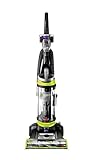
BISSELL CleanView Swivel Pet Vacuum 2252
Furniture legs have a talent for turning an ordinary vacuuming session into a clumsy obstacle course. Add pet hair tucked beside baseboards, crumbs scattered across hard flooring, and fur pressed into upholstery, and the job gets fiddly fast. Although a search for a bissell powerlifter pet bagged upright vacuum may lead to this model, the BISSELL 2252 uses a bagless dirt tank and emphasizes swivel steering, edge cleaning, and pet-specific pickup. That difference shapes both its strongest benefits and its most noticeable compromises.
BISSELL CleanView Swivel Pet 2252
The BISSELL 2252 follows a practical formula rather than chasing complicated controls. Its swivel steering helps the floor head turn around tables, chairs, and other obstacles without forcing the entire upright into a wide arc. That can make crowded living rooms less frustrating, particularly where pet beds and furniture leave only narrow cleaning paths. The machine still has the body of a full upright, though, so it won’t slip into every tight gap simply because the neck pivots.
A Triple Action Brush Roll handles the carpet work by loosening, lifting, and removing embedded pet hair. Those three steps matter because fur often grips carpet fibers instead of resting loosely on the surface. Slower passes may still be necessary across dense rugs or favorite sleeping spots, but the brush roll is designed for more than collecting visible fluff. It tackles the hair that has already been walked into the pile.
Hard-floor cleaning receives its own feature through Scatter-Free Technology. Dry kibble, litter, and coarse crumbs can shoot away from an ordinary spinning brush, creating a little chase across the kitchen. BISSELL’s system is intended to reduce that scatter as the vacuum approaches debris on hard surfaces. Less scatter doesn’t mean every particle will behave perfectly, yet it can reduce repeated passes caused by debris being pushed ahead.
The package also includes a Pet TurboEraser tool for stairs, upholstery, and other above-floor areas. That accessory broadens the vacuum’s usefulness because pet hair rarely stays confined to carpet. It gathers along couch seams, stair edges, and fabric-covered chairs where the main cleaning head can’t reach. The specialized tool gives those areas a more focused cleaning approach than a plain suction nozzle.
Pros Of Swivel Steering
Swivel steering earns its keep in rooms where furniture placement leaves a winding route across the floor. Instead of pulling the vacuum backward and lining it up again after every chair leg, the pivoting floor head can change direction with smaller hand movements. That helps maintain a steadier cleaning rhythm. Fewer awkward resets also mean less bumping into table legs or scraping the vacuum body against cabinets.
The feature can be particularly useful along the outer edges of sofas and beds. Pet hair often settles in those narrow lanes where straight-line steering feels stiff and inconvenient. A gentle turn lets the CleanView Swivel 2252 follow the furniture outline more naturally. It’s not the same as using a slim stick vacuum, but it gives a traditional upright noticeably better manners.
Swivel control also reduces the amount of sideways lifting needed to reposition the machine. Traditional uprights can require a small tug or twist whenever the cleaning path changes, which adds up during a longer session. The maneuverable steering keeps more of the vacuum’s weight on the floor rather than in the operator’s arms. That doesn’t make the machine weightless, but it can make navigating a furnished room feel less like moving a stubborn shopping cart.
Thick carpet may soften some of that agility. A floor head that turns freely on hard flooring can meet more resistance when it sinks into a dense pile. Sharp pivots may then require a firmer grip and slower movement. The swivel advantage remains useful, though its benefit will be most obvious on low-pile carpet and hard surfaces with frequent obstacles.
Triple Action Brush Roll Strengths
Embedded pet hair presents a different challenge from ordinary dust. Fine strands twist into carpet fibers, collect near traffic paths, and resist quick surface passes. The Triple Action Brush Roll is designed to loosen that material before lifting and removing it. This layered approach makes more sense for pet-heavy carpets than relying on suction alone.
The brush roll can also help with dried dirt tracked in on paws. Once grit settles below the top of the pile, a passive floor head may leave much of it behind. Agitation brings that hidden debris closer to the airflow, allowing the upright suction path to carry it into the tank. Several deliberate passes may still be needed in heavily used areas, especially near doors and pet feeding stations.
Brush-roll maintenance is the catch. Hair, string, and thread can wrap around rotating parts even when the machine is designed for pet cleanup. Regular inspection protects pickup performance and prevents a manageable tangle from becoming a thick band around the roller. A pet-focused brush is helpful, but it doesn’t cancel the need for occasional hands-on care.
Delicate rugs deserve a measured approach as well. Strong brush contact that helps on durable carpet may feel aggressive on loosely woven or fringed surfaces. The supplied information doesn’t describe a brush shutoff or height adjustment, so those controls shouldn’t be assumed. The Triple Action design is best understood as a carpet-cleaning strength with surface-specific limits.
Scatter-Free Hard Floor Cleaning
Hard flooring exposes poor debris control immediately. A rotating brush can send cereal pieces toward the cabinets, move litter beneath appliances, or scatter crumbs into areas that were clean a moment earlier. The Scatter-Free Technology is meant to keep more of that dry debris in the vacuum’s pickup path. That makes kitchen and entryway cleanup less of a back-and-forth pursuit.
Approach speed still matters. Charging into a pile of large crumbs may move some pieces before the suction has time to capture them. A slower pass gives the hard-floor pickup system a better chance to draw debris inward rather than nudge it forward. The feature improves control, but sensible technique remains part of the result.
Fine dust behaves differently from kibble or litter. It may settle into grout lines, collect around textured flooring, or cling to edges where the main head has limited contact. Scatter control helps prevent dry messes from spreading, while the edge-cleaning design handles the material pushed toward walls and corners. Those two features complement each other instead of solving the same problem twice.
Wet messes remain off-limits. The BISSELL 2252 is a dry upright vacuum, not a wet-dry cleaner or carpet washer. Liquids should be handled with equipment intended for moisture, because drawing them into a dry vacuum can damage the machine. The multi-surface claim refers to dry cleaning across carpet and hard flooring, not every type of household spill.
Edge-To-Edge Cleaning Pros And Limits
Baseboards collect a thin ribbon of debris that broad floor heads often miss. Pet hair drifts toward walls, crumbs settle beside cabinets, and dust hides in corners where the center suction path has little influence. The edge-to-edge cleaning feature is intended to bring pickup closer to those boundaries. That can reduce the need to detach the hose for every ordinary pass along a wall.
Room perimeters benefit most from this design. A steady pass beside a baseboard should capture more debris than a floor head with weak side pickup. The side-edge reach also helps around pet feeding areas, where stray kibble and hair often gather against cabinets. It won’t replace a narrow crevice tool in every corner, but it can handle routine perimeter cleaning more efficiently.
Deep corners remain a tougher assignment. The shape of an upright floor head prevents its brush and suction path from reaching fully into a sharp ninety-degree angle. A hose attachment may still be necessary for packed debris behind doors or between fixed furniture. The edge-cleaning strength reduces detail work rather than eliminating it.
Wall contact also needs a little care. Repeatedly knocking the cleaning head into painted baseboards can leave scuffs even if the vacuum reaches the edge effectively. Guiding the machine close without ramming it keeps the perimeter pickup useful and the trim intact. Good steering and edge cleaning work best together when the operator isn’t treating the vacuum like a bumper car.
Pet TurboEraser Tool Benefits
Upholstery holds pet hair with surprising determination. Strands press into fabric, work beneath cushion seams, and cling to stair carpeting where a full-size floor head can’t operate safely. The Pet TurboEraser tool concentrates pickup on those smaller surfaces. Its inclusion gives the BISSELL 2252 a more complete pet-cleaning setup than an upright supplied only with basic nozzles.
Stairs are a natural fit for the attachment, though the main vacuum remains on the floor below or nearby. Hose reach will determine how many steps can be cleaned before the base needs repositioning, and no exact measurement was provided. Keeping the upright stable helps prevent the hose tension from dragging it forward. The accessory improves access, but the machine doesn’t become a detachable canister.
Fabric type can affect the result. Smooth upholstery may release fur quickly, while textured material can hold strands below the surface. Slower overlapping passes give the specialized pet tool more time to agitate and collect stubborn hair. A tool built for pets provides an advantage, yet some fabrics will always demand more patience than others.
Storage matters more than it sounds. An attachment that gets buried in a closet tends to disappear from the normal cleaning routine. Keeping the TurboEraser near the vacuum makes it more likely to be used on sofas and stairs before hair builds into a thick layer. The tool’s value depends partly on whether it remains accessible between cleaning sessions.
Large Dirt Tank And Easy Empty Design
A large-capacity dirt tank reduces interruptions during whole-room cleaning. Pet hair takes up space quickly, especially when it mixes with lint and carpet fibers. A larger chamber lets more debris collect before the machine needs attention. That can be helpful during longer sessions across several rooms.
The bottom-release mechanism opens with the press of a button, allowing debris to drop into the trash. This easy-empty design limits the need to reach inside the tank or pull out compacted dirt by hand. Holding the container low inside a trash can can also reduce the cloud that sometimes follows bagless emptying. Still, light dust and fur may cling to plastic surfaces rather than falling cleanly every time.
Bagless convenience comes with maintenance. The tank and its seals need occasional cleaning, and debris should be emptied before it is packed beyond the fill line. An overfilled chamber can restrict steady airflow and make disposal messier than necessary. Waiting for the tank to become crammed rarely saves meaningful time.
The design also avoids replacement vacuum bags. That removes one recurring supply from the household list, though filters still require care and eventual replacement. The provided information recommends filter replacement every six months, giving ownership a predictable maintenance checkpoint. Actual conditions may influence how dirty the filter becomes, but the stated schedule offers a clear baseline.
Cons Of Bagless Disposal
The easy-empty tank isn’t as enclosed as a disposable bag. Fine particles can rise when the bottom door opens, especially if the trash can is shallow or the container is emptied too quickly. That makes the BISSELL 2252 less appealing where dust exposure during disposal is the main concern. A bagged model generally keeps collected material more contained at that final step.
Hair can also bridge across the tank instead of dropping freely. Long strands may catch around internal shapes, leaving a clump that needs a shake or gentle tap to release. The bottom-empty mechanism reduces direct handling but can’t guarantee a perfectly clean drop after every session. Pet debris has a way of ignoring tidy design intentions.
Plastic tanks reveal their contents, which is useful for monitoring capacity but less pleasant visually. Dust coats the inner wall, hair gathers in layers, and the chamber can look dirty shortly after cleaning. Periodic washing may help if permitted by the manufacturer, though every component must be fully dry before reassembly. The visible dirt tank trades discreet containment for easy capacity checks.
Filter expenses also replace part of the money saved on bags. The recommendation to change the filter every six months means maintenance supplies still belong in the ownership cost. Exact pricing wasn’t provided, so it would be misleading to estimate an annual total. The bagless system removes bag purchases, not every recurring expense.
How It Differs From A Bagged PowerLifter
The BISSELL 2252 is not a bissell powerlifter pet bagged upright vacuum. It collects debris in a reusable dirt tank, while a bagged PowerLifter stores dust and hair inside a disposable bag. That distinction changes the emptying process, supply needs, and exposure to loose debris. Similar brand language shouldn’t blur two fundamentally different collection systems.
A bagged upright usually offers tidier disposal because the filled bag can be removed as a closed unit. The 2252 answers with visible capacity, a large tank, and no replacement bags. Those benefits suit frequent cleaning where stopping to install a fresh bag would feel inconvenient. The compromise appears at the trash can, where open-tank emptying may release more dust.
Feature priorities differ as well. The CleanView 2252 emphasizes swivel steering, scatter control, edge pickup, and specialized pet tools. A bagged PowerLifter may appeal more strongly to someone focused on enclosed disposal rather than maneuverability around furniture. Neither approach is automatically better; each solves a different set of annoyances.
The model number is the safest reference whenever product names begin to overlap. The BISSELL 2252 reviewed here includes the Triple Action Brush Roll, Pet TurboEraser tool, large easy-empty tank, and the stated six-month filter replacement guidance. Those details separate it from similarly named uprights. Buying by the broad keyword alone could lead to the wrong expectation about bags, attachments, or maintenance.
Whole-House Cleaning Tradeoffs
Large homes place different demands on an upright vacuum than a single-room cleanup. Capacity, cord reach, furniture navigation, and attachment access all shape how smoothly the job moves from room to room. From a practical angle, a related reference is Shark vacuums for whole-house cleaning, which addresses another product family without changing the features of the BISSELL 2252. The CleanView’s large dirt tank and swivel steering support broader cleaning, though the provided description doesn’t specify cord length.
Carrying a full upright between floors can also be more demanding than moving a detachable or cordless model. No exact weight was supplied, so this review can’t make a numerical portability claim. The one-piece upright design favors stable floor cleaning but offers less flexibility on stairs than a lift-away vacuum. The Pet TurboEraser helps with stair surfaces, yet the main body still needs a secure position nearby.
Noise level, filtration efficiency, and included extension tools weren’t detailed in the supplied information. Those omissions leave practical questions for anyone sensitive to sound or concerned about fine-particle containment. The confirmed strengths remain pet-hair agitation, maneuverability, edge reach, hard-floor debris control, and convenient tank emptying. Claims beyond those points would be guesswork.
The BISSELL 2252 makes the most sense where fur spreads across carpet, hard floors, furniture, and room edges. Its strongest advantages are the Triple Action Brush Roll, responsive steering, Pet TurboEraser, and roomy bottom-empty tank. Its weaknesses are just as concrete: it isn’t bagged, disposal may release dust, the brush roll needs inspection, and the upright body can feel cumbersome on stairs. Those tradeoffs give it a clear role as a practical bagless pet vacuum rather than a direct substitute for every PowerLifter model.

BISSELL CleanView Swivel Rewind Pet Vacuum 2254
A loose cord snaking across the floor can make vacuuming feel more complicated than the dirt itself. Add fur wedged beside baseboards, crumbs scattered across hard flooring, and hair pressed into carpet, and the job quickly becomes a test of patience. Although searches for a bissell powerlifter pet bagged upright vacuum may lead toward this model, the BISSELL 2254 is actually a bagless corded upright with automatic cord rewind, swivel steering, and specialized pet tools. Its strongest appeal lies in reducing everyday friction, though the open dirt cup and full upright body bring their own tradeoffs.
BISSELL CleanView Swivel Rewind Pet 2254
The BISSELL 2254 combines a familiar upright format with a handful of features aimed at messy, furniture-filled rooms. Its Triple Action Brush Roll loosens, lifts, and removes pet hair, while Scatter-Free Technology helps control dry debris on hard surfaces. Those systems tackle two different frustrations: hair buried in carpet and crumbs that shoot away from the cleaning head. The result is a machine designed for mixed flooring rather than a carpet-only routine.
A 27-foot power cord gives the vacuum room to move without constant outlet changes, and the automatic rewind pulls that cord back into the body after cleaning. That sounds like a small convenience until the usual alternative involves looping a long cable around hooks by hand. Quick storage becomes less fiddly, especially when the vacuum lives in a narrow closet. The corded design also means there’s no battery countdown hanging over a longer session.
The 13.5-inch cleaning path covers a respectable strip of floor with each pass. Broad coverage can shorten the back-and-forth work across open carpet, though the wider head won’t squeeze into every narrow gap. Swivel steering helps offset that bulk by allowing the floor head to turn around furniture and obstacles with less repositioning. It’s still a full upright, so tight spaces may require the hose and attachments.
BISSELL states that purchases may support the BISSELL Pet Foundation, with donations of up to ten dollars for qualifying pet product purchases upon activation. That contribution doesn’t change suction or handling, but it adds a relevant benefit to a machine built around pet cleanup. The pet-focused feature set remains the main reason to consider the vacuum. Foundation support belongs in the plus column, not in place of practical performance.
Pros Of The Automatic Cord Rewind
The automatic cord rewind solves one of those dull chores that becomes irritating through repetition. A press of the control retracts the 27-foot cord into the vacuum, avoiding loose loops that can snag on shelves or tumble from storage hooks. That makes putting the machine away faster and neater. It also keeps the cable contained when closet space is already tight.
A long cord supports broader cleaning routes. Several connected rooms may be covered from one outlet, depending on the layout, which reduces interruptions halfway through a pass. The corded electric power source also provides continuous operation without waiting for a recharge. For a whole-floor session, that predictability can matter more than cordless freedom.
Cord management during use still requires attention. The cable can catch beneath furniture legs, cross the cleaning path, or wrap around corners if it isn’t kept behind the machine. Automatic rewind helps after the job, not while the vacuum is moving. The storage convenience is real, but it doesn’t remove every cord-related annoyance.
Internal rewind mechanisms add moving parts as well. Pulling the cord roughly or letting it snap inward at full speed may place unnecessary stress on the system. Guiding the cable during retraction can keep the process more controlled. The feature saves time, though a little care may help preserve its rewind function over repeated use.
Triple Action Brush Roll Strengths
Pet hair embedded in carpet rarely disappears with a quick surface pass. The Triple Action Brush Roll is designed to loosen, lift, and remove those strands instead of relying on suction alone. That sequence makes sense on traffic lanes, pet resting spots, and carpet near furniture where hair gets pressed down. Slower overlapping passes may still be needed in heavily soiled areas.
The brush roll also helps disturb dry dirt buried below the carpet surface. Grit tracked in from outside can settle beneath the visible pile, where a passive nozzle might leave it behind. Agitation brings that debris closer to the airflow and improves the chance of pickup. The carpet-cleaning action is therefore useful for more than fur.
Hair wrap remains a possible maintenance issue because the description doesn’t identify this model as having a tangle-free roller. Long hair, thread, and fibers can wind around the brush and reduce free rotation. Periodic inspection protects brush-roll performance and keeps a small tangle from becoming a thick band. Scissors may still enter the maintenance routine from time to time.
Delicate rugs may need a gentler approach. The supplied information doesn’t mention brush-roll shutoff or height adjustment, so those functions shouldn’t be assumed. Strong agitation that benefits durable carpet may feel too assertive on fringe or loose weaving. The Triple Action system is a strength, but it isn’t automatically suited to every textile surface.
Scatter-Free Hard Floor Pickup
Dry pet messes can behave like marbles under an ordinary upright head. Kibble, litter, and coarse crumbs may bounce forward or scatter sideways before suction reaches them. Scatter-Free Technology is intended to keep more debris in the pickup path on hard surfaces. That can reduce the annoying chase around cabinets and table legs.
Speed still influences the result. Driving the vacuum quickly into a pile of larger debris may push some pieces before they can be captured. A slower approach gives the hard-floor pickup system more time to work. The feature improves control, but practical technique still matters.
Fine dust presents a different problem. It can settle into grout lines, cling near baseboards, or collect in textured flooring where the center of the head has limited contact. Scatter control helps keep loose debris from spreading, while edge cleaning addresses the material gathered near boundaries. Those features work together rather than duplicating the same job.
Wet spills remain outside the machine’s intended role. The BISSELL 2254 is a dry vacuum, not a wet-dry cleaner or carpet washer. Liquids should stay away from the motor and dirt system. The multi-surface capability applies to dry debris on carpet and hard flooring.
Swivel Steering Pros And Limits
Furniture turns straight-line vacuuming into a zigzag exercise. The swivel steering allows the floor head to pivot around chair legs, coffee tables, and other obstacles without requiring broad turns. Smaller directional changes keep the machine moving more naturally through crowded rooms. That can make the cleaning session feel less like rearranging furniture.
The pivoting head is also useful along sofas and cabinets. Pet hair often collects in narrow strips beside large objects where a rigid upright feels awkward. Steering close to those edges improves coverage before the hose needs to come out. The maneuverability benefit is most obvious on hard floors and low-pile carpet.
Dense carpet may reduce that easy turning motion. A wide floor head can sink into thicker pile, adding resistance during sharp pivots. The operator may need a firmer hand or shorter movements to redirect the vacuum. Swivel steering helps, but flooring texture still affects how freely the machine moves.
The upright body also limits access beneath low furniture. A pivoting neck changes direction, yet it doesn’t make the entire vacuum flat enough to reach under every bed or cabinet. Attachments may be needed for those spaces. The steering design improves navigation around obstacles more than it improves clearance beneath them.
Edge-To-Edge Cleaning Benefits
Walls and baseboards tend to collect a narrow ribbon of fur and dust that many floor heads leave behind. The edge-to-edge cleaning feature is designed to bring pickup closer to those boundaries. That can reduce how often the hose needs to be detached for routine perimeter work. A steady pass beside the wall should handle more debris than a head with weak side suction.
Pet feeding areas benefit from stronger edge reach as well. Kibble and hair often gather against cabinets, where the main center path may miss them. Guiding the head close to the edge gives the vacuum a better shot at those stubborn strips. The feature won’t reach fully into every corner, but it can cut down on detail work.
Sharp corners remain a physical limitation. The rectangular floor head can’t place its brush and suction path completely inside a ninety-degree angle. A narrow tool may still be necessary behind doors or between fixed furniture. The edge-cleaning advantage reduces leftover debris rather than eliminating it entirely.
Careful steering protects painted trim. Repeatedly bumping the head into baseboards can leave scuffs even if pickup near the wall is effective. The best results come from moving close without slamming into the edge. Swivel steering and side pickup work well together when the machine is guided deliberately.
Specialized Pet Tools
The included Pet TurboEraser Tool targets stairs, upholstery, and other fabric surfaces where hair clings stubbornly. A smaller cleaning head maintains closer contact than the full upright base and can work along sofa cushions or carpeted steps. That makes the machine more useful beyond open floors. Pet fur rarely respects the neat boundaries of a room.
The pet hair corner tool addresses narrow edges and concentrated buildup. Hair tends to collect where walls meet floors, beside furniture, and around pet beds. A shaped attachment can reach those spots more directly than a broad nozzle. The tool adds useful precision to the vacuum’s otherwise full-size design.
Hose reach will determine how easily the accessories handle a full staircase, and the supplied description doesn’t provide that measurement. The vacuum base may need to be repositioned as work moves upward. Keeping it stable prevents hose tension from pulling the upright forward. Specialized tools improve access, but the machine doesn’t transform into a detachable canister.
Attachment storage can affect long-term usefulness. Tools that are kept near the vacuum tend to become part of the regular routine, while accessories buried in a closet are easily forgotten. The pet-tool package has practical value only when those pieces remain available. A simple storage habit can make a bigger difference than the accessory count suggests.
Large Dirt Cup Pros And Cons
The BISSELL 2254 has a 1.0-liter dirt cup, giving it enough room for routine debris without requiring constant emptying after every small area. Pet hair can fill a container quickly because it traps air and forms bulky clumps. A larger chamber keeps the cleaning session moving across several rooms. Capacity matters most where shedding is a daily fact of life.
Bagless collection also removes the need to keep replacement vacuum bags on hand. The tank shows how much debris has accumulated, making it easier to empty before airflow becomes restricted. That visibility is useful, especially after cleaning carpet that looked cleaner than it really was. The reusable dirt cup lowers one recurring supply need.
Open disposal is the main downside. Fine dust and lightweight fur can rise when the tank is emptied, particularly if the trash can is shallow or the release happens too quickly. Holding the cup low inside the bin may reduce the cloud. Even then, bagless emptying generally exposes more loose debris than removing a sealed disposable bag.
Hair may also cling to the inner walls instead of dropping neatly. A tap or gentle shake can release most material, though packed strands sometimes need extra attention. The tank and its seals require occasional cleaning as well. Easy emptying reduces handling, but it doesn’t guarantee a spotless release every time.
Filter Maintenance And Ongoing Costs
The specified replacement filter is Style 12141, which gives ownership a clear maintenance reference. Having the exact style number reduces confusion when the existing filter eventually needs replacement. Proper filtration supports steady airflow and helps keep collected debris inside the system. A clogged filter can make even a strong brush roll feel underwhelming.
No replacement interval was provided in the supplied details, so a schedule shouldn’t be invented. Dust load, pet shedding, and cleaning frequency may influence how quickly the filter becomes dirty. Manufacturer guidance remains the sensible reference for inspection and replacement. The filter requirement is an ongoing cost even though the vacuum doesn’t use disposable bags.
Maintenance also includes checking the hose, brush area, and dirt cup seals. Hair buildup or a partial clog can reduce pickup gradually, making the problem easy to overlook. A few quick checks after heavier cleaning sessions can protect consistent suction. Skipping basic upkeep may cause frustration that has little to do with the vacuum’s original capability.
The bagless setup shifts expenses rather than removing them entirely. There are no bags to purchase, but filters and occasional replacement parts remain part of ownership. Exact costs weren’t provided, so an annual estimate would be guesswork. The maintenance tradeoff is fewer disposable collection supplies in exchange for more direct tank and filter care.
How It Differs From A Bagged PowerLifter
The BISSELL 2254 is not a bissell powerlifter pet bagged upright vacuum. It uses a reusable 1.0-liter dirt cup, while a bagged PowerLifter encloses debris in disposable bags. That difference affects emptying, recurring supplies, and exposure to loose dust. Similar brand names don’t make the collection systems interchangeable.
A bagged upright usually offers cleaner disposal because the filled bag comes out as a contained unit. The 2254 answers with visible capacity and no replacement bags, which may suit frequent cleaning and reduce supply planning. The compromise arrives at the trash can, where loose particles can escape. Disposal preference may matter as much as floor performance.
The 2254 also emphasizes features that may not define a basic bagged PowerLifter. Automatic cord rewind, swivel steering, edge cleaning, and specialized pet tools shape its everyday appeal. The 27-foot retractable cord is particularly useful for storage convenience. Those features position the machine as a maneuverable bagless pet upright rather than a direct bagged substitute.
Model number 2254 is the clearest identifier whenever product names overlap. Its confirmed specifications include the 13.5-inch cleaning path, 1.0-liter dirt cup, Style 12141 filter, automatic cord rewind, and corded power source. Those details separate it from other CleanView and PowerLifter models. Buying by the broad keyword alone could lead to the wrong expectations about bags or maintenance.
Whole-Home Use And Practical Limits
Long cleaning routes benefit from continuous corded power and a generous cord length. The 13.5-inch path covers open areas efficiently, while the dirt cup reduces interruptions caused by limited capacity. From a practical angle, a related household reference is vacuum sealers for freezing food, which concerns storage rather than floor care. The BISSELL 2254 remains focused on dry debris and pet hair pickup.
Moving between floors may reveal the downside of a full upright body. The supplied information doesn’t state the machine’s weight, so portability can’t be judged numerically. Carrying it upstairs will likely feel more involved than lifting a compact stick vacuum or detachable pod. The one-piece construction favors stable floor cleaning rather than lightweight stair transport.
Noise level, filtration efficiency, brush-roll shutoff, and hose length weren’t provided. Those missing details matter where sound sensitivity, delicate flooring, or extended stair reach are major concerns. The confirmed strengths are easier to state: maneuverability, pet-hair agitation, hard-floor scatter control, edge reach, automatic cord storage, and specialized tools. Claims beyond those points would stretch past the supplied information.
The main drawbacks are equally concrete. Bagless emptying may release dust, the brush roll can require hair removal, attachments need storage, and the cord still demands attention during use. Its strongest benefits center on broad everyday cleaning rather than enclosed disposal or ultra-compact handling. The BISSELL 2254 suits a routine where carpet, hard floors, furniture, and pet messes all need attention from one corded upright.




