Crumbs buried in carpet, hair gathered along baseboards, and a power cord that never coils neatly can turn a quick cleanup into a drawn-out chore. The bissell powerforce rewind vacuum addresses those everyday annoyances with a familiar upright design, automatic cord rewind, and a rotating brush system built to loosen debris from carpet fibers. It isn't trying to behave like a tiny cordless stick vacuum, and that honest approach works in its favor. Instead, it offers steady corded power without forcing anyone to watch a battery meter halfway through the living room.
The rewind feature sounds minor until the same vacuum gets pulled from a closet several times a week. Pressing a button draws the 25-foot power cord back into the body, saving the usual wrestling match with loose loops and stubborn cord hooks. That convenience also makes storage tidier in narrow utility closets where dangling cable tends to catch on bottles, brooms, and door hinges. Still, the cord retracts with some speed, so guiding the plug by hand is a sensible habit rather than letting it whip across the floor.
Carpet cleaning is where this upright format feels most at home. The rotating brush helps disturb tracked-in grit and lift visible hair, while the multi-cyclonic cleaning system separates dirt inside the bagless machine. A wider cleaning path can cover open rooms with fewer passes, which matters after muddy shoes or a shedding pet has left a trail from one end of the house to the other. But bulky furniture remains a sticking point because the full-size floor head won't slip beneath every sofa or low cabinet.
Above-floor cleaning is handled through the hose and included tools rather than by lifting the entire machine onto awkward surfaces. The extended reach helps with stairs, upholstery, corners, and cobwebs that gather near ceiling edges. Hair clinging to fabric may need slower overlapping passes, especially on textured cushions where strands weave into the material. Even so, having onboard cleaning tools close at hand beats hunting through a drawer whenever the couch needs attention.
The bagless dirt tank makes collected debris easy to see, which removes the guesswork around emptying. Dust can puff upward if the container is opened too quickly, so lowering it deep into a trash can keeps the mess under better control. The multi-level filtration also needs routine upkeep, and washable components must dry fully before going back into the machine. Skipping that small bit of maintenance can restrict airflow and leave the vacuum sounding busy without cleaning as effectively.
Hard floors require a little more care because the brush roll doesn't offer the same level of control found on models with a dedicated shutoff switch. Lightweight crumbs are usually manageable, but larger pieces may scatter if the head is pushed too quickly. Slow, deliberate passes work better near kitchen edges and transitions between flooring types. So, homes dominated by delicate hard surfaces may benefit from a vacuum designed with stronger bare-floor controls.
Practicality defines the Bissell PowerForce upright vacuum more than luxury details do. It lacks the slim body, whisper-quiet motor, and advanced steering found on pricier machines, yet it covers routine carpet cleaning without piling on complicated settings. The tradeoff is a larger frame that takes more effort around tight dining chairs and crowded bedrooms. For straightforward cleaning, though, reliable suction and easier cord storage can matter far more than a long list of flashy extras.


Buy Bissell, save pets Bissell donates up to 10 dollars to the Bissell pet foundation for every pet product purchase, upon activationTriple action brush roll plus scatter free technology maximize pet hair pickup – even if it’s embedded27’ power cord automatically rewinds for quick and easy storage.
Key specs
- Cord management
- Automatic cord rewind
- Maneuverability
- Swivel steering turns around chair legs and tight furniture layouts without lifting the vacuum head.
Pros:
- Automatic cord rewind retracts the power cord with a single touch for quick storage
- Swivel steering glides cleanly around corners and heavy furniture bases
- Specialized pet tools tackle stubborn fur across upholstery and carpeted edges
- Large capacity dirt tank holds significant debris before needing emptying
Cons:
- Upright profile requires dedicated closet floor space compared to canisters
- Exact cord length is omitted from the listing and requires buyer verification

EVERY PURCHASE SAVES PETS. BISSELL proudly supports BISSELL Pet Foundation and its mission to help save homeless pets.SWIVEL STEERING FOR MAXIMUM MANEUVERABILITY. Makes cleaning around furniture and other obstacles easy. Filter replacement every 6 monthsTRIPLE ACTION BRUSH ROLL. Loosens, lifts and r
Key specs
- Steering mechanism
- Swivel steering
- Emptying design
- Easy empty dirt tank mechanism simplifies dust disposal and minimizes contact with collected dirt.
Pros:
- Swivel steering navigates tightly around table legs and baseboards
- Easy empty dirt tank drops accumulated pet fur straight into the trash
- Specialized pet tools lift embedded hair from couches and stairs
- Large capacity dirt tank supports longer cleaning sessions between empties
Cons:
- Requires manual cord wrapping because it lacks an automatic cord rewind
- Upright construction makes reaching deep beneath low furniture challenging

EVERY PURCHASE SAVES PETS. BISSELL proudly supports BISSELL Pet Foundation and its mission to help save homeless pets.AUTOMATIC CORD REWIND. Wrap the cord easily with the press of a button.ACTIVE EXTENSION WAND. Reach up to 10 feet to tackle messes in hard-to-reach spaces.ONEPASS TECHNOLOGY. Cleans
Key specs
- Extended reach
- The active wand detaches from the upright body to vacuum baseboards, stairs, and ceiling corners directly.
- Cord storage
- Automatic cord rewind
Pros:
- Automatic cord rewind winds the power cable smoothly at the push of a button
- Active wand attachment expands overhead reach for baseboards and vents
- Bagless upright format eliminates recurring replacement bag purchases
Cons:
- Listing does not indicate swivel steering for agile turning
- Cord length and tank capacity are unstated and must be verified before buying

EVERY PURCHASE SAVES PETS. BISSELL proudly supports BISSELL Pet Foundation and its mission to help save homeless pets.AUTOMATIC CORD REWIND. Provides easy storage of the 25-foot power cord.HEPA SEALED ALLERGEN SYSTEM. Helps capture and hold dust and allergens inside the vacuum, so they don’t escape
Key specs
- Filtration system
- HEPA sealed system (99.97% trapped)
- Cord reach
- 25 ft with automatic rewind
- Brush roll engineering
- Tangle-free brush roll prevents hair from wrapping around the roller core, cutting down on manual brush maintenance.
Pros:
- HEPA sealed allergen system captures 99.97% of dust and dander inside the vacuum
- Tangle-free brush roll actively prevents pet hair from wrapping around the roller
- Automatic cord rewind easily stores the 25-foot power cord with a simple touch
- Bright LED headlights clearly illuminate debris in dim corners and under sofas
- Scatter-free technology controls bare floor debris during transitions from carpet
Cons:
- Weighs 19.29 pounds, which makes lifting between home levels more demanding
- Substantial 44.65-inch width listed in specs demands wide storage space

Dirt cup capacity - 2 liters. Cyclonic action and powerful suction provide thorough cleaning. Plus, no more bags to buy or change ever.Amperage : 9 amps.Specific uses:hard floor,carpet,dual actionEasily go from cleaning carpets to hard floors with the flip of a switch. Power Rating : 9 ampsDIRT cup
Key specs
- Form factor
- Canister bagless
- Dust collection
- Bagless dirt cup detaches directly from the canister body for quick emptying and routine cleaning.
Pros:
- Compact canister format maneuvers with low clearance under beds and low tables
- Bagless canister dust cup saves money on disposable paper bags
- Flexible hose assembly offers lightweight handling across stair risers
Cons:
- Lacks listed specialized pet attachments or anti-tangle brush features
- Cord reach and cleaning path width are not supplied in the product details

13" Cleaning Path Width, Lightweight - 12 lbsIncludes a crevice tool, combination dusting brush/upholstery tool & Extension wand; Attachments store in back of vacuum5 Position height adjustment10 Amp motor with 30' Cord3 Stage Filtration system
Key specs
- Design grade
- Commercial industrial
- Debris containment
- Bagged design traps collected debris inside sealed bags, helping maintain clean air during disposal.
Pros:
- Built with commercial-grade upright components intended for industrial durability
- Bagged filtration locks fine dust securely inside the bag during disposal
- Lightweight upright frame minimizes fatigue during extended commercial shifts
Cons:
- Requires stocking and purchasing replacement bags throughout the vacuum lifetime
- Lacks automatic cord rewind, requiring manual wrapping around frame hooks
Last update on 2026-07-28 / Affiliate links / Images, Product Titles, and Product Highlights from Amazon Product Advertising API

BISSELL CleanView Swivel Rewind Pet Vacuum Review
Pet hair has a sneaky habit of settling where ordinary floor passes barely touch it. Strands weave into carpet fibers, gather beside baseboards, and cling to couch fabric long after the room looks clean from a distance. The bissell powerforce rewind vacuum search often leads to the BISSELL 2254 CleanView Swivel Rewind Pet, a corded upright built around embedded hair pickup, easier furniture navigation, and less annoying cord storage. It isn't a featherweight machine or a quiet little cordless, but its practical features address the chores that tend to eat up the most time.
BISSELL 2254 CleanView Rewind Pet
The first thing that separates this model from a plain budget upright is the combination of a Triple Action Brush Roll and Scatter-Free Technology. The brush roll loosens, lifts, and collects hair rather than merely skimming over the top of carpet. That matters on rugs and carpeted rooms where fur becomes pressed down by footsteps and furniture legs. On hard floors, the scatter-control design helps keep lightweight debris from shooting away from the cleaning path, though slower passes still produce better results with larger crumbs.
A 13.5-inch cleaning path gives the floor head enough width to cover open rooms without demanding endless back-and-forth strokes. Broad passes feel efficient in a living room or hallway, especially after a week of tracked-in grit and shedding. The tradeoff shows up in narrow spaces, since a wider head won't squeeze cleanly between every chair leg or beside tightly packed furniture. That isn't a deal breaker, but it means the hose and attachments aren't just decorative extras.
The corded electric design keeps suction available without a battery countdown hanging over the job. There's no need to stop halfway through the upstairs carpet because a charge has faded, and longer cleaning sessions don't require planning around a charging dock. Of course, a cord can snag around table legs and slow down room-to-room movement. BISSELL softens that irritation with a 27-foot cable, which provides useful reach from a centrally placed outlet.
Automatic rewind is one of those features that sounds like a small convenience until you've wrapped a long cable around plastic hooks hundreds of times. A press of the rewind control pulls the 27-foot power cord back into the vacuum body, leaving fewer loose loops to slide off in the closet. The cord should still be guided during retraction, since letting the plug whip across the floor isn't a bright idea. Used with a little care, the mechanism makes storage quicker and keeps the machine looking less like a tangled garden hose.
Pet Hair Pickup Without Endless Repeat Passes
Embedded fur is where weak vacuums tend to show their true colors. Surface lint may disappear, yet the carpet still looks dull because fine hair remains twisted around the fibers underneath. The Triple Action Brush Roll is meant to agitate that stubborn layer while suction carries loosened debris into the dirt cup. Several deliberate overlapping passes will still be necessary on dense carpet, but the design is better suited to that task than a suction-only floor head.
Scatter-Free Technology earns its keep around litter, cereal crumbs, and dry soil tracked onto hard flooring. Rather than blasting every lightweight piece toward the cabinets, the head is designed to keep debris within reach of the suction path. Still, rushing the vacuum can send larger pieces skittering ahead, so a measured pace works better. That slight adjustment makes the difference between collecting a mess once and chasing it around the kitchen.
Edge-to-edge cleaning brings suction closer to walls and corners, places where dark lines of dust and hair tend to build up. The feature reduces the number of times the crevice tool needs to come out during routine cleaning. It won't replace detailed attachment work in sharp corners or behind doors, though. Baseboards with deep molding can also shelter debris above the floor head, so occasional hose cleaning remains part of the deal.
Hair pickup also depends on maintenance, and there's no getting around that. Long strands can wind around a spinning brush roll, especially after cleaning bedrooms or rugs where hair has accumulated for several days. Cutting away wrapped fibers helps preserve brush roll movement and keeps the belt from working harder than necessary. It's a slightly messy task, but leaving the tangle in place usually creates a bigger headache later.
Swivel Steering Around Real Furniture
Full-size uprights often feel clumsy around coffee tables, dining chairs, and pet beds. The swivel steering on the BISSELL 2254 lets the floor head change direction with less lifting and shuffling. That makes curved passes around furniture legs more natural than the stiff, straight-line movement found on basic uprights. The body is still substantial, so extremely tight turns may require repositioning rather than one smooth sweep.
Low furniture presents another practical limitation. The vacuum can recline, but its body and dirt tank prevent it from sliding under every sofa, bed frame, or cabinet. Dust hiding deep underneath those pieces will need the extension wand or a separate low-profile tool. For ordinary open-floor navigation, though, the steering system reduces the stop-start rhythm that makes upright cleaning feel like hard work.
The Pet Hair Corner Tool is shaped for fur that gathers along room edges and in awkward angles. It can be useful beside stair risers, around baseboards, and in corners where a standard rectangular attachment leaves a strip behind. The tool doesn't eliminate the need for patience, particularly where hair has mixed with dust and formed a compact line. Even so, its shape tackles those spots more directly than a generic brush attachment.
The Pet TurboEraser Tool shifts attention from flooring to upholstery, stairs, and fabric-covered pet furniture. Its rotating action helps lift hair that a simple suction nozzle may glide over. Thick upholstery seams and deeply textured fabrics can still require repeated passes, and long hair may need to be removed from the tool afterward. That's the tradeoff with active pet tools: better agitation usually comes with more cleanup.
Dirt Tank And Filter Maintenance
A 1.0-liter dirt cup provides enough space for routine room cleaning without forcing constant trips to the trash can. The clear container also makes the fill level easy to judge, which is more helpful than relying on reduced suction as a warning. Pet hair can fluff up and make the cup appear full before it has reached its practical limit. Still, emptying earlier keeps airflow steadier and prevents compacted debris from becoming difficult to remove.
Bagless emptying saves the expense and storage hassle of replacement bags, but it isn't completely dust-free. Fine debris can puff upward if the cup is opened too high above the trash. Lowering the container inside a bin before releasing the bottom helps control the cloud. Anyone sensitive to airborne dust may prefer to empty it outdoors rather than in a freshly cleaned kitchen.
The specified Style 12141 replacement filter makes future filter identification more straightforward. Filters need regular inspection because fine dust gradually coats the material and restricts airflow. A washable component must be completely dry before it returns to the vacuum, since trapped moisture and a running motor are a lousy combination. Keeping a spare filter available can reduce downtime after washing.
Maintenance extends beyond the filter and dirt cup. The hose should be checked when suction drops suddenly, since pet hair can combine with paper scraps or larger debris to form a blockage. The brush area also deserves a quick look after heavy carpet cleaning. Those small checks aren't glamorous, but they protect consistent pickup better than waiting for the machine to sound strained.
Pros That Matter During Weekly Cleaning
The strongest advantage is the way several practical features work together rather than competing for attention. Pet-focused agitation handles embedded fur, swivel steering improves movement around obstacles, and automatic rewind removes an annoying storage step. None of those features is complicated, which keeps the machine approachable during quick cleanups. The controls feel familiar enough that there isn't much of a learning curve.
Corded operation is another clear strength for larger carpeted areas. The vacuum can continue running as long as the outlet remains available, avoiding the declining power or forced pauses associated with battery-operated designs. A 27-foot reach also reduces outlet swapping in many average-size rooms. The cord remains something to manage, but it provides dependable runtime in return.
The included pet attachments add real function instead of simply filling accessory slots. The corner tool targets edge buildup, while the turbo tool helps on stairs and upholstered surfaces. Together, they extend the vacuum beyond broad floor cleaning and address the places where clinging pet hair usually survives. Keeping the tools stored with the machine also lowers the odds of losing them in a closet.
BISSELL also states that an eligible pet product purchase can support the BISSELL Pet Foundation after activation, with a donation of up to ten dollars. That program doesn't change suction or maneuverability, but it gives the purchase a pet-welfare connection beyond household cleaning. Program terms and activation requirements should be reviewed rather than assumed. The practical value of the vacuum still rests on its cleaning features, not the donation message.
Cons And Everyday Tradeoffs
The corded format supplies uninterrupted power, yet it also creates the most obvious inconvenience. The plug must be moved between outlets, and the cable can loop around furniture if the cleaning route isn't planned. Automatic rewind helps after the job, but it doesn't remove cord management while the machine is running. Homes packed with tables, floor lamps, and narrow walkways may make that limitation more noticeable.
The upright body also takes up more storage space than a stick vacuum. Its full-size floor head and one-liter dirt tank bring useful capacity, but they won't tuck neatly into a shallow cabinet. Carrying an upright up stairs can feel awkward, especially with the hose and cord housed in the same unit. A dedicated upstairs machine may be easier in a multi-level home, though that adds cost and clutter.
Brush roll upkeep is another chore worth factoring in. Homes with long-haired pets or people may see fibers wrap around the roller and tool heads fairly quickly. Ignoring that buildup can reduce effective agitation and place additional strain on moving parts. Regular cutting and cleaning solve the problem, but anyone expecting a completely hands-off machine will be disappointed.
The vacuum is also more suited to routine dry pickup than delicate specialty flooring. Scatter control helps on hard surfaces, but the rotating brush may not suit every fragile floor finish or lightweight rug. Small rugs can shift, bunch, or lift under strong airflow, so testing a corner first is sensible. A separate hard-floor tool would provide finer control, but that isn't the central focus of this model.
Practical Fit And An Unrelated Maintenance Note
This model makes the most sense where carpet, rugs, upholstery, and recurring pet hair create the bulk of the cleaning workload. Its wide cleaning path handles open flooring efficiently, while the hose tools fill in along corners and furniture. Tight apartments dominated by bare floors may expose more of its bulk than its strengths. Storage room, stair layout, and tolerance for cord management deserve as much thought as raw suction.
Routine upkeep will shape the long-term experience. Emptying the cup before debris packs down, clearing hair from the brush roll, and replacing the correct filter help preserve steady airflow. None of those steps is difficult, but they do require consistency. A neglected bagless upright can lose its edge quickly, no matter how capable the brush design was on day one.
Separately, outdoor surface care follows a completely different process from indoor vacuuming. A relevant reference is how to use Olympic deck cleaner, which covers deck-cleaning preparation rather than carpet or pet-hair removal. The two jobs don't share tools, chemicals, or operating steps. Keeping that distinction clear prevents a household appliance discussion from being stretched into an unrelated product claim.
The BISSELL 2254 has a straightforward personality: strong carpet agitation, useful pet tools, a roomy dirt cup, and a cord that puts itself away. Its main weaknesses are equally plain, including upright bulk, roller maintenance, limited low-clearance reach, and the inconvenience of cleaning around a live cord. Those aren't hidden flaws, and they matter more in cramped rooms than in open carpeted spaces. Realistic expectations make this machine easier to judge than a list of flashy promises ever could.
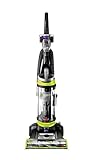
BISSELL CleanView Swivel Pet Upright Vacuum
Pet hair rarely stays in the middle of the room where an upright vacuum has an easy shot at it. It settles beside baseboards, twists into carpet fibers, clings to upholstery, and piles up around furniture legs that interrupt a straight cleaning path. The bissell powerforce rewind vacuum keyword may bring shoppers to several related models, but the BISSELL 2252 CleanView Swivel focuses on pet hair pickup, maneuverability, and straightforward bagless maintenance rather than automatic cord storage. That distinction matters because this model trades the rewind mechanism for a simpler upright layout built around a swiveling floor head and specialized attachments.
BISSELL 2252 CleanView Swivel Pet
The swivel steering is the feature most likely to change how the vacuum feels during an ordinary cleaning session. A rigid upright often demands a stop, pullback, and awkward shove whenever a chair leg or coffee table interrupts the route. This floor head pivots around obstacles with less wrestling, making curved passes feel more natural in furnished rooms. The body still has the size and weight of a full upright, though, so tight gaps can expose its limits pretty quickly.
Open carpeted areas suit the 2252 particularly well because the upright format keeps the cleaning head planted firmly against the floor. The Triple Action Brush Roll is designed to loosen, lift, and remove embedded pet hair instead of relying on suction alone. That brushing action can make a noticeable practical difference where fur has been pressed into carpet by foot traffic. Dense rugs may still require overlapping passes, but the machine is tackling the actual source of the problem rather than merely collecting loose strands from the surface.
The machine uses corded power, which removes the anxiety of watching a battery gauge fade halfway through a room. Continuous runtime is useful during whole-home cleaning, especially where several carpeted spaces need attention in one go. The downside is obvious: the cord must be managed by hand and moved around furniture as the vacuum travels. Unlike a rewind model, this version also requires manual wrapping after the job, a small chore that may bother anyone who values quick storage.
BISSELL states that purchases support the BISSELL Pet Foundation and its mission to help homeless pets. That connection fits the product’s pet-focused design, although it doesn’t change the machine’s cleaning performance. The practical reasons to consider the 2252 remain its brush system, steering, attachments, and dirt handling. The charitable message is a welcome extra, not a substitute for useful floor-care features.
Triple Action Brush Roll Performance
Embedded hair is stubborn because it behaves differently from ordinary crumbs. Fine strands wrap around carpet fibers, while thicker clumps flatten under shoes and furniture instead of sitting neatly on top. The Triple Action Brush Roll addresses that mess through agitation, helping pull hair loose before airflow carries it into the dirt tank. Slow passes are still smarter than racing across the carpet, since the brush needs a moment to work through packed debris.
Brush-driven cleaning comes with a maintenance tradeoff. Long human hair and pet fur can wind around a rotating roller, and ignoring that buildup may reduce effective agitation over time. Cutting away wrapped strands keeps the roller moving freely and prevents the area around the brush from turning into a felt-covered cylinder. It’s not glamorous work, but then again, neither is dragging a poorly maintained vacuum across the same patch three times.
Carpet pile also affects the experience. Thick or loose rugs may resist the forward push more than low-pile carpet, particularly if the airflow grips the surface strongly. Lightweight mats can shift, bunch, or lift at the edges, so holding a corner with one foot may be necessary. The upright brush system feels most natural on fitted carpet and stable area rugs where the head can maintain even contact.
Fine dust, crumbs, and visible fur won’t always behave the same way under the floor head. Hair benefits from agitation, while larger dry pieces sometimes need a slower approach so they aren’t pushed ahead of the nozzle. The machine’s strength is its ability to handle a mixed everyday mess without switching between several appliances. Still, expecting one aggressive pass to remove every deeply lodged strand would be a stretch.
Scatter-Free Cleaning On Hard Floors
Hard floors often reveal a frustrating weakness in upright vacuums: spinning brushes can fling dry debris sideways before suction catches it. The Scatter-Free Technology is intended to reduce that problem during pickup of dry pet messes and household crumbs. Cat litter, kibble fragments, and tracked-in grit are the sort of debris this feature is meant to control. A measured pace helps, because even a scatter-reducing head can push oversized pieces if it’s shoved forward too quickly.
Floor type deserves some thought before using any brush-roll upright. Sealed hard surfaces are generally easier to clean than delicate, uneven, or loosely installed materials. The rotating brush may not be the right match for every fragile finish, and small rugs can move under the head. Surface compatibility matters more than marketing language, so cautious use on unfamiliar flooring is sensible.
The transition from carpet to hard flooring is where a multi-surface machine earns its keep. There’s no need to switch to a separate appliance for a few crumbs in the kitchen after vacuuming the living room. That convenience can shorten the routine, especially in homes with mixed surfaces across connected spaces. The tradeoff is that a general-purpose floor head may not feel as delicate or precise as a dedicated hard-floor nozzle.
Pet messes near food bowls create a useful real-world test for this design. Dry kibble can roll, litter can scatter, and hair often gathers along the same edge at the same time. The multi-surface cleaning system gives the vacuum a reasonable shot at handling all three without turning the cleanup into a broom-and-dustpan job. Larger pieces may still need a second pass, but reducing sideways scatter keeps the mess from spreading farther.
Edge Cleaning And Furniture Navigation
Hair and dust love the perimeter of a room because standard floor heads often leave a narrow untouched strip beside walls. The edge-to-edge cleaning design brings pickup closer to baseboards, corners, and cabinet edges. That reduces the number of times the hose must be pulled out during routine cleaning. Deep corners and decorative molding can still shelter debris, so attachment work doesn’t disappear completely.
Swivel steering becomes especially useful near sofas, dining tables, and pet beds. The head changes direction more easily than a rigid upright, allowing the machine to trace around furniture rather than repeatedly backing away from it. That maneuverability can make a cluttered room feel less like an obstacle course. Even so, the wider body won’t squeeze between every pair of chair legs, and some spaces will still require moving furniture.
Low-clearance furniture presents another limitation. The vacuum can recline, but the upright body and dirt tank prevent it from sliding far beneath certain beds, cabinets, or couches. A hose attachment may reach some of those areas, though it won’t provide the same broad cleaning path as the floor head. The swivel design improves turning, not vertical clearance, and those are two very different problems.
Corner buildup often combines hair, dust, and tiny bits of tracked debris into a stubborn line. Edge pickup can handle much of that during ordinary passes, but compressed material may need several slower strokes. A quick rush along the wall usually leaves the heaviest strip behind. Patience, not brute force, gets the better result in those narrow zones.
Pet TurboEraser Tool And Above-Floor Cleaning
The included Pet TurboEraser Tool shifts the machine’s focus beyond flooring. Upholstery, carpeted stairs, pet beds, and fabric-covered furniture often hold hair more tightly than open carpet because strands work into seams and textured material. The rotating tool provides agitation where a plain suction nozzle may simply glide across the surface. That makes it more practical for stubborn fabric cleanup, though it can still require repeated passes on coarse upholstery.
Stairs are a mixed bag with any full-size upright. The attachment can clean individual treads and risers, but the main vacuum body must remain positioned securely nearby. Carrying and balancing a bulky machine on a staircase is less convenient than using a lightweight handheld. The specialized pet tool improves pickup, yet it doesn’t erase the physical awkwardness of stair cleaning.
Fabric seams deserve extra attention because loose hair tends to collect in the folds where a rotating tool has limited contact. Angling the attachment and moving slowly across the seam usually works better than a fast straight pass. Long strands may wrap around the tool’s moving parts, so occasional cleaning is part of the bargain. That maintenance is the price of stronger agitation on upholstery.
The hose and tool setup also help with pet hair around cushions and along the edges of mattresses. These areas are often too narrow or uneven for the main floor head. The above-floor reach gives the vacuum more flexibility, but pulling the hose too aggressively can tug the upright body toward the user. Keeping one hand on the machine can prevent an annoying tip or sudden shift.
Easy Empty Dirt Tank And Filter Care
The Easy Empty Dirt Tank opens from the bottom with the press of a button, which reduces the need to reach into collected debris. Lowering the tank well inside a trash can before releasing the door helps keep dust from puffing back into the room. Hair can cling to the inner walls or form a compact bundle, so a completely hands-free empty isn’t guaranteed every time. Still, the bottom-release design makes routine disposal quicker than dismantling a complicated container.
A visible bagless tank gives an immediate sense of how much debris the vacuum has collected. That can be oddly satisfying, but it also provides a practical reminder to empty the machine before airflow becomes restricted. Pet hair takes up space quickly because it stays fluffy rather than settling like fine dust. Frequent emptying usually keeps suction steadier and makes the release mechanism easier to manage.
BISSELL recommends filter replacement every six months for this model. Actual maintenance habits may vary with dust levels, pet shedding, and how often the vacuum runs, but the provided interval offers a clear reference point. A clogged or overdue filter can restrict airflow and make the motor sound busier while pickup quietly declines. Keeping track of replacement dates avoids the guesswork that often leads to poor performance.
Filter care should never be rushed. Any washable component must dry completely before returning to the machine, while non-washable parts should be handled according to the product instructions. Moisture inside a vacuum is asking for trouble, plain and simple. The filtration system only helps when the parts are clean, correctly installed, and free from damage.
Strengths That Stand Out
The clearest strength is the combination of pet hair agitation and easier steering. Many basic uprights provide one or the other, but the 2252 pairs a brush roll aimed at embedded hair with a head that can turn around furniture. That balance helps the machine feel useful in rooms where obstacles and shedding happen together. It’s a practical pairing rather than a flashy one.
Hard-floor debris control is another worthwhile benefit. Scatter-Free Technology won’t suspend the laws of physics, yet it reduces the irritating tendency to chase litter and crumbs across the room. The multi-surface capability also cuts down on appliance switching between carpet and sealed flooring. That convenience matters in connected living spaces where several floor types meet within a few steps.
The Pet TurboEraser Tool adds value because hair rarely limits itself to floors. Sofas, stair carpeting, and pet bedding need a different kind of contact than a wide upright head can provide. The rotating attachment brings targeted agitation to those smaller surfaces. Regular cleaning of the tool remains necessary, but its role is clear and useful.
The easy-empty tank rounds out the machine’s practical character. A bottom-opening cup shortens the cleanup after cleaning, particularly when the debris releases in one bundle. Bagless disposal also eliminates the need to keep replacement bags on hand. Dust control during emptying still depends on careful handling, but the mechanism itself is refreshingly straightforward.
Weaknesses And Practical Tradeoffs
The missing automatic rewind is the most obvious difference from models commonly associated with the bissell powerforce rewind vacuum search. The power cord must be wrapped manually, and that can feel tedious after every cleaning session. Corded power provides uninterrupted runtime, but the cable also catches around obstacles and follows the machine from room to room. Anyone focused heavily on fast storage may prefer a true rewind-equipped model.
The upright body brings capacity and strong floor contact, yet it isn’t compact. Storage in a shallow closet may be awkward, and carrying the machine between floors takes more effort than moving a stick vacuum. The full-size design also limits access under low furniture. Swivel steering helps side-to-side movement, but it can’t make the body thinner.
Brush-roll maintenance deserves a place on the downside list. Pet hair, thread, and long human hair can wrap around the roller and turbo tool, reducing movement if left untouched. Clearing those tangles requires hands-on upkeep, often with scissors or a small cleaning tool. The hair pickup system solves one mess while creating a smaller maintenance chore inside the machine.
The Easy Empty tank is convenient, but “mess-free” depends on the debris inside. Fine dust may rise when the door opens, and hair can cling rather than dropping cleanly. Emptying outdoors or deep inside a trash bin reduces that annoyance. Bagless systems save on consumables, though they don’t always provide the contained disposal of a sealed bag.
A Separate Household-Cleaner Reference
Floor vacuuming and liquid household cleaners belong to different maintenance categories, and mixing the two topics can create confusion. A neutral reference on cleaner ingredients appears in what is in Fabuloso cleaner, which addresses chemical composition rather than vacuum performance. The BISSELL 2252 is intended for dry debris pickup and should not be treated as a wet-cleaning machine. Keeping those jobs separate protects both the floor surface and the vacuum.
The product information supports a clear expectation: this is a corded, bagless upright aimed at carpet hair, scattered dry debris, edges, upholstery, and stairs. Its core benefits come from swivel steering, the Triple Action Brush Roll, Scatter-Free Technology, and the Pet TurboEraser Tool. Its limitations come from upright bulk, manual cord storage, brush maintenance, and the realities of emptying a bagless tank. None of those tradeoffs is unusual, but they should be weighed against the layout and flooring of the home.
Routine care will determine how well the machine holds up during repeated use. Emptying the tank before it packs tight, removing wrapped hair, and following the six-month filter replacement guidance all support consistent airflow. Skipping those steps can make a capable vacuum feel weak long before the machine itself is worn out. A few minutes of maintenance after demanding cleanup can save plenty of frustration later.
The 2252 feels most convincing as a straightforward pet-focused upright rather than a do-everything floor system. Carpet and upholstery play to its strengths, while cramped storage and delicate flooring expose more of its compromises. The real difference lies in matching the machine to the mess: embedded hair, edge buildup, dry scatter, and furniture obstacles are exactly the chores its supplied features are built to address. Wet spills, ultra-low furniture, and effortless cordless movement fall outside that lane.

Bissell CleanView Rewind 3534 Upright Vacuum
A long cord can turn a simple floor cleanup into a wrestling match before the vacuum even reaches the closet. Loose loops slide off storage hooks, catch on furniture, and somehow end up underfoot at the worst possible moment. The bissell powerforce rewind vacuum search often leads to the Bissell CleanView Rewind 3534, a corded upright built around automatic cord rewind, an active extension wand, and floor-cleaning technology aimed at reducing repeat passes. It keeps the basic upright formula intact while removing a few small annoyances that tend to drag out routine cleaning.
Bissell CleanView Rewind 3534
The automatic cord rewind is the most obvious convenience because it changes what happens after the floor is clean. Pressing a button draws the cord back into the vacuum body instead of leaving it to be wrapped around external hooks by hand. That sounds like a minor detail, but it makes storage less fussy in closets where cords often snag on brooms, shelves, or nearby appliances. Guiding the plug during retraction is still sensible, since a fast-moving cable can slap against furniture or the machine itself.
Corded power also means the vacuum can keep running without a battery timer hanging over the job. A whole carpeted level can be cleaned in one session without pausing for a recharge or wondering whether suction will fade near the end. The continuous power supply suits longer cleaning routines, especially after tracked-in dirt or a heavy shedding week. The flip side is that the cord must be managed around table legs, doorways, and hallway corners while the machine is in use.
The upright body gives the cleaning head steady contact with carpet, which is where this type of machine usually feels most natural. Open rooms can be covered with broad, direct passes instead of the shorter strokes common with smaller stick vacuums. Still, the full-size design takes more room to turn and store, so cramped bedrooms or narrow furniture layouts may require extra repositioning. That tradeoff is part of the deal with a machine built for sustained floor cleaning rather than compact grab-and-go use.
Bissell states that every purchase supports the Bissell Pet Foundation and its work helping homeless pets. That mission fits naturally with a household vacuum, since pet hair and tracked-in debris often drive the need for more frequent cleaning. The charitable connection is a welcome detail, but it doesn’t replace practical questions about reach, floor performance, and maintenance. Those everyday factors still determine whether the machine earns its place in the closet.
OnePass Cleaning On Carpet
OnePass Technology is intended to clean carpet on the first pass, which speaks directly to the frustration of retracing the same strip over and over. The claim includes an asterisk in the provided product description, so realistic expectations matter. Deeply embedded debris, dense carpet, and concentrated pet hair may still need overlapping strokes or a slower pace. Even so, a floor head designed for strong pickup from the opening pass can make routine dust and crumb removal feel less drawn out.
Carpet cleaning depends on more than raw suction. Brush action needs enough contact to disturb debris that has settled below the visible surface, while airflow must carry the loosened material into the dirt tank. The first-pass cleaning focus suggests a machine designed to combine those jobs rather than skim lightly over the carpet. Thick rugs and loose fibers may resist the head more than low-pile flooring, so the machine’s feel can change from room to room.
Pet hair creates a tougher test because strands tend to twist around carpet fibers instead of lying politely on top. Slow forward passes give the floor head more time to work through those clinging layers, particularly near pet beds and favorite resting spots. The upright cleaning path is better suited to broad carpet areas than a small handheld attachment, but concentrated hair may still require a second pass from another direction. Changing direction often lifts strands that resisted the first approach.
High-traffic areas also collect a mixed mess of dust, grit, crumbs, and hair. One type of debris may disappear quickly while another stays lodged near the base of the carpet pile. The OnePass system can reduce unnecessary repetition during ordinary cleaning, but no upright should be expected to erase every packed-in mess at full walking speed. A measured pace usually produces a cleaner result and places less strain on the brush system.
Active Wand Reach And Above-Floor Use
The active extension wand provides up to 10 feet of reach for spaces the main floor head can’t touch. Ceiling corners, curtain tops, stair edges, and the gaps behind furniture become less awkward when the wand can extend without moving the entire machine into position. That reach is especially handy for cobwebs and dust lines that gather above eye level. The hose and wand still have physical limits, so stretching them at a sharp angle can tug the vacuum body across the floor.
Stairs often expose the weaknesses of a full-size upright. Carrying the whole machine from step to step feels bulky, while leaving it at the bottom can limit how far the hose comfortably reaches. The 10-foot reach gives more flexibility than a short fixed wand, though the vacuum should remain stable while the hose is extended. A careful setup matters more than speed on a staircase.
Upholstery, baseboards, and corners benefit from focused suction because broad floor heads can’t make clean contact with uneven surfaces. The active wand lets the vacuum move from carpet duty to smaller cleanup jobs without bringing in another appliance. That flexibility can shorten a weekly routine, particularly where dust gathers around window frames or behind furniture. The above-floor capability doesn’t turn the machine into a lightweight handheld, but it covers more than the floor alone.
Long reach can also reveal a practical limitation: hose tension. Pulling too far or too quickly may cause the upright to shift, tip, or follow the user across the room. Keeping one hand on the body during overhead or stair cleaning helps control that movement. The extension system is useful, but it works best when treated as reach assistance rather than an invitation to yank the hose to its absolute limit.
Scatter-Free Performance On Hard Floors
Dry debris on hard flooring has a habit of skittering away from spinning brush rolls. The Scatter-Free Technology is designed to capture messes with less sideways movement, which can make kitchen crumbs, dry soil, and pet food easier to collect. Less scatter means fewer pieces bouncing toward cabinets or under appliances. Larger fragments can still be pushed if the head moves too quickly, so slower passes remain the safer bet.
Mixed-floor homes often require a machine to transition from carpet to sealed hard surfaces within the same cleaning session. The CleanView Rewind 3534 addresses that routine without demanding a separate vacuum for every room. Its multi-surface usefulness keeps the process simple, though dedicated hard-floor tools may still provide more delicate control on sensitive surfaces. Flooring instructions should take priority where finishes are fragile or unusual.
Debris near base cabinets and wall edges can be especially annoying because it gets nudged sideways with each rushed pass. Scatter reduction helps keep more of that mess within the suction path instead of spreading it into a wider area. The hard-floor pickup is most convincing with ordinary dry material rather than large objects or damp spills. This is a dry vacuum, not a wet-cleaning machine, so moisture belongs outside its job description.
A separate flooring topic sometimes comes up around garages, basements, and unfinished utility areas. From a practical angle, wet vacuums for concrete floors address liquid pickup and heavier surface messes that this upright isn’t designed to handle. The two machine types solve different problems, even though both may appear under broad floor-cleaning searches. Keeping that distinction clear prevents the CleanView Rewind from being judged against equipment built for water, sludge, or workshop debris.
Daily Convenience And Storage
The storage routine is where the 3534 earns easy points. A loose cord can make an otherwise clean utility closet look messy, and manual wrapping often creates uneven loops that slip off later. The rewind button removes that repetitive step and keeps the cable housed inside the machine. It won’t shorten the cleaning job itself, but it trims the little post-cleaning chore that people tend to put off.
The rewind mechanism also reduces the chance of the cord dragging across the floor during storage. That can help prevent tangles around nearby tools or damage from closet doors closing on an exposed loop. Mechanical convenience does bring another component that may eventually require care, though, and the cord shouldn’t be forced if retraction slows. The internal cord system benefits from gentle handling rather than repeated hard pulls.
The upright shape remains less compact than a cordless stick model. It needs a dedicated patch of floor space and enough vertical clearance for the handle, which may be awkward in shallow closets. The bagless upright format trades portability for steadier floor contact and unrestricted runtime. Homes with limited storage may feel that compromise more sharply than larger spaces with a utility room.
Moving the machine between levels deserves similar thought. A corded upright can handle a long carpet-cleaning session, but carrying it up and down stairs is more cumbersome than lifting a slim vacuum. The active wand may reduce how often the body needs to be moved for nearby stair sections, yet it won’t eliminate carrying altogether. Weight distribution and stair layout matter just as much as suction in that situation.
Maintenance Demands And Realistic Limits
Bagless cleaning removes the need to keep replacement bags on hand, but the dirt tank still needs timely emptying. Hair and light debris can fluff up quickly, making the container appear full before heavier dust settles. Emptying before material packs tightly helps protect steady airflow and makes disposal less awkward. Lowering the tank into a trash can before opening it can also reduce dust drifting back into the room.
Filters play a quiet but important role in suction consistency. Fine dust gradually coats filter material, and neglected buildup can make the motor sound busy while pickup weakens. Following the product manual for filter cleaning and replacement is more reliable than guessing by appearance alone. Any washable part should be fully dry before it goes back into the vacuum.
Hair can also wrap around moving brush components, particularly in homes with long-haired pets or people. Regular inspection keeps strands from building into a tight layer that restricts rotation. The brush maintenance isn’t unique to this model, but it’s easy to overlook until performance starts slipping. A few minutes spent clearing tangles can prevent a much longer troubleshooting session later.
The biggest limitation is that convenience features don’t erase the basic realities of a corded upright. The machine still needs outlet access, storage room, periodic filter care, and hands-on brush cleaning. Its main strengths are clear: automatic cord rewind, extended reach, carpet-focused OnePass Technology, and reduced scatter on hard floors. Its weaknesses are equally straightforward, including upright bulk, cord management during use, and the maintenance that comes with any bagless brush-roll vacuum.

Bissell MultiClean Allergen Rewind Pet 3402
Dust has a knack for hiding in plain sight, especially beside furniture, under cabinets, and across carpet where pet hair blends into the pile. A quick pass can leave a room looking cleaner without actually catching the fine debris tucked along shadowy edges. The bissell powerforce rewind vacuum search may lead to the Bissell MultiClean Allergen Rewind Pet 3402, a corded upright built around sealed HEPA filtration, automatic cord storage, reduced hair wrapping, and illuminated floor cleaning. Rather than piling on complicated controls, it targets several small frustrations that can make regular vacuuming feel like a bigger chore than it should.
Bissell MultiClean Rewind Pet
The MultiClean 3402 brings together features that make sense in a home where fur, fine dust, and hidden crumbs keep returning. Its HEPA Sealed Allergen System is designed to capture and hold dust and allergens inside the vacuum instead of letting them leak back into the room. That sealed pathway matters because a strong filter alone can't do much if unfiltered air escapes through gaps elsewhere in the body. The supplied description doesn't include particle percentages, so the fairest reading is simple: the system is intended to improve containment, not promise laboratory-level results.
A 25-foot power cord gives the machine enough reach for many average rooms without constant outlet changes. Corded power also removes battery anxiety, which is handy when several carpeted areas need attention in one session. Of course, the cable still trails behind the vacuum and can catch around chair legs if the cleaning route gets sloppy. Once the work is done, though, the automatic rewind pulls the cord into the body and skips the usual hand-wrapping routine.
The upright body feels more substantial than a slim cordless stick, and that brings both benefits and compromises. The floor head stays planted against carpet, which supports steady pickup across open areas. On the flip side, the full-size frame needs more closet space and won't slip beneath every low sofa or bed. Swapping floors or carrying the machine upstairs may also feel less casual than grabbing a lightweight vacuum for a two-minute cleanup.
Bissell states that every purchase supports the Bissell Pet Foundation and its mission to help homeless pets. That connection fits the machine’s pet-focused brush design and hair-control features. Still, charitable support doesn't tell anyone how well the vacuum fits a particular floor plan or cleaning routine. The day-to-day value rests on filtration, cord handling, brush maintenance, and how easily the head reaches the dirt that actually collects around the home.
Sealed HEPA Filtration In Real Use
Fine debris is trickier than visible crumbs because it can travel through weak seals and reenter the air while the vacuum runs. The HEPA Sealed Allergen System aims to keep that material inside the machine once it has been collected. This approach is especially relevant in rooms with fabric furniture, carpet, and pets, where dust and dander settle into soft surfaces instead of staying neatly on top. Proper sealing gives the filter a fair chance to do its job rather than forcing it to clean only part of the outgoing airflow.
Filter care remains part of the bargain. Dust gradually coats filtration material, and restricted airflow can make the motor sound harder at work while floor pickup weakens. Regular inspection supports steady suction and helps the sealed system operate as intended. Any washable filter component needs to dry fully before reinstallation, since moisture trapped inside an electric appliance is asking for trouble.
Bagless disposal introduces a less polished side of allergen control. The vacuum may hold dust securely during operation, but opening the dirt tank can release a small cloud if it is emptied too high above the trash. Lowering the container well inside a bin before opening it keeps the mess better contained. The sealed benefit therefore applies most strongly while vacuuming, while disposal still rewards a slow hand and a little common sense.
The filtration design also makes maintenance habits easier to judge. A clean tank, unobstructed airflow path, and properly seated filter help the system work as a whole. Ignoring one part can undermine the rest, even if the machine looks fine from the outside. That isn't a flaw unique to this model; it's simply the reality of any sealed bagless vacuum that depends on several components fitting together correctly.
Tangle-Free Brush Roll Benefits
Hair wrapped around a brush roll can turn into a dense sleeve that limits rotation and traps even more debris. The Tangle-Free Brush Roll is designed to make hair less likely to wind tightly around the roller. That can reduce the frequency of cutting strands away by hand, particularly after cleaning bedrooms, rugs, or favorite pet resting spots. The wording matters, though: less likely doesn't mean impossible, so the roller still deserves an occasional glance.
Carpet is where the rotating brush has the clearest job. Pet hair often settles below the visible surface, pressed down by footsteps and furniture rather than sitting loose on top. Brush agitation helps disturb those strands so suction can pull them into the dirt tank. Slow, overlapping passes give the hair pickup system more time to work than a rushed sweep across the room.
Long human hair, thread, and soft fibers can still collect near the ends of the roller even when the main brush surface stays relatively clear. Those spots are easy to overlook because they don't always show from above. A quick inspection after a heavy cleaning session can prevent buildup from tightening around moving parts. The maintenance advantage is fewer tangles, not freedom from all brush care.
Hard flooring brings a different set of expectations. A rotating brush can help guide hair and dry debris toward the suction path, but delicate surfaces and lightweight rugs may not appreciate the same contact as sturdy carpet. The machine’s pet-focused roller is useful across ordinary household messes, yet it isn't a reason to ignore flooring instructions. Careful passes and realistic surface matching matter just as much as the brush design itself.
LED Headlights Around Hidden Messes
LED headlights solve a surprisingly common problem: debris that disappears under normal room lighting. Pale hair on light flooring, crumbs beneath cabinets, and dust under the front edge of furniture can blend into shadows until sunlight hits from the side. The lights cast illumination close to the floor, making those overlooked patches easier to spot. That visibility can reduce blind passes and reveal where another stroke is actually needed.
Dark carpet often hides light-colored lint until the vacuum head approaches. The LEDs help define the cleaning path, especially in hallways or rooms where overhead fixtures leave uneven pools of light. This can make floor cleaning feel more deliberate rather than based on guesswork. The visibility boost won't improve suction by itself, but it helps direct the machine toward messes that would otherwise remain untouched.
Headlights can also expose a physical limitation. The vacuum may illuminate debris deep beneath a couch even when the upright body can't slide far enough under the frame to collect it. In that case, the lights identify the problem but don't solve the reach issue. An attachment or another low-profile tool may still be necessary for spaces beyond the floor head’s clearance.
Glossy hard floors sometimes reflect the light, making tiny scratches or surface marks look like debris. Changing the angle of the vacuum usually clears up the confusion. Even with that minor quirk, floor-level lighting remains useful around cabinets, beds, and dim corners. It’s the sort of feature that sounds optional until it starts revealing how much ordinary lighting misses.
Automatic Cord Rewind And Storage
The automatic rewind system addresses a chore that happens after every cleaning session. Pressing the control draws the 25-foot cord into the vacuum body instead of leaving it to be looped around external hooks. That keeps storage neater and reduces the chance of loose cable sliding onto the floor. In a crowded utility closet, fewer dangling loops also mean less snagging on brooms, shelves, and nearby appliances.
Retraction should still be handled with a bit of care. Letting the plug fly across the floor can cause it to strike furniture or slap against the housing. Guiding the final section keeps the process controlled and puts less stress on the mechanism. The rewind convenience works best as a tidy storage feature, not as an excuse to let the cord snap back at full speed.
During use, the vacuum remains fully corded. The cable can wrap around chair legs, run beneath doors, or force the machine to pause while the user changes outlets. Automatic storage doesn't remove those annoyances during cleaning. The tradeoff is continuous power without battery limits, which can be worthwhile for longer sessions across carpeted rooms.
The internal cord housing adds some bulk compared with a bare-bones upright. Closet depth and floor space still matter, even though the cable itself disappears neatly inside the machine. Anyone with tight storage may appreciate the rewind feature while still noticing the vacuum’s full-size footprint. Neat cord storage and compact body design aren't the same thing.
Pros That Matter Most
The strongest benefit is how the main features support one another. Sealed filtration helps contain fine debris, the tangle-resistant roller reduces hair-wrap frustration, and LED lights make hidden messes easier to see. Automatic rewind then removes an annoying storage step once the floor work is finished. None of these additions feels disconnected from the actual routine of vacuuming a pet-friendly home.
Unlimited corded runtime is another practical strength. Several rooms can be cleaned in one stretch without waiting for a battery to recharge or watching suction fade as the charge drops. The 25-foot reach also limits outlet swapping in many common layouts. The cable needs attention during use, but it provides predictable power in return.
The tangle-resistant brush design addresses one of the grubbiest parts of vacuum ownership. Cutting hair off a roller isn't difficult, but it is repetitive, messy, and easy to postpone. Reducing that buildup can preserve brush movement and shorten routine maintenance. The system may not stop every strand, yet even fewer tangles can make a noticeable difference over time.
LED headlights add a level of precision that ordinary uprights often lack. Dirt under cabinets and along dim edges becomes easier to identify before the vacuum moves past it. This helps focus effort where it is needed instead of repeatedly covering already clean areas. The illuminated cleaning path is a simple feature with a very practical payoff.
Cons And Tradeoffs
The upright body is the most obvious compromise. It needs more room to turn than a slim stick vacuum and may feel awkward in tight bedrooms or between closely spaced dining chairs. The larger footprint also demands dedicated storage space. Swivel movement may help with direction changes, but it can't make the main body narrower or shorter.
The cord remains part of the cleaning experience even though storage is easier. It can catch behind furniture, pull tight across doorways, and interrupt the flow of a room-to-room routine. The corded design exchanges unrestricted movement for uninterrupted power. That bargain makes sense for some homes, while others may find the cable more irritating than a limited battery.
The Tangle-Free Brush Roll reduces wrapping rather than eliminating it. Long strands can still gather around roller ends, bearings, or other moving areas. Occasional cleaning protects the brush system from slowdowns and keeps pickup from slipping unnoticed. Anyone expecting a completely maintenance-free roller will likely be disappointed.
The bagless dirt tank can release fine dust during emptying. Lowering the cup inside the trash helps, but the process isn't as contained as removing a sealed disposable bag. This is the awkward side of bagless convenience: fewer consumables, paired with more direct contact with collected debris. Dust-sensitive households may prefer to empty the tank outdoors.
Best Uses And Practical Limits
Carpeted rooms with recurring pet hair and fine dust play directly to the vacuum’s strengths. The brush roll tackles strands pressed into the pile, while the headlights expose material along dim edges. The HEPA sealed system adds a containment-focused layer after debris enters the machine. Open rooms also give the upright enough space to move without constant lifting and repositioning.
Mixed flooring can still work, but expectations need to stay grounded. The vacuum is designed for dry household debris, not wet spills, sludge, or workshop cleanup. From a practical angle, Dyson vacuums for carpet and pet hair provide a separate reference point for dry carpet and fur pickup rather than liquid cleaning. The Bissell 3402 belongs firmly in the dry-vacuum category.
Low furniture may expose the limits of the full-size body. The headlights can reveal dust several inches beyond the head’s reach, leaving an attachment to handle the rest. Tight staircases create a similar issue because carrying and positioning a large upright can feel clumsy. The cleaning performance may suit the surface, while the machine’s shape makes access less convenient.
Routine care will shape long-term performance more than any single feature. The filter needs attention, the dirt tank shouldn't be left packed full, and the brush area still deserves occasional inspection. The key difference is that the 3402 reduces several recurring hassles without pretending they vanish entirely. Its sealed filtration, cord rewind, tangle-resistant roller, and headlights make cleaning more manageable, while bulk, cord handling, and bagless disposal remain part of the package.
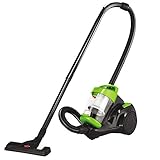
Bissell Zing 2156A Bagless Canister Vacuum Review
Heavy uprights can make a five-minute cleanup feel like moving furniture, especially around stairs, dining chairs, and narrow hallways. A smaller canister changes that rhythm by keeping most of the weight near the floor while the hose and wand handle the actual cleaning. Although the bissell powerforce rewind vacuum phrase usually brings full-size uprights to mind, the Bissell 2156A Zing offers automatic cord retraction in a body weighing less than eight pounds. It’s a different interpretation of convenient corded cleaning, built more around portability and mixed flooring than aggressive carpet agitation.
Bissell Zing 2156A
The Zing’s lightweight build is its defining feature. At under eight pounds, the compact canister is easier to carry between floors, lift over thresholds, and reposition around crowded rooms than a traditional upright. The integrated handle gives the hand a secure place to grip instead of forcing an awkward hold around the body. That lighter frame doesn’t make the vacuum weightless, but it removes much of the strain associated with dragging a larger machine upstairs.
A 2-liter dirt cup gives the little canister more breathing room than its size might suggest. Dust, crumbs, and hair can collect through several routine cleaning jobs before the container demands attention, depending on the amount of debris involved. Bagless operation also means there are no replacement bags to purchase, store, or install. The tradeoff arrives at the trash can, where fine dust may cling to the cup or rise into the air if it’s emptied too quickly.
The 9-amp corded motor supplies consistent power without relying on a rechargeable battery. That continuous suction can be useful during room-to-room cleaning because there’s no remaining runtime to monitor. Still, motor amperage alone doesn’t reveal exact pickup performance, so the machine is better judged by its intended use: everyday dry debris on carpets and hard floors. It isn’t presented as a heavy-duty workshop vacuum or a deep carpet extractor.
The canister layout comes with a different handling style than an upright. The wand moves freely in front while the body rolls behind, which feels nimble once the hose path is managed properly. Pulled too sharply, though, the trailing body can bump a table leg or catch around a doorway. A smoother, slightly wider turn keeps the machine following rather than bouncing from one obstacle to the next.
Switching Between Carpet And Hard Floors
A flip switch on the floor tool changes how it meets carpet and hard flooring. This dual-surface design removes the need to stop and replace the entire cleaning head every time the vacuum crosses from a rug onto tile. Mixed-floor spaces become easier to handle in one pass through the room. The control is simple, mechanical, and refreshingly free of complicated settings.
Hard floors play to the Zing’s maneuverable shape. The lightweight wand can slide beside cabinets, under table edges, and through narrow gaps where a broad upright head often feels clumsy. Fine dust and loose crumbs sit within the machine’s natural workload, and the angled floor tool can be redirected without moving the canister every few seconds. Larger pieces may still need slower passes so they don’t roll ahead of the nozzle.
Carpet presents a more nuanced picture. The provided product information mentions carpet cleaning and dual action, but it doesn’t identify a powered brush roll. Without motorized agitation, surface debris is a more realistic target than hair and grit pressed deeply into thick carpet fibers. Low-pile carpet and stable area rugs are likely to suit the suction-focused head better than dense plush flooring.
Lightweight rugs can shift when suction grips their edges. Holding one corner in place or reducing the speed of each pass can keep the rug from bunching under the tool. That small annoyance comes with many compact canister vacuums, particularly where the floor head lacks elaborate height controls. The simple floor switch favors convenience, but it doesn’t offer fine adjustment for every carpet texture.
Cyclonic Suction And Everyday Debris
The Zing uses cyclonic action to separate collected dirt from the moving air inside its bagless system. That process helps send debris toward the cup rather than allowing everything to settle immediately against the filter. Ordinary dust, cereal crumbs, loose hair, and tracked-in particles fit the machine’s practical role. Wet material, damp soil, and liquid spills sit outside that role and can damage a dry vacuum.
Corded operation gives the motor a steady power source throughout the job. There’s no drop in available runtime as one room leads into another, which suits longer cleaning sessions in smaller homes. The 9-amp power rating confirms its electrical demand, but it shouldn’t be treated as a direct measurement of cleaning results. Floor type, nozzle contact, filter condition, and blockages all affect how that power translates into pickup.
Loose pet hair on hard flooring should be easier to collect than strands woven into thick carpet. The suction path can pull visible fur from smooth surfaces and low-pile rugs, yet deeply embedded hair may need repeated strokes. A non-motorized floor head relies more heavily on airflow than mechanical brushing. That keeps the tool lighter while limiting its bite on stubborn carpet debris.
Edges and corners benefit from the wand’s flexibility. Instead of pushing a full upright body against a baseboard, the user can guide the nozzle close to the wall while the canister stays a short distance away. This focused reach helps in tight kitchens, around furniture feet, and beside stair rails. The hose still needs enough slack to prevent the body from being tugged sideways.
Washable Filtration And Bagless Maintenance
The dirt cup filter and post-motor filter are described as washable and reusable. That reduces dependence on disposable replacements and keeps routine ownership costs more predictable. Reusable filters still need scheduled cleaning because fine dust gradually coats the material and restricts airflow. A filter that looks merely gray may already be making the motor work harder than necessary.
Drying time matters after washing. Reinstalling a damp component can create odor, restrict airflow, or introduce moisture where it doesn’t belong. The filter system should be allowed to dry fully before the vacuum is used again. Keeping the parts clean is simple enough, but the process can’t be rushed without inviting trouble.
The two-liter cup keeps disposable bags out of the routine, yet bagless emptying isn’t always tidy. Fine particles may puff upward, while hair can cling to the cup wall instead of dropping cleanly. Lowering the container inside a trash bin helps control the dust release. Emptying before debris becomes tightly packed also makes the job less messy.
The post-motor filter adds another layer of particle capture after air moves through the machine. The supplied information doesn’t describe a sealed HEPA configuration, so the filtration should be understood according to what’s actually stated. It helps capture more fine dust and particles, supported by two reusable filters. The practical benefit depends on those filters being clean, dry, and correctly seated.
Retractable Cord And Room Coverage
The 15-foot cord retracts with the touch of a button, keeping storage quick and reducing loose cable around the closet floor. That feature gives the Zing a genuine rewind advantage even though it differs from the upright models commonly associated with the main keyword. Manual cord wrapping disappears from the after-cleaning routine. Guiding the plug during retraction keeps it from snapping into furniture or the vacuum housing.
Fifteen feet provides reasonable reach in bedrooms, kitchens, and compact living spaces. Large open rooms may reveal the limitation quickly, since the vacuum will need more frequent outlet changes than a model with a 25- or 30-foot cable. The shorter power cord supports compact storage but reduces the radius available from each socket. That’s a fair trade in a small apartment and a mild nuisance in a sprawling floor plan.
The hose and wand extend the practical working distance beyond the raw cable length. Even so, stretching the hose too far can pull the canister along the floor or tip it over. The lightweight body is easy to reposition, but it also responds quickly to a hard tug. Gentle movements keep the machine rolling where intended rather than bumping into the nearest chair.
Automatic retraction is particularly helpful in storage areas shared with mops, buckets, and cleaning bottles. Loose cords have a way of tangling around everything nearby, and manual loops often slide from their hooks. The internal rewind mechanism keeps the cable contained inside the vacuum body. The hose and wand still require their own storage arrangement, so the machine isn’t completely self-contained.
Pros Of The Bissell Zing 2156A
The first advantage is easy portability. Carrying less than eight pounds up a staircase is far more manageable than lifting a bulky upright with a tall handle and wide floor head. The integrated carrying handle also gives the machine a balanced grip point during room changes. That difference matters in homes where cleaning involves several levels or frequent threshold crossings.
The two-liter dirt cup is another practical strength. It offers enough capacity for ordinary debris without making the canister excessively large. The bagless collection system removes the recurring cost of bags and makes the fill level visible. Timely emptying is still necessary, but there’s no guessing whether a hidden bag is full.
Mixed-floor convenience also deserves credit. A single switch changes the floor tool between carpet and hard-floor use, allowing the vacuum to move across connected spaces without an attachment swap. The surface selector is easy to understand and quick to operate. That simplicity fits the machine’s broader personality: straightforward controls, modest weight, and no unnecessary fuss.
Retractable cord storage rounds out the useful features. One button pulls the 15-foot cable back into the body, saving time and preventing loose loops from taking over the closet. The cord rewind is especially helpful after quick cleanups, when manually wrapping a cable feels more annoying than the vacuuming itself. It’s a small mechanical convenience with repeated everyday value.
Cons And Realistic Tradeoffs
The most significant weakness is limited carpet agitation. The supplied details don’t mention a motor-driven brush, so the floor head may struggle with deeply embedded pet hair and compacted grit. The suction-led cleaning feels better matched to hard flooring and thinner carpet. Thick, plush surfaces may require more passes and greater physical effort.
The 15-foot cable may also frustrate anyone cleaning large rooms. More outlet changes interrupt the rhythm of a whole-home session, even though the rewind feature makes the cord easy to store afterward. The restricted cleaning radius is a clear compromise attached to the compact design. Short reach isn’t a major problem in small spaces, but it becomes obvious in long hallways.
Canister movement takes practice. The trailing body can bump furniture, catch around corners, or roll in an unexpected direction when the hose is pulled at a sharp angle. The separate canister layout offers nimble wand control while demanding awareness of what’s happening behind the user. Some people prefer that freedom, while others miss the single-body predictability of an upright.
Maintenance is inexpensive but hands-on. Filters need washing and complete drying, the cup requires direct emptying, and fine dust can escape during disposal. The reusable filtration reduces replacement costs but shifts more work into the regular routine. A bagged vacuum would contain debris more neatly, though it would introduce consumable purchases.
Practical Fit And Cleaning Boundaries
Compact homes with hard floors, low-pile rugs, stairs, and furniture-heavy rooms line up well with the Zing’s strengths. Its low weight, flexible wand, and retractable cord make small cleaning jobs less cumbersome. The two-liter capacity also keeps the machine from feeling like a tiny spot cleaner. Dense carpet and heavy embedded fur remain outside its strongest lane.
Manual control gives the user direct awareness of every area the floor tool crosses. That differs from unattended automation, where unexpected pet messes can create far larger problems. From a neutral housekeeping angle, robot vacuum considerations around pet waste cover risks that don’t apply in the same way to this hand-guided canister. The Zing only moves through a mess when someone actively pushes the nozzle there.
Closet space may favor the shorter canister body over a tall upright. The automatic rewind hides the cord, while the compact housing can sit beneath shelves that won’t accommodate a full-height machine. The storage advantage becomes less convincing if the hose and wand are left loose, though. A wall hook or dedicated corner keeps those pieces from creating their own tangle.
Regular care decides whether the Zing maintains useful suction. Washing the filters, checking the hose for blockages, and emptying the cup before it becomes packed help preserve airflow and pickup. Its strengths lie in portability, hard-floor maneuverability, simple surface switching, and neat cord storage. Its limitations show up on thick carpet, across large floor plans, and during dusty bagless disposal.