The bissell powerforce multi cyclonic canister vacuum takes a practical route through the messes that pile up around furniture, stairs, baseboards, and open flooring. Its canister body stays on the floor while the hose and wand do most of the moving, which can feel less tiring than pushing a bulky upright through every narrow gap. Crumbs under the table, dust beside cabinets, and pet hair along room edges become easier to approach without dragging the entire machine into position. Still, the canister follows behind, so a crowded room may require a little patience with the hose.
The multi-cyclonic system separates dirt from the airflow before much of it reaches the filter. That design helps maintain steadier suction as dust and debris collect inside the bin. Fine powder, dry soil, cereal pieces, and hair don’t behave the same way, yet reliable airflow helps keep pickup from fading too quickly. The container still needs to be emptied before it becomes packed, because even a strong system can struggle when airflow gets blocked.
A flexible hose gives this canister vacuum a useful advantage in areas that often get ignored during a rushed cleanup. Couch cushions, stair corners, curtain edges, ceiling cobwebs, and narrow spaces beside appliances are easier to reach without lifting the main body. Different jobs may call for different tools, though, and the wide floor head won’t always suit upholstery or tight trim. Switching attachments takes an extra moment, but it usually produces cleaner results than forcing one tool to handle everything.
Hard floors fit the design especially well. The wand can move across tile, laminate, vinyl, and sealed wood while most of the motor weight rolls behind. Loose grit, dry leaves, hair, and crumbs can be collected without repeatedly steering a heavy upright around table legs. Thick rugs or deep carpet may need slower passes, since pickup depends on the floor tool, carpet pile, and how firmly debris has settled.
The bagless dirt bin removes the ongoing need to buy replacement bags. A clear container also makes it easier to spot small objects that were vacuumed by mistake, which is handy when a coin, toy part, or earring suddenly disappears. Emptying the bin can release fine dust if it’s opened too quickly, so doing that over an outdoor trash can may save some cleanup. Filters also need routine care because cyclonic separation won’t catch every tiny particle on its own.
Storage can be a sticking point with any canister model. The hose, wand, floor tool, cord, and main body create an awkward shape compared with a slim stick vacuum. But the separate parts can fit into a closet corner when they’re arranged carefully instead of standing as one tall unit. Measuring the storage area first isn’t overthinking it, because poor storage can make a useful machine feel like clutter.
The PowerForce cleaning setup is meant for ordinary dry debris rather than wet spills, renovation dust, or heavily stained carpet. It handles the steady stream of lint, tracked-in soil, crumbs, and hair that makes rooms look untidy soon after cleaning. It won’t replace a mop, carpet washer, or shop vacuum, and that limitation matters. Used for the right chores, though, it offers a sensible mix of reach, suction, and control without loading the process with unnecessary settings.


Lightweight & PortableUltra quiet low noise technologyUses 20% less energy with 30% more power110 inches of waterlift - the most suction of any commercial vacuum of this size8-piece tool kit - combo rug & floor tool with swivel neck & rear wheels, upholstery tool w/slide-on brush, round brush, floor
Key specs
- Suction power
- 110 inches of waterlift
- Attachments included
- Combo rug and floor tool with swivel neck and wheels
- Upholstery tool with slide-on brush
- Round brush and crevice tool
- Metal telescopic extension wand and floor tool
- Weight and handling
- At 19.4 pounds and measuring 17 by 11.5 by 19 inches, this unit provides durable commercial utility but requires more lifting effort than compact home canisters.
Pros:
- Provides 110 inches of waterlift suction for heavy commercial cleaning tasks
- Includes an 8-piece tool kit with a metal telescopic wand and specialized floor heads
- Combo rug and floor tool features rear wheels and a swivel neck for easy direction changes
- Motor uses 20 percent less energy while delivering 30 percent more power
Cons:
- Weighs 19.4 pounds, which is noticeably heavier than standard residential canisters
- Listing does not state whether it uses bags or a bagless container

OnePass technology with powerful suction and innovative brush design to clean on the first pass.Scatter free technology reduces scatter on hard floorsOn board storage keeps specialized tools including the turbobrush tool, dusting brush, crevice tool, and extension wand close by while cleaningPowerfu
Key specs
- Floor types supported
- Scatter-free technology reduces debris scattering across bare floors, while OnePass brush roll engineering targets debris embedded in carpets.
- Attachments included
- TurboBrush tool for pet hair
- Dusting brush
- Crevice tool
- Extension wand
Pros:
- Multi-cyclonic system maintains suction while keeping captured debris inside the bin
- Scatter-free technology limits debris kickback when vacuuming bare floors
- Large-capacity dirt tank empties from the bottom with the press of a button
- Onboard tool storage keeps the TurboBrush, crevice tool, and dusting brush within reach
Cons:
- Upright design lacks the flexible low-clearance wand reach of a canister vacuum
- Listing omits the exact dirt tank capacity, overall weight, and power cord length

Dirt cup capacity - 2 liters. Cyclonic action and powerful suction provide thorough cleaning. Plus, no more bags to buy or change ever.Amperage : 9 amps.Specific uses:hard floor,carpet,dual actionEasily go from cleaning carpets to hard floors with the flip of a switch. Power Rating : 9 ampsDIRT cup
Key specs
- Bag or bagless
- Bagless canister system
- Unstated specifications
- Key measurements like dirt cup capacity, cord length, and wand attachments are omitted from the listing and should be verified before purchase.
Pros:
- Bagless canister system eliminates ongoing replacement bag expenses
- Canister format allows low-clearance maneuvering around furniture and across steps
- Compact canister layout provides straightforward storage in tight utility closets
Cons:
- Listing omits key specifications including dirt cup volume, cord length, and motor wattage
- Filter type and included accessory heads must be confirmed on the product page
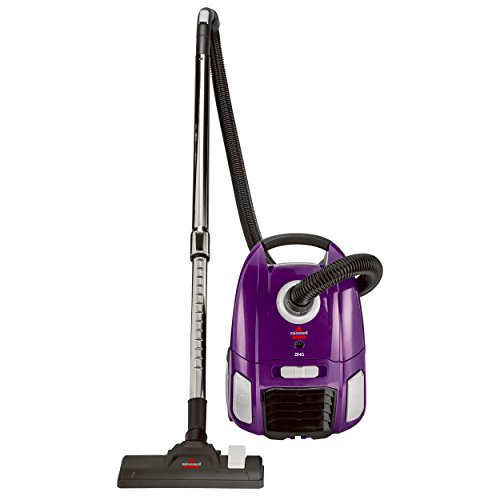
Powerful variable suction gets the dirt low and high and is great for bare floors, rugs and above-floor cleaning.Amperage : 9 amps.Specific uses:hard floor,carpet,dual actionEasily go from cleaning carpets to hard floors with the flip of a switchAutomatic cord Rewind for quick cord storage with the
Key specs
- Dust collection type
- Bagged disposable system
- Unstated specifications
- The product data does not list unit weight, cord length, or floor nozzle width, so verify these measurements to ensure it meets your cleaning layout.
Pros:
- Bagged collection system encloses dust and debris inside disposable bags
- Lightweight canister design simplifies carrying up and down stairways
- Compact footprint allows easy storage in small closets and tight utility spaces
Cons:
- Requires ongoing purchases of model-compatible replacement dust bags
- Listing omits specific details on cord reach, weight in pounds, and accessory attachments
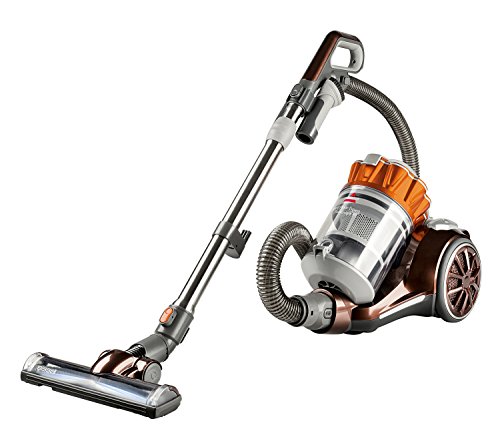
Multi-Cyclonic Technology for excellent suction for longer. Power Cord Length: 18 feet , Hose Length -7 inches.9.2 watts.Specific uses:Carpet, Floor and RugsHard floor Turbine foot is tough on dirt, gentle on your floors. Power Rating: 9.2 amps. Cleaning Path Width : 11 InchMulti-surface foot for ex
Key specs
- Floor types supported
- Hard floor specialist
- Power source
- Corded operation supplies constant power without battery depletion, though you should confirm the exact cord length to determine room cleaning radius.
Pros:
- Multi-cyclonic bagless system separates dirt without needing disposable replacement bags
- Hard Floor Expert configuration is tailored specifically for bare floor surfaces
- Corded power supply provides continuous cleaning without battery recharge pauses
Cons:
- Exact power cord length is omitted from the listing and limits overall reach
- Listing does not specify dirt tank capacity, motor wattage, or included tool heads

13" Cleaning Path Width, Lightweight - 12 lbsIncludes a crevice tool, combination dusting brush/upholstery tool & Extension wand; Attachments store in back of vacuum5 Position height adjustment10 Amp motor with 30' Cord3 Stage Filtration system
Key specs
- Vacuum design
- Industrial bagged upright
- Reach and accessibility
- The upright configuration handles expansive floor space quickly, but verify hose attachment reach if you need to clean under low furniture or desks.
Pros:
- Commercial-grade industrial construction built for rigorous daily cleaning routines
- Bagged setup holds debris securely for sanitary commercial disposal
- Lightweight upright form allows quick passes across large open floor areas
Cons:
- Upright configuration lacks the flexible low-profile reach of a canister floor head
- Listing leaves out motor amperage, cord length, and machine weight in pounds
Last update on 2026-07-29 / Affiliate links / Images, Product Titles, and Product Highlights from Amazon Product Advertising API
Bissell BigGreen Commercial BGC3000 Canister Vacuum
Dragging a heavy vacuum through offices, stairs, tight rooms, or furnished spaces can turn a straightforward cleanup into a tedious chore. The bissell powerforce multi cyclonic canister vacuum keyword may suggest a household canister format, but the Bissell BigGreen Commercial BGC3000 takes a more work-focused route with a compact body, a long commercial cord, and a broad attachment set. Its appeal rests on portable cleaning power rather than decorative extras or complicated controls. That stripped-down approach feels refreshing when the real goal is getting dust, crumbs, hair, and dry debris off multiple surfaces without hauling around an oversized machine.
BigGreen BGC3000 Portable Canister Vacuum
The first thing that stands out is the lightweight and portable design. A canister vacuum still has to follow behind as the hose moves around furniture, but a smaller body is far easier to carry between rooms, lift onto a stair landing, or load into a service vehicle. That matters in places where the cleaning route changes from one day to the next. Instead of fighting the machine, the operator can focus on the floor, upholstery, corners, and edges that actually need attention.
Noise can be just as disruptive as weight, particularly in offices, clinics, hotels, classrooms, or shared buildings. The BGC3000 uses ultra-quiet low-noise technology, which helps reduce the harsh mechanical roar associated with many commercial vacuums. It won’t make vacuuming silent, of course, but a calmer sound profile can make daytime cleaning less intrusive. That small difference carries real value when work continues around the cleaning process.
The machine also claims to use 20% less energy while providing 30% more power. Those figures come from the supplied product information, so they should be understood as manufacturer-stated performance rather than independent testing. Even so, the design direction makes sense: commercial equipment benefits from drawing less energy without feeling underpowered during repeated use. A vacuum that cleans efficiently without wasting electricity is easier to justify in spaces where it may run frequently.
Suction Built For Demanding Dry Cleanup
The BGC3000 is rated at 110 inches of waterlift, described in the product information as the strongest suction among commercial vacuums of this size. Waterlift measures the vacuum’s ability to pull against resistance, which matters when debris is lodged in carpet fibers, upholstery seams, or narrow crevices. Raw suction alone doesn’t guarantee flawless pickup on every surface, since floor tools and airflow design still play a role. Still, this figure points to a compact machine built for more than a casual sweep across open flooring.
Strong suction is especially useful when a room collects mixed debris. Fine dust gathers along baseboards, heavier crumbs settle beneath desks, and hair winds around chair legs or hides in rug edges. The commercial suction performance gives the operator enough pull to handle those dry messes without endlessly circling the same spot. A slower pass may still be needed on dense rugs, but the machine isn’t starting from a weak foundation.
The balance between suction and portability is where this canister makes its case. Large commercial vacuums can feel powerful yet awkward, while tiny portable units sometimes trade too much performance for convenience. The BGC3000 aims for a middle ground with compact size and high waterlift. That pairing suits jobs where stairs, hallways, small rooms, and furniture all appear in the same cleaning route.
Eight Tools For Floors, Furniture, And Tight Spaces
The included eight-piece tool kit gives the machine more flexibility than a single-purpose floor vacuum. The combo rug and floor tool uses a swivel neck and rear wheels, helping it change direction without forcing the wand into awkward angles. That setup is handy around table legs, under desks, and across mixed flooring. Switching between rug and hard-floor tasks feels more practical when the main tool is designed to cover both.
Upholstery usually needs a different touch than floors, and the supplied upholstery tool includes a slide-on brush. The brush can help loosen surface lint, hair, and dust from fabric, while the tool’s smaller shape makes it easier to work across chairs, couches, and padded panels. The round brush adds another option for vents, trim, shelves, and delicate surfaces where a wide floor head would be clumsy. Those attachments won’t remove deep stains, but they expand what the vacuum can clean during one session.
The separate floor tool, crevice tool, and metal telescopic wand round out the kit. A telescopic wand helps adjust reach without forcing the operator to bend constantly, while the crevice tool targets gaps beside cabinets, under appliances, and along wall edges. The floor tool gives a more direct option for open hard surfaces when the combo head feels unnecessary. For unrelated carpet-care questions, a neutral reference appears in carpet cleaner deodorizing guidance, though the BGC3000 itself is intended for dry vacuuming rather than wet extraction.
Commercial Hose And Cord Design
The hose connection uses an E-Z push-in and pull-out system rather than fragile clips. That sounds like a minor hardware detail until a plastic latch snaps and turns a usable vacuum into a repair project. A straightforward connection is quicker to attach, easier to remove, and less dependent on small moving parts. Commercial equipment earns its keep through repetition, so simple components often age better than clever but delicate ones.
The 30-foot commercial cord gives the vacuum a generous working radius. Fewer outlet changes can make hallways, conference rooms, guest rooms, or larger living areas less frustrating to clean. A long cord does require basic management, since careless loops can snag furniture or become a tripping hazard. Rolled properly and kept behind the cleaning path, though, it saves time that would otherwise disappear into unplugging and relocating the machine.
The listed 17/2 commercial cord also reinforces the work-oriented design. This isn’t a cordless vacuum built for a five-minute touch-up, and it won’t offer the grab-and-go freedom of a battery model. In return, there’s no runtime limit, no battery fade, and no pause for recharging halfway through a job. That tradeoff suits longer sessions where consistent power matters more than complete cord freedom.
Practical Strengths And Realistic Tradeoffs
The strongest qualities are clear: portable construction, low-noise operation, strong stated suction, and a useful attachment package. Those features address the daily annoyances that make cleaning harder than it needs to be. Carrying the unit is less of a burden, nearby activity faces less disruption, and different surfaces don’t require separate machines. The design feels purposeful rather than overloaded.
Canister vacuums do come with their own quirks. The body rolls behind the operator, which means it can bump chair legs, catch on corners, or require repositioning in cramped rooms. The long hose and cord improve reach, but they also create more material to organize after the job. Anyone expecting the upright simplicity of one rigid machine may need a little time to adjust.
The BGC3000 also isn’t presented as a wet vacuum, carpet washer, or multi-surface scrubber. Its role is dry debris removal, and expecting it to handle spills or extract embedded stains would be asking the wrong machine to do the wrong job. Used within that lane, it offers a convincing mix of commercial reach and manageable size. The value comes from matching the tool to routine dust, hair, crumbs, upholstery debris, rug cleanup, and hard-floor maintenance.
Maintenance expectations should stay realistic as well. Attachments need occasional checking, the hose should remain clear, and the vacuum’s collection system must be serviced before airflow becomes restricted. Strong suction can’t compensate for blocked passages or neglected filters forever. A little routine care helps preserve the 110-inch waterlift performance and keeps the machine from working harder than necessary.

Bissell CleanView Bagless Vacuum With Multi-Cyclonic Suction
Pet hair around chair legs, crumbs under the breakfast table, and dusty edges along hard floors can make routine cleaning feel oddly repetitive. The bissell powerforce multi cyclonic canister vacuum keyword points toward strong cyclonic cleaning, yet this Bissell CleanView model takes an upright, bagless approach with OnePass technology, scatter control, onboard tools, and a large dirt tank. Its strongest appeal is straightforward: steady suction, fewer interruptions, and practical attachments kept within reach. The tradeoff is just as clear, since an upright body won’t slip around furniture with the same flexibility as a compact canister.
Bissell CleanView Bagless Vacuum
The OnePass technology combines powerful suction with a brush design intended to lift debris during the first pass. That doesn’t mean every carpeted area will be spotless after one quick swipe, especially where hair has been pressed deep into fibers. Still, the feature addresses a familiar annoyance: moving over the same strip of flooring again and again because loose debris refuses to budge. On ordinary crumbs, lint, and surface dust, that combination can make a regular cleanup feel less drawn out.
The upright layout keeps the cleaning head, dirt tank, and motor together in one body. That setup feels natural across open carpeted rooms because there’s no separate canister rolling behind or hose body catching on corners. The direct steering style can also make straight cleaning paths easier to maintain. Tight spaces remain the weak spot, though, and furniture-heavy rooms may require more repositioning than a hose-led canister design.
The product details emphasize a powerful multi-cyclonic system designed to capture dirt and keep it inside the bin. Cyclonic separation matters because airflow can fade when dust clogs filters too quickly. By moving debris through separate air pathways, the system aims to support more consistent suction during a cleaning session. Filters and airflow channels still need routine care, since no bagless vacuum stays strong if packed dirt or fine dust is ignored.
Hard-Floor Control Without The Debris Spray
Hard floors expose a problem that carpet often hides: spinning brushes can fling crumbs away before suction collects them. The included scatter-free technology is intended to reduce that mess on sealed hard surfaces. Instead of sending cereal pieces or dry pet food skittering under cabinets, the cleaner tries to keep debris closer to the suction path. That can save time in kitchens, entryways, and dining spaces where loose particles gather quickly.
Scatter control works best with realistic expectations. Large or oddly shaped debris may still move when the vacuum head approaches too quickly, and flooring texture can affect how particles behave. A slower pass usually gives the cleaning head a better chance to capture debris before it escapes. The feature doesn’t replace careful movement, but it does address one of the most irritating habits of many upright vacuums.
Hard-floor cleanup also benefits from the large dirt tank because everyday grit accumulates faster than it seems. Dust, crumbs, hair, and tracked-in particles can fill a small bin surprisingly quickly, especially across several rooms. The large-capacity tank reduces how often the cleaning session has to stop. That matters less during a two-minute touch-up, but it becomes more noticeable during whole-home cleaning.
Pet Tools Stay Close During The Job
Specialized attachments only help when they’re nearby, and the onboard storage keeps the TurboBrush tool, dusting brush, crevice tool, and extension wand attached to the vacuum. That’s a practical detail rather than a flashy one. Tools left in a closet tend to stay there, even when upholstery, stairs, and baseboards plainly need them. Keeping everything on the machine makes switching tasks less of a nuisance.
The TurboBrush tool is the attachment most likely to matter around pet hair on upholstered furniture or stair surfaces. Its compact design is better suited to fabric and smaller areas than the full-width floor head. Hair that has worked into textured fabric may still require repeated strokes, and long strands can collect around a rotating brush. Regularly checking the tool helps preserve movement and keeps wrapped hair from becoming tomorrow’s problem.
The dusting brush and crevice tool cover different corners of the same cleaning headache. The dusting brush suits shelves, trim, vents, and delicate surfaces where a bare nozzle may feel too harsh. The crevice tool reaches along wall edges, beside appliances, and between cushions where the main head simply won’t fit. Combined with the extension wand, those tools make the upright design more adaptable without pretending it handles every angle effortlessly.
Some references have nothing to do with vacuum performance yet may still appear within a broader home-project library. From a practical angle, a pipe cleaner spider craft guide belongs to a separate household activity rather than the cleaning features discussed here. Keeping that distinction clear avoids forcing an artificial connection between an upright vacuum and an unrelated craft project. The vacuum’s value stands on suction, floor control, attachments, and tank capacity, not on borrowed relevance.
Easy Empty Tank And Everyday Maintenance
The easy-empty dirt tank releases with the press of a button, which simplifies a job that can otherwise feel messy and awkward. A larger tank means fewer trips to the trash can, but waiting too long can lead to packed debris around the internal separator. Emptying before the fill line is reached helps airflow stay steadier. Fine dust can still puff upward, so opening the bin slowly over a trash container is the cleaner habit.
Bagless convenience removes the need to buy replacement bags, but it doesn’t remove maintenance. The tank, filters, brush area, and air pathways all need occasional attention. Hair can wind around the brush roll, fine powder can settle into filter material, and a forgotten clog can mimic weak suction. The multi-cyclonic system helps manage dirt, yet basic upkeep is what keeps that system from losing its edge.
The red dirt tank also makes the machine’s working parts easy to identify visually, though appearance is secondary to function. What matters more is the tank’s accessibility and the ability to see collected debris. A transparent or visible collection area provides an immediate reminder that the vacuum needs emptying. That small cue can prevent the common habit of cleaning until the machine sounds strained.
Pros That Matter In Real Rooms
The biggest strength is the pairing of OnePass suction with a brush design built for routine floor cleaning. Open carpeted areas benefit from the direct upright path, while scatter control helps on hard floors. The machine also keeps its main tools onboard, reducing interruptions during mixed cleaning tasks. That combination feels practical in rooms where carpet, furniture, edges, and hard flooring all need attention in one session.
The large-capacity dirt tank is another meaningful advantage. Less frequent emptying keeps momentum going, especially where pet hair and dry debris build up quickly. The push-button release also cuts down on fiddling with latches or bags. These are modest conveniences on paper, but together they make routine cleaning feel less fragmented.
Tool storage deserves credit because it turns the vacuum into more than a floor-only machine. The crevice tool, dusting brush, TurboBrush, and extension wand cover furniture, trim, corners, and elevated surfaces. No single attachment handles every material equally well, but the included set gives the cleaner a sensible range. That breadth is useful without making the machine feel overloaded with rarely used parts.
Cons And Tradeoffs Worth Knowing
The upright format is less nimble than a true canister around crowded furniture, stair landings, and narrow floor gaps. The main body remains bulky even when the hose and tools are in use. Carrying the machine between levels may also feel more awkward than lifting a lightweight canister. Anyone expecting the freedom suggested by the keyword should recognize that this product follows a different design philosophy.
Pet tools require maintenance, especially where long hair or fur is common. The TurboBrush can lose effectiveness if wrapped strands collect around moving parts. The floor brush may face the same issue after repeated cleaning sessions. Cutting away hair isn’t difficult, but ignoring it can reduce pickup and make the vacuum sound rougher than it should.
The large tank is convenient, yet it can tempt people to postpone emptying. Packed debris places more strain on airflow and makes the bin messier to clean. Fine dust may also escape during disposal if the tank is opened carelessly. The easy-empty design simplifies the process, but it can’t eliminate the dust cloud created by rushed handling.
Scatter-free technology reduces debris movement rather than promising zero movement. Lightweight crumbs, pet food, or irregular particles may still slide across smooth floors if approached too quickly. The hard-floor performance depends partly on pace and brush contact, not only on the feature label. Slower, controlled passes usually produce a tidier result than charging across the room.
Bissell Zing 2156A Bagless Canister Vacuum
Bulky cleaners can make a ten-minute floor pickup feel like moving furniture, especially when stairs, tight corners, and mixed flooring all show up in the same routine. The bissell powerforce multi cyclonic canister vacuum search often starts with a desire for steady suction without the weight and bulk of a full-size upright, and the Bissell 2156A Zing answers that need with a compact bagless body weighing under eight pounds. Its cyclonic cleaning system, two-liter dirt cup, washable filters, and retractable cord keep the design simple rather than flashy. There are tradeoffs, naturally, but the basic idea is sound: carry less, reach more, and avoid buying replacement bags.
Bissell Zing 2156A Bagless Vacuum
The Zing’s biggest everyday advantage is its lightweight construction. At less than eight pounds, the main unit is manageable on stairs, easy to lift over thresholds, and far less awkward to move between rooms than a large upright. The integrated carrying handle gives the hand a clear grip instead of forcing an uncomfortable hold around the vacuum body. That matters after several rooms, when even a few extra pounds can start feeling like a sack of bricks.
A small canister also fits cleaning routes that aren’t perfectly open or orderly. The hose and cleaning head can move around chair legs, beside cabinets, and under furniture while the body follows behind. This canister-style maneuverability reduces the need to steer a tall motor housing into every narrow gap. Still, the unit can bump into corners if the hose is pulled sharply, so it rewards a measured pace rather than frantic back-and-forth movement.
The compact shape makes storage less troublesome, though the hose and wand still need a sensible place in a closet. A canister vacuum won’t stand in one neat vertical piece like some uprights, and that can be a drawback in a very narrow storage area. On the other hand, the retractable power cord keeps a loose cable from spilling across the shelf or floor. One button pulls the cord back into the body, which is the sort of small convenience that becomes more valuable with repeated use.
Cyclonic Suction And Two-Liter Capacity
The Bissell 2156A uses cyclonic action with powerful suction to collect dry dirt from hard flooring and carpet. Cyclonic airflow helps separate debris from the moving air, allowing dirt to settle in the cup rather than relying on a disposable bag. That design cuts out the recurring cost and hassle of keeping replacement bags nearby. It also lets the collected mess remain visible, so there’s little guesswork about when emptying is due.
The two-liter dirt cup is generous for a vacuum this light. It can hold routine dust, crumbs, hair, and tracked-in grit without demanding a trip to the trash can every few minutes. Capacity still shouldn’t be treated as permission to pack the bin to the brim, since crowded debris can restrict airflow. Emptying it before the dirt becomes compressed helps preserve the suction that made the cleanup efficient in the first place.
Power is rated at 9 amps, a figure supplied in the product details rather than an independent performance test. Amperage alone doesn’t tell the whole cleaning story because nozzle design, airflow, seals, and surface type also influence pickup. Even so, the combination of a 9-amp motor and cyclonic separation gives the Zing a practical foundation for normal household dry debris. It isn’t meant for wet spills, renovation rubble, or deeply embedded material that calls for specialized equipment.
Bagless operation has another less obvious benefit: small objects are easier to recover. A coin, earring back, toy piece, or screw can sometimes be spotted through the cup before it disappears into a trash bag. The flip side is a little dust during disposal, particularly if the bin is opened too quickly. Holding the dirt cup low inside a trash container and releasing it carefully can keep that puff from drifting back onto a freshly cleaned floor.
Carpet And Hard-Floor Switching
Mixed flooring often creates unnecessary stops because a tool that behaves well on carpet may scatter debris or drag awkwardly across hard surfaces. The Zing handles this with a floor-switch control that moves between carpet and hard-floor cleaning at the flip of a switch. That change is quick enough to make sense in rooms where an area rug sits over tile, laminate, or sealed wood. No attachment hunt, no complicated adjustment, just a simple mechanical shift.
On hard floors, controlled passes help collect loose grit, crumbs, and dust without repeatedly pushing debris ahead of the nozzle. The vacuum’s dual-surface function is practical for kitchens, hallways, and living spaces where floor materials change within a few steps. Larger particles may still require a slower approach, since rushing a floor head toward lightweight debris can send it skittering. A vacuum can have solid suction and still benefit from a little finesse.
Carpet presents a different challenge because dirt can settle below the visible surface. The Zing’s suction is designed to provide thorough cleaning, but expectations should match the compact canister format. It handles routine surface debris and regular maintenance, while heavily packed carpet or thick pile may need slower passes and repeated movement. The lightweight floor head is easier to guide, though it may not deliver the aggressive agitation associated with a large motorized upright brush.
The ability to cover both surfaces makes the machine useful in homes where buying separate cleaners would be excessive. That versatility doesn’t mean every material will respond identically, and plush rugs may feel different from low-pile carpet. Still, the flip-switch transition removes much of the friction from moving room to room. The cleaning rhythm stays intact instead of breaking every time the flooring changes.
Washable Filters And Dust Control
The dirt cup filters and post-motor filter help capture more fine dust and particles as air moves through the vacuum. That extra filtration stage matters because visible crumbs are only part of the mess. Fine powder, lint, and small particles can settle deep in the cup or work toward the exhaust path. The filters provide a practical barrier, although the supplied information doesn’t claim a sealed system or specialized allergy certification.
Washable and reusable filters reduce the need for constant replacements. A careful rinse can clear accumulated dust, but the filters need to dry completely before going back into the machine. Installing damp filter material can encourage odors and interfere with airflow, which turns a simple maintenance shortcut into a headache. The reusable filter design saves money only when cleaning and drying are handled properly.
Filter maintenance also affects suction more than many people expect. A dirt cup may look half empty while fine dust has already coated the filter surface. If pickup begins feeling weaker, checking the filter and hose makes more sense than assuming the motor has suddenly lost power. Keeping the air path clear allows the cyclonic system to do its job without fighting preventable resistance.
Cord Reach And Daily Handling
The 15-foot cord provides a useful cleaning radius for bedrooms, apartments, and smaller common areas. It won’t cover every large room from a single outlet, and that limitation deserves attention before purchase. Longer commercial cords offer more freedom, but they also create heavier coils and greater storage hassle. The Zing lands on a middle ground that suits compact spaces better than sprawling layouts.
Automatic retraction makes the cord easier to live with after the cleaning is finished. Pressing the button winds it into the vacuum body instead of leaving a loose cable to wrap by hand. That one-touch cord storage saves only a minute or two, yet it removes one of the dullest parts of putting a vacuum away. Careful guidance is still wise because letting the plug whip across the floor can damage nearby objects or ankles.
The integrated handle and low weight also make outlet changes less annoying. Rather than dragging the vacuum by its hose, the body can be lifted and placed where it needs to go. That protects the hose connection from unnecessary strain and gives better control around stairs. Pulling any canister by the hose may feel convenient in the moment, but it’s a rough habit for fittings over time.
Some household references sit outside the subject of floor care and shouldn’t be forced into a false product connection. From a neutral reference point, diesel injector cleaner information concerns vehicle maintenance rather than the Zing’s carpet or hard-floor performance. Keeping those topics separate preserves clarity and avoids implying that an unrelated resource affects vacuum results. The relevant story here remains portability, cyclonic suction, filtration, and straightforward surface switching.
Practical Strengths And Limitations
The Zing’s strongest qualities are easy to identify: low weight, bagless collection, washable filters, and fast switching between carpet and hard floors. Each feature removes a small irritation from ordinary cleaning. The machine is easier to carry, replacement bags disappear from the shopping list, and cords don’t need to be wrapped around hooks. Those aren’t glamorous details, but they make regular upkeep less of a production.
Its two-liter cup also suits longer sessions better than the tiny bins found on many lightweight cleaners. Paired with cyclonic suction, the capacity supports room-to-room cleaning without constant interruption. Fine dust still demands filter care, and the cup can be messy if emptied carelessly. Bagless convenience shifts maintenance rather than erasing it, which is worth understanding upfront.
The most noticeable compromise is the relatively short cord for larger spaces. A 15-foot reach may require several outlet changes across an expansive floor plan. The separate hose and canister body can also feel less tidy than a single upright unit during storage. These limitations aren’t deal breakers, but they shape where the vacuum feels most natural.
Deep, thick carpet may expose another boundary. The Zing supplies suction and a surface switch, yet it isn’t described as having a powered rotating brush designed for aggressive carpet agitation. Routine dirt and surface debris fit its abilities better than neglected, heavily embedded messes. Its best working lane is frequent dry cleaning across mixed floors, stairs, corners, and rooms where portability matters more than brute-force scrubbing.
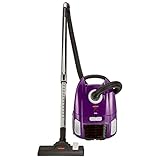
Bissell Zing Lightweight Bagged Canister Vacuum 2154A
Dust has a habit of settling where a bulky upright feels least welcome: beneath low furniture, along stair edges, behind table legs, and high on shelves. The bissell powerforce multi cyclonic canister vacuum keyword may point toward bagless cyclonic models, but the Bissell Zing 2154A takes a different route with bagged collection, variable suction, and a lightweight canister body. That difference isn’t merely cosmetic. It changes how dirt is handled, how the machine moves through a room, and how much contact there is with collected debris after cleaning.
Bissell Zing Lightweight Bagged Vacuum
The Zing 2154A keeps its design refreshingly straightforward. Its lightweight canister format lets the hose and cleaning head move independently while the motor body rolls behind, which is useful around dining chairs, narrow walkways, and furniture-packed rooms. Carrying the machine between floors also feels less awkward than hauling a tall upright by an upper handle. The canister can still bump a corner if the hose is tugged too sharply, so smoother movements pay off.
Variable suction gives the cleaner more flexibility than a fixed-power machine. Stronger suction can tackle floor debris and rugs, while a lower setting may feel more controlled on curtains, upholstery, or lightweight mats that tend to cling to a nozzle. This adjustable suction helps prevent every surface from being treated with the same brute-force approach. It’s a practical feature, especially when one cleaning session jumps from floors to shelves and fabric.
The supplied product details list a 9-amp power rating, which gives the machine a solid base for everyday dry cleaning. Amperage isn’t a complete measure of pickup because airflow, nozzle design, seals, and surface texture matter too. Still, the Zing is built for more than a quick crumb sweep. Bare floors, rugs, carpet, and above-floor areas all fit within its stated working range.
Variable Suction From Floors To Shelves
Floor messes rarely arrive in one neat size. Fine dust settles into corners, crumbs sit on open flooring, and hair gathers along rug edges where a wide head may skim past too quickly. The Zing’s powerful variable suction lets the operator adapt instead of pushing one setting across every surface. A little restraint can be just as useful as maximum power when cleaning delicate fabric or a small rug that wants to lift.
Above-floor cleaning is where the canister layout earns its keep. The hose can reach furniture, trim, blinds, vents, and higher ledges without requiring the entire vacuum body to be lifted. This extended cleaning reach makes dusting less of a patchwork job involving separate tools and repeated trips to a closet. Naturally, the exact reach depends on the hose and wand setup, but the flexible format is better suited to vertical surfaces than a rigid upright body.
Rugs can be tricky because loose edges may pull toward a high-suction nozzle. The variable control helps calm that tug, making the head easier to guide without bunching lightweight material. On thicker carpet, stronger suction may be useful, though slow passes usually matter more than racing back and forth. The Zing’s dual-surface ability offers useful flexibility, but it doesn’t turn every flooring type into the same cleaning job.
Hard floors bring their own quirks, especially around larger crumbs or dry debris that may slide ahead of the nozzle. A measured pace gives suction time to collect particles rather than pushing them toward the next room. The machine’s bare-floor performance benefits from keeping the floor tool flat and the airflow unobstructed. That sounds obvious, yet clogged wands and overfilled bags are common reasons a vacuum suddenly feels weaker.
Quick Switching Between Carpet And Hard Floors
A flip switch allows the floor tool to move between carpet and hard-floor settings. That small control keeps mixed flooring from turning into a stop-and-change-attachments routine. The surface selector is particularly handy where an area rug sits over tile, laminate, or sealed wood. One foot-operated adjustment can keep the cleaning rhythm moving without dragging extra parts around.
Carpet needs a different relationship between the nozzle and floor than smooth surfaces do. The carpet setting is intended to improve movement and pickup across fibers, while the hard-floor position adjusts the tool for flatter contact. This dual-action floor tool adds versatility without introducing complicated controls. It’s simple, mechanical, and easy to understand at a glance.
Dense carpet may still require patience. The Zing is a lightweight canister, not a heavy upright built around an aggressive powered brush roll. Surface debris and routine dust are a more natural fit than deeply embedded grit in thick pile. That cleaning limitation isn’t unusual for this category, but it matters if most rooms have plush carpet rather than hard flooring or low-pile rugs.
Kitchen tile is a more comfortable setting for a compact canister because furniture legs, cabinet edges, and toe kicks create plenty of awkward angles. A relevant reference for similar floor-care priorities appears in lightweight vacuums for kitchen tile, where maneuverability and hard-floor pickup carry more weight than deep carpet agitation. The connection is practical rather than promotional. Both topics revolve around reaching crumbs, dust, and grit without dragging an oversized machine through a tight space.
Bagged Collection With Less Dust Exposure
The Zing 2154A uses a removable dust bag instead of an open dirt cup. That setup appeals to anyone tired of tapping a bagless bin over the trash while fine dust drifts back into the room. The easy-to-remove dust bag keeps collected debris contained during disposal, reducing direct contact with the mess. A replacement bag is still required, so convenience comes with an ongoing supply cost.
Bagged vacuums also make the fill level less visible than a clear plastic bin. It may take a little practice to recognize when airflow has dropped or the bag is nearing capacity. Waiting too long can restrict suction, while changing it too early wastes usable space. The bagged collection system rewards routine checks rather than a set-it-and-forget-it attitude.
The product comes with a dust bag plus pre-motor and post-motor filters. Together, these components are designed to help capture more fine dust and particles as air travels through the machine. The information provided doesn’t claim a sealed filtration system or specialized certification, so expectations should remain grounded. Even so, layered filtration is a sensible approach for keeping more debris inside the vacuum instead of sending it straight toward the exhaust.
The filters are washable and reusable, which reduces replacement costs over time. A rinse can remove accumulated dust, but each filter must dry completely before installation. Damp material can create odor, obstruct airflow, and make the vacuum work harder than necessary. Proper care keeps the washable filtration system useful instead of turning maintenance into an avoidable problem.
Automatic Cord Rewind And Storage
Cord management is rarely the feature that sells a vacuum, yet it can become the feature appreciated after every cleanup. The Zing includes automatic cord rewind, allowing the cable to retract into the body with the push of a button. No looping the cord around hooks. No loose bundle sliding onto the closet floor five minutes later.
Automatic rewind works best with a little care. Letting the plug snap across a room can chip furniture, strike a wall, or catch an ankle. Guiding the final section of cord into the vacuum keeps the mechanism controlled and protects the plug. The push-button storage is convenient, but it isn’t an excuse to let the cable whip around like a runaway tape measure.
The canister body and retractable cord make the Zing easier to tuck into compact storage areas. The hose and wand still need room, so the machine won’t disappear into a tiny cabinet as neatly as a handheld vacuum. Even so, eliminating a loose power cord removes one of the messiest storage problems. The compact storage profile suits closets where every inch already has a job.
Practical Benefits And Honest Tradeoffs
The strongest part of this vacuum is the way its features work together. Low weight makes it easier to carry, variable suction broadens the range of usable surfaces, and the flip switch simplifies transitions between rugs and hard floors. Bagged disposal then reduces the dusty cloud that can follow an open-bin emptying session. None of these features is flashy alone, but together they create a cleaner that feels thoughtfully uncomplicated.
The bag system is also its biggest dividing line. Replacement bags add an ongoing expense and require a little planning so the vacuum doesn’t sit unused when the last bag is full. In exchange, the contained dirt disposal is tidier and less hands-on than emptying many bagless cups. Whether that’s a strength or weakness depends on which annoyance feels worse: buying bags or dealing directly with loose dirt.
Carpet performance has sensible boundaries as well. The machine offers strong suction and a carpet setting, but the supplied description doesn’t mention a powered rotating floor brush. Thick carpet, stubborn hair, or deeply settled grit may demand slower work or a machine with stronger agitation. The Zing’s better fit is mixed flooring, rugs, bare surfaces, stairs, furniture, and above-floor dust.
The canister layout may also take adjustment for someone accustomed to uprights. The hose provides freedom at the front, while the body behind can snag on furniture or require occasional repositioning. Pulling by the hose is tempting, but the integrated body handle is the safer way to relocate the machine. Treated with a bit of care, the lightweight construction makes room-to-room movement far less bothersome than its bulkier competitors.
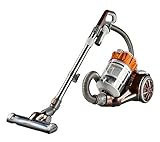
Bissell Hard Floor Expert Multi-Cyclonic Vacuum
Hard floors expose every crumb, strand of hair, and dusty edge, yet many vacuums treat them like an afterthought. The bissell powerforce multi cyclonic canister vacuum keyword points toward lasting suction and flexible cleaning, and the Bissell Hard Floor Expert 1547 leans heavily into that idea with a specialized turbine foot, a separate multi-surface tool, and a compact canister body. Its multi-cyclonic technology is designed to keep suction steady for longer while the bagless tank handles everyday debris without disposable bags. The machine isn’t built around flashy extras, and honestly, that restraint suits a cleaner meant to move from bare floors to rugs without turning every room into a setup exercise.
Bissell Hard Floor Expert 1547
The first thing that makes sense about this model is its compact and lightweight design. A canister vacuum already separates the motor body from the cleaning head, and keeping that body manageable makes stairs, closets, and room-to-room movement less of a chore. The integrated format is easier to carry than a tall upright when furniture blocks the straight path. Still, the canister follows behind, so pulling too quickly can make it bump into chair legs or catch around corners.
Storage tends to be the quiet deal breaker with cleaning equipment. The Bissell 1547 uses a smaller body that can fit into tighter closets, although the hose and wand still need a little planning. Its lightweight construction helps when the vacuum has to be lifted onto a shelf or carried between levels. That convenience matters more over time than it does on the first day, especially when the machine comes out several times a week.
The supplied details list an 18-foot power cord, which gives a reasonable working radius without creating a huge coil during storage. Larger open spaces may still require an outlet change, and that’s worth noting before expecting one-plug coverage across an entire floor. The corded design also means there’s no battery fade or recharge pause halfway through cleaning. For steady household use, that tradeoff often feels fair: less freedom than cordless, but consistent power from start to finish.
Multi-Cyclonic Suction That Stays Useful
The vacuum’s multi-cyclonic technology is built to separate dirt from the airflow and help maintain suction for longer. That matters because bagless machines can feel strong at first, then lose their edge as fine dust starts clinging to filters and internal surfaces. Cyclonic separation reduces how quickly that buildup interferes with airflow, though it doesn’t eliminate maintenance. Filters, pathways, and the dirt tank still need attention if the vacuum is expected to keep pulling properly.
The product information lists a 9.2-amp power rating, giving the motor enough muscle for hard floors, rugs, and carpeted areas within its stated use. Amperage alone doesn’t prove pickup quality because floor-head design, seals, and airflow all play a role. Even so, the combination of 9.2 amps and cyclonic separation suggests a machine designed for regular whole-room cleaning rather than tiny spot jobs. That distinction is useful for homes where dust and debris spread across several surface types.
The dirt cup holds 67.6 fluid ounces, which is roughly two liters and fairly generous for a compact canister. A larger cup reduces how often cleaning has to stop, particularly where hair, crumbs, and tracked-in dirt build up quickly. Letting the tank fill too far can still restrict airflow and make emptying messier. Keeping an eye on the level helps the multi-cyclonic system work without fighting packed debris.
Suction can only do so much if the wrong tool is touching the floor. The Bissell 1547 addresses that with separate cleaning heads rather than pretending one nozzle handles every surface equally well. That surface-specific approach is a strength because hard flooring and carpet ask for different contact, airflow, and movement. It also means storing an extra attachment, which is a small but real tradeoff in a cramped closet.
Hard Floor Turbine Foot And Surface Control
The hard floor turbine foot is the feature that gives this vacuum its identity. It’s designed to be tough on dirt while staying gentle on flooring, which matters on surfaces where stiff or careless brushing can leave marks. The rotating clear-window brush system lets the operator see the working area while debris moves through the head. That visibility is practical around pet hair and larger crumbs because it shows whether the brush is actually collecting or simply pushing material aside.
An 11-inch cleaning path covers a useful amount of floor without making the head too bulky for furniture-heavy rooms. Wider heads can clear open areas faster, but they become clumsy around table legs, cabinet edges, and narrow walkways. Eleven inches lands in a sensible middle ground. It won’t finish a huge room in a handful of passes, but it remains easier to guide through realistic household layouts.
Hard floors often punish rushed technique. Lightweight debris can skate ahead of a nozzle, while hair gathers along baseboards where a wide pass misses the edge. The turbine foot’s gentle floor contact helps, but slower movement still produces better results than charging across tile or sealed wood. A specialized head improves the odds; it doesn’t cancel basic cleaning habits.
The separate multi-surface foot handles area rugs and carpeted floors. That distinction gives the vacuum broader usefulness without forcing the hard-floor turbine head onto surfaces it wasn’t designed to clean. Rugs may still need slower passes, especially where hair or grit has settled into the fibers. The tool provides versatility, but thick carpet won’t behave like a low-pile area rug, and expectations should stay grounded.
Easy Empty Tank And Everyday Handling
The dirt tank opens from the bottom for easy-empty disposal. That design keeps the hands farther from collected debris and lets gravity do most of the work over a trash can. Fine dust can still puff upward if the tank is opened too quickly, so lowering it into the container before releasing the bottom door is the cleaner move. Bagless convenience reduces supply costs, but it doesn’t make dust disappear politely.
The clear tank also makes it easy to see what the vacuum has collected. That can prevent overfilling and occasionally rescue a small object that was sucked up by mistake. The bottom-release mechanism simplifies disposal compared with scooping or shaking debris from a narrow opening. Still, hair can cling to internal surfaces, and a quick tap may be needed when static makes the mess stubborn.
The hose specification in the supplied details is listed as seven inches, which appears unusually short for a canister vacuum, so that figure deserves caution rather than blind repetition. The machine’s practical reach still comes from the hose, wand, cleaning head, and 18-foot cord working together. That corded canister layout is naturally better suited to under-furniture cleaning than a rigid upright body. Exact reach will depend on the final assembled dimensions and how the attachments are used.
Human hair can be a recurring nuisance on both rugs and smooth floors because strands collect around brushes, drift into corners, and cling to upholstery. From a practical angle, robot vacuums for human hair address the same debris problem through automated maintenance rather than a corded canister approach. The Bissell 1547 remains the more hands-on option, offering direct control over edges, rugs, and above-floor cleaning. The distinction matters because automation and manual suction solve the same mess in very different ways.
Strengths, Weaknesses, And Best-Fit Situations
The strongest argument for this model is its hard-floor focus. The turbine foot, 11-inch path, multi-cyclonic suction, and compact body all support regular cleaning across tile, sealed wood, laminate, and similar surfaces. Area rugs and carpet are covered by the additional multi-surface head rather than ignored. That balance is useful in homes where bare flooring dominates but rugs still need routine attention.
The machine’s large dirt cup and bottom-empty design reduce interruptions during longer sessions. A two-liter-class capacity is enough to handle a meaningful amount of dust and debris before disposal becomes necessary. The clear tank also provides immediate feedback, which helps prevent the common habit of cleaning with an overfilled bin. Those practical touches make the vacuum easier to live with rather than merely easier to advertise.
Its weaknesses are mostly tied to the canister format and attachment-based cleaning. The body can trail into furniture, the hose and wand need storage space, and switching floor heads adds a step when moving between surfaces. The 18-foot cord may also feel modest in large open areas where frequent outlet changes break the rhythm. None of these issues is unusual, but they shape how convenient the machine feels in a particular layout.
Thick carpet is another area where expectations should remain measured. The supplied information highlights a multi-surface foot for rugs and carpet, but it doesn’t describe a heavy-duty powered brush built for deep agitation. The Bissell 1547 is better aligned with routine maintenance, visible debris, hard-floor grit, and low-to-medium pile surfaces. Deeply embedded dirt may require slower passes or equipment designed specifically around aggressive carpet cleaning.
The most suitable setting is one where portability, hard-floor care, and bagless convenience matter more than cordless freedom or oversized carpet performance. Its compact canister design makes sense around stairs, furniture, mixed flooring, and limited storage. The machine asks for basic upkeep, sensible cord management, and occasional attachment changes, but it rewards that effort with focused floor care and steady suction. Used within those limits, it feels practical rather than overpromised.