
Daily floor messes rarely arrive on schedule. Crumbs collect beneath the dining table, grit settles near the entryway, and dust slips into corners that a bulky upright vacuum can’t reach without a wrestling match. The bissell powerforce bagless canister vacuum 2156w takes a simpler route, pairing a compact canister body with a flexible hose and a floor tool that moves easily around chair legs, along baseboards, and beneath low furniture.
Its bagless dirt container removes the ongoing chore of buying replacement bags, which keeps routine upkeep fairly straightforward. Debris stays visible inside the container, so there’s no guessing whether it’s nearly full or whether weak pickup is simply caused by an overloaded bin. Emptying loose dust can still create a small puff if handled too quickly, though, so tipping the container close to the trash can is the smarter move.
The corded design won’t leave the job half-finished because a battery ran flat. A retractable power cord also saves the usual wrapping and unwrapping routine once cleaning is done. The cord isn’t endless, of course, and larger rooms may require an outlet change, but the automatic rewind keeps storage from turning into a tangled mess.
Hard flooring is where this canister format feels especially natural. The floor nozzle glides across sealed wood, laminate, vinyl, and tile without the heavy push associated with some full-size uprights. A floor-surface switch allows the nozzle to move between bare floors and rugs, making quick transitions less awkward when a room contains more than one surface.
Low-pile rugs and everyday carpeted areas are within its wheelhouse, but thick, plush carpet may expose the limits of a straight-suction floor tool. There’s no motorized brush roll digging into dense fibers, so deeply embedded hair and stubborn grit may need extra passes. That tradeoff matters: The machine favors lightweight maneuverability and simple upkeep over aggressive carpet agitation.
The canister weighs roughly ten pounds, keeping it manageable on stairs and easier to carry from room to room. Still, the body follows behind rather than moving as one piece with the handle, and it may bump a doorway or catch a sharp furniture corner until the pulling angle becomes familiar. After a little practice, the separate body and hose can actually feel less tiring because the full machine’s weight isn’t being pushed across the floor.
Filtration happens through multiple stages, helping capture the ordinary dust and debris pulled from household surfaces. The filters require regular attention because clogged material restricts airflow and makes suction feel weaker than it should. Keeping the washable dirt-cup filter clean, allowing it to dry completely, and checking the post-motor filter can make a noticeable difference in everyday performance.
Attachments add practical reach for narrow gaps, upholstery edges, window tracks, and dusty corners. The hose also makes above-floor cleaning less clumsy than lifting an upright vacuum toward shelves or stairs. On the flip side, storage space is needed for the hose, wand, nozzle, and any loose tools, so keeping everything together in a closet basket may prevent the usual hunt for a missing crevice attachment.
The PowerForce 2156W makes the most sense where quick hard-floor pickup, compact storage, and straightforward controls matter more than specialized carpet features. It isn’t pretending to be a heavy-duty deep cleaner, and that honesty works in its favor. For crumbs, dust, cereal, dry soil, and routine rug touchups, it offers a no-nonsense approach without apps, charging docks, disposable bags, or a maze of settings.


Lightweight & PortableUltra quiet low noise technologyUses 20% less energy with 30% more power110 inches of waterlift - the most suction of any commercial vacuum of this size8-piece tool kit - combo rug & floor tool with swivel neck & rear wheels, upholstery tool w/slide-on brush, round brush, floor
Key specs
- Suction lift rating
- 110 inches of waterlift
- Included attachments
- Metal telescopic wand
- Combo rug and floor tool with swivel neck
- Upholstery tool with slide-on brush
- Round brush, floor tool, and crevice tool
Pros:
- Delivers 110 inches of waterlift suction for heavy-duty commercial pickup needs
- Includes an 8-piece tool kit with a telescopic metal wand and multiple floor heads
- Features a combo rug and floor tool equipped with a swivel neck and rear wheels
- Designed with ultra-quiet low-noise motor technology
Cons:
- Weighs 19.4 pounds, making it significantly heavier than standard residential canisters
- Larger footprint at 19 by 17 by 11.5 inches requires more dedicated storage space

Buy Bissell, save pets Bissell donates up to 10 dollars to the Bissell pet foundation for every pet product purchase, upon activationTriple action brush roll plus scatter free technology maximize pet hair pickup – even if it’s embedded27’ power cord automatically rewinds for quick and easy storage.
Key specs
- Cord management
- Automatic cord rewind
- Maneuverability
- Swivel steering allows the upright head to pivot smoothly around obstacles without lifting the machine.
Pros:
- Automatic cord rewind retracts the power cord back inside the upright housing
- Swivel steering allows easier maneuvering around furniture legs and tight corners
- Includes specialized pet tools to lift stubborn animal hair from surfaces
- Large-capacity dirt tank reduces interruptions during extended room cleaning
Cons:
- Upright form factor is bulkier on stairs than a compact canister body
- Manufacturer does not specify exact cord length or total machine weight

EVERY PURCHASE SAVES PETS. BISSELL proudly supports BISSELL Pet Foundation and its mission to help save homeless pets.SCATTER-FREE TECHNOLOGY. Captures messes on hard floors with less scatter.POWERFUL SUCTION. Convenient, powerful cleaning in one machine.LIGHTWEIGHT AND MANEUVERABLE. Weighs less tha
Key specs
- Intended living space
- Dorm rooms and apartments
- Above-floor reach
- The removable extension wand detaches quickly to clean higher surfaces that the upright base cannot access.
Pros:
- Compact upright profile engineered specifically for small rooms and apartments
- Removable extension wand provides overhead reach for baseboards and ceilings
- Lightweight frame allows effortless transport between different rooms
Cons:
- Smaller upright frame lacks the automatic cord rewind found on larger models
- Exact dust bin volume and motor wattage are not stated in manufacturer specs

Dirt cup capacity - 2 liters. Cyclonic action and powerful suction provide thorough cleaning. Plus, no more bags to buy or change ever.Amperage : 9 amps.Specific uses:hard floor,carpet,dual actionEasily go from cleaning carpets to hard floors with the flip of a switch. Power Rating : 9 ampsDIRT cup
Key specs
- Dirt containment
- Bagless canister system
- Canister handling
- The wheeled canister base follows behind while keeping the cleaning nozzle light in hand for floor passes.
Pros:
- Bagless canister configuration eliminates the recurring cost of replacement bags
- Canister design keeps the low-profile head agile under low-clearance furniture
- Compact wheeled canister body tracks smoothly across floors during cleaning
Cons:
- Emptying the bagless dirt tank can release loose dust back into room air
- Key specifications such as cord length and tank volume require manual verification
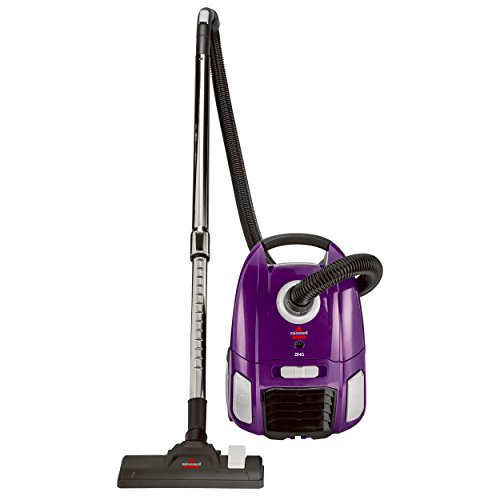
Powerful variable suction gets the dirt low and high and is great for bare floors, rugs and above-floor cleaning.Amperage : 9 amps.Specific uses:hard floor,carpet,dual actionEasily go from cleaning carpets to hard floors with the flip of a switchAutomatic cord Rewind for quick cord storage with the
Key specs
- Dust collection method
- Disposable bagged system
- Disposal style
- Bagged containment seals dust inside, preventing debris clouds when changing full bags.
Pros:
- Bagged canister design securely traps collected dust inside disposable bags
- Lightweight canister construction allows easy carrying across multiple floors
- Low-profile floor head fits smoothly under sofas and low bed frames
Cons:
- Requires ongoing purchasing and stocking of compatible replacement bags
- Manufacturer does not state specific cord length or motor power figures

EVERY PURCHASE SAVES PETS. BISSELL proudly supports BISSELL Pet Foundation and its mission to help save homeless pets.LIFT-OFF DETACHABLE POD. 2-in-1 design with a detachable pod for convenient, portable cleaning.TANGLE-FREE BRUSH ROLL. Actively prevents hair wrap.HEPA SEALED ALLERGEN SYSTEM. Traps
Key specs
- Filtration integrity
- HEPA filter sealed system
- Pod versatility
- Lift-off canister pod detaches from the upright body to vacuum stairs and furniture directly.
Pros:
- HEPA filter sealed system helps keep captured allergens inside the machine
- Lift-off portable pod detaches from the upright spine for easy stair cleaning
- Integrated LED headlights illuminate dark floor areas and spaces under furniture
- Includes specialized pet tools and an easy-empty dirt tank design
Cons:
- Upright assembly with lift-off pod adds mechanical complexity
- Total machine weight and canister pod weight are omitted from listed specs
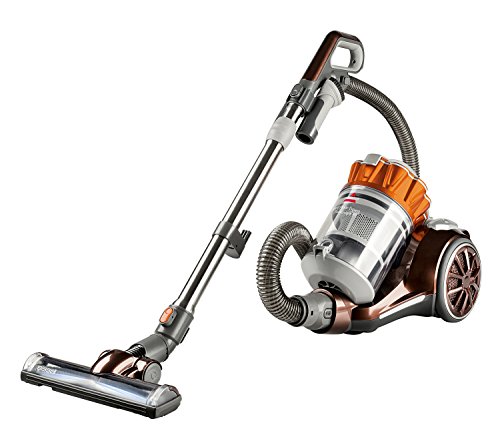
Multi-Cyclonic Technology for excellent suction for longer. Power Cord Length: 18 feet , Hose Length -7 inches.9.2 watts.Specific uses:Carpet, Floor and RugsHard floor Turbine foot is tough on dirt, gentle on your floors. Power Rating: 9.2 amps. Cleaning Path Width : 11 InchMulti-surface foot for ex
Key specs
- Primary surface focus
- Hard floor specialist
- Separation technology
- Multi-cyclonic bagless
Pros:
- Multi-cyclonic separation system maintains steady airflow in the bagless tank
- Dedicated hard floor design targets bare surfaces without scattering debris
- Continuous corded power ensures steady suction without battery runtime limits
Cons:
- Listing does not include specialized motorized carpet brush roll details
- Manufacturer specifications omit the exact cord length and dust bin capacity
Last update on 2026-07-28 / Affiliate links / Images, Product Titles, and Product Highlights from Amazon Product Advertising API
Bissell BigGreen Commercial Canister Vacuum Review
Heavy uprights can turn a quick cleanup into a shoulder workout, especially around desks, dining chairs, stairs, and narrow hallways. The bissell powerforce bagless canister vacuum 2156w often appears in searches for a small, maneuverable floor cleaner, but the product reviewed here is the separately designed Bissell BigGreen Commercial BGC3000. This commercial canister trades powered carpet agitation for strong straight suction, a long working radius, quieter operation, and a generous collection of tools.
Bissell BigGreen BGC3000
The first thing that stands out is how little visual fuss surrounds the machine. There’s no digital display, automatic surface detection, or complicated control panel, just a compact green-and-black canister built to get through routine dry cleaning without making a song and dance about it. Its headline specification is 110 inches of water lift, which describes the vacuum’s ability to maintain suction against resistance. In practical terms, that matters when pulling grit from floor edges, lifting crumbs from low-pile rugs, or clearing dust through a narrow attachment.
Bissell also states that the motor uses 20 percent less energy while delivering 30 percent more power. Those numbers come from the supplied product description, so they shouldn’t be mistaken for independent laboratory findings. Still, they reveal the design priority rather clearly: Keep the canister small and economical without settling for weak pickup. That balance makes more sense than stuffing the body with features that rarely help once dirt is actually on the floor.
The ultra-quiet low-noise technology is another practical touch, particularly in rooms where a shrill motor can become more annoying than the mess itself. It won’t make vacuuming silent, but a restrained operating sound can reduce disruption in offices, guest rooms, apartments, and shared living spaces. Conversations don’t have to stop completely, and nervous pets may react less dramatically. Honestly, that quieter character can encourage more frequent cleanup because firing up the machine feels like less of an event.
Portability comes from keeping the motor body separate from the wand and floor head. Instead of pushing the full weight of an upright with every pass, the hand guides a lighter metal tube while the canister rolls behind. The lightweight body is easier to carry between floors, yet it can bump a table leg or doorway if pulled too sharply. A little hose awareness goes a long way, and after a few turns around the room, the movement starts feeling natural rather than awkward.
Suction And Floor Cleaning Performance
Straight suction gives the BGC3000 a clear advantage on hard flooring. Sand near an entryway, cereal beneath a kitchen table, dry potting soil beside a planter, and dust gathered along a baseboard are exactly the kinds of messes this setup handles efficiently. The combination rug and floor tool uses a swivel neck and rear wheels, helping it change direction without forcing the wand into stiff angles. That nimble floor head also reaches beneath furniture where a thick upright body may stop short.
Low-pile rugs are manageable, but expectations need to stay grounded. The floor head doesn’t contain a motorized brush roll, so it can’t beat or comb dense fibers while suction carries loosened debris away. Surface lint, crumbs, and loose grit should respond well, while embedded pet hair or dirt pressed into plush carpet may require repeated passes. Thick wall-to-wall carpeting simply isn’t the BGC3000’s strongest territory, regardless of how impressive the water-lift figure looks on paper.
Hard floors reveal fewer compromises because agitation isn’t always necessary there. Strong airflow and a well-positioned nozzle can collect debris without scattering it across tile, sealed wood, vinyl, or laminate. The rear wheels help the tool glide instead of scraping, though careful handling still matters on delicate finishes. Large pieces may need a slower approach so the nozzle can swallow them rather than pushing them ahead like a tiny snowplow.
For crumbs or surface lint that don’t justify setting up a corded machine, a relevant reference is this guide to a manual carpet sweeper. That simpler tool serves quick, quiet touchups, while the BGC3000 handles deeper dust removal, upholstery work, edges, and overhead cleaning. The two approaches aren’t substitutes in every situation. One favors instant convenience, and the other provides the stronger extraction needed for debris hiding beyond the surface.
Eight-Piece Tool Kit In Daily Use
The included eight-piece tool kit does more than pad the specification list. It contains a combination rug and floor tool, an upholstery tool with a slide-on brush, a round brush, a separate floor tool, a crevice tool, and a metal telescopic wand. Those pieces let the machine shift from broad flooring to narrow seams without asking one nozzle to do everything badly. Sofa cushions, stair edges, window tracks, vents, and corners each get a more suitable cleaning shape.
The upholstery tool is useful for dry crumbs and loose hair on fabric seating, while its removable brush adds gentle agitation for dust that clings to textured material. The round brush works better around vents, shelves, lamp bases, and trim because its bristles loosen particles before airflow carries them away. Neither attachment replaces dedicated deep-cleaning equipment for stained fabric. They’re meant for dry maintenance, and within that limit, they make the canister considerably more capable.
A metal telescopic wand adds reach without the flex and toy-like feel sometimes found in lightweight plastic tubes. It can shorten for storage, extend for comfortable floor work, and help reach ceiling corners without balancing on furniture. The crevice tool earns its keep beside appliances, between couch cushions, and along narrow baseboard gaps. Small accessories have a habit of wandering off, though, so a basket or wall-mounted organizer may save a fair amount of muttering later.
The separate tools also reveal a mild storage headache. A compact canister sounds closet-friendly until the hose, wand, floor heads, cord, and brushes join the party. Nothing is unusually bulky on its own, but the full kit needs a deliberate home if it’s going to stay together. The portable cleaning system travels easily from room to room, yet tidy storage requires more planning than simply parking an upright against the wall.
Commercial Hose And Thirty-Foot Cord
Hose connectors often rely on small plastic clips that weaken after repeated removal. The BGC3000 uses an E-Z push-in and pull-out commercial hose, eliminating those fragile latches from the connection point. Attaching the hose is straightforward, and separating it for transport doesn’t involve pinching a stubborn tab with cold fingers. That simpler joint suits a vacuum likely to be assembled, moved, and stored frequently.
The 30-foot 17/2 commercial cord provides enough reach to cover a broad area before another outlet enters the picture. Long hallways, open office areas, and connected rooms become less tedious because cleaning momentum isn’t interrupted every few minutes. Corded power also removes battery anxiety, so suction doesn’t taper off halfway through a job. Plug it in and the available runtime depends on the task, not a charging indicator.
That reach creates work at the other end of the session. There’s no stated automatic rewind, which means thirty feet of cord must be gathered and wrapped by hand. Rushing the job can leave twists that snag the next time the vacuum comes out, while careful looping takes another minute. The long commercial cable is undeniably useful during cleaning, but anyone who dislikes cord management will feel the tradeoff afterward.
Pulling the canister by its hose or cord may seem convenient, especially when it catches on a corner, but that habit puts unnecessary strain on connection points. Guiding the body around obstacles protects the fittings and prevents the machine from knocking into furniture. The durable-looking setup still benefits from basic care. Commercial equipment isn’t magic armor, and rough handling can shorten the life of even a simple, work-focused design.
Pros Of The BGC3000
The most persuasive strength is the amount of suction packed into a portable body. A specification of 110 inches of water lift suggests serious pulling force for a canister of this size, particularly through narrow tools and across hard surfaces. That makes the machine useful for grit, fine dust, dry soil, crumbs, and debris sitting along edges. It delivers that force without requiring the operator to shove a heavy motor housing across every square foot.
Quieter operation is more valuable than it sounds on a product page. The low-noise motor design reduces the harshness that often makes commercial vacuums unpleasant in occupied spaces. Offices can be cleaned with less interruption, and household chores don’t need to dominate the entire room’s soundscape. It’s still a vacuum, naturally, but lowering the racket improves the experience in a way raw suction numbers can’t capture.
The accessory package brings real flexibility rather than a handful of near-duplicate plastic nozzles. Flooring, upholstery, tight gaps, rounded surfaces, and elevated dust each receive a tool that suits the job. Add the telescopic metal wand and thirty-foot cord, and the cleaning radius becomes notably broad. Fewer outlet changes and less furniture shifting can shave frustration from repetitive work.
The hose connection deserves credit too. Removing breakable clips simplifies assembly and eliminates one obvious failure point. Combined with the lightweight canister body, the push-fit hose makes transportation between jobs less clumsy. These aren’t glamorous features, but they address the small annoyances that usually decide whether equipment feels dependable after the novelty wears off.
Cons And Realistic Limitations
Carpet performance is the biggest caveat. Strong suction can pull loose debris from rug surfaces, yet the absence of a powered brush roll limits agitation in dense fibers. Homes or workspaces covered primarily in plush carpet may need a different floor head or another machine altogether. The BGC3000 favors hard floors, thinner rugs, upholstery, stairs, and detail work rather than deep carpet grooming.
The follow-behind canister format won’t charm everyone. Its body can trail smoothly across an open floor, then catch a chair leg the moment attention shifts elsewhere. Tight corners require more thought than they do with a single-piece upright, and the separate hose-and-body layout may feel fussy at first. In exchange, the wand remains lighter in the hand, so comfort depends heavily on personal cleaning habits.
Accessory and cord storage also demand patience. The eight-piece kit expands the machine’s usefulness, but each loose part needs somewhere sensible to live. The 30-foot cord increases reach while creating a sizable loop to wrap, and the hose won’t disappear into the body after use. A well-organized utility closet handles the setup easily, while a cramped storage nook may turn it into a jumble.
This vacuum also remains focused on dry pickup. It doesn’t wash floors, extract liquid, or scrub stains, despite the commercial branding and strong suction figures. Its practical strengths are narrower: portable dry cleaning, restrained noise, useful attachments, long corded reach, and concentrated suction across hard surfaces and lighter rugs. Those boundaries aren’t deal breakers, but they should be clear before the machine is expected to tackle work it wasn’t built to perform.

BISSELL CleanView Swivel Rewind Pet Vacuum
Pet hair has a sneaky way of settling where a quick sweep won’t touch it, from the edges of a rug to the narrow strip beside a sofa. Searches for the bissell powerforce bagless canister vacuum 2156w often come from the same frustration, though the machine reviewed here is the upright BISSELL CleanView Swivel Rewind Pet 2254. Its practical appeal rests on a Triple Action brush roll, scatter-free pickup, swivel steering, automatic cord rewind, and tools made for hair that refuses to leave quietly.
CleanView 2254 Pet Vacuum
The CleanView 2254 follows a familiar upright layout, but several details make it less clumsy than a basic straight-line vacuum. Swivel steering lets the floor head turn around chair legs, coffee tables, and other obstacles without demanding a full stop and reset. That flexibility matters in furnished rooms where wide, stiff vacuums tend to miss strips of carpet or bang into corners. The body still has the footprint of an upright, though, so very tight spaces may require an attachment rather than clever steering alone.
Its 13.5-inch cleaning path covers a useful amount of floor with each pass. Wider pickup can shorten work across open carpet, yet it doesn’t make the nozzle so broad that every doorway becomes a negotiation. The upright shape also keeps the dirt tank, motor, and brush roll together in one rolling unit. That feels straightforward on large floors, although carrying the whole machine up stairs won’t feel as light as moving a compact canister.
The vacuum runs on corded electric power, so there’s no battery gauge lurking in the background while a room is only half finished. A 27-foot cord provides room to work across connected areas before switching outlets. Corded suction also stays available for as long as the job requires, provided the dirt cup and filter aren’t restricting airflow. The tradeoff is simple: Reliable runtime comes with a cable that must trail behind the machine.
BISSELL states that qualifying pet product purchases can trigger a donation of up to ten dollars to the BISSELL Pet Foundation upon activation. That program doesn’t change cleaning performance, but it adds a charitable angle tied directly to the product line. Activation details matter because the donation isn’t described as automatic in the supplied information. Buyers should treat the contribution as a separate program condition rather than part of the vacuum’s physical value.
Pet Hair Pickup And Brush Roll Design
The main cleaning system pairs a Triple Action brush roll with scatter-free technology. Instead of relying on suction alone, the rotating brush works through carpet fibers to loosen hair that has been pressed down by shoes, paws, and furniture. That agitation is especially relevant for embedded strands that sit below the visible surface. Hard flooring needs a gentler approach, and the scatter-control design aims to keep loose debris from shooting away from the nozzle.
Scatter-free pickup addresses an old upright annoyance: Dry cereal, litter, and crumbs sometimes skitter forward faster than the vacuum can collect them. The controlled debris pickup helps the nozzle draw material inward rather than chasing it across the room. Results can still depend on debris size and floor texture, so oversized pieces may need a slower pass. Even so, reducing that snowplow effect makes quick hard-floor cleanup feel less ridiculous.
Embedded hair is where the brush roll earns its place, but rotating bristles bring maintenance along for the ride. Long strands and threads can wrap around the roll, particularly after several rooms or repeated use. A quick inspection underneath the nozzle helps prevent hair buildup from tightening around the brush and reducing movement. This isn’t a self-cleaning roll, so occasional cutting and removal should be expected rather than treated as a surprise.
Carpet is the natural home turf for this design because the brush roll can agitate fibers while suction lifts loosened debris. Low- and medium-pile surfaces should benefit most from that combination, while very delicate rugs may require caution. The upright cleaning head may also struggle to reach beneath furniture with low clearance. That’s where the hose and smaller tools become more than accessories tossed into the box.
Steering, Edges, And Furniture Obstacles
Swivel steering changes how the vacuum behaves in crowded rooms. A slight turn of the handle angles the head around table legs instead of forcing the entire machine through a wide arc. The maneuverable floor head reduces repeated backing and repositioning, which can make a noticeable difference around dining sets and sectional furniture. It won’t shrink the upright body, but it makes that body less stubborn.
The edge-to-edge cleaning feature pushes suction closer to walls and corners with each pass. Dust and hair often collect along baseboards because standard nozzles leave a narrow untouched strip. The edge cleaning design narrows that gap, helping the machine collect more debris without requiring the crevice tool every time. Deep corners may still need detail work, particularly where two walls meet or furniture blocks a straight approach.
Furniture legs create another common problem because pet hair tends to gather around them in small, stubborn drifts. The swivel neck can circle many obstacles, while the floor head maintains contact with the surface. That combination limits the little crescents of missed debris that appear after using a rigid vacuum. Still, narrow spaces between closely placed chairs may be too cramped for the full 13.5-inch nozzle.
The upright remains easiest to handle on open floor sections, where its broad head and powered brush can move steadily. Tight stair treads, couch cushions, and high corners call for the hose rather than the main body. Shifting between floor cleaning and attachment work adds a step, but it also keeps the machine from pretending one nozzle can handle every surface. The swivel steering advantage is real, just not limitless.
Specialized Pet Tools In Real Rooms
The included Pet Hair Corner Tool is shaped for the places where loose strands collect beyond the reach of a wide floor head. Stair edges, room corners, and the gaps beside furniture are obvious examples. Its focused shape gives suction a smaller opening, which can help concentrate pickup where hair forms little clumps. That’s more useful than repeatedly ramming the upright nozzle against a baseboard and hoping for the best.
The Pet TurboEraser Tool is intended for upholstery, stairs, and other surfaces where hair sticks to fabric. Its smaller cleaning area allows more controlled passes across couch arms, cushions, and carpeted steps. Turbo tools can require slower movement when hair is deeply woven into fabric, and their internal brush needs occasional clearing. Used patiently, the tool extends the vacuum’s reach far beyond broad floor cleaning.
Hose-based cleaning also helps around beds, under cabinet lips, and along trim where the upright body can’t line up properly. The pet tools aren’t replacements for washing stained fabric or extracting liquid messes. Their role is dry hair and debris removal, and expectations should stay within that boundary. For another cleaning method in the same brand family, a neutral reference appears in this guide on how to use a BISSELL steam cleaner, which covers a different type of surface care.
Switching attachments can interrupt the rhythm of floor cleaning, particularly if tools aren’t stored where they’re easy to grab. That minor nuisance is balanced by the ability to clean areas the main head simply can’t reach. The specialized pet attachments add genuine function rather than serving as decorative extras. Keeping their openings clear is important because compact nozzles can lose airflow quickly when clogged with dense hair.
Cord Rewind And Dirt Tank Upkeep
The automatic cord rewind solves one of the least glamorous parts of using a corded upright. Pressing the rewind control draws the 27-foot cable back into the vacuum instead of leaving it to be looped by hand. That saves a bit of time after each session and keeps storage tidier. The cord should still be guided as it retracts so the plug doesn’t whip against furniture or the machine housing.
A 27-foot working radius is long enough for many living rooms, bedrooms, and connected hallways without constant outlet changes. The cord won’t cover every large floor plan from one socket, but it gives the machine practical reach. Unlike cordless models, the continuous power supply doesn’t need a charging break between rooms. The cable remains the price of that consistency, especially around doorways where it can snag if ignored.
The dirt cup holds 1.0 liter, providing visible capacity without relying on disposable bags. A clear container makes it easier to spot when debris has reached the fill line or when hair has formed a dense mass inside. Emptying over a trash can should be done carefully because fine dust can puff upward if the release is handled too quickly. Bagless convenience reduces ongoing supply purchases, but it also puts the emptying process directly in hand.
Filter care has a direct effect on suction, and the listed replacement is Style 12141. A loaded filter can make a capable motor feel weak, so waiting until airflow noticeably drops isn’t the smartest routine. The filter and dirt-path components should be checked according to the product instructions, with replacement handled using the specified style. Properly seated parts matter too, since a loose cup or filter can compromise the sealed airflow path.
Strengths That Solve Daily Frustrations
The strongest feature is the way the vacuum combines powered carpet agitation with controlled hard-floor pickup. The Triple Action brush roll targets embedded pet hair, while scatter-free technology deals with loose pieces that often escape a rushing nozzle. That split personality makes the machine more adaptable across mixed flooring than a suction-only floor head. It still favors dry debris, but it covers the most common household messes without constant equipment changes.
Maneuverability is another clear strength. The swivel steering system reduces the awkward back-and-forth movement that rigid uprights demand around furniture. Edge cleaning adds more reach along walls, and the pet tools handle corners or fabric that the main nozzle misses. Together, these details address the exact spots where hair tends to survive an otherwise thorough pass.
Storage is less irritating because the cord disappears into the machine instead of hanging in loose loops. The automatic rewind mechanism won’t improve suction, yet it can make the vacuum feel more manageable after the work is done. A large-capacity dirt tank also means debris remains visible and doesn’t require replacement bags. Those convenience features reduce small recurring hassles, which often matter more over time than flashy controls.
The pet-focused tool set gives the CleanView 2254 a broader range than floor-only uprights. Upholstery, stairs, baseboard corners, and narrow furniture gaps all receive a more suitable attachment. The Pet TurboEraser is particularly relevant where hair clings to fabric instead of sitting loosely on top. No tool makes stubborn strands disappear instantly, but the right shape and agitation can reduce repeated passes.
Weaknesses And Sensible Expectations
The upright format carries more bulk than a compact canister or stick vacuum. Swivel steering helps the floor head turn, yet the motor body still follows directly behind it. Carrying the full upright machine up stairs may feel cumbersome, and the broad nozzle won’t fit between every chair or beneath very low furniture. Attachments solve some of those gaps, though changing modes takes extra time.
Brush-roll maintenance is another unavoidable tradeoff. The same agitation that pulls embedded hair from carpet can collect long strands around the rotating bar. Without routine inspection, wrapped hair and thread may interfere with brush movement or make the underside harder to clean. Anyone expecting a maintenance-free pet vacuum will probably be disappointed because shedding creates work for both the machine and the person maintaining it.
The 1.0-liter cup offers useful capacity, but emptying bagless debris can be messy. Fine particles may cling to the container walls or escape in a small cloud, especially if the cup is held too far above the trash. The bagless dirt system saves the expense of disposable bags while demanding direct contact with collected dust. Sensitive noses may prefer emptying it outdoors or using a lined bin.
This model is built for dry vacuuming, not wet extraction, floor washing, or stain removal. The CleanView 2254 handles pet hair, crumbs, tracked-in grit, and routine dust across carpets and hard surfaces, but liquid messes require different equipment. Its automatic cord rewind, edge reach, swivel movement, and specialized tools improve convenience without erasing the realities of cord management, brush cleanup, and upright storage.

Bissell CleanView Compact Upright Vacuum 3508
Storage space disappears quickly once a room has a bed, desk, chair, laundry basket, and a few boxes competing for the same patch of floor. A heavy vacuum only adds to the squeeze, especially when it’s awkward to carry and too wide to move cleanly around furniture. Although the bissell powerforce bagless canister vacuum 2156w often appears in searches for compact floor care, the product reviewed here is the Bissell CleanView Compact 3508, a lightweight upright built around straightforward suction, reduced hard-floor scatter, and easy debris disposal.
Bissell CleanView Compact 3508
The CleanView Compact 3508 weighs less than eight pounds, and that modest weight shapes nearly every part of the experience. Carrying it between rooms doesn’t feel like moving a piece of furniture, while lifting it onto a shelf or taking it up a staircase requires less effort than many traditional uprights. That matters during quick cleanups because a vacuum that’s easy to grab is less likely to remain parked while crumbs pile up. Its small frame also makes more sense in a room where storage is already tight.
The design stays refreshingly simple. There’s no complicated control panel, no battery schedule to remember, and no collection of bulky parts that must be assembled before the first pass. The upright layout keeps the motor, dirt container, handle, and floor nozzle in one unit, so routine floor cleaning begins without much fuss. Simplicity does bring limits, though, because the supplied information doesn’t mention advanced surface sensing, automatic cord rewind, or a large specialized tool set.
BISSELL describes the vacuum as offering powerful suction in a compact machine. No precise airflow or water-lift figure is included, so attaching a made-up performance number would miss the point. The useful takeaway is that the model is intended for regular dry messes such as dust, crumbs, loose hair, and tracked-in grit. It isn’t presented as a commercial deep-cleaning machine, and expectations should remain tied to daily floor maintenance.
Every purchase also supports the BISSELL Pet Foundation and its mission to help homeless pets. The provided details don’t state a specific donation amount for this model, so the charitable benefit shouldn’t be dressed up with invented figures. Still, the connection adds meaning for households that already associate routine cleaning with shedding, litter, and other pet-related messes. The support program sits beside the product’s practical features rather than replacing them.
Hard-Floor Pickup With Less Scatter
Loose debris on tile or laminate can be annoyingly mobile. A fast-moving floor head may push cereal pieces, dry soil, or crumbs forward instead of pulling them into the dirt path. The CleanView Compact addresses that irritation with scatter-free technology, which is designed to capture hard-floor messes while sending fewer pieces skittering across the room. That’s a specific benefit, not a vague promise, and it can reduce the need to chase the same debris through several passes.
Compact rooms make scatter control even more useful. A crumb that shoots under a cabinet or behind a storage bin can turn a thirty-second cleanup into a small expedition. By keeping debris closer to the cleaning path, the vacuum has a better chance of collecting it before furniture blocks the next move. Large or oddly shaped pieces may still need a slower approach, since even a well-designed nozzle can push debris when rushed.
Hard-floor performance depends on both suction and nozzle behavior. Strong airflow matters, but it can’t help much if loose material is continually shoved outside its reach. The reduced-scatter design works alongside suction by controlling how debris enters the floor head. That pairing makes sense for kitchens, entry areas, and compact living spaces where dry messes often appear in open sight.
The machine is intended for dry cleaning, so damp food, liquid spills, and wet soil fall outside its role. Its compact body doesn’t turn it into a wet-and-dry vacuum, steam cleaner, or floor washer. The CleanView Compact 3508 is better viewed as a quick-response tool for ordinary dust and debris. Keeping that boundary clear prevents unrealistic expectations and protects the vacuum from jobs it wasn’t built to handle.
Lightweight Handling Around Furniture
Weight changes how often a vacuum gets used. A bulky machine can clean well and still become a nuisance if every small mess requires dragging it from a closet with both hands. At under eight pounds, the lightweight construction makes the CleanView Compact easier to retrieve, reposition, and put away. That convenience can matter more than an extra setting when floor care happens in short bursts between other tasks.
Maneuverability benefits from the reduced mass, particularly around desks, chair legs, bed frames, and narrow walkways. The vacuum doesn’t carry the same heavy momentum as a full-size upright, so changing direction should require less wrestling. Its compact proportions also help in rooms where furniture sits close together. Still, the main body remains upright, which means very low furniture may block access even if the front edge of the nozzle appears slim enough.
Less weight can create a different kind of compromise. A light vacuum may feel less planted while the extension wand is being used, especially if the hose is pulled from a sharp angle. The upright base may need a steadying hand during detail work rather than staying rooted like a heavier machine. That tradeoff isn’t unusual, and it reflects the same design choice that makes carrying and storage easier.
Large open rooms may also reveal the limits of a compact floor head. The provided information doesn’t list a cleaning-path width, so there’s no honest basis for claiming an exact coverage rate. A smaller machine may require more passes across broad carpeted areas, while its size feels far more natural in bedrooms, apartments, and tightly arranged spaces. The portability advantage is strongest where bulk causes more trouble than extra passes.
Removable Wand For Awkward Spots
Floor nozzles rarely reach every place where dust settles. Baseboard edges, narrow corners, shelf ledges, and spaces beside furniture often need a slimmer cleaning path. The CleanView Compact includes a removable extension wand that shifts suction away from the main floor head and toward more focused jobs. That feature keeps the compact upright from being limited to open floor sections.
The wand is particularly useful where moving the entire vacuum body would be awkward. Crumbs beside a bed frame, dust near trim, and debris tucked behind lightweight furniture can be approached with greater control. The extended reach also reduces the temptation to lift the full vacuum toward raised surfaces. No complete attachment list is provided, however, so additional brushes or specialty tools shouldn’t be assumed.
Using the wand with a lightweight upright calls for a sensible technique. Pulling hard from across the room may shift the vacuum body or make the hose feel restrictive. Keeping the main unit nearby and repositioning it as the work moves along is less dramatic and places less strain on connections. It takes an extra step, but it’s preferable to treating the hose like a tow rope.
Pet care sometimes introduces tasks that have nothing to do with flooring. From a practical angle, ear cleaners for bulldogs form a separate reference for grooming routines rather than vacuum maintenance. The link belongs to a different subject and shouldn’t be forced into a cleaning-performance claim. The CleanView Compact handles dry household debris, while pet hygiene requires products designed for direct animal care.
Easy Dirt Disposal And Routine Care
The easy-empty dirt container releases collected debris with the push of a button. That mechanism avoids the repeated expense of disposable bags and makes the fill level visible during use. A clear container also removes some guesswork because compacted hair or dust can be spotted before it chokes the available space. Emptying it before debris becomes tightly packed usually makes the process cleaner.
Bagless convenience comes with a small cloud-shaped warning. Fine dust can puff upward if the container is opened too high above the trash or shaken aggressively. Holding the dirt cup low inside a deep bin helps keep loose particles under control. Anyone particularly sensitive to dust may prefer emptying it outdoors rather than beside a freshly cleaned floor.
The supplied information doesn’t provide the dirt-container capacity, filter type, or replacement schedule. Those missing details matter because inventing them would create a false sense of precision. What can be said safely is that airflow maintenance affects every bagless vacuum. A clogged filter or overfilled cup can make strong suction feel noticeably weaker, so routine checks remain part of ownership.
Simple construction doesn’t mean zero upkeep. Hair can collect near the floor head, dust can cling inside the cup, and filters eventually need attention according to the manufacturer’s instructions. The push-button emptying system removes one recurring hassle, but it doesn’t eliminate cleaning the cleaner. A few minutes of basic maintenance can prevent the familiar problem of blaming the motor for an airflow path that’s simply blocked.
Pros Of The CleanView Compact 3508
The clearest strength is its less-than-eight-pound weight. Carrying, storing, and steering the vacuum should feel more manageable than handling a large upright, particularly in a room packed with furniture. That low weight makes quick cleanups easier to start because the machine doesn’t create a chore before the cleaning even begins. Portability is the feature tying the rest of the design together.
Scatter-free technology solves a recognizable hard-floor frustration. Crumbs and grit are more useful inside the dirt container than racing ahead of the nozzle. The controlled debris pickup can reduce repeated passes around cabinets, tables, and entryways. It’s a modest feature on paper, yet its value becomes obvious the first time dry cereal doesn’t bounce across the entire kitchen.
The removable wand adds flexibility without turning the vacuum into a pile of separate components. Narrow gaps, edges, and raised surfaces gain a more practical suction path. This above-floor reach gives the compact upright a broader role than simple back-and-forth floor cleaning. It also helps compensate for places where the main body is too tall or wide to fit.
Push-button dirt release keeps disposal straightforward, while the bagless design removes the need to maintain a supply of replacement bags. The easy-empty container makes collected debris visible and quick to release. Support for the BISSELL Pet Foundation adds a charitable element without altering the core purchase decision. Together, these strengths suit a routine built around frequent, uncomplicated dry cleanup.
Cons And Practical Limits
The lightweight body may not feel as stable as a heavier upright during wand use. A sharp pull can shift the machine, and uneven flooring may make it feel less firmly planted. The portable frame favors easy carrying over substantial heft. That tradeoff makes sense for compact spaces, but it won’t please everyone.
The provided description doesn’t mention specialized pet-hair tools, a tangle-resistant brush roll, or automatic cord rewind. Those omissions don’t prove the vacuum lacks every accessory, but they do prevent those features from being claimed as selling points. The confirmed feature set remains focused on suction, reduced scatter, low weight, wand reach, and push-button emptying. Anyone needing deep upholstery agitation may require a more specialized setup.
Broad open areas may take longer because a compact machine can’t cover floor with the footprint of a larger upright. No exact nozzle width is supplied, so the difference can’t be quantified honestly. The smaller format earns its place through easier storage and movement rather than maximum coverage per pass. That balance fits tight rooms better than expansive carpeted layouts.
Bagless disposal may also be messy for anyone who dislikes direct contact with dust. The container is convenient to release, but fine debris can cling to its walls or escape during emptying. The Bissell CleanView Compact 3508 keeps routine cleaning simple, yet it still asks for filter care, careful dirt disposal, and realistic expectations about stability, floor coverage, and wet-mess limitations.
Bissell Zing 2156A Bagless Canister Vacuum
Bulky uprights can make a five-minute cleanup feel like rearranging the living room. Tight corners, stairs, chair legs, and low furniture all expose the downside of carrying too much machine for an ordinary pile of crumbs. The bissell powerforce bagless canister vacuum 2156w often appears in searches for compact floor care, while the product reviewed here is the Bissell 2156A Zing Canister Bagless Vacuum, a lightweight corded model with cyclonic suction, washable filters, a two-liter dirt cup, and simple switching between carpets and hard floors.
Bissell Zing 2156A
The Zing 2156A keeps the layout refreshingly uncomplicated. Its canister body stays on the floor while the hose and cleaning head do most of the moving, so the full weight isn’t pushed through every pass. At less than eight pounds, the machine is manageable enough to carry between rooms without turning the trip into a chore. The integrated handle also gives the vacuum a proper grip point instead of encouraging anyone to drag it by the hose.
A nine-amp power rating supplies the motor behind its cyclonic cleaning system. BISSELL describes the vacuum as combining cyclonic action with powerful suction for thorough pickup, though the supplied information doesn’t include an airflow or water-lift measurement. That means performance shouldn’t be dressed up with invented laboratory figures. The confirmed design goal is straightforward: Maintain useful suction for dry household debris while separating dirt inside a bagless container.
The canister format has a different rhythm from an upright. The floor tool feels lighter in the hand, and the hose can snake around table legs or reach beneath furniture while the motor body follows behind. Still, the rolling canister may bump a doorway or catch a sharp furniture corner if it’s pulled carelessly. A smoother cleaning path comes from guiding the hose around obstacles rather than yanking the body along like stubborn luggage.
Storage is relatively manageable because the machine is small and the cord retracts into the body. The hose and wand still need somewhere to rest, so the Zing isn’t a single-piece vacuum that disappears into a narrow slot. Its compact construction reduces the footprint, but a closet corner or shelf must accommodate several connected parts. That tradeoff is typical of canister machines and worth accepting only if lighter handling matters more than one-piece storage.
Cyclonic Suction And Everyday Pickup
Cyclonic action helps move debris through the airflow and into the dirt cup rather than relying on a disposable bag to contain everything. The bagless suction system suits routine messes such as dust, crumbs, loose hair, tracked-in grit, and dry soil near entryways. Because the motor is rated at nine amps, it has a defined power specification rather than a vague promise of limitless force. Even so, amperage alone doesn’t reveal how every nozzle will behave on every surface.
Hard flooring is a natural fit for this style of vacuum. Tile, sealed wood, laminate, and vinyl don’t require the same deep agitation that thick carpet often needs, so concentrated suction and a low-profile floor tool can do much of the work. The hard-floor setting is activated by flipping a switch, allowing the nozzle to adapt without replacing the entire cleaning head. That quick change is handy in rooms where a rug sits beside bare flooring.
Carpet cleaning is also supported, though realistic expectations matter. The product information confirms dual-surface use but doesn’t describe a powered motorized brush roll. That suggests the Zing depends heavily on straight suction rather than aggressive carpet agitation. Loose debris and surface dust are within reach, while deeply embedded hair in dense pile may require slower passes or equipment with a rotating powered head.
The floor switch keeps transitions simple. Instead of stopping to hunt for another attachment, the cleaning head can move from carpet to hard flooring with one adjustment. The dual-action floor tool makes the vacuum practical in mixed rooms, though it won’t behave identically on every rug thickness. Lightweight area rugs may shift under strong suction, so a steady pace and sensible nozzle angle can prevent the edges from lifting.
Two-Liter Dirt Cup And Filter Care
The two-liter dirt cup provides more holding space than many compact handheld or stick-style machines. That capacity can reduce the need to stop after every small room, especially when the debris consists of lightweight dust and crumbs. The clear bagless format also makes the fill level visible, removing the guesswork associated with an opaque disposable bag. Packed hair can occupy space quickly, though, so the cup should be checked before airflow begins to feel restricted.
Bagless ownership eliminates the recurring need to buy or replace vacuum bags. That saves one supply expense and removes the annoyance of running out at the wrong moment. The tradeoff arrives during emptying, since fine dust may cling to the container walls or puff upward if the cup is opened too high above the trash. Holding it low inside a deep bin keeps the process tidier and reduces the chance of cleaning the same dust twice.
The dirt-cup filters and post-motor filter are designed to capture more fine particles from the airflow. Both are described as washable and reusable, which lowers the frequency of replacement purchases. Washing isn’t the same as reinstalling immediately, however. A cleaned filter needs to dry fully before it goes back into the vacuum, since trapped moisture and an electric motor are a lousy pairing.
Filter upkeep has a direct effect on suction. A clogged element can make a capable motor feel weak even when nothing is wrong with the machine itself. The reusable filtration system rewards regular care, but it also adds a maintenance step that can’t be ignored forever. Dusty households may need more frequent checks than rooms that only collect occasional crumbs and light surface dirt.
Retractable Cord And Cleaning Reach
The power cord extends to 15 feet, offering a practical working radius for bedrooms, kitchens, and smaller living areas. It won’t span an entire large floor plan from one outlet, so bigger spaces may require a plug change. Still, corded operation provides continuous power without waiting for a battery to recharge. Cleaning ends when the room is done, not when a battery indicator decides it has had enough.
Automatic retraction is the more appealing half of the cord design. A button draws the cable back into the canister, sparing the usual loop-and-wrap routine around plastic hooks. The retractable cord keeps storage neater and reduces the chance of loose cable tangling around the hose. Guiding the plug during retraction is sensible because letting it whip freely can send it smacking against furniture or the vacuum body.
Fifteen feet offers useful reach, yet it’s shorter than the cords found on many full-size uprights or commercial machines. That limitation becomes noticeable in open-plan rooms, hallways, or spaces with poorly placed outlets. The Zing balances that shorter radius with compact storage and quick retraction. In other words, less cable to manage also means less distance before another outlet enters the picture.
Floor care can vary widely depending on the surface and the weight of the machine being moved across it. From a practical angle, lightweight vacuums for wood floors provide a related reference for situations where maneuverability and gentler handling matter. The Zing belongs naturally in that broader discussion because its low weight and hard-floor setting address similar concerns. The link serves as a surface-care reference rather than a claim that every lightweight model performs the same way.
Pros Of The Bissell Zing 2156A
The most obvious strength is its low carrying weight. Less than eight pounds is manageable for stairs, quick room changes, and homes where a heavy upright feels like overkill. The integrated handle makes transport more controlled, while the hose-and-wand layout keeps motor weight off the wrist during floor cleaning. That combination can make short cleanup sessions feel less physically demanding.
The two-liter bagless cup is another practical advantage. It provides visible capacity without creating an ongoing dependency on disposable bags. Emptying remains a dusty job if handled carelessly, but the process is quick and the cup can be checked at a glance. Reusable filters extend that low-consumable approach by reducing routine replacement needs.
Surface switching adds useful flexibility. A simple control changes the floor tool between carpet and hard-floor cleaning without requiring a separate nozzle. The dual-surface design suits rooms with area rugs, tile borders, laminate, or mixed flooring. It doesn’t promise deep grooming for plush carpet, but it does prevent ordinary surface changes from becoming an equipment swap.
The retractable cord deserves credit for solving an irritating storage chore. Pressing a button is faster than wrapping cable around hooks, and the machine looks tidier once parked. Cyclonic action, a nine-amp motor, washable filtration, and compact handling round out a feature set built around uncomplicated dry pickup. None of these elements is flashy, yet they address the recurring annoyances that decide whether a vacuum feels easy to live with.
Cons And Realistic Tradeoffs
The 15-foot cord is the clearest limitation for larger areas. Frequent outlet changes can interrupt the cleaning rhythm, especially in long hallways or connected rooms. The shorter working radius keeps the stored cable manageable, but anyone accustomed to a 25- or 30-foot cord may feel boxed in. Compact convenience and broad reach rarely arrive in equal measure.
Carpet performance may also fall short in thick, heavily soiled rooms. The supplied details confirm carpet use but don’t mention a powered brush roll, so the vacuum appears to rely mainly on suction. That lack of motorized agitation matters for embedded pet hair, ground-in grit, and dense pile. Surface cleanup is a more realistic expectation than aggressive deep-carpet grooming.
Canister movement takes a little practice. The lightweight floor tool may turn easily, yet the body can trail behind and catch on corners. A sharp pull on the flexible hose may move the canister abruptly or knock it into furniture. Slower directional changes help, though anyone who prefers a single-piece upright may still consider the follow-behind layout mildly annoying.
Bagless disposal and washable filters reduce supply costs, but they don’t eliminate maintenance. Dust can cling inside the cup, filters need proper drying, and airflow can decline if either component is neglected. The Bissell Zing 2156A stays appealing because it is light, compact, and easy to switch between surfaces, yet its shorter cord, suction-based carpet cleaning, and hands-on filter care remain part of the deal.
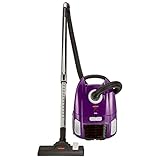
Bissell Zing 2154A Bagged Canister Vacuum
Cleaning gets irritating fast when dust hides under furniture, crumbs scatter across hard floors, and a heavy upright refuses to turn where it needs to go. Searches for the bissell powerforce bagless canister vacuum 2156w often come from that same desire for a compact machine, but the product reviewed here takes a different route. The Bissell Zing 2154A uses a bagged canister design, variable suction, a nine-amp motor, washable filters, and a floor tool that switches between rugs and bare surfaces. It’s a modest machine on paper, yet several practical details make it worth a closer look.
Bissell Zing Bagged 2154A
The Zing 2154A keeps the motor body on the floor while the hose and wand handle most of the movement. That layout reduces the amount of weight pushed through each cleaning pass and makes the nozzle easier to steer around chair legs, table bases, and low furniture. The canister format feels less top-heavy than a traditional upright, especially during detail work. Still, the body follows behind, so careless turns can send it nudging into corners.
A nine-amp motor powers the variable suction system. The supplied information doesn’t include airflow, water-lift, or independent test figures, so there’s no honest reason to invent a laboratory-style performance number. What is clear is that the suction can be adjusted for different cleaning jobs. That flexibility matters because a setting that feels right on hard flooring may grip a lightweight rug too aggressively.
The purple body gives the vacuum a slightly less industrial appearance than many plain black canisters. Looks aside, the design stays practical and uncluttered. The bagged dirt system separates this model from the bagless Bissell Zing 2156A and the similarly searched PowerForce 2156W. That difference affects both maintenance and debris disposal, which can matter more over time than color or styling.
Variable suction also broadens the machine’s role beyond open flooring. Lower settings can help with delicate rugs or fabric surfaces, while stronger airflow is useful for crevices, baseboard edges, and dry debris on bare floors. The adjustable suction control gives more room for judgment than a fixed-power vacuum. It won’t replace specialized upholstery equipment, but it keeps one compact machine useful across several routine tasks.
Switching Between Rugs And Hard Floors
The floor tool changes between carpet and hard-floor cleaning with the flip of a switch. That simple control avoids stopping to replace the entire nozzle every time a room changes surface. The dual-surface floor head makes sense in homes with area rugs sitting over tile, laminate, or sealed wood. A quick adjustment keeps the cleaning rhythm moving instead of turning every threshold into a setup break.
Bare floors are a natural fit for a suction-driven canister. Dust, crumbs, loose hair, and tracked-in grit usually respond well without requiring a powered brush roll. The hard-floor setting positions the tool for smoother contact and helps the nozzle glide across flat surfaces. Large debris may still need a slower approach because a low front edge can push oversized pieces instead of swallowing them immediately.
Rugs bring a different challenge. The Zing 2154A is described for carpet and dual-action use, yet the supplied details don’t mention a motorized brush roll. That means its carpet cleaning relies primarily on suction rather than powered agitation. Surface dust and loose particles are realistic targets, while deeply embedded grit or stubborn pet hair in dense pile may take repeated passes.
Variable suction becomes especially useful on lighter rugs. Too much pull can lift an edge or make the nozzle difficult to move, which turns a simple task into a tug-of-war. Reducing the suction level helps the tool travel more smoothly without abandoning pickup altogether. Thick carpeting may expose the opposite problem, since reduced agitation limits how deeply the nozzle can work.
Bagged Disposal And Fine Dust Control
The biggest practical difference from a bagless canister is the way debris leaves the machine. The Zing 2154A uses an easy-to-remove dust bag, so collected dirt stays enclosed instead of dropping from an open plastic cup. That can make disposal less messy, particularly when fine dust or lightweight hair tends to float back into the room. Removing a sealed bag is usually cleaner than tapping a dirt container over the trash.
Bagged convenience comes with an ongoing supply requirement. Replacement bags must be kept on hand, and cleaning stops if the current bag is full and no spare is available. The dust bag system trades recurring purchases for cleaner handling. Whether that feels like a benefit or nuisance depends on how strongly dust exposure and maintenance mess matter in daily use.
The vacuum also includes pre-motor and post-motor filtration. These filters help capture more fine dust and particles as air travels through the machine. The washable and reusable filters reduce the need for frequent replacements, though they still require proper care. Any washed filter needs to dry completely before being returned to the vacuum.
Airflow depends on both bag condition and filter cleanliness. A packed bag or clogged filter can make a nine-amp motor feel weaker than it should. Regular checks keep the suction path from becoming restricted by its own collected debris. Waiting until performance drops sharply usually creates more frustration than replacing the bag or cleaning the filter a little earlier.
Automatic Cord Rewind And Storage
Cord storage is one of the small chores that can sour an otherwise quick cleaning session. The Zing 2154A includes automatic cord rewind, drawing the cable back into the canister with the push of a button. That saves the repetitive wrapping required by many uprights and commercial vacuums. It also keeps loose cord from tangling around the hose in a closet.
The rewind mechanism deserves a bit of restraint. Letting the plug snap back at full speed can send it smacking against furniture or the vacuum body. Guiding the power cord during retraction keeps the process tidier and gentler. The feature is convenient, but it still benefits from a steady hand rather than a dramatic button press.
Compact storage isn’t entirely effortless because the hose, wand, and floor tool remain separate shapes. The canister itself occupies modest space, yet the full setup needs a sensible corner or shelf arrangement. The retractable cable removes one source of clutter, but it doesn’t make the hose disappear. A hook or narrow storage bin can keep the parts from sprawling across a closet floor.
Floor-care needs vary widely across smooth surfaces, and a related reference appears in robot vacuums for LVP floors for situations built around automated maintenance rather than corded canister cleaning. The Zing 2154A serves a different role because it offers direct control, adjustable suction, and above-floor reach. One handles scheduled daily pickup, while the other is better suited to deliberate cleaning around edges, furniture, rugs, and elevated surfaces.
Above-Floor Cleaning And Reach
Canister vacuums earn much of their flexibility through the hose and wand. The cleaning head can move away from the motor body, making shelves, upholstery edges, stairs, and baseboards easier to approach. The above-floor cleaning reach reduces the temptation to lift an entire upright toward higher surfaces. That change alone can make detail work feel less awkward.
Variable suction helps again on fabric and lighter materials. Full power may cling too firmly to a curtain or thin cushion, while a reduced setting gives the tool room to move. The adjustable airflow makes the machine less one-dimensional than a basic fixed-suction vacuum. Delicate materials still require care, and the supplied information doesn’t list specialized fabric tools.
The hose can also snake into spaces where a wide upright body would never fit. Dust beside a refrigerator, crumbs under a low cabinet edge, and debris around stair corners become easier to target. The compact nozzle path concentrates suction into narrower areas rather than forcing repeated passes with a broad floor head. Pulling too sharply, though, can drag the canister into furniture or make it tip.
Stairs reveal both the advantage and inconvenience of this design. The lightweight wand is easier to manage than a full upright, but the canister body still needs a safe resting place. The separate motor unit should be positioned securely before working along steps. A careless setup can cause the body to slide, tug the hose, or bump into the railing.
Practical Strengths Of The Zing 2154A
The cleanest strength is the bagged debris system. Dust stays more contained during disposal, which reduces the messy cloud that often follows an overfilled bagless cup. That matters in small rooms where airborne particles can settle right back onto freshly cleaned furniture. Keeping spare bags available is the price of that cleaner exit.
Variable suction adds useful control across mixed surfaces. A single fixed setting can feel too aggressive on light rugs and too mild in crevices, while the Zing allows adjustment. The surface flexibility makes it easier to move from bare flooring to rugs and then to above-floor tasks. It’s a simple feature, but it addresses several ordinary frustrations at once.
The floor switch also earns credit for convenience. Flipping between carpet and hard-floor modes takes less effort than swapping heads or returning to a storage closet for another attachment. The dual-action design fits spaces where flooring changes from room to room. It won’t turn the vacuum into a deep carpet scrubber, but it makes everyday transitions less annoying.
Automatic cord rewind rounds out the practical benefits. The cable disappears into the machine after use, keeping storage neater and cutting out a repetitive chore. Combined with washable filters and a compact canister body, the rewind system supports a relatively straightforward maintenance routine. The machine focuses on familiar, useful features rather than complicated extras.
Limitations And Sensible Expectations
The absence of a stated powered brush roll is the main concern for thick carpet. Strong suction can lift surface debris, but it can’t comb dense fibers the way a motorized head can. The straight-suction carpet performance may fall short with embedded hair or ground-in grit. Rugs and lighter carpet are a more comfortable fit than plush, heavily soiled flooring.
Replacement bags create another tradeoff. Cleaner disposal is appealing, yet recurring purchases add cost and require planning. The bagged design becomes inconvenient the moment the current bag is full and the supply box is empty. Anyone who strongly dislikes consumables may prefer a bagless model despite the messier emptying process.
The canister body can also trail awkwardly in crowded rooms. It may catch on furniture legs, bump baseboards, or resist a sharp turn if the hose is pulled from the wrong angle. The follow-behind layout reduces weight at the handle but demands more awareness of what’s happening behind the nozzle. That movement style feels natural to some people and fussy to others.
Filter washing and bag replacement keep the machine from being maintenance-free. Reusable filters must dry fully, while the bag needs changing before it restricts airflow. The Bissell Zing 2154A offers cleaner debris handling, variable suction, automatic cord rewind, and flexible surface switching, but it still asks for consumables, routine filter care, and realistic expectations on thick carpet.




