The bissell powerforce bagged canister vacuum cleaner keeps everyday cleaning refreshingly straightforward. Its compact canister rolls behind the floor nozzle, making it easier to work through narrow hallways, around dining chairs, and beside furniture without pushing a bulky upright. The corded setup also delivers steady power from start to finish, so there’s no battery meter quietly counting down halfway through the job. Still, the smaller body comes with realistic limits, especially on thick carpet that needs aggressive brush-roll agitation.
Adjustable suction control makes a noticeable difference on mixed flooring. Stronger airflow helps collect crumbs, dust, grit, and loose hair from sealed hard floors or low-pile carpet, while a lower setting can stop lightweight rugs from lifting into the nozzle. That flexibility saves the usual tug-of-war with thin mats near doors and sinks. It’s a simple control, but it solves one of the most irritating problems found on one-speed vacuums.
The bagged dirt system keeps disposal tidier than an open dust cup. A full bag can be removed and dropped into the trash without shaking fine debris into the air or tapping a plastic bin against the side of a garbage can. On the flip side, replacement bags become a recurring expense, and running out at the wrong time can halt a cleaning session. Keeping a few spares nearby avoids that headache and makes the tradeoff easier to live with.
A retractable power cord cuts down on the usual post-cleaning fuss. Pressing the rewind control pulls the cable back into the canister, which beats wrapping a long cord around hooks by hand. The available reach works well in smaller rooms, though wide open layouts may require moving to another outlet. That isn’t a deal breaker, but it’s worth considering if outlet placement is awkward or rooms are especially large.
The telescoping wand helps reduce bending and adjusts for floors, stairs, upholstery, and tight corners. Combined with the flexible hose, it can reach under tables or beside cabinets where upright vacuums often feel clumsy. Compact storage is another practical benefit, especially in closets already crowded with mops, buckets, and household supplies. The hose and wand may need careful positioning, though, since canister components don’t always stack as neatly as a slim cordless stick.
Hard floors and low-pile rugs are the machine’s most comfortable territory. Surface dust, cereal pieces, tracked-in grit, and hair along baseboards are all routine jobs that suit its floor nozzle and corded suction. Deeply embedded pet hair in plush carpet is a tougher assignment because suction alone can’t fully replace a powered brush roll. So, expectations matter: this is a practical daily cleaner rather than a heavy carpet-restoration machine.
The lightweight canister design also makes stairs less punishing. Carrying a compact body from one level to another feels more manageable than hauling a full-size upright, and the hose gives extra flexibility on individual steps. Even so, the canister needs a stable resting spot so it doesn’t slide or bump downward while cleaning. A slow, deliberate approach works better than trying to rush the process.
Maintenance stays fairly basic. Changing the bag before it becomes overfilled helps preserve airflow, while checking the nozzle and hose for blockages prevents sudden suction loss. The filter also needs attention according to the manufacturer’s care instructions, though the bag captures much of the visible debris before it reaches internal components. That straightforward routine suits anyone tired of washing messy bins and waiting for damp filters to dry.


Lightweight & PortableUltra quiet low noise technologyUses 20% less energy with 30% more power110 inches of waterlift - the most suction of any commercial vacuum of this size8-piece tool kit - combo rug & floor tool with swivel neck & rear wheels, upholstery tool w/slide-on brush, round brush, floor
Key specs
- Suction power
- 110 inches of water lift
- Attachments included
- Combo rug and floor tool with swivel neck and rear wheels
- Upholstery tool with slide-on brush and round brush
- Dedicated bare floor tool and crevice tool
- Metal telescopic wand for extended reach
- Weight and handling
- 19.4 lb canister weight
Pros:
- Delivers 110 inches of water lift for high commercial-grade suction
- Includes an 8-piece tool kit with a metal telescopic wand and combo floor tool
- Low-noise engineering minimizes operational sound during daily cleaning tasks
- Uses 20% less energy with 30% more power according to manufacturer specifications
Cons:
- Weighs 19.4 pounds, making it noticeably heavier than compact home canisters
- Bulkier 19-inch height and 17-inch length require more dedicated storage space

EVERY PURCHASE SAVES PETS. BISSELL proudly supports BISSELL Pet Foundation and its mission to help save homeless pets.SWIVEL STEERING FOR MAXIMUM MANEUVERABILITY. Makes cleaning around furniture and other obstacles easy. Filter replacement every 6 monthsTRIPLE ACTION BRUSH ROLL. Loosens, lifts and r
Key specs
- Swivel steering
- Integrated swivel head steering
- Pet hair handling
- Equipped with specialized pet attachments and targeted suction for collecting pet hair across home surfaces.
Pros:
- Swivel steering mechanism improves maneuverability around furniture legs and corners
- Large capacity bagless dirt tank reduces trips to the trash can during cleaning
- Specialized pet tools assist with lifting stubborn pet hair from home upholstery
- Easy-empty dirt tank design allows convenient debris disposal from the bottom
Cons:
- Upright build lacks the low-profile flat reach of a slim canister vacuum wand
- Manufacturer does not list exact tank volume, unit weight, or cord reach

EVERY PURCHASE SAVES PETS. BISSELL proudly supports BISSELL Pet Foundation and its mission to help save homeless pets.SCATTER-FREE TECHNOLOGY. Captures messes on hard floors with less scatter.POWERFUL SUCTION. Convenient, powerful cleaning in one machine.LIGHTWEIGHT AND MANEUVERABLE. Weighs less tha
Key specs
- Storage and footprint
- Sized for dorm rooms and apartments
- Reach and accessories
- Features a removable extension wand to clean above-floor surfaces without lifting the main vacuum body.
Pros:
- Compact upright build fits easily into small apartments and dorm room spaces
- Removable extension wand extends reach for dusting baseboards and higher areas
- Lightweight upright frame simplifies carrying up stairs and between rooms
Cons:
- Narrower compact form factor covers less floor area per pass than full-size vacuums
- Listing does not specify power cord length or dirt cup capacity

Dirt cup capacity - 2 liters. Cyclonic action and powerful suction provide thorough cleaning. Plus, no more bags to buy or change ever.Amperage : 9 amps.Specific uses:hard floor,carpet,dual actionEasily go from cleaning carpets to hard floors with the flip of a switch. Power Rating : 9 ampsDIRT cup
Key specs
- Dust cup or bin capacity
- Bagless dirt cup (capacity unstated)
- Bag or bagless
- Bagless canister system
Pros:
- Bagless canister system eliminates the ongoing cost of buying replacement bags
- Low-profile canister wand slides easily under low tables, beds, and chairs
- Compact Zing canister body is easy to carry and store in small utility closets
Cons:
- Emptying the bagless dirt container can release airborne dust during disposal
- Listing omits cord length, weight, and filtration class, so verify before purchase
Powerful variable suction gets the dirt low and high and is great for bare floors, rugs and above-floor cleaning.Amperage : 9 amps.Specific uses:hard floor,carpet,dual actionEasily go from cleaning carpets to hard floors with the flip of a switchAutomatic cord Rewind for quick cord storage with the
Key specs
- Bag or bagless
- Bagged canister system
- Debris containment
- Uses disposable bags to keep trapped dust and fine particles fully contained during disposal.
Pros:
- Bagged canister design seals collected debris directly inside the vacuum bag
- Lightweight canister construction eases carrying between rooms and across stairs
- Compact canister footprint fits inside standard utility closets and small spaces
Cons:
- Requires purchasing disposable replacement bags over time
- Listing does not state cord length or bag capacity, so check specs before purchase
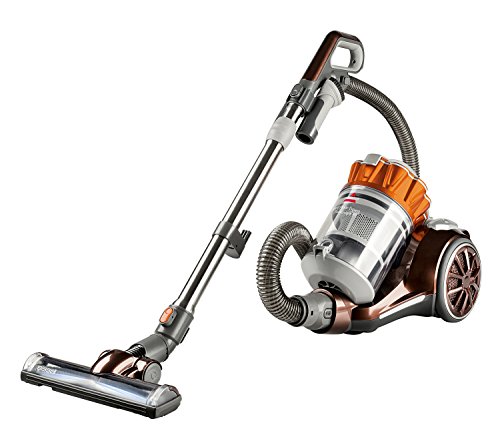
Multi-Cyclonic Technology for excellent suction for longer. Power Cord Length: 18 feet , Hose Length -7 inches.9.2 watts.Specific uses:Carpet, Floor and RugsHard floor Turbine foot is tough on dirt, gentle on your floors. Power Rating: 9.2 amps. Cleaning Path Width : 11 InchMulti-surface foot for ex
Key specs
- Power source
- Corded continuous power
- Floor types supported
- Engineered specifically as a Hard Floor Expert multi-cyclonic canister to handle hard floor surfaces.
Pros:
- Multi-cyclonic suction system separates fine debris without relying on bags
- Specialized Hard Floor Expert design caters specifically to bare floor cleaning
- Corded power connection provides consistent suction without battery fade
- Bagless canister format removes the recurring expense of disposable dust bags
Cons:
- Corded reach is limited by outlet proximity, and exact cord length is unlisted
- Specifications do not list machine weight or included tools, so verify details
Last update on 2026-07-28 / Affiliate links / Images, Product Titles, and Product Highlights from Amazon Product Advertising API
Bissell BigGreen Commercial BGC3000 Canister Vacuum
Floor care gets frustrating in a hurry when a vacuum feels heavier than the mess itself. Long cleaning sessions often turn into a battle against awkward hoses, loud motors, and bulky machines that bump into every chair leg. That's where the bissell powerforce bagged canister vacuum cleaner category stands out, offering a different approach focused on maneuverability instead of brute size. The Bissell BigGreen Commercial BGC3000 follows that philosophy while adding commercial-inspired durability, making it an interesting option for homes, offices, and shared spaces where reliable everyday cleaning matters.
BigGreen BGC3000
The first impression comes from its lightweight construction. Carrying the canister upstairs or moving it between rooms doesn't feel like hauling gym equipment around the house. That matters more than many buyers expect because convenience often determines whether small messes get cleaned immediately or postponed until later.
The vacuum also keeps noise surprisingly restrained. Ultra quiet operation changes the overall experience, especially during early mornings or evenings when excessive motor noise becomes annoying. Conversations don't have to stop completely, and nearby rooms remain much calmer than with many traditional uprights.
Another detail worth appreciating is its commercial background. Rather than filling the machine with flashy controls, Bissell focuses on practical engineering. That straightforward design means fewer complicated parts and a learning curve that's almost nonexistent.
Cleaning Performance Across Different Surfaces
The advertised 110 inches of water lift isn't simply a marketing phrase. Strong suction becomes obvious while collecting fine dust from hard flooring and lifting debris hidden along baseboards. Dirt that tends to escape weaker canister vacuums rarely requires repeated passes.
Low-pile carpet also benefits from the consistent airflow. Dust, crumbs, pet hair, and tracked-in grit disappear efficiently without constantly switching settings. The vacuum relies on suction instead of an aggressive powered brush, so expectations should remain realistic for plush carpeting packed with deeply embedded hair.
Area rugs behave well thanks to the combination floor tool. The swivel neck improves movement around furniture, while controlled airflow prevents the cleaning head from becoming difficult to maneuver on thinner rugs. It's a smoother experience than many entry-level canister models.
Heavy commercial debris isn't really its natural environment despite the commercial branding. Construction dust, large workshop waste, or damp material should still be left to machines specifically designed for those situations. Used within its intended role, though, performance remains consistently satisfying.
Pros That Stand Out During Everyday Use
Thirty feet of commercial-grade power cord immediately reduces interruptions. Large living rooms, office corridors, or waiting areas become easier to clean without hunting for another electrical outlet every few minutes. That uninterrupted workflow quietly saves time over months of ownership.
The eight-piece accessory kit offers genuine flexibility instead of collecting dust inside a storage bag. Upholstery, ceiling corners, vents, shelves, curtains, furniture, and narrow crevices each have a dedicated attachment that feels purpose-built rather than an afterthought.
The commercial hose connection deserves attention too. The push-in, pull-out hose system skips fragile plastic clips that commonly crack after repeated use. It feels secure during operation while remaining quick to disconnect for storage or maintenance.
Energy efficiency is another pleasant surprise. Bissell states the motor uses 20% less energy while producing 30% more power than comparable designs in its category. Even without independent testing figures, the machine certainly feels energetic without sounding strained.
Limitations Worth Considering
The vacuum uses disposable bags, and that's both a benefit and an inconvenience. Dust stays contained during disposal, helping reduce airborne particles, but replacement bags become another recurring household purchase. Forgetting to keep extras nearby can interrupt cleaning at the worst possible moment.
The floor tool performs well on hard flooring and short carpet, yet thick plush carpet tells a different story. Since there's no motorized brush roll, deeply tangled fibers and heavily embedded pet hair may require extra passes. Buyers expecting upright-style carpet agitation should recognize this tradeoff before purchasing.
Storage can also require a little planning. Although the canister itself remains compact, the long hose, telescopic wand, and multiple accessories occupy additional closet space. Organizing everything neatly may take some creativity.
Its commercial styling favors function over appearance. Anyone expecting glossy finishes or modern digital displays won't find them here. The design feels practical, durable, and intentionally uncomplicated instead.
Accessory Quality And Practical Flexibility
The metal telescopic wand extends smoothly, making overhead cleaning noticeably easier. Ceiling cobwebs, curtain rods, and air vents become accessible without balancing dangerously on furniture. That's a small convenience until the day it's genuinely needed.
The upholstery attachment handles sofas, dining chairs, and fabric-covered benches effectively. Dust and loose hair disappear quickly, while the slide-on brush softens contact against delicate materials. Switching between accessories also feels intuitive instead of frustrating.
The round brush works particularly well for blinds, shelves, decorative trim, and textured surfaces where flat tools often miss debris. Cleaning delicate furniture becomes less stressful because the softer bristles reduce direct scraping against finished wood.
Rear wheels and the swivel floor tool improve movement around obstacles. Rather than constantly lifting the canister, it follows naturally through furniture layouts with surprisingly little resistance.
Long-Term Ownership Experience
Routine maintenance stays refreshingly uncomplicated. Replacing the bag, checking the hose for obstructions, and occasionally inspecting the filter require very little effort. Simplicity often translates into better reliability because there are fewer complicated components demanding attention.
The commercial-grade cord feels reassuringly sturdy compared with thinner residential cables. Repeated winding and unwinding should place less stress on the insulation over years of use. That durability becomes especially valuable where the vacuum sees frequent operation.
Noise control deserves another mention because it changes how willingly people clean. A quieter machine often encourages shorter, more frequent cleaning sessions instead of waiting until dirt becomes impossible to ignore. Daily maintenance feels less disruptive throughout the home.
One example worth noting is how to dispose of drain cleaner, although it serves as a separate household maintenance reference rather than relating directly to vacuum performance. Practical home care often involves more than one type of cleanup, and keeping those tasks organized helps avoid unnecessary mistakes.
Pros And Cons At A Glance
Pros include impressive suction for its size, quiet operation, lightweight portability, durable commercial hose design, generous thirty-foot power cord, practical accessory kit, and straightforward maintenance. Those strengths make routine cleaning noticeably more comfortable across mixed flooring.
Cons include ongoing replacement bag costs, limited deep-cleaning capability for thick carpet, accessory storage that needs extra room, and styling that prioritizes function over modern aesthetics. None of those drawbacks feel surprising, but they should remain part of the buying decision.
The overall balance leans toward dependable everyday performance instead of flashy innovation. Buyers expecting realistic cleaning power, quieter operation, and commercial-inspired durability will likely appreciate its thoughtful design choices more than unnecessary extras.
BISSELL CleanView Swivel 2252 Pet Vacuum
Pet hair has a sneaky habit of settling where a basic vacuum struggles most: along baseboards, beneath chair legs, and deep inside carpet fibers. The BISSELL 2252 tackles those stubborn areas with a powered brush roll, maneuverable floor head, and attachments made for fabric-covered surfaces. Although the main keyword is bissell powerforce bagged canister vacuum cleaner, this particular machine is a bagless upright vacuum, so its handling, maintenance, and cleaning style are quite different. That distinction matters because the CleanView favors stronger carpet agitation and a larger dirt tank over the compact body and sealed disposable bags associated with canister models.
BISSELL CleanView Swivel 2252
The upright body feels familiar from the first pass, but swivel steering keeps it from moving like a stiff, old-fashioned machine. The floor head turns around table legs and furniture corners without requiring constant lifting or awkward back-and-forth corrections. That smoother movement saves effort in rooms packed with chairs, pet beds, and small side tables. Still, the full-size frame needs more storage room than a slim stick vacuum or compact canister.
The Triple Action Brush Roll is the heart of its carpet-cleaning approach. Rather than relying on suction alone, the rotating bristles loosen, lift, and collect pet hair that has settled into carpet pile. This mechanical agitation gives the CleanView a clear advantage over non-powered floor tools on rugs and carpeted rooms. Loose threads, rug fringe, and long hair can wrap around any spinning brush, though, so occasional inspection is part of ownership.
A large dirt tank supports longer cleaning sessions without frequent trips to the trash. The bottom-release emptying system opens with a button, allowing debris to fall out without removing the entire container lid. It’s quick and practical, especially after cleaning several rooms in one run. Fine dust can still cling to the inner walls or create a small puff during disposal, which is a normal tradeoff with an open bagless design.
Pet Hair Pickup On Carpet And Furniture
Embedded fur is where this machine makes the strongest case for itself. The powered brush roll combs through carpet fibers while the suction carries loosened debris into the tank, reducing the need to scrub the same patch repeatedly with a passive nozzle. Hair near a sofa, feeding station, or favorite sleeping spot tends to build up in dense little clusters, and agitation helps break those clusters apart. Plush carpet may still need slower passes because deeply pressed hair rarely disappears in one hurried sweep.
The included Pet TurboEraser tool shifts attention from floors to stairs, upholstery, and other fabric surfaces. Its compact working area suits couch cushions and stair treads better than the main floor head, which would be too wide and cumbersome in those spots. Pet hair often clings tightly to woven upholstery, so a dedicated attachment saves time compared with rubbing the fabric by hand. The tool’s rotating parts can collect wrapped hair, meaning periodic cleaning keeps it moving freely.
Upholstery cleaning also benefits from a slower, more deliberate technique. Short overlapping passes give the specialized pet tool enough time to lift hair from seams and textured fabric. From a practical angle, carpet care sometimes involves odor-producing organic residue as well as visible fur, and how to use enzyme cleaner on carpet offers a separate reference for treating those messes correctly. The vacuum should only be used after treated areas have dried according to the cleaner’s directions, since the CleanView is intended for dry debris.
Hard Floors, Edges, And Tight Corners
Dry crumbs and litter can scatter across tile or sealed flooring when a brush roll throws debris forward instead of drawing it inward. BISSELL’s Scatter-Free Technology is designed to reduce that frustrating effect during hard-floor cleaning. It doesn’t turn the upright into a wet cleaner or replace a soft hard-floor specialist, but it helps keep lightweight debris from skittering across the room. Larger pieces may still require a careful approach rather than a fast pass at full speed.
The edge-to-edge cleaning design targets dirt gathered beside walls, cabinets, and baseboards. Those narrow strips often reveal the weakness of floor heads that leave a visible gap beside their outer housing. Bringing suction and brush action closer to the side helps collect pet hair without immediately reaching for the crevice attachment. Tight corners can still hold stubborn debris, especially where two baseboards meet, so the accessory hose remains useful for detail work.
Swivel movement becomes particularly valuable on mixed flooring. The head can curve around kitchen stools, entryway furniture, and pet bowls without forcing the entire vacuum into a wide turn. Responsive maneuverability makes the CleanView feel less cumbersome than its upright shape initially suggests. The cord and hose still need watching around furniture legs, since neither disappears simply because the floor head pivots well.
Maintenance And Everyday Handling
Bagless convenience removes the need to buy and store disposable vacuum bags. The clear large-capacity dirt tank also makes it easy to see when debris is approaching the fill line instead of guessing by changes in airflow. Emptying takes only a button press, but the tank and surrounding seals should remain clean so dust doesn’t build up around connection points. Anyone sensitive to airborne dust may prefer the cleaner disposal of a sealed bagged system, which highlights another difference from a traditional canister vacuum.
Filter care directly affects suction and motor airflow. The supplied details recommend filter replacement every six months, though actual timing can vary with cleaning frequency, dust levels, and pet shedding. A visibly dirty or damaged filter shouldn’t be ignored just because the calendar says it has more time left. Following the manufacturer’s cleaning and replacement instructions helps prevent reduced airflow and unnecessary strain on the machine.
The upright format keeps the floor head, motor, and dirt tank together in one unit. That arrangement feels natural during open-floor cleaning, but carrying the machine on stairs is less graceful than lifting a small canister. The onboard hose and pet attachments reduce the need to balance the full floor head on each step, yet the vacuum still needs a stable position while the hose is extended. Planning the cleaning path first keeps the cord and body from becoming obstacles.
Strengths That Matter In Busy Rooms
The biggest strength is the combination of carpet agitation and pet-focused tools. Many lightweight suction-only vacuums handle surface crumbs yet struggle once hair becomes woven into carpet or upholstery. The CleanView approaches that problem with a rotating floor brush and a separate powered accessory for smaller fabric areas. That pairing makes the machine better suited to recurring fur cleanup than a bare-floor canister equipped only with passive nozzles.
Maneuverability is another practical win. Swivel steering shortens the little correction movements that make vacuuming around furniture so tiring. Instead of repeatedly pulling the machine backward to line up a new angle, the head can bend into the next path with less fuss. The benefit is most obvious in furnished rooms, while wide empty areas naturally require less turning.
BISSELL also states that every purchase supports the BISSELL Pet Foundation and its work helping homeless pets. That support doesn’t change suction power or maintenance needs, but it adds a charitable element connected directly to the brand’s pet-care focus. Buyers should still judge the vacuum on floor type, storage space, and cleaning habits rather than treating the foundation connection as a substitute for product fit. Here, the functional strengths remain the brush roll, pet tools, edge reach, and straightforward dirt-tank design.
Weaknesses And Realistic Tradeoffs
The product name and keyword can easily create confusion because this model isn’t a bagged canister vacuum cleaner. It’s a full-size bagless upright, which means the motorized cleaning head stays attached to the main body and the debris empties from a reusable tank. That setup favors carpet cleaning but creates a bulkier footprint in closets and on stairs. A compact canister would usually feel lighter in the hand when cleaning shelves, drapes, or overhead corners.
Bagless emptying saves money on replacement bags, yet it exposes the collected debris during disposal. Fine powder and pet dander may cling inside the tank instead of dropping cleanly into the trash. The Easy Empty Dirt Tank reduces direct contact, but it can’t make dust behave perfectly. Emptying outdoors or placing the tank deep inside a trash container can make the process less messy.
The rotating brush roll also introduces routine upkeep. Long hair, thread, and carpet fibers can wind around the bristles and reduce cleaning efficiency if left in place. Checking the brush-roll area and clearing wrapped material helps maintain steady pickup, though the vacuum must be unplugged before any maintenance begins. This isn’t a flaw unique to the CleanView, but it’s a responsibility that suction-only floor tools largely avoid.
Hard-floor performance is useful, not specialized. Scatter-Free Technology helps control dry debris, yet the brush roll and upright weight may be more machine than necessary for homes dominated by delicate hard surfaces. Thick carpet, shedding pets, and upholstered furniture play more directly to the design’s strengths. Small apartments with mostly bare floors may value a quieter, lighter canister or stick format instead.

Bissell CleanView Compact 3508 Upright Vacuum
Small living spaces expose every awkward detail of a vacuum cleaner. A wide body catches on furniture, extra weight makes stairs a chore, and a dusty bin can turn disposal into another cleanup. The bissell powerforce bagged canister vacuum cleaner keyword may suggest a bagged canister design, but this model takes a different route as a lightweight bagless upright weighing less than eight pounds. The BISSELL CleanView Compact 3508 trades disposable bags and a trailing canister for simple upright handling, strong everyday suction, and a removable wand that reaches beyond the floor head.
CleanView Compact 3508
The sub-eight-pound weight shapes nearly every part of the experience. Carrying the vacuum between rooms, lifting it over a threshold, or taking it up a flight of stairs asks far less effort than moving a full-size upright. That lighter build also makes short cleaning sessions feel less bothersome, which matters when crumbs or tracked-in dirt need attention right away. Still, low weight usually means a smaller body, so the machine won’t offer the same dirt capacity or broad cleaning path as a larger model.
The upright layout keeps the motor, dirt container, handle, and floor head together. There’s no canister rolling behind or hose twisting around chair legs during ordinary floor cleaning. Simple maneuverability suits tight rooms where a few inches of clearance can decide whether a vacuum slips beside a bed or stays stuck in the hallway. The design is practical rather than elaborate, and that restraint fits a machine built around convenience.
BISSELL describes the vacuum as offering powerful suction in a compact package. That strength is most useful for routine debris such as dust, cereal crumbs, loose hair, and dry grit rather than heavy renovation waste or damp messes. A smaller upright can clean efficiently when the nozzle maintains good contact with the floor, though hurried passes may leave debris behind near furniture legs. Slowing down slightly gives the airflow time to do its job.
Hard-Floor Pickup With Less Scatter
Hard flooring often reveals an annoying weakness in basic uprights: the brush sends lightweight crumbs skittering ahead of the nozzle. The CleanView Compact uses Scatter-Free Technology to reduce that effect while collecting dry messes. It won’t make every grain behave perfectly, but keeping more debris near the cleaning path means fewer repeated passes across tile, laminate, or sealed wood. That’s especially helpful around eating areas where crumbs rarely land in one tidy pile.
The compact floor head also works well in narrow lanes between furniture. A full-size nozzle can cover more ground in an open room, yet it may struggle beside cabinets, around chair legs, or near the edge of a small rug. Here, the smaller cleaning footprint becomes an advantage rather than a compromise. It takes a bit longer to cross a large room, but it slips through tighter spaces with less repositioning.
Dry debris remains the proper assignment for this vacuum. It isn’t a wet pickup machine, and it shouldn’t be used over freshly treated or damp flooring. From a practical maintenance angle, a separate reference such as best steam cleaner for brick floors belongs to a different cleaning category because steam equipment addresses surfaces and soil that an upright dry vacuum isn’t designed to handle. Keeping those roles separate protects the vacuum and prevents moisture from entering components intended only for dry collection.
Carpet Cleaning And Everyday Suction
Low-pile carpet and area rugs give the suction a surface where loose hair and dust can settle below the top fibers. The upright floor head keeps steady contact while the machine moves forward, allowing the airflow to pull up everyday debris without requiring a separate canister tool. Short, overlapping passes are more effective than racing across the carpet in long sweeps. Dense rugs may demand extra attention because compact uprights aren’t built like heavy deep-cleaning machines.
The product information emphasizes suction but doesn’t claim a specialized pet-hair brush roll or powered upholstery head. That distinction deserves attention. Loose pet hair on floors should fall within its routine cleaning role, but tightly embedded fur in plush carpet or woven furniture may take repeated passes. Realistic carpet expectations keep the machine’s strengths in focus: quick upkeep, manageable weight, and uncomplicated operation.
Furniture placement can affect pickup more than people expect. Dust tends to gather along bed frames, desk legs, and narrow strips beside walls where the main nozzle can’t always sit flat. The removable wand gives the vacuum another way into those spaces. Targeted suction through the wand can reach crumbs behind furniture or debris tucked into corners without forcing the entire upright body into an awkward angle.
Removable Wand And Above-Floor Reach
The removable extension wand broadens the machine’s usefulness beyond open flooring. Baseboards, window tracks, shelf edges, and gaps beside appliances often collect dust that a floor nozzle simply rolls past. Detaching the wand creates a more focused cleaning path for those narrow areas. The tradeoff is that the vacuum body still needs a stable place to stand while the wand is in use.
Compact apartments often squeeze furniture close together, leaving thin channels that swallow dust and hair. A wand can reach behind a nightstand or under the front edge of a sofa without moving half the room first. That may sound like a small convenience, but reduced furniture shifting makes routine cleaning less disruptive. The reach will still depend on the wand and hose length, so very deep spaces may remain difficult.
Stairs present another useful role for the extension setup. Carrying an upright from step to step can feel clumsy, even when the machine weighs less than eight pounds. Using the wand for corners and tread edges lets the body stay in a safer position for part of the job. Lightweight portability helps, but careful placement remains essential so the vacuum doesn’t tip or slide while the hose is extended.
Dirt Disposal And Routine Maintenance
The easy-empty dirt container opens at the push of a button, allowing debris to fall from the bottom into a trash bin. That arrangement is quicker than removing a lid and reaching around packed dust. It also avoids the recurring cost of replacement vacuum bags. Fine particles may still cling to the plastic walls, however, so “easy empty” shouldn’t be mistaken for completely dust-free disposal.
This bagless system marks a clear difference from the bissell powerforce bagged canister vacuum cleaner format suggested by the keyword. A bagged machine seals debris inside a disposable liner, while the CleanView Compact stores dirt in a reusable container. The upright saves money on bags and makes the fill level visible. The canister alternative usually offers cleaner removal for fine dust, so the better approach depends on which inconvenience feels more tolerable.
Regular care keeps airflow from fading. Emptying the container before debris becomes tightly packed helps suction remain steady, while checking the nozzle and wand can reveal blockages early. The filter also needs attention according to BISSELL’s instructions, since accumulated dust can restrict performance. Basic maintenance discipline matters more on a compact vacuum because smaller air paths leave less room for neglect.
Strengths In Small Living Areas
Storage is one of the most convincing benefits. A compact upright needs less closet space than a bulky commercial machine and avoids the loose collection of hoses and wands associated with many canister vacuums. The space-conscious body can fit into a dorm-room closet, apartment utility corner, or narrow gap beside other cleaning supplies. That convenience may outweigh a smaller dirt bin in homes where every square foot already has a job.
The lighter weight also reduces the friction surrounding quick cleanups. Pulling out a heavy machine for a handful of crumbs feels excessive, while an under-eight-pound vacuum is easier to grab and put away. Low-effort handling encourages frequent upkeep instead of waiting for debris to spread through several rooms. The benefit isn’t flashy, but it directly affects how often a vacuum gets used.
BISSELL states that each purchase supports the BISSELL Pet Foundation and its mission to help homeless pets. That connection won’t change suction, bin capacity, or maneuverability, so it shouldn’t replace practical product evaluation. Still, it adds a charitable element tied to the brand’s broader pet-focused identity. The machine itself remains best judged by its compact build, dry-debris pickup, removable wand, and bagless maintenance.
Limitations And Practical Tradeoffs
The biggest limitation is also part of the appeal: this is a compact upright vacuum. Its smaller frame makes transport and storage easier, but it can’t match the dirt capacity or wide floor coverage of a larger machine. Cleaning several heavily soiled rooms may involve more frequent bin emptying and additional passes. Those compromises are reasonable in a small space, though they become more noticeable as the cleaning area grows.
Bagless disposal may also bother anyone who wants debris sealed away. Pressing a button releases the dirt quickly, yet fine dust can rise from the trash or remain stuck inside the container. Emptying the bin slowly and positioning it deep inside the garbage can may reduce the mess. A bagged collection system generally handles that final step more neatly, though it introduces replacement costs.
The vacuum’s hard-floor technology reduces scatter, but it doesn’t turn the machine into a specialist for delicate surfaces. Careful passes still matter around larger crumbs, rug edges, and loose objects. Likewise, the removable wand improves reach without providing the broad accessory set found on some commercial canisters. Focused simplicity is the design’s character, and buyers expecting numerous specialized tools may consider the package too basic.
Large houses, thick carpeting, and heavy shedding can push this lightweight model beyond its comfortable role. Its strengths show up most clearly during routine upkeep where carrying weight, storage space, and fast setup matter more than maximum capacity. The CleanView Compact 3508 handles everyday dry messes with fewer complications, but its size and straightforward equipment call for sensible expectations. Used as a nimble daily vacuum rather than an industrial workhorse, the design makes far more sense.
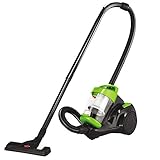
Bissell 2156A Zing Bagless Canister Vacuum
Dragging a bulky upright through tight rooms can make a simple cleanup feel like moving furniture. A lighter canister changes the rhythm, especially around table legs, narrow hallways, and stairs where a rigid body becomes a nuisance. Although the phrase bissell powerforce bagged canister vacuum cleaner points toward a bagged design, the Bissell 2156A Zing uses a 2-liter bagless dirt cup instead. That difference removes replacement-bag costs, but it also means dust must be emptied directly from the reusable container.
Bissell Zing 2156A
The Zing’s sub-eight-pound weight is one of its most practical traits. Lifting it between floors, carrying it into a small room, or pulling it from a crowded closet takes far less effort than handling a full-size upright. The integrated carrying handle gives the compact body a natural grip point instead of forcing an awkward hold around the hose connection. Light doesn’t mean weightless, of course, but this machine stays manageable during short and extended cleaning sessions.
Its canister format keeps the floor tool separate from the motor housing. That setup allows the wand and nozzle to slip under tables, beds, and low furniture while the main body follows behind. Flexible maneuverability works especially well where a tall upright can’t recline far enough to reach. The trailing canister may still bump into chair legs or door frames, so a clear path helps it roll more smoothly.
The vacuum uses a 9-amp power rating paired with cyclonic action to maintain suction during ordinary cleaning. Dust, crumbs, hair, and dry grit fall within the machine’s intended workload across carpet and hard flooring. Large workshop debris, liquids, or construction waste belong elsewhere because this is a household dry vacuum, not a wet-dry utility machine. Used for routine messes, the suction-focused design stays simple and easy to understand.
Switching Between Carpet And Hard Floors
A floor switch changes the nozzle setup between carpet and hard surfaces. That dual-surface control saves the trouble of swapping entire cleaning heads every time the flooring changes from a rug to tile. One quick adjustment keeps the floor tool better matched to the surface underneath it. Mixed rooms become less tedious because the transition doesn’t interrupt the cleaning flow.
Hard floors often punish an overly aggressive nozzle by pushing crumbs forward or scratching delicate finishes. The Zing relies on controlled suction and the proper floor setting rather than a powered rotating brush. Hard-floor pickup suits loose dust, cereal pieces, tracked-in grit, and hair gathered near cabinets or walls. Larger debris may need a slower pass so the nozzle can draw it in instead of simply nudging it aside.
Carpet cleaning leans more heavily on suction because the floor tool doesn’t provide the deep agitation of a motorized brush roll. Low-pile carpet and area rugs are the more natural fit, particularly for surface dust and loose debris. Thick carpet packed with embedded pet hair can expose the limitation of a suction-only head. A related reference appears in best lightweight vacuum for pet hair, where brush design and weight can matter just as much as raw airflow.
Thin rugs may pull toward the nozzle if the seal becomes too strong. Working with shorter strokes and adjusting the floor setting can reduce that tugging sensation. Surface compatibility is broad, but it isn’t identical across every rug thickness or fiber type. A little technique goes a long way, particularly on lightweight mats that like to bunch up.
Bagless Collection And Filter Care
The 2-liter dirt cup provides enough room for everyday debris without making the canister overly bulky. Seeing the fill level through the container also removes the guesswork that comes with an opaque disposable bag. Once the debris approaches the marked limit, emptying it helps preserve airflow and prevents dirt from packing tightly inside. Waiting until the cup is crammed full can make disposal messier and suction less consistent.
Bagless ownership cuts out the recurring task of buying and storing replacement bags. That’s the clear financial and practical advantage over a bagged canister vacuum. The tradeoff shows up at the trash can, where fine dust can cling to plastic walls or rise briefly as the cup is emptied. People who dislike direct contact with collected debris may still prefer the sealed disposal of a bagged model.
The dirt-cup filter and post-motor filter are both described as washable and reusable. Reuse lowers ongoing maintenance costs, but washable doesn’t mean maintenance-free. Filters need to dry completely before being returned to the vacuum because trapped moisture can interfere with airflow and create unwanted odors. Following the manufacturer’s care instructions keeps the filtration system working as intended.
Fine particles collect where airflow narrows, so filter neglect can gradually dull performance. A quick visual inspection after several cleaning sessions can reveal dust buildup before it becomes a bigger problem. Routine filter care matters even more in a compact vacuum because smaller internal pathways have less tolerance for obstruction. The process isn’t complicated, though it does require patience while washed components air-dry.
Cord Reach And Storage Behavior
The Zing includes a 15-foot power cord, which offers useful reach in smaller rooms without leaving a huge coil to manage afterward. It works well in bedrooms, dorm-style spaces, apartments, and compact offices where outlets are reasonably close together. Large open layouts may require more outlet changes than a vacuum with a longer commercial cord. That limitation is worth noting because reach affects cleaning pace more than most spec sheets suggest.
A retractable cord softens that drawback by making cleanup after cleanup pleasantly quick. Pressing the rewind control draws the cable back into the canister instead of leaving it tangled around the wand or handle. Automatic cord storage is one of those modest features that becomes more appreciated over time. Still, guiding the plug during retraction helps prevent it from snapping against furniture or the vacuum body.
The compact canister stores more easily than a tall upright, but the hose and wand still need a sensible resting place. A closet corner can become messy if every attachment is dropped loosely beside the machine. Compact storage works best when the hose is coiled without sharp bends and the wand is kept upright or laid flat. That simple arrangement protects the hose and makes the vacuum easier to grab next time.
Portability also benefits from the shorter cord housing and integrated handle. Carrying the machine across a room doesn’t require dragging it by the hose, which can strain the connection over time. The canister’s low weight reduces that temptation because lifting it is genuinely easy. Small details like this often influence longevity more than flashy controls.
Movement Around Furniture And Stairs
The separate hose and wand give the Zing a lower working profile than most uprights. Reaching beneath sofas, coffee tables, and bed frames becomes less awkward because the nozzle can flatten while the canister stays outside the tight space. Low-clearance access helps with dust that normally survives simply because moving furniture feels like too much trouble. The hose length still sets a boundary, so very deep furniture may require repositioning the main body.
Chair legs create the classic canister-vacuum problem. The nozzle may glide through neatly while the body catches behind, forcing a quick pause to free the hose or redirect the wheels. Canister maneuverability improves with a little path planning rather than random zigzagging. Cleaning one side of a furnished room before crossing to the other keeps tangles and collisions under control.
Stairs are easier to approach with a machine that weighs less than eight pounds. The carrying handle supports steady movement from one landing to the next, while the wand can address tread surfaces and corners. A secure resting position matters because the canister can slide if it’s placed carelessly on a narrow step. Lightweight handling reduces strain, but common sense still matters more than the number on the scale.
Everyday Strengths And Clear Limitations
The strongest argument for this model is its blend of low weight, bagless convenience, and mixed-floor flexibility. It moves easily, switches surfaces without a tool change, and avoids the recurring cost of disposable bags. Those benefits line up well with regular household upkeep rather than heavy restorative cleaning. The design feels practical because nearly every feature serves a visible purpose.
Its cyclonic suction and straightforward floor head handle ordinary dry debris without surrounding the job with complicated controls. There’s no app, digital display, or elaborate mode system to learn. Plug it in, choose the surface setting, and start cleaning. That simplicity is refreshing, though it also means fewer specialized adjustments for unusual flooring or deeply embedded dirt.
The most noticeable weakness is carpet agitation. A passive nozzle can collect loose debris, but it won’t dig through dense pile the way a powered brush roll can. Plush carpet and stubborn pet hair may require slower passes, repeated work, or a different machine with stronger brushing action. That isn’t a defect so much as a boundary created by the compact canister design.
The 15-foot cord is another compromise. It keeps storage tidy and suits smaller rooms, yet it can feel restrictive in large spaces or hallways with poorly placed outlets. The retractable cord system makes handling easier, but it can’t create extra reach. Homes with broad floor plans may notice this limitation quickly.
How It Differs From A Bagged PowerForce Model
The keyword suggests a bissell powerforce bagged canister vacuum cleaner, but the Zing 2156A belongs to a different branch of the canister family. It stores debris in a washable, reusable cup rather than a disposable bag. That change affects maintenance, dust exposure, and recurring costs more than it affects the basic act of vacuuming. Confusing the two formats can lead to the wrong expectations at emptying time.
A bagged model usually keeps fine debris more contained during disposal. The Zing answers with visible dirt capacity and reusable filtration, allowing the owner to see exactly when maintenance is needed. Neither approach wins every category. Bagless favors lower supply costs, while bagged collection often favors cleaner handling of fine dust.
Portability remains a shared strength across compact canisters, yet the Zing’s under-eight-pound body makes that advantage especially clear. The 2-liter cup also gives it a useful balance between capacity and size. Practical compromise describes the machine better than any exaggerated label could. It’s light enough to carry, large enough for routine cleaning, and simple enough to maintain without turning floor care into a project.
The Bissell 2156A makes the most sense where hard floors, low-pile rugs, limited storage, and frequent quick cleanups shape the routine. Its weaknesses show up in thick carpet, long-distance cord reach, and dustier bin disposal. The Zing’s compact canister format doesn’t try to imitate a full-size upright or commercial machine. It sticks to nimble household cleaning, and that focus defines both its usefulness and its limits.
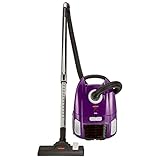
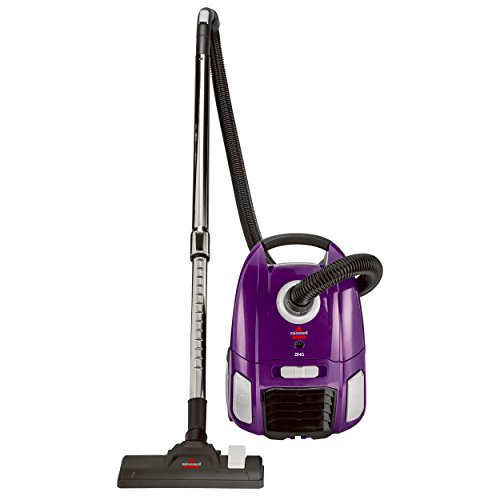
Bissell Zing 2154A Bagged Canister Vacuum
Dust has a knack for settling in places where a bulky upright feels like the wrong tool entirely. Tight corners, bare floors, rug edges, stairs, and shelves call for something lighter, easier to steer, and less messy at disposal time. The bissell powerforce bagged canister vacuum cleaner category fits that need, and the Bissell Zing 2154A brings a compact body, variable suction, and bagged collection into one straightforward machine. It isn’t loaded with complicated controls, but the useful parts are right where they need to be.
Bissell Zing Lightweight 2154A
The Zing’s lightweight canister shape makes routine cleaning feel less like dragging a stubborn appliance from room to room. Its separate hose and wand reach under furniture while the motor body trails behind, which is handy in spaces packed with tables, chairs, and storage bins. Compact maneuverability becomes the main attraction here, especially where a full-size upright can’t turn without bumping into something. The design still requires some awareness, since the canister may catch around furniture legs if the hose is pulled at a sharp angle.
A 9-amp power rating supports the vacuum’s everyday suction across hard floors, rugs, and above-floor areas. The supplied description doesn’t claim industrial cleanup or deep carpet restoration, so expectations should stay grounded. Crumbs, loose hair, fine dust, and dry household grit fit its intended workload far better than construction debris or damp messes. Used within that lane, the machine offers the kind of uncomplicated cleaning that doesn’t demand a manual every time it leaves the closet.
The purple housing gives the vacuum a bit more personality than the usual gray utility look, though appearance is hardly the deciding factor. More important, the bagged canister format keeps the dirt separated from the airflow path until the bag is removed. That arrangement can make the end of a cleaning session feel tidier than dumping an open plastic cup. Replacement bags add an ongoing supply cost, but they also spare the user from scraping compacted dust out of a reusable bin.
Variable Suction For Different Cleaning Jobs
One fixed suction level can be surprisingly annoying. Thin rugs may lift, lightweight curtains can cling to the nozzle, and delicate surfaces sometimes need a softer touch than a hard floor. The Zing’s variable suction control allows the airflow to be adjusted instead of forcing every surface to accept maximum pull. That flexibility is a genuine benefit, not a decorative dial that exists only to fill space.
Higher suction suits bare floors where fine grit gathers beside cabinets, beneath tables, or along room edges. The nozzle can pull in dust and dry particles without depending on a powered brush roll. Focused airflow also helps around crevices where loose debris tends to collect in narrow lines. Large pieces may need a slower approach, since a compact floor tool can push oversized crumbs before they reach the suction opening.
Lowering the suction can calm the nozzle on area rugs and lighter mats. Instead of wrestling with a rug that keeps lifting from the floor, the airflow can be reduced until the head moves more naturally. Controlled rug cleaning makes the machine easier to handle and reduces unnecessary strain on the fabric. Thick carpet remains a tougher assignment because suction alone can’t replace the agitation of a motorized brush roll.
Above-floor work benefits from the same adjustment. Shelves, upholstery, drapes, and corners don’t all need identical pulling force, and too much suction can make delicate fabric awkward to clean. The adjustable power lets the tool stay useful without becoming overly aggressive. That small control widens the vacuum’s practical range more than a pile of rarely used attachments would.
Hard Floors And Carpet Switching
The floor tool changes between carpet and hard-floor settings with the flip of a switch. That dual-surface design saves time in rooms where a rug sits over tile, laminate, or another sealed surface. There’s no need to stop, unplug the hose, and search for a second nozzle every few minutes. A quick foot adjustment keeps the cleaning flow moving.
Hard flooring is where the Zing feels most comfortable. The lightweight wand glides more easily than a heavy upright base, and the canister stays out of the way while the nozzle slips beneath chairs or cabinets. Bare-floor cleaning focuses on suction rather than aggressive brushing, which suits loose dust and grit. Care still matters around delicate surfaces, since dragging trapped debris under any nozzle can leave marks.
Low-pile carpet and rugs are manageable with the carpet setting engaged. Surface dirt, crumbs, and loose hair can be collected without much fuss, particularly when passes overlap slightly. The carpet switch helps the floor tool adapt, but it doesn’t turn the vacuum into a deep-cleaning upright. Plush carpet with embedded pet hair may take repeated passes or a machine with a rotating powered brush.
Mixed flooring often exposes whether a vacuum is genuinely convenient or simply compact on paper. The Zing handles transitions without turning them into a production, and that matters in homes where flooring changes from one room to the next. Quick surface adjustment is one of those features that feels ordinary until it’s missing. Here, it supports the machine’s overall theme of simple, low-friction cleaning.
Bagged Disposal And Filter Maintenance
The removable dust bag is a major dividing line between this model and a bagless canister. Collected debris stays inside the bag, reducing the need to shake dust from a plastic cup over the trash. Cleaner dirt disposal can be especially appealing after vacuuming fine particles that tend to puff upward during emptying. The tradeoff is straightforward: replacement bags must remain in stock.
Bag changes should be done before the bag becomes packed solid. An overfilled bag can restrict airflow and make the vacuum work harder than necessary. The easy-removal design aims to keep the process simple, though care is still sensible so the opening doesn’t spill loose debris. Keeping an extra bag nearby prevents an unfinished cleaning session from ending in frustration.
The system also includes pre-motor and post-motor filters designed to help capture more fine dust and particles. These washable, reusable filters reduce the need for constant replacement, but washing creates its own responsibility. Both filters must be allowed to dry completely before going back into the machine. Damp filtration can interfere with airflow and introduce odors that have no business circulating through a vacuum.
Routine maintenance is basic rather than demanding. Checking the bag, inspecting the hose for blockages, and cleaning the filters according to the manufacturer’s guidance should keep performance from fading prematurely. Simple upkeep is one of the Zing’s strengths because there aren’t many hidden systems to troubleshoot. Neglect can still dull suction, so “simple” shouldn’t be mistaken for “maintenance-free.”
Cord Rewind And Storage Practicality
A loose cord can turn closet storage into a tangled mess, especially when the hose and wand are already competing for space. The Zing uses automatic cord rewind, allowing the cable to retract with the push of a button. That feature shortens the cleanup after cleaning and removes the need to wind the cord around exterior hooks. Guiding the plug during retraction is still wise so it doesn’t whip into furniture or the canister body.
The compact canister itself takes up less vertical room than a tall upright. It can sit beneath shelving or in a low utility closet where a full-size machine would be awkward. Space-conscious storage works best when the hose is loosely coiled and the wand has a dedicated resting spot. Shoving every component into one pile may save a minute today and create a knot tomorrow.
Portability also plays into storage behavior. A lightweight vacuum is easier to lift onto a shelf or carry out of a crowded closet without knocking over nearby supplies. The manageable body size makes short cleaning jobs less of a hassle because retrieval and setup don’t feel excessive. That convenience matters more in daily use than decorative screens or complicated control panels.
Corded power means the vacuum keeps running as long as an outlet is available, but room-to-room reach depends on cord length and outlet placement. Automatic rewind helps with handling after the job, not during it. Continuous corded suction avoids battery downtime, yet it comes with the familiar need to move the plug in larger layouts. That’s an honest trade rather than a hidden flaw.
Pros That Make Daily Cleaning Easier
The strongest advantage is the combination of lightweight handling and flexible suction. Carrying the vacuum, steering the wand, and adapting to different surfaces require less physical effort than managing a heavy upright. The controls remain easy to understand, so setup takes very little thought. For quick floor care, that simplicity can be a bigger benefit than sheer size.
Bagged collection is another clear strength. Fine dust and debris remain more contained during disposal, and there’s no reusable dirt cup to tap against a trash can. The removable dust bag keeps cleanup after cleanup fairly tidy. Ongoing bag purchases are the price of that convenience, but the advantage is easy to appreciate around dusty household messes.
The carpet-to-floor switch makes mixed surfaces less bothersome. A single nozzle covers the primary floor types listed for the machine, while variable suction provides another layer of control. Surface flexibility gives the Zing more range than a bare-floor-only canister. It still won’t match a powered upright on dense carpet, but it avoids pretending otherwise.
Reusable filtration keeps maintenance supplies from becoming overly expensive. The pre-motor and post-motor filters can be washed instead of discarded after every dirty stretch. Washable filters pair well with the bagged system by managing fine particles beyond the dust bag. The waiting time for complete drying remains part of the routine, so having a cleaning schedule helps.
Cons And Limits Worth Knowing
The absence of a powered brush roll is the most obvious limitation. Strong suction can remove loose debris, but it doesn’t comb through deep carpet pile or pull tightly wrapped pet hair from fibers with the same force as motorized agitation. Thick carpet performance is therefore more modest than the machine’s hard-floor ability. Homes dominated by plush carpet may need a different primary vacuum.
Replacement bags create an ongoing cost and a small storage requirement. Running out of bags can stop the job completely, unlike a bagless cup that can be emptied and reused immediately. The bagged system offers cleaner disposal but demands planning. That tradeoff should be weighed honestly rather than treated as automatically better or worse.
Canister movement has its own learning curve. The wand may glide neatly through a room while the body lags behind and catches against furniture. Trailing-canister handling improves once the cleaning path becomes more deliberate, but it won’t feel identical to pushing an upright. Some people enjoy the flexibility, while others may dislike looking back to free the hose.
The provided details emphasize floor switching, suction, filtration, and cord rewind, but they don’t describe a large specialized tool kit. Above-floor cleaning remains part of the vacuum’s role, though buyers expecting numerous powered attachments may consider the setup basic. Focused equipment keeps the machine uncomplicated. It also limits how specialized the cleaning experience can become.
Where The Zing Fits Best
The Zing makes the most sense in spaces built around hard floors, low-pile rugs, stairs, and furniture that needs frequent dust removal. Its lightweight canister form favors movement through compact rooms and around obstacles rather than long, uninterrupted carpet lanes. Quick messes are easier to address because the machine isn’t physically intimidating. That practical ease can lead to more frequent cleaning without turning every session into a weekend project.
Fine dust and ordinary dry debris suit the bagged arrangement well. The filters provide another layer of particle capture, while the removable bag reduces exposure during emptying. Contained cleanup is especially relevant where open dirt cups feel too messy. Still, the vacuum isn’t described as a sealed medical-grade system, so claims beyond the supplied filtration details would be unwarranted.
Commercial or warehouse-scale cleaning falls outside the natural role of this small household canister. From a practical angle, a separate reference appears in best robot vacuum for warehouse, where large-area coverage and autonomous operation involve a completely different set of demands. The Zing belongs in tighter residential routines, not vast industrial floor plans. Its compactness helps precisely because it isn’t built for that heavier environment.
The Bissell Zing 2154A balances portability, bagged disposal, adjustable suction, and mixed-floor convenience without piling on unnecessary complexity. Its weaknesses are equally plain: limited carpet agitation, replacement-bag costs, and the occasional awkwardness of a trailing canister. Those limits don’t erase the machine’s usefulness. They simply define the cleaning situations where its lightweight, straightforward design earns its keep.