
The bissell featherweight lightweight handheld stick vacuum keeps everyday cleanup from turning into a full-blown chore. Crumbs under the breakfast table, dry cereal near the cabinets, and stray dirt by the doorway can be handled without dragging out a heavy machine. Its slim shape also takes up less storage room, which matters when closets are already packed to the gills. Still, this is a practical cleanup tool rather than a replacement for a powerful full-size vacuum in a heavily carpeted home.
A convertible design gives this lightweight stick vacuum more flexibility than its simple appearance suggests. It can work as an upright stick vacuum for open floors, switch into a handheld unit for furniture or counters, and handle stairs with a more compact setup. That means one small appliance can cover several annoying mess zones without a pile of separate attachments. The conversion process is straightforward, so there’s less fiddling around when dirt needs attention right now.
Hard flooring is where the machine makes the most sense. The suction can collect loose pet hair, crumbs, dust, and tracked-in grit from sealed wood, tile, laminate, and similar surfaces. Since the floor head is compact, it can slip through tighter pathways around dining chairs and small pieces of furniture. On the flip side, thick carpet and deeply embedded debris can expose the limits of a basic corded vacuum without an aggressive motorized brush roll.
The corded setup brings a useful tradeoff. There’s no battery to charge, no runtime countdown, and no gradual loss of cleaning time as a battery ages. Plug it in, clean the mess, and keep going for as long as the cord reaches. But, yes, switching outlets may become tiresome in larger rooms, and the cord needs to be wrapped after use rather than dropped onto a charging dock.
Small homes often make bulky cleaning gear feel like more trouble than it’s worth, and this model sidesteps much of that frustration. Its compact storage footprint fits more easily behind a door, inside a narrow closet, or beside other utility items. The low weight also reduces the strain of carrying it upstairs or lifting it for a quick furniture cleanup. That convenience encourages frequent touchups, which can stop little messes from spreading throughout the house.
The bagless dirt cup keeps routine upkeep simple, though it isn’t huge. Frequent emptying may be needed after collecting pet hair or cleaning several rooms, and dumping fine dust can get a bit messy if done too quickly. The filter also needs periodic attention because clogged material can reduce airflow and make a modest vacuum feel weaker than it should. A quick check after larger jobs helps preserve steady suction and keeps odors from settling into trapped debris.
Noise and handling feel more manageable than they do with many bulky upright vacuums, but realistic expectations still matter. This machine is built around speed, low weight, and convenience rather than deep-cleaning muscle. It shines during short sessions, especially after meals, craft projects, or muddy shoes have left visible debris behind. For wall-to-wall plush carpet, large amounts of pet fur, or deep seasonal cleaning, a stronger vacuum will likely be needed alongside it.
The practical appeal comes down to fewer excuses. The three-in-one cleaning design is easy to grab, easy to carry, and simple enough for quick jobs that don’t justify setting up heavier equipment. Well, it won’t perform miracles, but it can make daily floor care far less irritating. That honest balance of portability, corded reliability, and modest suction gives it a clear role in a realistic cleaning routine.


Powerful, convenient, and easy to usePowerful suction makes it great for quick pick ups with multipurpose versatilityVersatile cleaning three machines in one: A stick vacuum, handle vacuum, and stair vacuumWith a crevice tool for furniture and a floor nozzle for stairsClean hard floors and surface d
Key specs
- Included attachments
- Crevice tool
- Design format
- Functions as a bagless stick vacuum with handheld capability for above-floor surfaces.
Pros:
- Converts between a stick vacuum and a handheld unit for versatile cleaning
- Bagless design eliminates the ongoing expense of replacement bags
- Includes a dedicated crevice tool for tight spaces and baseboards
Cons:
- Corded design limits cleaning reach to the distance of your nearest wall outlet
- Specific cord length and dust bin capacity are not listed and require verification
Powerful, convenient, and easy to use.Specific uses:hard floor,carpet,dual action.Form Factor: stickPowerful suction makes it great for quick pick ups with multipurpose versatilityVersatile cleaning three machines in one: a stick vacuum, handle vacuum, and stair vacuumWith a crevice tool for furnitu
Key specs
- Tool configuration
- Dedicated crevice tool included
- Cleaning style
- Operates as a corded stick and handheld vacuum with bagless debris containment.
Pros:
- Handheld and stick vacuum functionality in a compact frame
- Packaged with a specialized crevice tool for edge and corner cleaning
- Bagless dirt collection removes the need for bag replacements
Cons:
- Relies on an electrical outlet, which limits freedom of movement across rooms
- Operating motor wattage and bin size are not stated in product specifications

Dirt cup capacity -0.67 liters. Ultra-lightweight and compact - easy to use and easy to store.700.0 watts.Specific uses:hard floor,carpet,dual actionEasily converts from stick vacuum to Hand vacuumRemovable floor nozzle - remove for use as Hand vacuum; keep on for floor or stair cleaningGreat for ha
Key specs
- Accessory inclusion
- Verify tool bundle prior to purchase
Pros:
- Stick and handheld frame operates without replacement vacuum bags
- Distinct purple colorway allows easy visual identification
- Streamlined handheld-capable build handles quick daily surface pickup
Cons:
- Does not list an included crevice tool unlike standard 2033 configurations
- Power cord reach and filtration efficiency details are not provided in specifications

Every Purchase Saves Pets. BISSELL proudly supports BISSELL Pet Foundation and its mission to help save homeless pets..Runtime: 20.0 minutesCordless, Lightweight Vacuum. 10.8V lithium-ion battery provides up to 20 minutes of run time and charges in just 4.5 hours.Two-Way Folding Handle. Breaks down
Key specs
- Power configuration
- Cordless battery operation
- Mobility profile
- Cord-free stick design allows room-to-room cleaning without swapping wall outlets.
Pros:
- Cordless power source provides unrestricted movement between rooms and up stairs
- Lightweight stick configuration adapts to handheld cleaning tasks
- Eliminates cord management hassles during quick spot pickups
Cons:
- Battery run time per charge and recharge duration are not listed
- Does not mention whether an extra battery or specialized tools come in the box
NO PET HAIR LEFT BEHIND. Find & capture pet hair everywhere with a powerful 200W motor and our new FurFinder Headlights that illuminate hidden pet hair and fine dust and debris.UP TO 40 MINUTES OF CORDLESS CLEANING POWER. Easily transform from a stick vacuum to a handheld or high-reach vacuum.BETTER
Key specs
- Brush roll technology
- Tangle-free brush roll
- Included hardware
- Wall mount dock
- Upholstery tool
- Removable battery pack
- Visibility features
- Bright headlights spotlight dirt beneath furniture while self-standing storage prevents tipping.
Pros:
- Tangle-free brush roll manages pet hair and loose threads without manual clearing
- Removable battery enables convenient charging away from the vacuum body
- Self-standing frame stays upright during pauses without leaning against furniture
- Built-in bright headlights illuminate dark corners and low-clearance areas
Cons:
- 200W rating indicates power draw, while specific air wattage is not specified
- Exact run time per charge and overall machine weight require buyer verification

Every Purchase Saves Pets. BISSELL proudly supports BISSELL Pet Foundation and its mission to help save homeless pets..600.0 wattsPowerful Motorized Brush Roll. Brush roll and powerful suction work great for quick and easy cleaning on multiple surfaces, including carpet, bare floors, stairs and upho
Key specs
- Agitation mechanism
- Integrated PowerBrush roll
- Floor pickup setup
- Uses an active brush roll mechanism to lift debris from low-pile rugs and flat flooring.
Pros:
- Integrated PowerBrush roll agitates ground-in dirt more actively than bare-floor suction nozzles
- Retains the versatile stick-to-handheld Featherweight configuration
- Bagless dirt cup ensures quick debris disposal without buying bags
Cons:
- Rotating brush roll may scatter loose debris on sensitive bare floors if not switchable
- Cord length, motor amperage, and included nozzle attachments are not detailed
Last update on 2026-08-04 / Affiliate links / Images, Product Titles, and Product Highlights from Amazon Product Advertising API
Bissell Featherweight Lightweight Handheld Stick Vacuum
Small messes have a sneaky way of lingering because hauling out a bulky upright feels like too much trouble. Crumbs under the table, tracked-in grit near the door, and stray hair on a rug rarely justify a full cleaning session. The bissell featherweight lightweight handheld stick vacuum tackles that gap with a compact body, corded suction, and a convertible design built around quick pickups. It isn’t meant to replace a heavy-duty carpet vacuum, but it can make everyday cleanup far less of a production.
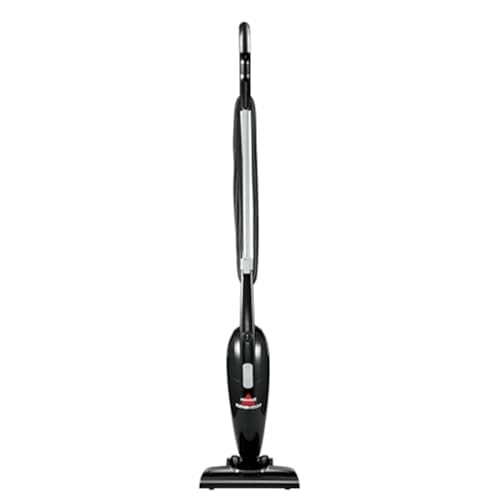
Bissell Featherweight Stick Vacuum 2033
The shortened name suits the machine because there’s nothing fussy about it. The Bissell Featherweight Stick Vacuum 2033 combines a stick vacuum, handheld vacuum, and stair vacuum in one lightweight setup. Switching formats lets the same appliance move from open flooring to furniture edges and stair treads without requiring a closet full of separate cleaning tools. That flexibility is the main attraction, especially when storage space is already stretched thin.
Its powerful suction is intended for loose debris and fast surface cleaning rather than deeply embedded dirt. Dry cereal, crumbs, dust, pet hair, and small bits of tracked-in soil are the sort of messes it handles most naturally. On sealed hard floors, the floor nozzle can cover visible debris without the hassle of sweeping everything into a dustpan. Low-pile carpet and area rugs are also within its range, though the lack of a motorized brush roll limits how aggressively it can lift compacted fibers.
The 0.67-liter bagless dirt cup keeps ownership simple and removes the need to buy replacement bags. Its capacity is reasonable for short cleaning rounds, but pet hair and fluffy debris can fill it faster than the number suggests. Emptying the cup after several small jobs helps maintain airflow and prevents stale debris from sitting inside. Fine dust can puff out during disposal, so easing the cup into a trash bin works better than giving it a hard shake.
Three Cleaning Modes Keep Small Jobs Manageable
The upright stick configuration is the most practical mode for routine floor care. Its lightweight frame makes it easier to carry between rooms, steer around dining chairs, and lift over thresholds than a conventional upright. Short cleaning sessions feel less tiring because there’s less weight pushing back through the handle. The tradeoff is a narrower cleaning path, so covering a large open room may require more passes.
Removing the handle turns the unit into a compact handheld vacuum for counters, furniture, shelves, and localized spills. That conversion matters when crumbs land on a sofa or dust settles along the edge of a cabinet. The included crevice tool reaches into narrow gaps where the main nozzle can’t sit flat, such as between cushions or beside baseboards. Still, the cord follows the machine in handheld mode, which can feel awkward around tightly arranged furniture.
The stair configuration lands somewhere between the other two modes. Using the floor nozzle without the full-length handle gives better control on individual steps while keeping the suction head broad enough to gather visible debris. This stair-cleaning setup avoids balancing a heavy upright on each tread, a chore that can quickly become frustrating. The nozzle is better suited to surface dirt than embedded carpet grit, so heavily used carpeted stairs may still need occasional attention from a stronger machine.
Hard Floors Reveal Its Strongest Side
Sealed hard flooring plays to the vacuum’s straightforward design. The nozzle can collect crumbs and loose grit from tile, laminate, vinyl, and sealed wood without relying on a spinning brush. That simple approach reduces the chance of hair winding around a brush roll because there isn’t one to untangle. The hard-floor performance is most useful for visible daily messes, not fine dust trapped inside deep grout lines.
Low-pile carpet and area rugs receive lighter treatment. Suction removes surface lint, scattered debris, and crumbs, but the head doesn’t dig through carpet fibers the way a powered brush can. That difference becomes obvious with embedded pet hair or dirt pressed down by repeated foot traffic. The surface-cleaning focus is honest enough once expectations are set, yet it may disappoint anyone hoping to replace a full-size carpet vacuum entirely.
Countertops are listed among the supported surfaces, though common sense still matters. Dry crumbs and loose debris are suitable, while wet spills, sticky residue, fireplace ash, and sharp fragments should stay out of the dirt cup. The machine is a dry vacuum, not a wet-dry cleaner, so liquid pickup could damage internal parts. A quick handheld pass after food preparation can save time, but wiping the surface afterward remains necessary for grease or fine residue.
Corded Power Brings Reliability And Limits
The corded design eliminates battery anxiety. There’s no charging dock to remember, no runtime clock ticking down, and no battery pack gradually losing capacity over years of use. Plugging in delivers consistent ready-to-use power whenever a mess appears. That reliability is handy for repeated pickups during busy days, though it comes at the cost of switching outlets as the cleaning area expands.
Cord management is the less charming part of the deal. The cable can trail around chair legs, catch against corners, or require repositioning while moving between rooms. Wrapping it after every use also takes a few extra seconds compared with dropping a cordless model onto a dock. Still, the unlimited cleaning time is a meaningful advantage for anyone tired of discovering a dead battery right after something spills.
Storage is easier than it is with many upright vacuums because the machine’s footprint is narrow and its body is light. It can fit into a slim utility closet, a laundry nook, or a corner where a bulky cleaner would be in the way. The detachable parts should be stored together, since a misplaced crevice tool is easy to forget until the exact moment it’s needed. From a practical angle, this Gibraltar pool cost reference concerns a separate outdoor planning topic rather than vacuum maintenance.
Pros That Matter During Everyday Cleanup
The biggest strength is accessibility. A vacuum that feels easy to grab tends to get used before crumbs spread into other rooms or dirt is ground into flooring. The low carrying weight also reduces the annoyance of transporting it upstairs, especially for a two-minute cleanup that doesn’t warrant heavy equipment. Convenience sounds minor on paper, but it often determines whether a small mess gets handled promptly or ignored.
Multipurpose conversion adds genuine value without making the machine complicated. The stick, handheld, and stair formats cover several common jobs, while the crevice tool adds reach along edges and between cushions. There aren’t dozens of attachments to sort through or settings to decode. This simple three-in-one design keeps setup quick, which fits the machine’s role as a grab-and-go cleaner.
Maintenance costs remain modest because the dirt cup is bagless and the design avoids a powered brush roll. There are no disposable bags to keep on hand, and hair-wrap removal isn’t part of the normal routine. The filter still needs cleaning, and the cup still needs emptying, so it’s not maintenance-free. Even so, the straightforward upkeep is easier to manage than a more complicated system filled with specialized components.
Cons And Tradeoffs Worth Knowing
Carpet performance is the clearest limitation. Without an agitating brush roll, the vacuum mostly lifts material resting near the surface instead of loosening debris pressed deep into the pile. Thick rugs, plush carpet, and stubborn pet hair can require repeated passes with modest results. The limited deep-cleaning ability makes this better as a companion vacuum than a sole machine in a carpet-heavy home.
The small dirt cup supports the compact body, but it also fills sooner than a full-size canister. Large debris, pet hair, and dust clumps can occupy the available space quickly, leading to more frequent trips to the trash. Emptying isn’t difficult, though fine particles may cling to the cup and filter. The 0.67-liter capacity suits touchups better than whole-house cleaning marathons.
The floor head favors maneuverability over coverage. Its compact size slides through narrow spaces, yet it takes more back-and-forth movement across wide rooms. The cord adds another layer of management, especially in layouts with few conveniently placed outlets. These coverage and mobility tradeoffs aren’t deal breakers for short jobs, but they become more noticeable during longer cleaning sessions.
Maintenance Habits That Preserve Suction
Airflow depends heavily on keeping the dirt path clear. Letting debris pile past the cup’s practical limit can reduce suction even before the container appears completely packed. Emptying it regularly and checking the inlet for clogs helps the motor breathe properly. A little attention to airflow maintenance makes a noticeable difference on a compact vacuum with limited power reserves.
The filter needs periodic cleaning according to the manufacturer’s care guidance. Dust embedded in the filter can make the vacuum sound strained while leaving more debris behind on each pass. Any washable component should be completely dry before reinstalling it, since trapped moisture can lead to odor or equipment trouble. Keeping the filter clean and dry is less glamorous than vacuuming, but it protects day-to-day performance.
The nozzle and crevice tool also deserve a quick inspection now and then. Hair, thread, paper scraps, or larger crumbs can lodge inside narrow air channels and quietly weaken pickup. Wiping exterior surfaces prevents dust from transferring back onto counters or furniture during handheld use. Stored with the cord neatly wrapped and attachments nearby, the Bissell Featherweight 2033 stays ready for the next trail of crumbs, dusty stair, or gritty patch by the door.
Bissell Featherweight Lightweight Handheld Stick Vacuum
A few crumbs by the stove can sit there all day simply because pulling out a bulky vacuum feels like overkill. Small apartments, crowded closets, and quick cleanup routines don’t leave much room for heavy equipment or long setup times. The bissell featherweight lightweight handheld stick vacuum fills that practical gap with a slim corded body, a bagless dirt cup, and three cleaning configurations. It’s built for surface messes and fast touchups, not for wrestling deeply packed dirt out of thick carpet.
Bissell Featherweight Stick Vacuum 2033M
The Bissell Featherweight Stick Vacuum 2033M keeps its design plain and easy to understand. It functions as a stick vacuum for floors, a handheld vacuum for localized messes, and a stair vacuum for tighter spaces. That three-in-one layout makes more sense than storing separate machines for each little job. The black finish also gives this version a quieter, less playful appearance than brighter color variants.
Its strongest practical quality is quick-pickup convenience. Dry cereal, dust, crumbs, loose hair, and tracked-in grit can be handled without assembling a complicated set of parts. Plug it in, choose the appropriate configuration, and get moving. That simplicity matters because a cleaning tool that takes too much effort to prepare often stays parked in the closet.
The 0.67-liter bagless dirt cup is large enough for ordinary touchups, though it isn’t meant for marathon cleaning sessions. Pet hair and light, fluffy debris can fill the chamber sooner than heavier crumbs do. Frequent emptying helps preserve airflow and keeps old debris from sitting inside the machine. Fine dust may cling to the cup, so slower disposal is usually less messy than snapping it open over the trash.
Three Modes Handle Different Kinds Of Mess
The full stick setup is the natural choice for sealed hard floors and open stretches of low-pile carpet. Its lightweight form makes short passes around tables, kitchen islands, and entryways easier than they would be with a full-size upright. The narrow body also slips into cramped storage spots without taking over the closet. Still, the compact floor head means wider rooms may require more back-and-forth movement.
Removing the long handle converts the unit into a handheld vacuum. That format works well for countertop crumbs, furniture edges, upholstery seams, and small spills of dry debris. The included crevice tool reaches along baseboards and between cushions where the floor nozzle can’t sit flat. The attached cord remains part of the experience, though, and it can feel a bit clumsy around tightly arranged furniture.
The stair configuration uses the floor nozzle without the full upright handle. This setup gives better control on individual treads and reduces the awkwardness of balancing a large vacuum on a staircase. Surface lint, crumbs, and loose dirt are fair targets for the stair-cleaning mode. Deeply embedded debris in carpeted steps will still expose the limits of a suction-only head.
Switching between modes doesn’t involve a maze of switches or accessories. The process is simple enough that the vacuum can move from a kitchen floor to a couch seam without turning the job into a project. That multipurpose versatility is useful in homes where messes rarely stay in one place. The tradeoff is that each mode shares the same modest motor and dirt capacity, so none of them behaves like a specialized heavy-duty machine.
Hard Floors Suit The Design Best
Sealed hard flooring is where the vacuum feels most comfortable. The nozzle can collect loose debris from laminate, tile, vinyl, and sealed wood without depending on a rotating brush roll. That means there’s no spinning brush to gather long hair around its axle. The hard-floor performance is especially sensible for kitchen crumbs, entryway grit, and dust hiding beneath dining chairs.
The absence of a motorized brush also brings a limitation. Fine material lodged inside textured tile or deep grout lines may need more than one pass, and sticky residue is outside the machine’s job description. This is a dry vacuum only, so liquid, damp debris, fireplace ash, and greasy messes should stay out of the dirt cup. A mop or cloth is still needed after suction removes the loose material.
Countertops are included among the listed surfaces, which fits the handheld configuration. Dry flour, toast crumbs, and cereal bits can be collected before wiping the area clean. The nozzle should be clean before touching food-preparation surfaces, since dust from floors can transfer back onto the counter. That small hygiene habit makes the countertop cleaning mode more sensible in real-world use.
Low furniture clearance may also limit where the floor head can travel. The slim body is easier to maneuver than a bulky upright, but the nozzle and handle angle still determine whether it can slide beneath a sofa or cabinet. Tight corners often require the crevice tool rather than repeated jabbing with the main head. The compact footprint helps, yet it doesn’t eliminate every access problem.
Carpet Cleaning Comes With Clear Boundaries
Low-pile carpet and area rugs can be cleaned at the surface level. Loose crumbs, lint, and visible hair may lift without much fuss, particularly when they haven’t been pressed deep into the fibers. The vacuum’s surface-dirt pickup suits quick maintenance between more thorough cleaning sessions. It won’t scrub or agitate carpet the way a powered brush roll can.
Thicker rugs tell a different story. Dense fibers can restrict airflow at the nozzle, while embedded pet hair may cling more stubbornly than loose debris on hard flooring. Repeated passes might improve the result, but there’s a point where more effort stops making sense. The limited carpet agitation is the machine’s most significant performance compromise.
Area rugs can also shift under a lightweight nozzle, especially if they lack a grippy backing. Holding an edge in place may be necessary during short passes, which interrupts the smooth grab-and-go rhythm. Fringe should be approached cautiously because suction can pull loose strands toward the inlet. These rug-handling quirks aren’t unusual for a compact stick vacuum, but they’re worth anticipating.
Homes with mostly plush carpet will likely need a stronger main vacuum. The 2033M makes more sense as a secondary cleaner for crumbs, stairs, and hard-floor touchups than as the only machine in that setting. Its best-fit role is routine maintenance, not deep extraction. Expecting that distinction from the start prevents frustration later.
Corded Power Avoids Battery Hassles
The corded setup is refreshingly predictable. There’s no battery percentage to watch, no charging dock to remember, and no pause because somebody forgot to plug the machine in overnight. Consistent corded suction is available as soon as the plug reaches an outlet. That reliability can be more valuable than cordless freedom during frequent short cleanups.
Of course, the cord has its own personality, and occasionally it gets underfoot. It can snag around chair legs, pull against corners, or force an outlet change while moving between rooms. Wrapping it after use adds another small step to the routine. The unlimited runtime is the payoff, but mobility isn’t quite as carefree as it is with a battery model.
Room layout affects how noticeable that compromise becomes. A compact kitchen with nearby outlets may feel easy, while an open floor plan can involve more plugging and unplugging. Extension cords aren’t an elegant daily fix because they add clutter and another item to manage. The machine’s practical cleaning radius depends as much on outlet placement as on the vacuum itself.
Storage remains fairly simple despite the cord. The slim upright shape can stand in a narrow utility area, and the lightweight body is easy to reposition when closet shelves are crowded. Keeping the crevice tool beside the vacuum prevents the usual hunt through drawers and baskets. From a separate household-care angle, this oven cleaner residue reference addresses leftover chemical film rather than vacuum care.
Everyday Pros Go Beyond Low Weight
The first advantage is that the vacuum lowers the effort required to start cleaning. A lightweight machine doesn’t need much planning, lifting, or rearranging before use. That easy grab-and-go handling makes it more likely that crumbs and grit get removed before they spread. Frequent light maintenance can be less tiring than allowing several small messes to become one large job.
The three-in-one design also saves storage space. A separate handheld vacuum, stair cleaner, and small upright would occupy more room and create more charging or maintenance routines. Here, the convertible body handles those roles with a limited set of parts. Simplicity is the selling point, not an overwhelming collection of accessories.
Bagless operation removes the recurring need to buy and store disposable bags. Emptying the dirt cup is quick, and the clear container makes it easy to see when debris is building up. The 0.67-liter capacity also keeps the overall body compact. That low-cost upkeep feels practical, though dust-sensitive households may prefer the cleaner disposal of a sealed bag.
The lack of a rotating brush reduces hair-wrap maintenance. Long strands can still collect around the nozzle opening or lodge inside the airflow path, but there’s no powered roller that demands regular cutting and unwinding. That simpler floor head is easier to inspect after a cleaning session. The compromise, once again, is weaker agitation on carpet.
Weaknesses Show Up During Bigger Jobs
The dirt cup becomes the first bottleneck during longer sessions. Its 0.67-liter volume is sensible for a light machine, yet several rooms of pet hair or bulky debris can fill it quickly. Stopping to empty the cup breaks momentum and may scatter dust if the bin is handled too briskly. The small debris capacity confirms that this vacuum favors touchups over full-house cleaning.
Coverage speed is another limitation. The narrow nozzle navigates furniture well, but it takes more passes to clean broad stretches of floor. A larger upright can cover an open living room faster, even if it’s heavier and more cumbersome. The compact cleaning path helps in tight quarters while slowing down bigger spaces.
Noise expectations should remain realistic too. Lightweight doesn’t automatically mean whisper-quiet, and compact motors can produce a noticeable high-pitched sound. Short bursts are unlikely to feel overwhelming, but extended sessions may become tiring in a small room. The sound level tradeoff matters more when cleaning near sleeping children, nervous pets, or shared workspaces.
The basic accessory set keeps things simple but leaves gaps. The crevice tool helps with narrow spaces, while the floor nozzle covers stairs and open surfaces. There’s no specialized upholstery brush, powered pet tool, or dusting brush listed with this configuration. That limited attachment selection reduces clutter, though it also narrows the machine’s reach on delicate or deeply textured surfaces.
Maintenance Determines How Long Suction Holds Up
Compact vacuums depend heavily on unrestricted airflow. A partially clogged filter or packed dirt cup can make the motor sound busy while pickup weakens. Emptying debris before it reaches the upper limit helps maintain steady suction. The inlet and nozzle should also be checked whenever performance suddenly drops.
Fine dust deserves extra attention because it can settle into the filter quickly. Cleaning the filter according to the manufacturer’s instructions keeps air moving through the machine as intended. Any washable part must dry completely before reinstallation, since trapped moisture can encourage odor and interfere with operation. Proper filter care costs little but affects nearly every cleaning session.
The crevice tool can clog when larger crumbs or paper scraps enter its narrow channel. A quick visual inspection usually reveals the obstruction before it becomes a bigger nuisance. Hair and thread may also gather near the floor nozzle opening, even without a brush roll. Routine air-path checks keep small restrictions from quietly turning into disappointing pickup.
Cord storage matters more than it seems. Tight bends near the plug or body can strain the cable over time, while loose loops become a tripping hazard in a crowded closet. Wrapping the cord neatly and storing the attachments nearby keeps the Bissell Featherweight 2033M ready for the next small mess. Used within its limits, it remains a straightforward tool for hard floors, low-pile surfaces, counters, furniture gaps, and stairs.

Bissell Featherweight Lightweight Handheld Stick Vacuum
Heavy cleaning gear often creates more resistance than the mess itself. A few crumbs under the table, dust on the stairs, or lint across a small rug shouldn’t require dragging a bulky machine out of storage. The bissell featherweight lightweight handheld stick vacuum takes a lighter approach with a compact body, corded power, and a removable floor nozzle. Its job is straightforward: handle quick surface cleanup without turning a five-minute chore into an afternoon project.
Bissell Featherweight Stick Vacuum 20334
The Bissell Featherweight Stick Vacuum 20334 is built around simplicity rather than an oversized collection of controls and attachments. Its 700-watt motor supplies corded suction for dry debris on hard floors, low-pile carpet, area rugs, stairs, and upholstery. The purple body adds a bit of personality, though the more important detail is how little room the machine demands in a closet. Compact dimensions and low weight make it easier to grab, carry, and put away without rearranging half the utility space.
A 0.67-liter bagless dirt cup holds the debris collected during shorter cleaning rounds. That capacity fits the machine’s quick-cleaning role, but it can fill rapidly with pet hair, lint, or bulky cereal pieces. Emptying the cup before it becomes tightly packed helps preserve airflow and reduces strain on the motor. The clear container also makes it easy to see when the vacuum is ready for a trip to the trash.
The corded design keeps power delivery predictable. There’s no battery to recharge, no runtime counter to watch, and no unpleasant surprise when a spill appears after the machine has been sitting unused. The included 15-foot power cord provides a practical radius for small rooms and localized messes. Larger layouts may require outlet changes, but cleaning time itself isn’t limited by battery capacity.
Convertible Design Makes Small Jobs Less Awkward
The vacuum converts from a full stick configuration into a compact handheld unit by removing the long handle and floor setup. That change lets the same machine address both open flooring and smaller surfaces without storing a second appliance. The two-in-one conversion feels especially useful around furniture, countertops, stairs, and upholstery. Better yet, the process is simple enough that switching modes doesn’t interrupt the job for long.
Keeping the removable floor nozzle attached creates a shorter stair-cleaning setup. The reduced length offers more control on individual steps than a full upright vacuum, while the broader nozzle covers more area than the crevice tool alone. This stair vacuum configuration is suited to loose crumbs, surface lint, and visible dirt. Deep debris embedded in carpeted treads may still require a machine with a powered brush roll.
Removing the floor nozzle produces a more compact handheld shape for furniture and narrow spaces. The included crevice tool reaches along cushion seams, beside baseboards, and into corners where the main nozzle won’t fit. It can also help collect dry crumbs from upholstery or around the edges of counters. The power cord follows the machine in handheld mode, though, so some care is needed around chair legs and tightly arranged furniture.
Hard Floors Bring Out Its Practical Strength
Sealed hard floors suit the vacuum’s direct suction design. Loose grit, dust, crumbs, and hair can be collected from tile, laminate, vinyl, and sealed wood without the added maintenance of a spinning brush roll. The hard-floor pickup is most convincing during routine touchups, particularly around kitchen tables and entryways. Sticky residue and wet spills remain outside its role because this is a dry vacuum, not a wet-cleaning machine.
The removable nozzle offers enough coverage for everyday floor debris while staying narrow enough to move around chair legs and smaller furniture. That balance makes it easier to clean congested areas where a wide upright head feels clumsy. On the other hand, the compact cleaning path requires more passes across broad rooms. Speed depends on the size of the space and how scattered the debris has become.
Fine dust can settle into corners or textured flooring where a single pass may not collect everything. Slower movement helps the nozzle maintain contact with the surface instead of skating over lighter particles. The crevice attachment can handle stubborn edges, though swapping tools adds a small interruption. This surface-focused cleaning works best when the mess is visible and loose rather than ground into gaps or grout.
Carpet And Upholstery Need Realistic Expectations
Low-pile carpet and area rugs fall within the machine’s listed uses, but the cleaning action remains suction-based. Loose crumbs, lint, and surface hair are reasonable targets, especially during maintenance between deeper sessions. The vacuum’s carpet performance is less persuasive with compacted dirt or stubborn hair pressed into dense fibers. Without a powered brush, there’s little agitation to loosen debris below the surface.
Lightweight area rugs may shift as the nozzle moves across them. Holding an edge with one foot can steady the material, although that interrupts the otherwise quick routine. Fringe should be approached carefully because loose strands may be pulled toward the inlet. The rug-cleaning tradeoff is manageable for short passes, but delicate or thick rugs call for more caution.
Upholstery cleaning benefits from the handheld conversion and crevice tool. Dry crumbs trapped beside cushions, loose hair on fabric, and dust along seams can be removed without balancing the full stick body over a sofa. The handheld setup is compact enough for localized work, yet it lacks a specialized upholstery brush. Textured fabric and embedded pet hair may need repeated passes or a more targeted attachment.
Pros That Show Up In Daily Use
The strongest advantage is how little effort it takes to start cleaning. A lightweight vacuum can be carried from room to room without the resistance of a heavy upright, and that matters during short jobs. The easy handling makes quick maintenance feel less annoying after meals, craft projects, or muddy foot traffic. A tool that’s simple to reach often gets used before debris spreads farther.
Storage is another practical win. The slim body can fit inside narrow closets, laundry areas, or corners where a full-size cleaner would be awkward. Detachable components also reduce the amount of vertical space needed, provided the pieces are kept together. This compact storage footprint is especially useful where every shelf and closet section already has a job.
Corded power removes the uncertainty that comes with battery-operated cleaning tools. The suction doesn’t depend on charging habits, and longer sessions aren’t cut short by a low battery warning. The continuous power supply supports repeated pickups throughout the day. Mobility is less free than it would be with a cordless model, but reliability is the payoff.
The simple attachment set avoids clutter. A removable floor nozzle and crevice tool cover the most common jobs without creating a drawer full of pieces that rarely get used. That straightforward accessory setup keeps the learning curve low and maintenance manageable. Fewer specialized tools also mean fewer components to misplace.
Limitations Become Clear During Larger Cleaning Sessions
The 0.67-liter dirt cup is sensible for a small vacuum, though it limits how long the machine can run before disposal becomes necessary. Pet hair and lightweight debris occupy space quickly, and overfilling can restrict airflow. The small dirt capacity is acceptable for spot cleaning but less convenient during whole-home work. Frequent emptying also means more contact with dust than a sealed bag system would require.
The 15-foot cord provides useful reach in compact rooms, but outlet placement shapes the cleaning experience. Moving through a larger home may involve repeated unplugging and rerouting around furniture. The cord can also catch on corners or wrap around chair legs if it isn’t managed deliberately. This corded mobility limit is the main cost of having unrestricted operating time.
Deep carpet cleaning remains outside the machine’s strengths. Its lightweight nozzle and lack of powered agitation make it better at lifting surface debris than pulling dirt from thick fibers. A carpet-heavy layout may expose this deep-cleaning weakness fairly quickly. The model makes more sense as a secondary vacuum in that setting rather than the only cleaner available.
Noise may also be more noticeable than the compact size suggests. Small corded motors can produce a sharper sound, particularly in kitchens, hallways, or other hard-surfaced rooms where sound reflects. Brief cleanup sessions keep that issue manageable, but longer use may feel tiring. The sound tradeoff is worth remembering around sleeping children, nervous pets, or shared workspaces.
Maintenance Habits Protect Everyday Suction
Regular dirt-cup emptying is the easiest way to support consistent performance. Packed debris narrows the airflow path and can make the motor sound busier while pickup becomes weaker. Clearing the cup before it reaches its practical limit helps maintain steady suction. Gentle disposal also reduces the chance of fine dust billowing back into the room.
The filter needs routine attention because compact bagless vacuums rely heavily on unobstructed airflow. Dust can settle into the filter long before the cup looks full, especially after cleaning fine particles from hard floors. Following the manufacturer’s care instructions helps preserve the filter performance without guesswork. Any washable component should be completely dry before it returns to the machine.
The nozzle and crevice tool can collect hair, thread, paper scraps, and larger crumbs near their openings. A quick inspection after heavier use prevents small blockages from quietly reducing pickup. The cord should also be wrapped without sharp bends that could strain the outer covering over time. From a separate household-maintenance angle, a neutral reference appears in this guide to toilet bowl cleaners for rust, which concerns bathroom stains rather than vacuum upkeep.
Storage works best when the detachable parts stay beside the main unit. A missing crevice tool usually becomes noticeable only after crumbs have settled into a narrow seam, so keeping attachments together saves frustration. The Bissell Featherweight 20334 is most useful when it remains clean, unclogged, and ready to plug in. With those basics handled, its lightweight frame and convertible design stay focused on the quick jobs it was built to manage.

BISSELL Featherweight Cordless Stick Vacuum 3061
A quick spill rarely waits for a convenient moment, and dragging a cord across the room can make a tiny cleanup feel bigger than it is. The bissell featherweight lightweight handheld stick vacuum takes a cordless route with a 10.8V lithium-ion battery, a removable hand vacuum, and a folding handle that tackles both storage and reach. Its listed runtime reaches up to 20 minutes after a charging period of about 4.5 hours. That balance favors fast daily touchups rather than long, room-by-room cleaning sessions.
BISSELL Featherweight Cordless Vacuum 3061
The BISSELL Featherweight Cordless Vacuum 3061 is designed around freedom of movement. Without a power cord trailing behind, it can move from a kitchen floor to a hallway or staircase without stopping at each outlet. That cordless convenience is especially noticeable around furniture legs, narrow passages, and cluttered corners. The tradeoff, plain and simple, is that every cleaning session depends on the battery being charged.
Its 10.8V lithium-ion battery provides up to 20 minutes of runtime, which fits crumbs, visible pet hair, tracked-in grit, and other localized debris. Twenty minutes can cover several small jobs when the vacuum is used with purpose, but it leaves little room for slow, whole-home cleaning. A 4.5-hour charging time also means the battery won’t bounce back quickly after being drained. Keeping the machine charged between uses makes the difference between instant cleanup and an inconvenient pause.
The electric blue and black body has a slim, lightweight profile that’s easier to carry than a conventional upright. That matters on stairs or during quick trips between floors because less weight reduces the usual tug on the wrist and shoulder. The lightweight construction also makes the vacuum less intimidating for a two-minute job. Still, low weight usually comes with a smaller dirt bin and more modest cleaning power than a full-size machine.
Folding Handle Solves Two Everyday Problems
The two-way folding handle isn’t merely a storage trick. Folded one way, it breaks the vacuum down into a shorter shape that fits more easily inside a crowded closet or beneath a shelf. That compact storage design helps where brooms, mops, and cleaning supplies are already competing for space. Fewer awkward angles also make it easier to keep the vacuum from tipping into other stored items.
The same handle can extend the machine’s reach beneath furniture. Instead of bending low or moving a couch for every dust patch, the vacuum can approach the floor at a flatter angle. This under-furniture reach is handy below beds, side tables, and raised cabinets where debris tends to hide. Clearance still depends on the height of the floor head, so very low furniture may remain out of reach.
Moving parts introduce their own responsibility, of course. Folding joints need to be handled deliberately rather than forced, especially when the vacuum is being repositioned in a hurry. The mechanism adds useful flexibility, but it also becomes another area where dirt, hair, or rough handling could interfere over time. The folding-handle advantage is strongest when compact storage and low-angle cleaning are frequent concerns.
Removable Hand Vacuum Adds Useful Range
The built-in hand vacuum separates from the main stick body for above-floor cleaning. That change makes furniture, counters, car interiors, stair corners, and small shelves easier to address without lifting the full vacuum. The removable hand vac gives the machine more practical reach than a fixed stick design. It also keeps quick jobs from requiring a separate handheld appliance and another charger.
An Easy Empty Dirt Bin is intended to simplify debris disposal. The bin can be emptied without dealing with disposable bags, which keeps ongoing supply costs low. Fine dust and pet hair may still cling to interior surfaces, so the process isn’t always completely hands-off. Regular emptying supports steady airflow and prevents old debris from sitting inside the compact hand unit.
The washable filter is another maintenance-friendly feature, provided it’s cared for properly. Dust buildup can restrict airflow and make a small vacuum feel weaker than it should. After washing, the filter needs to dry thoroughly before being reinstalled because trapped moisture can create odor or interfere with operation. This washable filter system reduces replacement frequency, though it does require patience between cleaning and reuse.
Included Tools Handle Furniture And Narrow Gaps
The upholstery brush gives the hand vacuum a broader surface for fabric cleaning. Loose hair, crumbs, and lint on couches or padded chairs can be collected without pressing a bare nozzle directly against the material. Its upholstery-cleaning role is best suited to surface debris rather than hair tightly woven into textured fabric. Repeated passes may be necessary on dense upholstery or heavily used pet resting spots.
The crevice tool reaches into narrow spaces where the main floor head and upholstery brush can’t fit. Sofa seams, baseboard edges, car-seat gaps, and the spaces beside appliances are natural places for it. That narrow-gap access turns the removable hand vac into a more useful detail-cleaning tool. Larger crumbs can clog a slim attachment, so checking the opening after tougher jobs is a sensible habit.
Tool storage can become the annoying part if the attachments don’t have a consistent home. Small accessories have a talent for disappearing into drawers right before they’re needed. Keeping the brush and crevice tool near the charger protects the vacuum’s above-floor versatility. From a separate pet-care angle, a neutral reference appears in this overview of cleaners for cat urine, which deals with odor and residue rather than dry vacuum pickup.
Cordless Cleaning Feels Free But Time-Limited
The absence of a cord makes movement smoother around tables, kitchen islands, and staircases. There’s no plug to relocate, no cable to pull around corners, and no risk of wrapping the cord around a chair leg. This cordless mobility can make quick pickups feel genuinely quicker. It also lets the vacuum move into areas where a nearby outlet would otherwise be a nuisance.
Battery limits become more visible as the job grows. Up to 20 minutes sounds reasonable for daily maintenance, but it can disappear quickly across several rooms or during repeated tool changes. The listed 4.5-hour charge time means a drained battery effectively ends the session for a while. The runtime limitation matters less for crumbs and more for ambitious cleaning plans.
Battery-powered appliances also change with age, and runtime can gradually become less predictable over long ownership. The provided information doesn’t specify replaceability, so expectations should stay centered on the stated battery system rather than assumed upgrades. Charging after use helps preserve readiness, although leaving the vacuum uncharged defeats its biggest convenience. The cordless tradeoff is freedom now in exchange for planning later.
Everyday Strengths Fit Fast Maintenance
The machine’s strongest quality is its willingness to handle little jobs without ceremony. Lightweight construction, cordless movement, and a removable hand unit reduce the number of steps between noticing dirt and removing it. That quick-cleaning efficiency is useful after meals, near litter areas, around entryways, or beside furniture. Messes that might be ignored with a heavy vacuum become easier to tackle immediately.
Compact storage also supports frequent use. The folding handle helps the vacuum fit into smaller utility spaces, while the detachable hand unit keeps above-floor cleaning close at hand. This space-saving layout makes sense where every closet inch is already claimed. The vacuum doesn’t need a large docking zone, though the charger still needs an accessible location.
The included tools broaden what the machine can address without creating an excessive accessory collection. An upholstery brush and crevice tool cover two common trouble spots: fabric surfaces and narrow gaps. That focused attachment set keeps the setup understandable and reduces clutter. It won’t cover every specialty task, but it avoids filling a cabinet with rarely used pieces.
Weaknesses Show Up During Deeper Cleaning
Twenty minutes of maximum runtime sets a clear ceiling. A focused kitchen cleanup may fit comfortably, while a full sweep of multiple rooms can feel rushed. The limited operating window encourages short sessions and targeted priorities. Anyone who prefers cleaning the entire home in one uninterrupted pass may feel boxed in by the battery.
The 4.5-hour charge time is another practical constraint. Once the battery is drained, there’s no quick turnaround for a second round later the same hour. That delay matters when several messes happen close together or when a larger job was underestimated. The slow recharge cycle is manageable with routine charging but inconvenient after unexpected heavy use.
Compact cordless vacuums also tend to favor surface debris over deeply embedded dirt. The supplied description emphasizes lightweight convenience, hand-vac flexibility, and short-runtime cleaning rather than heavy carpet agitation. Thick rugs, dense carpet, and stubborn pet hair may require more passes or a stronger primary vacuum. The deep-cleaning limitation doesn’t erase the machine’s value, but it defines its proper role.
Maintenance Keeps The Small System Working Properly
The Easy Empty Dirt Bin should be cleared before debris becomes tightly packed. Overfilling a small bin restricts airflow and can make the vacuum sound busy while collecting less. Frequent disposal supports consistent suction and keeps old pet hair or crumbs from producing stale odors. Opening the bin slowly over a trash can also reduces dust clouds.
The washable filter requires a simple but strict routine. Rinse it according to the manufacturer’s care instructions, remove trapped dust, and allow it to dry completely before reassembly. A damp filter can create odor and interfere with airflow, so rushing this step isn’t worth it. Proper filter maintenance helps the removable hand vac perform closer to its intended level.
The upholstery brush and crevice tool should be inspected for hair, thread, or compacted crumbs. Narrow air channels can clog quietly, causing weaker pickup even when the dirt bin looks empty. Wiping the floor head and checking the folding joint also keeps debris from building up around moving areas. These small upkeep habits matter more on a compact vacuum because every restriction takes a larger share of the available airflow.
Charging placement deserves thought as well. A convenient outlet near the storage area makes it easier to return the vacuum to a ready state after use. Tucking the charger somewhere awkward often leads to skipped charging and a dead battery at the worst moment. The BISSELL Featherweight Cordless 3061 delivers its best everyday experience when the bin is empty, the filter is dry, and the battery is already prepared for the next quick mess.

BISSELL PowerClean FurFinder Cordless Vacuum
Pet hair rarely stays where it’s easy to see. It settles into couch seams, clings to stair fabric, drifts beneath furniture, and hides in dim corners until the light hits just right. The bissell featherweight lightweight handheld stick vacuum keyword points toward easy handling, but the BISSELL PowerClean FurFinder takes that idea into a more capable cordless setup with a 200W motor, pet-focused lighting, and multiple cleaning configurations. Its appeal rests on stronger pickup, flexible reach, and fewer interruptions during everyday fur cleanup.
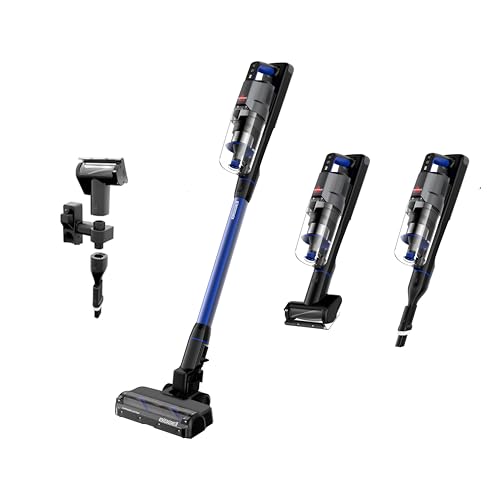
BISSELL PowerClean FurFinder 200W
The BISSELL PowerClean FurFinder 200W is built around one stubborn problem: hair that blends into upholstery and flooring until it has already piled up. FurFinder Headlights illuminate hidden pet hair, fine dust, and debris, making neglected areas easier to spot before the vacuum passes over them. That visibility is more useful than decorative lighting because it changes where cleaning effort goes. Instead of guessing, the floor head reveals the mess.
A 200W motor gives the vacuum a more serious cleaning profile than a basic lightweight stick model. The supplied description emphasizes strong suction for pet hair, crumbs, dust, and debris across several surfaces. Raw motor power doesn’t guarantee the same result on every rug or fabric, but it gives the machine more headroom for demanding pickups. Thick carpet and tightly woven upholstery may still require slower passes.
The cordless body converts into a stick vacuum, handheld vacuum, or high-reach cleaner. That multi-surface flexibility lets the same machine move from floors to furniture, stairs, auto interiors, and elevated areas. Switching formats can reduce the need for separate cleaning tools, though each conversion adds pieces that need to remain organized. The overall design favors versatility without depending on a power cord.
FurFinder Lighting Makes Hidden Debris Visible
Bright headlights sound like a minor extra until fine hair disappears against dark flooring or beneath a sofa. The FurFinder Headlights cast light across the cleaning path so dust, fur, and crumbs stand out more clearly. That can prevent the familiar problem of finishing a room only to notice missed debris from another angle. Visibility improves efficiency because fewer random passes are needed.
Lighting is especially useful along baseboards, under tables, and in rooms with uneven natural light. Pale pet hair on light floors can be difficult to notice, while dark fur tends to vanish on rugs and upholstery. The illuminated cleaning path exposes both kinds more reliably. It won’t pull debris out by itself, of course, but it helps the operator direct suction where it matters.
The headlights also reveal fine dust that might otherwise look harmless. Once illuminated, that thin layer becomes much harder to ignore around furniture legs and hallway edges. This debris-detection advantage suits frequent maintenance because small accumulations can be removed before they spread. The tradeoff is simple: once the light shows everything, quick cleanup may turn into a longer session.
Pet Hair Pickup Goes Beyond Open Floors
The FurFinder Tool targets embedded hair on couches, chairs, stairs, and vehicle interiors. According to the supplied product details, it removes up to 95% of embedded pet hair and works up to twice as fast as the referenced competitor setup. Those figures come from the provided manufacturer claim, not an independent test described here. Even with that caveat, the attachment’s purpose is clear: tackle hair that a standard floor head may leave behind.
Upholstery creates a tougher cleaning surface than hard flooring because fibers grip hair rather than letting it sit loose. The FurFinder upholstery tool concentrates attention on fabric where claws, movement, and static push strands deeper. Slower overlapping strokes are likely to make more sense than rushing across the material. Deeply woven fabrics may still demand repeated passes.
Car interiors are another natural fit for the removable handheld configuration. Hair collects around seat edges, footwells, cargo areas, and narrow gaps that a full stick vacuum can’t approach comfortably. The handheld conversion reduces bulk while keeping the same cordless power source available. Battery use may increase during detailed vehicle cleaning because small areas often require careful, repetitive work.
Tangle-Free Brush Roll Reduces Hair Hassles
Long hair and pet fur can turn a brush roll into a maintenance chore surprisingly fast. The tangle-free brush roll is designed to reduce wrapping, which means less time cutting strands away from the roller. That matters in homes where shedding is constant rather than seasonal. Fewer tangles also help the brush roll keep moving as intended.
Tangle-free doesn’t necessarily mean maintenance-free. Hair can still gather near the ends of a roller, around bearings, or inside the airflow path depending on strand length and volume. Regular inspection protects the brush-roll performance before buildup becomes a larger blockage. The design lowers the hassle, but basic care still belongs in the routine.
The roller’s pet-hair focus also separates this model from simpler suction-only stick vacuums. A powered brush can disturb material sitting within carpet fibers instead of merely pulling at the surface. That agitation advantage may improve pickup on rugs and low-pile carpet. Delicate flooring and fringe still deserve cautious handling because rotating components can catch loose material.
Up To Forty Minutes Supports Broader Cleaning
The supplied runtime reaches up to 40 minutes of cordless cleaning. That window is generous enough for several rooms, a combination of floor and furniture work, or a focused cleanup after shedding has spread through the house. Actual runtime can vary with power settings, tools, and surface resistance. The figure should be treated as the upper limit rather than a guaranteed duration in every situation.
Cordless movement keeps the vacuum from getting tangled around table legs or stopping at every outlet boundary. Stairs, hallways, and vehicle interiors become easier to approach because no cable trails behind. The cord-free mobility is especially valuable during short pickups that would feel silly with a long extension cord. Once the battery is depleted, however, the session ends until charging resumes or another battery is available.
A removable battery adds practical flexibility. Battery replacement may extend the usable life of the vacuum body, and a spare battery could reduce downtime if supported by the available system. The provided details confirm that the battery is removable but don’t specify spare-battery inclusion. That replaceable power source is still preferable to a permanently sealed design from a maintenance standpoint.
Self-Standing Design Handles Mid-Cleaning Pauses
Many cordless stick vacuums must be leaned against a wall whenever cleaning stops, and that arrangement can end with the machine sliding to the floor. The PowerClean’s self-standing design allows it to remain upright during pauses. That makes interruptions less awkward when furniture needs moving or a toy blocks the path. It also reduces the urge to balance the vacuum against a fragile surface.
Self-standing storage can simplify charging as well. The vacuum doesn’t need to occupy wall space every time it’s parked, though a wall mount is included for a more fixed arrangement. This dual storage approach offers options for narrow closets, laundry areas, and utility corners. Floor stability still depends on a reasonably level surface.
The wall mount can keep the machine off the floor and reduce clutter in tight rooms. Mounting hardware requires a suitable location, and installation may not suit rented spaces or walls already crowded with shelves. The wall-mounted storage is useful but not mandatory because the vacuum can stand independently. That flexibility is a small design win with everyday consequences.
HEPA Sealing Helps Contain Fine Particles
The HEPA sealed allergen system is designed to capture dust and allergens inside the vacuum rather than letting them escape back into the room. A sealed pathway matters because filtration alone is less effective if air leaks around the filter housing. The supplied description doesn’t specify particle-size testing details, so performance claims should remain within the stated purpose. Even so, sealed filtration is a meaningful feature in a pet-oriented vacuum.
Pet hair is visible, but the finer material around it often creates the greater housekeeping frustration. Dander, dust, and powdery debris can settle on floors and upholstery long before a noticeable clump appears. The allergen-containment system addresses that less obvious layer of mess. Filter condition will influence how well airflow and containment hold up over time.
Regular filter care remains essential despite the sealed design. A clogged filter can restrict suction, increase motor strain, and shorten useful cleaning sessions. The provided details don’t state whether the HEPA component is washable, so maintenance should follow the manufacturer’s instructions rather than assumptions. The sealed filtration benefit depends on correct installation and timely cleaning or replacement.
Integrated Tools Reach Tight And Elevated Areas
An integrated crevice tool reduces the usual scramble for a loose attachment. Corners, seat rails, baseboard gaps, and narrow spaces beside appliances are natural targets for the crevice-cleaning tool. Keeping it attached to the vacuum body makes detailed cleanup more likely to happen. Small integrated parts can still collect dust, so occasional wiping keeps the connection clean.
The high-reach configuration extends cleaning above floor level. Ceiling edges, vents, curtain tops, and elevated shelves become more accessible without carrying a separate canister vacuum. This high-reach function adds range, although lifting the motor and battery overhead can become tiring during longer sessions. Short, controlled passes make more sense than holding the machine aloft continuously.
The upholstery attachment rounds out the tool set for fabric surfaces. It addresses chairs, sofas, stairs, and automotive seating where the primary floor head would be too large or awkward. The pet-hair attachment gives the vacuum a clearer purpose beyond ordinary floor debris. From a related travel-cleaning angle, a neutral reference appears in this overview of cordless vacuums for motorhomes, where compact storage and battery runtime carry similar practical weight.
Practical Strengths Stand Out In Busy Homes
The combination of cordless reach, up to 40 minutes of runtime, and a removable hand vacuum supports frequent cleaning without much setup. Hair can be addressed on the floor, couch, stairs, and car before it accumulates into a larger job. The fast transition between surfaces reduces downtime between tasks. That convenience can matter as much as raw suction during everyday use.
Pet-focused lighting and the FurFinder Tool also give the vacuum a more specific identity than a generic stick model. One feature reveals hidden debris, while the other targets hair embedded in fabric. This paired cleaning system addresses both detection and removal. The supplied manufacturer claim of faster embedded-hair removal adds interest, though real results will vary by fabric and hair type.
Self-standing storage, a wall mount, and a removable battery make ownership easier to organize. None of those features cleans the floor directly, but all three reduce small annoyances that can discourage regular use. The ownership convenience feels well considered rather than tacked on. A vacuum that parks neatly and charges predictably is easier to keep in daily rotation.
Tradeoffs Matter Before Replacing A Main Vacuum
A 200W cordless motor offers useful power, but it still operates within battery limits. High-power cleaning, thick carpet, and tool-heavy sessions may shorten the stated runtime. The runtime-versus-power tradeoff is common in cordless designs and shouldn’t be ignored. Forty minutes is an upper limit, not permission to clean indefinitely.
The added tools, folding configurations, battery, filtration system, and powered brush roll create more maintenance points than a simple stick vacuum. Hair may be reduced at the roller, yet the bin, filter, attachments, and air channels still need attention. This higher maintenance complexity comes with broader cleaning ability. Anyone who wants absolute simplicity may prefer a more basic machine.
The self-standing feature is convenient, though stability can vary on uneven flooring or if the vacuum is bumped. Parking it in a high-traffic walkway would still be asking for trouble. The upright parking benefit works best on flat surfaces away from pets, children, and swinging doors. Common sense matters more than the feature label.
Routine Care Preserves Suction And Hair Pickup
The dirt bin should be emptied before debris becomes tightly compressed. Pet hair expands quickly and can block airflow even when the container doesn’t look completely full. Frequent emptying protects consistent suction and keeps old fur from developing odor. A slow, controlled disposal also helps keep fine dust inside the trash container.
The tangle-free brush roll deserves regular inspection despite its anti-wrap design. Thread, long hair, and fibers can gather at the edges or around the end caps over time. Clearing that material protects brush-roll movement and reduces unnecessary resistance. The floor head lights should also be wiped clean so dust doesn’t dim their useful beam.
Attachments can hide blockages in narrow bends, especially after collecting large crumbs or dense clumps of fur. The crevice tool, upholstery tool, and connecting tubes should be checked whenever pickup drops suddenly. Keeping the airflow path clear often restores performance without deeper troubleshooting. Small obstructions have an outsized effect in compact cordless systems.
Battery care completes the routine. Storing and charging the removable battery according to the manufacturer’s instructions supports dependable readiness and reduces avoidable wear. The BISSELL PowerClean FurFinder performs its intended role best when the filter is clean, the brush roll turns freely, the headlights remain clear, and the battery is prepared for the next trail of fur.




