Daily floor messes rarely arrive one at a time. Crumbs hide beneath the breakfast table, muddy footprints dry near the door, and a splash of coffee leaves a tacky patch that a dry vacuum can't touch. The bissell crosswave hard floor expert corded vacuum cleaner combines vacuuming and washing, so those mixed messes don't require two separate machines. That sounds simple, but it can shave a surprising amount of fuss from a routine that already feels longer than it should.
The corded design brings a clear tradeoff. You'll need to plug in and manage the cable as you move between rooms, yet you won't have to watch a battery meter or pause midway through a larger cleanup. That steady power makes sense for kitchens, dining spaces, hallways, and open hard-floor areas where a short cordless runtime can become a nuisance. Still, the cord may feel awkward around islands, chair legs, and tightly packed furniture, so a little route planning helps.
Two-tank cleaning keeps fresh solution separate from the dirty water collected from the floor. Instead of spreading cloudy water back across the surface, the machine dispenses clean mixture while pulling debris and used liquid into another container. It's a practical detail for sealed hard floors where streaks and residue can make a freshly cleaned room look unfinished. The tanks do need attention after each session, though, and letting dirty water sit overnight can lead to unpleasant odors.
The rotating multi-surface brush roll loosens dried spots while the suction channel gathers loose dirt. That combined action handles everyday grime more efficiently than sweeping first and mopping afterward, especially around cooking areas where dry crumbs and greasy marks overlap. Large debris may still need a slower pass, and thick clumps should be picked up before they reach the brush chamber. Honestly, no wet-dry cleaner enjoys swallowing oversized scraps.
Maintenance decides whether this type of machine remains convenient. The brush roll, cover, tanks, and internal pathways should be rinsed regularly, because trapped hair and damp residue can quickly create a stale smell. A quick cleanup right after use is easier than scrubbing dried buildup several days later. It's not glamorous, but five minutes at the sink can save a bigger headache down the road.
Hard floor cleaning is the main attraction here, particularly on sealed tile, laminate, vinyl, and finished wood that can tolerate the recommended solution and moisture level. Unsealed wood, delicate flooring, and surfaces with damaged seams call for extra caution, so checking the flooring maker's guidance matters. The machine isn't meant to flood the floor, but lingering water can still work its way into vulnerable joints. A controlled solution trigger and steady movement usually leave less moisture behind.
The body is bulkier than a basic stick vacuum, and the water tanks add weight as they fill. Moving it across a single level should feel manageable, while carrying it up narrow stairs may become tedious. Storage also takes more room than a slim broom or compact vacuum, especially when the brush roll is removed to dry. So, measure the closet before assuming it'll tuck neatly into a tiny gap.
This corded wet-dry vacuum fits a routine built around frequent spills, tracked-in dirt, pet hair, and food debris on washable floors. It won't replace a detailed edge tool, a carpet vacuum, or occasional hand scrubbing in tight corners. What it can do is merge two repetitive chores into one steady pass, provided the cord and post-cleaning rinse don't feel like deal breakers. That's the honest bargain: less switching between tools, but more machine care after the floor is done.


CUT CLEANING TIME IN HALF: Simplify your routine — vacuum and mop together to tackle wet and dry messes at the same time on multiple hard surfaces like tile, sealed wood floors, laminate, and more; it even refreshes area rugs.CLEAN ALL THE WAY TO THE EDGE: Conquer more floor. Collect more crumbs, du
Key specs
- Storage and docking
- The included storage and rinse tray provides a dedicated spot to store the machine and flush out dirt after hard floor sessions.
- Brush roll type
- Tangle-free pet hair brush roll
Pros:
- Edge cleaning design reaches directly along walls and baseboards
- Tangle-free brush roll prevents pet hair wraps around the roller
- Includes dedicated storage and rinse tray for post-clean flushing
- FreshStart filter helps maintain fresher airflow during cleanup
Cons:
- Runtime is not specified and must be verified before purchasing
- Tank capacities are omitted from the listing details

CORDLESS COMBO VAC & MOP: Vacuum and mop together or powerfully vacuum alone.4X FASTER & BETTER ON TOUGH DIRT AND GRIME(1): HydroScrub technology automatically scrubs, lifts and washes away tough messes.ZEROGAP EDGE CLEANING: Technology to clean all the way to the edge.POWERFULLY FIND & CAPTURE PET
Key specs
- Run time per charge
- Up to 45 minutes
- Floor, wall and corner coverage
- ZeroGap edge technology cleans tight to baseboards, while FurFinder headlights spot stray debris in low-light spaces.
Pros:
- Delivers up to 45 minutes of cordless runtime on a single charge
- FurFinder headlights reveal hidden dust and hair across dark floors
- ZeroGap edge cleaning cleans flush against baseboards
- Multi-surface design transitions across hard floors and area rugs
Cons:
- Battery recharge duration is not stated in the manufacturer data
- Wet and dry tank capacities must be verified separately

Every Purchase Saves Pets. BISSELL proudly supports the BISSELL Pet Foundation and its mission to help save homeless pets.Powerful Spinning Mop Pads. Restore your floor's natural shine with rotating mop pads that do the work for you.Safe On Sealed Hard Floors. Powers through tough, sticky messes on
Key specs
- Floor types supported
- Hard floors only
- Weight and handling
- Lightweight build makes pushing easy across hard surfaces, though it lacks vacuum suction to pick up dry particles.
Pros:
- Lightweight spin mop design improves maneuverability on hard floors
- Dedicated scrubbing motion focuses entirely on hard floor washing
- Straightforward operation without vacuum motor clogs or filters
Cons:
- Operates solely as a spin mop without wet or dry vacuum suction
- Pre-sweeping is required since loose dirt and hair are not vacuumed
- Cord length and tank volume are omitted from the listed specs

EVERY PURCHASE SAVES PETS. BISSELL proudly supports BISSELL Pet Foundation and its mission to help save homeless pets.VACUUM AND WASH AT THE SAME TIME. Makes everyday pet mess cleaning quick and easy.MULTI-SURFACE CLEANING. Safe and effective for use on tile, sealed wood floors, laminate, linoleum,
Key specs
- Floor types supported
- Hard floors and area rugs
- Pet hair handling
- Designed to tackle pet shedding and wet messes simultaneously, cutting out the need for a separate broom or mop.
Pros:
- Pet Pro setup washes and vacuums in a single simultaneous step
- Multi-surface capability switches between hard floors and area rugs
- Designed specifically to handle pet shedding and wet messes together
Cons:
- Cord length is not provided and needs verification for room reach
- Water tank capacity and weight are omitted from product data

EVERY PURCHASE SAVES PETS. BISSELL proudly supports BISSELL Pet Foundation and its mission to help save homeless pets.VACUUM and WASH AT THE SAME TIME. BISSELL CrossWave multi-surface floor cleaner cleans better than a sponge mop and bucket, and in less time.2MULTI-SURFACE CLEANING. Safe and effecti
Key specs
- Surface suitability
- Cleans sealed hard surfaces and area rugs at the same time, combining wet mopping and vacuum suction into one machine.
Pros:
- Wet and dry combo vacuums crumbs while washing the floor in one pass
- Turbo design cleans across both hard floors and low-pile area rugs
- Eliminates two-step cleaning routines for sticky spills and dry dirt
Cons:
- Power source details and cord reach are not listed in the specs
- Filter specifications and tank capacities require verification

EVERY PURCHASE SAVES PETS. BISSELL proudly supports BISSELL Pet Foundation and its mission to help save homeless pets.ALL-IN-ONE CLEAN. Vacuum, wash and steam at the same time.HYDROSTEAM CLEANS BETTER. Uses the power of HydroSteam Technology to offer up to 20% better cleaning on tough, sticky messes
Key specs
- Steam capability
- Integrates steam into the vacuuming and washing cycle to loosen tough, sticky residue across hard floors.
- Attachments included
- Bissell Sanitize Formula
Pros:
- HydroSteam technology adds active steam to the vacuum and wash cycle
- Packaged with sanitize formula to boost hard surface hygiene
- Multi-purpose design tackles tough stuck-on grime faster than plain water
Cons:
- Power cord length is not specified in the product description
- Tank capacities and overall machine weight must be checked

CORDLESS COMBO VAC & MOP: Vacuum and mop together or powerfully vacuum alone; Enjoy up to 30 minutes of uninterrupted cleaning throughout your homeZEROGAP EDGE CLEANING: The only vacuum and mop with the technology to go all the way to the edgeVACUUM ONLY: Easily convert to power vacuum mode for 75%
Key specs
- Run time per charge
- Up to 30 minutes
- Weight and handling
- Height: 43.6 in
- Weight: 10.6 lb
- Footprint: 10.5 in length by 11.1 in width
Pros:
- Converts into power vacuum mode for boosted dry suction on dirt and fur
- ZeroGap technology cleans straight against baseboards and wall edges
- Delivers up to 30 minutes of cordless cleaning across multiple surfaces
- Includes Hard Floor Sanitize formula to eliminate 99.9% of floor bacteria
Cons:
- Cordless runtime caps out at 30 minutes before needing a recharge
- Weighs 10.6 pounds, which is noticeably heavier than basic spin mops
Last update on 2026-08-02 / Affiliate links / Images, Product Titles, and Product Highlights from Amazon Product Advertising API

BISSELL CrossWave Edge Cordless Wet Dry Vacuum 4329F
Mixed floor messes have a sneaky way of turning one chore into three. Dry crumbs need suction, sticky spots need moisture, and pet hair tends to cling around baseboards where wider cleaning heads leave a narrow dirty strip behind. The bissell crosswave hard floor expert corded vacuum cleaner keyword suggests a corded machine, but the BISSELL 4329F reviewed here takes a different route with cordless wet-dry cleaning, right-side edge reach, and a brush system designed to reduce wrapped hair. That distinction matters because the freedom to move without unplugging comes with practical limits that a buyer should understand before replacing a traditional vacuum and mop.
BISSELL CrossWave Edge Cordless 4329F
The main appeal is straightforward: the machine vacuums loose debris while washing the floor in the same pass. Breakfast crumbs, damp paw marks, scattered dust, and a small drink spill no longer demand a broom, vacuum, bucket, and mop lined up like tools for a weekend project. This vacuum-and-mop design can trim repetitive steps from routine floor care, especially across tile, sealed wood, laminate, and other compatible hard surfaces. It also refreshes area rugs, though that should be understood as surface maintenance rather than a replacement for deep carpet extraction.
Cordless movement changes the feel of the job more than it changes the basic cleaning method. There’s no cable dragging behind the handle, catching a chair leg, or forcing an outlet change halfway down a hallway, so quick cleanups feel less fussy. The tradeoff is that cordless convenience depends on charge availability, while a corded cleaner can keep running as long as it remains plugged in. Since no runtime figure was provided for this model, it would be misleading to promise a specific number of minutes or claim that one charge will cover a certain floor area.
The machine makes the most sense during those awkward cleanups where wet and dry debris overlap. A standard dry vacuum shouldn’t collect liquid, while a traditional mop often pushes crumbs around unless the floor has already been swept. By combining both actions, the 4329F addresses that annoying middle ground without asking for a tool swap. Still, combined cleaning doesn’t mean every mess should be fed into the machine, since oversized scraps, thick clumps, and objects that could block the intake are better picked up by hand first.
ZeroGap Edge Cleaning In Daily Use
Wall edges expose the weakness of many upright wet-dry cleaners. A brush roll may scrub the open floor well while the housing leaves a visible strip of crumbs, dust, or hair beside cabinets and baseboards. BISSELL’s ZeroGap Technology places the closer edge-cleaning capability on the right side of the brush roll, helping the machine collect wet and dry messes nearer to vertical surfaces. That right-side detail is worth remembering because the cleaning path needs to be oriented correctly for the closest pass.
Kitchen toe kicks, dining-room walls, and the perimeter of pet feeding stations are the spots where this feature earns its keep. Guiding the right side of the head along the boundary can reduce the amount of follow-up work with a crevice tool or cloth. It won’t magically reach behind fixed obstacles or clean every tight corner, but right-edge pickup is more useful than a broad claim that ignores how the head is built. A slower, deliberate pass usually gives the brush and suction path more time to lift debris gathered against the wall.
Furniture layouts can still complicate the route. Table legs, narrow gaps, floor vents, and low cabinet overhangs may prevent the cleaning head from sitting flush with the edge, regardless of the brush design. That limitation isn’t unusual, yet it reinforces a realistic point: edge cleaning reduces touch-ups, but it doesn’t erase them. Small detailing tools still have a place in rooms packed with obstacles, and a cloth may remain faster for a tight square corner where a rounded floor head can’t fully enter.
Pet Hair Control And Brush Maintenance
Hair wrap is one of those annoyances that sounds minor until the brush roll begins collecting long strands after every session. The included Tangle-Free Pet Hair Brush Roll is designed to reduce the amount of hair that winds tightly around the roller, which can mean less cutting and pulling during cleanup. “Reduce” is the useful word here, not eliminate. Long hair, thread, and fibrous debris can still accumulate, so the roll should be inspected instead of assuming the mechanism handles everything forever.
Pet hair also behaves differently depending on the surface. Loose fur on sealed hard flooring is generally easier to collect than strands pressed into a textured area rug or tangled around furniture feet. The CrossWave’s ability to transition between hard floors and rugs helps with everyday surface debris, while area-rug refreshing remains a lighter task than deep carpet washing. Thick rugs, delicate fibers, loose edges, or materials with special cleaning requirements deserve a check against the rug maker’s care instructions before moisture is applied.
The FreshStart Filter adds another maintenance-related feature, but the filter still needs sensible care to keep the airflow path from becoming dirty or stale. Damp debris left inside a wet-dry cleaner can develop odors quickly, particularly after collecting pet hair mixed with food residue or muddy water. Rinsing removable components, allowing them to dry, and keeping the filter and brush area free of buildup are part of owning the machine, not optional extras. Separately, unusual vacuum airflow questions are discussed in this neutral reference on reversing Shark vacuum airflow, although that topic isn’t a feature or recommended adjustment for the CrossWave 4329F.
Self-Cleaning And The Rinse Tray
The self-cleaning mode is meant to flush debris from the brush area after floor cleaning, reducing the amount of residue left inside the working path. Paired with the included storage and rinse tray, it gives the machine a dedicated place to run that maintenance cycle without dripping across the floor. That’s handy after a quick spill cleanup, because the temptation to park a dirty machine and deal with it later is strong. A self-cleaning cycle helps, but it shouldn’t be mistaken for a full hands-off wash of every removable part.
Dirty water, trapped hair, and small particles can remain in the tank, brush cover, or corners that the flushing cycle doesn’t completely clear. Emptying the collected mess promptly and rinsing the parts that contact dirty water will do more for freshness than relying on automation alone. The easy-upkeep system lowers the hassle, yet regular manual attention still protects against odors and dried residue. Letting the brush roll dry outside a closed, damp compartment is also a sensible habit.
Storage deserves a little thought because wet-dry machines occupy more room than a slim stick vacuum. The tray keeps the unit organized and catches moisture, but the full setup still needs a level spot near a charging location. A cramped closet with poor ventilation may slow drying and make post-cleaning care feel awkward. The dedicated storage base is useful when there’s enough floor space to leave the machine assembled and ready rather than dismantling it after every use.
Surface Flexibility And Cleaning Technique
Switching between sealed hard floors and area rugs gives the 4329F broader utility than a single-purpose mop. Tile, laminate, and sealed wood can collect very different messes, yet the combined brush, solution, and suction approach addresses the shared problem of loose debris mixed with grime. The key phrase is sealed hard floors, since unsealed wood, damaged joints, and moisture-sensitive materials may not tolerate wet cleaning. Flooring care instructions should settle that question before the solution trigger is pressed.
Technique affects the finished result. Holding the machine in one place while dispensing too much liquid can leave extra moisture, while racing across a dried sticky spot may not give the brush enough time to loosen it. A measured forward pass followed by a slower return can help the wet-dry pickup gather loosened residue without repeatedly soaking the same area. Heavier stains may still need another pass, and old buildup near cabinets may call for targeted hand cleaning.
Area rugs deserve an especially light touch. The machine can refresh the surface and collect everyday debris, but it isn’t described here as a deep-cleaning carpet extractor. Saturating a rug or using it on an unsuitable backing could create drying problems, so restraint matters. The multi-surface function is best treated as convenient maintenance across compatible flooring rather than permission to use the same method on every textile underfoot.
Tradeoffs Behind The Cordless Design
Freedom from a power cord makes room-to-room movement easier, particularly around kitchen islands, hallway corners, and furniture clusters. Quick messes are less likely to sit there because pulling out the machine doesn’t begin with hunting for an outlet and unwinding a cable. That’s the strongest practical difference between this model and what the phrase bissell crosswave hard floor expert corded vacuum cleaner implies. The 4329F favors mobility, while a corded model favors uninterrupted operation without charge planning.
Battery dependence asks for a small change in routine. The machine needs to return to its charging and storage area after use, or the next spill may arrive before the unit is ready. No supplied detail confirms the battery duration, charging time, or coverage per charge, so those points shouldn’t be guessed. The honest benefit is cord-free handling, not an unsupported promise about cleaning an entire home in one session.
Weight and handling may also shift as the clean tank empties and the dirty tank fills. Wet-dry cleaners carry solution, collected liquid, a powered brush, and the hardware needed to manage both, so they generally feel more substantial than a basic dry stick vacuum. That heft can support steady floor contact, but lifting the unit between levels may be less pleasant than rolling it across one floor. The mobility advantage is strongest during active cleaning, not necessarily while carrying or storing the machine.
What The CrossWave Edge Replaces And What It Does Not
The 4329F can replace the familiar sweep-then-mop routine for many everyday messes on compatible floors. It handles dry particles and washable residue together, cuts down on tool changes, and follows hard-floor cleaning with limited rug refreshing. That’s a meaningful gain where meals, pets, and outdoor traffic create constant mixed debris. The two-in-one workflow saves steps, though the time saved on the floor is partly exchanged for tank and brush maintenance afterward.
It doesn’t replace every vacuum in the house. Upholstery, stairs, mattress surfaces, high corners, and deep carpet cleaning still call for other attachments or machines that the supplied description doesn’t mention. Tight crevices may also remain beyond the floor head’s reach despite the right-side edge design. Seeing the CrossWave Edge as a floor-care specialist sets a more realistic expectation than treating it as a universal cleaning system.
The strongest case for this model rests on repeated, ordinary messes rather than dramatic one-time cleanups. Crumbs beside cabinets, pet hair along baseboards, light rug debris, and damp marks across sealed flooring line up well with its feature set. Its weaknesses are equally practical: charging has to become a habit, the right side must face the wall for the closest edge pass, and wet components need prompt care. Those everyday tradeoffs are the real measure of whether the convenience will last after the novelty wears off.

Bissell CrossWave HydroScrub Cordless Wet Dry Vacuum Mop
Floor cleanup gets irritating fast when dry crumbs, pet hair, and sticky residue all land in the same traffic lane. One tool handles the loose debris, another deals with the grime, and somehow the job stretches longer than the mess deserves. The bissell crosswave hard floor expert corded vacuum cleaner keyword points toward a corded machine, but the Bissell 4275F reviewed here takes a different path with cordless wet-dry cleaning, a vacuum-only mode, ZeroGap edge reach, and headlights built to reveal hard-to-see debris. That mix sounds convenient, though the real value depends on how those features fit everyday floors rather than how impressive they look on a feature list.
Bissell CrossWave HydroScrub 4275F
The 4275F combines vacuuming and mopping in one pass, which is the sort of practical shortcut that matters after breakfast spills, muddy shoes, or pet traffic. Instead of sweeping first and washing later, the machine collects dry particles while applying cleaning solution to compatible surfaces. That two-in-one cleaning approach is the main strength, especially in rooms where wet and dry messes tend to overlap. It won’t make every floor spotless in a single pass, but it can cut out the constant switching between tools.
The cordless body gives it a looser, more natural feel around kitchen islands, hallway corners, and furniture legs. There’s no cable to drag behind the machine, no outlet hopping, and no awkward pause while the cord catches on a chair. BISSELL states a 45-minute runtime, which gives the machine a clear planning advantage for larger cleaning sessions, though actual coverage still depends on the selected mode, floor condition, and how slowly stubborn spots are worked. Charging remains part of the routine, so it needs to return to its storage area instead of being parked wherever the job ends.
A separate vacuum-only mode broadens the machine’s usefulness beyond wet cleaning. BISSELL says this mode provides 75 percent more suction for dirt, crumbs, fur, and similar dry debris, giving the 4275F a better shot at handling quick pickups without dispensing solution. That’s handy when the floor doesn’t need washing or when damp cleaning would be excessive. Still, a floor-focused wet-dry unit won’t replace every attachment or above-floor function offered by a full traditional vacuum.
Pros Of The HydroScrub Cleaning System
HydroScrub technology is built to scrub, lift, and wash away tougher dirt rather than simply gliding a damp roller over it. BISSELL describes it as four times faster and better on difficult grime, based on the company’s stated comparison, so the meaningful takeaway is the added mechanical scrubbing action. On dried food spots, tracked-in residue, or sticky marks near a dining table, that automatic scrubbing system should reduce how much hand pressure is needed. The machine still benefits from slower passes over stubborn areas, because rushing rarely gives a rotating brush enough contact time.
The biggest day-to-day advantage is the way the machine handles mixed debris. Loose cereal, light pet fur, and a small splash can be addressed during the same cleaning route rather than in separate stages. That combined pickup and wash works especially well across hard-floor spaces where repeated tool changes become more annoying than the mess itself. It also limits the familiar problem of a mop pushing crumbs around because the floor wasn’t fully vacuumed first.
Area-rug capability adds another layer of flexibility. The 4275F can move from sealed hard floors to area rugs, which helps with surface refreshing and everyday debris without putting away one machine and pulling out another. The multi-surface design makes sense in open layouts where rugs interrupt long stretches of tile, laminate, or sealed wood. That said, refreshing a rug isn’t the same as deep extraction, and delicate fibers or moisture-sensitive backings still deserve caution.
ZeroGap Edges And FurFinder Headlights
Edge cleaning often separates a useful floor washer from one that creates extra follow-up work. Standard heads may leave a narrow strip beside baseboards, cabinets, or walls because the housing extends beyond the brush path. The ZeroGap edge-cleaning system is designed to reach all the way to the edge, helping collect debris that tends to gather where foot traffic pushes it. Crumbs along kitchen toe kicks and fur beside feeding stations are exactly the sort of messes this feature is meant to address.
Headlights sound like a small detail until low-angle light exposes how much dust and hair disappears against certain flooring. The FurFinder Headlights use high and low beams to illuminate hidden pet hair and messes, which can make cleaning more precise across dark tile, textured laminate, or shadowed spaces beneath cabinets. Rather than repeatedly covering the same area, the light helps reveal where attention is actually needed. It also exposes the uncomfortable truth that a floor can look clean from standing height while still hiding a thin layer of debris.
Neither feature removes the need for sensible technique. The head still has to fit into the space, and tight corners, floor vents, or closely spaced furniture legs may block access regardless of the edge design. Headlights also reveal debris, but they don’t guarantee that every strand is lifted on the first pass. The real benefit lies in better visibility and closer perimeter cleaning, not in pretending the machine can reach every awkward gap.
Cons And Everyday Tradeoffs
Cordless freedom comes with the usual battery tradeoff. A stated 45-minute runtime is useful, but it isn’t the same as unlimited operation from a wall outlet. The bissell crosswave hard floor expert corded vacuum cleaner concept still has one practical advantage here: a corded machine can keep running without charge planning. The HydroScrub 4275F feels easier to maneuver, while a corded model may suit longer uninterrupted sessions where outlet access isn’t a nuisance.
Wet-dry machines also ask for more maintenance than a plain dry vacuum. Tanks need to be emptied, the brush area can hold damp hair or residue, and any component exposed to dirty water should be rinsed before buildup dries in place. The post-cleaning upkeep isn’t difficult, but skipping it can lead to odors and reduced performance over time. Frankly, the convenience happens during floor cleaning, then a few minutes of care get added afterward.
The machine’s floor-focused design creates another limitation. Stairs, upholstery, car interiors, mattresses, and narrow crevices may still need a separate vacuum with attachments. Vacuum-only mode improves dry pickup on floors, yet it doesn’t turn the 4275F into a complete whole-home system. That specialized design is a fair compromise if hard floors and area rugs dominate the space, but it may feel restrictive where carpeted stairs or fabric surfaces demand regular attention.
Realistic Use On Hard Floors And Rugs
Sealed tile, laminate, vinyl, and finished wood are natural places for the 4275F to earn its keep. The machine can lift loose debris, scrub residue, and pull moisture back into the recovery path without requiring a separate mop bucket. The phrase sealed hard floors matters, though, because unsealed wood, damaged seams, and moisture-sensitive materials may not tolerate wet cleaning. Flooring care instructions should settle that question before the trigger is used.
Technique affects both cleaning results and drying time. Slower passes help the brush work on dried marks, while repeated solution dispensing can leave more moisture than necessary. A controlled forward pass followed by a deliberate return gives the HydroScrub system time to loosen dirt and collect the dirty liquid. Heavy buildup may still need another pass, and old residue near cabinets can call for hand cleaning rather than endless machine passes.
Area rugs deserve a lighter approach than hard flooring. The 4275F can refresh the surface and collect everyday debris, but it shouldn’t be treated like a full carpet extractor unless the manufacturer specifically states otherwise for the rug involved. The hard-floor and rug transition is convenient for routine maintenance, not permission to saturate thick textiles. Rug construction, backing, and drying conditions still matter, especially in humid rooms where moisture lingers.
Cleaning Flexibility Beyond The Wet Mode
Vacuum-only mode is more useful than it may first appear. Some messes are purely dry, and washing the entire area just to collect crumbs or pet fur would be unnecessary. The 75 percent suction increase stated for this mode gives the machine a clearer dry-cleaning role and reduces the urge to pull out another floor vacuum for minor debris. It also makes the 4275F feel less like a one-purpose mop and more like a flexible floor-care tool.
Mode switching can simplify daily routines, but it also requires a little judgment. Wet mode suits sticky residue, muddy tracks, and mixed debris, while vacuum-only mode makes more sense for loose dirt or fur on otherwise clean flooring. That mode flexibility helps avoid overwetting surfaces and saves cleaning solution during quick pickups. In some cases, a related cleaning reference appears in this practical guide to using TSP cleaner, although TSP use is separate from the operating instructions for the CrossWave HydroScrub.
The 4275F’s strongest role is consistent floor maintenance rather than rare, heavy-duty rescue work. Frequent crumbs, visible pet hair, tracked-in grime, and mixed kitchen messes align well with its brush, lighting, edge reach, and dual cleaning modes. The practical strengths are easy movement and fewer tool changes, while the weaknesses are charging, cleanup after use, and limited above-floor capability. Those tradeoffs are worth weighing honestly because convenience only lasts when the upkeep fits the routine.
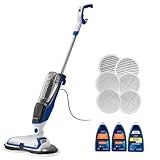
Bissell SpinWave Expert Hard Floor Mop 20393
Sticky footprints, dried kitchen splatter, and dull patches can make a clean-looking floor feel oddly unfinished. Dragging a standard mop across those spots often means pushing harder, bending lower, and going over the same strip again. The bissell crosswave hard floor expert corded vacuum cleaner keyword may suggest a machine that vacuums and washes, but the Bissell SpinWave Expert 20393 is a different kind of tool: a powered hard-floor mop that relies on rotating pads rather than suction. That difference shapes both its strongest benefits and the limits that matter during everyday use.
SpinWave Expert 20393
The SpinWave Expert focuses on one job and keeps the setup fairly straightforward. Two motor-driven pads rotate against the floor, helping loosen grime without demanding constant downward pressure from the handle. This powered scrubbing action is the product’s central advantage, especially on dried drips, shoe marks, and light kitchen residue that make a basic flat mop feel underpowered. It won’t collect loose crumbs or pet hair, though, so the floor needs to be vacuumed or swept before the wet cleaning begins.
The machine is described as lightweight, and that matters more than it sounds. A heavy wet-cleaning appliance can feel clumsy around dining chairs or tiresome during a quick pass through several rooms, while the SpinWave is designed to move with less resistance. Its swivel steering helps the cleaning head turn around table legs and follow the edges of cabinets. Even so, the spinning pads create a little pull of their own, so guiding the unit slowly usually feels more controlled than trying to rush it.
BISSELL includes four soft-touch pads and two scrubby pads, giving the machine two distinct cleaning personalities. The soft pads suit routine washing and lighter residue, while the scrubby pads add more bite for stubborn spots. That flexibility is useful because not every floor or mess needs the same level of abrasion. Matching the pad to the surface and soil level helps avoid unnecessary scrubbing on delicate finishes.
Pros Of The Rotating Mop Pads
Rotating pads take some of the muscle out of mopping. Instead of leaning into a stubborn mark and working the handle back and forth, the motor keeps both pads moving while the operator steers. This reduced physical effort can make a noticeable difference during larger cleaning sessions or after a spill has dried overnight. The pads still need time to work, but the machine carries more of the scrubbing burden than a passive mop head.
The paired-pad layout also spreads the cleaning action across a reasonably broad path. Each pass covers more than a small hand scrubber, yet the head remains compact enough to maneuver around common obstacles. That balance gives the SpinWave a useful middle ground between a bucket mop and a bulkier wet-dry floor machine. The consistent pad rotation also helps reduce the uneven pressure that can leave one side of a manually pushed mop cleaner than the other.
Washable pads are another practical plus. Once they’ve collected grime, they can be removed rather than leaving dirty material trapped against the machine. Having six pads in the package means one set can be used while another is being cleaned or dried. That included pad supply is more helpful than a token starter accessory because it supports repeated cleaning without immediately buying replacements.
On-Demand Spray Gives Better Control
Floor solution isn’t something that should be dumped down without restraint. Too much liquid can extend drying time, create streaks, and work its way toward seams or vulnerable edges. The SpinWave’s on-demand spray lets the operator decide when solution is released instead of continuously wetting the floor. That control is especially valuable in rooms where some spots need extra moisture while other areas only need the damp pads passing over them.
Controlled spraying also helps stretch the supplied formulas farther. A light maintenance pass across a mostly clean floor doesn’t require the same amount of solution as a dried sauce mark beside the stove. Pressing the spray only where it’s useful keeps the job from turning into a puddle-management exercise. The selective solution delivery may sound like a small feature, but it supports better technique and more predictable drying.
The learning curve is mild, though a heavy trigger finger can still put down more liquid than necessary. Short bursts work better than holding the spray continuously while crossing an entire room. A little restraint goes a long way, particularly on wood floors where moisture should be managed carefully. The spray control gives the operator responsibility as well as flexibility.
Safe Use On Sealed Hard Floors
BISSELL lists sealed wood, tile, linoleum, and other sealed hard floors among the intended surfaces. The word sealed deserves attention because powered mopping still introduces moisture, even when the spray is controlled. Unsealed boards, damaged finishes, loose seams, or floors with manufacturer restrictions may not be suitable. Checking the flooring care instructions is the sensible move before testing the machine across a full room.
Tile usually tolerates scrubbing well, while finished wood benefits from lighter solution use and softer pads. Linoleum can also respond nicely to controlled cleaning, but worn areas may need gentler handling. The SpinWave doesn’t automatically know which surface it’s crossing, so pad choice and moisture level remain part of the operator’s judgment. That’s not a flaw so much as the reality of using one mop across different materials.
The included trial-size formulas provide options for hard floors and wood floors. BISSELL supplies a Hard Floor Sanitize Formula along with two Wood Floor Formula samples, which makes it easier to start with products intended for the machine. A neutral cleaning reference appears in this overview of wet vacuums for concrete floors, although concrete cleanup and SpinWave operation are separate topics. The included formulas are best used according to their labels and the floor manufacturer’s guidance rather than mixed with improvised cleaners.
Maneuverability Around Furniture And Edges
A low-profile head helps the SpinWave reach beneath furniture that would block a taller floor cleaner. Beds, cabinets, and sofas with enough clearance become easier to approach without kneeling down with a hand pad. The low-profile design is especially useful where dust and sticky residue build up just beyond the reach of a conventional mop. Clearance still varies, of course, and very low furniture can stop the head before the pads reach the hidden area.
Swivel steering gives the mop a more cooperative feel around chair legs and narrow turns. Rather than lifting and repositioning the whole machine repeatedly, the handle can guide the head through a curved path. That easy maneuverability suits kitchens and dining rooms where straight cleaning lanes rarely stay open for long. The rotating pads can nudge the machine sideways, so calm steering works better than forcing it sharply.
Edge cleaning is decent for a round-pad mop, but the head shape sets limits. The pads can travel near baseboards, yet square corners may keep a small untouched patch beyond the circular scrub path. That corner limitation may require a cloth or small hand tool after the main floor is finished. It’s a minor follow-up in open rooms, though it becomes more noticeable in spaces with many tight angles.
Cons That Matter In Daily Cleaning
The largest drawback is simple: the SpinWave doesn’t vacuum. Loose grit, cereal pieces, pet fur, and tracked-in crumbs must be removed before the pads get wet. Otherwise, the machine may push debris around or trap particles beneath the rotating pads. This no-suction limitation makes it less convenient than an all-in-one wet-dry cleaner when a room contains both dry debris and sticky grime.
Pad care adds another step after mopping. Dirty pads shouldn’t stay attached while damp because trapped residue can lead to odors or dried buildup. They need to be removed, washed according to their care instructions, and allowed to dry before storage. The post-cleaning maintenance is manageable, but it’s still part of the routine and shouldn’t be overlooked.
The machine also depends on access to a power outlet. A cord supplies uninterrupted operation, yet it can catch around chair legs, require repositioning between rooms, or trail across freshly cleaned flooring. This corded design avoids battery anxiety but gives up some freedom of movement. Homes with many small rooms or poorly placed outlets may make cord management more noticeable.
Scrubby pads require a careful hand on sensitive surfaces. Their added texture is useful on stubborn residue, but aggressive passes may be unnecessary on delicate finishes or lightly soiled wood. Starting with the soft-touch pads is the safer approach when the floor’s tolerance is uncertain. More scrubbing power isn’t always better, especially when the finish matters as much as the dirt.
Where The SpinWave Makes The Most Sense
The SpinWave fits routines where floors are already vacuumed regularly but still need help with residue and dull-looking traffic paths. Kitchens, entry areas, and sealed wood rooms often develop marks that a dry vacuum can’t touch. In those spaces, the powered mop pads add mechanical cleaning without bringing out a heavy bucket or scrubbing by hand. The machine feels most useful as the wet-cleaning half of a two-step floor routine.
Pet-related messes also give the product a sensible role, provided loose fur is removed first. Paw prints, light drool spots, and food residue around bowls are the kind of marks that benefit from controlled spray and steady pad rotation. BISSELL’s support of the BISSELL Pet Foundation adds a charitable connection to each purchase, based on the information supplied. That pet-focused brand mission doesn’t change the cleaning mechanics, but it may matter alongside the practical feature set.
The product is less convincing where carpet dominates or where most messes are dry. A vacuum will still do the heavy lifting in those rooms, and the SpinWave may sit unused until a hard-floor washing session is needed. Its best-fit role is specific rather than universal: scrubbing sealed floors with less hand pressure and better solution control. That narrow focus is also why it can feel refreshingly simple instead of overloaded with functions that rarely get used.

Bissell CrossWave Pet Pro Wet Dry Vacuum 2306A
Pet messes rarely stay neatly divided into dry dirt and damp stains. Fur gathers beside cabinets, kibble rolls beneath the table, and muddy paw prints dry before anyone gets around to mopping. The bissell crosswave hard floor expert corded vacuum cleaner phrase points toward a floor-cleaning machine with continuous power, and the Bissell CrossWave Pet Pro 2306A fits that description with a 25-foot power cord, simultaneous vacuuming and washing, and several pet-focused maintenance features. It isn’t a lightweight stick vacuum or a simple mop, so its value comes from replacing a two-step floor routine rather than doing every cleaning job in the house.
Bissell CrossWave Pet Pro 2306A
The CrossWave Pet Pro vacuums dry debris while washing the floor during the same pass. That setup tackles combinations such as scattered food, loose fur, and damp paw marks without requiring a separate vacuuming session before the mop comes out. The main benefit is simultaneous vacuuming and washing, which cuts down on tool changes and keeps crumbs from being pushed around by a wet pad. Large scraps and objects that could block the intake still belong in the trash first, so common sense remains part of the process.
Continuous corded power suits longer cleaning routes because there’s no battery timer hanging over the job. The supplied 25-foot cord offers a broad working radius from one outlet, which can cover many kitchens, living areas, or connected hard-floor spaces without repeated unplugging. Still, the cord needs to be guided around chairs and kept out of the freshly cleaned path. That’s the central tradeoff: dependable runtime in exchange for cable management.
The machine is built around everyday floor maintenance rather than occasional deep restoration. Food residue, light mud, tracked-in grit, pet fur, and ordinary spills line up with its cleaning system. Thick dried buildup may require a slower pass or some spot treatment, while heavy carpet soil is outside the role described for this model. The practical sweet spot is frequent mixed messes across washable hard flooring and area rugs.
Vacuuming And Washing In One Pass
A regular mop assumes the floor has already been swept well. Miss a few crumbs and the mop turns them into damp little hitchhikers that travel across the room. The CrossWave’s wet-dry cleaning path pulls up loose debris while the brush roll works on surface residue, making the process feel more orderly. It won’t erase every stubborn mark instantly, but it removes the awkward gap between dry pickup and wet cleaning.
The combined approach is especially useful near dining tables and pet feeding stations. Those areas tend to collect dry pieces, hair, water drips, and oily smears at the same time, which is exactly where a one-function tool becomes tedious. A measured pass lets the brush contact the mess while suction lifts dirty moisture and debris. The single-machine workflow saves effort most clearly in these small but frequently messy zones.
Technique still matters. Moving too quickly can leave dried residue behind, while dispensing excessive solution may lengthen drying time. Slowing down over sticky patches and making a controlled recovery pass gives the machine time to collect loosened grime. The best cleaning balance comes from enough moisture to wash the floor without repeatedly soaking the same section.
The CrossWave Pet Pro isn’t built to swallow every household spill. Oversized food pieces, sharp objects, thick substances, and anything likely to obstruct the internal path should be removed manually. That limitation protects the brush chamber and reduces unpleasant tank cleanup later. Put plainly, mixed everyday debris is fair territory, but the machine isn’t a garbage disposal on wheels.
Multi-Surface Cleaning Without Guesswork
BISSELL lists tile, sealed wood, laminate, linoleum, vinyl, rubber floor mats, pressed wood floors, and area rugs among the supported surfaces. That range gives the machine more flexibility than a mop restricted to one flooring material. The phrase sealed flooring deserves attention, particularly with wood and pressed materials where moisture can enter worn seams or damaged finishes. Flooring care instructions should settle any uncertainty before a full wet-cleaning session begins.
Hard floors are the natural home base for the CrossWave. The brush can loosen surface grime while suction removes dirty liquid, helping reduce the cloudy streaks that sometimes follow a traditional mop. Tile and vinyl often tolerate this method well, provided the recommended solution and reasonable moisture control are used. The hard-floor performance depends as much on sensible technique as it does on the spinning brush.
Area-rug cleaning should be viewed as refreshing rather than deep extraction. The machine can gather surface debris and help freshen compatible rugs, but it isn’t described here as a full carpet shampooer. Thick piles, delicate fibers, loose stitching, and moisture-sensitive backings call for extra care. The area-rug function adds convenience between deeper cleanings without replacing specialized carpet equipment.
Rubber mats and washable entry surfaces give the CrossWave another practical role. These spots often collect grit, hair, and damp residue in grooves that a flat mop glides over. The powered brush may reach that surface texture more effectively, though heavily ridged mats can still require another pass. The multi-surface reach is useful precisely because messes don’t stop at the edge of the kitchen floor.
Tangle-Free Brush Roll For Pet Hair
Pet hair has a talent for wrapping around anything that spins. BISSELL’s Tangle-Free Brush Roll is designed to minimize that buildup, reducing the amount of hair that needs to be cut from the roller after each cleaning session. “Minimize” is the honest expectation because long strands, thread, and fibrous debris can still collect around moving parts. Regular inspection keeps a small maintenance issue from turning into a dense ring around the brush.
Two Tangle-Free Brush Rolls are included with the machine. A spare becomes useful when one roll is being washed or left out to dry, since reinstalling a damp, dirty brush can invite odors. That extra roll also reduces downtime if the first one needs a more thorough rinse. The included backup brush supports a realistic cleaning routine rather than serving as a decorative bonus.
Loose fur on smooth flooring is usually easier to collect than hair pressed into rug fibers or wedged beside baseboards. The CrossWave can tackle everyday pet hair while washing the surrounding floor, but deeply embedded material may need a conventional vacuum with stronger carpet agitation. That distinction matters because pet-focused floor cleaning isn’t the same as whole-home pet-hair removal. Upholstery, stairs, bedding, and car interiors remain jobs for other attachments or machines.
Hair mixed with damp residue creates a less pleasant maintenance challenge. Once wet fur reaches the dirty tank and internal path, leaving it there can produce stale smells quickly. Emptying the machine promptly and rinsing the brush area keeps the pet-hair system from becoming the source of the odor it was meant to remove. A few minutes of cleanup after use is easier than dealing with dried clumps later.
Pet Hair Strainer And Sink Protection
The pet hair strainer separates larger debris from the dirty liquid collected in the tank. Instead of pouring a slurry of wet fur and food particles directly into the sink, the strainer makes solid material easier to remove first. This debris-separation feature can reduce the chance of sending a wad of hair toward the drain. It’s a practical touch where pet fur becomes a visible part of every floor-cleaning session.
Removing solids before emptying the liquid also makes tank cleanup less chaotic. Wet hair tends to cling to curved surfaces and gather around openings, so catching it in a dedicated section simplifies disposal. The strainer won’t make the dirty tank pleasant to handle, but it gives the mess somewhere predictable to collect. That more controlled disposal is a genuine benefit, not merely a pet-themed label.
The strainer itself needs cleaning, of course. Hair and residue left attached after the tank is emptied can dry into a stubborn layer, and trapped organic debris may begin to smell. A quick rinse immediately after disposal saves scrubbing later. The sink-clog reduction only remains useful when the strainer is maintained rather than forgotten inside the tank.
Drain protection still calls for judgment. Large solids should go into the trash, and local plumbing conditions may make even small debris a concern. The Pet Hair Strainer helps manage the material the machine collects, but it can’t guarantee that careless emptying will never cause a blockage. It’s a thoughtful safeguard, not a substitute for sensible waste disposal.
Two-Tank Technology Keeps Solution Separate
Traditional mopping gradually turns clean water into a gray mixture that gets carried across the rest of the floor. The CrossWave Pet Pro avoids that cycle with Two-Tank Technology, keeping clean water and formula separate from collected dirty water and dry debris. Fresh solution is delivered from one tank while the used liquid travels into another. That separation supports more consistent washing from the first section of floor to the last.
The benefit becomes obvious in pet-heavy areas where fur, food dust, and outdoor dirt quickly contaminate mop water. Rather than dipping a pad back into the same dirty bucket, the machine continues applying solution from the clean side. It won’t guarantee a spotless finish, but it prevents one familiar source of recontamination. The fresh-solution system is one of the strongest reasons to choose this format over a conventional mop.
Two tanks also mean two components to manage. The clean tank needs the correct water-and-formula mixture, while the recovery tank should be emptied before dirty liquid reaches its limit or sits too long. Both tanks benefit from rinsing and open-air drying after use. The maintenance tradeoff is simple: cleaner solution during operation, followed by more parts to wash afterward.
Tank capacity figures weren’t included in the supplied information, so claims about exact coverage per fill would be guesswork. Room size, soil level, solution use, and cleaning speed all affect how far one tank goes. The safe takeaway is that separation improves hygiene during cleaning, not that it guarantees a certain number of square feet. Honest expectations keep the two-tank advantage grounded in what the design actually does.
Pet Formula And Odor Management
The package includes two 8-ounce bottles of PET Multi-Surface Formula with Febreze Freshness. The formula is intended to work with the CrossWave system while addressing the odors that often accompany pet messes. That odor-control support can help after muddy tracks, food spills, or other washable residue leaves more than a visible mark. It should still be used according to the bottle directions rather than poured freely into the tank.
Fresh fragrance doesn’t replace physical cleaning. Hair, dirty water, and residue must be removed from the floor and from the machine itself, or the source of the smell remains behind. The formula supports the process, while the brush, suction, tanks, and rinsing routine do the mechanical work. That difference keeps odor reduction from being confused with simply covering an unpleasant scent.
Fragrance preferences vary, so the supplied formula may suit some rooms better than others. Febreze Freshness can leave a noticeable scent after cleaning, which may be welcome around pet feeding areas but less appealing in smaller enclosed spaces. The two included bottles let the machine be used without an immediate separate purchase. The included cleaning solution is convenient, though the fragrance itself remains a matter of taste.
BISSELL’s support of the BISSELL Pet Foundation adds a charitable element to the purchase. The supplied description states that every purchase helps support the foundation’s mission to save homeless pets. That connection doesn’t alter suction, scrubbing, or maintenance, yet it may matter alongside the product’s pet-oriented design. The pet foundation support sits apart from performance claims and is best understood as part of the brand’s broader mission.
Rinse Tray And Post-Cleaning Routine
The included Rinse & Clean Out Storage Tray gives the CrossWave a dedicated place for cleanup and storage. Wet-dry machines can drip after use, so a tray helps keep leftover moisture from reaching the floor beneath the unit. It also provides a stable area for rinsing the brush path according to the machine’s instructions. The storage tray makes ownership tidier, though it doesn’t eliminate hands-on maintenance.
Dirty water should be emptied promptly, especially after collecting pet hair or food residue. The brush roll, cover, strainer, and recovery tank may all hold damp material that can sour if the machine is parked without attention. Rinsing these parts while the mess is still fresh takes less effort than loosening dried buildup days later. The after-use cleaning routine is the price of keeping a wet-dry appliance pleasant to use.
Drying matters just as much as rinsing. Reassembling damp components in a closed machine can trap moisture and create a stale smell, so removable parts need airflow before the next session. The spare brush roll can keep the routine moving while the used one dries. This drying discipline isn’t exciting, but it has a bigger effect on long-term usability than flashy packaging language.
The CrossWave requires more post-cleaning attention than a basic dry vacuum. That’s a weakness worth stating plainly, because anyone expecting to empty a bin and walk away may get annoyed. The tradeoff is that the machine handles water, formula, hair, and solid debris during the same floor pass. The maintenance burden makes sense only if the time saved during cleaning outweighs the extra sink-side work afterward.
Corded Reach And Maneuvering Tradeoffs
A 25-foot power cord provides continuous cleaning without waiting for a recharge. Longer hard-floor runs become easier to plan because the machine won’t lose power halfway through a room. This uninterrupted corded operation is a clear strength for larger sessions or repeated passes over a messy area. It also means the machine is ready whenever it’s plugged in, even after sitting unused for days.
The cord can become a nuisance around furniture, islands, and tight turns. It may catch beneath chair legs, drag through a damp section, or require switching outlets between separated rooms. Guiding the cable behind the cleaning path prevents much of that frustration, though it adds another thing to monitor. The cord-management weakness is real, particularly in cluttered layouts.
Storage also requires room for the machine, tray, cord, spare brush, and formula. The CrossWave is more substantial than a slim broom or stick vacuum because it carries separate tanks and a powered wet-cleaning head. A small closet may feel crowded once the brush is removed for drying. The larger storage footprint is reasonable for an all-in-one floor cleaner but still worth planning around.
From a practical angle, related hard-floor vacuum considerations appear in this reference on upright vacuums for laminate flooring, while the CrossWave Pet Pro remains distinct because it adds wet washing and pet-debris management. A dry upright may offer attachments or stronger carpet specialization, whereas the CrossWave concentrates on washable floors and surface rug care. The difference in cleaning roles matters more than simply choosing between upright shapes. Each design solves a different part of the household floor routine.
Limits That Shape The Ownership Experience
The CrossWave Pet Pro doesn’t replace a full dry vacuum in every room. Carpeted stairs, upholstery, mattresses, curtains, car seats, and narrow crevices still require attachments or another machine. Its floor-only specialization keeps the design focused, but homes with many fabric surfaces may still need several cleaning tools. Treating it as a universal vacuum would create expectations the supplied feature set doesn’t support.
Edge and corner access can also vary with room layout. The main head may follow open baseboards well, yet square corners, spaces behind toilets, and narrow gaps between furniture can remain out of reach. A small cloth or detailing tool may still finish those spots. The limited tight-space access is common among wide floor cleaners and becomes more noticeable in compact rooms.
Wet cleaning isn’t suitable for every material. Unsealed wood, damaged flooring, delicate rugs, and moisture-sensitive surfaces may react poorly even when the machine itself is functioning correctly. Surface compatibility should come from the flooring or rug manufacturer rather than assumption. The sealed-surface requirement protects both the floor and the machine’s reputation from misuse.
The Pet Pro earns its place through repetition: fur near the wall, crumbs under the table, paw marks near the door, and food residue around bowls. Those ordinary messes make simultaneous pickup and washing genuinely useful, while the pet strainer and separate tanks keep the process more controlled. Its strengths are steady corded power, mixed-mess cleaning, and pet-focused debris handling, while its weaknesses are cord management, after-use rinsing, and limited above-floor capability. That practical balance determines whether it becomes a regular part of floor care or a bulky machine that stays parked in the closet.

Bissell CrossWave Turbo Wet Dry Vacuum Mop 3888A
Floor messes have a knack for arriving as a mixed bag. Crumbs scatter beside a sticky drink mark, tracked-in grit settles near the door, and a dull patch appears where a regular mop simply moved dirty water around. The bissell crosswave hard floor expert corded vacuum cleaner keyword fits the practical problem this machine aims to solve, while the Bissell CrossWave Turbo 3888A handles it with simultaneous vacuuming and washing, multi-surface capability, separate clean and dirty water systems, and a filter treated to resist odor buildup. Its appeal isn’t flashy automation; it’s the chance to stop swapping between a dry vacuum, a mop, and a bucket every time the floor gets messy.
Bissell CrossWave Turbo 3888A
The CrossWave Turbo is built around a simple idea: pick up loose debris while washing the surface beneath it. A sponge mop can handle liquid, but it tends to push crumbs and hair around unless the floor has already been swept. This machine’s wet-and-dry cleaning system tackles both parts of the job in one route, which makes everyday cleanup feel less fragmented. It won’t swallow oversized scraps or replace sensible preparation, but it does remove a repetitive step from the routine.
BISSELL states that the CrossWave cleans better than a sponge mop and bucket and does so in less time, based on the company’s referenced comparison. The practical reason is easy to understand: the brush agitates the surface while suction carries dirty liquid and debris away instead of leaving them behind in the mop water. That active pickup process gives the machine a cleaner working method than repeatedly dipping into an increasingly murky bucket. Results still depend on floor condition, solution control, and how patiently stubborn spots are worked.
The 3888A is a corded appliance, so it trades battery freedom for uninterrupted operation. There’s no charge level to watch and no pause while the machine returns to a dock, which suits longer cleaning sessions across connected rooms. The downside is equally plain: the cord must be managed around furniture and kept away from damp flooring. That corded power tradeoff will feel reasonable in open layouts and more noticeable in cramped spaces.
Vacuuming And Washing At The Same Time
Mixed debris is where the CrossWave format earns its keep. A trail of cereal beside a splash of milk, dusty footprints mixed with damp soil, or hair gathered around a food bowl can all make separate tools feel needlessly fussy. The combined vacuum-and-wash action lets the machine collect dry material while loosening and lifting washable residue. That doesn’t mean every mess disappears in one pass, but it gives the cleanup a more direct rhythm.
Sticky spots benefit from slower movement. Rushing over dried residue may not give the brush enough contact time, while lingering too long with heavy solution can leave the floor wetter than necessary. A controlled forward pass followed by a deliberate return usually gives the brush and suction path a better chance to do their jobs. The machine rewards steady technique rather than frantic back-and-forth scrubbing.
Large solids still need to be removed by hand. Thick clumps, sharp pieces, stringy material, and anything likely to obstruct the intake don’t belong inside a wet-dry floor machine. That limitation isn’t a knock against the design; it’s part of using the appliance sensibly. The best everyday use involves ordinary crumbs, dust, hair, light spills, and surface grime rather than kitchen-disaster cleanup.
The strongest time savings show up in frequently used rooms. Kitchens, dining areas, entryways, and pet zones tend to collect both loose debris and residue, making a separate vacuum-and-mop routine feel especially tedious. In those spaces, the CrossWave’s single-pass workflow cuts down on setup and tool changes. The machine still needs after-use care, though, so the saved effort shifts rather than vanishes completely.
Multi-Surface Cleaning Across Everyday Floors
BISSELL lists tile, sealed wood, laminate, linoleum, rubber floor mats, pressed wood floors, area rugs, and other compatible surfaces for the 3888A. That range makes the machine useful in homes where several flooring materials meet within the same cleaning path. The phrase sealed hard floors matters, particularly with wood and pressed materials where moisture can enter damaged edges or worn finishes. Floor-manufacturer guidance should settle any uncertainty before wet cleaning begins.
Tile and linoleum often suit this style of cleaning because the brush can work over surface residue while suction removes loosened grime. Laminate and sealed wood demand a more restrained touch, especially near joints where extra moisture may linger. The solution-control habit matters as much as the machine itself. More liquid doesn’t automatically mean a cleaner floor, and overdoing it can create streaks or extend drying time.
Rubber floor mats add another practical use case. Dirt, pet hair, and damp residue can settle into shallow grooves that a flat mop skips over, while the powered brush has a better chance of disturbing that buildup. Deep ridges or flexible edges may still need a second pass or a quick hand rinse. The multi-surface versatility is useful, but each material still brings its own limits.
Area rugs should be treated as a surface-refreshing task rather than deep carpet extraction. The CrossWave can collect everyday debris and apply a controlled amount of solution to compatible rugs, but thick piles, delicate fibers, loose stitching, or moisture-sensitive backing require caution. The area-rug capability works best for routine maintenance between more intensive cleanings. It doesn’t turn the machine into a full carpet shampoo system.
Two-Tank Technology Keeps The Process Cleaner
A traditional bucket becomes dirtier with every pass. The mop goes into the same water repeatedly, which means collected grime gradually joins the cleaning solution and returns to the floor. The CrossWave’s Two-Tank Technology keeps clean water and formula separate from the dirt, debris, and used liquid being recovered. That separation gives each new section of floor a fresher solution than a shared bucket can provide.
The dirty-water side tells the truth about what was on the floor. Hair, grit, cloudy liquid, and food residue collect away from the clean mixture, making disposal more controlled. This clean-and-dirty separation is one of the machine’s most meaningful advantages because it changes how the floor is washed, not just how the product is marketed. The benefit is practical, visible, and easy to understand after a messy room.
Two tanks also create more parts to manage. The clean tank needs the proper water-and-formula mixture, while the recovery tank should be emptied before dirty material sits long enough to smell. Both components benefit from rinsing and open-air drying after use. The maintenance cost is modest but real, especially for anyone accustomed to emptying a dry vacuum bin and walking away.
No tank-capacity figures were included in the supplied description, so exact claims about square-foot coverage would be guesswork. Room size, soil level, solution use, and cleaning speed all influence how long one fill lasts. The honest advantage is fresh solution during cleaning, not a promised number of rooms per tank. That distinction keeps expectations tied to the actual design.
FreshStart Filter And Odor Control
The FreshStart Filter receives an antimicrobial treatment designed to protect the filter against odors. That wording matters because the treatment is about helping the filter resist odor development, not sterilizing the entire machine or replacing routine cleaning. The odor-protection feature makes sense in a wet-dry appliance where damp debris can linger if maintenance gets skipped. It’s support for good habits, not permission to park a dirty machine.
Damp hair, food particles, and used cleaning solution can create a stale smell quickly. Emptying the recovery tank after each session and rinsing the parts exposed to dirty water will do more for freshness than relying on the filter treatment alone. The FreshStart system works best as one layer of protection within a larger maintenance routine. Frankly, no filter can outsmart days of trapped organic residue.
Drying deserves just as much attention as rinsing. Reassembling wet components in a closed machine can trap moisture and encourage musty odors, even if the visible dirt has been removed. Allowing the tank, brush area, and removable parts to air-dry helps preserve the cleaner storage condition the filter treatment is meant to support. A little patience after use pays off the next time the machine comes out.
From a practical angle, broader floor-vacuum differences are discussed in this reference on canister vacuums for concrete floors, while the CrossWave Turbo remains a separate wet-cleaning tool built for compatible hard floors and area rugs. A canister vacuum may offer attachments and stronger dry-only flexibility, whereas the CrossWave concentrates on washing and debris pickup in the same floor pass. The difference in cleaning roles matters more than the shape of the machine. Each design solves a different kind of mess.
Pet-Friendly Brand Mission And Daily Messes
BISSELL states that every purchase supports the BISSELL Pet Foundation and its mission to help save homeless pets. That charitable connection doesn’t change how the brush turns or how the tanks work, but it adds a pet-focused purpose to the purchase. The foundation support fits naturally with a machine often used around food bowls, shedding zones, and tracked-in paw dirt. It should still be viewed separately from performance claims.
Pet hair on hard flooring is generally easier to collect than fur pressed into deep carpet. The CrossWave can pick up loose strands while washing the surrounding surface, reducing the need to vacuum first in many everyday situations. That pet-mess convenience is especially useful near feeding areas where dry kibble dust and damp spills overlap. Upholstery, stairs, bedding, and vehicle interiors remain outside the machine’s floor-focused role.
Odor control also depends on removing the source rather than covering it. Pet residue left inside the dirty tank, brush chamber, or filter area can sour despite any antimicrobial treatment. Prompt emptying and rinsing protect the freshness benefit far better than fragrance alone. The machine handles the mess, but ownership still includes cleaning the cleaner.
The floor head may not reach every narrow gap. Spaces behind furniture, tight corners, and edges blocked by fixed obstacles can still require a cloth or smaller vacuum attachment. That limited detail reach is common among full-width wet-dry cleaners and becomes more noticeable in compact rooms. Open floor areas play to the CrossWave’s strengths far better than crowded layouts.
Where The CrossWave Turbo Fits Best
The 3888A makes the strongest case in homes where hard floors collect mixed messes day after day. Crumbs near the table, dust around entryways, light spills in the kitchen, and pet hair along traffic paths all suit its combined cleaning method. The most useful advantage is fewer tool changes, not some dramatic replacement for every appliance in the closet. It handles routine floor care well because the messes match the machine’s design.
Homes dominated by thick carpet may get less value from it. Area-rug refreshing adds flexibility, but the CrossWave isn’t presented as a deep carpet cleaner or an above-floor vacuum. Carpeted stairs, couches, curtains, and narrow crevices still need another machine or set of attachments. The floor-specialist limitation keeps the product focused, though it also means it may not reduce the total number of cleaning tools required.
Storage takes more room than a basic mop. The tanks, powered brush head, cord, and drying parts need a dedicated spot, preferably somewhere with decent ventilation. A cramped closet can make post-cleaning care feel like a puzzle, especially if components are left apart to dry. The storage footprint is reasonable for an all-in-one floor washer but worth planning before purchase.
Its practical strengths are clear: continuous corded power, clean-and-dirty water separation, multi-surface use, and simultaneous pickup and washing. The weaknesses are just as concrete: cord management, after-use rinsing, limited detail tools, and no true replacement for deep carpet or upholstery cleaning. Those tradeoffs make the CrossWave Turbo 3888A most convincing where washable floors dominate and mixed debris appears often enough to justify the maintenance. Used in that setting, it can turn a clumsy two-tool routine into one steadier pass.