A sticky kitchen spill rarely stays in one neat spot. Crumbs scatter under cabinets, muddy footprints dry around the doorway, and pet hair settles into the mess before a mop ever reaches the floor. A bissell crosswave cordless vacuum cleaner tackles that awkward combination by collecting loose debris while washing the surface in the same pass, cutting out the usual vacuum-first, mop-second routine. That sounds simple, but it can make weeknight cleanup feel far less drawn out.
The cordless design matters most in rooms where outlets are scarce or furniture interrupts the cleaning path. There’s no cable dragging through a damp area, catching around chair legs, or forcing a stop halfway across the room. Still, battery runtime creates a real boundary, so this type of cleaner makes more sense for regular touchups and moderate floor areas than for an all-day deep-cleaning marathon. A quick pass after dinner fits the machine’s strengths better than letting several rooms build up with heavy grime.
The separate clean-water and dirty-water tanks are another practical detail. Fresh solution reaches the brush roll while used water, grit, and debris collect elsewhere, rather than circling back onto the floor like water from a traditional mop bucket. That two-tank system helps floors feel properly washed, especially around cooking areas where fine dust can blend with grease. On the flip side, both tanks need attention, and ignoring the dirty tank overnight can leave behind an odor that’s tough to miss.
Hard flooring is where the machine earns its keep. Sealed wood, tile, vinyl, and laminate often collect a mix of dust and damp messes that a dry vacuum can’t fully handle. The spinning multi-surface brush roll loosens residue while the suction pulls away moisture, leaving less water behind than a dripping string mop. Even so, flooded areas and large puddles should be handled cautiously because a household floor washer isn’t a shop vacuum.
Area rugs add some flexibility, though expectations need to stay grounded. The machine can pick up surface debris and freshen low-pile rugs, but it won’t replace a dedicated carpet extractor for stains buried deep in thick fibers. That tradeoff is fair enough: multi-surface cleaning offers convenience, not a specialized treatment for every material. Checking care labels first also saves a headache, since delicate, handwoven, or moisture-sensitive rugs may not respond well to wet cleaning.
Hair management can affect the whole experience, especially when long strands wrap tightly around ordinary rollers. CrossWave models with a tangle-resistant brush roll are built to reduce that buildup, though they aren’t magically maintenance-free. A few wrapped strands may still need to be snipped or pulled away after repeated use. Frankly, five minutes of brush care is easier than waiting until the roller bogs down and starts leaving damp streaks.
Edge performance deserves a close look because round or centered rollers often miss the narrow strip beside baseboards. Some CrossWave versions bring the cleaning path closer to one edge, helping collect crumbs and hair that gather along walls. Direction matters, though, since the strongest edge cleaning may be limited to a particular side of the machine. A small change in cleaning pattern usually solves that quirk, but it’s worth knowing before the first run.
Cleanup after cleanup is the less glamorous part. The brush roll, filter, tank lid, and dirty-water container all need enough airflow to dry properly, or stale moisture can turn funky fast. A built-in self-cleaning cycle can rinse the internal pathway and roller, but it doesn’t remove the need to empty the tank, clear trapped debris, and let washable parts air-dry. Well, that’s the bargain: less effort on the floor, followed by a short maintenance routine at the sink.
Cleaning solution costs also belong in the calculation. Using the recommended formula helps control foaming and supports predictable drying, while random soaps may create excess suds or leave a sticky film. Measured correctly, the wet-dry cleaning system works without soaking the room or turning each pass into a chemistry experiment. Heavy buildup may still call for a slower second pass, so one sweep shouldn’t be treated as a cure-all.
Overall, this format suits homes where small wet and dry messes appear often and need to disappear quickly. It trades the raw suction of a full-size vacuum and the scrubbing depth of a carpet machine for speed, mobility, and fewer tools pulled from the closet. The biggest gains come from using it regularly, cleaning the components promptly, and respecting its battery and surface limits. Used that way, the cordless floor washer can turn a nagging two-step chore into a manageable part of the daily routine.


CUT CLEANING TIME IN HALF: Simplify your routine — vacuum and mop together to tackle wet and dry messes at the same time on multiple hard surfaces like tile, sealed wood floors, laminate, and more; it even refreshes area rugs.CLEAN ALL THE WAY TO THE EDGE: Conquer more floor. Collect more crumbs, du
Key specs
- Maintenance Tray
- The included storage and rinse tray lets you run clean water through the vacuum foot to flush debris from the brush roll without dirtying floors.
- Edge Reach Capability
- Specialized edge cleaning foot
Pros:
- Edge cleaning design reaches close along baseboards and cabinet edges
- Tangle-free pet hair brush roll minimizes hair wrap during wet and dry pickups
- FreshStart filter helps manage odors inside the recovery system between cleanings
- Includes a dedicated storage and rinse tray for clearing brush debris after use
Cons:
- Battery runtime per charge is not listed in the manufacturer specifications
- Clean and dirty water tank capacities are not stated and require verification

CORDLESS COMBO VAC & MOP: Vacuum and mop together or powerfully vacuum alone.4X FASTER & BETTER ON TOUGH DIRT AND GRIME(1): HydroScrub technology automatically scrubs, lifts and washes away tough messes.ZEROGAP EDGE CLEANING: Technology to clean all the way to the edge.POWERFULLY FIND & CAPTURE PET
Key specs
- Cordless Operating Time
- Up to 45 minutes
- Debris Illumination
- Equipped with FurFinder headlights that cast illumination across floor surfaces to expose low-lying pet hair, crumbs, and fine dust.
Pros:
- Provides up to 45 minutes of cordless runtime for extended floor cleaning
- ZeroGap edge cleaning reaches tight against baseboards to clear perimeter dirt
- FurFinder headlights illuminate low-lying dust, hair, and floor debris
- Washes sealed hard floors and refreshes area rugs in a single continuous pass
Cons:
- Higher investment than basic cordless and corded CrossWave alternatives
- Tank volume specifications are not listed and need confirmation before buying

【COMPATIBLE MODELS】: The Crosswave Filter Compatible with Bissell Crosswave Wet Dry Vacuum 3888A,1785A,2306A,2210,2551 Series;For Bissell Crosswave Cordless Max All in One Wet-Dry Vacuum 2554A ,2554, 2590, 2593, 2596 Series;For Bissell Crosswave HydroSteam Wet Dry Vacuum 35151, 3515, 35152, 3513, 35
Key specs
- Filter Compatibility
- Fits CrossWave 1785, 2306, 2551, and 3888A series
- Fits Cordless Max 2554, 2590, 2593, and 2596 series
- Fits HydroSteam 3515 and 3518 series
- Incompatible with CrossWave X7 Cordless Pet Pro
- Filter Dimensions
- 5.51 x 3.94 x 2.36 inches
Pros:
- Four-pack bundle provides multiple spare filters for scheduled rotations
- Washable filter design can be rinsed with warm water to extend usable life
- Captures fine dust and particulate matter down to 0.1 microns
- Fits CrossWave 1785, 2306, 2554, 3515, and 3888A series machines
Cons:
- Incompatible with Bissell CrossWave X7 Cordless Pet Pro wet dry vacs
- Must air dry completely before reinstallation to protect vacuum suction motors
- Covered by a brief 30-day warranty rather than a multi-year policy

CUT CLEANING TIME IN HALF: Simplify your routine — vacuum and mop together to tackle wet and dry messes at the same time on multiple hard surfaces like tile, sealed wood floors, laminate, and more; it even refreshes area rugs.CLEAN ALL THE WAY TO THE EDGE: Conquer more floor. Collect more crumbs, du
Key specs
- Included Spare Accessories
- Extra brush rolls included in box
- Replacement filters provided for rotation
- Hard floor cleaner solution included
- Edge Reach Capability
- ZeroGap edge cleaning
Pros:
- Includes extra brush rolls and spare filters inside the package
- ZeroGap edge cleaning design captures perimeter dirt right up to the wall
- Tangle-free brush roll prevents long pet hairs from wrapping tightly
- Ships with specialized hard floor cleaner solution to start washing floors
Cons:
- Cordless battery runtime in minutes is omitted from the product listing
- Machine weight and physical exterior dimensions are not specified

EVERY PURCHASE SAVES PETS. BISSELL proudly supports BISSELL Pet Foundation and its mission to help save homeless pets.VACUUM and WASH AT THE SAME TIME. BISSELL CrossWave multi-surface floor cleaner cleans better than a sponge mop and bucket, and in less time.2MULTI-SURFACE CLEANING. Safe and effecti
Key specs
- Power Source Type
- Corded electric operation
- Surface Versatility
- Engineered to pick up wet spills and dry dirt on sealed hard surfaces while also refreshing low-pile area rugs.
Pros:
- Vacuums and washes sealed hard floors and low-pile area rugs simultaneously
- Continuous corded power eliminates concerns about battery drain mid-cleanup
- Uses standard 1866 replacement filters that are widely available
Cons:
- Tethered cord operation restricts total cleaning range around the home
- Cord length and water tank volume are not detailed in manufacturer specs

Every Purchase Saves Pets. BISSELL proudly supports BISSELL Pet Foundation and its mission to help save homeless pets..Voltage:36 voltsVACUUM & WASH AT THE SAME TIME. Combine floor cleaning chores with cordless freedom.36V LITHIUM-ION BATTERY. Provides up to 30 minutes of cordless cleaning power.IMP
Key specs
- Smart Maintenance Tracking
- Works with the BISSELL Connect app to send maintenance tracking reminders, system usage tips, and supply reordering alerts.
- Cordless Operating Time
- Up to 30 minutes
- Machine Weight
- 11.5 pounds
Pros:
- Provides up to 30 minutes of cordless runtime for hard floors and area rugs
- Self-cleaning cycle flushes out debris and refreshes the brush roll quickly
- Two-tank technology keeps clean solution and dirty recovery water isolated
- Pairs with BISSELL Connect app for maintenance alerts and usage tips
- Backed by a limited 2-year warranty for peace of mind
Cons:
- Weighs 11.5 pounds, making it heavier than standard cordless stick vacuums
- Thirty-minute runtime may require a recharge pause during whole-house cleans

EVERY PURCHASE SAVES PETS. BISSELL proudly supports BISSELL Pet Foundation and its mission to help save homeless pets.ALL-IN-ONE CLEAN. Vacuum, wash and steam at the same time.HYDROSTEAM CLEANS BETTER. Uses the power of HydroSteam Technology to offer up to 20% better cleaning on tough, sticky messes
Key specs
- Cleaning Modes
- Combines three floor care actions in one machine: dry vacuuming, wet solution washing, and on-demand steam cleaning.
- Power Source Type
- Corded electric with steam
Pros:
- Combines wet washing, dry suction, and on-demand steam cleaning in one unit
- Steam function helps dissolve tough floor grime without heavy scrubbing
- Includes sanitize formula designed to disinfect sealed hard floor surfaces
- Compatible with standard CrossWave 1866 replacement filter cartridges
Cons:
- Requires a wall outlet cord rather than operating on a cordless battery
- Clean and dirty tank capacities are omitted from the listing data
- Steam heat-up time and total power draw are not specified by Bissell

CORDLESS COMBO VAC & MOP: Vacuum and mop together or powerfully vacuum alone; Enjoy up to 30 minutes of uninterrupted cleaning throughout your homeZEROGAP EDGE CLEANING: The only vacuum and mop with the technology to go all the way to the edgeVACUUM ONLY: Easily convert to power vacuum mode for 75%
Key specs
- Suction Mode Selection
- Converts to a dedicated dry power vacuum mode that focuses suction strictly on loose dirt, fur, and dry crumbs without dispensing water.
- Machine Weight
- 10.6 pounds
Pros:
- Dedicated dry vacuum mode focuses suction on crumbs, dust, and pet fur
- ZeroGap edge technology cleans floor perimeter right up to baseboards
- Offers up to 30 minutes of cordless multi-surface cleaning power
- Weighs 10.6 pounds for easier carrying up and down stairways
- Supplied with Hard Floor Sanitize formula to target floor bacteria
Cons:
- Thirty-minute runtime ceiling limits coverage in larger single-floor layouts
- Battery charge duration from empty is omitted from the technical specs

CORDLESS COMBO VAC & MOP. Effortlessly vacuum and mop wet or dry messes in one go. Get up to 30 minutes of uninterrupted, all-in-one cleaning.VACUUM ONLY MODE. Easily convert to power vacuum mode for more suction for dirt, crumbs and fur pickup.MULTI-SURFACE AVAILABLE. Safely clean hard floors like
Key specs
- Dry Vacuum Functionality
- Offers a dedicated dry-only vacuum setting that operates the brush roll and suction without dispensing cleaning solution onto floors.
- Nozzle Edge Profile
- Standard multi-surface nozzle
Pros:
- Dedicated dry vacuum mode allows quick dry pickups without wetting floors
- Cordless design enables fast maneuvering between different rooms
- Multi-surface design refreshes area rugs and washes sealed hard flooring
Cons:
- Specific battery runtime per charge is omitted from the product listing
- Does not include the ZeroGap edge cleaning head found on the Edge series
- Tank capacity and total unit weight are not stated in the specifications

CORDLESS COMBO VAC & MOP. Dual-action cleaning for up to 1,900 sq. ft. of uninterrupted whole-home shine.SUPERIOR CLEAN, EASY TO USE. Paired with BISSELL's Multi-Surface Concentrate formula for a mighty clean with zero guesswork.SEE 9X MORE FUR. The FurFinder Headlight Technology is designed with pa
Key specs
- Debris Illumination
- Patented high and low beam FurFinder headlights reveal hidden pet hair and low-contrast debris along sealed floors.
- Coverage Rating
- Up to 1,900 sq. ft.
Pros:
- FurFinder headlights project dual beams to expose hidden pet hair on floors
- Tangle-free technology actively prevents hair wrap along the brush roll
- Rated to clean up to 1,900 square feet on cordless battery power
- Includes super concentrate formula for sealed hard floors and area rugs
- Weighs 10.6 pounds for balanced handling across different floor types
Cons:
- Runtime in exact minutes is not stated, requiring square footage estimates
- Recharge time from empty to full is omitted from the listed features
Last update on 2026-07-30 / Affiliate links / Images, Product Titles, and Product Highlights from Amazon Product Advertising API

BISSELL CrossWave Edge Cordless Wet Dry Vacuum 4329F
A bowl tips over, crumbs scatter through the spill, and suddenly a quick cleanup needs both a vacuum and a mop. That familiar hassle is exactly where the bissell crosswave cordless vacuum cleaner earns attention, since it collects dry debris while washing compatible floors in the same routine. The BISSELL CrossWave Edge Cordless 4329F also brings right-side edge cleaning, a tangle-resistant brush roll, cordless movement, and a self-cleaning function. Those features aim to shorten everyday floor care without pretending that one machine can replace every specialized cleaning tool.
BISSELL CrossWave Edge Cordless 4329F
The 4329F is built around a straightforward idea: handle wet and dry messes together rather than treating them as two separate jobs. Cereal crumbs mixed with milk, dusty footprints beside a damp entryway, and pet hair caught in a small spill all suit this format. Instead of vacuuming first and returning with a mop, the CrossWave picks up loose debris while applying cleaning solution. That combined process can make routine cleanup feel less drawn out, especially when the mess is fresh.
Its cleaning range includes tile, laminate, sealed wood floors, and other compatible hard surfaces mentioned in the supplied details. The machine can also refresh area rugs, which gives it more flexibility between rooms without requiring an immediate tool change. Still, area-rug refreshing shouldn’t be confused with deep extraction, since embedded stains and thick carpet fibers may need dedicated equipment. The CrossWave is better understood as an everyday surface cleaner than a replacement for a full carpet-washing machine.
Cordless operation removes one of the more irritating parts of wet floor care. A power cable won’t loop around chair legs, drag through a damp patch, or force repeated outlet changes as the machine moves from the kitchen into a hallway. That cordless freedom makes spontaneous cleanups easier, though the supplied information doesn’t state battery runtime or charging duration. Without those figures, it would be misleading to promise a particular amount of floor coverage per charge.
Two Cleaning Jobs In One Pass
Mixed messes are where this machine has the clearest practical advantage. A dry vacuum may collect crumbs but leave behind sticky residue, while a mop can push loose grit around instead of removing it. The CrossWave’s vacuum-and-mop action addresses both parts during the same pass. Well, that doesn’t mean every dried stain disappears instantly, but it reduces the usual back-and-forth between separate appliances.
The claim about cutting cleaning time in half is best read as a description of combining two routine steps. It isn’t a guaranteed timing result for every room, since furniture placement, floor texture, and the age of a spill can change how many passes are needed. A lightly soiled dining area may clean quickly, while dried sauce on textured tile can demand slower movement. The dependable benefit is fewer setup changes, not an exact stopwatch promise.
Fresh messes naturally play to the machine’s strengths. Liquid can be addressed before it dries, and loose debris can be collected before shoes track it across a larger area. That quick response helps prevent a small accident from becoming a full-room chore. For stubborn buildup, though, realistic expectations matter because one-pass cleaning may turn into a second pass or a little spot treatment.
Using the correct cleaning solution also matters. Random soaps can produce too much foam, leave a film, or behave unpredictably inside a wet-dry floor cleaner. The supplied product description doesn’t list alternative formulas, so sticking with compatible solution is the sensible route. Proper solution use supports controlled floor washing without turning the tank into a sudsy science experiment.
ZeroGap Cleaning Beside Baseboards
Debris loves the narrow strip beside walls. Crumbs collect under cabinet lips, pet hair settles against baseboards, and fine dust forms a line that centered brush rolls sometimes miss. The 4329F uses ZeroGap Technology on the right side of its brush roll to bring cleaning closer to that boundary. Guiding the correct side along the wall can reduce the need to return with a cloth or crevice attachment.
The right-side placement creates a technique requirement that deserves attention. Edge performance will be strongest when the machine is oriented so that side follows the baseboard, and the opposite approach may leave a slimmer untouched strip. A consistent room pattern makes the difference less annoying. Once the route becomes familiar, right-edge cleaning feels purposeful rather than awkward.
Straight wall edges are likely to show the clearest improvement. Tight corners still present a physical limitation because a rounded floor head can’t place every moving component inside a sharp ninety-degree angle. A strand of hair packed deep into a corner may still need a quick manual touch. So, closer baseboard pickup reduces follow-up work, but it doesn’t eliminate every detail-cleaning task.
Kitchen cabinets and pet feeding areas make good examples of where the feature helps. Both locations gather a mix of dry particles, hair, and occasional damp residue that can smear if handled in the wrong order. Pulling those materials away from the wall while washing the nearby floor keeps the perimeter from looking neglected. The feature solves a specific irritation rather than adding another vague label to the product.
Hair Control And Everyday Maintenance
Long hair and pet fur can wind tightly around an ordinary roller, gradually reducing contact with the floor. BISSELL’s Tangle-Free Technology is designed to reduce that wrapping and make brush maintenance less tedious. The key word is reduce, since no provided detail promises that hair will never collect around the roller. A quick inspection after heavier shedding is still a smart habit.
Less hair buildup helps the brush continue moving freely and can reduce the unpleasant job of cutting through a dense knot later. It also supports more consistent contact with the cleaning surface, particularly after several rooms have been covered. Still, strands may cling near the ends of the roller or mix with damp debris. The design lowers brush-roll maintenance, but it doesn’t turn upkeep into a hands-off process.
The FreshStart Filter adds another part that needs regular attention. Captured debris and moisture shouldn’t be left sitting indefinitely, especially after food spills or pet-related cleanup. Rinsed components need enough airflow and time to dry before they’re reassembled. Frankly, proper air-drying does more for odor control than quickly rinsing everything and closing the machine while it’s still damp.
Routine care affects the experience as much as the cleaning features do. A floor washer that’s emptied promptly and stored with dry parts is far more pleasant to grab the next day. Leave dirty water sealed inside, and stale odors can show up fast. The CrossWave makes the floor routine easier, but timely tank care remains part of the deal.
Self-Cleaning Mode And Storage Tray
The Self-Cleaning mode is meant to flush debris from the machine after a cleaning session. That saves some manual rinsing inside the working pathway and helps prevent residue from drying onto the brush roll. Paired with the included storage and rinse tray, the system gives the appliance a defined place for maintenance. Running the cycle soon after use makes more sense than waiting until yesterday’s mess has hardened.
Self-cleaning isn’t the same as self-emptying, though. The dirty-water tank still needs to be removed, emptied, and rinsed, while visible debris may require a quick wipe. The filter and brush roll also need drying time rather than being sealed away wet. Those manual upkeep steps are simple, but skipping them can undermine the freshness promised by the cleaning cycle.
The tray also helps contain leftover moisture during storage. That’s useful near walls or inside a utility area where damp wheels and a wet roller could otherwise leave marks. Space still matters because the upright machine and tray need a stable spot close enough to support charging. In a crowded closet, the dedicated storage footprint may require a little rearranging.
A clean machine is easier to trust around the next spill. Old food residue, dirty water, and trapped hair shouldn’t be allowed to sit between uses, no matter how convenient the rinse function sounds. A short finish-up routine protects airflow, reduces odors, and keeps the brush ready for the next pass. The maintenance burden isn’t heavy, but it’s real and shouldn’t be brushed under the rug.
Multi-Surface Flexibility And Its Limits
Moving from sealed hard flooring to an area rug without swapping machines is a handy part of the 4329F’s design. Light debris and everyday surface dirt can be addressed while passing between a kitchen, hallway, and rug-covered sitting area. The multi-surface capability reduces interruptions, which is useful when messes don’t stay inside one room. Even so, each surface should be compatible with wet cleaning before the machine is used on it.
Sealed flooring is an important distinction. Unsealed wood and moisture-sensitive materials can react badly to water, regardless of how convenient the appliance may be. Delicate, handwoven, or specialty rugs may also require dry care or professional treatment. The CrossWave’s flexibility has surface-care boundaries, and respecting them is far cheaper than repairing a damaged finish.
Area rugs should receive realistic treatment expectations. The machine can freshen the surface and collect ordinary debris, but thick fibers and old stains sit outside the most natural role described in the product information. A dedicated extractor offers a different kind of deep cleaning. Here, the benefit is a quick rug refresh while handling nearby hard floors, not a full carpet-restoration session.
Glass care belongs to a completely different cleaning routine, and the practical distinction is explained in using Sprayway glass cleaner for surfaces that require a streak-focused method rather than a wet-dry floor machine. That reference doesn’t suggest putting glass cleaner inside the CrossWave or applying it to flooring. Separate products should remain tied to their intended materials. Mixing formulas or borrowing methods across unrelated surfaces can create residue, damage finishes, or interfere with appliance performance.
Strengths That Matter In Daily Use
The strongest benefit is task consolidation. Wet residue and loose debris can be handled without dragging two appliances into the room, which makes small cleanups less of an event. Cordless movement supports that grab-and-go rhythm, while the right-edge design addresses the strip ordinary floor heads often neglect. Together, those features target routine friction rather than chasing exaggerated promises.
Pet hair management is another useful strength, particularly where shedding mixes with damp paw marks or food-bowl splashes. The tangle-resistant roller can reduce the amount of hair wound around the brush, and the self-cleaning function helps flush away loose debris afterward. Neither feature eliminates maintenance, but both can make it less annoying. That’s a fair description of practical convenience, not a claim of effortless ownership.
The transition between hard floors and area rugs also saves time in mixed-surface rooms. There’s less need to stop, store one device, and retrieve another for a light rug refresh. Yet the machine stays grounded in everyday cleaning rather than deep restoration. Its broad routine usefulness is strongest where moderate messes appear frequently and are handled before they harden.
The supplied details support these strengths without providing ratings, review totals, weight, battery figures, or measured performance results. Those missing specifications shouldn’t be filled with guesses. The 4329F can be assessed confidently for its listed functions, but not for unprovided runtime or numerical cleaning performance. Honest product evaluation means separating confirmed features from assumptions.
Tradeoffs Worth Knowing Before Use
The machine won’t replace every vacuum, mop, or carpet cleaner. Deep carpet stains, thick rugs, tight dry corners, and large amounts of debris may still call for specialized tools. Its strength lies in managing overlapping wet and dry floor messes during normal routines. Expecting the CrossWave format to perform every cleaning job would set it up to disappoint.
Edge cleaning is also directional rather than equal on both sides. That means the route through a room matters more than it would with a symmetrical floor head. Some repositioning may be needed around islands, cabinets, and narrow spaces. The tradeoff is manageable, but one-sided ZeroGap cleaning should be understood before the first pass.
Maintenance follows every wet-cleaning session. Tanks need emptying, washable components need drying, and the roller may still collect a little hair despite its tangle-resistant design. Anyone hoping to park the machine immediately after use without touching it again may find that routine tiresome. The convenience appears during floor cleaning, while post-clean care protects that convenience for the next session.
The BISSELL CrossWave Edge Cordless 4329F fits best as a frequently used floor-care tool rather than an appliance saved for rare deep cleans. Fresh spills, tracked-in marks, scattered crumbs, and surface hair match its abilities well. Letting grime build for weeks can demand more passes and more manual work than the combined design was meant to avoid. Used regularly and maintained promptly, the bissell crosswave cordless vacuum cleaner keeps ordinary messes from turning into an all-afternoon production.

Bissell CrossWave HydroScrub Cordless Vacuum Mop
Sticky footprints, loose fur, and crumbs rarely land in tidy little zones, so cleaning them with separate tools can feel like doing the same room twice. The bissell crosswave cordless vacuum cleaner concept tackles that overlap by washing floors and collecting debris during one routine, while the HydroScrub 4275F can also switch into a dedicated vacuum mode. Its stated 45-minute runtime, ZeroGap edge cleaning, and FurFinder Headlights add practical reach beyond the usual quick spill pickup. Still, the real appeal isn’t a flashy feature list; it’s having fewer excuses to leave a mixed mess sitting until the weekend.
Bissell CrossWave HydroScrub 4275F
The 4275F gives you two distinct cleaning approaches instead of locking every job into wet cleaning. Its combo vacuum-and-mop mode handles dry particles and damp grime together, while Vacuum Only mode focuses on crumbs, dirt, and fur without washing the surface. That flexibility matters after a quick snack spill because a few cracker pieces don’t always justify filling a solution tank. Then, after muddy shoes cross the same floor, the wet-dry setting can take over without bringing out another machine.
BISSELL states that Vacuum Only mode provides 75 percent more suction, giving the machine a stronger dry-pickup option than its combined operating mode. That figure comes from the supplied product description, so it shouldn’t be stretched into a claim that the HydroScrub replaces every full-size vacuum. Thick carpet, stairs, upholstery, and tightly packed debris may still call for equipment designed around those jobs. On hard floors and compatible area rugs, though, switching modes can keep ordinary cleanup moving without much fuss.
The advertised 45-minute cordless runtime provides a clear working window for moving across several rooms without dragging a cable behind the machine. Actual cleaning time can still vary with mode, floor conditions, and how often the unit is paused or repositioned. Even so, forty-five minutes sounds better suited to a planned cleaning round than the brief battery windows associated with quick spot tools. Charging habits remain part of ownership, of course, because cordless freedom isn’t worth much when the battery has been left empty.
HydroScrub Action On Stubborn Grime
Ordinary wet-dry cleaners can struggle when dirt has dried into a dull film rather than sitting loose on the surface. HydroScrub Technology is designed to automatically scrub, lift, and wash away tougher messes instead of merely passing moisture over them. BISSELL describes the process as four times faster and better on tough dirt and grime, based on the qualification attached to its product claim. Since the supplied details don’t explain the full test conditions, that statement is best treated as the manufacturer’s comparison rather than a universal result for every floor.
The scrubbing action sounds most useful around stove fronts, dining tables, entryways, and pet feeding areas. Those spots collect layers of fine grit, dried droplets, and sticky residue that a dry vacuum can’t touch. By combining mechanical scrubbing with washing and debris pickup, the machine aims to reduce the repeated passes often needed with a basic mop. Really stubborn material may still need slower movement or another pass, because dried grime doesn’t sign a surrender form just because a powered brush arrives.
Surface compatibility still sets the boundary. The HydroScrub is presented for hard floors and area rugs, but sealed flooring should always be distinguished from unfinished or moisture-sensitive material. A strong scrub isn’t automatically the right treatment for delicate wood, specialty finishes, or rugs that shouldn’t be dampened. The cleaning power has value only when it’s matched to a surface that can safely handle the process.
Solution choice matters as well. Substituting a random household soap may create excess foam, leave residue, or interfere with the machine’s internal system. The provided information doesn’t authorize alternative formulas, so compatible floor-cleaning solution is the sensible route. That small bit of discipline supports predictable washing performance and avoids turning a dirty floor into a sticky one with a different scent.
FurFinder Headlights Reveal Hidden Debris
Pet hair has a knack for disappearing against patterned flooring, dark wood grain, and the shadow beneath cabinets. The FurFinder Headlights use patented high and low beams to illuminate hidden fur and messes before the cleaning head passes over them. This isn’t merely cosmetic lighting; better visibility can change the path you take through a room. A floor that looked finished from standing height may reveal a thin strip of hair once the light hits it from a lower angle.
The headlight system should be especially useful beside sofas, along hallway edges, and under dining furniture where ambient light falls off quickly. Seeing debris before it’s pushed or scattered helps the operator slow down and line up the cleaning path. That can make pet-hair pickup feel more deliberate instead of relying on repeated blind passes. Well, the light won’t pull fur into the machine by itself, but it can show exactly where suction needs to go.
Low-angle illumination can also reveal dried droplets, tracked-in specks, and dusty lines that blend into a floor’s color. That broader usefulness matters because homes with pets rarely contain only fur; crumbs, litter particles, and damp marks tend to join the party. The headlights support a more thorough visual check without claiming that every microscopic particle will suddenly glow. Their strength is mess visibility, not magic detection.
ZeroGap Cleaning Along Walls
Floor edges often expose the weakness of a wide cleaning head. Hair settles against baseboards, crumbs collect beneath cabinet overhangs, and damp residue dries in the narrow strip left behind by a centered brush. ZeroGap Edge Cleaning is designed to bring the active cleaning path all the way to the edge. That can cut down on the annoying follow-up pass with a cloth or narrow attachment.
Straight runs along walls should show the clearest benefit. Corners may still require attention because the shape of a floor head can’t place every moving component into a sharp ninety-degree angle. Technique also matters, particularly if the strongest edge pickup sits on one side of the machine. A planned route around the room can make baseboard cleaning smoother and reduce unnecessary repositioning.
The feature has practical value around food bowls and kitchen cabinets, where wet and dry debris often meet at the perimeter. A standard mop may smear crumbs into the wall line, while a dry vacuum leaves the sticky part behind. Pulling both types of mess from that boundary in the same session addresses a very specific frustration. It’s a targeted advantage, not a promise that detail cleaning disappears forever.
Vacuum Only Mode Adds Useful Flexibility
Not every floor needs water. Sometimes the problem is a trail of cereal, dry soil near a planter, or fur gathered beneath a chair, and filling a wash tank would be overkill. Vacuum Only mode lets the HydroScrub act as a dry pickup tool for those moments. That makes the machine easier to justify as part of a daily routine rather than something reserved for full wet-cleaning sessions.
The stated suction increase in this mode helps explain why it deserves separate attention. Combined cleaning divides the machine’s work between washing and collecting debris, while dry mode concentrates on pickup. Even with 75 percent more suction, however, the provided details don’t establish performance on stairs, upholstery, deep carpet, or large debris. Its most defensible role remains hard-floor and area-rug maintenance within the surfaces named by BISSELL.
Mode switching also reduces unnecessary moisture on floors that only need a quick pass. That can be useful late in the day when waiting for a washed surface to dry would be inconvenient. Then, once a sticky patch appears, the combo setting is ready for the heavier job. The two-mode design gives the machine a wider everyday role without pretending that every mess should be treated the same way.
Hard Floors And Area Rugs Need Different Expectations
Hard flooring is the natural home for the HydroScrub’s wash-and-lift action. Smooth sealed surfaces allow the brush, solution, and suction system to work together on visible debris and grime. Area rugs broaden the machine’s reach, but a refresh is different from deep extraction. The multi-surface function offers convenience across connected spaces, not identical cleaning depth on every material.
Low-pile rugs with ordinary surface debris fit the concept more comfortably than thick, delicate, or heavily stained rugs. Embedded odor, old spills, and deep fiber contamination may need a specialized extractor or another treatment method. Mattress stains and odors also belong to a separate cleaning category, and a useful reference for that problem appears in enzyme cleaners for mattresses without suggesting that those products belong inside the CrossWave. Keeping each formula and appliance tied to its intended surface protects the material and prevents misuse.
Transitions between hard floors and suitable rugs can still save a fair amount of stop-and-switch effort. The machine can move through a kitchen, hallway, and nearby rug without sending you back to the closet for another tool. That smoother flow is one of the more believable benefits of cordless multi-surface cleaning. It trims interruptions, though it doesn’t erase the need to check care labels and surface guidance.
Maintenance Still Comes With The Territory
A wet-dry cleaner handles dirty water, damp debris, hair, and cleaning solution, so post-use care isn’t optional. Tanks need to be emptied, removable parts need rinsing as directed, and damp components need enough airflow to dry. Skip those steps, and stale odors can show up faster than expected. The maintenance routine is the price paid for combining washing and vacuuming inside one machine.
Pet hair deserves a quick check around the brush roll and intake path after heavier cleaning. Even a machine built to capture fur can collect strands around moving parts, especially when damp hair mixes with crumbs. Clearing buildup before it compacts helps preserve consistent pickup and keeps the next cleaning session from starting with yesterday’s debris. A few minutes now beats wrestling with a packed roller later.
Storage should account for the charging setup and any moisture remaining after cleaning. A stable spot near an outlet makes the cordless routine easier to maintain, while proper drying prevents the machine from being sealed up wet. Limited closet space may create a tradeoff because the HydroScrub needs more room than a flat mop. The footprint makes the most sense when its dual cleaning roles are used often rather than once in a blue moon.
Strengths And Tradeoffs In Daily Cleaning
The HydroScrub 4275F brings together several features that solve different parts of the same messy routine. Its combo mode handles wet and dry debris, Vacuum Only mode adds focused suction, FurFinder Headlights expose hidden messes, and ZeroGap technology tackles the wall line. Those practical strengths reduce tool switching and make frequent cleanup less of a production. The forty-five-minute runtime also gives the cordless format more room to work through connected spaces.
Tradeoffs remain. Wet cleaning means tank care, the battery must stay charged, and area-rug refreshing won’t equal deep carpet extraction. Edge technology can reduce leftover debris without guaranteeing flawless corner pickup, while manufacturer speed claims won’t play out identically on every floor. These realistic limitations don’t erase the machine’s usefulness, but they keep expectations on solid ground.
The best use pattern is frequent attention to mixed household messes before they harden or spread. Crumbs, fur, tracked-in dirt, and damp residue suit the HydroScrub far better than neglected buildup or specialized stain restoration. Used with compatible surfaces and proper upkeep, the Bissell CrossWave HydroScrub 4275F can turn a two-tool chore into a more direct routine. Left uncharged or uncleaned after use, though, even a clever floor washer becomes an expensive object leaning in the closet.
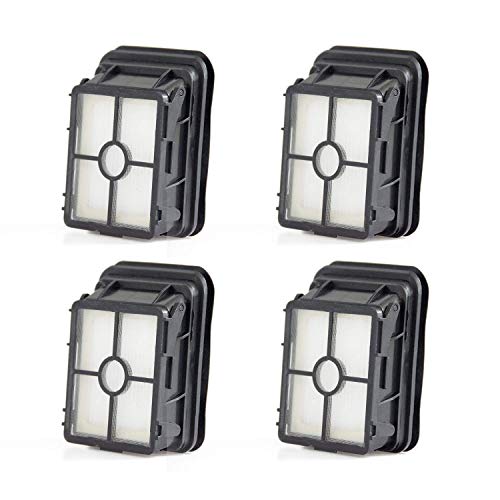
4-Pack CrossWave 1866 Replacement Filters
A tired filter can make an otherwise dependable floor cleaner feel sluggish, especially after repeated encounters with dust, hair, and damp debris. The bissell crosswave cordless vacuum cleaner relies on steady airflow, so a clean replacement filter plays a quiet but important role in keeping routine pickup from becoming a drawn-out affair. This four-pack of 1866-style filters is made for a broad selection of CrossWave machines, including several corded, Cordless Max, Pet Pro, and HydroSteam models. Compatibility is the big catch, though, because the set does not fit the CrossWave X7 Cordless Pet Pro.
CrossWave 1866 Filter Four-Pack
This package includes four replacement filters, which takes some pressure off the wash-and-wait routine that comes with owning reusable filter parts. One filter can stay in the machine while another air-dries completely, and the remaining pieces can sit ready for later rotation. That setup is more convenient than reinstalling a filter before it has fully dried just because another floor mess popped up. It also gives households with frequent hair, crumbs, and tracked-in dirt a little breathing room between maintenance sessions.
The product description lists compatibility with CrossWave 3888A, 1785A, 2306A, 2210, and 2551-series wet-dry vacuums. It also names CrossWave Cordless Max models 2554A, 2554, 2590, 2593, and 2596, plus HydroSteam models 35151, 3515, 35152, 3513, 3518, and B0440. That’s a fairly broad model spread, but a long list can make mistakes easier rather than harder. Reading the model number directly from the machine before ordering is the sensible move.
The most important limitation appears plainly in the supplied details: these filters do not fit the CrossWave X7 Cordless Pet Pro. A filter can look close enough in an online image and still fail to seat correctly, seal the airflow path, or stay secure during use. Forcing an almost-compatible part into place can create more trouble than the modest savings are worth. Model matching isn’t busywork here; it’s the difference between a useful replacement and four pieces sitting untouched in a drawer.
Compatibility Needs A Careful Model Check
CrossWave names can blur together because several machines share similar shapes, features, and wet-dry cleaning language. The model number is far more reliable than the product family name alone. A machine labeled Pet Pro, Cordless Max, or HydroSteam may require a specific filter form even if another CrossWave filter appears nearly identical. The listed compatible model numbers should be treated as the main reference rather than a visual guess.
Owners of the 1785, 2306, and 2551 families have several variations within those lines, which is why checking the label matters. The supplied compatibility statement includes the 2551 series broadly, while other entries are named more precisely. That wording supports the listed families, but it doesn’t justify assuming that every future or regional variation will fit. A quick model confirmation helps avoid the classic “close, but no cigar” replacement-part problem.
HydroSteam compatibility is another useful point because those machines handle moisture, debris, and heated cleaning functions in a more specialized setup. The description names six HydroSteam model references, including 35151 and 3518. That specificity is helpful, yet it still doesn’t extend to unlisted machines simply because they carry the same brand name. Replacement filters are small components, but fit tolerances can affect airflow and debris control throughout the appliance.
Filtration Claims And Realistic Expectations
The manufacturer-provided description says the filter is designed to capture 99.9 percent of fine dust, dirt, and hair, including particles as small as 0.1 microns. That is a supplied product claim rather than an independently verified result presented here, so it should be read with the proper restraint. Actual capture inside a working floor cleaner can depend on installation, filter condition, sealing, airflow, and how much debris has accumulated. A fresh filter supports the system, but it doesn’t make every particle in a room vanish.
Fine dust can settle deep into filter material and gradually restrict airflow even when the surface doesn’t look particularly dirty. Hair and larger debris are easier to spot, while powdery residue often hides between the pleats. That’s why regular filter inspection matters more than waiting for the machine to show an obvious problem. Reduced pickup, unusual strain, or lingering dust around the filter area may signal that cleaning has been postponed too long.
The filter also shouldn’t be judged as a standalone air-purification device. Its job is to support the CrossWave’s internal debris-management system while the machine handles compatible floor messes. It can help capture material moving through that system, but the supplied information doesn’t establish room-air cleaning performance or medical-grade filtration. Keeping the claim tied to its intended role prevents a practical replacement part from being oversold.
A snug fit matters just as much as the filter material itself. Gaps around a poorly seated filter can let debris bypass the intended path, while a twisted or damp filter may interfere with airflow. After installation, the part should sit evenly without being crushed or forced. The filter seal and placement are small details, yet small details often decide whether suction feels steady or oddly weak.
Washing And Drying Require Patience
These replacement filters are described as washable by hand in warm water. A mild detergent may be used if needed, which can help loosen greasy residue or stubborn dust that plain water doesn’t release easily. Aggressive scrubbing isn’t a bright idea because rough handling can distort the filter material. A gentle rinse and careful cleaning protect the washable filter structure better than treating it like a stained dish towel.
Complete air-drying is the non-negotiable step. A damp filter placed back into a wet-dry vacuum can encourage stale smells and may affect airflow through the machine. Drying time will vary with humidity, room temperature, and ventilation, so the supplied details don’t support a fixed hour count. Having four filters helps because another fully dry piece can be installed while the washed one takes its sweet time.
The product information recommends cleaning the filters every few weeks and replacing them every two months for optimal performance. That schedule comes from the supplied listing and should be treated as general guidance rather than a universal calendar. Heavy shedding, frequent cleaning, fine construction dust, or repeated muddy messes may soil a filter faster. Lighter use may produce less buildup, but visible condition and airflow still deserve attention instead of blind reliance on dates.
Rotation can make this routine easier to remember. One filter can be active, one can be drying, and the remaining two can stay clean until needed. Marking the installation date on a small storage note can prevent the set from turning into an anonymous pile of used and unused parts. It’s a humble system, but it beats guessing which filter was washed last Tuesday.
Cost And Convenience Of A Four-Pack
A multipack spreads replacement needs across several maintenance cycles. Instead of ordering a single filter each time one looks worn, the four-pack format keeps backups within reach. That can be helpful after a heavy cleaning session leaves one filter dirty and another still damp. The convenience is less dramatic than a new appliance feature, but it solves a recurring nuisance with very little fuss.
The materials are described as high-strength and environmentally friendly, although the supplied details don’t name a certification, material composition, or testing standard behind those statements. It would be careless to invent one. Durability should therefore be judged through fit, wash response, and condition over time rather than assumed from broad wording alone. If the frame warps, the pleats separate, or the filter no longer seats properly, replacement makes more sense than squeezing out another cycle.
Value also depends on whether all four filters are genuinely compatible with the machine on hand. A low per-filter cost means little if the model number was misread or the set was purchased for an X7 Cordless Pet Pro. The strongest value case comes from correct fit, regular rotation, and timely maintenance. Those three pieces work together; skip one, and the bargain starts looking shaky.
How Filter Care Affects Everyday Cleaning
A CrossWave handles a messy combination of dry particles, moisture, and hair, so its filter lives a tougher life than a part exposed only to clean household air. Fine dust can cling to damp residue, while pet hair may gather around nearby pathways before reaching the collection area. A maintained CrossWave replacement filter helps the machine breathe more freely through that workload. Neglect can make pickup feel less responsive even though the motor itself hasn’t changed.
Filter care won’t fix every performance issue, of course. A clogged brush roll, full dirty-water tank, blocked intake, or incorrectly assembled component can create similar symptoms. Troubleshooting should include the whole debris path rather than blaming one small part immediately. Still, the filter is easy to inspect, easy to rotate, and cheaper to address than many mechanical problems.
Floor type can also change the kind of debris entering the machine. Smooth sealed flooring may send crumbs, dust, and hair through the system, while rough utility surfaces can introduce heavier grit. Cleaning equipment for those tougher surfaces is discussed separately in wet vacuums for concrete floors, a related reference that concerns a different cleaning demand rather than a substitute filter for the CrossWave. Matching the machine, filter, and surface to the actual mess keeps expectations sensible.
Frequent replacement isn’t automatically better if a washable filter remains intact, clean, dry, and properly fitted. On the other hand, hanging onto a damaged part to save a few dollars can restrict airflow or allow debris to bypass the intended filtration path. The useful middle ground is condition-based maintenance guided by the seller’s cleaning and replacement suggestions. That approach keeps the part working without treating every speck of dust as an emergency.
Strengths And Limitations Worth Noting
The strongest point is the breadth of listed compatibility across several CrossWave families. Four washable pieces provide a practical rotation system, and the replacement guidance gives owners a clear starting rhythm for maintenance. The set also supports models ranging from older CrossWave units to selected Cordless Max and HydroSteam machines. For a correctly matched appliance, that combination can simplify a routine task that’s easy to put off.
The biggest weakness is the risk of compatibility confusion. Similar product names don’t guarantee identical filter requirements, and the explicit X7 exclusion proves that assumption can backfire. The filtration percentage and particle-size statements are also seller-provided claims, not evidence that every household will experience identical results. A grounded review has to separate listed specifications from outcomes that weren’t independently documented.
Washing adds economy, but it also adds waiting. A reusable filter needs gentle cleaning and complete drying, which isn’t convenient when the machine is needed again right away. The four-pack softens that annoyance by keeping spare filters available. Even so, anyone unwilling to rinse, dry, inspect, and rotate small parts may not get the full benefit from the package.
This filter set makes the most sense as a maintenance supply rather than an upgrade that changes what the CrossWave can clean. It won’t add suction beyond the machine’s design, create new floor modes, or solve a blocked brush roll. What it can do is restore a clean filtration component to a compatible appliance and make regular rotation easier. For the right model, the 4-pack 1866 replacement filters offer a straightforward way to keep filter care from becoming the weak link in an otherwise useful floor-cleaning routine.

Bissell CrossWave Edge Cordless Plus 4329G
Kitchen grit has terrible timing. Crumbs settle beside a sticky splash, pet hair drifts toward the baseboard, and a simple cleanup suddenly asks for two machines and twice the setup. The bissell crosswave cordless vacuum cleaner takes a more direct route by collecting dry debris while washing compatible flooring during the same pass. The 4329G package adds ZeroGap edge cleaning, a tangle-resistant brush roll, spare maintenance parts, cleaning solution, and cordless movement without pretending that one appliance can handle every deep-cleaning job.
CrossWave Edge Cordless Plus 4329G
The central idea is easy to grasp: vacuuming and mopping happen together. Loose crumbs don’t need a separate dry pass before a damp mark can be washed, which takes some of the stop-and-start fuss out of everyday floor care. That setup suits mixed messes such as cereal in spilled milk, dusty shoe marks, or pet hair stuck around a damp feeding area. Tough, dried residue may still need slower movement or a second pass, but the machine removes one entire tool change from the routine.
BISSELL describes the process as cutting cleaning time in half because two familiar chores are combined. That statement makes the most sense as a workflow claim rather than a guaranteed stopwatch result in every room. Furniture, textured flooring, dried grime, and the amount of debris can all affect how quickly a job moves. The grounded benefit is fewer cleaning stages, not a promise that every floor will be finished in exactly half the usual time.
The Plus package helps with ownership after the first few sessions, too. Extra brush rolls and filters provide backups while washed components are drying, and the included hard-floor cleaner solution gives the machine a compatible starting formula. Those additions don’t change the core cleaning mechanics, but they reduce the chance of downtime caused by a damp filter or worn brush. In practical terms, spare maintenance parts make regular use easier to sustain.
Wet And Dry Messes In One Routine
Daily floor messes rarely fall into a single category. Dry rice lands in sauce, dust sticks to damp footprints, and loose fur gathers beside splashed water. The wet-dry cleaning action addresses that overlap by lifting debris and washing the surface together. A traditional mop can push crumbs into corners, while a dry vacuum leaves sticky residue behind, so combining the two actions solves a very ordinary frustration.
Fresh spills are the natural sweet spot. Acting before liquid dries can reduce scrubbing, and picking up loose particles at the same time keeps them from being smeared across a wider area. Still, a powered floor washer isn’t a license to ignore buildup for weeks. Old grease, thick residue, and hardened spots may demand extra passes or spot treatment, especially on textured tile.
Solution choice matters more than it may seem. Random soaps can foam excessively, leave a film, or behave unpredictably inside a machine built around controlled liquid flow. The supplied package includes hard-floor cleaner solution, which removes the guesswork at the beginning. Using a compatible formula supports clean rinsing and steady pickup instead of turning the tank into a bubble bath.
Moisture-sensitive surfaces still need caution. Sealed wood, tile, laminate, and other compatible hard floors fit the stated cleaning range, while unfinished wood or flooring with damaged seals may not. The appliance can manage water, but it can’t rewrite the care rules of the material beneath it. A good cleaning result starts with surface compatibility, not just a capable brush roll.
ZeroGap Cleaning Along Baseboards
Wall edges often reveal what a broad cleaning head has missed. Fine dust forms a gray strip, crumbs tuck beneath cabinet overhangs, and pet hair settles where the floor meets the baseboard. The 4329G uses ZeroGap Technology on the right side of the brush roll to bring the active cleaning path closer to that boundary. That can reduce the annoying follow-up pass with a cloth or narrow vacuum attachment.
The right-side placement is worth remembering because direction affects the result. Guiding that side beside the wall gives the feature its best chance to collect wet and dry debris near the edge. Approaching from the opposite direction may leave a narrower strip untouched, so a consistent route around the room helps. Once the pattern clicks, directional edge cleaning feels less fussy and more deliberate.
Straight baseboards are the clearest use case. Sharp corners still create a physical limit because a rounded floor head can’t press every moving part into a tight ninety-degree angle. Hair packed deeply into a corner may still need a quick manual touch. The advantage is less perimeter cleanup, not the disappearance of every detail-cleaning chore.
Kitchen cabinets and pet feeding stations show why the feature matters. Both areas collect dry particles and damp residue in the same narrow strip, which ordinary mops often smear rather than remove. Pulling debris away while washing the nearby floor keeps the room from looking clean in the center and neglected around the edges. ZeroGap solves a specific problem, and that specificity is more useful than a vague claim about better cleaning.
Cordless Movement Without Cable Hassles
A power cord can turn a simple floor pass into a small wrestling match. It catches around table legs, drags through damp areas, and forces outlet changes just as a cleaning rhythm begins to settle. The cordless design removes those interruptions, making it easier to circle an island, cross a hallway, or clean beneath a dining table. Grab-and-go convenience is especially valuable when the mess is small enough that elaborate setup would feel ridiculous.
The supplied information doesn’t state battery runtime or charging duration, so those figures shouldn’t be guessed. Room size, battery condition, and operating demands may all influence how much floor can be covered before recharging. That missing detail matters in larger homes where a single uninterrupted session is expected. For quick spills and regular maintenance, though, cord-free maneuverability remains a clear advantage.
Charging habits become part of the routine. A cordless machine left off its charger can be unavailable at the exact moment a bowl tips or muddy shoes cross the entryway. Keeping it docked and ready protects the convenience that justified choosing cordless in the first place. Otherwise, the most useful feature becomes an expensive handle attached to an empty battery.
Hard Floors And Area Rugs
The CrossWave can transition from compatible hard flooring to area rugs, which reduces the need to stop and retrieve another tool. Tile, sealed wood, and laminate suit the wash-and-pickup process, while rugs receive a lighter refresh. That multi-surface flexibility is useful in open layouts where a kitchen flows into a rug-covered sitting area. Fewer interruptions make a whole-room cleanup feel less chopped up.
Rug refreshing has limits, and they’re worth stating plainly. Surface debris and light everyday soil fit the job better than old stains buried deep in thick fibers. A dedicated carpet extractor uses a different process for that kind of work. The CrossWave offers convenient rug maintenance, not full carpet restoration.
Delicate or moisture-sensitive rugs need their care labels checked before any wet-cleaning method is used. Handwoven fibers, specialty dyes, and certain backing materials may not respond well to moisture. The machine’s ability to cross surfaces doesn’t mean every rug belongs under it. A little caution protects the rug and keeps a routine cleanup from becoming an expensive repair.
Dark flooring creates another practical challenge because dust and hair can blend into shadows or patterned finishes. Broader information about automated cleaning on those surfaces appears in robotic vacuums for dark floors, which covers a separate cleaning approach rather than a substitute for wet floor washing. The CrossWave handles active vacuuming and mopping, while a robotic model follows a different routine. Keeping those roles separate makes the comparison useful without forcing unrelated functions together.
Tangle-Free Brush Roll And Pet Hair
Long strands and pet fur can wrap around an ordinary brush roll until it resembles a spool. The 4329G uses Tangle-Free Technology to reduce that buildup and make routine brush care less unpleasant. Reduced wrapping can help the roller stay in contact with the floor instead of dragging beneath a tight band of hair. The wording matters, though, because reduction isn’t the same as complete prevention.
A quick inspection after heavier shedding still makes sense. Hair may collect near the ends of the roller, around the intake, or in damp clumps mixed with crumbs. Removing it before the buildup hardens is easier than cutting through a dense knot later. The design lowers hair-management effort, but it doesn’t eliminate hands-on maintenance.
The extra brush rolls included with the Plus package create a useful rotation. A washed roller can dry thoroughly while another goes into the machine, avoiding the temptation to reinstall a damp part. That matters because trapped moisture can encourage stale odors and make the next cleaning session less pleasant. Spare parts don’t sound glamorous, but dry-component rotation solves a real ownership nuisance.
Self-Cleaning Helps With The Mess Afterward
Wet-dry cleaning creates a second mess inside the appliance. Dirty water, hair, grit, and solution travel through the working path, so leaving everything untouched after use is asking for odors. The Self-Cleaning mode flushes debris from the brush area and internal pathway, helping loosen residue before it dries. Running it promptly makes far more sense than waiting until yesterday’s grime has hardened.
Self-cleaning doesn’t mean self-emptying. The dirty-water tank still needs to be removed, emptied, and rinsed, while visible debris may need a quick wipe. Filters and brush rolls also need enough airflow to dry completely. The automatic cycle shortens the process, but manual tank care remains part of the bargain.
The extra filters help here because washable components aren’t instantly ready after rinsing. One dry filter can return to service while another sits out, taking its sweet time. Reinstalling a damp filter may encourage odor and interfere with steady airflow. A four-minute shortcut after cleaning can easily create a much more annoying problem the next day.
Storage conditions matter as well. Damp components packed into a closed closet won’t dry as readily as parts left in a ventilated area. A stable charging spot with room for routine maintenance makes the machine easier to live with. The CrossWave saves effort on the floor, but proper drying and storage preserve that benefit.
Where The 4329G Earns Its Keep
The machine’s strongest role is frequent maintenance of mixed everyday messes. Crumbs, tracked-in dirt, pet hair, damp footprints, and fresh spills all match its combined cleaning format. Those problems often feel too small for a full cleaning session yet too messy for a paper towel. The one-tool workflow closes that gap without dragging half the utility closet into the room.
The Plus bundle strengthens the ownership experience more than the cleaning specifications themselves. Extra brush rolls and filters make maintenance rotation easier, while included solution gets the first sessions underway. Those accessories have the most value when the appliance is used regularly. If it sits untouched for months, the extras simply become more things to store.
Several limitations remain clear. Runtime isn’t provided, edge cleaning is strongest on the right side, rugs receive a refresh rather than deep extraction, and self-cleaning doesn’t replace tank emptying. The tangle-resistant roller may still collect some hair, particularly after heavier shedding. These practical tradeoffs don’t cancel the benefits, but ignoring them would create unrealistic expectations.
The Bissell CrossWave Edge Cordless Plus 4329G makes the most sense as a routine floor-care machine rather than an answer to every cleaning problem. It combines two common chores, reaches closer to baseboards, moves without a cord, and includes spare parts that support sensible upkeep. Used often and cleaned promptly, the bissell crosswave cordless vacuum cleaner can keep small messes from piling into a weekend project. Left uncharged with dirty water in the tank, well, even a thoughtfully designed appliance can become one more chore waiting in the closet.

Bissell CrossWave Turbo Vacuum Mop 3888A
Dragging out a vacuum, putting it away, filling a bucket, and then mopping the same floor can make a small mess feel twice as annoying as it should. The bissell crosswave cordless vacuum cleaner keyword often points toward cable-free models, but the CrossWave Turbo 3888A takes a different path as an all-in-one wet and dry floor cleaner built around simultaneous vacuuming and washing. Its two-tank system, broad surface compatibility, and odor-protected FreshStart filter focus on practical floor care rather than decorative extras. The corded design is the obvious tradeoff, yet it also avoids battery limits during longer cleaning sessions.
CrossWave Turbo 3888A
The CrossWave Turbo 3888A combines vacuum pickup and floor washing in one working pass. Dry crumbs, loose hair, and damp footprints no longer have to be treated as unrelated chores before the room looks presentable again. That approach is especially useful around dining tables, entryways, and pet bowls, where grit often lands right beside something wet. A single machine won’t make every stain disappear instantly, but it cuts out the awkward switch from vacuum to mop.
BISSELL states that the machine cleans better than a sponge mop and bucket and does so in less time. That claim comes from the supplied product description, so it shouldn’t be expanded into unsupported test figures or promises for every flooring situation. A sponge mop can spread dirty water as it moves, while the CrossWave’s separate clean and dirty water handling is designed to avoid that familiar problem. The practical distinction is easy to understand even without inventing laboratory numbers.
The 3888A is a corded model, which separates it from a true cordless CrossWave. A power cable can catch around furniture or require outlet changes, so movement won’t feel as free as it does with a battery-powered machine. On the flip side, continuous corded power means there’s no stated runtime window to manage and no battery waiting to recharge halfway through a larger job. That tradeoff may suit longer cleaning sessions better than quick grab-and-go use.
Vacuuming And Washing Together
Mixed floor messes are rarely polite enough to arrive one type at a time. Cereal crumbs scatter through spilled milk, pet hair sticks to damp paw marks, and fine dust turns muddy after a wet shoe crosses the room. The CrossWave’s simultaneous wet and dry cleaning handles those combinations without requiring a preliminary sweep. That’s where the machine earns its keep, because ordinary mops tend to push loose debris around rather than remove it.
Fresh spills fit this cleaning style better than old buildup. A recent splash can be lifted before it dries, while nearby crumbs are collected before they spread beneath cabinets or furniture. Dried sauce, sticky grease, and packed grime may still need slower passes or more than one attempt. The realistic benefit is fewer separate cleaning steps, not a guarantee that every stubborn mark disappears on the first run.
Technique still matters. Rushing across a heavily soiled patch can leave the brush roll with too little time to agitate residue and collect the loosened mess. A steady pace gives the washing and suction system a better chance to do both jobs properly. Well, it isn’t complicated, but treating the machine like a race car usually defeats the point of powered floor washing.
Cleaning formula also deserves attention because wet-dry machines depend on controlled sudsing and predictable flow. Random household soap can create too much foam or leave a film behind on flooring. The supplied details don’t identify alternative formulas, so compatible solution remains the sensible choice. That protects cleaning consistency and helps avoid turning one mess into a sticky residue problem.
Two Tanks Keep Dirty Water Separate
The two-tank technology separates clean water and formula from the dirty liquid collected off the floor. That design addresses one of the biggest weaknesses of a traditional mop bucket, where the same water becomes murkier with every pass. Fresh solution reaches the floor while used water, dust, hair, and grime move into another container. The result is a more controlled wash rather than repeatedly dipping into yesterday’s dirt from five minutes ago.
Separation doesn’t remove the need for tank care. The dirty-water tank should be emptied promptly after use, particularly when it contains food residue, pet-related messes, or damp hair. Leave that mixture sealed overnight, and stale odors can arrive before the next cleaning session. A quick rinse supports cleaner storage and steadier performance without asking for much extra effort.
The clean-water tank also needs sensible handling. Overfilling, using an unsuitable formula, or ignoring the marked proportions can affect how the machine lays down solution. More liquid isn’t automatically better, especially on surfaces that shouldn’t stay wet for long. Measured filling supports controlled moisture and keeps the cleaning process from becoming sloppier than the mess it was meant to solve.
Tank capacity isn’t provided in the supplied information, so room coverage per fill shouldn’t be guessed. Larger spaces or heavily soiled flooring may require a refill or an extra emptying stop. Smaller kitchens and connected living areas may move through the process more smoothly. Honest evaluation means recognizing the value of tank separation without inventing exact square-foot coverage.
Multi-Surface Cleaning Has Useful Range
The CrossWave Turbo 3888A is listed for tile, sealed wood, laminate, linoleum, rubber floor mats, pressed wood floors, area rugs, and other compatible surfaces. That multi-surface range makes it easier to move through rooms with different flooring without swapping machines at every threshold. A kitchen can lead into a laminate hallway and then toward an area rug without turning cleanup into a relay race. The convenience comes from continuity, not from treating every material exactly the same way.
Sealed flooring is the crucial phrase around wood-based surfaces. Unsealed wood, damaged finishes, and moisture-sensitive seams can react poorly to wet cleaning even if the machine itself is functioning properly. The CrossWave can manage solution and pickup, but it can’t protect a floor whose finish has already failed. Surface compatibility should be confirmed before the first wet pass, especially on older or specialty flooring.
Area rugs require a different expectation than hard floors. Surface debris and light everyday soil suit a refresh, while deep stains and heavily embedded dirt may need a dedicated extractor. Thick, delicate, handwoven, or moisture-sensitive rugs deserve extra caution. The CrossWave’s rug-cleaning ability broadens routine maintenance, but it doesn’t replace specialized carpet treatment.
Rubber mats and linoleum can benefit from the combined pickup-and-wash process because textured surfaces often trap both grit and damp residue. Still, grooves may require slower movement so the brush can work against the uneven pattern. A quick pass across a deeply textured mat may leave particles sitting in recessed lines. The machine offers broad compatibility, yet floor texture still influences how much effort a mess demands.
FreshStart Filter And Odor Control
The FreshStart filter is treated with an antimicrobial feature designed to protect the filter against odors. That wording matters because odor protection isn’t the same as making maintenance unnecessary or sanitizing the entire machine. Damp debris, dirty water, and leftover residue can still smell if the parts are ignored after cleaning. The treatment supports freshness, but good habits do the heavy lifting.
Filter condition affects airflow and debris management, so it deserves regular inspection. Fine dust may settle into the material even when larger hair and crumbs are more obvious elsewhere. A dirty or damp filter can make the machine less pleasant to use and may contribute to musty smells. Keeping the FreshStart filter clean and dry is more useful than relying on its treatment as a cure-all.
Air-drying is a small step that’s easy to rush. Reinstalling a washable component before it has dried completely can trap moisture inside the machine, particularly in a closed storage area. Humid rooms may extend drying time, so there’s no honest fixed schedule to promise from the supplied details. Patience supports better odor prevention than sealing damp parts away and hoping for the best.
Whole-machine care matters too. The brush roll, tank lid, intake area, and dirty-water container can all hold residue after use. Wiping visible buildup and allowing removable pieces to dry helps the antimicrobial filter treatment work within a cleaner environment. A treated filter can resist odor development on the filter itself, but it can’t cancel out old debris sitting elsewhere.
Where The Corded Design Helps And Hinders
The power cord is both the machine’s inconvenience and one of its practical strengths. It limits free movement around tables and may need to be shifted as the cleaner crosses larger rooms. Yet uninterrupted power avoids the anxiety of watching a battery fade during a longer session. That difference may matter more in homes where several connected spaces are cleaned at once.
Storage takes a little planning because the cord needs to be wrapped neatly rather than left loose around the machine. A tangled cable can make the next setup feel more irritating than it needs to be. Keeping the cord organized protects the grab-and-start routine, even though the machine will never be quite as spontaneous as a charged cordless model. A nearby outlet and a sensible storage spot make ownership smoother.
The keyword may emphasize cordless convenience, but the 3888A belongs in a different lane. It trades cable-free movement for steady power and freedom from charging schedules. That corded-versus-cordless difference shouldn’t be buried because it can shape the entire experience. Small, quick cleanups may favor cordless mobility, while extended floor washing can benefit from not watching a battery clock.
Pet-Friendly Benefits And Everyday Tradeoffs
BISSELL states that every purchase supports the BISSELL Pet Foundation and its mission to help save homeless pets. That connection doesn’t affect cleaning performance, but it may add meaning to the purchase for households already dealing with fur, tracked-in dirt, and feeding-area spills. The machine itself addresses those messes through wet-dry pickup rather than through a pet-specific brush claim in the supplied details. Loose hair can be collected, though brush-roll upkeep may still be needed after heavier shedding.
Pet messes can be especially hard on tanks and filters because hair mixes with moisture and food residue. Prompt emptying and rinsing become more important after those jobs, not less. The FreshStart filter treatment can help protect against odors, but stale dirty water will still make its presence known. A short post-clean routine keeps the machine from carrying yesterday’s feeding-station smell into tomorrow’s kitchen pass.
Small homes often benefit from one appliance doing several routine jobs, though cord routing and storage footprint still matter in tighter rooms. Broader discussion of automated floor care in compact layouts appears in robot vacuums for a small house, which addresses a separate hands-off cleaning approach rather than replacing the CrossWave’s active washing function. A robot may handle scheduled dry debris pickup, while the CrossWave deals with damp messes and floor washing. Those roles can be understood side by side without pretending they perform the same work.
The 3888A’s strongest fit is regular maintenance across compatible hard floors and lightly soiled area rugs. Its weaknesses are equally plain: the cord limits mobility, tank cleanup follows every wet session, and deep rug stains sit outside its most natural job. Still, two-tank washing and vacuum pickup solve a recurring household problem with fewer tool changes. Used often and cleaned promptly, the CrossWave Turbo can stop ordinary messes from growing into an all-afternoon floor project.