
A pile of cereal hits the kitchen floor, muddy footprints trail through the hallway, and the usual cleanup routine suddenly feels twice as long as it should. The bissell crosswave corded wet dry stick vacuum tackles loose debris and washable messes in the same pass, so there’s no need to vacuum first and mop afterward. Its corded design also keeps the machine running without battery anxiety, which matters during longer cleaning sessions. The tradeoff, naturally, is managing a power cord while moving between rooms.
The biggest practical advantage is simultaneous vacuuming and washing. A spinning brush roll loosens grime while suction pulls crumbs, hair, and dirty liquid away from the floor. That setup makes quick work of everyday chaos such as coffee drips, tracked-in dirt, cooking splatter, and dusty footprints. Still, dried or sticky residue may need a slower pass rather than a hurried swipe.
The two-tank system keeps fresh cleaning solution separate from the dirty water collected from the floor. That separation helps prevent the murky bucket problem common with traditional mopping, where the same water gets spread from one area to another. Seeing what lands in the dirty tank can be a little unsettling, but it also confirms that the mess isn’t staying behind. Tank maintenance can’t be skipped, though, because leftover water and debris may create odors.
Hard flooring is where this machine earns its keep. Sealed wood, laminate, vinyl, linoleum, and tile can be cleaned without juggling a vacuum, mop, bucket, and pile of disposable pads. The corded power supply supports steady suction from start to finish, so performance won’t taper off halfway through a large kitchen or open living area. On the flip side, the cord may require outlet changes in larger homes.
Area rugs can also receive a quick surface refresh, especially after crumbs or light pet traffic. This isn’t a deep carpet extractor, and treating it like one will lead to disappointment. The brush roll is better suited to lifting surface debris and freshening low-pile rugs than pulling old stains from thick carpeting. That distinction matters because realistic expectations make the machine far more satisfying to own.
Daily upkeep deserves a candid mention. The brush roll, cover, filter, and dirty-water tank should be rinsed after use, especially after collecting food particles or pet hair. Yes, that adds a few minutes after cleaning, but ignoring it can leave the machine smelling stale the next time it’s switched on. A simple rinse-and-dry habit keeps the wet dry cleaning system ready instead of turning maintenance into a weekend chore.
Furniture layout also affects the experience. The upright body moves smoothly through open spaces, yet tight corners, narrow gaps, and areas beneath low furniture may still need a smaller tool. Edge pickup can leave a slim untouched strip beside some baseboards, depending on the exact model and brush placement. So, it reduces the number of cleaning tools needed, but it won’t erase every reason to keep a compact vacuum or cloth nearby.
For homes where spills, crumbs, paw prints, and ordinary floor grime show up constantly, the machine can shorten a repetitive routine without pretending cleanup becomes effortless. It saves the most time on mixed messes that would normally require two separate appliances. The cord asks for patience, and the washable parts demand regular care, but those compromises buy consistent runtime and practical one-pass floor cleaning. That’s a fair bargain when the alternative is dragging out a vacuum, then filling a mop bucket right after.


CUT CLEANING TIME IN HALF: Simplify your routine — vacuum and mop together to tackle wet and dry messes at the same time on multiple hard surfaces like tile, sealed wood floors, laminate, and more; it even refreshes area rugs.CLEAN ALL THE WAY TO THE EDGE: Conquer more floor. Collect more crumbs, du
Key specs
- Maintenance and storage
- Includes storage and rinse tray for cleaning brush roll
- Uses FreshStart filter to maintain odor control
- Pet hair handling
- The tangle-free brush roll is engineered to keep pet hair from seizing the roller while mopping and vacuuming hard floors simultaneously.
Pros:
- Tangle-free brush roll minimizes pet hair wrap during wet and dry cleanups
- Edge cleaning head architecture pulls messes directly alongside baseboards
- Includes a storage and rinse tray for self-contained brush maintenance
- FreshStart filter helps control odors inside the vacuum dirt tank
Cons:
- Battery runtime is not specified in the listing and requires verification
- Clean and dirty tank capacities are omitted from the manufacturer details

CORDLESS COMBO VAC & MOP: Vacuum and mop together or powerfully vacuum alone.4X FASTER & BETTER ON TOUGH DIRT AND GRIME(1): HydroScrub technology automatically scrubs, lifts and washes away tough messes.ZEROGAP EDGE CLEANING: Technology to clean all the way to the edge.POWERFULLY FIND & CAPTURE PET
Key specs
- Run time per charge
- 45 minutes listed
- Debris visibility
- FurFinder headlights reveal tucked-away pet hair and clear floor spills that are easy to miss along low-light floor runs.
Pros:
- Listed 45-minute battery runtime delivers extended multi-surface cleaning
- FurFinder headlights illuminate fine pet hair and scattered debris along floors
- ZeroGap edge cleaning washes and vacuums flush against wall edges
- Transitions smoothly between hard floor washing and area rug refreshing
Cons:
- Cordless battery system requires recharge downtime between extended sessions
- Tank volume is unstated in the listing and needs checking before purchase

CUT CLEANING TIME IN HALF: Simplify your routine — vacuum and mop together to tackle wet and dry messes at the same time on multiple hard surfaces like tile, sealed wood floors, laminate, and more; it even refreshes area rugs.CLEAN ALL THE WAY TO THE EDGE: Conquer more floor. Collect more crumbs, du
Key specs
- Included accessories
- Extra brush rolls for multi-surface swapping
- Spare filters included in the box
- Hard floor cleaner solution starter bottle
- Edge reach capability
- ZeroGap edge technology runs the cleaning roller flush to moldings to prevent dirty water borders.
Pros:
- Ships with extra brush rolls and spare filters to reduce early upkeep costs
- ZeroGap edge cleaning prevents uncleaned margins along baseboard trim
- Tangle-free brush roll prevents long hair from wrapping around the core
- Includes hard floor cleaning formula bottle for immediate use
Cons:
- Cordless runtime per charge is not listed in the manufacturer specs
- Battery requires routine recharging between cleaning tasks

Powerful, convenient, and easy to usePowerful suction makes it great for quick pick ups with multipurpose versatilityVersatile cleaning three machines in one: A stick vacuum, handle vacuum, and stair vacuumWith a crevice tool for furniture and a floor nozzle for stairsClean hard floors and surface d
Key specs
- Cleaning mechanism
- Dry vacuum only
- Included accessories
- Crevice tool for narrow edges and gaps
- Floor nozzle for dry bare-floor sweeps
Pros:
- Ultra-lightweight stick body offers easy maneuvering across dry bare floors
- Crevice tool attachment accesses tight corners, gaps, and upholstery seams
- Bagless dust bin avoids recurring replacement bag expenses
Cons:
- Operates as a dry vacuum only without wet mopping or liquid spill suction
- Power supply cord specifications are not stated in the listing data

EVERY PURCHASE SAVES PETS. BISSELL proudly supports BISSELL Pet Foundation and its mission to help save homeless pets.VACUUM AND WASH AT THE SAME TIME. Makes everyday pet mess cleaning quick and easy.MULTI-SURFACE CLEANING. Safe and effective for use on tile, sealed wood floors, laminate, linoleum,
Key specs
- Dual-action cleaning
- Combines wet floor washing and dry vacuum suction to handle pet messes across hard floors and rugs in one operation.
- Floor types supported
- Configured to wash sealed hard surfaces such as tile and wood while refreshing area rugs.
Pros:
- Pet Pro system vacuums dry debris and washes floors in a single motion
- Multi-surface design refreshes low-pile area rugs and washes hard floors
- Built specifically for households tackling pet hair and stubborn sticky messes
Cons:
- Cord specifications and reach are not detailed in the product data
- Water tank capacities are omitted and require verification before purchase

EVERY PURCHASE SAVES PETS. BISSELL proudly supports BISSELL Pet Foundation and its mission to help save homeless pets.VACUUM and WASH AT THE SAME TIME. BISSELL CrossWave multi-surface floor cleaner cleans better than a sponge mop and bucket, and in less time.2MULTI-SURFACE CLEANING. Safe and effecti
Key specs
- Surface coverage
- Designed for combined wet and dry pickup on sealed bare floors and surface refreshing on area rugs.
Pros:
- Combines vacuum suction with wet mopping for one-step floor maintenance
- Dual-action setup handles both hard floors and area rugs
- Manages liquid spills and dry household debris simultaneously
Cons:
- Power specifications and operating radius are not listed
- Included accessory package details are omitted from the listing

Every Purchase Saves Pets. BISSELL proudly supports BISSELL Pet Foundation and its mission to help save homeless pets..Voltage:36 voltsVACUUM & WASH AT THE SAME TIME. Combine floor cleaning chores with cordless freedom.36V LITHIUM-ION BATTERY. Provides up to 30 minutes of cordless cleaning power.IMP
Key specs
- Run time per charge
- Up to 30 minutes
- Warranty coverage
- 2-year limited warranty
- Smart features
- Works with the BISSELL Connect app to track maintenance, access usage tips, and receive operating alerts.
Pros:
- Cordless design offers up to 30 minutes of multi-surface cleaning runtime
- Two-tank technology separates fresh solution from dirty wastewater
- Automated self-cleaning mode rinses the brush roll inside the storage tray
- BISSELL Connect app integration provides maintenance tracking and alerts
- Includes Hard Floor Sanitize formula to eliminate 99.9% of bacteria on sealed hard floors
Cons:
- Machine weight of 11.5 pounds is heavier than basic cordless stick vacuums
- Battery runtime is capped at up to 30 minutes before requiring a recharge

EVERY PURCHASE SAVES PETS. BISSELL proudly supports BISSELL Pet Foundation and its mission to help save homeless pets.ALL-IN-ONE CLEAN. Vacuum, wash and steam at the same time.HYDROSTEAM CLEANS BETTER. Uses the power of HydroSteam Technology to offer up to 20% better cleaning on tough, sticky messes
Key specs
- Steam cleaning function
- HydroSteam combines steam with active vacuum washing to dissolve stubborn, sticky floor grime.
Pros:
- HydroSteam technology combines vacuum suction, washing, and steam cleaning
- Included sanitize formula helps disinfect sealed hard flooring
- Tackles tough, sticky messes by combining steam with active brush scrubbing
Cons:
- Cord length and power supply details are unstated in the listing
- Water tank capacities are omitted from the provided manufacturer specs

CORDLESS COMBO VAC & MOP: Vacuum and mop together or powerfully vacuum alone; Enjoy up to 30 minutes of uninterrupted cleaning throughout your homeZEROGAP EDGE CLEANING: The only vacuum and mop with the technology to go all the way to the edgeVACUUM ONLY: Easily convert to power vacuum mode for 75%
Key specs
- Weight and handling
- 10.6 pounds
- Dedicated dry vacuuming
- Power vacuum mode switches off water dispensing to collect dry fur and crumbs with focused suction.
Pros:
- ZeroGap edge cleaning technology clears dirt and liquids tight to walls
- Power vacuum mode provides suction-only pickup for fur and dry crumbs
- Cordless design delivers up to 30 minutes of uninterrupted cleaning time
- Body weighs 10.6 pounds for easier carrying up and down stairs
Cons:
- Battery provides up to 30 minutes of cleaning before needing a recharge
- Official warranty duration is omitted from the specification data

CORDLESS COMBO VAC & MOP. Effortlessly vacuum and mop wet or dry messes in one go. Get up to 30 minutes of uninterrupted, all-in-one cleaning.VACUUM ONLY MODE. Easily convert to power vacuum mode for more suction for dirt, crumbs and fur pickup.MULTI-SURFACE AVAILABLE. Safely clean hard floors like
Key specs
- Floor cleaning modes
- Switches between all-in-one wet mopping suction and a dedicated dry vacuum mode for regular dry floor sweeps.
- Floor types supported
- Configured for multi-surface cleaning across bare hard flooring and area rugs.
Pros:
- Dedicated dry vacuum mode allows dry pickup without dispensing liquid
- Cordless stick format cleans across multiple floor types without cord snags
- Performs wet mopping and vacuum suction simultaneously in wash mode
Cons:
- Battery runtime per charge is not listed in the product specifications
- Lacks the ZeroGap edge cleaning mechanism included on step-up OmniForce models
Last update on 2026-07-30 / Affiliate links / Images, Product Titles, and Product Highlights from Amazon Product Advertising API

BISSELL CrossWave Edge Cordless Wet Dry Vacuum 4329F
A sticky kitchen spill rarely waits until the floor is already free of crumbs, dust, and pet hair. That overlap is exactly why the bissell crosswave corded wet dry stick vacuum search can lead to some confusion, since the CrossWave Edge 4329F reviewed here is actually a cordless model. It vacuums and washes in one pass, then moves from sealed hard floors to area rugs without dragging a power cord behind it. The freedom feels handy, although battery runtime and post-cleaning maintenance still shape the overall experience.
BISSELL CrossWave Edge 4329F
The 4329F approaches floor care as a two-jobs-at-once machine rather than a replacement for every vacuum and mop in the closet. Its wet and dry pickup handles loose debris while the brush roll works cleaning solution across the surface. That combination is especially practical after meals, rainy walks, or those mysterious little paw prints that seem to appear out of nowhere. Still, heavily dried residue may need a slow second pass instead of a quick glide.
Hard surfaces are the natural home turf here. Tile, laminate, sealed wood, and similar flooring can be cleaned without stopping to swap appliances, which trims some of the fuss from an ordinary chore. The multi-surface design also allows a light refresh on area rugs, but it shouldn't be mistaken for a carpet shampooer. Thick carpeting and deeply embedded stains remain outside its strongest lane.
One detail deserves to be said plainly: the supplied product name and the search keyword don't match on power style. The machine uses cordless operation, while the keyword describes a corded wet dry stick vacuum. That difference matters because cordless convenience brings easier movement, yet it also means cleaning sessions are limited by battery capacity. Anyone expecting uninterrupted outlet power would be buying the wrong type of machine.
Edge Cleaning That Solves A Familiar Annoyance
Most floor washers leave a narrow strip of dust beside cabinets and baseboards, forcing a follow-up wipe by hand. BISSELL addresses that frustration with ZeroGap Technology positioned on the right side of the brush roll. Crumbs, hair, and damp residue can be reached closer to the wall than with a centered brush design. The catch is simple: the improved edge access is strongest on one side, so approach angle matters.
Turning the right edge toward a kitchen toe kick or hallway baseboard gives the cleaning head its best shot. That movement becomes natural after a few passes, though it isn't quite as carefree as cleaning equally well from either direction. The right-side edge cleaning works best when furniture placement leaves enough space to line up the machine. Tight corners may still ask for a cloth or smaller vacuum attachment.
Hair pickup is paired with a tangle-free pet hair brush roll, which is meant to reduce the wrapping that often builds around spinning brushes. Reduced wrapping doesn't mean zero maintenance, especially where long hair, thread, or fibrous debris is common. A quick inspection after cleaning remains sensible because damp hair can cling to the brush chamber even when it doesn't wind tightly around the roll. That little habit prevents a five-minute cleanup from turning into a stubborn mess later.
Daily Cleaning Without The Cord Shuffle
Moving from the kitchen to the dining area feels less awkward without a cable looping around chair legs. The cordless freedom also helps in rooms where outlets sit in inconvenient spots or where switching plugs would interrupt a quick cleanup. Grab-and-go operation suits sudden spills better than hauling out separate equipment. On the other hand, forgetting to recharge the machine can stop the routine before the floor is finished.
The battery tradeoff becomes more noticeable across larger floor plans. A compact cleanup may barely dent the charge, while an extended session involving several rooms demands more planning. BISSELL's provided description doesn't state a specific runtime, so attaching a precise number would be guesswork. The safest expectation is that battery management belongs to ownership just as cord management belongs to a plug-in cleaner.
Weight and steering also affect how pleasant a cordless washer feels. A motor, water tanks, brush system, and battery all sit inside one upright body, so this won't handle like a featherweight stick vacuum. The machine should feel easier to route than a corded model, but carrying it up stairs with water onboard may still feel clumsy. Emptying the dirty-water tank before lifting reduces both weight and the chance of sloshing.
Pros That Matter Beyond The Feature List
The clearest strength is the ability to vacuum and wash during the same trip across the floor. That two-in-one cleaning cuts out the familiar sequence of sweeping, filling a bucket, mopping, and then waiting around with dirty tools. It won't literally cut every cleaning job in half, since setup and rinsing still take time. Even so, mixed messes become less tedious because dry crumbs and damp smears can be handled together.
Surface flexibility adds another practical win. The machine transitions from hard flooring to an area rug refresh without changing heads or reaching for another appliance. That multi-surface flexibility is useful in open rooms where a rug sits beside laminate or tile. Just keep expectations grounded, because refreshing surface debris isn't the same as extracting deep soil from carpet fibers.
FreshStart filtration and the included storage and rinse tray support cleaner storage between uses. The tray gives the wet components a defined resting place instead of leaving drips on a closet shelf or utility-room floor. The self-cleaning mode can flush debris from the internal path and brush area, making the first stage of cleanup less hands-on. It doesn't eliminate rinsing and drying, though, so the phrase “self-cleaning” shouldn't be read as “maintenance-free.”
Cons And Maintenance Tradeoffs
Wet dry floor cleaners save effort during the main pass, then ask for attention afterward. Dirty water, damp hair, and leftover solution shouldn't sit sealed inside the machine because odors can build faster than expected. The tank, filter area, brush cover, and roll need regular care to keep the cleaning system fresh. Skipping that routine undermines the convenience that made the machine appealing in the first place.
The self-cleaning cycle helps flush the working parts, but it can't remove every strand of hair or every bit of debris lodged around the edges. Parts still need to be opened, checked, rinsed, and left to dry before reassembly. From a practical angle, water softener cleaner guidance covers a separate household-maintenance topic and isn't applicable to this floor machine. The CrossWave should be maintained only with instructions and cleaning products intended for its own system.
Floor compatibility requires care as well. “Multiple hard surfaces” doesn't mean every surface can safely be wet-cleaned, particularly unsealed wood, moisture-sensitive flooring, or materials with damaged seams. The sealed-floor requirement matters because water intrusion can cause swelling or discoloration that no vacuum feature can undo. Checking the flooring manufacturer's care instructions is less exciting than testing a new machine, but it's the sensible move.
Edge performance also has a directional limitation. ZeroGap cleaning is located on the right side, so left-side passes won't offer the same close reach along walls and cabinetry. That one-sided edge design may require turning around or changing the cleaning path in narrow spaces. It's a worthwhile improvement over a wide untouched border, yet it isn't identical to having edge-to-edge cleaning on both sides.
Realistic Use Around Pets And Everyday Spills
Pet hair mixed with damp paw marks is where this machine's feature set makes the most sense. The suction gathers loose hair while the washing action addresses the film of dirt left behind on sealed flooring. A tangle-reducing brush roll can make repeated cleanup less annoying, especially during seasonal shedding. Hair can still collect in the dirty tank and brush chamber, so regular emptying remains part of the bargain.
Food messes need a bit of judgment before the machine rolls over them. Small crumbs, cereal, drips, and light sauces fit the wet dry format, while large chunks or sharp debris are better picked up first. Protecting the suction path from oversized material helps prevent clogs and makes tank cleanup less unpleasant. A floor washer is tough on ordinary grime, not a garbage disposal on wheels.
Area rugs deserve the same measured approach. A quick pass can lift surface dust and freshen light traffic marks, but soaking a rug or repeatedly scrubbing one spot may leave excess moisture behind. The area rug refresh feature is best treated as maintenance between deeper cleanings rather than a substitute for extraction. Low-pile, colorfast rugs are the more natural match, while delicate or thick rugs may need a different method.
Storage is easiest when the tanks are emptied, the brush components are dry, and the machine rests in its included tray. Parking it while damp may save a minute today and create an odor problem tomorrow. The storage and rinse tray contains residual drips and gives the parts a consistent home, which matters in closets where space is already tight. Keeping the charger accessible also reduces the odds of reaching for the machine and meeting a dead battery.

Bissell CrossWave HydroScrub Cordless Vacuum Mop 4275F
Ground-in kitchen grime has a nasty habit of surviving the first pass, especially when dry crumbs, pet fur, and sticky residue overlap in the same spot. The bissell crosswave corded wet dry stick vacuum keyword may suggest a plug-in cleaner, but the HydroScrub 4275F discussed here runs cordless for up to 45 minutes. It can vacuum and mop together, switch to vacuum-only operation, and scrub stubborn soil rather than merely gliding over it. That broader skill set sounds promising, though the added battery, water system, and brush hardware bring weight and maintenance into the bargain.
Bissell CrossWave HydroScrub 4275F
The HydroScrub sits somewhere between a traditional CrossWave and a dedicated hard-floor scrubber. Its cordless combo design collects loose debris while washing the surface, cutting out the stop-and-switch routine that makes mixed messes feel like two separate chores. Coffee splashes, cereal crumbs, muddy tracks, and loose fur can be addressed during the same cleaning pass. Tough, dried residue may still require patience, but the machine is built to do more than lightly dampen the floor.
A separate vacuum-only mode gives the 4275F more flexibility than a wet-cleaning appliance that always dispenses solution. BISSELL states that this mode delivers 75% more suction for picking up dirt, crumbs, and fur. That claim is useful because there are plenty of moments when adding water would be unnecessary, such as collecting breakfast crumbs or cleaning around a pet bowl before any liquid has spilled. Even so, it remains a floor-focused upright rather than a full substitute for a vacuum with crevice tools and upholstery attachments.
The stated 45-minute runtime gives this model enough breathing room for more than a tiny spot cleanup. Runtime still depends on operating mode, floor resistance, and how the machine is used, so the headline number shouldn't be treated like a guarantee for every session. A large home may require some planning, while a kitchen, dining room, and connected hallway should be a more natural workload. No cord means easier turns around furniture, but a forgotten charging session can put the brakes on an otherwise productive cleaning day.
HydroScrub Power On Stubborn Floor Grime
HydroScrub technology is the feature that separates this model from a basic vacuum-mop combination. BISSELL says it scrubs, lifts, and washes away tough dirt and grime, with performance described as four times faster and better on stubborn messes under the company's referenced testing conditions. The practical benefit is active scrubbing action against residue that would otherwise need repeated passes or hand pressure. That matters around kitchen work zones, entryways, and dining chairs where grime tends to build in small, stubborn patches.
Mechanical scrubbing can reduce the elbow grease required, but it doesn't make every stain surrender instantly. Dried syrup, greasy film, and material lodged in textured tile may still call for a slower pass or a brief second run. The brush agitation works best when the cleaning solution has enough contact time to loosen the soil. Racing across the floor at vacuuming speed may leave the toughest spots only partly improved.
Hard-floor compatibility deserves a careful reading before filling the tank. The machine is intended for hard floors and can also refresh area rugs, yet moisture-sensitive or unsealed surfaces require restraint. A sealed-floor requirement isn't fussy fine print, since liquid entering open seams can lead to swelling, staining, or edge damage. Flooring care instructions remain the final authority, especially for older wood, hand-finished materials, and planks with visible gaps.
Area-rug cleaning adds convenience between deeper washes, though the wording “refresh” sets the right expectation. The HydroScrub can collect surface debris and address light soil without changing to another upright machine. Its rug-refreshing capability isn't the same as hot-water extraction, deep shampooing, or pulling years of embedded dirt from thick pile. Low-pile rugs with routine traffic fit the job better than delicate fibers or heavily stained carpeting.
FurFinder Headlights And Pet Mess Visibility
Pet hair hides remarkably well until sunlight hits the floor from the wrong angle. The FurFinder Headlights use patented high and low beams designed to illuminate fur, crumbs, and other debris that ordinary room lighting can miss. That visibility is handy beneath cabinets, beside furniture, and across flooring where hair blends into the surface color. The light doesn't improve suction by itself, but it can keep overlooked debris from surviving the cleaning session.
Low-angle illumination is particularly useful on smooth, reflective floors where overhead lighting creates glare rather than contrast. Hair that seemed invisible from standing height often becomes obvious once light skims across it. The high-and-low beam arrangement helps reveal debris at different positions around the cleaning head instead of creating one bright spot directly in front. Still, dark rooms and dusty lenses can affect how clearly those beams expose a mess.
Fur pickup benefits from the stronger vacuum-only setting when the floor doesn't need washing. Switching modes avoids sending cleaning solution onto an otherwise dry surface and directs the machine toward loose debris collection. The 75% suction increase stated for vacuum mode gives scattered fur and crumbs a more focused response. Long strands may still gather around moving parts, so the brush chamber deserves a quick inspection after heavier shedding.
A light-equipped floor head also changes cleaning behavior in a subtle way. More visible debris often leads to slower, more deliberate passes because the missed areas are right there in plain sight. That can improve the finished result, although it may also reveal just how much dust sits along cabinet edges. The mess-revealing lights are useful, but they don't eliminate the need to angle the machine carefully around legs, corners, and tight spaces.
ZeroGap Cleaning Along Walls And Baseboards
Wide cleaning heads often leave a frustrating ribbon of dust beside the wall. ZeroGap technology is designed to bring the cleaning path closer to edges, reducing the amount of follow-up work around baseboards and cabinets. That advantage is easy to appreciate in kitchens, where crumbs collect beneath toe kicks and along the edges of lower cabinets. Fewer untouched borders mean less crawling around afterward with a cloth or handheld vacuum.
Edge cleaning still depends on how the head approaches the wall. Furniture, narrow gaps, and irregular trim can prevent the machine from sitting flush against every surface. The ZeroGap edge system improves reach, but square corners and deep recesses may remain beyond the brush roll's contact area. A slim hand tool can still earn its keep for those stubborn little pockets.
Wet debris near a baseboard requires a measured pass rather than aggressive bumping. Holding the cleaning head steady gives the brush and suction time to work without splashing solution onto painted trim. The controlled edge pass is especially helpful with kitchen drips that have migrated beneath cabinet overhangs. Too much speed may smear the residue farther along the wall instead of lifting it cleanly.
Directional technique becomes easier once the head's reach is understood. A few deliberate perimeter passes before cleaning the open center can prevent dirt from being pushed back toward already washed areas. The wall-to-center routine isn't mandatory, but it makes the machine's edge feature more useful in cluttered rooms. Narrow bathrooms and crowded dining areas may still demand more repositioning than an open kitchen.
Pros That Translate Into Daily Convenience
The strongest benefit is simple: vacuuming and mopping happen together. Mixed floor messes no longer require a dry pass, an appliance swap, and a second wet pass before the room feels finished. That consolidation saves the most effort where debris and grime routinely overlap. A purely dusty room may be handled faster in vacuum-only mode, while a spill zone can use the full wet dry setup.
Cordless movement removes the familiar dance of changing outlets and pulling a cable free from chair legs. The stated 45-minute battery capacity supports longer sessions than a spot-cleaning tool with a very short charge. Moving between hard floors and area rugs also feels more natural without a cord trailing across the transition. Battery aging and recharge time remain long-term considerations, but the immediate freedom is easy to notice.
The combination of HydroScrub, FurFinder lights, and ZeroGap cleaning addresses three different frustrations rather than repeating one feature in several forms. The scrubber works on adhered grime, the lights expose hidden debris, and the edge-cleaning head reaches closer to walls. That division of labor makes the machine feel purposeful on busy floors. None of those systems handles stairs, upholstery, or deep carpet, so its versatility has a clear boundary.
Vacuum-only conversion also protects the machine from being trapped in a single role. Dry crumbs can be collected without preparing a full wash cycle, which makes the cleaner less cumbersome for ordinary pickup. The mode flexibility is especially useful during meal cleanup, where a few scattered crumbs don't justify wetting the entire floor. A conventional lightweight stick vacuum may still feel quicker for tiny dry jobs, particularly when stored closer at hand.
Cons Hidden Behind The Convenience
A machine that carries clean water, dirty water, a battery, and a powered brush won't feel as light as a simple dry stick vacuum. The body can become noticeably heavier once the solution tank is filled and debris starts collecting. That added wet-cleaner weight matters during tight turns, stair carrying, and repeated lifting over thresholds. Emptying the dirty tank before moving the machine between floors is the sensible habit.
Post-cleaning care isn't optional. Damp debris, fur, and used solution left inside the tanks or brush chamber can develop odors and residue. The cleanup routine involves emptying, rinsing, inspecting, and drying the removable parts rather than parking the machine immediately after the last pass. HydroScrub may shorten the work on the floor, but ownership still asks for several minutes at the sink.
Cordless operation solves cable hassles while introducing charge dependence. A 45-minute maximum sounds generous, yet a partially charged battery or demanding mode can shorten the available session. The runtime tradeoff becomes more obvious in large, heavily soiled homes where slow scrubbing passes are needed. A plug-in model offers uninterrupted operation, while this one favors maneuverability and quick access.
The product's wet dry design also doesn't replace every specialized cleaning tool. A relevant reference is the manual carpet sweeper overview, which covers a separate low-maintenance approach to collecting surface debris from rugs and carpets. The HydroScrub focuses more heavily on powered hard-floor washing, edge work, and mixed mess pickup. Deep carpet extraction, above-floor dusting, and narrow crevice cleaning remain jobs for other equipment.
Practical Habits That Protect Performance
Large food pieces, sharp fragments, and thick clumps are better removed before the machine starts. The vacuum path is intended for ordinary dirt, crumbs, fur, and floor messes, not oversized debris that can lodge inside the head. Protecting the internal suction path reduces clogs and makes the dirty tank less unpleasant to empty. A ten-second visual sweep can prevent a much longer cleanup later.
Cleaning solution should be measured rather than poured by instinct. Excess formula can leave a film, create unnecessary foam, or make the floor feel tacky after drying. The proper solution ratio supports rinsing and recovery without turning the tank into a bubble bath. Substituting unrelated chemicals may also damage components or produce residue the system wasn't designed to handle.
Brushes and filters need open-air drying before storage. Reassembling damp pieces inside a closed machine encourages stale smells and can keep fine debris glued to the surfaces. The dry-before-storage habit takes patience, but it protects the cleaner's freshness far better than fragrance-heavy shortcuts. A ventilated utility area or drying rack makes this routine less awkward.
Slow passes should be reserved for stuck-on grime, while loose debris can be handled at a more natural walking pace. That change in speed lets HydroScrub spend effort where it actually earns its keep. The targeted scrubbing approach also conserves battery capacity compared with repeatedly washing already clean sections. Treating every inch like a severe stain only adds time, moisture, and wear without improving the visible result.

Bissell CrossWave Edge Cordless Plus Wet Dry Vacuum 4329G
Crumbs along the baseboard, damp paw prints near the door, and a sticky patch under the table can turn a quick cleanup into a two-appliance production. The bissell crosswave corded wet dry stick vacuum keyword points toward a plug-in machine, yet the CrossWave Edge Cordless Plus 4329G reviewed here is built around battery-powered movement. It vacuums and washes in one pass, reaches close to walls with ZeroGap technology, and shifts from sealed hard floors to area rugs without swapping tools. That convenience is real, but so are the limits of cordless runtime, one-sided edge cleaning, and the rinsing routine that follows every wet job.
Bissell CrossWave Edge Cordless Plus 4329G
The 4329G is less about replacing every cleaner in the house and more about cutting down the back-and-forth on everyday floor messes. Its vacuum-and-mop system picks up dry debris while washing the surface beneath it, which helps with cereal dust, tracked-in dirt, light spills, and the fine grit that settles around kitchen chairs. Instead of vacuuming first and dragging out a mop afterward, both steps happen during the same trip across the room. That said, thick spills and oversized food pieces are better removed before the machine gets involved.
Hard flooring is where the machine makes the strongest case. Tile, laminate, sealed wood, and similar surfaces can be cleaned without changing heads or stopping to refill a bucket. The multi-surface cleaning path also transitions onto area rugs for a light refresh, though “refresh” is the key word here. Deep stains, heavy carpet soil, and thick pile still belong to a dedicated carpet-cleaning method.
The cordless format changes the rhythm of the job. There’s no cable wrapping around table legs, no outlet swap halfway down the hallway, and no tug from behind when the cord reaches its limit. That cordless mobility feels especially useful in open rooms with several flooring zones. The flip side is obvious: a battery can run down, while a true corded cleaner keeps going as long as the outlet has power.
The included package adds practical value beyond the main machine. Extra brush rolls and filters reduce the pressure to clean and dry one set immediately before the next session, while the supplied hard-floor solution provides a starting point without a separate purchase. Those replacement components are useful because wet floor cleaners perform better when filters aren’t clogged and brush rolls aren’t stored damp. Spare parts don’t eliminate maintenance, but they make the timing less annoying.
ZeroGap Cleaning Along Baseboards
Wall edges are where many wet dry machines leave evidence of their limits. A narrow ribbon of crumbs or pet hair can remain untouched beside cabinets, forcing a follow-up pass with a cloth or handheld vacuum. The ZeroGap edge-cleaning system on the right side of the brush roll is designed to bring suction and washing closer to walls and baseboards. In kitchens and hallways, that tighter reach can noticeably reduce the amount of detail work left behind.
Direction matters, though. Because the edge feature sits on the right side, the machine needs to approach walls with that side facing the trim. The one-sided edge design may require turning around or changing the cleaning route in narrow rooms. Once that habit clicks, it’s easy enough, but it isn’t the same as having equal edge reach on both sides.
Baseboards with deep profiles, tight corners, or furniture pressed close to the wall can still defeat a wide floor head. ZeroGap improves access to straight borders, not every awkward pocket where dust settles. The close-wall pickup is best viewed as a reduction in leftover debris rather than a promise that no hand detailing will ever be needed. That’s a fairer expectation and, frankly, a more useful one.
Wet messes near trim call for a steady pass instead of a fast sweep. Slowing down gives the brush roll time to loosen residue while suction pulls the dirty liquid away from the edge. The controlled cleaning pace also reduces the chance of splashing solution onto painted baseboards. A rushed pass may smear the mess farther along the wall, which defeats the whole point.
Pet Hair Control Without Constant Brush Cutting
Long hair and pet fur can turn a brush roll into a fuzzy spindle after only a few rooms. The 4329G uses Tangle-Free Technology to reduce the amount of hair wrapping around the roll, which can save time during post-cleaning maintenance. That feature matters most during shedding seasons or in rooms where fur collects along furniture edges. Reduced tangling doesn’t mean zero tangling, so the brush chamber still deserves a quick look afterward.
Loose fur mixed with damp paw marks is the kind of mess this machine handles more logically than a dry vacuum alone. The suction gathers hair while the washing action lifts the muddy film left on sealed flooring. This combined pet-mess cleanup avoids spreading moisture with a dry brush or leaving hair behind after mopping. Large clumps should still be removed first so they don’t crowd the dirty-water path.
The brush roll isn’t the only place hair can collect. Strands may settle around the cover, tank inlet, or internal channels, especially when damp fur sticks to plastic surfaces. Regular inspection protects airflow and pickup consistency far better than waiting until suction weakens. A quick rinse after each messy session is easier than pulling out a compacted wad several uses later.
Extra brush rolls are a practical inclusion here. One roll can dry fully while another goes back into service, which helps prevent stale odors and damp storage. That brush-roll rotation also makes it easier to keep separate rolls for routine hard-floor washing and dirtier pet-related cleanup. It’s a small ownership detail, but it can make the machine feel less fussy over time.
Pros That Save Time In Busy Rooms
The clearest strength is the ability to address wet and dry debris together. A breakfast spill involving milk, crumbs, and sticky residue no longer requires a vacuum, paper towels, and a separate mop. The two-in-one cleaning process reduces tool switching and keeps the mess contained within one workflow. Setup and rinsing still take time, so the “half the time” claim will vary by job, but mixed messes are undeniably more straightforward.
Movement is another strong point. Without a cord trailing behind, the machine can circle islands, weave around chairs, and move between rooms without stopping to change outlets. That unrestricted floor movement is especially handy where furniture creates an obstacle course. The tradeoff is that battery capacity becomes part of planning, particularly during larger cleaning sessions.
The ability to refresh area rugs adds flexibility in open-plan spaces. A light pass can collect surface debris and brighten up the look of a low-pile rug without pulling out a second machine. The hard-floor-to-rug transition keeps the routine moving when flooring changes within the same room. Delicate, thick, or deeply stained rugs still need a more specialized approach.
Self-Cleaning mode helps flush debris from the brush and internal pathway after use. That automatic rinse cycle cuts down on the first layer of cleanup and can loosen grime before it dries inside the machine. It doesn’t wash every removable component or dry anything for storage. Tanks, filters, covers, and brush rolls still need hands-on attention.
Cons And Ownership Tradeoffs
Cordless freedom comes with a charging habit. A machine that wasn’t returned to its charger may be useless right when a spill happens, while a corded model is ready whenever an outlet is nearby. The battery dependency also means longer whole-home sessions may need more planning than a quick kitchen cleanup. No runtime figure was provided in the supplied details, so attaching a precise number would be guesswork.
Wet cleaners are heavier than simple dry stick vacuums because they carry clean solution, dirty water, a powered brush, and a battery. That added operating weight becomes more noticeable as the dirty tank fills. Tight turns, thresholds, and stairs may feel awkward, especially if the machine is lifted without emptying it first. The easiest habit is to drain the tank before carrying it between floors.
Maintenance is the biggest reality check. Dirty water and damp debris shouldn’t sit inside the machine, since odors and residue can develop quickly. The after-use cleaning routine includes emptying tanks, rinsing the brush area, washing the filter as directed, and allowing parts to dry completely. Parking everything wet may save a minute today and create a much uglier job tomorrow.
Floor compatibility also deserves restraint. Sealed hard floors are the safe lane, while unsealed wood, damaged laminate seams, and moisture-sensitive materials can react poorly to wet cleaning. The sealed-surface limitation matters more than any convenience feature because water damage isn’t something suction can undo. Flooring care instructions should settle any uncertainty before the first wash.
Maintenance Habits That Keep It Fresh
Self-Cleaning mode should be treated as the opening step, not the whole maintenance plan. It flushes the active pathway, but hair, fine grit, and residue can still remain around the brush cover and tank seals. The manual rinse afterward catches what the automated cycle leaves behind. That extra few minutes protects both odor control and cleaning performance.
Filters need time to dry before they return to the machine. Installing a damp filter can restrict airflow and trap stale smells inside the housing. The included extra filter supply makes rotation easier because one can air-dry while another is ready for use. Full drying matters more than rushing the machine back into storage.
Cleaning solution should be measured according to the machine’s directions rather than poured by eye. Too much formula can create foam or leave a tacky film that attracts more dirt after the floor dries. The correct solution ratio supports proper pickup and reduces residue inside the tanks. Unrelated household chemicals may damage components or create unwanted reactions, so improvising isn’t worth the risk.
From a practical angle, the steam cleaner guidance for brick floors addresses a separate type of hard-surface care with different heat, moisture, and material concerns. The CrossWave Edge 4329G is built around vacuuming and washing sealed floors, not steam treatment of porous masonry. That distinction matters because brick can hold moisture differently from tile, laminate, or sealed wood. Matching the cleaning method to the surface prevents a useful tool from being pushed into the wrong job.
Storage works best when every washable part is clean and fully dry. Leaving the brush roll exposed to air, emptying both tanks, and wiping the tray prevents residual moisture from lingering. The dry-storage routine may sound fussy, but it keeps the next cleaning session from starting with a sour smell or a sticky brush. Wet dry machines reward tidy habits far more than dry vacuums do.
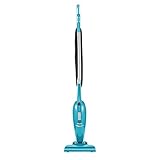
Bissell Featherweight Stick Vacuum 2033
Small messes have a way of feeling strangely oversized once a full upright vacuum enters the picture. Crumbs under the table, dry soil near the doorway, and lint on a low-pile rug usually need a quick response, not a heavy machine with a long setup routine. Although the phrase bissell crosswave corded wet dry stick vacuum suggests a floor washer that handles liquid, the Featherweight 2033 is a corded, dry-only vacuum built for light pickup. Its strengths are low weight, simple conversion, and easy storage, while its limits become obvious on deep carpet, wet spills, and larger debris loads.
Bissell Featherweight Stick Vacuum 2033
The Featherweight 2033 keeps its purpose refreshingly narrow. It uses corded suction to collect dry debris from sealed hard floors, low-pile carpet, area rugs, counters, stairs, and furniture when fitted with the appropriate attachment. There’s no battery to charge and no runtime countdown hanging over the job. Plug it in, clean the visible mess, and put it away without much ceremony.
Its three-in-one format is the part that gives this inexpensive-looking machine more range than expected. The full assembly works as a stick vacuum, the motor unit separates for handheld cleaning, and the floor nozzle can be paired with the handheld body for stairs. Those conversions don’t turn it into a heavy-duty cleaning system, but they reduce the need to keep several small appliances around. In a tight closet, that matters.
The supplied crevice tool handles narrow gaps around cushions, along baseboards, and between furniture pieces. A floor nozzle for stairs offers more contact area than using the handheld intake alone, which can make dry debris easier to gather from flat treads. The setup is still basic, with no powered upholstery brush or specialized pet tool listed. Fine dust and crumbs fit the assignment better than deeply embedded fur.
The 0.67-liter dirt cup strikes a middle ground between tiny handheld bins and the larger containers found on full uprights. It’s enough for routine touch-ups, but a heavily soiled room can fill it sooner than expected. The bagless dirt cup keeps replacement-bag costs out of the picture, though emptying fine dust can be messy if done too quickly. A trash can with plenty of room around the opening makes that chore less awkward.
Quick Pickup Without A Heavy Upright
Weight is the practical reason this model can earn a permanent spot near the kitchen or entryway. A lighter body takes less effort to pull from storage when the mess is limited to cereal flakes, dry leaves, or grit around the door. That grab-and-go convenience changes cleaning behavior because a small spill no longer feels like a full production. The vacuum gets used before the debris spreads across several rooms.
Hard floors suit the simple suction head well, especially where loose particles sit on the surface rather than hiding in fibers. Tile, sealed wood, and laminate can be cleaned without a spinning brush scattering debris behind the nozzle. The direct floor pickup is straightforward and easy to control. Large pieces may still need to be picked up by hand if they’re too wide for the intake.
Low-pile rugs and carpet receive surface cleaning rather than deep agitation. Since the provided details don’t mention a powered brush roll, the vacuum relies on suction instead of beating embedded soil loose. That surface-level carpet cleaning can handle visible crumbs, lint, and loose dirt, but it won’t pull stubborn debris from dense fibers. Thick carpet also creates more resistance, making the head harder to move.
Countertop use is possible in handheld mode, although common sense still applies around food preparation areas. Dry crumbs and loose debris are reasonable targets, while grease, moisture, and sticky residue belong to a cloth or suitable surface cleaner. The handheld conversion makes cleanup more focused without forcing the entire stick assembly onto a raised surface. Careful handling also prevents the cord from dragging across dishes or small appliances.
Three Cleaning Modes With Real Limits
Switching from stick mode to handheld mode is useful for furniture, shelves, and other above-floor spots. The smaller configuration is easier to position around sofa cushions or along window tracks than a full upright body. That three-in-one flexibility gives the Featherweight more reach than its stripped-down appearance suggests. Still, holding the motor unit for an extended period may feel less balanced than using a dedicated compact handheld.
Stair mode is another sensible use of the removable body. Pairing it with the floor nozzle creates a short vacuum that can sit directly on each tread without the long handle getting in the way. The stair-cleaning setup works best on straight, open steps with light debris. Tight turns, ornate railings, and thick carpeted stairs may require more repositioning than the product photos imply.
The crevice tool handles narrow channels, but its cleaning area is naturally small. It’s well suited to corners, edges, and the slim spaces between furniture cushions. The focused crevice suction becomes inefficient on broad upholstery because each pass covers very little ground. A powered brush attachment would be better for dense pet hair, but none is included in the supplied description.
Versatility shouldn’t be confused with wet dry capability. This model does not mop, dispense solution, collect liquid, or scrub sealed floors. The dry-only design is the biggest difference between the Featherweight and a CrossWave-style cleaner. Using it on wet spills could damage the machine and create a safety problem, so liquids should be removed with an appropriate method.
Pros That Make Daily Cleanup Easier
The most obvious advantage is simplicity. There are no charging docks, water tanks, cleaning formulas, or self-cleaning cycles to manage after a quick pass. The corded power supply provides steady operation for as long as the outlet remains available. That makes the Featherweight dependable for repeated touch-ups without waiting for a battery.
Storage is another easy win. A slim stick vacuum takes up less room than a wide upright, and the removable components can make cabinet placement easier. The compact footprint is helpful where utility closets already hold mops, brooms, and household supplies. Keeping the crevice tool nearby is the only organizational detail that may need a small hook or bin.
Conversion between floor, handheld, and stair modes broadens its usefulness without adding complicated controls. Each setup addresses a specific kind of dry mess, and the machine remains simple enough for a quick switch mid-cleanup. This multipurpose layout is particularly handy in smaller spaces where one appliance needs to cover several basic jobs. The compromises show up in depth of cleaning, not in ease of operation.
The bagless cup also keeps recurring purchases to a minimum. Emptying debris directly into the trash is cheaper and quicker than tracking down compatible bags. The 0.67-liter capacity is sensible for everyday pickup, provided the vacuum isn’t expected to handle an entire heavily soiled home in one go. Frequent emptying is a mild inconvenience, but an overfilled cup would weaken airflow anyway.
Weaknesses That Matter Before Buying
Carpet performance is limited by the absence of a listed powered brush roll. Suction can remove loose material from the surface, but embedded dirt and tangled pet hair often need agitation. The low-pile carpet focus signals where this vacuum is most comfortable. Plush rugs, shag, and wall-to-wall carpet with deep fibers may leave the machine feeling underpowered even if the motor itself is functioning normally.
The power cord creates its own set of annoyances. It eliminates battery anxiety, yet it can catch around furniture legs, require outlet changes, and restrict movement between rooms. That corded operating tradeoff is easier to accept in a small apartment or single-room cleanup than across a sprawling floor plan. Cord management becomes part of the job whether the mess is large or small.
Pet hair deserves measured expectations as well. The narrow intake and basic attachments can gather loose fur from hard floors and lightly covered fabric, but there’s no provided claim of a motorized pet brush. The limited pet-hair setup means stubborn strands may cling to upholstery or carpet fibers after several passes. A rubber brush or specialized vacuum attachment would handle those surfaces more efficiently.
Large debris can also test the floor nozzle. Wider cereal pieces, dry pet food, or small leaves may be pushed forward if they don’t fit beneath the intake cleanly. From a practical angle, robotic vacuum options for large debris cover a separate approach to automated pickup on open floors. The Featherweight is better matched to crumbs, dust, grit, and other modest dry messes than bulky material scattered across a large area.
Maintenance And Day-To-Day Handling
Emptying the cup before it reaches the top protects airflow and makes disposal cleaner. Fine dust tends to puff upward when a crowded container is opened over a small trash can. The clear dirt-cup design makes the fill level easy to monitor without guessing. Slow, controlled emptying is less dramatic than shaking the cup and wearing half the dust.
The filter also needs periodic care because fine particles collect there even when the cup looks nearly empty. A clogged filter can reduce suction and make the motor sound more strained. The filter-maintenance routine should follow the product instructions, including full drying if the filter is washable. Reinstalling a damp filter risks odor, restricted airflow, and unnecessary mess inside the housing.
Hair and thread may collect around the nozzle opening even without a powered brush roll. A quick inspection keeps the intake clear and prevents strands from building into a tight blockage. The open suction path matters more on a small vacuum because there’s less room for debris to move around an obstruction. Pulling away wrapped material after each hairy cleanup is easier than waiting for suction to drop.
The cord should be wrapped loosely rather than stretched tightly around storage hooks. Sharp bends near the plug or vacuum body can place stress on the insulation over time. Good cord-storage habits help preserve the main advantage of a plug-in machine: reliable power without battery wear. A quick glance for cuts or damage before use is also sensible, especially after the vacuum has been stored in a crowded closet.

Bissell CrossWave Pet Pro Wet Dry Vacuum 2306A
Pet hair rarely stays in one neat pile, and muddy paw prints don’t politely wait until the crumbs are gone. That messy overlap is where the bissell crosswave corded wet dry stick vacuum idea starts to make sense, because the CrossWave Pet Pro 2306A picks up dry debris while washing the floor in the same pass. Its 25-foot power cord keeps the machine running without battery limits, while pet-focused parts help manage fur, dirty water, and lingering odors. The catch is simple: this isn’t a lightweight dry vacuum, and the cleanup routine continues after the floor itself looks better.
Bissell CrossWave Pet Pro 2306A
The CrossWave Pet Pro is built around one practical promise: vacuuming and washing happen together. Loose kibble, dust, fur, and damp tracks can be addressed during the same cleaning session instead of splitting the job between a vacuum and mop. That arrangement saves the most effort on mixed messes, especially around feeding areas, entryways, and kitchen floors. Large food chunks and sharp debris still belong in the trash before the machine rolls through.
Corded operation gives the 2306A a different personality from battery-powered floor washers. The 25-foot power cord supports uninterrupted cleaning without waiting for a recharge or watching a battery indicator. That steady power feels useful in open spaces or during a longer whole-floor reset. Still, the cord can wrap around furniture legs, drag across wet areas, and require a little choreography in rooms with awkward outlet placement.
The machine is intended for tile, sealed wood, laminate, linoleum, vinyl, rubber floor mats, pressed wood floors, and area rugs. This multi-surface range reduces the need to change appliances as flooring transitions from one room to the next. Area rugs receive more of a surface refresh than a deep extraction, so old stains and thick carpet soil remain outside its strongest lane. Sealed surfaces are the safer match because wet cleaning and unprotected flooring don’t mix well.
BISSELL also ties each purchase to support for the BISSELL Pet Foundation and its work helping homeless pets. That pet-focused mission adds a charitable angle without changing how the machine performs. It’s a meaningful detail, but cleaning ability should still be judged by the brush roll, tanks, suction path, and maintenance demands. Sentiment is welcome; practical results still carry the load.
Pet Hair Control Without The Usual Tangled Mess
Hair wrapping around a brush roll can turn a five-minute cleanup into a cutting-and-pulling session. The included Tangle-Free Brush Roll is designed to reduce that buildup, particularly with pet fur and longer strands. Reduced wrapping doesn’t mean a maintenance-free brush, though. Damp hair can still cling around the cover, axle area, and intake channel after a heavy pass.
The Pet Hair Strainer tackles a different frustration inside the dirty-water tank. It separates larger debris and fur from the liquid, helping reduce the chance of sending a soggy clump into the sink. That debris-separation system makes disposal less unpleasant and can protect household drains from unnecessary buildup. The strainer itself still needs to be emptied and rinsed, so the mess is managed rather than magically erased.
Pet hair behaves differently once it’s wet. Dry fur may lift easily from tile, while damp strands can stick to flooring, collect along baseboards, or cling inside the machine. The CrossWave’s wet and dry pickup helps deal with both conditions during one pass, but slow movement improves collection around stubborn patches. Racing over the floor may leave flattened hair behind, especially where moisture has pressed it into textured surfaces.
Two included brush rolls make rotation easier after messy jobs. One can dry fully while the second remains ready for the next cleaning session, which reduces the temptation to reinstall damp parts. That spare brush-roll setup is more useful than it first appears because wet storage often leads to stale odors. A dry brush also starts the next job in better shape than one left sealed inside the machine.
Two-Tank Cleaning That Keeps Dirty Water Separate
Traditional mopping repeatedly dips a dirty pad or mop head into the same bucket. The CrossWave Pet Pro uses Two-Tank Technology to keep fresh water and formula separate from collected debris and used liquid. Each pass applies clean solution rather than recycling what was just pulled off the floor. That separation is one of the machine’s most convincing practical benefits.
The dirty tank tells the story after a pass through a busy room. Fur, grit, crumbs, and murky water collect together instead of staying smeared across the surface. The fresh-solution cleaning path feels cleaner in principle and is easier to understand than a single-bucket routine. Still, both tanks need attention, and the dirty one shouldn’t sit full after use.
Tank capacity isn’t provided in the supplied details, so there’s no reason to attach a number or promise a certain square footage. What can be said confidently is that wet cleaning requires periodic filling and emptying based on the size and condition of the floor. The tank-management tradeoff becomes more noticeable during larger sessions. A badly tracked entryway can consume solution faster than a lightly dusty living room.
Formula use also deserves restraint. Two 8-ounce bottles of PET Multi-Surface Formula with Febreze Freshness are included, giving the machine a compatible starting supply. The pet-odor formula is meant to reduce unwanted smells while cleaning, but more liquid doesn’t automatically mean a cleaner floor. Overfilling or improvising with unrelated chemicals can create foam, residue, or maintenance headaches.
Pros That Show Up During Everyday Cleaning
The strongest advantage is time saved on mixed debris. Dry crumbs and damp paw marks no longer require separate tools, which makes the all-in-one cleaning process especially useful after meals or rainy walks. The machine earns its keep where vacuuming alone would leave grime and mopping alone would push hair around. Setup still takes longer than grabbing a paper towel, but larger messes are handled with less backtracking.
Continuous power is another practical plus. A 25-foot cord won’t provide complete freedom, yet it removes recharge delays and battery fade from the equation. The consistent corded operation suits longer sessions and repeated cleaning across several rooms. Cord placement remains part of the job, especially near chair legs and narrow passages.
The included Rinse & Clean Out Storage Tray gives wet components a defined resting place. It helps contain drips after cleaning and supports the rinse process without leaving residue on a closet shelf. That storage-tray system makes ownership feel more organized, particularly where utility space is tight. The tray still needs wiping because collected moisture and debris won’t disappear on their own.
Surface flexibility adds value in homes where hard flooring meets rugs. The CrossWave can move from sealed floors to area rugs without swapping the entire machine. This room-to-room versatility keeps the cleaning path simple across open layouts. Thick carpet, upholstery, stairs, and narrow crevices still require other tools, so it doesn’t replace a complete vacuum setup.
Weaknesses Hidden Behind The Convenience
The CrossWave Pet Pro carries clean water, dirty water, a motor, and a powered brush assembly. That makes it bulkier than a basic stick vacuum, especially once both tanks contain liquid. The heavier wet-cleaning body may feel awkward on stairs, around tight furniture, or during frequent lifting. Emptying the dirty tank before moving between floors keeps the load more manageable.
Post-cleaning maintenance is the biggest tradeoff. The brush roll, tank, strainer, cover, and tray all collect some combination of water, fur, and residue. A proper after-use rinse routine prevents odors and keeps debris from drying inside the machine. Skipping that step turns convenience on the floor into extra work later.
The machine also has limits around edges and corners. Its floor head can cover open areas efficiently, yet narrow gaps, deep cabinet recesses, and sharp corners may stay partly untouched. That wide-head limitation means a cloth or crevice tool can still be necessary. The CrossWave reduces the number of follow-up chores, but it doesn’t eliminate every one of them.
Area-rug performance needs realistic expectations. Surface dirt and light pet debris fit the machine’s listed purpose, while deeply embedded soil demands stronger carpet agitation and extraction. From a practical angle, Shark vacuum options for tile floors cover a separate dry-vacuum approach to hard-surface debris. The CrossWave Pet Pro stands apart by washing as it vacuums, though that added function also creates more maintenance.
Best Habits For Cleaner Floors And Fresher Parts
Loose oversized debris should be removed before wet cleaning begins. Large kibble pieces, sharp fragments, and thick clumps can crowd the suction path or make the dirty tank unpleasant to empty. Protecting the internal airflow path keeps pickup more consistent and reduces the chance of clogs. A quick visual scan saves more time than digging debris out later.
Slow passes work better on dried grime than quick vacuum-style strokes. The brush roll needs contact time to loosen residue while suction recovers the dirty solution. This measured cleaning pace matters around feeding stations, entry mats, and kitchen spill zones. Open stretches with light dust can be handled faster, so every section doesn’t need the same treatment.
Brush rolls and filters should dry fully before reassembly. Damp parts stored inside a closed machine create the conditions for stale smells and sticky residue. The included extra brush roll makes drying time less inconvenient because another roll can remain available. Air circulation matters more than rushing everything back into the storage tray.
The power cord deserves basic care as well. Loose wrapping prevents sharp bends near the plug and machine body, while a quick check for damage keeps corded operation safer. Good cord-storage habits protect the feature that separates this model from battery-dependent cleaners. A clean, dry tray and an empty dirty tank finish the routine without leaving tomorrow’s problem inside today’s machine.




