Switching to a single tool for sweeping and washing hard floors is nothing to stress over, as long as the design matches your routine. An upright wet-dry vacuum works best for sticky spills and muddy footprints because it actively scrubs while pulling dirty water off the floor. For simple everyday dust and pet hair, a robot vacuum mop handles the chore on a schedule with very little effort.
The right match depends mostly on your flooring and how much upkeep you want to manage. Moisture-sensitive surfaces like laminate and hardwood need rapid suction that leaves planks nearly dry, while tile can handle a wetter wash. Machine maintenance matters too, since rinsing dirty tanks takes a few minutes after every use, whereas disposable pads offer quick disposal. Here is how these cleaners actually perform across different rooms so you can make an easy choice.

Understand How Vacuum Mops Handle Wet and Dry Dirt Together
Traditional mopping often feels like moving dirty water around the room. You sweep first, but fine dust still mixes with mop water to leave a dull film along baseboards. A vacuum mop changes this routine by sweeping and washing in one continuous pass. Understanding how these machines work helps you decide whether they will truly save time in your home.
Most motorized wet-dry vacuums use two independent chambers. One clean water tank holds tap water mixed with floor cleaner, while a separate dirty water tank catches muddy wash water and loose crumbs. As you push forward, clean water flows onto a spinning roller brush to scrub sticky spots. At the same time, strong suction lifts dirty liquid, pet hair, and grit off the floor and deposits them into the dirty tank. Muddy water never gets wiped back across clean boards.
Pad-style vacuum mops use a simpler design. Instead of a spinning roller and dual tanks, they pair a dry suction slot with an absorbent cleaning pad. The front nozzle vacuums crumbs and hair into a small collection chamber. When you press a handle trigger, a spray nozzle shoots liquid ahead of the machine, and you glide a disposable or washable cloth pad over the wet floor to wipe spots away.
These combo tools shine on common kitchen spills that ruin regular vacuums. They swallow wet cereal, muddy paw prints, dropped eggs, and sticky juice in a single stroke. But they have limits you should know. They struggle with piles of dry pet kibble that can lodge in wet suction tubes, and long hair can wrap tightly around spinning brush axles.
Match the Machine Style to Your Daily Messes and Room Layout
Choosing the right machine comes down to your daily messes and how much effort you want to spend cleaning. Three distinct designs handle hard floors, each tailored to different routines.
Upright wet-dry vacuums: These look like stick vacuums, but they pack dual water tanks and motorized roller brushes.
- Best for: Busy kitchens, multi-pet households, and homes with extensive tile or sealed hard floors.
- Practical benefits: They scrub sticky spots and pull up wet spills at once. Strong suction leaves floors barely wet, drying surfaces in minutes. Some models also refresh low-pile area rugs by lifting surface dirt.
- Drawbacks: They weigh 9 to 12 pounds, making them heavy on stairs. They also need prompt cleaning after every use to prevent foul odors.
Robot vacuum and mop combos: These automated discs navigate your home and clean on a preset schedule.
- Best for: Busy professionals, daily shedding control, and single-level homes with open layouts.
- Practical benefits: They run while you are out. Advanced models feature strong suction, smart mapping to steer around furniture, and self-emptying bases that store dry dust for weeks.
- Drawbacks: Robots cannot lift standing puddles or crusted food spills. Most models simply drag a damp microfiber pad across the floor without heavy scrubbing.
Pad-style vacuum mops: These lightweight stick cleaners combine a suction port with a spray nozzle and a flat cleaning pad.
- Best for: Small apartments, compact bathrooms, and quick entryway touch-ups.
- Practical benefits: They weigh under 5 pounds and fit tight corners easily. Maintenance is effortless because you discard the dirty disposable pad without washing tanks.
- Drawbacks: They cannot lift standing puddles. Ongoing costs for replacement pads and solution bottles also add up over the year.
Protect Sensitive Floors From Trapped Moisture and Standing Water
Floor damage is a real fear when using motorized wet cleaners. Wood and laminate planks swell when water penetrates seams, causing raised edges, cloudy finishes, and permanent warping. A few simple habits keep your floors safe.
Different hard surfaces handle water differently:
- Sealed hardwood: Hardwood tolerates damp mopping only if the protective finish is intact. Place a drop of water on an inconspicuous seam. If it beads up, the finish is secure. If it soaks in or darkens the wood, the seal is worn, and you should never use a wet-dry cleaner there.
- Laminate flooring: Laminate features a durable surface over a dense wood-fiber core. While the top resists spills, side seams absorb water quickly. Absorbed moisture causes plank edges to swell and buckle. Only use machines that leave a barely wet surface and immediately suck up all liquid.
- Tile, stone, and luxury vinyl: These materials resist liquid penetration well. Glazed ceramic tile, slate, and interlocking vinyl planks tolerate heavier water flow and wet scrubbing without warping.
Follow safe operating steps to prevent trapped puddles:
- Keep moving: Never park a running wet-dry machine in one spot on wood or laminate. A spinning wet roller forces water straight into plank seams.
- Check drying speed: Floors should dry completely within three minutes. If wet streaks linger longer, reduce liquid output or make an extra dry suction pass.
- Make a dry suction pass: Turn off liquid spray on the return stroke to pull up any leftover moisture from the floor surface.
- Avoid harsh chemicals: Never add bleach, ammonia, or dish soap to your clean tank. Harsh chemicals ruin rubber seals, and soapy suds cause foaming that trips tank sensors and shuts off suction.
Rinse Tanks and Air-Dry Parts Immediately to Prevent Sour Odors
The hardest part of owning a vacuum mop is not the floor washing. It is the machine cleanup that must follow immediately. When wet dirt, spilled milk, pet hair, and greasy water sit inside a closed plastic tank, bacteria quickly breed. Within hours, the unit develops a sharp, sour smell that fills the room the next time you turn it on.
Follow this five-step cleanup routine after every cleaning session:
- Dump the dirty water tank immediately: Carry the canister straight to the toilet instead of the kitchen sink. Emptying dirty water and pet hair into the toilet prevents drain clogs and keeps dirty splash away from food counters. Flush right away.
- Rinse the canister and filter: Flush warm tap water through the empty dirty tank until it runs clear. Remove the foam or pleated filter, shake off loose grit, and rinse it clean. Never reinstall a wet filter into an enclosed machine.
- Clear tangled hair from the roller brush: Pop off the roller cover and remove the spinning brush. Use small scissors to slice through hair wound around the axles. Trapped hair strains the motor and wears out plastic gears.
- Run the docking station self-clean cycle: If your machine includes a self-cleaning dock, place the unit on the base and press the clean button. The machine flushes clean water through the internal tubes while spinning the brush. Always dump the dirty tank once more after this cycle finishes.
- Air-dry all damp pieces: Never snap wet parts back into the machine. Stand the roller brush upright and lay the open tank and filter on a towel in a breezy spot. Allow everything to air-dry for a full 24 hours to stop musty odors before they start.
Check Key Features Before Bringing a Vacuum Mop Home
Finding the right cleaner means matching the design to your home layout, floor types, and maintenance habits. Before choosing, check these essential points to make sure the machine fits your daily life.
- Moisture control switches: Look for a cleaner that gives you control over water output. Adjustable spray triggers or multi-surface modes are vital if you must clean delicate laminate or sealed wood alongside water-resistant tile.
- Tank capacity and balance: Check the size of both water reservoirs. Larger tanks let you clean multiple rooms without stopping to refill, but extra water adds weight. Smaller tanks keep the unit nimble around furniture but require frequent trips to the sink.
- Edge reach and head clearance: Check the front and side margins of the roller head. Bulky cleaning heads leave a two-inch gap of unwashed floor next to baseboards and cannot slide under low kitchen cabinets.
- Battery runtime versus corded reach: Cordless models offer quick freedom across rooms, but confirm the battery runtime lasts long enough to finish your main floors. Corded machines offer nonstop power, though managing a wet cord takes extra care.
- Easy parts replacement: Confirm that replacement roller brushes, filters, and washable cloth pads are simple to order. A great machine becomes useless if you cannot find replacement brushes or filters down the road.

5000Pa Strong Suction: Robot Vacuum With 5000Pa suction power, it effortlessly removes pet hair, dust, and debris from all types of floors. It can also easily clean on short-pile & medium-pile carpetsVacuum & Mop in One Go: G8000 Max robot vacuum is equipped with 450 ml dustbin and 300 ml water tank
Key specs
- Suction power
- 5000Pa motor rating
- Runtime and charging
- Runs for up to 150 minutes before automatically navigating back to its dock for self-charging.
Pros:
- 5000Pa motor rating provides strong suction for pet hair and debris across hard floors and carpets
- Up to 150 minutes of continuous cleaning time on a single battery charge
- App and remote control options let you manage cycles with or without a smartphone
- Automatic self-charging sends the vacuum back to its docking station when the battery runs low
Cons:
- Lacks a self-emptying base station, requiring you to manually dump the onboard dust container after runs
- Mopping reservoir capacity and dampening controls are omitted from the listing and require verification
- Passive pad mopping cannot scrub dried, sticky kitchen spills as effectively as an upright wet-dry vac
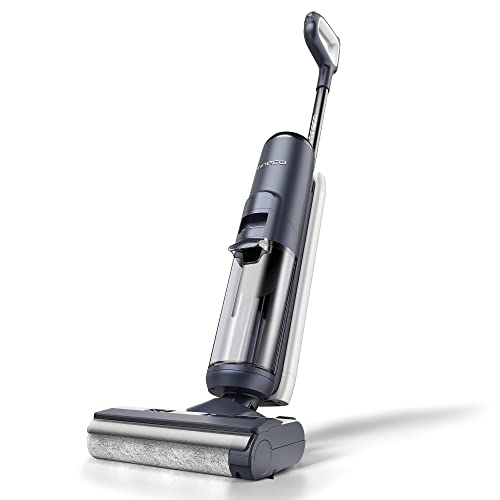
SMART VACUUM & MOP TWO-IN-ONE – Clean wet or dry messes and tackle tough and sticky messes on hard floors with ease. Featuring Tineco’s proprietary iLoop Smart Sensor Technology, it automatically adjusts suction, water flow, and brush roller speed to clean any and all messes.CUTTING-EDGE CLEANING PE
Key specs
- Floor compatibility
- Hard floors only
- Operating display
- Equipped with an integrated digital display that tracks real-time operating metrics and cleaning status.
Pros:
- Smart wet and dry vacuum cleans sticky messes and pet hair from hard floors in a single pass
- Integrated digital display provides clear visibility of operating performance and machine alerts
- Cordless upright build with space-saving profile simplifies storage in tight closets and corners
Cons:
- Engineered strictly for sealed hard floors, so it cannot be used on carpets or area rugs
- Specific battery runtime in minutes and clean water tank capacity are omitted from the listing

COMPLETE CLEAN: Powerful suction plus spray mopping - a complete clean in one pad..Voltage:110 volts. Wattage : 85 wattsDISPOSABLE PADS: Disposable VACMOP Pads vacuum up what other pads push around.POWERFUL SUCTION: Pulls in dirt and debris to be locked away directly in the disposable VACMOP Pad.12
Key specs
- Pad attachment style
- Uses disposable vacuum pads that trap dry dirt in an internal chamber while mopping hard floors.
- Included starter accessories
- 4 disposable VACMOP pads
- 12 oz hard floor cleaning solution
Pros:
- Starter bundle comes ready to use with 4 disposable pads and a 12 oz bottle of cleaning solution
- Bright LED headlights illuminate fine dust, pet dander, and dried splatters in dark corners
- Cordless lightweight stick frame allows quick grab-and-go spot cleaning without tangled cords
Cons:
- Relies on proprietary disposable dirt-chamber pads, creating ongoing replacement supply expenses
- Does not clean carpets or area rugs and is limited solely to hard floor surfaces
- Run time per charge and battery recharge duration are omitted from the product specifications

Cordless rechargeable stick frame designed for lightweight handling across open floors and staircases.
Key specs
- Surface compatibility
- Hardwood floors and carpet
Pros:
- Multi-surface design cleans and washes both household hardwood floors and carpets
- Cordless rechargeable stick design provides lightweight maneuverability across rooms and stairs
- Combines deep cleaning vacuum suction and washing capabilities in one handheld-friendly tool
Cons:
- Suction rating and battery run time are not stated in the listing and must be verified
- Water reservoir capacity and dirty fluid recovery details are omitted from the specifications

EVERY PURCHASE SAVES PETS. BISSELL proudly supports BISSELL Pet Foundation and its mission to help save homeless pets.VACUUM and WASH AT THE SAME TIME. BISSELL CrossWave multi-surface floor cleaner cleans better than a sponge mop and bucket, and in less time.2MULTI-SURFACE CLEANING. Safe and effecti
Key specs
- Wet and dry versatility
- Combines liquid suction and dry dirt pickup into one cycle for both hard floors and area rugs.
Pros:
- Dual-action wet and dry system vacuums debris and washes floors in a single continuous movement
- Cleans sealed hard floors and refreshes area rugs without swapping cleaner heads
- Turbo cleaning configuration targets stubborn stuck-on grime and messy household spills
Cons:
- Product listing omits power source details, cord length, and battery runtime specifications
- Clean and dirty tank fluid capacities are unstated and must be confirmed prior to purchase

90-Day Hands-Free Cleaning: The 3L self-emptying dustbag holds weeks of debris, eliminating the need for frequent emptying. Enjoy effortless maintenance with this robot vacuum self-emptying6000Pa Ultra-Strong Suction: The L8000 Plus Robot Vacuum effortlessly lifts debris, pet hair, and deep-seated d
Key specs
- Docking station capacity
- 90 days dry debris capacity
- Navigation technology
- Uses precision LiDAR sensors to map your home layout and guide systematic room cleaning.
Pros:
- 6000Pa motor rating delivers powerful suction across hard floors and carpeted rooms
- Self-emptying base station holds up to 90 days of dry dust and debris for hands-free maintenance
- Precision LiDAR navigation and home mapping generate efficient room-by-room cleaning paths
- Designed to capture shedding pet hair across both bare hard flooring and pile carpeting
Cons:
- Self-emptying feature works only for dry debris, requiring you to manually remove and wash the mop pad
- Mopping water reservoir volume and run duration per fill are not specified in the listing
Last update on 2026-11-04 / Affiliate links / Images, Product Titles, and Product Highlights from Amazon Product Advertising API
FAQs
Can a vacuum mop clean high-pile carpets and area rugs?
Most vacuum mops are designed strictly for non-porous hard floors. Certain upright wet-dry machines offer an area rug mode that refreshes thin, flat-weave mats, but they cannot deep-clean plush carpets. Wetting thick carpet saturates the foam pad underneath, causing mold growth and subfloor damage.
Can I use regular floor soap or bleach in the water tank?
Never pour bleach, dish soap, or standard floor cleaners into the water tank. Regular soaps create heavy suds that enter the vacuum motor and trip tank-full sensors. Bleach and vinegar also degrade internal rubber seals and cause leaks. Use only mild, low-foaming solutions made for motorized vacuum mops.
How often do I need to replace the roller brush or cleaning pad?
Under normal weekly use, roller brushes and washable cloth pads last between three and six months. If the soft fibers flatten, fray, or develop a persistent odor, replace them promptly. Rinsing parts thoroughly and air-drying them after every use helps extend their working life.
What should I do if my vacuum mop leaves streaks on the floor?
Streaks happen when cleaning solution is mixed too strong, the squeegee collects trapped hair, or the dirty water tank is completely full. Wipe the rubber squeegee strip, empty the tank, and make a pass with plain warm water to lift soap residue. If streaking continues, confirm the motor filter is clean so suction stays strong.