
When Is the Right Time to Use an Outdoor Hot Tub?

Late evening is usually the sweet spot. Stepping into warm water roughly an hour before bedtime helps your body wind down naturally afterward, which brings on deeper sleep. Early mornings work nearly as well if you want to loosen stiff joints before a busy day starts. Either way, cool outside air creates the soothing contrast that makes soaking outdoors feel so restorative.
The right timing still depends on your daily goals and the outdoor temperature. Sitting in hot water under blazing midday summer sun can cause lightheadedness, while deep winter chills require checking whether your tub can safely run in freezing air. Finding the right balance keeps every session comfortable while protecting your sleep and your equipment.
Morning Versus Evening Soaks: Matching Water Time to Daily Rhythms
Morning soaks serve a very specific physical purpose. After six to eight hours of stillness in bed, muscles often feel stiff and joints can ache, especially if you deal with lower back tension. Stepping into warm water first thing in the morning gently increases blood circulation and loosens tight connective tissues without requiring strenuous movement. The crisp morning air creates a pleasant contrast against the steaming water, helping clear away mental grogginess.
If you soak in the morning, keep the water temperature slightly lower than you would at night. Setting your digital control panel between 99°F and 101°F provides gentle warmth without triggering the heavy, drowsy feeling that comes from intense heat. Keep your session to roughly 15 or 20 minutes so you leave the water feeling energized rather than sluggish. Run the water massage jets on low to ease your shoulders, and keep a tall glass of cool water next to your morning coffee to stay well hydrated.
Evening soaks target the physical and mental stress that builds up over a long day. Sitting at a desk or standing on your feet for hours compresses your spine and tightens leg and shoulder muscles. Sliding into warm water massage after dinner allows your body to float, removing pressure from joints and encouraging tight muscle knots to release. The darker sky and quiet neighborhood create a naturally calming setting that helps quiet racing thoughts.
Midday is usually the worst time to use an outdoor spa, particularly during sunny summer months. Direct overhead sunlight combined with water heated above 100°F puts tremendous strain on your body. When the sun beats down on your head while your body sits in hot water, your heart must work twice as hard to radiate heat away. You also sweat heavily while submerged, but because your skin is already wet, you will not notice how much fluid you lose. This easily leads to dizziness, dehydration, and headaches. If you want to use the tub during the middle of the day, choose an overcast afternoon or place your spa under a patio umbrella.

The Bedtime Window: Why Getting Out an Hour Early Protects Sleep
Many hot tub owners assume that hopping straight from 104°F water into bed is the quickest ticket to deep sleep. In reality, stepping directly into bed right after a hot soak often leaves you tossing and turning for hours. You end up kicking off the sheets, sweating, and feeling your heart thump against your chest. Understanding how your body manages heat reveals why timing this soak correctly makes all the difference for a good night of rest.
Your body relies on an internal temperature drop to signal that it is time to sleep. In the late evening, your brain naturally prompts your core body temperature to decrease by a degree or two, which triggers drowsiness and opens the door for deep sleep cycles. Immersing yourself in hot water dilates blood vessels near the skin surface, bringing blood flow outward and temporarily elevating your core temperature. If you trap that heat beneath a thick blanket immediately afterward, your body cannot cool down, leaving your internal thermostat stuck on high.
The sweet spot is stepping out of the water roughly 60 to 90 minutes before your head touches the pillow. That window gives your dilated blood vessels the chance to release stored heat into the cooler room air. As your skin radiates heat away, your internal temperature drops faster and more dramatically than it would naturally. This sharp drop tricks your nervous system into thinking bedtime has arrived, ushering in heavy eyelids and deep physical relaxation.
Spend that hour between the tub and bed on calm, low-energy habits. Dry off thoroughly, slip into loose, breathable cotton sleepwear, and drink a glass of cool drinking water to replace fluids lost in the tub. Dim the lights in your living room or bedroom, and stay away from bright phone and television screens. By the time your bedtime hour arrives, your body temperature will hit its natural low point, and you will drift off without the restless tossing that follows a late soak.
Winter Freezes and Summer Sun: Year-Round Soaking Strategies
Winter soaking provides one of the most rewarding outdoor experiences you can have at home. Breathing in crisp winter air while your body rests in 104°F water creates an invigorating contrast that clears your head and relieves cold-weather joint stiffness. But sub-freezing temperatures also introduce practical challenges for both your physical safety and your equipment.
Your spa mechanics face real risks when the outside air temperature drops below freezing. Well-insulated hard-shell tubs with thick foam cabinets easily hold their warmth all winter long. Basic portable inflatable tubs, however, struggle when the thermometer drops below 40°F. Unless an inflatable spa features built-in automatic freeze protection to circulate water and cycle the heater automatically, water resting in external pump lines can freeze solid. Expanding ice can quickly crack the plastic heater and pump unit, ruining the spa. When soaking on freezing winter nights, run your water massage jets rather than air bubble jets, because drawing sub-freezing air through the floor rings will drop the water temperature by several degrees in just a few minutes.
To enjoy safe, comfortable winter soaks without slipping on ice or catching a chill, keep this simple cold-weather routine in mind:
- Clear a non-slip pathway: Shovel snow and scatter sand or pet-safe salt along the walkway from your back door to the tub steps so you never step on hidden ice.
- Keep warm layers at the tub edge: Place a heavy fleece robe, slip-on insulated boots, and a dry knit beanie on a chair right beside the tub so you can bundle up the instant you step out.
- Wear a warm hat while soaking: Your head remains exposed to freezing winds while your shoulders stay underwater. Wearing a beanie stops rapid heat loss through your scalp.
- Limit soak time to 15 or 20 minutes: Because cold air numbs your face and ears, it is easy to lose track of time and overheat your body core without realizing it.
- Secure the cover right away: The moment everyone steps out, strap down a thick hot tub cover for cold climates to lock in steam, protect water lines, and stop heavy snow from sagging into the water.
Summer presents the opposite problem, as high outside air temperature can make a 104°F soak feel stifling. Instead of shutting down the spa for the season, drop the digital control panel down to between 85°F and 92°F. This converts your hot tub into a soothing plunge pool where you can cool off during humid afternoons. Save your evening soaks for twilight or after dark, when the sun dips below the horizon and the air cools down.
Warm summer weather also speeds up water chemistry changes. Direct sunlight and higher water use cause sanitizers to break down much faster than they do in winter. Keeping a dependable hot tub sanitation system running ensures that algae and cloudy water never ruin an evening dip. Also, intense summer sun can dry out and crack vinyl lids, so treating your outer lid with a quality protectant for outdoor hot tub covers shields the surface from sun damage all summer long.

What Kind of Outdoor Hot Tub Works Best Year-Round?
If your goal is to soak comfortably through freezing winter nights and sweltering summer afternoons, choosing the right tub build makes all the difference. For true four-season climates with severe winters, a solid hard-shell spa with full-foam insulation provides the best heat retention. Thick foam barriers inside the cabinet prevent warmth from escaping into cold ground or freezing air, keeping energy bills steady and ensuring the heater can maintain 104°F even when snow piles up against the side panels.
If you prefer the convenience of an inflatable or portable spa, verify that the unit includes an automatic freeze protection heating system. This automated sensor monitors water temperature inside the pipes and kicks on the circulation pump and low heating cycle whenever outside air temperature nears freezing. Without this feature, portable spas must be drained and stored before winter arrives. Look for models with digital control panels that let you set precise temperatures down into the 80s for summer cooling, and confirm that the spa plugs into a standard three-prong 120-volt outdoor wall outlet on a dedicated line with a built-in safety plug to keep your setup safe in wet weather.

- VC Score9.0
BCP Score is a ranking system developed by bestcleanerproducts.com. BCP Score has no relationship or impact from any manufacturers or sales agent websites. Learn more
- BrandLIFE SMART

- VC Score8.8
BCP Score is a ranking system developed by bestcleanerproducts.com. BCP Score has no relationship or impact from any manufacturers or sales agent websites. Learn more
- BrandBestway

- VC Score8.8
BCP Score is a ranking system developed by bestcleanerproducts.com. BCP Score has no relationship or impact from any manufacturers or sales agent websites. Learn more
- BrandColeman

- VC Score8.8
BCP Score is a ranking system developed by bestcleanerproducts.com. BCP Score has no relationship or impact from any manufacturers or sales agent websites. Learn more
- BrandIntex
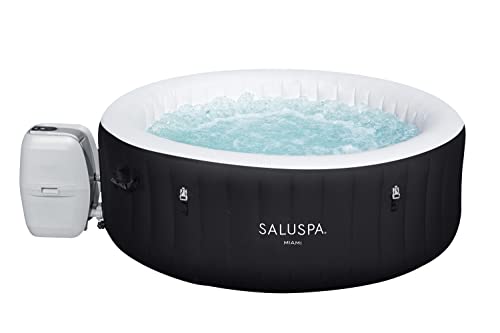
- VC Score8.6
BCP Score is a ranking system developed by bestcleanerproducts.com. BCP Score has no relationship or impact from any manufacturers or sales agent websites. Learn more
- BrandBestway

- VC Score8.6
BCP Score is a ranking system developed by bestcleanerproducts.com. BCP Score has no relationship or impact from any manufacturers or sales agent websites. Learn more
- BrandBestway
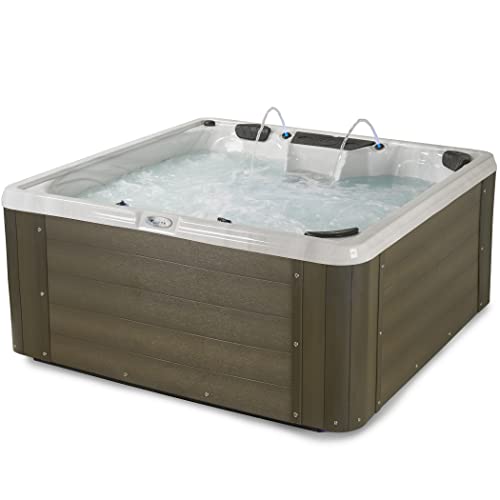
- VC Score8.6
BCP Score is a ranking system developed by bestcleanerproducts.com. BCP Score has no relationship or impact from any manufacturers or sales agent websites. Learn more
- BrandEssential Hot Tubs
- VC Score8.6
BCP Score is a ranking system developed by bestcleanerproducts.com. BCP Score has no relationship or impact from any manufacturers or sales agent websites. Learn more
- BrandBestway

- VC Score8.6
BCP Score is a ranking system developed by bestcleanerproducts.com. BCP Score has no relationship or impact from any manufacturers or sales agent websites. Learn more
- BrandColeman

- VC Score8.4
BCP Score is a ranking system developed by bestcleanerproducts.com. BCP Score has no relationship or impact from any manufacturers or sales agent websites. Learn more
- BrandIntex
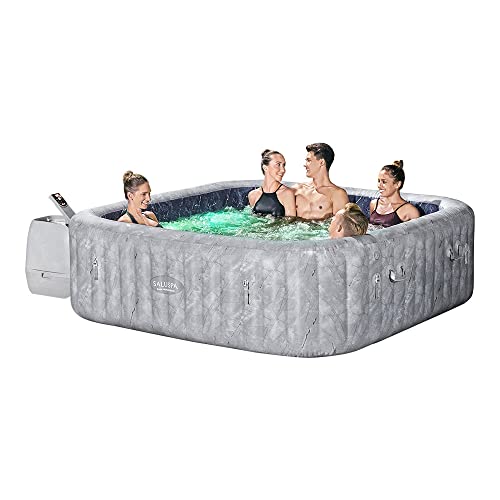
- VC Score8.4
BCP Score is a ranking system developed by bestcleanerproducts.com. BCP Score has no relationship or impact from any manufacturers or sales agent websites. Learn more
- BrandBestway
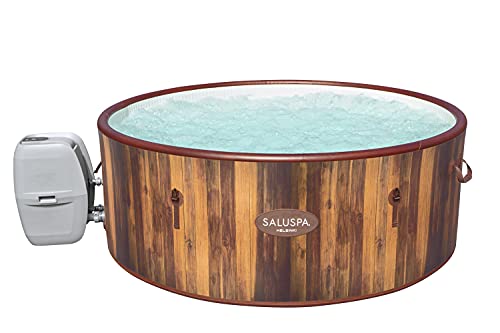
- VC Score7.8
BCP Score is a ranking system developed by bestcleanerproducts.com. BCP Score has no relationship or impact from any manufacturers or sales agent websites. Learn more
- BrandBestway
Last update on 2026-10-08 / Affiliate links / Images, Product Titles, and Product Highlights from Amazon Product Advertising API
FAQs
How long should a safe outdoor hot tub soak last?
A safe soak should typically last between 15 and 30 minutes, especially when the water is heated between 102°F and 104°F. Staying in hot water longer can elevate your core body temperature to uncomfortable levels, causing lightheadedness, nausea, or rapid heartbeat. If you want to linger longer with family or friends, lower the temperature on your digital control panel to around 98°F or sit up on the cooling bench periodically.
Is it safe to use an outdoor hot tub while it is snowing?
Soaking during a snowfall is completely safe and enjoyable as long as you take basic cold-weather precautions. Wear a dry knit beanie to protect your head and ears from freezing air, and keep your total soak time under 20 minutes to avoid sudden dizziness. Make sure you clear a dry, ice-free walkway back to your house before getting in so you can step inside safely when you are wet.
Can an inflatable hot tub stay outside during freezing weather?
An inflatable hot tub can stay outside in freezing weather only if it features built-in automatic freeze protection. Standard inflatable models without automated sensors must be drained, dried, and packed away once temperatures drop below 40°F, or expanding ice will split the pump housing and ruin internal seals. If your model does feature freeze protection, keep it plugged into its dedicated outdoor outlet continuously so the safety sensors remain active.

10 Best Hot Tub Under 6000 of 2026 For Steady Heat

11 Best Hot Tub For Family of 2026 With Real Legroom

11 Best Affordable Hot Tubs Led Lights of 2026 With Watertight Seals

11 Best 7 Seater Hot Tub of 2026 For Real Adult Legroom

11 Best Gravel For Hot Tub Base of 2026 To Prevent Sinking
10 Best Hot Tubs For Indoors Seattle of 2026 To Fit Standard Doorways

7 Best Shock For Intex Hot Tub of 2026 To Protect Inflatable Vinyl
12 Best Hot Tub For Lower Back Pain of 2026 To Decompress Your Spine








